Chemical Market Weekly | 2026-10-21: Three Mandatory Chemical Safety Standards Take Effect, Post-Certification Inspections of Special Equipment Start, EU and US Chemical Rules Tighten in Sync
10/21/2026
Key Points This Week: Mandatory Chemical Standards Land Densely, Special Equipment Supervision and EU-US Chemical Rules Tighten in Sync
This week's policy and standards updates are dense: three mandatory chemical safety standards issued by the Ministry of Emergency Management took effect on September 30, with major-hazard determination upgraded to 53 items; MIIT opened public comment on 7 industry standards and listed 42 for repeal review; SAMR launched 2026 post-certification inspections of special equipment manufacturers and inspection bodies; the EU REACH 2026 restriction timetable is phasing in month by month with CLP amendments continuing, while the US EPA issued new TSCA significant new use rules and a proposed TCE compliance-date extension. For chemical equipment makers, standards are getting stricter and supervision tighter, raising the importance of equipment selection and safety accessory configuration.
Policy & Standards: Three Mandatory Chemical Safety Standards Effective from September 30, Major-Hazard Rules Upgraded
Three mandatory chemical safety standards issued by the Ministry of Emergency Management took effect on September 30. AQ 3067-2026 upgrades major-hazard determination requirements from a regulatory document to a mandatory standard, specifying 53 major-hazard determination items covering seven categories; AQ 3072-2026 sets mandatory requirements on safety custody responsibility for major hazard installations; AQ 3026-2026 revises the 2008 edition of safety specifications for equipment maintenance operations at chemical plants. As equipment maintenance, major-hazard management and hazard determination tighten at the same time, routine inspection, maintenance operations and ledger management of pressure equipment such as reactors and storage tanks must follow the new standards.
Policy & Standards: MIIT Opens Comment on 7 Industry Standards, Lists 42 for Repeal
MIIT opened public comment on approval drafts of 7 industry standards including Steel Pipe Flanges (PN Series), with the comment period running from October 10 to November 8, 2026; it also published review conclusions for 42 industry standards proposed for repeal across chemical, building materials, textile and communications sectors, with the public notice period from September 24 to October 23, including the Safety Technical Regulations for Ethyl Sulfide Production. Flange and pipe fitting standards directly affect connection selection and interchangeability of piping for reactors, mixing tanks and storage tanks; once the standards are updated, equipment interface configurations need to be rechecked accordingly.
Source: Ministry of Industry and Information Technology
Policy & Standards: Post-Certification Inspections Start, Focusing on Pressure Vessel and Safety Accessory Manufacturers
SAMR deployed 2026 post-certification inspections of special equipment production units and inspection bodies, combining double-random sampling with targeted inspections; key targets include pressure vessel manufacturers and safety accessory manufacturers, and issuance of false inspection reports will be investigated. The normalization of post-certification inspections means licensed enterprises must pass not only certification reviews but also daily quality management; the authenticity of inspection records and ex-works documents has become a supervision focus, raising compliance requirements for manufacturing of stainless steel reactors and storage tanks.
Source: State Administration for Market Regulation
Policy & Standards: New Safety Accessory Regulation Effective in July, Equipment Code Transition to Year-End
TSG 92-2026 Safety Technical Regulation on Safety Accessories for Pressure Special Equipment took effect on July 1, 2026, setting clearer requirements on design, manufacture and inspection of safety valves and rupture discs; SAMR's notice on implementation issues of TSG 08-2026 Rules on Administration of Special Equipment Use specifies that the equipment code transition period runs to December 31, 2026. Safety accessories directly determine the safe operation of pressure equipment; selection and periodic verification of safety valves, rupture discs and sight glasses on reactors and storage tanks must follow the new regulation.
Source: State Administration for Market Regulation
Overseas Regulation: EU REACH 2026 Restriction Timetable Phases in Monthly, CoRAP Adds 27 Substances
According to the latest bulletin (updated October 20, 2026) of INERIS, France's chemicals regulation assistance portal, REACH restrictions taking effect in 2026 span the whole year: microplastics (entry 78) in January, HAP airgun pellets (entry 50bis) in April, siloxanes D4/D5/D6 (entry 70) in June, formaldehyde in articles (entry 77) in August, PFHxA (entry 79) in October, and aprotic solvents DMAC and NEP (entries 80/81) in December; the CoRAP 2026-2028 plan identifies 27 substances for evaluation; company names of C&L inventory notifiers became public on July 1, 2026. Chemical products and downstream formulations such as coatings and adhesives exported to the EU need to check substance compliance item by item according to the effective dates.
Overseas Regulation: EU CLP Amendments Continue, Classification and Labeling Lists Updated
The 2024 amendment to the EU Regulation on Classification, Labelling and Packaging of Substances and Mixtures (CLP, (EC) No 1272/2008) took effect on December 10, 2024, and the 22nd adaptation to technical progress continues to update the harmonised classification and labelling lists. Classification and labelling underpin the transmission of hazard information through the whole supply chain from production to use; after the amendment, suppliers must update hazard information on labels, SDS and packaging in accordance with the new requirements, affecting coatings, inks and adhesives formulation industries.
Overseas Regulation: US TSCA Significant New Use Rules Effective December 14, 90-Day Prior Notice Required
The US EPA published on October 15, 2026 in the Federal Register the final rule of TSCA Significant New Use Rules (SNURs) batch 26-1, effective December 14, 2026: manufacture or processing of listed chemical substances for significant new uses requires a Significant New Use Notice (SNUN) at least 90 days in advance. SNURs batch management has become a routine TSCA supervision tool; companies exporting chemical intermediates, additives and downstream formulations to the US should monitor whether substances fall into the scope of new-use regulation.
Overseas Regulation: US Proposed Further Extension of TCE Compliance Dates, Some Deadlines to End-2027
The US EPA published on October 14, 2026 a proposed rule extending TCE (trichloroethylene) TSCA compliance dates, with the public comment period open until November 13, 2026; certain compliance deadlines are proposed to be extended to December 31, 2027. TCE is widely used in degreasing cleaning, adhesives and intermediate synthesis; the compliance schedule adjustment directly affects related cleaning processes and process switchover pacing, and enterprises using TCE may submit comments within the comment period.
Downstream & Outlook: How to Choose Compliant Chemical Equipment as Standards Tighten
Reviewing this week's policy and standards updates: domestic mandatory standards and special equipment supervision are tightening, EU REACH restrictions and CLP amendments are advancing, and US TSCA significant new use rules have landed — compliance has become a hard constraint for chemical production and equipment selection. For producers, when standards tighten it pays to do homework on the equipment side — the jacket and coil pressure design of stainless steel reactors, the sealing and maintenance convenience of mixing tanks, and the safety accessory configuration of storage tanks all directly affect equipment maintenance, post-certification inspections and safety accessory verification; greenfield and revamping projects more often consider complete turnkey lines for compliance-ready delivery, front-loading standard requirements into design and selection to compress rectification cost and lead time.
Related reading:
This article is compiled by Haolin Shengda Equipment Manufacturing Co., Ltd. (hyline.cn), with information ownership belonging to the original authors. We specialize in stainless steel reactors, mixing tanks, storage tanks, dispersers, concentrators and complete chemical line support, and support non-standard customization.
Related Products
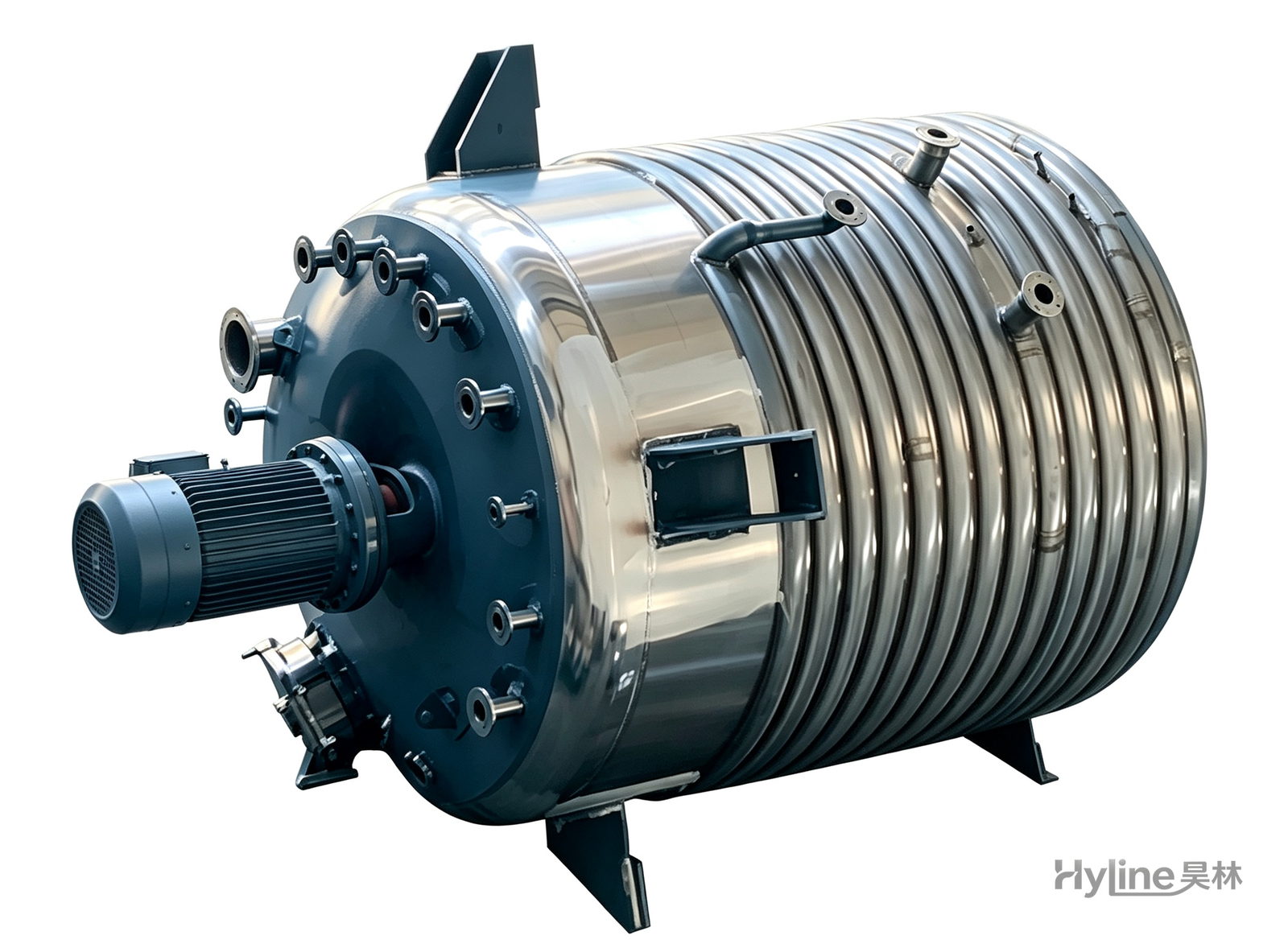
External Half-Coil Reactor
External half-pipe heating & cooling coils provide uniform, efficient heat exchange with zero material dead zones inside. Mirror-polished 304/316L stainless tank is clean and corrosion-resistant. For resin, new-energy slurry and pharmaceutical synthesis.
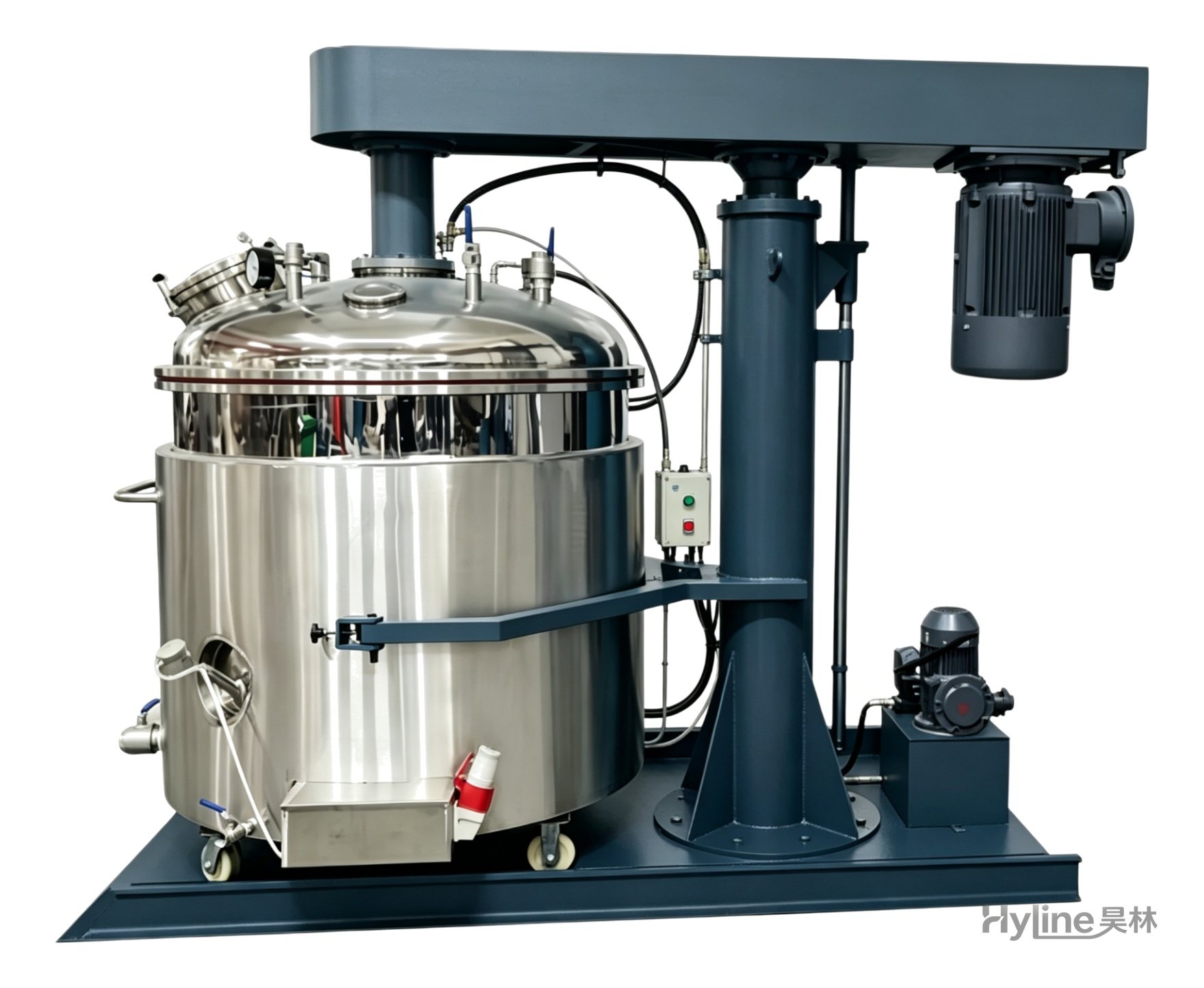
FL Series Vacuum Disperser
Designed for bubble-rich materials and volatile solvents. Vacuum dispersion reduces bubbles and solvent evaporation, accelerates fineness and rapidly defoams. Simple structure, high vacuum, easy operation.
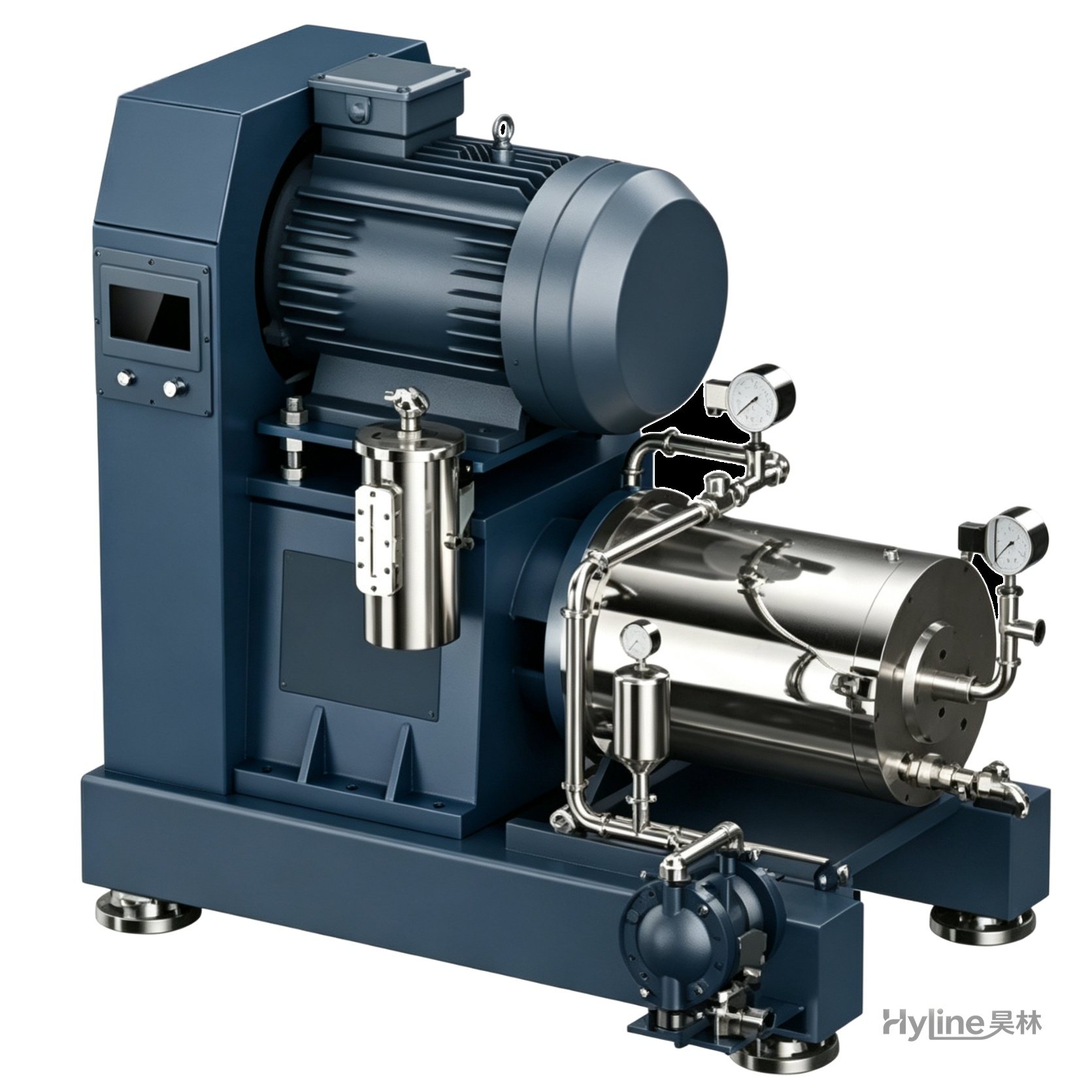
TDB Nano Sand Mill (Rod Pin Type)
Designed to advanced European standards with ample flow, excellent temperature control and high energy efficiency, achieving narrow particle size distribution at nano grade. Widely used in ceramics, inks, lithium battery materials, electronic slurries, nano pastes and pesticides.
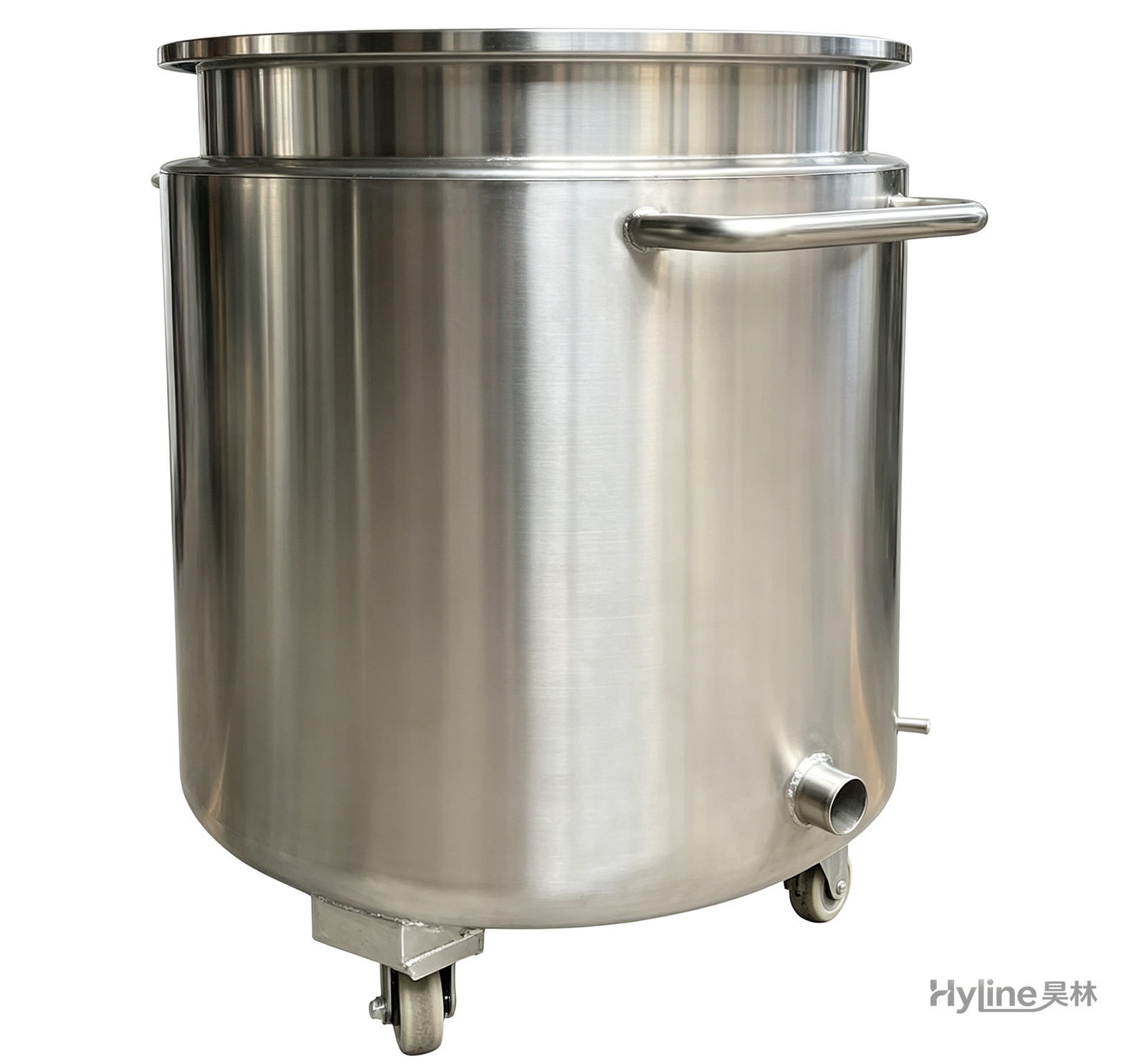
Stainless Steel Mixing Tank (Dispersion Drum)
Supporting vessel for dispersers and mixers in paints, coatings, adhesives, color slurries, inks and electronics. Available in 201/304 stainless with internal/external polishing and sloped bottom side discharge for complete draining.