
Chemical Market Weekly | 2026-11-13: Synthetic enzyme mimicry opens new reaction routes, membrane-free electrolysis yields hydrogen and precursor in one step, solid electrolyte scale-up raises the equipment bar
11/13/2026
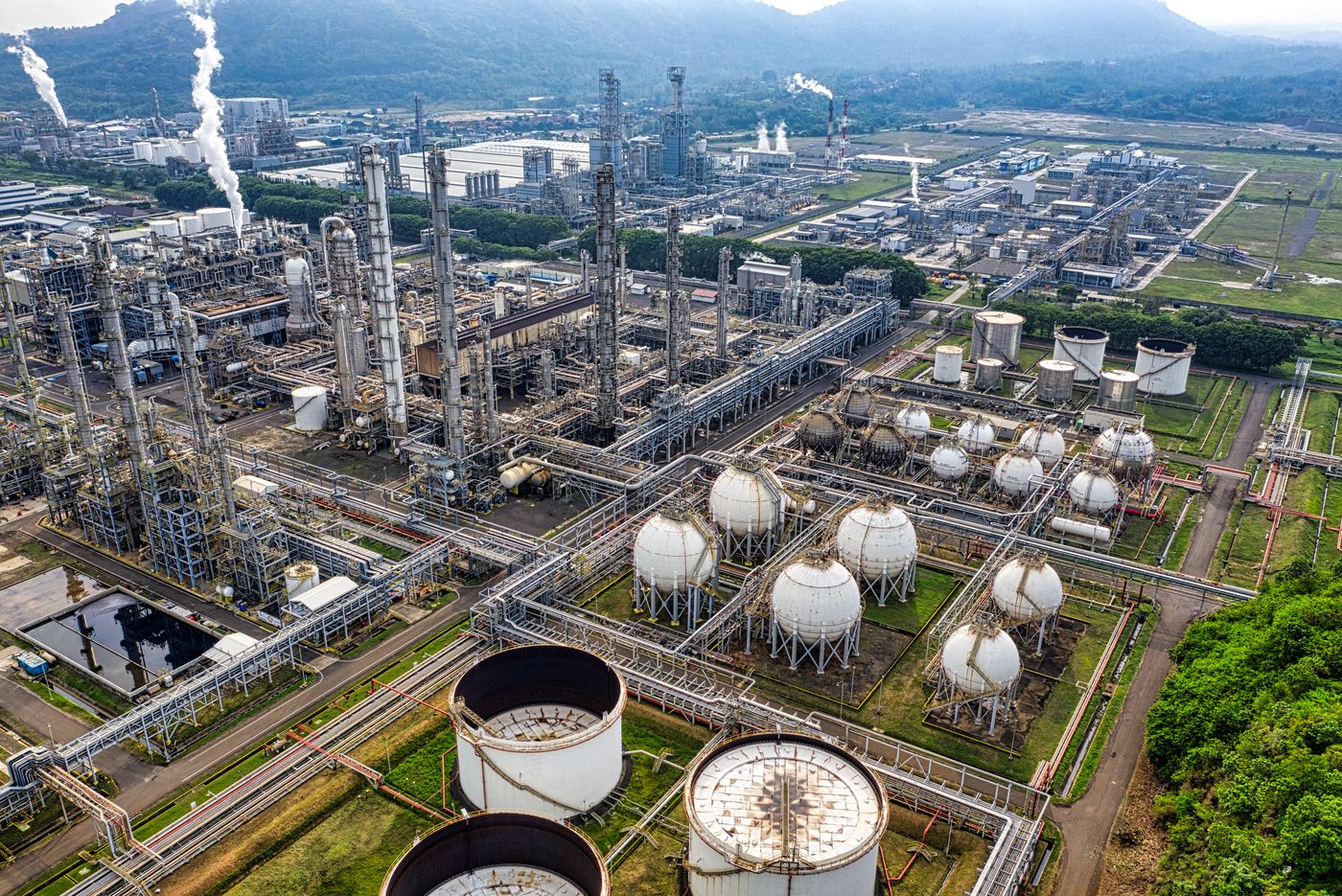
This weekly focuses on four signals from the process and technology side: synthetic enzyme mimicry and membrane-free electrolysis offer new reaction routes, solid-state electrolytes move from lab to vehicle validation, an overseas organosilicon platform completes its expansion, and there is fresh discussion on turning inspection data into reliability assets. For procurement of reaction, grinding and storage equipment, configuration is the decisive factor in whether new processes can scale.
What breakthroughs are emerging in reaction process?
### Which reaction pathways can synthetic enzyme mimicry open?
One-line conclusion: enzyme-mimetic catalysis is unlocking new routes for aromatic chemistry. According to Chemical Engineering, a chemistry team at Penn State University has created a synthetic mimic of the oxygen-activating enzyme extradiol dioxygenase, enabling ring-opening oxidation of aromatic compounds under mild conditions without the demanding protein handling of natural enzymes, offering sustainable production routes that cut waste and unwanted byproducts. Scaling such routes from lab to plant changes reaction temperature windows, feeding and mass transfer, so the temperature-control precision and agitation configuration of reactors must be re-sized for the new route.
Source: Chemical Engineering
### Why can membrane-free electrolysis produce two products at once?
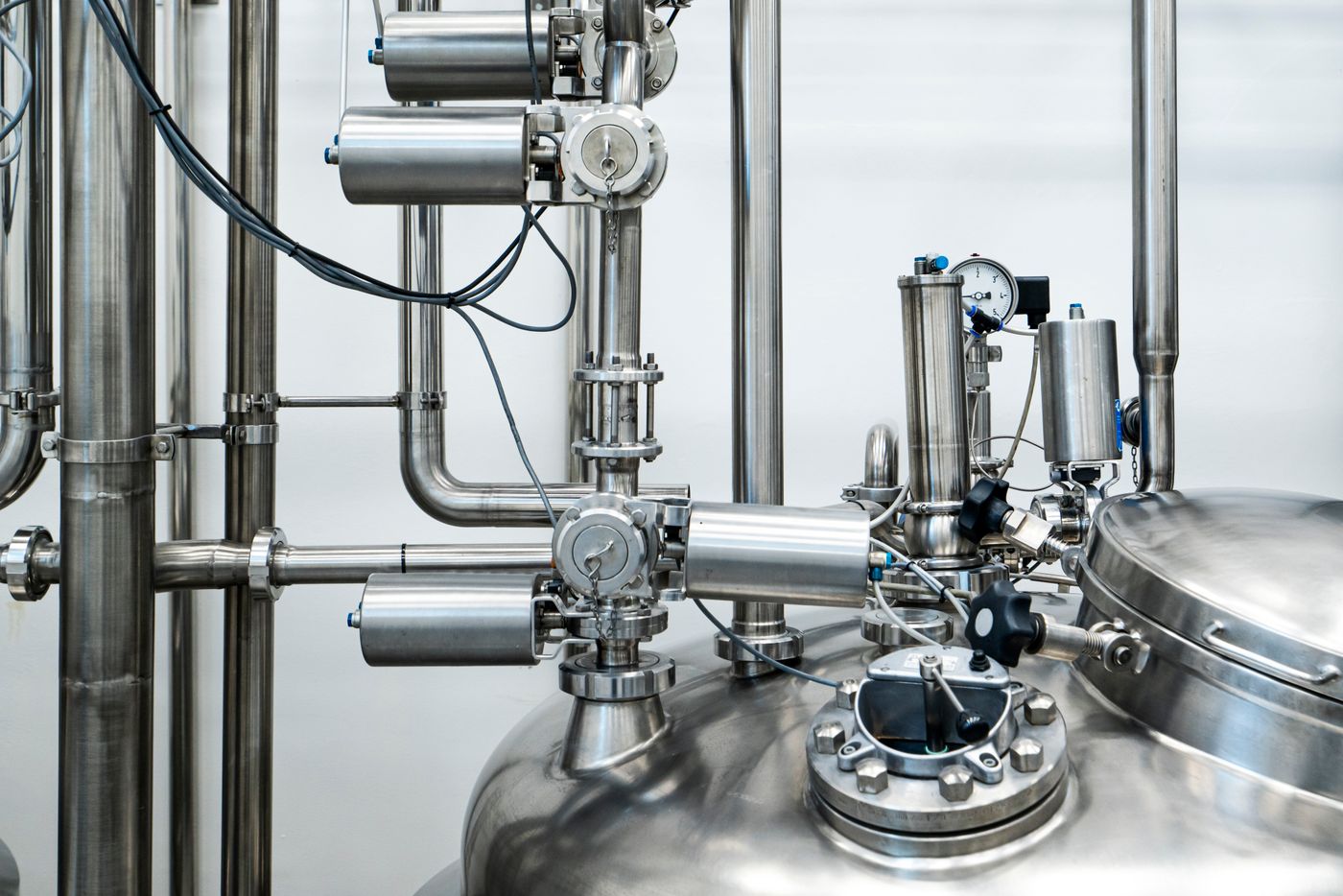
One-line conclusion: removing the membrane and redesigning the anode lets green hydrogen carry a high-value co-product. According to Chemical Engineering, a team at Keele University modified the conventional alkaline water electrolyzer in two ways: the membrane is eliminated, and a new anode reaction mechanism converts the anode from oxygen evolution to producing the high-value plastic precursor 2,5-furandicarboxylic acid, while the cathode still evolves hydrogen — two products from one low-voltage unit, with the co-product offsetting green hydrogen costs. The upstream feeding and downstream separation of the electrolysis step need stable batching and transport, upgrading the corrosion and temperature-control configuration of stainless steel mixing tanks.
Source: Chemical Engineering
### What is cost-focused process chemistry rewriting?
One-line conclusion: deep process chemistry is the main lever for cutting the cost of essential medicines. According to C&EN, the Medicines for All Institute at Virginia Commonwealth University, whose mission is to drive down production costs of high-quality medicines, has received more than 70 million dollars from the Gates Foundation and other philanthropic partners; its team is optimizing the synthesis of the antiviral drug lenacapavir by reordering reactions and replacing costly reagents. Scaling low-cost synthesis routes to ton-scale production hinges on heat management and batch consistency, so reaction and purification equipment should be involved in design early.
Source: C&EN
Where are the process bottlenecks on the materials side?
### What does solid-state electrolyte scale-up test?
One-line conclusion: material systems have stratified, and the scaling challenge centers on dry environments and slurry handling. According to a review by China Chemical Information Weekly, solid electrolytes fall into four systems — polymer, oxide, sulfide and halide: sulfides reach 10^-3 to 10^-2 S/cm at room temperature, close to liquid electrolytes, but are air-sensitive and release toxic hydrogen sulfide on contact with water, demanding water- and oxygen-free production, assembly and storage environments with extreme equipment requirements; hybrid solid-liquid cells have entered vehicle validation and small-scale production. Dispersion and grinding of sulfide slurries impose hard requirements on sealing, corrosion resistance and cleanliness, so sand mill selection must treat system sensitivity as a precondition.
Source: China Chemical Information Weekly
### Where does bio-based scale-up get stuck?
One-line conclusion: the lab-to-production scale-up step remains the main bottleneck. According to Renewable Carbon News, a research team used reconstructed bamboo fibers to give solar water-purification devices a renewable structural framework combining water transport and thermal regulation, improving evaporation performance; meanwhile, a programmable-biology start-up announced a biological nitrogen collaboration with a multinational agriculture company — its engineered microbes colonize crop roots first and then switch on nitrogen production, with USDA and EPA approval for multi-site field trials across the US Midwest and biosafety approval in Brazil. Bio-based scale-up typically runs through fermentation, separation and blending, and the hygienic configuration of fermenter vessels and downstream batching equipment is the most underestimated part of scaling plans.
Source: Renewable Carbon News
Source: Renewable Carbon News
What is the equipment side catching up on?
### How do plant expansions improve supply resilience?
One-line conclusion: pipe-rack connectivity and storage expansion are the two most visible wins of brownfield upgrades. According to PROCESS China, a specialty chemicals company completed a 52-million-euro expansion of its organosilicon production platform at the Essen-Goldschmidt site in Germany, adding new production units and large storage tank facilities, with a 150-meter pipe gallery linking four production units and 15 production facilities; the site grew from 32 to 35 hectares, lifting modified organosilicon capacity and supply resilience. For brownfield upgrades in China, tank-farm expansion almost always precedes line expansion — the layout and nozzle allowance of storage tanks determine the freedom of later retrofits.
Source: PROCESS China
### How does inspection data become a reliability asset?
One-line conclusion: a single inspection reveals little; long-term asset history exposes repeat problems. According to Powder & Bulk Solids, reliability issues in dry processing and bulk handling build over time: a conveyor mistracks several times before belt damage, a feeder shows inconsistent flow before output suffers, and a dust collector logs repeated differential-pressure events before performance drops; reviewing inspection and maintenance records as isolated notes hides whether the same problem recurs monthly or whether a previous repair worked. Abrasion, dust, vibration, moisture, buildup, temperature swings and corrosion are constant, so linking records by asset is the cheapest first step to higher uptime — especially for the mechanical-seal, impeller and piping logs of mixing tanks.
Source: Powder & Bulk Solids
Further reading: - Reactor heating and cooling methods compared - New energy materials capacity expansion drives nano sand mill demand
This digest is compiled by Haolin Shengda Equipment Manufacturing Co., Ltd. (hyline.cn); all information belongs to the original authors. The company manufactures stainless steel reactors, mixing tanks, storage tanks, dispersers, concentration vessels and complete chemical production lines, with non-standard customization available.
Related Products
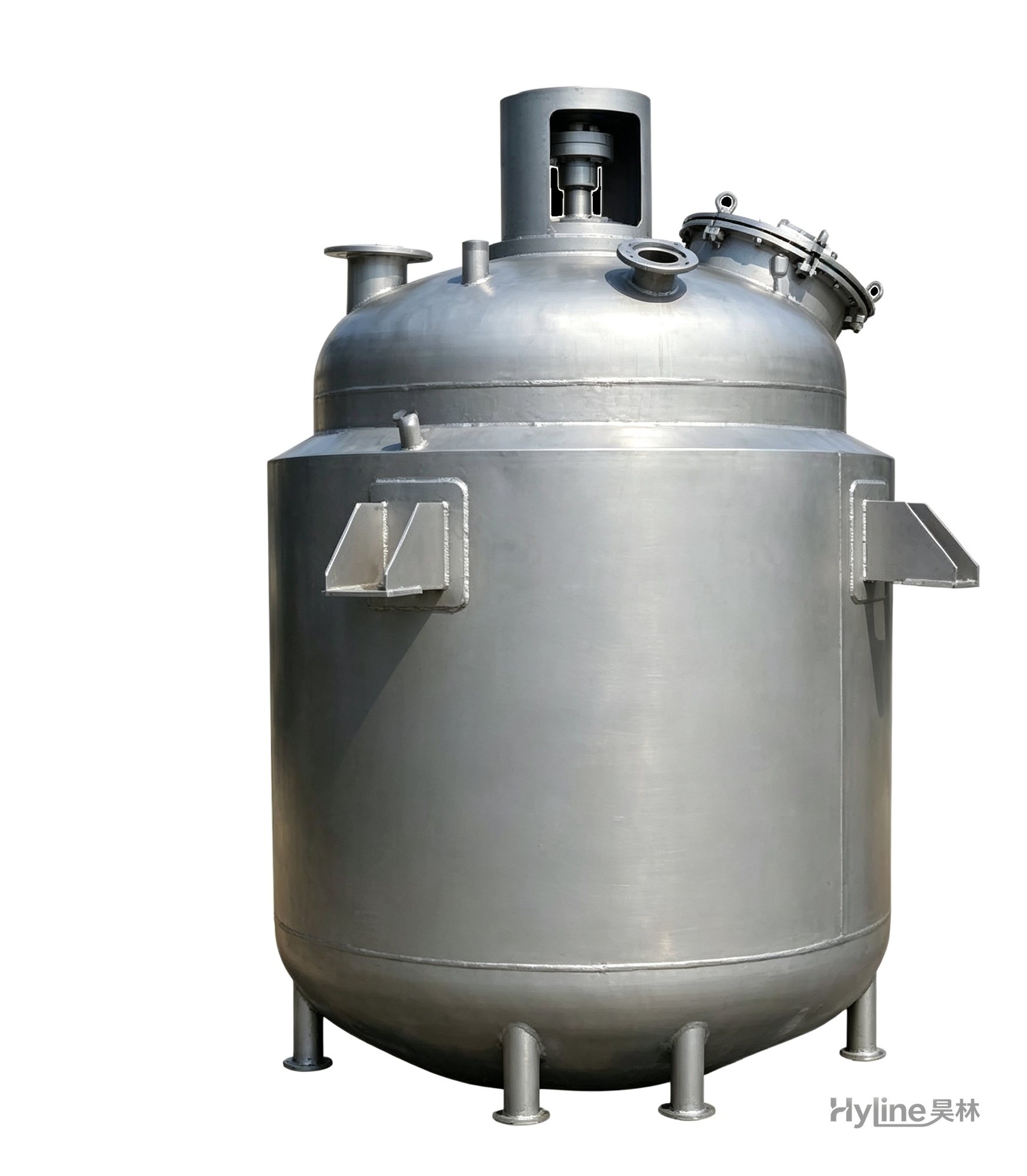
Jacketed Reactor
The typical main reaction vessel in chemical production. Mixing, heating and cooling disperse and mix materials for reaction and polymerization. The jacket circulates thermal oil/steam for heating or cooling water for temperature control.
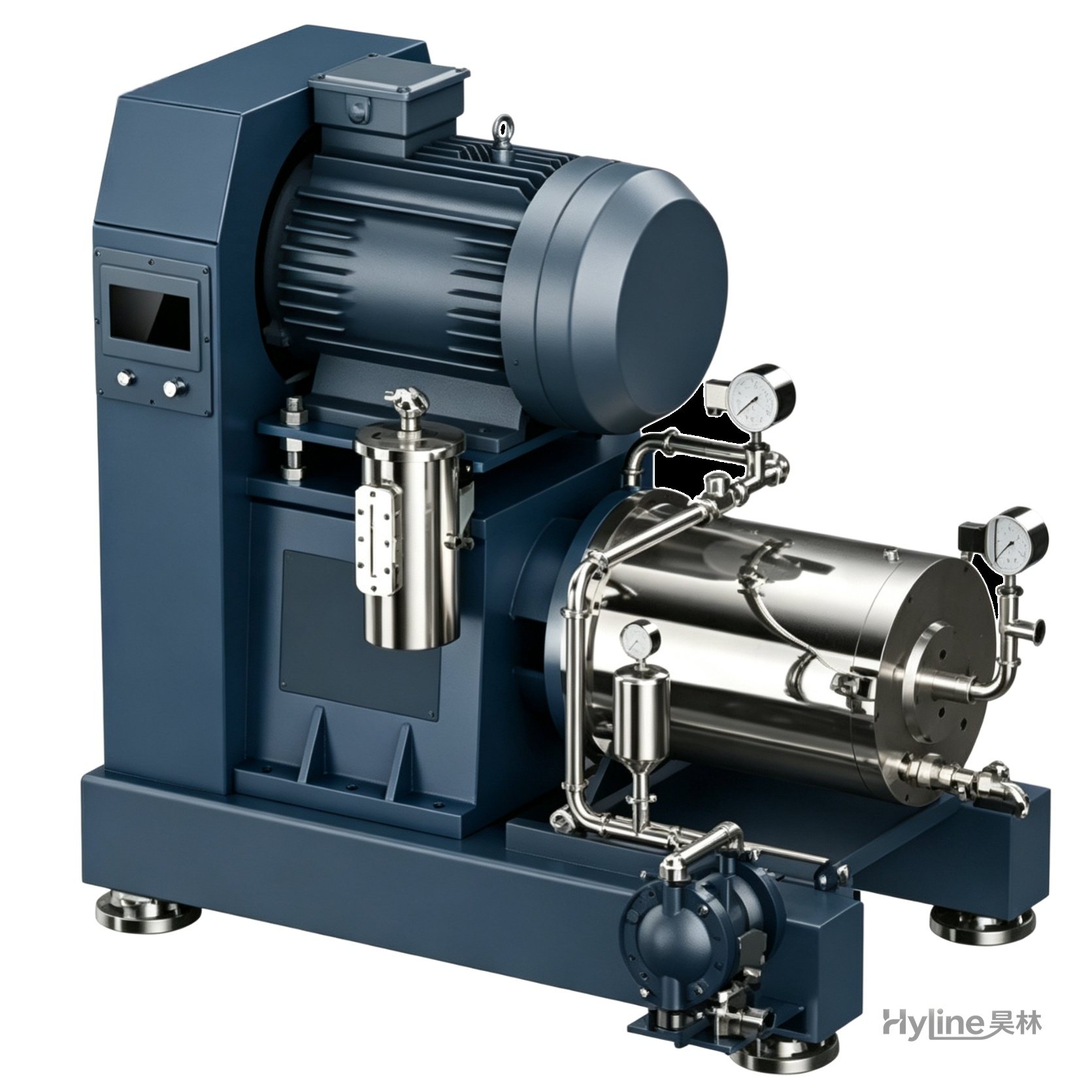
TDB Nano Sand Mill (Rod Pin Type)
Designed to advanced European standards with ample flow, excellent temperature control and high energy efficiency, achieving narrow particle size distribution at nano grade. Widely used in ceramics, inks, lithium battery materials, electronic slurries, nano pastes and pesticides.
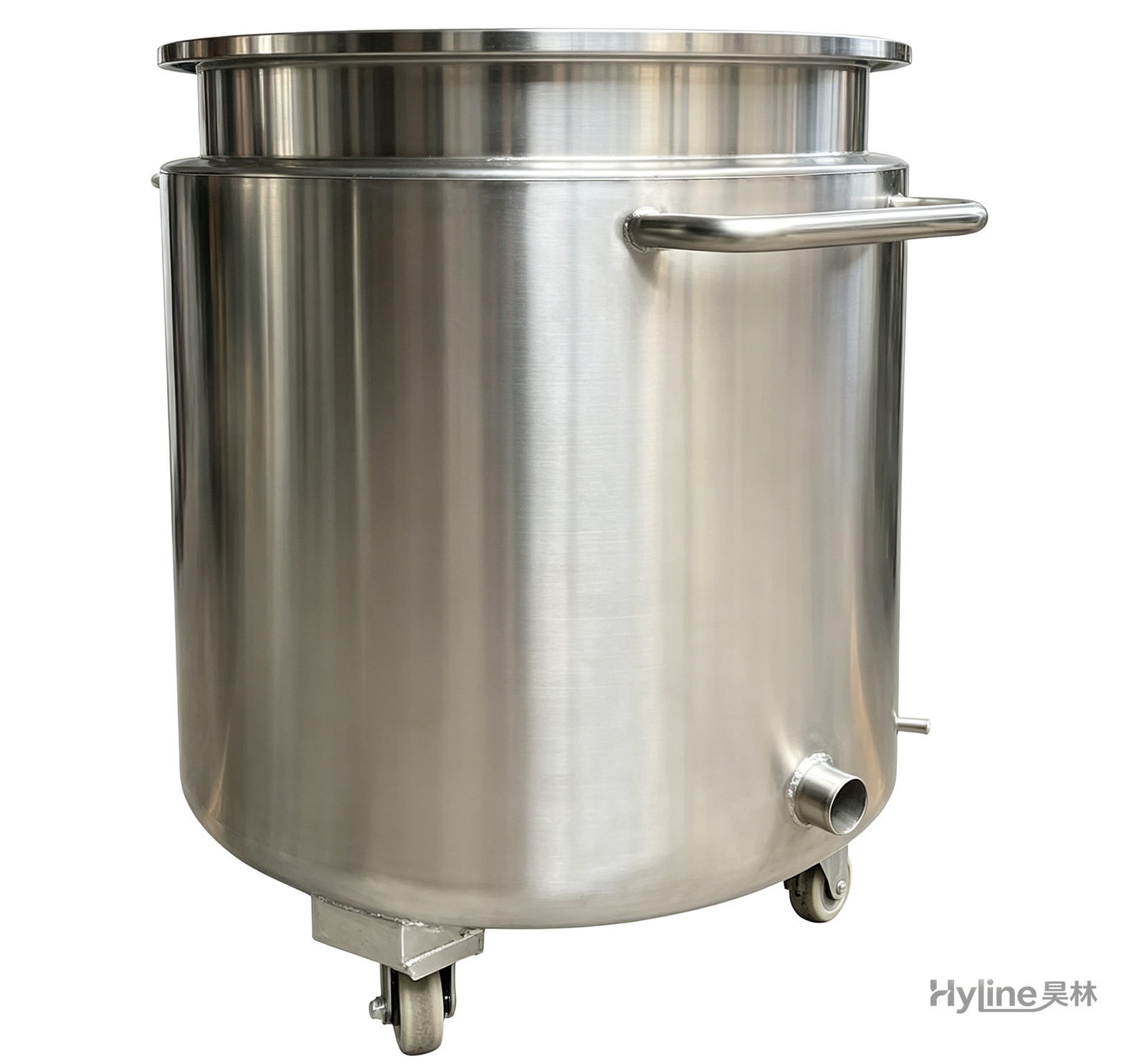
Stainless Steel Mixing Tank (Dispersion Drum)
Supporting vessel for dispersers and mixers in paints, coatings, adhesives, color slurries, inks and electronics. Available in 201/304 stainless with internal/external polishing and sloped bottom side discharge for complete draining.
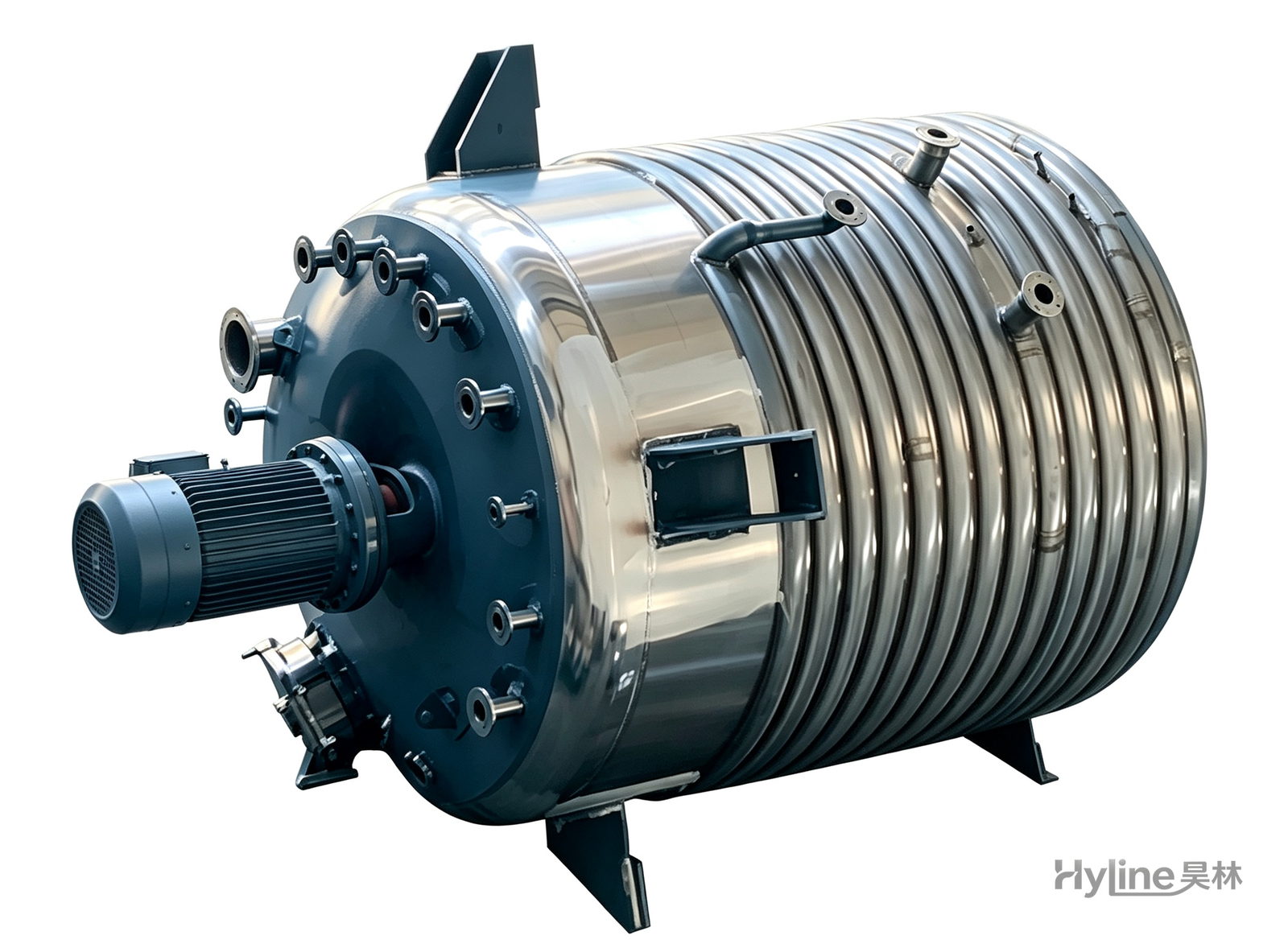
External Half-Coil Reactor
External half-pipe heating & cooling coils provide uniform, efficient heat exchange with zero material dead zones inside. Mirror-polished 304/316L stainless tank is clean and corrosion-resistant. For resin, new-energy slurry and pharmaceutical synthesis.