
How to Configure Demisters and Vapor-Liquid Separation for a Concentrator? Key Points for Anti-Carryover Evaporator Design
10/29/2026
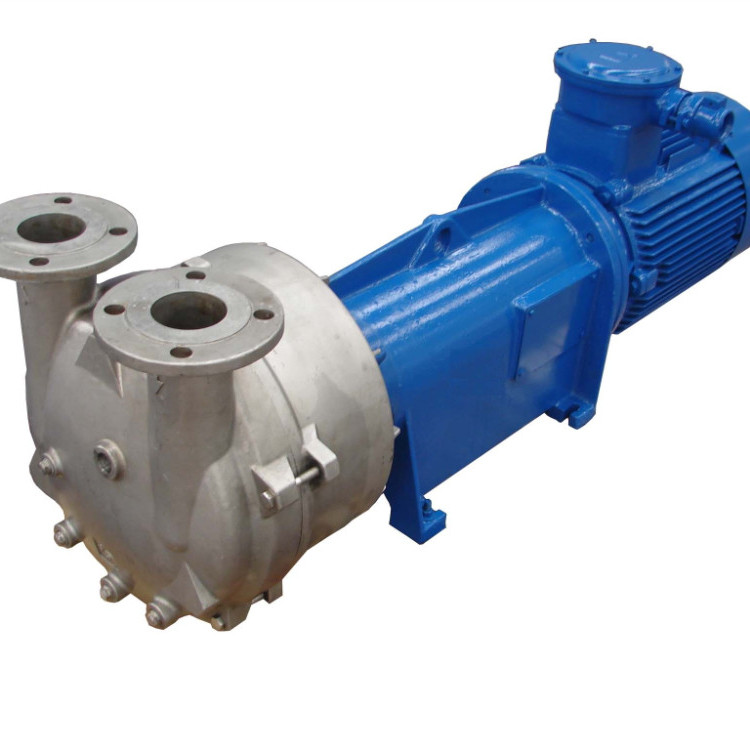
Why Does a Concentrator Carry Over? How Does Droplet Entrainment Happen?
Bottom line: during boiling evaporation, bursting bubbles generate fine droplets that are carried out of the evaporator chamber by rising secondary vapor; this is the "carryover" commonly seen in operation, and it is essentially a droplet entrainment problem.
Liquid boils inside the heating tubes; vapor bubbles rise to the surface and burst, and the liquid film shrinks into droplets of different sizes. Upward vapor flow carries these droplets away, and the smaller the droplet the easier it is to be entrained. Carryover costs more than lost material in a concentrator: the condenser, vacuum piping and vacuum pump get contaminated, condensate recovery turns dirty, vacuum fluctuates, and in severe cases liquid backs up into the vacuum system. Foaming-prone materials — TCM extracts, fruit juice, syrup and starch-based liquids — carry a much higher carryover risk than ordinary media.
What Factors Control Droplet Entrainment?
Bottom line: entrainment is governed mainly by evaporator vapor velocity, liquid level height and feed foaming tendency; vapor velocity is the first factor to keep down.
The average velocity of secondary vapor over the cross-section of the evaporator chamber is called the evaporator vapor velocity. The higher the velocity, the larger the droplets it can carry and the greater the entrainment; in normal operation the evaporator vapor velocity is generally kept within 0.3–1.5 m/s, taking the lower bound for strongly foaming media. The closer the liquid surface is to the vapor outlet, the more easily droplets are carried away directly after bubble burst, so sufficient disengagement space above the liquid level is required — generally 1.5–2 times the shell diameter. Foaming tendency itself comes from surface-active components such as saponins, proteins and polysaccharides; foaming worsens as concentration rises and evaporation intensity increases.
| Factor | Effect | General control range |
|---|---|---|
| Evaporator vapor velocity | Higher velocity, more entrainment | 0.3–1.5 m/s |
| Disengagement height above liquid | More height, better separation | ≥1.5× shell diameter |
| Feed foaming tendency | More foaming, more conservative sizing | Combined with demister selection |
What Demister Types Are Available? Wire Mesh, Baffle and Cyclone
Bottom line: choose the type by droplet size and vapor velocity; wire mesh demisters capture over 99% of fine mist from about 3–5 μm and are the most common configuration for concentrators.
A wire mesh demister consists of layers of fine wire mesh; droplets coalesce on collision and flow down along the mesh, and it is generally installed at the top of the evaporator chamber just before the secondary vapor outlet. Baffle demisters use directional change to throw droplets onto the plate, with low pressure drop and good resistance to fouling, suitable for feed containing solid particles. Cyclone separators use swirl centrifugal force for separation, handle large vapor volumes and are generally installed on the external secondary vapor pipe. The types can be combined: wire mesh at the chamber outlet plus a cyclone on the pipe gives double protection for high-velocity and fine-mist duty.
| Type | General vapor velocity | Captured droplet size | Features |
|---|---|---|---|
| Wire mesh demister | 1–4 m/s | from 3–5 μm | High efficiency, low pressure drop, most widely used |
| Baffle demister | 2–10 m/s | from 10 μm | Fouling resistant, for feed with solids |
| Cyclone separator | 15–25 m/s | from 5–10 μm | Large vapor capacity, usually on external piping |
How to Size the Height and Diameter of the Evaporator Chamber?
Bottom line: diameter is calculated back from secondary vapor rate divided by the allowable vapor velocity, and height is set to leave sufficient disengagement space above the liquid level; the two together determine carryover resistance.
First calculate the secondary vapor rate: hourly water evaporation divided by the vapor specific volume gives the volumetric flow, which divided by the selected vapor velocity gives the required cross-section, and the diameter follows. Liquid level height leaves margin for heating-tube arrangement and level fluctuation, and 1.5–2 times the shell diameter above the liquid level is reserved as the disengagement section. Enlarging the chamber diameter lowers vapor velocity and visibly reduces entrainment — the most direct anti-carryover measure in design. Size on the maximum evaporation rate rather than the average, so peak duty does not exceed the velocity limit.
How Does the Vacuum System and Condenser Coordinate?
Bottom line: the demister stops large droplets, the condenser recovers vapor, and a buffer tank before the vacuum pump acts as the final safeguard — three levels complete the system.
In vacuum concentration, after the demister, secondary vapor enters the condenser where most vapor condenses and is recovered; non-condensables and residual fine mist go to the vacuum pump. For feeds containing foaming components, a buffer tank or vapor-liquid separator is generally added between the condenser outlet and the vacuum pump inlet to prevent condensate and foam from being drawn into the pump. When a water-ring pump is used, contact between working water and process liquid spreads contamination into the drain system, so both pre-pump separation and post-pump air-water separation must be configured. Vacuum control on the concentrator also needs a regulating valve so vacuum fluctuation does not pull the liquid level up and induce entrainment.
How Do TCM, Juice and Syrup Duty Differ?
Bottom line: strongly foaming feeds get wire mesh demisters plus a larger evaporator chamber; solids-bearing feeds get baffle or cyclone; configuration follows the feed characteristics.
TCM extracts contain saponins and polysaccharides, foam strongly and the foam is stable; wire mesh demisters are generally fitted with a reduced evaporator vapor velocity, and defoaming provisions are added when necessary. Juice and syrup rise in viscosity late in concentration with moderate foaming; wire mesh plus sufficient disengagement height is enough. Feeds containing fine solid particles (e.g. fruit pulp) clog the mesh quickly and baffle demisters are preferred. When changing feed types, the demister type and evaporator size should be reserved at the selection stage for the worst-case duty rather than added after commissioning.
| Feed | Foaming tendency | General recommended configuration |
|---|---|---|
| TCM extract | Strong, stable foam | Wire mesh demister + low vapor velocity + defoaming provision |
| Juice, syrup | Moderate | Wire mesh demister + sufficient disengagement height |
| Solids-bearing feed | Depends | Baffle demister as primary |
How to Accept and Clean a Demister?
Bottom line: check mesh material and count on arrival, watch differential pressure in operation, clean on schedule, and put the demister into the concentrator maintenance plan.
On acceptance, verify mesh material (304 or 316L per feed corrosiveness), count and installation orientation, and confirm the match with evaporator chamber size. Install a differential pressure gauge across the demister in operation; a rising differential means fouling or blockage, and cleaning is generally arranged when the differential exceeds double the initial value. Cleaning frequency follows the feed: rinse after each batch and deep-clean weekly for fouling-prone feeds; handle the mesh gently on removal — deformation and broken wire directly reduce separation efficiency. Early signs of demister failure are turbid condensate and liquid in the pump drain; checking these two points on patrol catches problems in advance.
How to Determine Evaporation Intensity and Heating Power?
Bottom line: heating power is estimated from the maximum evaporation rate and the latent heat of vaporization, with heat-transfer area matched to evaporation intensity and generally a 15–20% margin; insufficient power slows evaporation and raises the heating temperature.
Heating power of a concentrator depends on the evaporation rate: hourly water evaporation times the latent heat of vaporization (generally 2200–2400 kJ/kg for water under vacuum), divided by heat-transfer efficiency, gives the theoretical heating power. Practical sizing generally uses the maximum evaporation rate with a 15–20% margin; heat-transfer area must also be checked — excessive heat flux per unit area causes local overheating, faster fouling and more severe foaming. Evaporation intensity (evaporation per unit time and unit volume) reflects equipment capacity and generally follows industry experience values, adjusted by feed characteristics. Higher vacuum lowers the boiling point and widens the temperature difference, but pump capacity and condenser duty rise together, so heating power, condenser area and vacuum pump must be sized together rather than enlarging the heater alone. Slow agitation is generally fitted to a concentrator to limit fouling, with a stirring speed of generally 20–60 rpm.
How to Troubleshoot Carryover Faults in a Concentrator?
Bottom line: check whether the liquid level is too high and vapor velocity exceeds the limit first, then whether the demister has failed and vacuum fluctuates — follow "level — velocity — demister — vacuum" in order.
The most common cause is an over-high liquid level: the surface is too close to the outlet and bubbles are carried away as soon as they burst — lower the level and check feed control first. Next, excessive evaporation intensity pushes vapor velocity over the limit: reduce heating power or dilute the feed. A blocked or damaged demister loses protection: check differential pressure and whether condensate turns turbid. Vacuum fluctuation raises the liquid level: check the regulating valve and condensate accumulation in the condenser. Feed viscosity rises late in concentration and foam becomes more stable: lower evaporation intensity moderately or add defoaming measures. Troubleshoot in order; most carryover issues are resolved by adjusting operating parameters rather than modifying the equipment.
What Parameters Should You Give the Supplier When Sizing?
Bottom line: state feed properties, evaporation rate, vacuum level and allowable temperature rise clearly, and the supplier can match the evaporator chamber, demister and condenser system as a set.
Generally provide: feed name and boiling point, hourly evaporation rate, working vacuum, heating medium temperature and pressure, and the acceptable carryover rate or condensate turbidity. Note foaming tendency for easily foaming feeds and the viscosity range late in concentration for viscous materials. These parameters determine evaporator chamber diameter, demister type and heat-transfer area; if one is missing, the supplier can only use a generic configuration and field tuning may take several rounds.
Summary
Anti-carryover design for a concentrator comes down to four things: keep the evaporator vapor velocity down first, then choose the demister type by feed foaming tendency, leave sufficient disengagement height in the evaporator chamber, and finally give the vacuum system a buffer safeguard with condenser and buffer tank. Give the equipment supplier the maximum evaporation rate, feed composition and foaming tendency together, so that demister, evaporator chamber and vacuum system are matched to the same duty and no rework is needed. Our stainless steel concentrators support non-standard customization of demisters, vapor-liquid separation and vacuum systems; selection for TCM, juice and syrup concentration is welcome for discussion.
Related articles: - How to control the vacuum of a concentrator? - How to choose the condenser of a concentrator?
This article is prepared by Hyline Stenda Equipment Manufacturing Co., Ltd. (hyline.cn). Main products include stainless steel reactors, mixing tanks, storage tanks, dispersers, concentrators and complete chemical lines; non-standard customization is supported.
Q&A from this article
Frequently asked questions and answers from this article
Bottom line: strongly foaming feeds get wire mesh demisters plus a larger evaporator chamb…
Related Products

Jacketed Reactor
The typical main reaction vessel in chemical production. Mixing, heating and cooling disperse and mix materials for reaction and polymerization. The jacket circulates thermal oil/steam for heating or cooling water for temperature control.
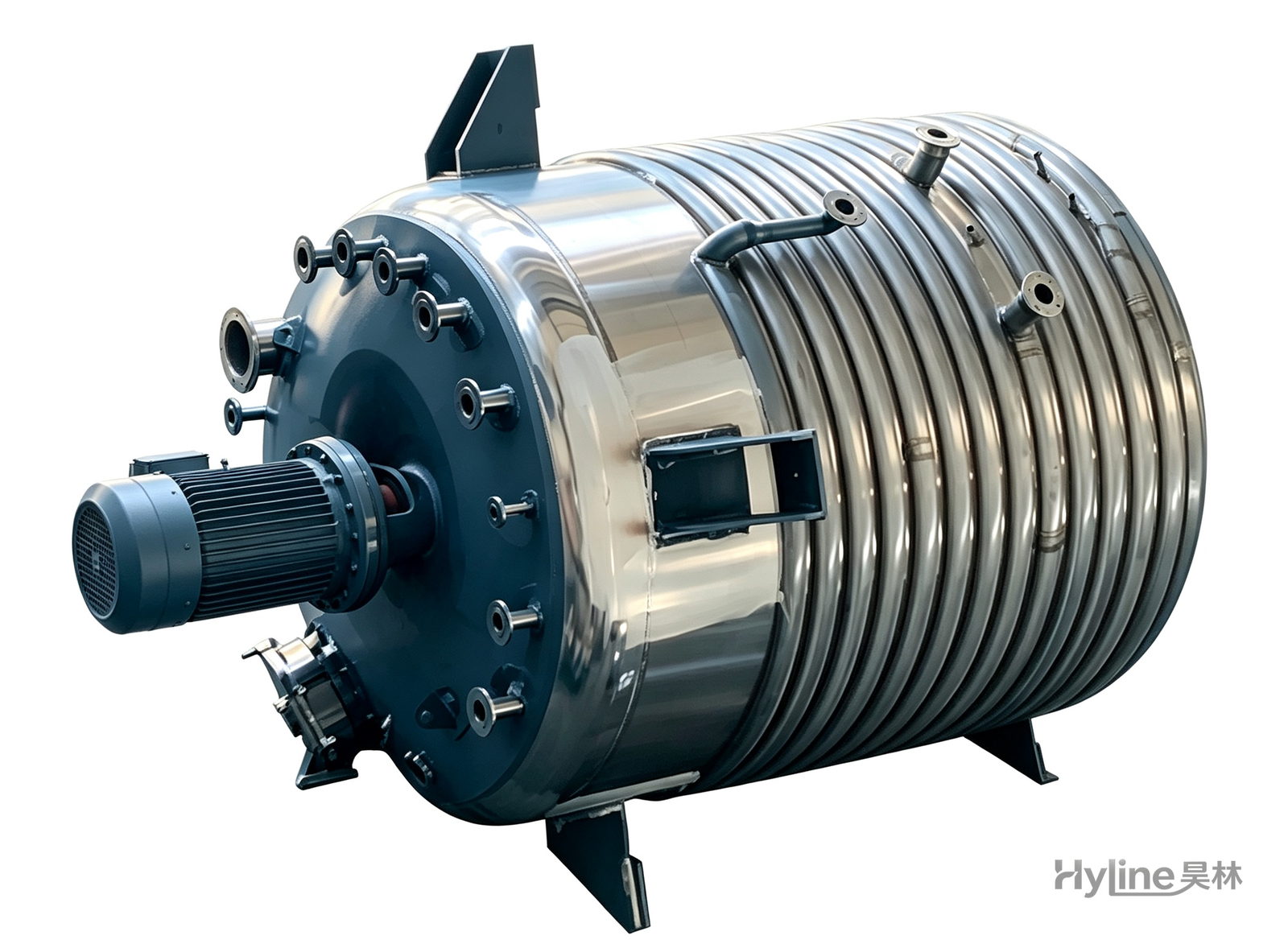
External Half-Coil Reactor
External half-pipe heating & cooling coils provide uniform, efficient heat exchange with zero material dead zones inside. Mirror-polished 304/316L stainless tank is clean and corrosion-resistant. For resin, new-energy slurry and pharmaceutical synthesis.

Stainless Steel Mixing Tank (Dispersion Drum)
Supporting vessel for dispersers and mixers in paints, coatings, adhesives, color slurries, inks and electronics. Available in 201/304 stainless with internal/external polishing and sloped bottom side discharge for complete draining.
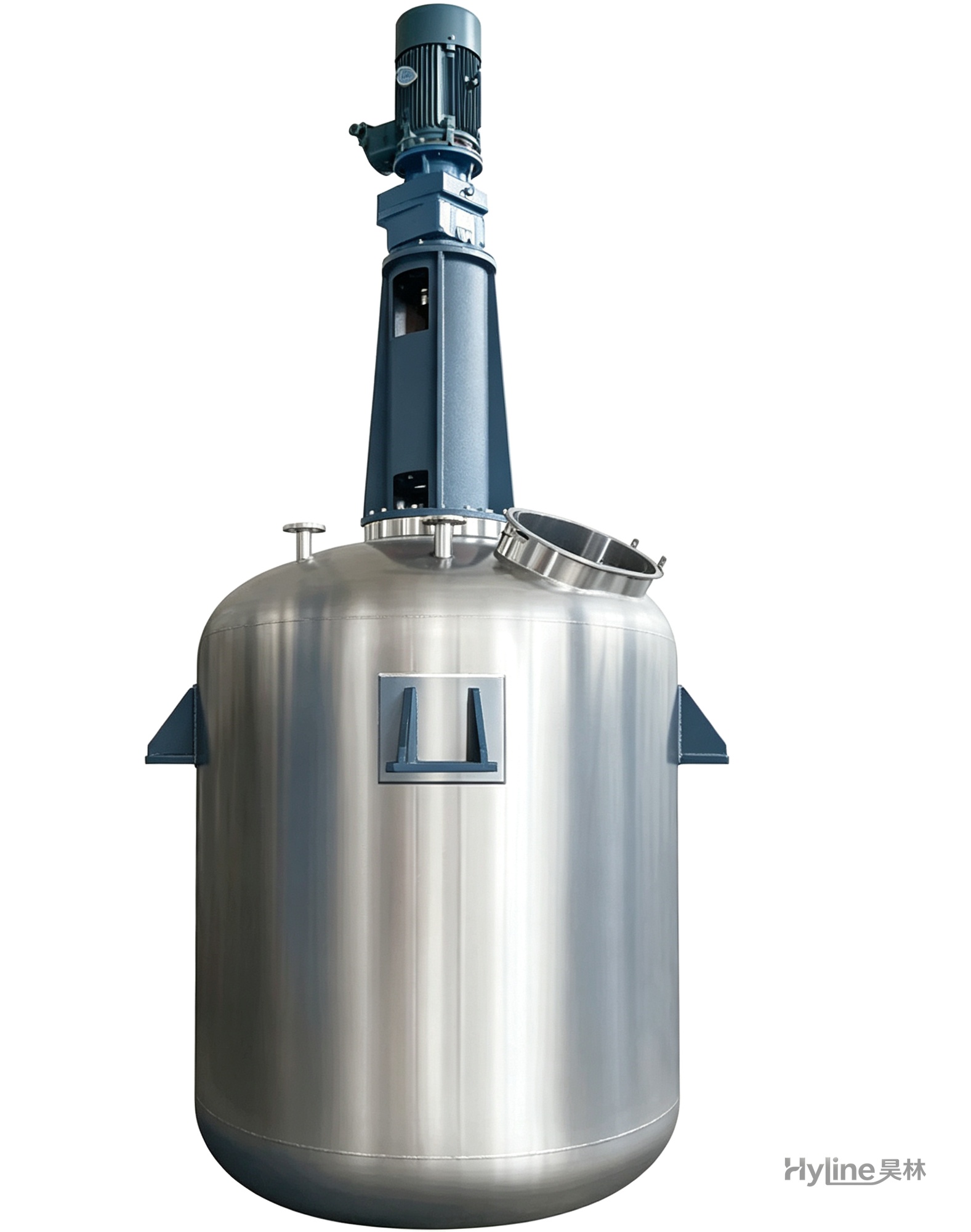
TC Series Mixing Kettle (Tinting)
For color matching in the paint industry and liquid-liquid / liquid-solid mixing in other industries. Uniform tinting, good miscibility, reasonable structure and powerful stirring.
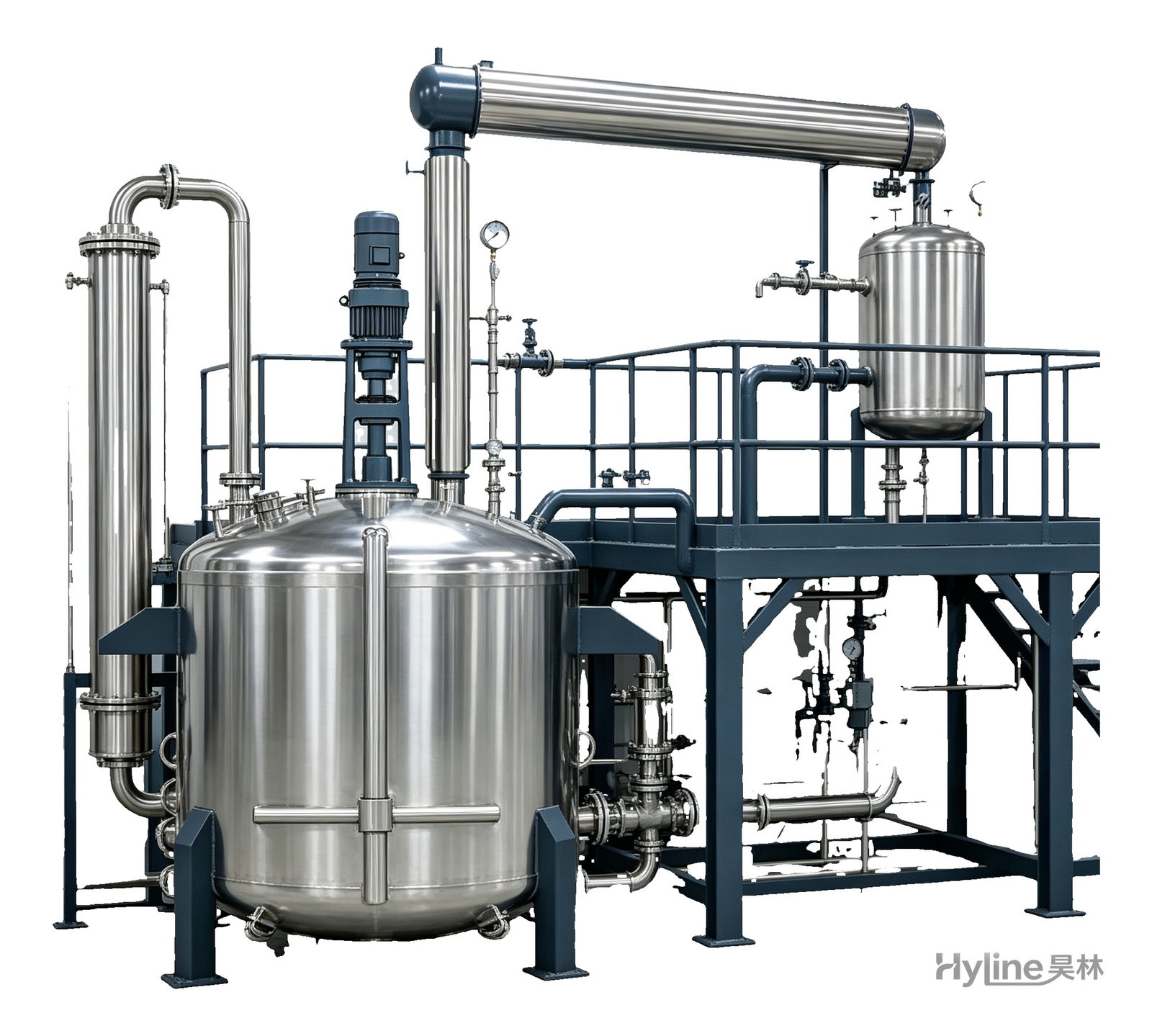
Complete Resin Production Equipment
Resin production packages built around the reactor, with vertical fractionating column, horizontal condenser and water separator for full synthesis, dehydration and reflux processes. Sizes from 300L to 30000L.