
How to choose material and polish grade of an emulsifying mixer: food, pharma and cosmetic hygiene levels differ
11/5/2026
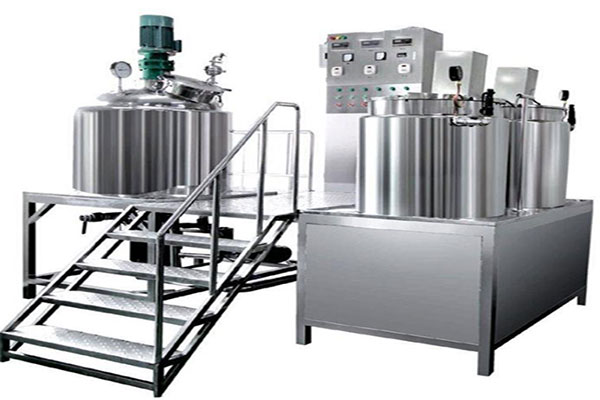
When companies making cosmetic creams, pharmaceutical ointments or food pastes purchase an emulsifying mixer, they are often stuck on two parameters: should the tank be 304 or 316L, and does the inner wall need mirror polish or is sanitary polish enough? These look like simple checkboxes on a material list, but they directly decide whether the product passes audit, avoids off-flavour, and runs stably long term. This article walks through the logic of material and polish grade selection across food, pharmaceutical and cosmetic service, so you can spend the budget where it matters.
How to decide the material? Start with pH and chloride
In one sentence: if the medium is acidic, contains chloride or contacts salt long term, prefer 316L; for neutral, mildly alkaline, low-chloride everyday food and personal-care service, 304 is enough — do not blindly chase a higher grade.
Both 304 and 316L are austenitic stainless steels; the difference is that 316L adds molybdenum, giving markedly better pitting resistance and chloride tolerance. For an emulsifying tank that contacts the product long term and is cleaned intermittently, the medium is the first criterion. Beverages with fruit acid or citric acid, pickled sauces with sodium chloride, and personal-care raw materials with sea-salt components all raise chloride levels; once high, 304 can pit at welds and the heat-affected zone, eventually leaking, shedding particles and contaminating the batch. For such service, 316L is the safer choice.
Conversely, ordinary haircare and body-wash products sit near neutral pH with very low chloride, so 304 is fully adequate. Paying double for 316L yields almost no perceptible performance gain — a classic case of over-specification. So material is not "the more expensive the better"; it is "matched to the medium".
What is polish grade? How to read Ra
Polish grade is usually expressed as surface roughness Ra; the smaller the value, the smoother. Common grades for emulsifying tanks:
| Grade | Approx. Ra | Typical use |
|---|---|---|
| Industrial (pickled & passivated) | Ra≤0.8 μm | External structures not contacting product |
| Sanitary (mechanical polish) | Ra≤0.6 μm | Ordinary food, personal care inner wall |
| Mirror (electro/mirror polish) | Ra≤0.4 μm | Pharma, high-value cosmetics |
| Ultra-mirror | Ra≤0.2 μm | Injectable, aseptic front-end |
Smaller Ra means less product adhesion and easier cleaning, with microbes and residues harder to attach. But the marginal cost of polishing rises quickly; each step beyond mirror grade means far more polishing hours and higher scrap. So polish grade should also be "good enough", not blindly the shiniest.
Cosmetic service: why mirror and dead corners matter most
Cosmetic creams are viscous and rich in oils and actives, with strict microbial control. The inner wall of such stainless mixing tanks and emulsifying mixers usually requires mirror polish (Ra≤0.4 μm), so product does not stick to the wall and CIP reaches every surface, preventing grease from scaling on a rough face and breeding bacteria.
Even more critical is the "dead corner". Cosmetic lines fear hidden dirt in welds, nozzle roots and homogenizer seats. So beyond polish, cosmetic emulsifier selection must look at structure: are welds fully smoothed, are there uncleanable blind cavities, can the discharge valve empty completely. We advise customers to put "cleanability" ahead of polish brightness, because a tank polished bright but hiding dead corners is more dangerous than a sanitary-polished tank with clean structure.
Pharmaceutical service: GMP and traceability are hard requirements
Pharmaceutical ointments and topical preparations are stricter than cosmetics on material and polish. Material must come with mill certificates, weld records and passivation reports for batch traceability; the inner wall often requires mirror or ultra-mirror polish, with contact parts limited to specified grades and heat numbers.
Pharma also stresses "no shedding, no adsorption". If active ingredients are adsorbed into the micro-pores of stainless steel, both content uniformity and cross-contamination on product change suffer. So pharma emulsifiers often need rigorous passivation beyond polishing, building a dense oxide film to cut adsorption and leaching. For such projects we attach the origin of every plate and every weld to the delivery file to ease the customer's GMP review.
Food service: sanitary is enough, focus on quick-disassembly and cleaning
For food pastes, condiments and dairy, media are generally mild; 304 with sanitary mechanical polish (Ra≤0.6 μm) usually meets food hygiene norms. The real need in food service is easy disassembly and cleaning: can the homogenizer head be removed quickly, are agitator blades dead-corner free, can the discharge empty fully.
A common misconception is that food grade must be mirror. For most pastes, sanitary polish with a proper CIP routine cleans adequately; blindly going mirror only adds purchase and maintenance cost. Spending the budget on quick-disassembly structure and reliable seals pays off more than chasing polish brightness.
What are the hidden costs of wrong material?
In one sentence: downgrade the material one step and you save the purchase price but bury the risk of downtime, rework and complaints.
Many customers treat material as a pure cost item, watching only the 304-versus-316L gap on the quote. But once material is wrong, cost strikes back from the back end: chloride pitting leaks scrapping the whole batch; weld debris jams the homogenizer valve and scores the seal; more subtly, metal-ion leaching changes cosmetic colour and hurts pharma content uniformity. These losses far exceed the material saving. So material selection is not a "save-money contest" but a total-cost calculation. We advise customers to list medium recipe, cleaners and possible cross-contamination before fixing grade, and let the maker do a corrosion assessment rather than guess.
Welding and passivation: the base under the polish
No matter how bright the polish, a poor base is wasted. Contact welds must use argon backing with full argon shielding to avoid inner rust and oxidation colour. After welding, acid pickling and passivation with nitric or citric system builds a uniform dense film — this step directly decides the corrosion life of the tank. We have seen many "brightly polished but unpassivated" tanks develop yellow spots and pitting within half a year; the root cause was this step skipped.
Polish can be overdone: don't polish for brightness
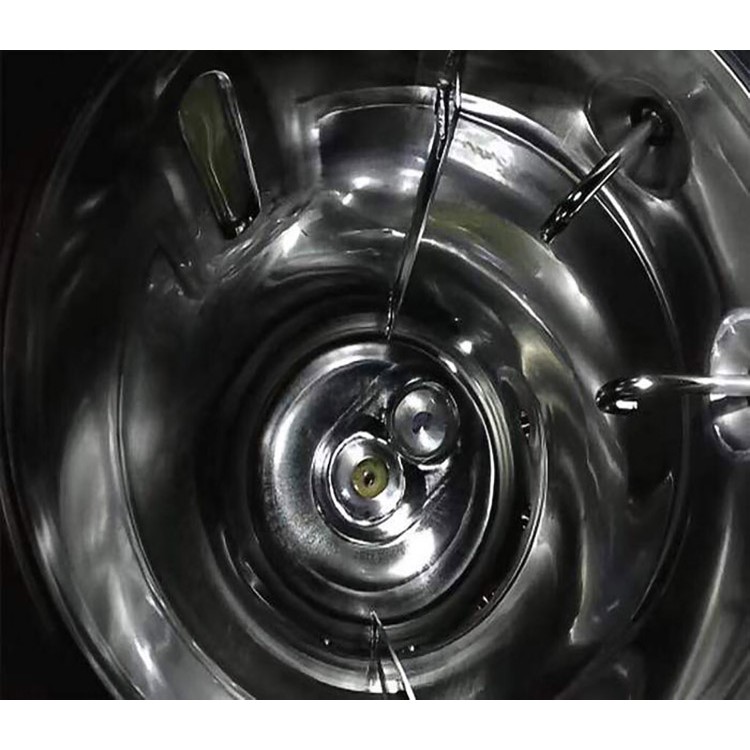
Polish is not "the deeper the better". Over-mirroring thins the surface, amplifies sensitization in the weld heat-affected zone, and on thin-wall tanks can cause local deformation and out-of-roundness. The deeper the mirror, the more a scratch shows, making daily care fussier. For most service, one grade between sanitary and mirror suffices; only pharma aseptic front-ends consider ultra-mirror. Set the polish budget ceiling and acceptance Ra in advance to stop a supplier deepening it just "to look good", which only overspends and hides risk.
How to balance cost between material and polish?
In one sentence: put budget on what decides compliance and cleanability; redundant brightness can be cut.
For cosmetics and pharma, mirror polish and full-traceability material are compliance hard requirements and should not be saved; for ordinary food and personal care, dropping polish from mirror to sanitary and material from 316L to 304 — as long as the medium allows — clearly cuts cost with almost unchanged performance. The key is to separate "must" from "nice to have". We usually give customers two quotes: one meeting the normative floor, one with upgrade headroom, so they see what each extra yuan buys instead of being hostage to a vague "food grade" number.
How to write material and polish into a purchase list?
For the purchasing colleague, the spec should state at least four things: medium name and pH range, estimated chloride or salt content, target industry norm (food/cosmetic/pharma), and the maximum acceptable Ra. Hand these to the maker and they can give a definite grade and polish process instead of a vague "food-grade stainless".
We also actively confirm these four with customers before order, marking each weld's polish grade and inspection method on the drawing. For pharma we agree the passivation method and blue-point sampling ratio up front, setting acceptance before delivery to avoid disputes.
How we help customers deliver
Hyline Shengda Equipment Manufacturing Co., Ltd. treats material and polish as "part of the process" rather than "part of the appearance". Contact parts are unified in grade and heat number; external structures are handled at industrial grade to control cost. Polish is graded by the customer's industry norm with smooth transitions and full inspection at key welds. For cosmetic customers we prioritise dead-corner-free and quick-disassembly; for pharma we complete the full material-traceability and passivation package.
In the end, choosing material and polish grade is not about whose parameters look prettier, but about who understands your product and line. If you are stuck on emulsifier material or polish, tell us your medium and positioning and we will fill in that list properly.
Further reading: - How to choose a stainless emulsifier for cosmetic creams: homogenizer tip speed and wall-scraping by cream viscosity - How to choose an emulsifier for daily-care: low-viscosity systems like shampoo and body wash, defoaming and configuration
This article is compiled by Hyline Shengda Equipment Manufacturing Co., Ltd.
Q&A from this article
Frequently asked questions and answers from this article
How to set the material and polish grade of an emulsifying mixer? By food, pharma and cosmetic service, this article sets the boundary between 304/316L and sanitary/mirror polish.
Related Products
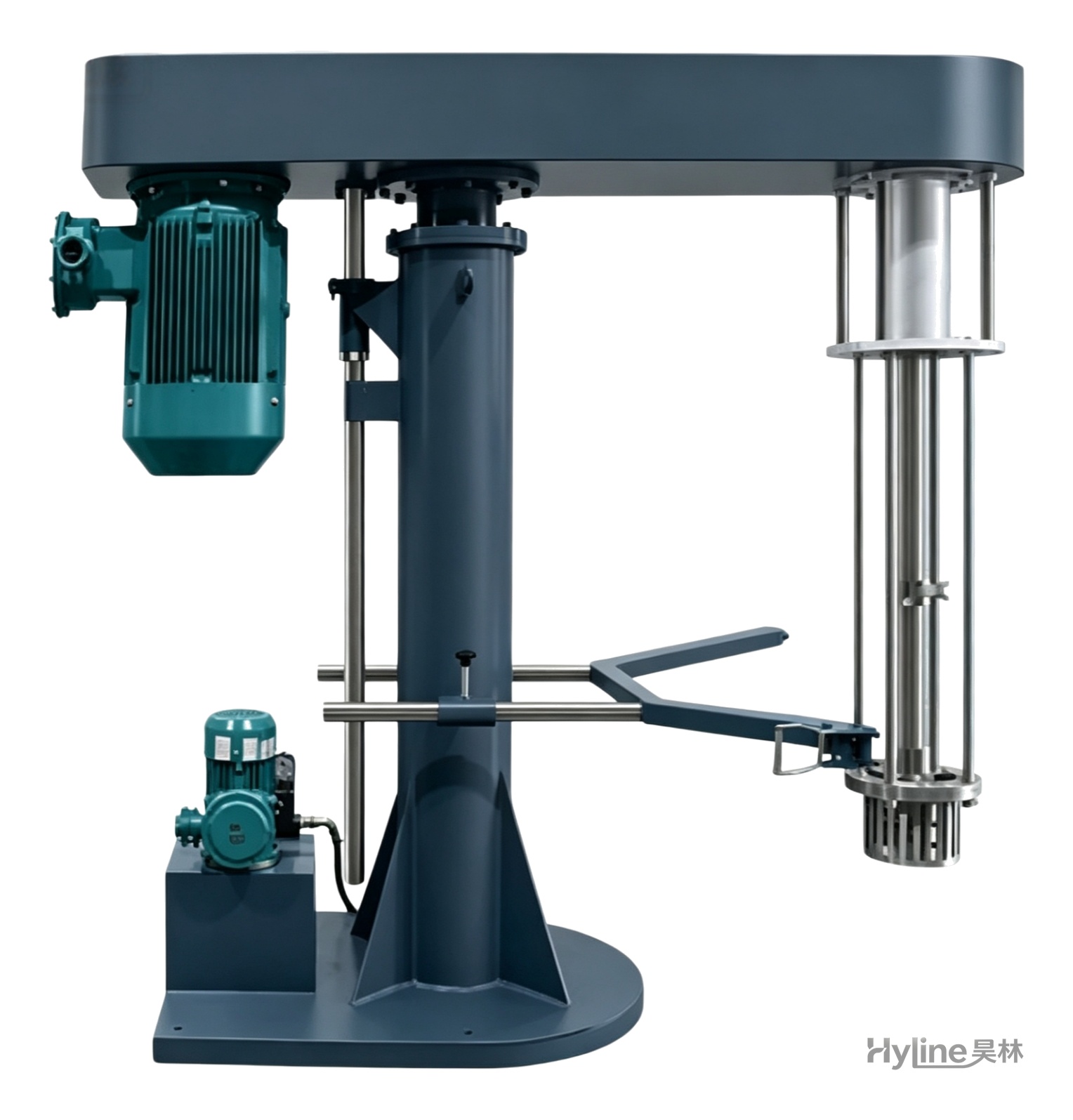
GJD Series Emulsifying Disperser
For emulsification, mixing and dispersion in coatings, inks, pesticides and papermaking. Powerful high-speed shear achieves required fineness and uniformity in a short time.

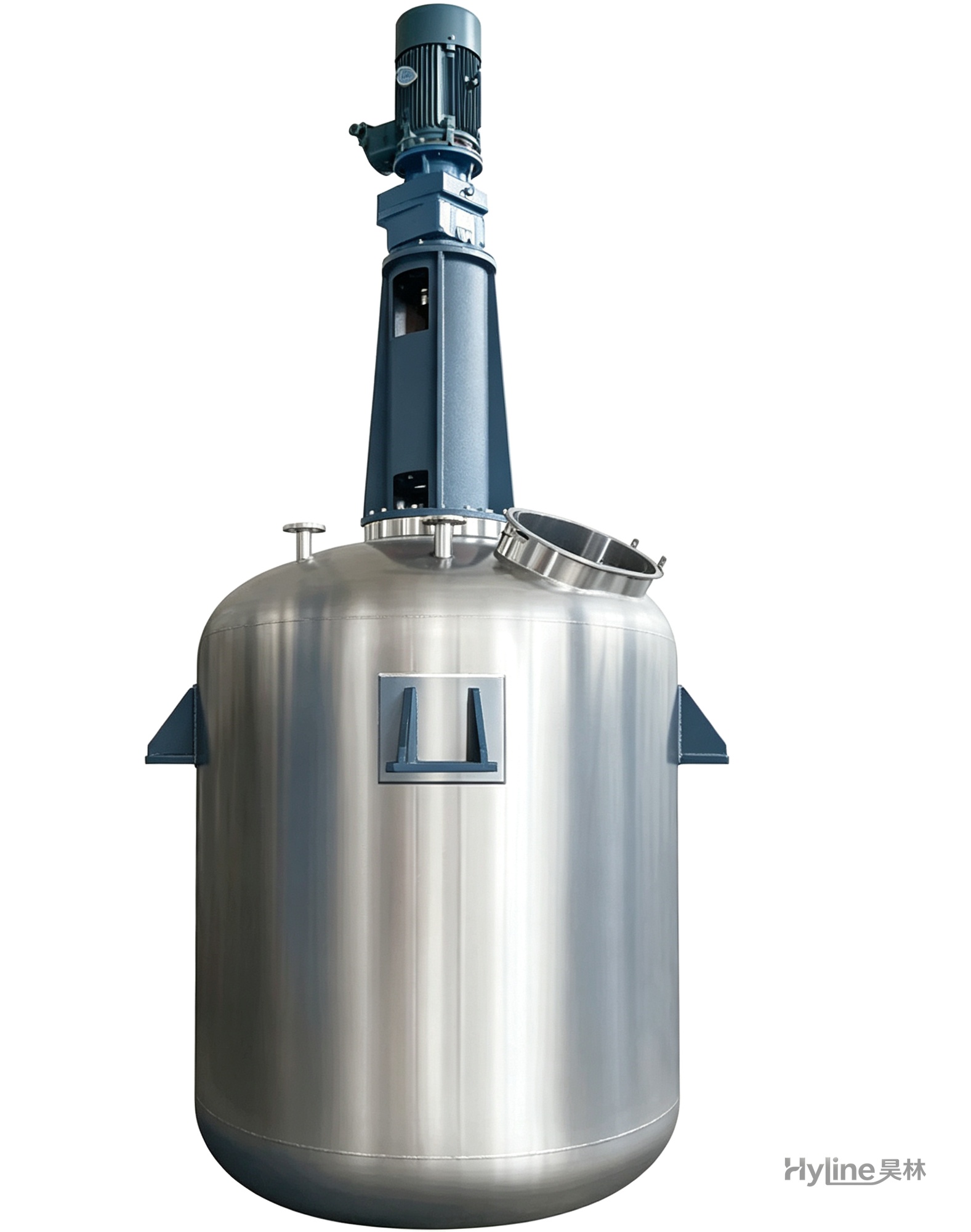
Stainless Steel Mixing Tank (Dispersion Drum)
Supporting vessel for dispersers and mixers in paints, coatings, adhesives, color slurries, inks and electronics. Available in 201/304 stainless with internal/external polishing and sloped bottom side discharge for complete draining.
TC Series Mixing Kettle (Tinting)
For color matching in the paint industry and liquid-liquid / liquid-solid mixing in other industries. Uniform tinting, good miscibility, reasonable structure and powerful stirring.
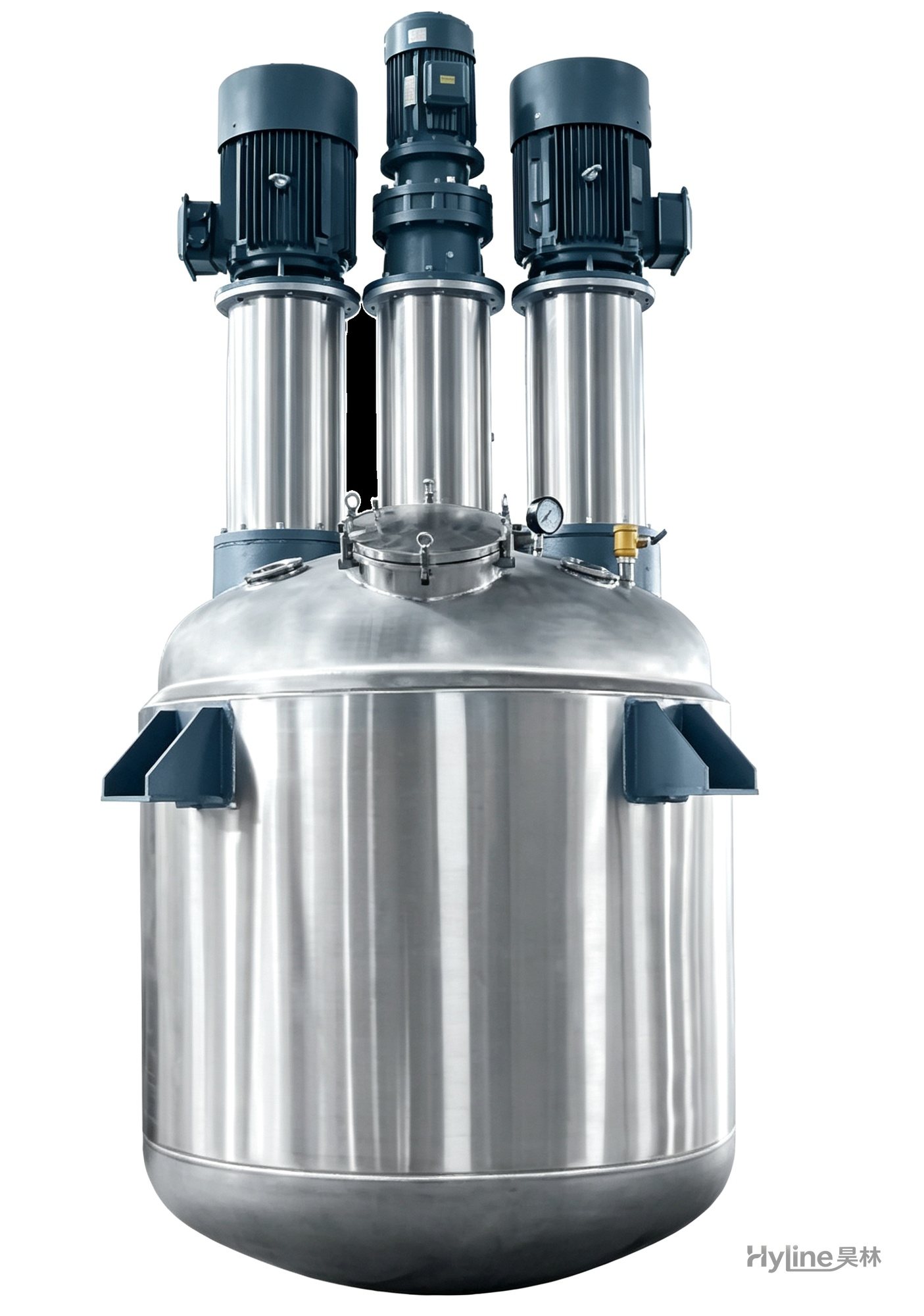
FS Series Multifunctional Dispersing Kettle
Integrates low-speed heavy-duty stirring with high-speed dispersion for medium/high-viscosity and thixotropic materials. Stirring and dispersion proceed simultaneously for ideal results in mixing, dissolving, dispersing and tinting.
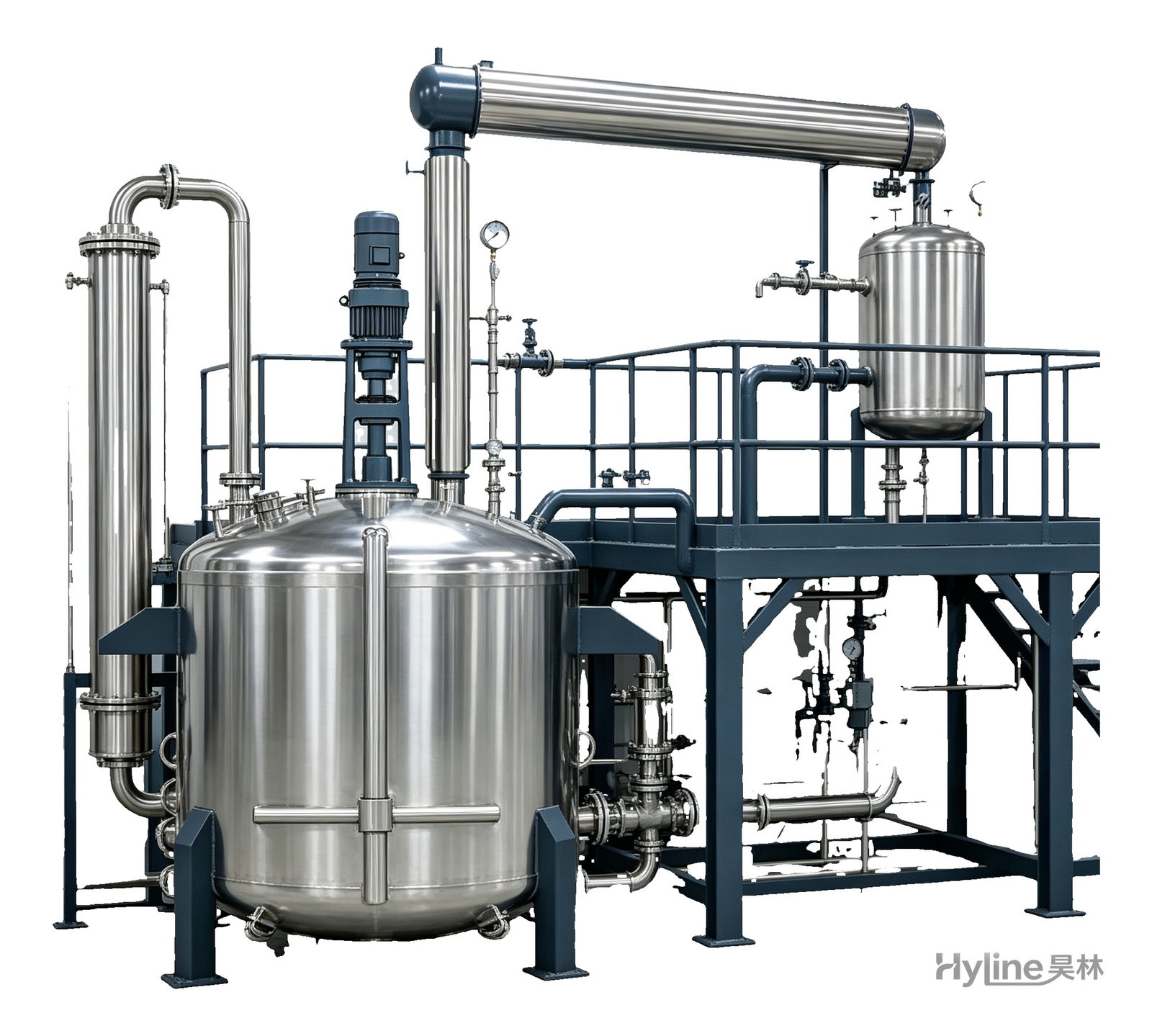
Complete Resin Production Equipment
Resin production packages built around the reactor, with vertical fractionating column, horizontal condenser and water separator for full synthesis, dehydration and reflux processes. Sizes from 300L to 30000L.