
How to match the opening of the reactor cover: key points for selecting hydraulic lifting and quick opening devices
10/4/2026
1、 Why is the opening method of the kettle lid worth designing separately
Opening the lid of the reactor may seem like a simple step, but in actual use, it directly affects operational safety, cleaning and feeding efficiency, and equipment lifespan. The weight of the lid of a small volume reactor is limited, and manual lifting of the lid is sufficient to meet the requirements; The lid, manhole, connecting pipe, and insulation layer of medium to large capacity reaction vessels often weigh one to two hundred kilograms, making manual opening of the lid neither safe nor convenient. The opening method of the kettle cover needs to be designed comprehensively based on the volume, weight, frequency of use, and workshop conditions, which is a process element that should be determined during the equipment selection stage.

2、 Common opening methods and their structural composition
From the perspective of institutional types, the opening methods of reaction kettle lids are mainly divided into four categories: hydraulic lifting, quick opening clamps, quick opening clamps, and flip type. Each category has its own emphasis on structural composition and usage scenarios.
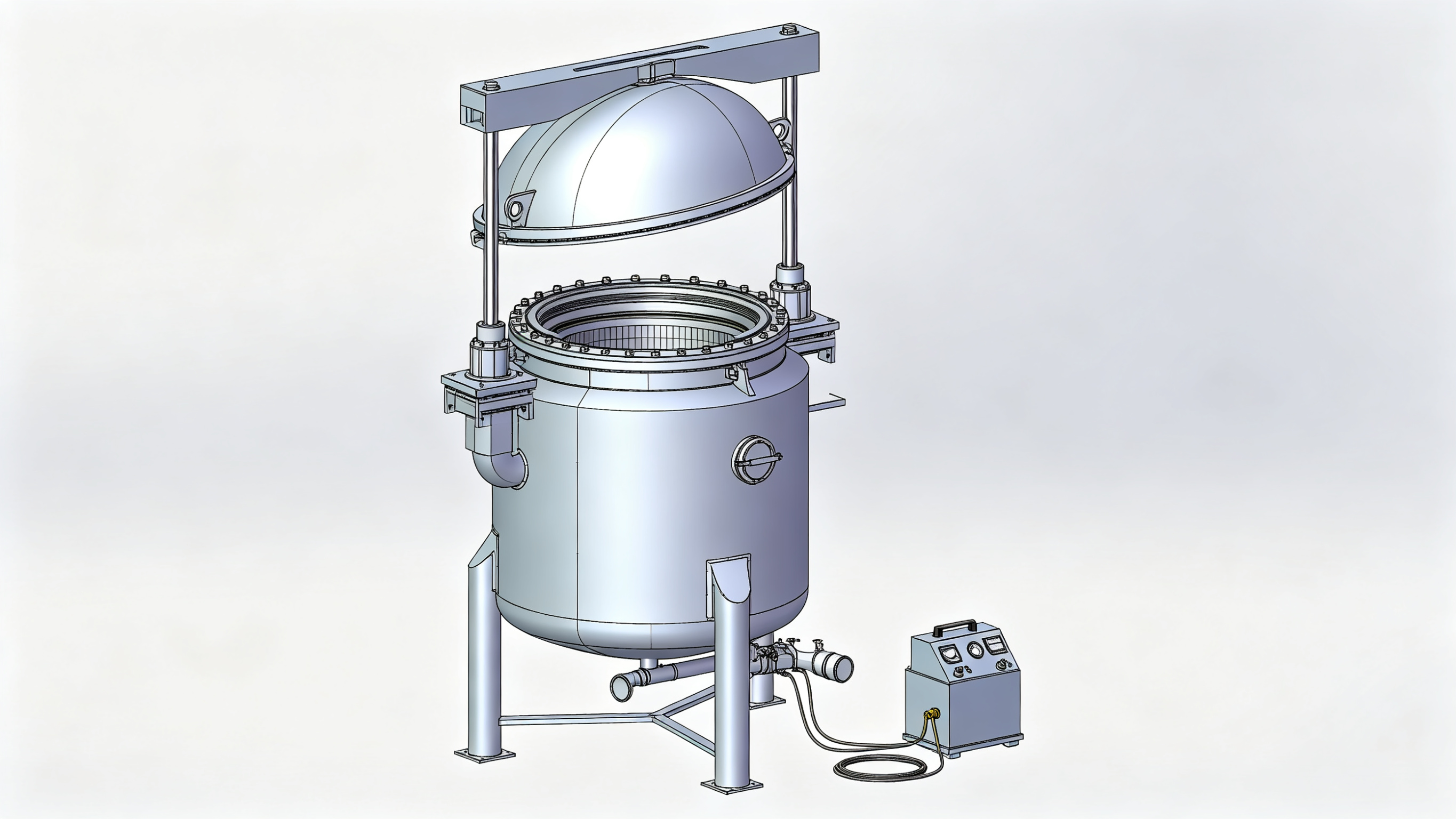
**Hydraulic lifting * *: composed of a hydraulic station, hydraulic cylinder, ear seat, and support limit device. Hydraulic cylinders are usually symmetrically arranged on both sides of the kettle body, with cylinder rods connected to the kettle cover ear seats. The vertical lifting and slow lowering of the kettle cover are achieved through a hydraulic system.
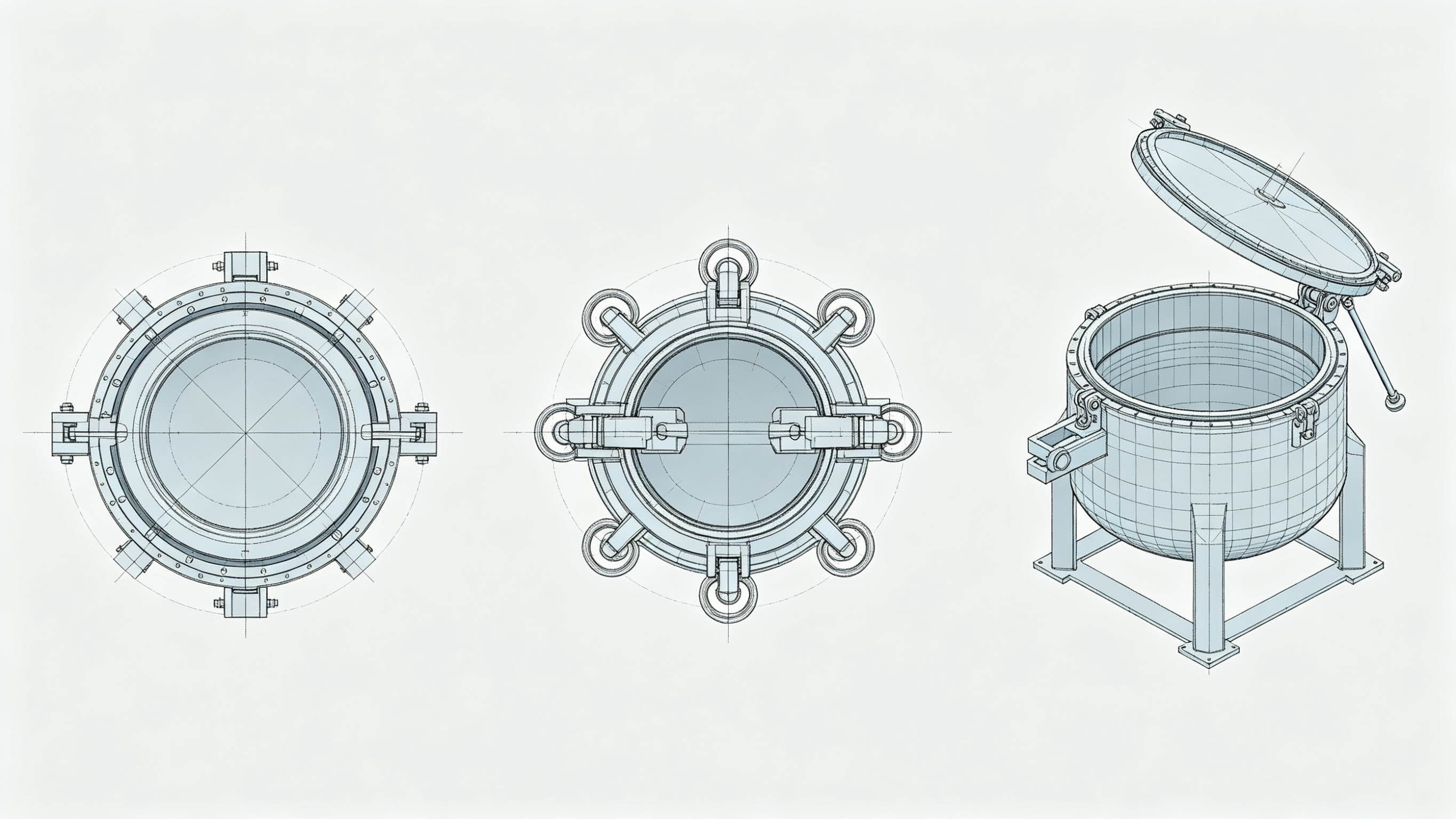
**Quick opening clamp * *: A detachable clamp ring is set on the outer ring of the kettle mouth flange. Loosen the clamp bolt once to open the lid. The structure is simple and reliable, suitable for small and medium-sized reaction kettles.
**Quick opening clamp * *: Multiple rotating clamps are distributed around the mouth of the kettle. By rotating a few clamps, the lid can be unlocked and operated faster than clamps, making it suitable for situations that require frequent entry and exit.
**Flip up type * *: The kettle lid is connected to the bracket through a hinge, and can be lifted and suspended with a gas spring or counterweight, suitable for intermittent operation of light and medium-sized kettle lids.
3、 Comparison of the applicability of four opening methods
|Opening method | Main structure | Applicable volume | Opening time | Applicable frequency | Features|| --- | --- | --- | --- | --- | --- ||Artificial assistance | Weighting/gas spring | Small volume | Minutes | Low frequency | Lowest cost, relying on manual labor||Hydraulic lifting | Hydraulic cylinder+hydraulic station | Medium and large capacity | 1-2 minutes | Medium and high frequency | Effortless, can lift with material, requires electronic control||Quick opening clamp | Clamp ring+bolt | Medium and small volume | Decades of seconds | High frequency | Simple structure, reliable sealing||Quick opening clamp | Rotating clamp | Medium and small volume | Dozens of seconds | High frequency | Unlocking faster, easy to operate||Flip up style | hinge+gas spring | light and medium-sized | tens of seconds | mid-range | lift and hover, taking up less space|
4、 Key points of hydraulic lifting configuration
Hydraulic lifting is suitable for reaction vessels with medium to large volumes that require frequent lid opening, cleaning, or feeding. When configuring, the following points should be emphasized:
**The number and position of hydraulic cylinders: determined by the weight and center of gravity of the kettle cover, usually two cylinders are symmetrically arranged to ensure smooth lifting, and four cylinders can be arranged for heavy loads or large covers.
**Lifting stroke * *: It is necessary to cover the feeding height and cleaning height, and generally leave enough operating space above the manhole to allow personnel to enter and exit smoothly after the kettle cover is raised.
**Hydraulic station power * *: Select according to the weight of the kettle cover, lifting speed, and frequency. The lifting speed should be adjustable, slow jogging is safer, and fast slow switching is achieved by a control valve.
**Pipeline protection: Hydraulic pipelines need to be equipped with safety valves and balance valves to ensure that the kettle cover will not suddenly fall off when power is cut off; Pipeline routing should avoid moving parts and insulation layers.
Hydraulic lifting turns lid opening into button operation, which can be completed by a single person, saving labor and safety. It is a common configuration for clean workshops and medium to large volume reactors in food, medicine, and other industries.
5、 Key configuration points of quick opening device
The quick opening device is suitable for situations that require quick lid opening and frequent feeding and discharging. The key lies in reliable sealing and proper interlocking:
**Locking force * *: The locking force of the opening and closing mechanism must be sufficient, and the sealing surface of the clamp and clamp must be in consistent contact after locking to prevent local leakage.
**Sealing ring * *: Made of wear-resistant and temperature resistant materials, with uniform compression, and inspection and replacement cycles written into maintenance procedures.
**Safety interlock: Do not open the lid when there is excess pressure inside the kettle, install a pressure interlock switch; Do not open the lid when the mixing is not stopped, and interlock with the mixing operation signal.
The quick opening device can compress the opening time from tens of minutes to tens of seconds, suitable for high-frequency operation scenarios; But its load-bearing capacity is limited, and large and heavy kettle lids should not be used alone for quick opening.
6、 Combination application of lifting and quick opening
Lifting and quick opening are not two options, they should be combined according to the actual working conditions:
-For scenarios with low-frequency opening, heavy kettle lid, and the need to raise the height, choose hydraulic lifting;-For scenarios such as high-frequency lid opening, light and medium-sized kettle lids, and those that require rapid feeding and unloading, choose quick opening clamps or clamps;-The two can also be used in combination: hydraulic lifting is responsible for overall lifting, quick opening is responsible for quick unlocking, and cleaning and maintenance efficiency is the highest.
Selection reference: When the volume is less than 1000 liters and the opening frequency is not high, manual cooperation with heavy or gas springs is sufficient; Priority will be given to hydraulic lifting if the capacity exceeds 1000 liters or if the lid is opened multiple times a day; When frequent disassembly and cleaning are required in clean workshops such as food and medicine, it is more appropriate to accelerate the lifting and opening combination.
7、 Safety interlock and protection configuration
Safety interlocking and protection are essential components of the kettle lid opening device, involving the following points:
1. Do not open the lid when the pressure inside the kettle has not been released: install a pressure interlock switch and lock the lid opening mechanism when the residual pressure exceeds the limit;2. Do not open the lid when the mixing is not stopped: the mixing operation signal is interlocked with the lid opening mechanism;3. After the kettle lid is raised, there should be support and limit devices to prevent falling and injuring people;4. The hydraulic system motor and electrical components are configured according to the explosion-proof level of the workshop;5. Operation side details: Before opening the cover, confirm that the vent valve is open, there is no pressure, and hot steam is sprayed out; When opening the lid with materials, gently lift and slowly place to prevent material splashing; Wear insulated gloves when operating the high-temperature kettle cover.
8、 Overall consideration of sealing and insulation
The opening method of the kettle lid should be considered in conjunction with sealing and insulation to avoid mutual entanglement:
-The weight of the kettle lid with insulation layer has significantly increased, and the lifting mechanism must be designed according to the total weight with insulation;-The clamping force of the sealing ring of the quick opening device should be uniform, and the sealing surface should be consistent after the clamp and clamp are locked;-Frequent opening of the cover will accelerate the wear of the sealing ring. Wear resistant and temperature resistant materials should be selected, and the inspection and replacement cycle should be included in the maintenance regulations;-The insulation layer and lifting mechanism must not interfere, and the routing of hydraulic pipelines and cables should avoid moving parts.
9、 Precautions for retrofitting old equipment
When installing hydraulic lifting or quick opening devices on old equipment, attention should be paid to:
1. First, calculate the weight of the original kettle cover and the strength of the bracket. If the support is insufficient, it must be reinforced first;2. Installing an opening mechanism will affect the layout of the pipe opening, and the connecting pipes and cables need to be reorganized;3. The original positions of hand holes, manholes, and observation holes cannot be obstructed;4. After the renovation, no-load and load lifting tests must be conducted to confirm the reliability of travel, speed, and locking;5. The renovation of pressure bearing structures shall be evaluated according to the specifications, and a plan shall be drawn before the renovation to solve the interference and strength problems in one go.
10、 Daily maintenance and common troubleshooting
The daily maintenance points of the opening device include: regular inspection of the oil level, oil quality, and oil pipe joints of the hydraulic lifting device, periodic replacement of hydraulic cylinder seals, and timely investigation of any increase in lifting noise; Check whether the locking components are loose or deformed, and whether the sealing surface is clean and undamaged by quickly opening the clamp and clamp; Check whether the pressure of the gas spring and counterweight is normal and whether the support is firm; Regularly lubricate the moving parts.
Common faults and solutions:
|Fault phenomenon | Possible causes | Solution ideas|| --- | --- | --- ||The kettle lid shakes during lifting and lowering | The hydraulic cylinder is not synchronized, and the oil circuit is intake | Check the synchronization valve and exhaust of the two cylinders||The kettle lid drops too quickly | The balance valve fails and the load is too high | Check the balance valve and adjust the throttle||Leakage after locking the clamp | Aging and uneven compression of the sealing ring | Replacement of the sealing ring and re alignment||Difficulty unlocking clamps | Rusty and deformation of locking components | Rust removal and lubrication, replacement of locking components||Flip over hover failure | Insufficient gas spring pressure | Supplement air or replace gas spring|
11、 Frequently Asked Questions and Answers
Q: Is it necessary to install hydraulic lifting for small volume reactors? It is generally not necessary. The weight of the small kettle lid is limited, and it can be manually or weighted; Installing hydraulic mechanisms increases costs and maintenance points, but the benefits are not significant.
Q: Which method is more recommended for situations where the lid is frequently opened? Recommend quick opening clamps or pliers, with short opening time and simple operation; If the lid of the kettle is heavy, hydraulic lifting should be added to lift it.
Q: Will the kettle cover fall off when the hydraulic lifting power is cut off? After configuring the balance valve and safety valve, the kettle cover will be locked by the valve components and will not suddenly fall when the power is cut off; When selecting, it is necessary to confirm the manufacturer's standard configuration.
Attachment: Selection Checklist
|Checklist | Key Points|| --- | --- ||Total weight of kettle lid | Actual total weight including insulation layer, manhole and pipe mouth||Opening frequency | The number of times the lid is opened per day determines whether to use hydraulic/quick opening||Workshop conditions | Floor height, explosion-proof rating, power capacity||Cleanliness requirements | Is it necessary to lift and accelerate the opening and frequent disassembly and cleaning of the combination||Budget and Maintenance | Balancing Organizational Complexity and Maintenance Costs|
Organizing the above information into a requirement table and providing it to the equipment factory can significantly reduce the cost of selection communication and facilitate subsequent acceptance comparison. After the selection is completed, it is recommended to conduct a no-load and load test on the opening mechanism to confirm the reliability of the stroke, speed, and locking before putting it into formal use.
12、 Summary
There is no standard answer for the opening plan of the reactor cover, and it needs to be determined comprehensively based on volume, weight, frequency of use, and workshop conditions. The low-frequency light cover is manually assisted, the high-frequency heavy cover is lifted and lowered by hydraulic pressure, the quick opening structure is used for quick batch change, and the lifting and opening combination is used for the clean workshop. Regardless of the plan, safety interlocking, sealing coordination, and regular maintenance cannot be omitted. If the selection is appropriate and maintained properly, the feeding, cleaning, and maintenance of the reaction kettle will be much smoother. Haolin Shengda Equipment Manufacturing Co., Ltd. has been deeply involved in the chemical equipment industry for many years and can provide overall selection suggestions for reaction vessels and opening devices based on specific working conditions.
Q&A from this article
Frequently asked questions and answers from this article
The opening method of the reactor cover is directly related to operational safety and efficiency. This article provides a systematic selection guide from the configuration points, selection logic, safety interlocking, maintenance and repair of hydraulic lifting and quick opening devices.
Related Products
Jacketed Reactor
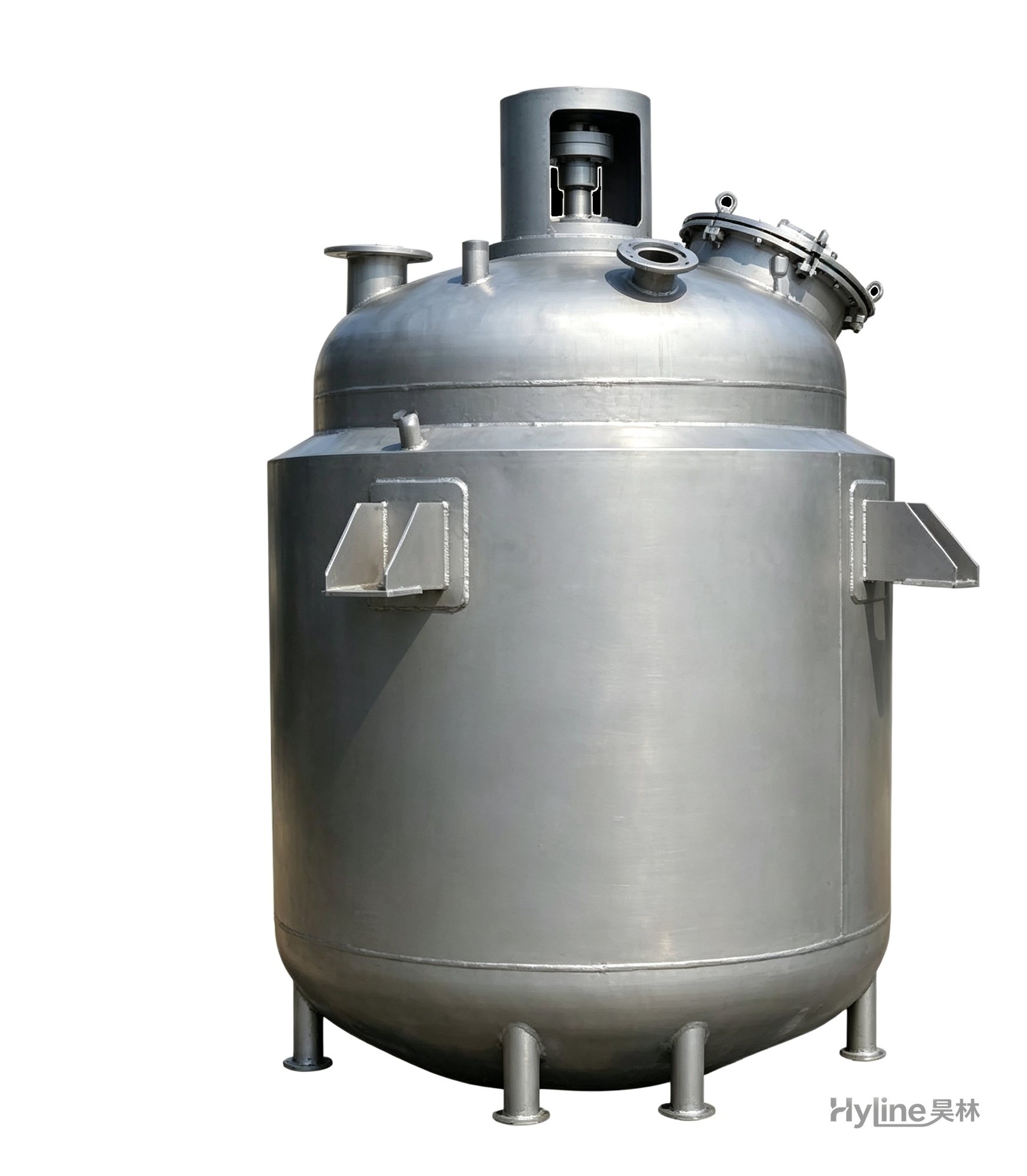
The typical main reaction vessel in chemical production. Mixing, heating and cooling disperse and mix materials for reaction and polymerization. The jacket circulates thermal oil/steam for heating or cooling water for temperature control.
External Half-Coil Reactor
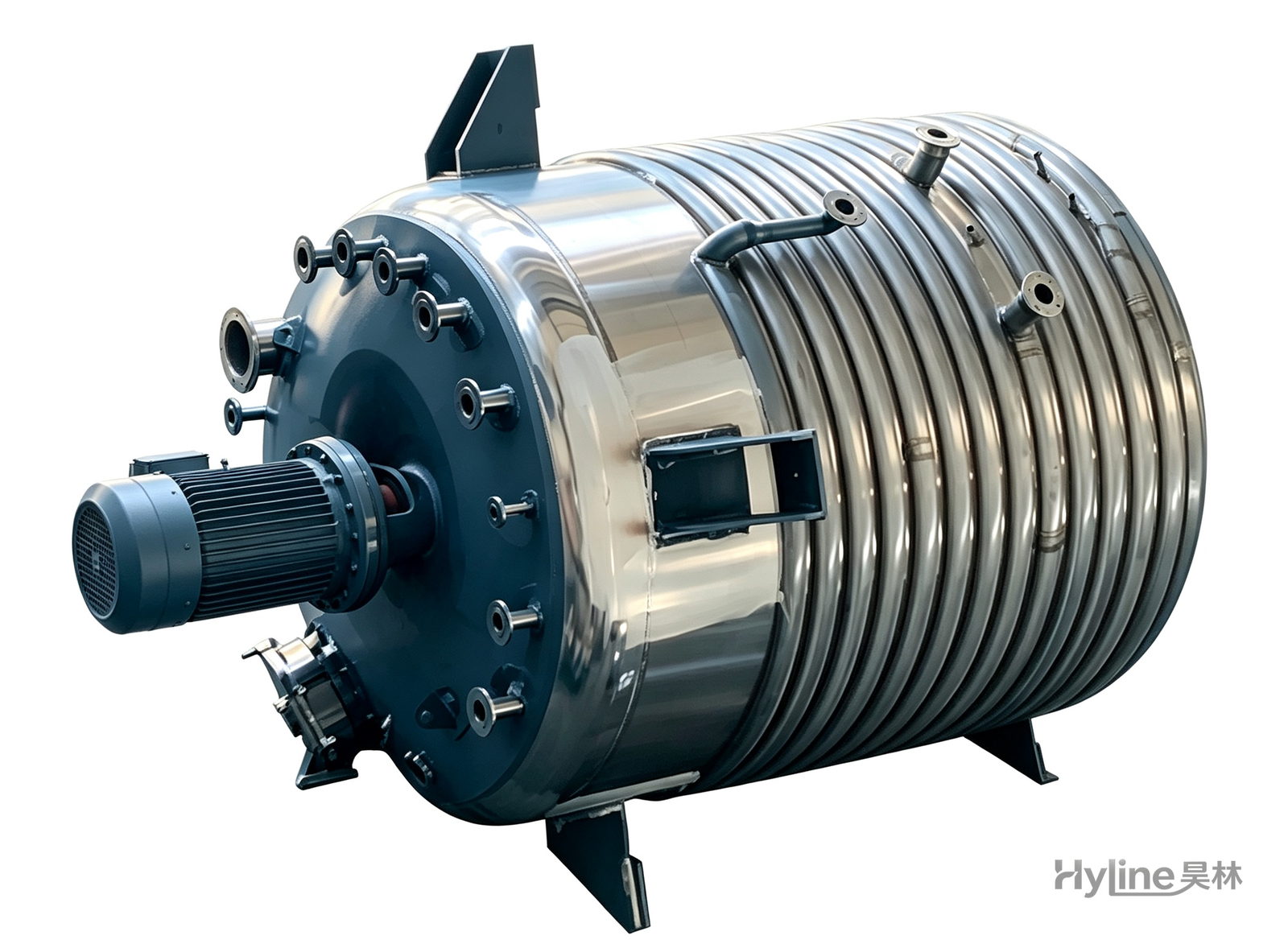
External half-pipe heating & cooling coils provide uniform, efficient heat exchange with zero material dead zones inside. Mirror-polished 304/316L stainless tank is clean and corrosion-resistant. For resin, new-energy slurry and pharmaceutical synthesis.
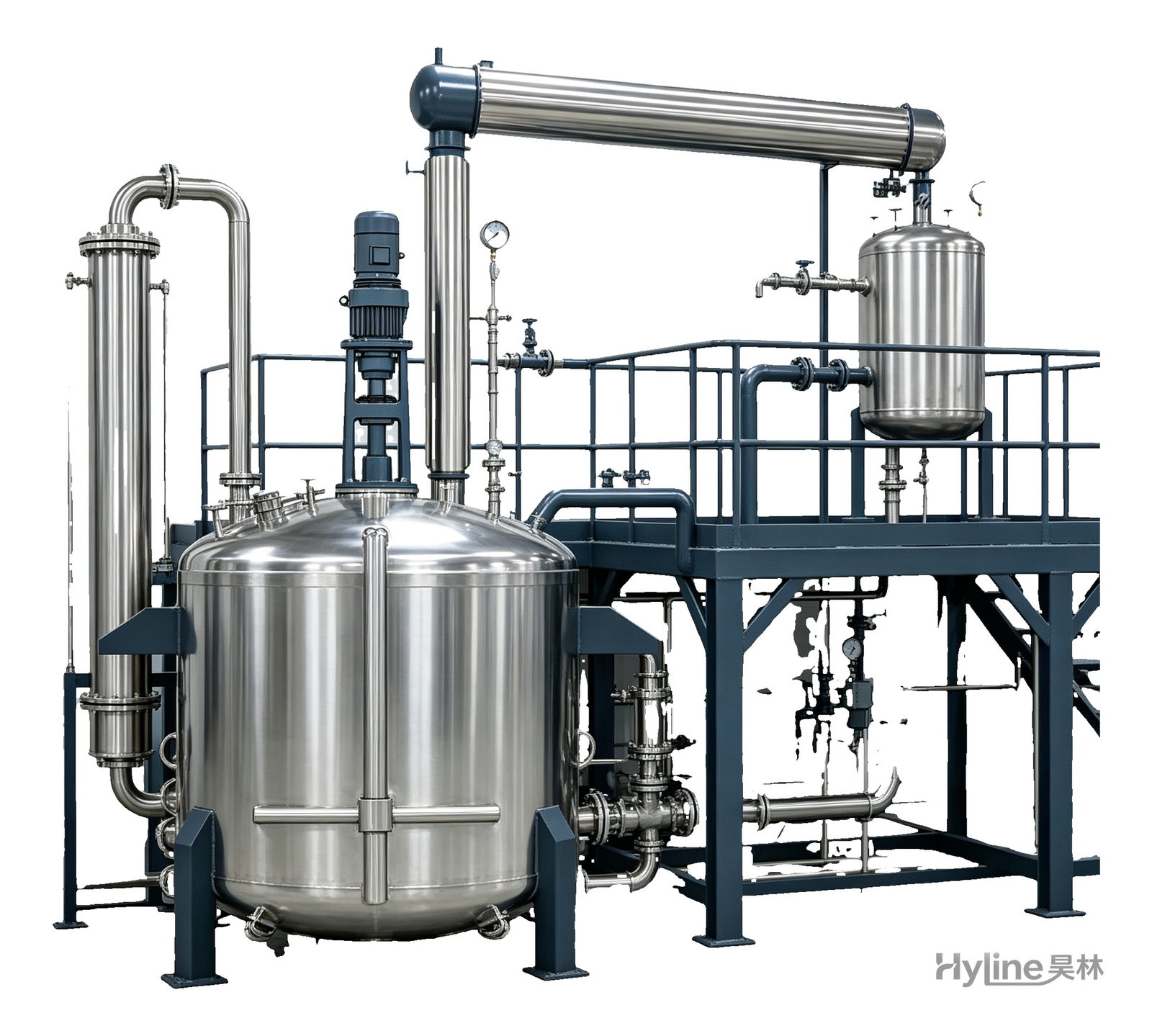
Complete Resin Production Equipment
Resin production packages built around the reactor, with vertical fractionating column, horizontal condenser and water separator for full synthesis, dehydration and reflux processes. Sizes from 300L to 30000L.