
How to configure the dosing feed system of a reactor? Metering tank, dosing nozzle and anti-surge design points
11/15/2026
Why use dosing feed instead of charging everything at once?
Key point: for exothermic and temperature-sensitive synthesis and neutralization processes, charging all material at once lets the reactor temperature spike and even overflow; feeding material in small portions following the reaction progress — dosing feed — is the most direct way to control the heat-release rhythm.
Vinyl monomer polymerization, esterification and alkali neutralization all release a large amount of heat per unit time, and the heat-release rate changes with conversion. With a single charge, peak-period heat is released within tens of minutes; the jacket cannot remove it fast enough, so the reactor temperature spikes. At best side reactions accelerate and color and molecular-weight distribution suffer; at worst the batch surges out of the vent. With dosing, heat released per unit time equals the dosing rate times the reaction heat per unit mass, so controlling the dosing rate controls the heat curve. Most polymerizations are dosed over two to six hours, neutralizations over one to three hours; the exact rhythm should be fixed at pilot stage using temperature curves.
The dosing feed system of a reactor is not just a pipe into the top head. It consists of a metering device, transfer piping, a dosing nozzle and safety interlocks; a single poorly configured link turns dosing from a temperature-control tool into a source of incidents.
What determines the dosing rate?
Key point: the dosing rate is derived from the heat-removal capacity of the vessel — however much heat the jacket and coils can remove per unit time caps the corresponding heat release.
Heat-removal capacity equals heat-transfer area times heat-transfer coefficient times temperature difference. For a 5 m³ jacketed reactor on chilled brine, removal capacity is typically in the tens of kilowatts; the exact value is calculated from jacket area, fouling and coolant temperature. Common practice keeps peak dosing heat release at 70–80% of removal capacity, leaving margin for hot spots and coolant fluctuation. If the jacket alone cannot handle the peak, add internal coils for more area, or switch to a half-coil reactor for higher jacket-side velocity. The most sensitive sign of over-dosing is a widening gap between reactor temperature and jacket outlet temperature; both should be inspected every half hour.
How to configure the metering tank? Volume, material and metering method
Key point: size the metering tank for the total per-batch dosed quantity or each dosed portion; choose weighing, level or flow metering by accuracy requirement.
The metering tank is usually elevated, feeding by gravity or metering pump. Tank volume is the batch dosed quantity times a 1.1 safety factor, or the per-portion quantity for split dosing. Material follows the medium: 304 for aqueous monomers, 316L for chlorinated or acidic media, jacket heating for materials that solidify. For metering, weighing modules give the highest accuracy and suit heat-sensitive polymerization; magnetic level gauges are simple and durable for neutralization; Coriolis meters suit continuous lines. If monomers must be pre-diluted with emulsifier before dosing, add a premix mixing tank; stable dosing concentration visibly improves batch-to-batch repeatability.
How to position and structure the dosing nozzle?
Key point: place the nozzle close to the impeller zone and below the liquid surface; design the nozzle around whether the material crystallizes or is tacky.
Dosing above the liquid surface has two problems: the spray wets the wall and shaft and builds scale, and the droplets land outside the high-shear zone so local concentration rises. The standard approach is a dip pipe reaching near the impeller so fresh material is dispersed immediately. For crystallizing materials, add a flushing water port on the dosing line and flush after each batch; for tacky materials keep the line short with few bends and add an anti-siphon hole so flow stops with the pump. Fit a control valve for the set flow rate and a check valve to prevent backflow into the metering tank.
How to configure anti-surge protection and interlocks?
Key point: the core of anti-surge protection is the temperature interlock — when reactor temperature exceeds the process limit, dosing is cut automatically, with agitator stop and full cooling as backup actions.
The control valve on the dosing line should be tied into the temperature control system: at the temperature limit the valve closes automatically and holds, reopening per program once temperature falls back. Stricter processes add two more layers: cut dosing when the agitator stops (to prevent bottom-set material overheating locally), and cut dosing and vent when vessel pressure rises abnormally. Air-sensitive monomers get nitrogen blanketing during dosing to stop peroxide formation. After dosing, keep agitating for at least thirty minutes so residual monomer converts fully — the holding/curing stage.
How do processes differ?
Key point: heat-release intensity, crystallization tendency and viscosity change decide the metering method and nozzle structure; configure for the worst case.
| Process | Dosing characteristics | Metering and nozzle configuration |
|---|---|---|
| Strongly exothermic polymerization (acrylates, vinyl acetate) | 2–6 h dosing, high heat peak | Weighing meter, temperature-interlock cut-off, chilled brine |
| Neutralization (surfactant neutralization etc.) | 1–3 h dosing, moderate heat | Level metering, pH interlock, cooling water |
| Crystallizing or tacky media | Nozzle plugging, line fouling | Nozzle tracing, flush port, short line with anti-siphon hole |
How to troubleshoot unstable dosing flow?
Key point: check the metering device first, then the piping, then the valve — two thirds of the issues sit in the first two.
Metering pump wear makes actual flow drift below set point and batch time grows; comparing dosing curves reveals the trend. Zero drift on weighing modules distorts displayed flow; zero the modules weekly on an empty tank. On the piping side the common issues are crystallization blockage (after long batch gaps; a flush restores it) and air locks (right after refilling the metering tank; a vent at the line high point prevents them). A failing valve positioner shows as oscillation around the set point; switch the valve to manual at a fixed opening and compare flow. A fixed troubleshooting sequence keeps on-site handling time short.
Acceptance and daily operation
Key point: do dry-run and interlock tests at acceptance, cold-test the dosing flow before production, and archive the dosing curve of every batch.
After delivery, confirm control-valve travel, weighing zero points and check-valve orientation one by one. Do not skip interlock testing: simulate an over-temperature and confirm the dosing valve closes within seconds. Before production, cold-test with real material and verify actual flow against set point; recalibrate if deviation exceeds five percent. Archive the temperature and flow curves of every batch; comparing curves between batches catches gradual faults such as pump wear and nozzle scaling early. Writing dosing parameters, equipment configuration and interlock logic into the process file is the cheapest way to keep a dosing process stable.
Further reading: - How to determine the charging method of a chemical reactor? Applicable cases of gravity, pump and vacuum sealed feeding - How to configure the vacuum system of a reactor? Vacuum pump, buffer tank and piping points
This article is prepared by Hyline Stenda Equipment Manufacturing Co., Ltd. (hyline.cn). Main products include stainless steel reactors, mixing tanks, storage tanks, dispersers, concentrators and complete chemical lines; non-standard customization is supported.
Q&A from this article
Frequently asked questions and answers from this article
Key point: the dosing rate is derived from the heat-removal capacity of the vessel — howev…
Related Products
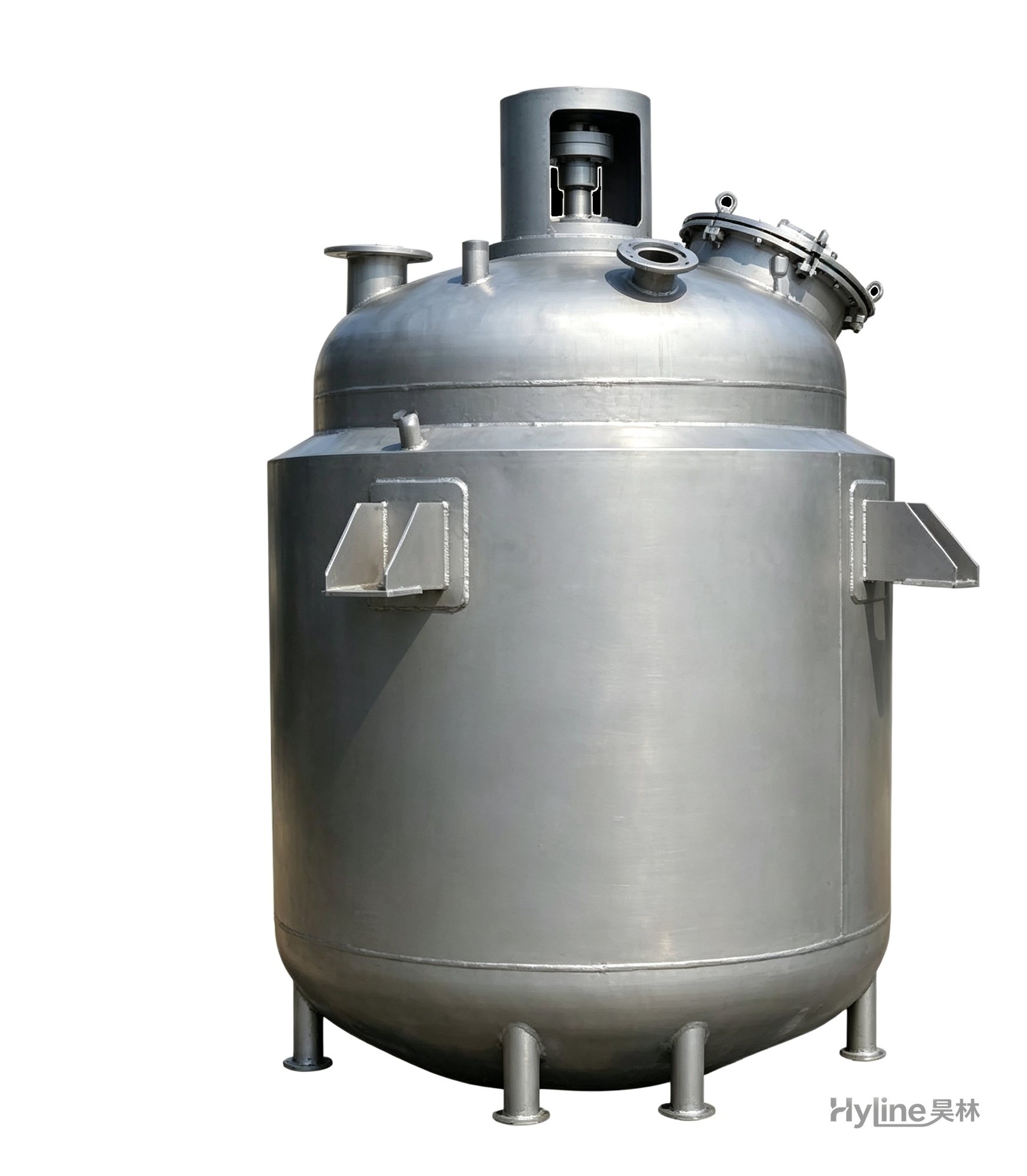
Jacketed Reactor
The typical main reaction vessel in chemical production. Mixing, heating and cooling disperse and mix materials for reaction and polymerization. The jacket circulates thermal oil/steam for heating or cooling water for temperature control.
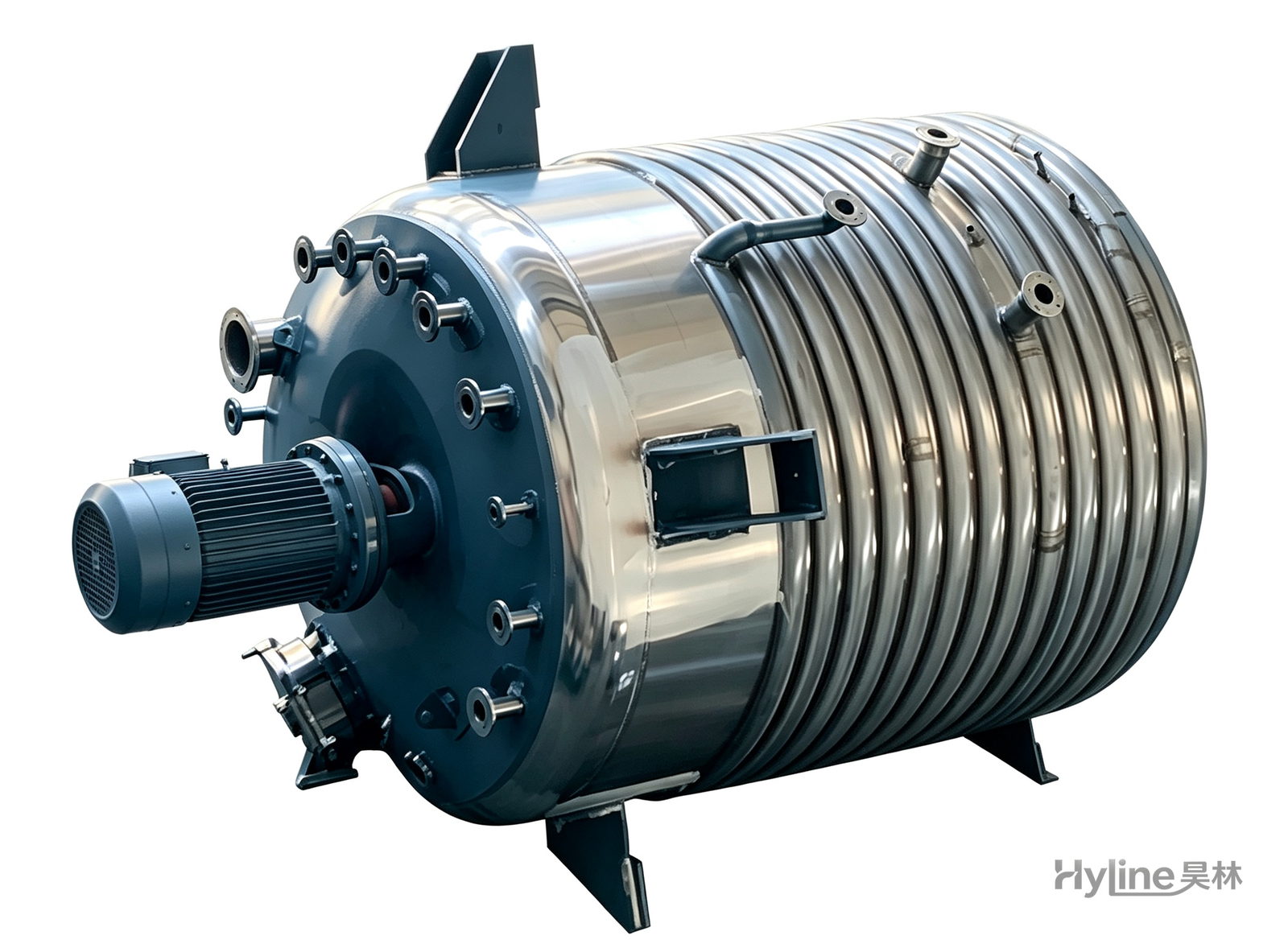
External Half-Coil Reactor
External half-pipe heating & cooling coils provide uniform, efficient heat exchange with zero material dead zones inside. Mirror-polished 304/316L stainless tank is clean and corrosion-resistant. For resin, new-energy slurry and pharmaceutical synthesis.
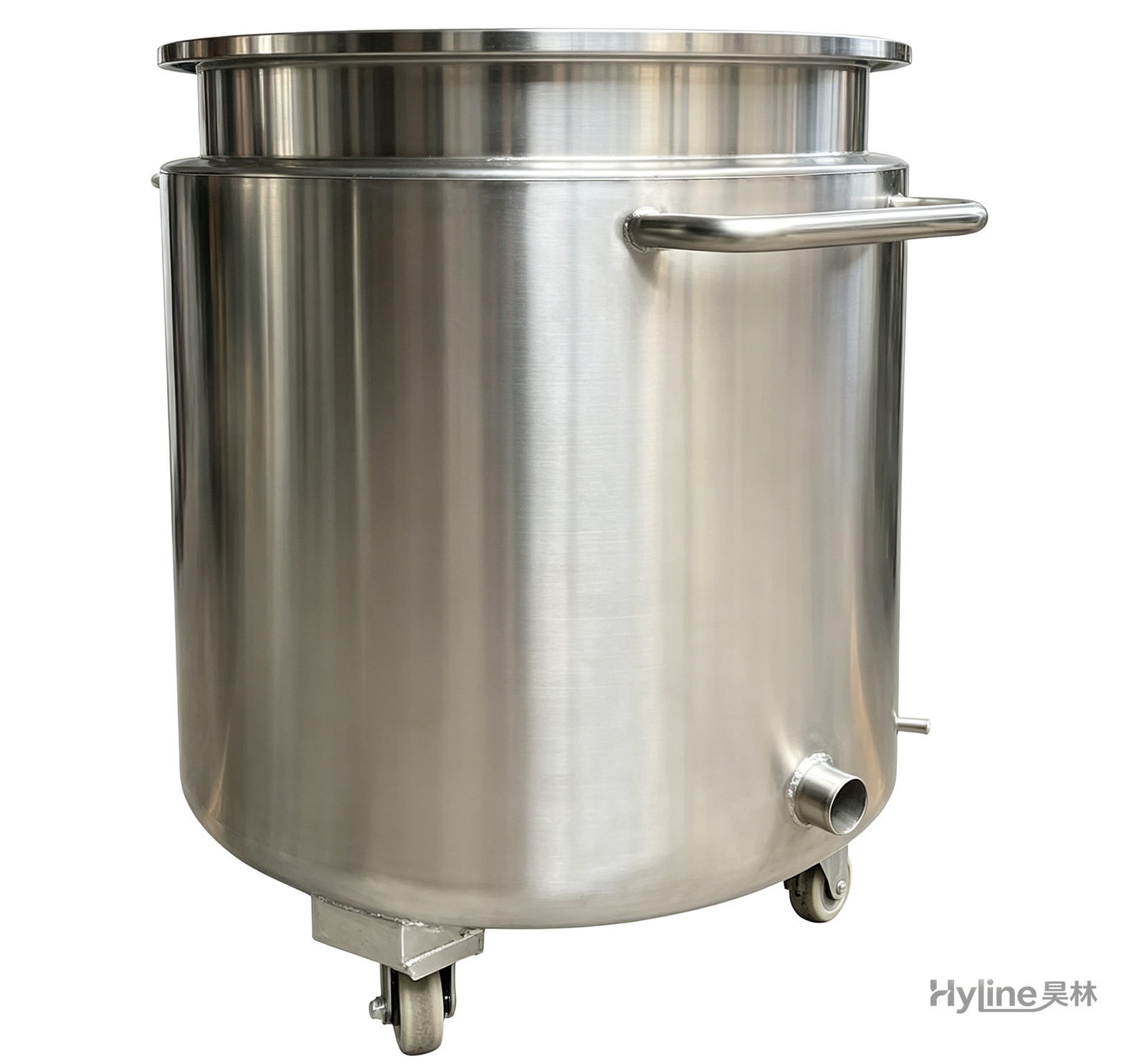
Stainless Steel Mixing Tank (Dispersion Drum)
Supporting vessel for dispersers and mixers in paints, coatings, adhesives, color slurries, inks and electronics. Available in 201/304 stainless with internal/external polishing and sloped bottom side discharge for complete draining.
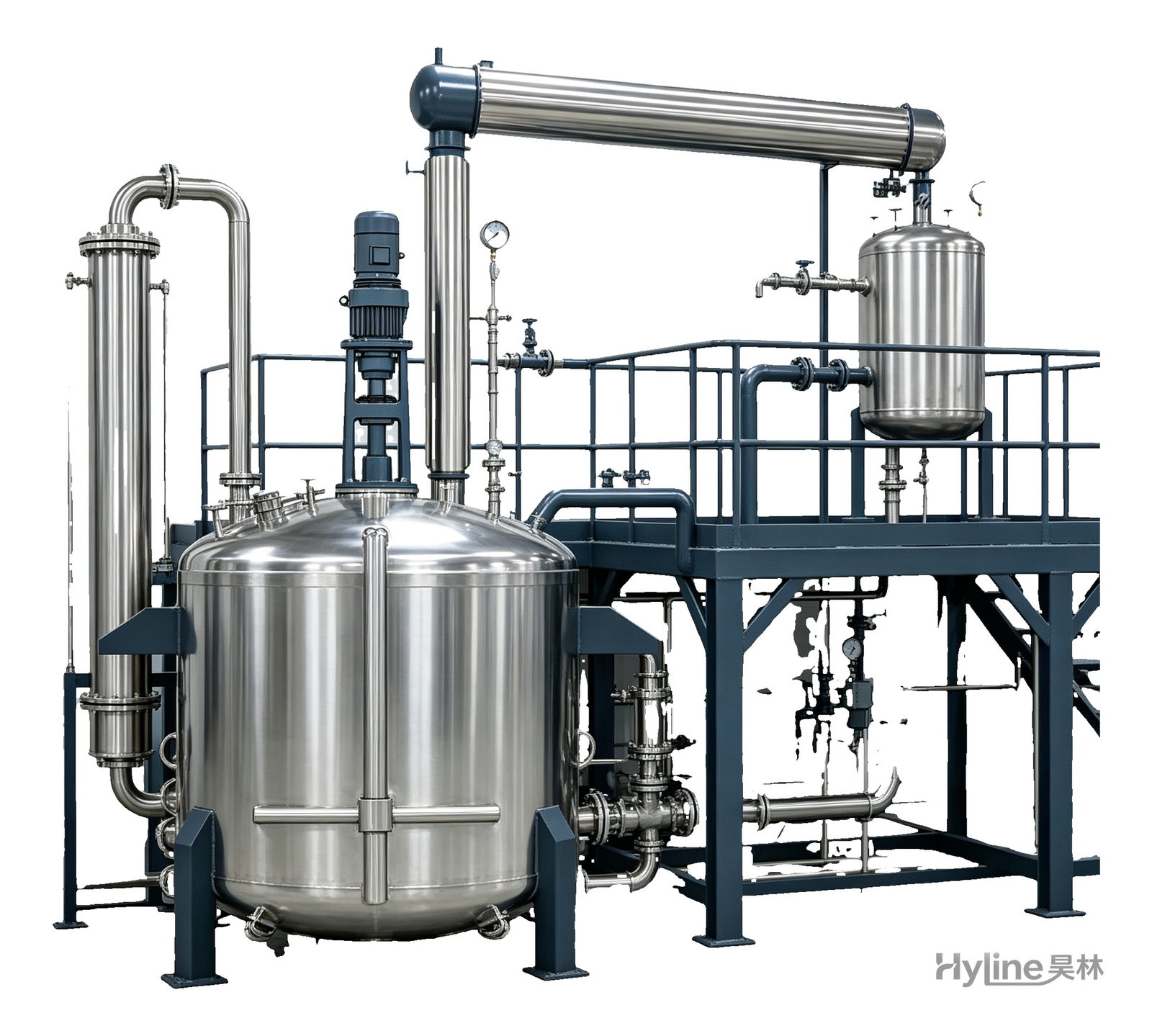
Complete Resin Production Equipment
Resin production packages built around the reactor, with vertical fractionating column, horizontal condenser and water separator for full synthesis, dehydration and reflux processes. Sizes from 300L to 30000L.