Reactor Heating & Cooling Methods Compared: Jacket, Half-Coil or Inner Coil?
10/4/2026
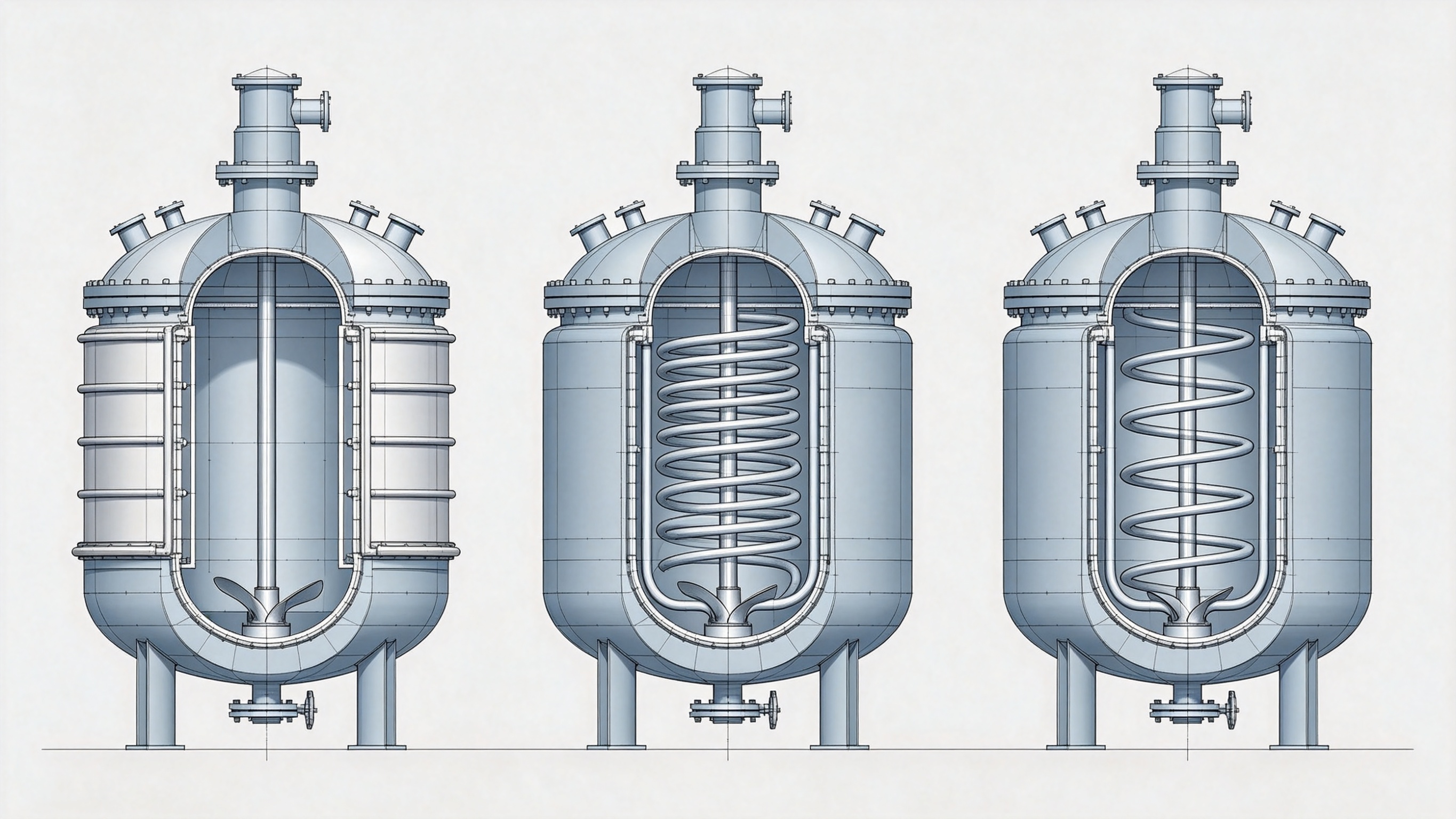
The heat-exchange method of a reactor affects heat-transfer efficiency, temperature uniformity and cost, and is central to reaction engineering. Common structures - full jacket, external half-coil and inner coil - each have their niche.
Jacketed Reactors: The Classic Versatile Choice
Jacketed reactors (50L-5000L) are classic and versatile: thermal oil, steam or cooling water in the jacket provides heating and cooling, suiting conventional reactions such as resin and coating synthesis in small-to-medium volumes.
External Half-Coil Reactors: Ideal for Large Volumes and High Heat Demand
External half-coil reactors (500L-20000L) weld half-pipes to the exterior for large, uniform heat-transfer area with no internal dead zones - ideal for large volumes and high heat-transfer demand; the mirror-polished interior suits resin, new-energy slurry and pharmaceutical duty.
Inner Coils: Rapid Intensified Cooling
For rapid cooling, an inner coil can be added inside the vessel to combine with the jacket or half-coil. Selection should weigh reaction heat release, heating rate, material corrosiveness and cleanliness, while matching agitator type and seal scheme for overall reliability.
Q&A from this article
Frequently asked questions and answers from this article
Heat-exchange structure determines the uniformity and efficiency of reaction temperature control. This article compares jacket, external half-coil and inner coil designs by scenario and selection criteria.
Related Products
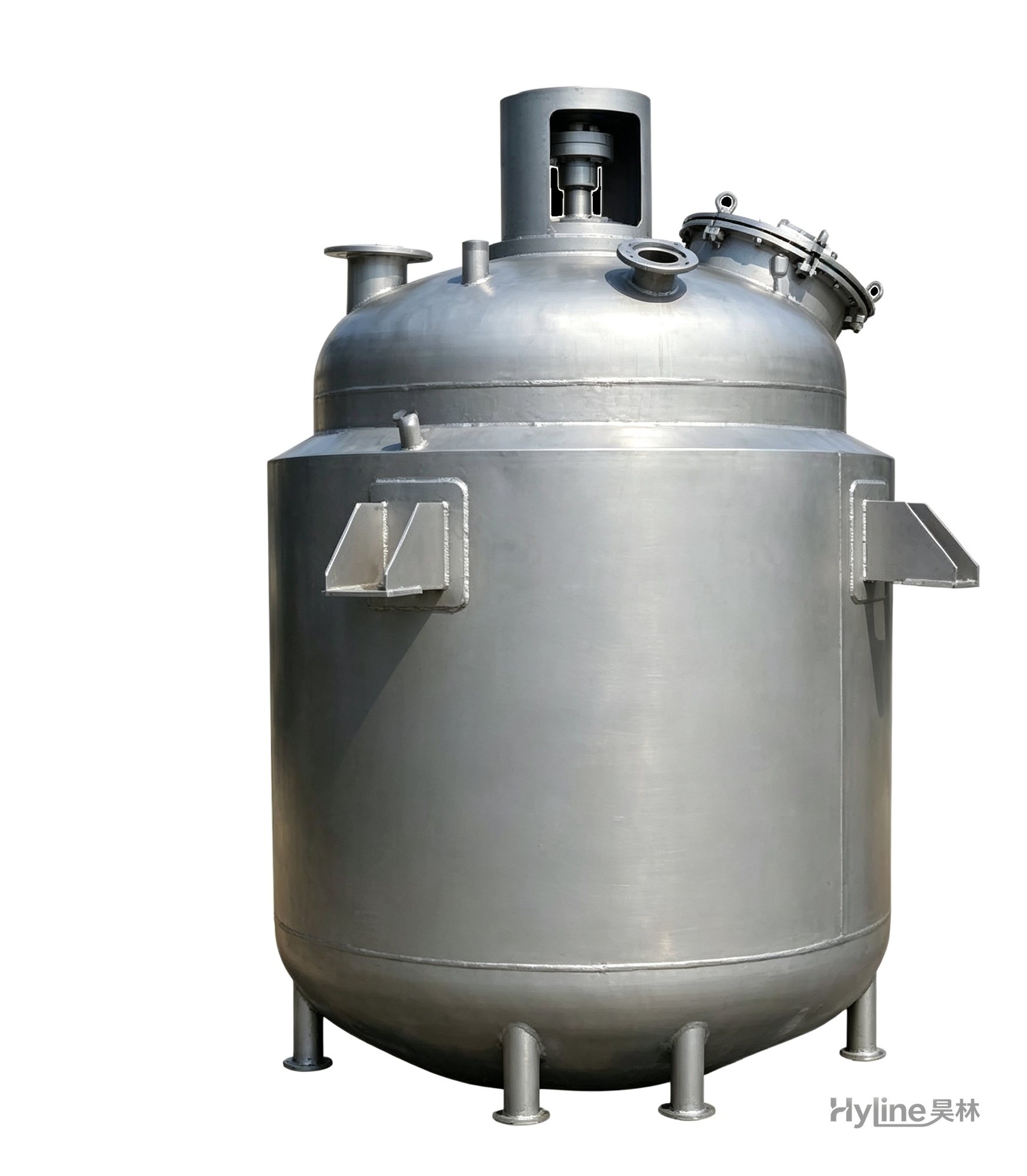
Jacketed Reactor
The typical main reaction vessel in chemical production. Mixing, heating and cooling disperse and mix materials for reaction and polymerization. The jacket circulates thermal oil/steam for heating or cooling water for temperature control.
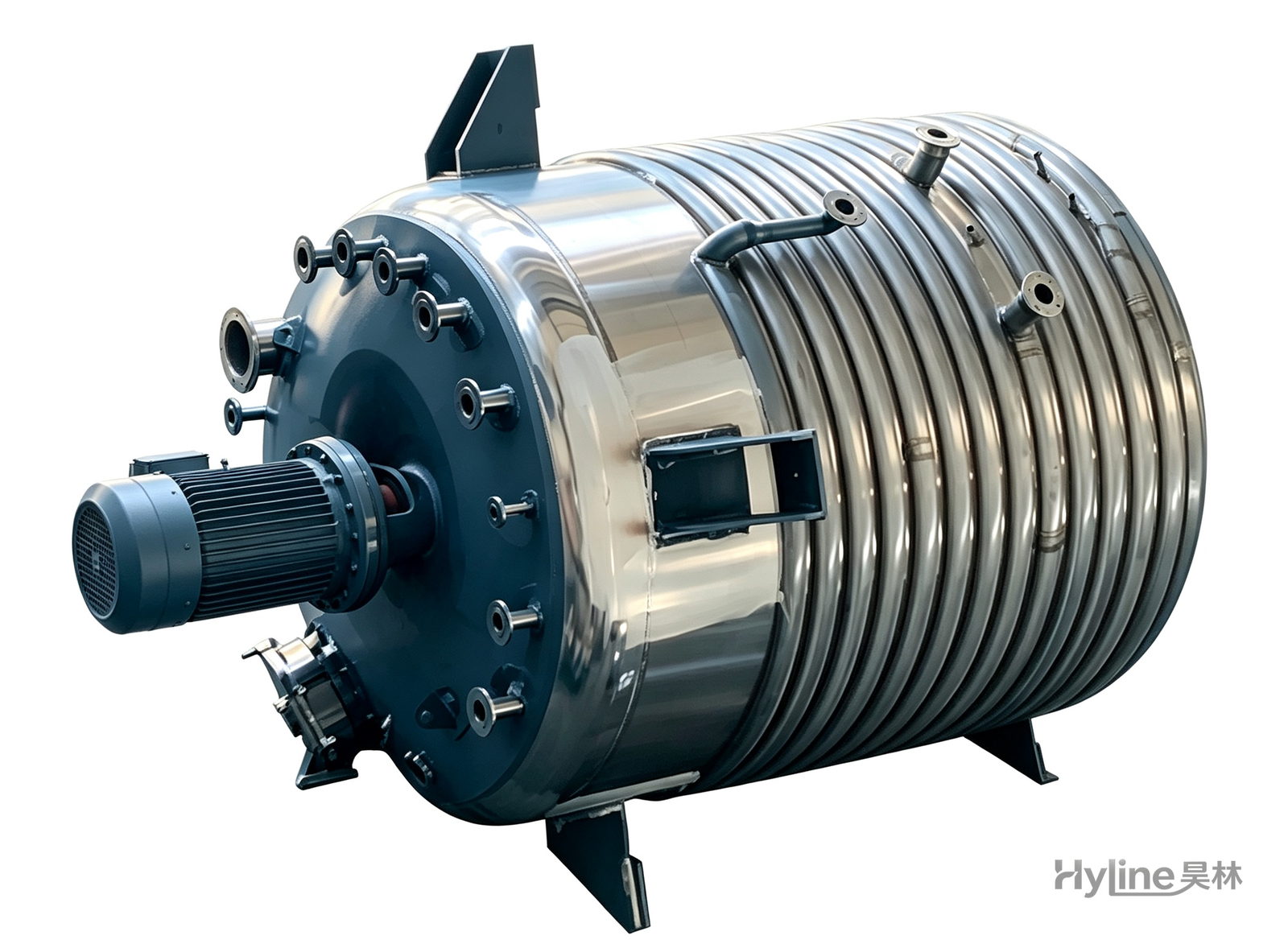
External Half-Coil Reactor
External half-pipe heating & cooling coils provide uniform, efficient heat exchange with zero material dead zones inside. Mirror-polished 304/316L stainless tank is clean and corrosion-resistant. For resin, new-energy slurry and pharmaceutical synthesis.
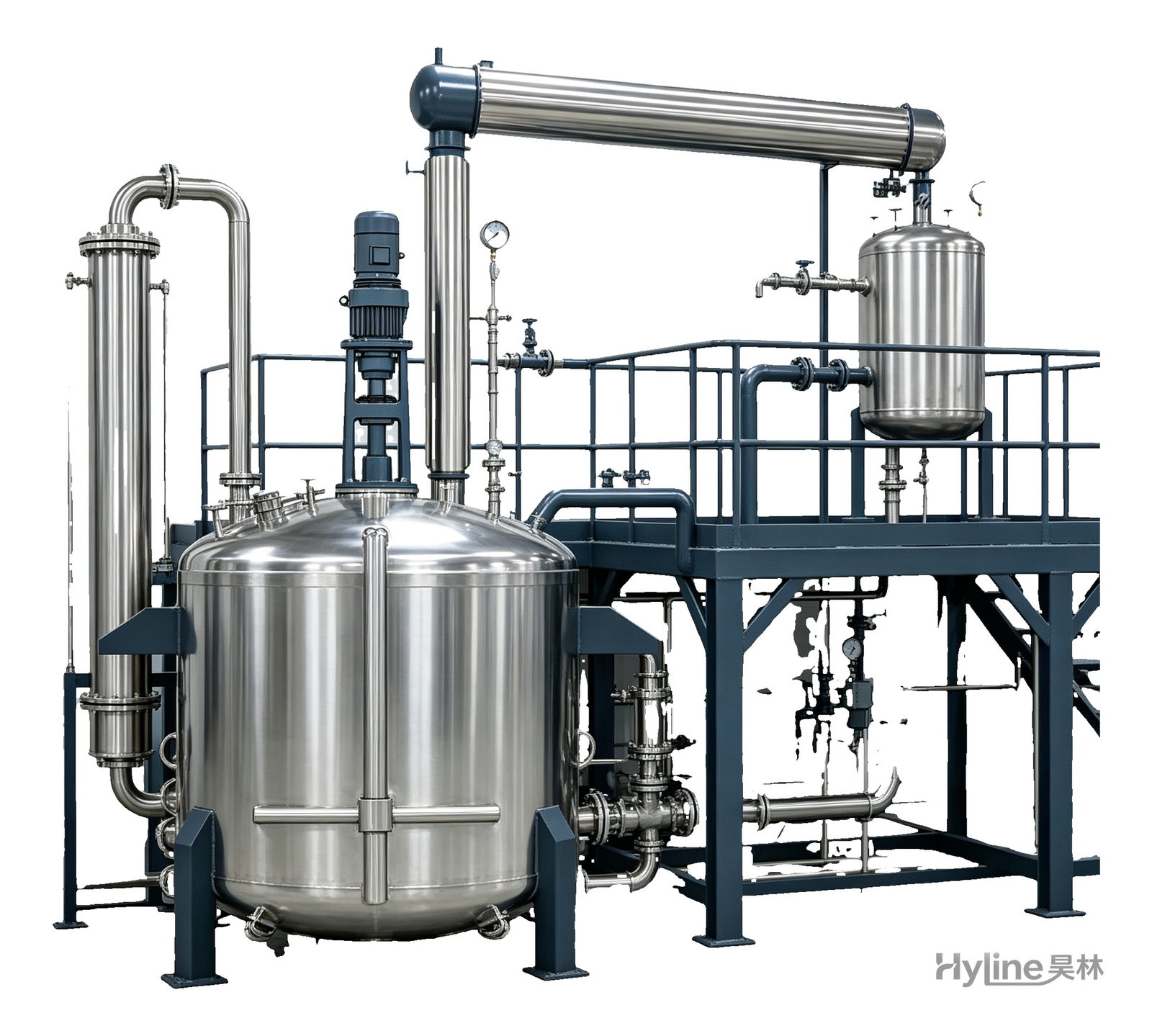
Complete Resin Production Equipment
Resin production packages built around the reactor, with vertical fractionating column, horizontal condenser and water separator for full synthesis, dehydration and reflux processes. Sizes from 300L to 30000L.