How Are Reactor Pressure Rating and Safety Accessories Configured? Safety Valve, Rupture Disc and Nitrogen Blanket by Process Pressure
10/13/2026
How Is the Pressure Rating of a Reactor Determined?
One-sentence conclusion: the design pressure of a reactor is generally taken as 1.05–1.10 times the maximum working pressure, and not less than 0.1 MPa; wall thickness, flanges and safety accessories are then selected according to the design pressure.
First define the process conditions. Reactors are used in atmospheric, low-pressure and pressurized service: atmospheric reactions are usually designed at 0.1 MPa; for steam-jacket heating, vacuum charging or pressurized synthesis, the design pressure is calculated separately for the jacket and the vessel body according to their highest working pressures. The common industry practice is to take the design pressure as 1.05–1.10 times the working pressure, leaving margin for fluctuation.
Wall thickness and connections follow. The higher the design pressure, the thicker the shell and head, and the pressure class of the top nozzles is raised accordingly; typical configurations range from PN6 to PN16 and above for high-temperature, high-pressure duty. An inaccurate rating has two consequences: if too low, the safety valve lifts frequently and flanges leak; if too high, wall thickness and cost rise unnecessarily.
How Do You Choose Between a Safety Valve and a Rupture Disc?
One-sentence conclusion: use a safety valve for recoverable, repeatedly actuated overpressure relief; use a rupture disc for fast relief, crystallizing media or cases where leakage is not allowed; select one or connect them in series according to the medium and required relief capacity.
A safety valve suits clean media and gaseous overpressure. It resets after lifting, its set pressure is adjustable and is generally not higher than the design pressure, and the system can keep running after relief. It fits steam jackets and gas feed lines, and maintenance only requires periodic verification of the set pressure.
A rupture disc suits media that are easy to plug, crystallize or have high viscosity. It is a single-use element; its burst pressure is generally 1.0–1.2 times the design pressure, and it opens over the full bore instantly, giving large relief area and fast response. When the medium tends to crystallize or polymerize, the safety valve seat is easily blocked, so a rupture disc is more reliable; for toxic or flammable media where leakage is not allowed, a rupture disc can be followed by a safety valve or connected to a closed discharge system.
| Item | Safety valve | Rupture disc |
|---|---|---|
| Recovery after relief | Yes, resets automatically | No, single-use replacement |
| Response | Milliseconds to seconds | Instant full opening |
| Suitable media | Clean, gaseous | Crystallizing, high-viscosity, corrosive |
| Set/burst pressure | Generally not above design pressure | Generally 1.0–1.2 times design pressure |
| Maintenance | Periodic verification | Periodic visual check and expiry date |
When Is a Nitrogen Blanket Required?
One-sentence conclusion: fit a nitrogen blanket when the material is flammable, easily oxidized or must be isolated from air; the blanket pressure is normally controlled at 0.5–5 kPa and maintained by a self-operated regulating valve.
Three typical situations call for a nitrogen blanket. First, flammable solvent materials: a slight positive nitrogen layer above the liquid keeps air out and prevents an explosive mixture. Second, easily oxidized materials such as certain resins and oily color pastes: isolating air reduces oxidation and skinning. Third, equipment under vacuum: nitrogen is used to break the vacuum and prevent air backflow.
The blanket system mainly consists of a nitrogen pressure-reducing valve, a self-operated regulating valve and a breather valve. Under normal operation a slight positive pressure is kept; the breather valve vents when pressure is too high and nitrogen is added when it is too low, forming a closed loop. With a nitrogen blanket, the top nozzles need an additional nitrogen inlet and pressure tapping, which must be confirmed at purchase.
How Do You Combine Configurations by Working Condition?
One-sentence conclusion: an atmospheric batch reactor only needs a safety valve; pressurized synthesis calls for a rupture disc or a safety valve plus rupture disc in series; flammable or easily oxidized materials need a nitrogen blanket and closed discharge in addition to relief.
Three common combinations follow the reaction type. For conventional batch reaction with steam-jacket heating and atmospheric vessel, one safety valve for the jacket and vessel relief is enough and cost is controlled. For pressurized synthesis or high-pressure polymerization, a rupture disc in series with a safety valve is recommended: the disc relieves fast and the valve carries and controls the discharge. For flammable, explosive or toxic media, add a nitrogen blanket, flame arrestor and closed discharge piping routed to a safe area.
The discharge destination must also be considered. Steam and solvent vapor cannot be vented directly into the workshop; they are generally routed to an outdoor vent or a scrubbing unit; for flammable media a flame arrestor is fitted at the top of the vent. The purchase list should cover relief, inerting and discharge accessories at once to avoid adding nozzles during installation.
What Should Be Considered in the Layout of Relief Piping?
One-sentence conclusion: relief piping should be short and straight, directed to a safe direction, with the outlet higher than the operating platform and away from personnel access; fit a flame arrestor at the outlet for flammable media.
The shorter the relief piping, the better. Long outlet piping with too many bends on safety valves and rupture discs increases back pressure and reduces relief capacity, so the actual capacity may fall below the calculated value. The common industry practice is to make the outlet pipe diameter no smaller than the inlet and reduce restrictions and changes of direction.
The outlet must be away from operating areas. Vents are generally placed more than 2 meters above the roof or platform, facing open areas and not facing doors, windows, walkways or adjacent equipment; gas containing liquid droplets is first passed through a knockout drum or scrubbing tower before discharge to avoid splashing. For flammable or explosive media, a flame arrestor is fitted at the top of the vent to prevent flame flashback.
How Is a Nitrogen Blanket Configured Reliably?
One-sentence conclusion: the nitrogen blanket is configured to maintain a slight positive pressure in the vessel and isolate oxygen and moisture; the supply is regulated with a pressure reducer and check valve, and pressure fluctuations are relieved by the breather or safety valve.
The nitrogen supply must be pressure-stabilized. Nitrogen passes through a pressure reducer to the set pressure and enters the top of the vessel, keeping a slight positive pressure, generally on the order of 0.005–0.02 MPa (determined by the process), which both prevents the material from contacting air and prevents vessel collapse under vacuum. A check valve is fitted on the supply line to prevent backflow into the nitrogen system.
Pressure fluctuation should trigger coordinated relief. Feeding, discharging and temperature changes cause pressure fluctuation in the vessel; on overpressure, the safety valve or breather relieves, and on underpressure nitrogen is replenished. The set pressures of the safety valve and breather on a nitrogen-blanketed vessel should be lower than the vessel design pressure, with a reasonable interval to avoid frequent lifting.
How Do You Accept Safety Accessories at Purchase?
One-sentence conclusion: at acceptance, verify the written parameters of design pressure, safety valve set pressure and rupture disc burst pressure, confirm that the pressure vessel certificate and accessory type-test reports are complete, then check the field installation positions.
First check parameters. The design pressure, working pressure and maximum working temperature on the nameplate and documentation should match the contract; the safety valve calibration sheet and rupture disc type-test report should correspond one-to-one with batch numbers. When the pressure vessel is manufactured under the national safety technical specification, the equipment should be accompanied by inspection and supervision certificates.
Then check installation. Safety valves and rupture discs should be installed in accessible positions with relief outlets pointing to a safe direction; pressure gauges and isolating valves should be fitted before and after the blanket regulating valve for observation and maintenance. Finally carry out a leak test: the vessel and flange connections hold pressure without leakage at the acceptance pressure, and accessories actuate freely without sticking.
The feeding, discharging and agitation configuration should also be confirmed together: a half-coil reactor is often used when a larger heat-transfer area is required, and its jacket pressure rating and safety valve configuration are determined by the actual pressure capacity of the half coil; the venting and inerting requirements of storage tanks matched with mixing tanks are similar and can be designed in the same project.
Related reading: - Reactor heating and cooling methods compared: jacket, half-coil and internal coil selection - Reactor cover opening: hydraulic lifting and quick-open device selection
This article is compiled by Hyline Shengda Equipment Manufacturing Co., Ltd. (hyline.cn); the information belongs to the original authors. We specialize in stainless steel reactors, mixing tanks, storage tanks, dispersers, concentrators and complete chemical line support, with non-standard customization available.
Q&A from this article
Frequently asked questions and answers from this article
One-sentence conclusion: fit a nitrogen blanket when the material is flammable, easily oxi…
Related Products
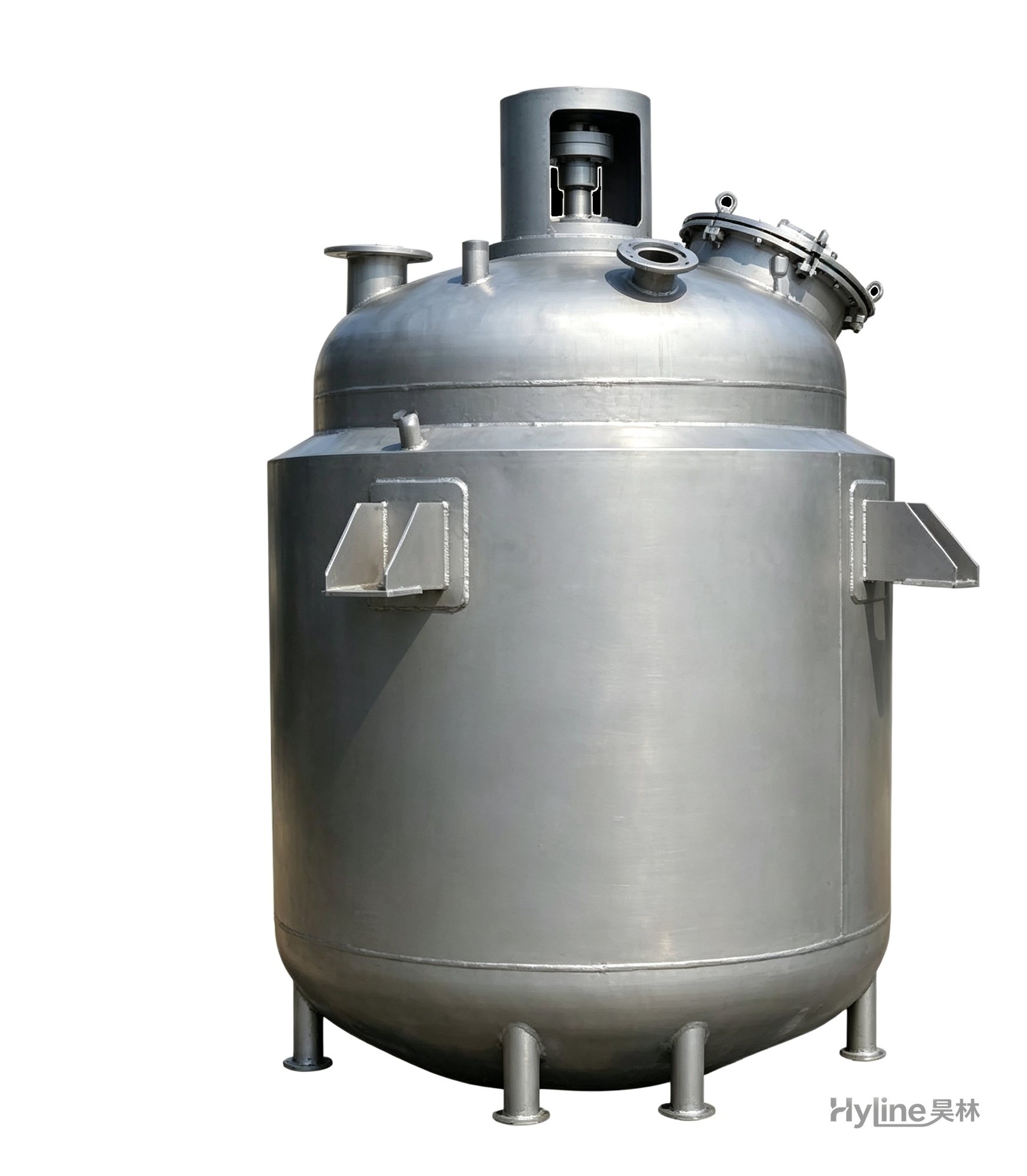
Jacketed Reactor
The typical main reaction vessel in chemical production. Mixing, heating and cooling disperse and mix materials for reaction and polymerization. The jacket circulates thermal oil/steam for heating or cooling water for temperature control.
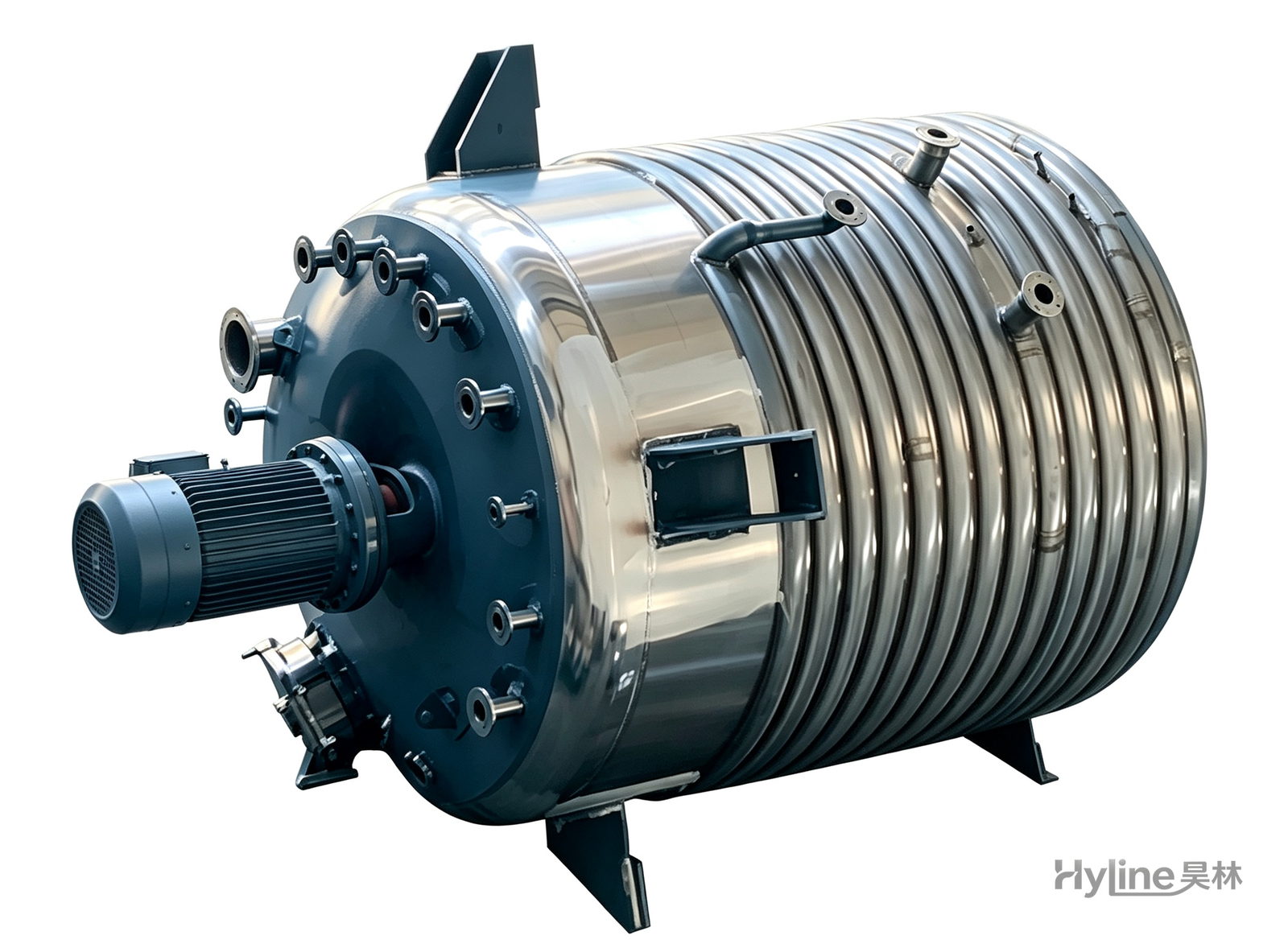
External Half-Coil Reactor
External half-pipe heating & cooling coils provide uniform, efficient heat exchange with zero material dead zones inside. Mirror-polished 304/316L stainless tank is clean and corrosion-resistant. For resin, new-energy slurry and pharmaceutical synthesis.
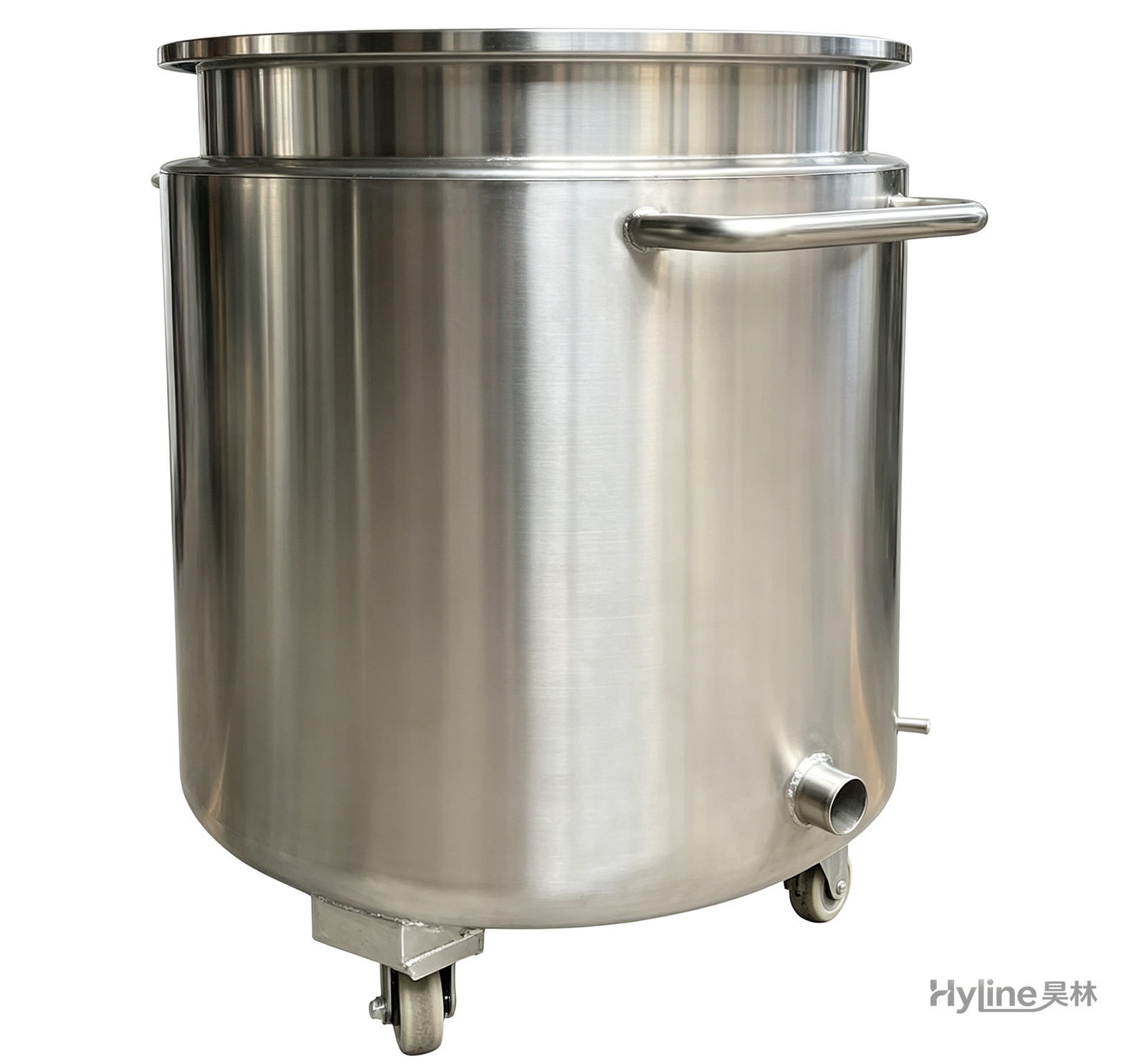
Stainless Steel Mixing Tank (Dispersion Drum)
Supporting vessel for dispersers and mixers in paints, coatings, adhesives, color slurries, inks and electronics. Available in 201/304 stainless with internal/external polishing and sloped bottom side discharge for complete draining.
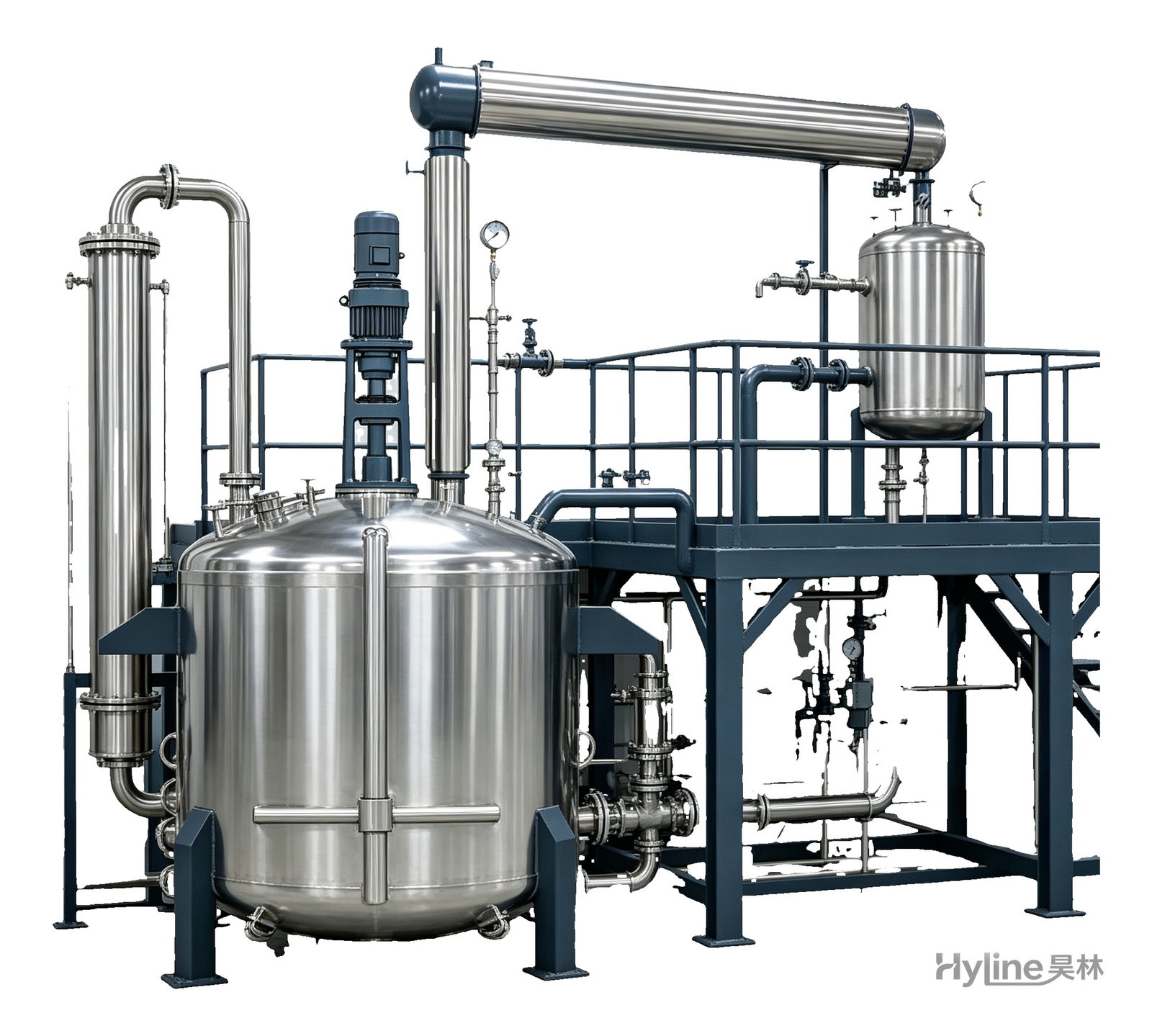
Complete Resin Production Equipment
Resin production packages built around the reactor, with vertical fractionating column, horizontal condenser and water separator for full synthesis, dehydration and reflux processes. Sizes from 300L to 30000L.