
How to Set Reactor Wall Thickness and Pressure Rating? Choose Design Parameters by Medium Pressure and Temperature
10/14/2026
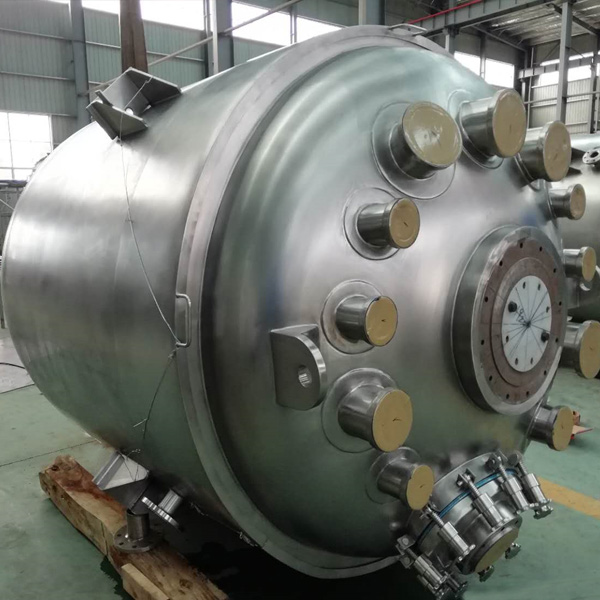
When purchasing a stainless steel reactor, the "design pressure", "design temperature" and "wall thickness" on a quotation are not filled in casually: together they decide whether the equipment can safely withstand your process conditions. The order of decisions should be: first define the process medium and operating parameters, then set design pressure and design temperature, then calculate wall thickness with the material allowable stress, and only then talk about price. This article explains the logic of pressure rating, wall thickness and material selection in that order, with common industry reference values; the final parameters should still be confirmed by the design institute or manufacturer.
How to Set Design Pressure? Operating Pressure, Temperature and Safety Margin
One-line conclusion: design pressure is generally taken as 1.05-1.10 times the maximum operating pressure and no lower than the 0.1MPa atmospheric lower limit; design temperature is taken as the maximum process medium temperature plus a 15-20 deg C margin.
The medium may heat up and pressurize during reaction, especially in exothermic reactions and systems that generate gas, so design pressure must cover the highest possible condition. Common industry practice: for equipment with operating pressure up to 1.6MPa, design pressure is usually 1.1 times the operating pressure; for higher pressure, another 0.1-0.2MPa margin is added per code. Design temperature directly affects the allowable stress of the material: the higher the temperature, the lower the allowable stress and the thicker the calculated wall, so "maximum temperature" should be taken from the real process condition rather than normal ambient values.
| Condition type | Typical operating pressure | Design pressure reference | Note |
|---|---|---|---|
| Atmospheric storage and reaction | Atmospheric (gauge near 0) | 0.18MPa per code | Not lower than atmospheric design limit |
| Low-pressure reaction | 0.3-0.6MPa | Operating pressure x1.1 | Leave temperature and safety margin |
| Medium-pressure reaction | 1.0-1.6MPa | Operating pressure x1.1 or plus 0.1-0.2MPa | Needs safety valve and rupture disc |
| High-pressure reaction | 2.5MPa and above | Step-by-step calculation per code | Needs special design and inspection |
The table is a common industry reference; the actual values follow GB/T 150 Pressure Vessels and relevant design documents.
How to Calculate Wall Thickness? Allowable Stress, Shell Diameter and Corrosion Allowance
One-line conclusion: the calculated shell thickness is about P x Di / (2[sigma] phi - P); after adding corrosion allowance and plate negative tolerance and rounding, it becomes the wall thickness on the purchase order.
In the formula, P is design pressure, Di is shell inner diameter, [sigma] is the material allowable stress at design temperature, and phi is the weld joint coefficient (usually 0.85-1.0). The larger the shell diameter and the higher the pressure, the thicker the wall; under the same conditions, a material with higher allowable stress can use a thinner wall. Corrosion allowance follows medium corrosiveness: carbon steel shells usually take 1-2mm, stainless steel 0-1mm; for strongly corrosive media, change the material rather than simply thickening, because a thicker wall raises weight, cost and heat-transfer loss together.
| Material | Reference allowable stress at ambient temperature | Typical use | Note |
|---|---|---|---|
| 304 stainless steel | About 137MPa | General chemical, food and pharmaceutical clean conditions | Avoid chloride environments |
| 316L stainless steel | About 137MPa | Chloride, acid and alkali media | Better pitting resistance than 304 |
| Q345R low-alloy steel | About 189MPa | High-pressure, large-volume shells | Add lining when corrosion protection needed |
Allowable stress varies with design temperature; the values above are ambient references, subject to the material standard and calculation sheet.
How to Choose Material? Three Lines: Corrosion, Temperature and Cost
One-line conclusion: medium corrosiveness decides the stainless steel grade, temperature and pressure decide whether to use a low-alloy steel shell, and cost decides whether to use a lining scheme.
For neutral or weakly corrosive media and clean food/pharmaceutical conditions, 304 stainless steel is enough; for media containing chloride ions (brine, sodium hypochlorite, some pickling solutions), prefer 316L or PTFE lining; for high-temperature, high-pressure and large-volume conditions, use a Q345R shell with a lining (glass-lined, PTFE or rubber lining) to bear pressure and resist corrosion, usually at lower cost than a fully thick-walled stainless solution of the same volume. The shell and internal parts of one vessel can be quoted with different materials for comparison.
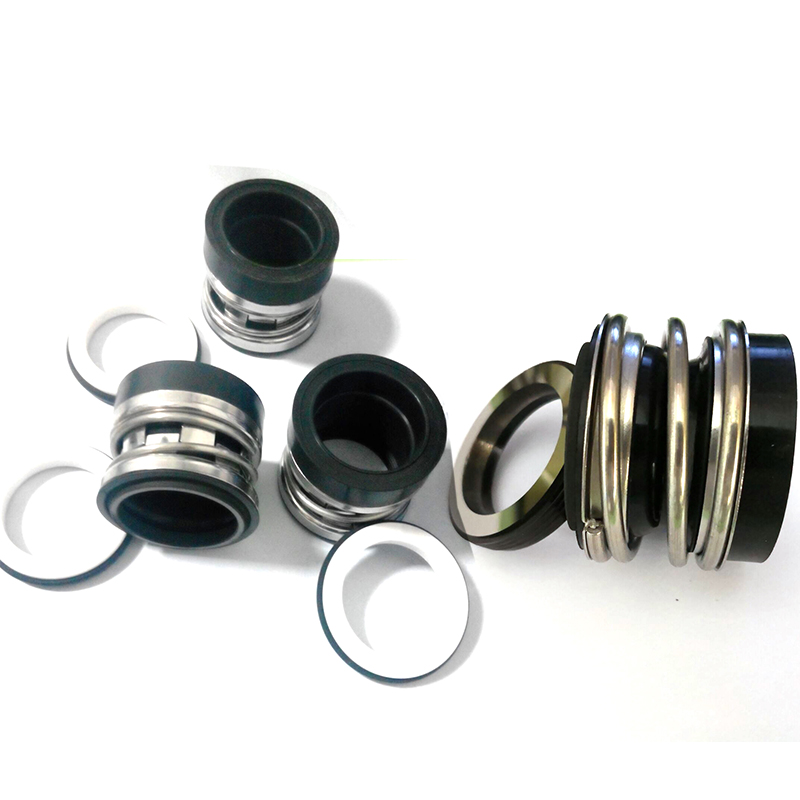
How Does the Jacket and Heat-Transfer Structure Affect Wall Thickness?
One-line conclusion: for a reactor with a jacket and external coil structure, the wall thickness is calculated separately from the shell; the jacket-side design pressure is usually lower than the shell side, but heat-transfer area and wall thickness constrain each other, so report the two pressures separately in the quotation.
When the jacket carries steam or thermal oil, the jacket-side pressure is generally 0.4-0.8MPa while the shell side may reach over 1.6MPa, and the two sides are calculated separately; when coils are wound outside the shell, shell rigidity and coil weld points are considered together. During selection, report the "shell design pressure" and "jacket design pressure" separately, so the two are not mixed into one pressure that over-thickens the wall or under-sizes the heat-transfer area.
Which Standard for Pressure Vessels? GB/T 150 and Design Document Checking Points
One-line conclusion: domestic reactors are generally designed and manufactured to the GB/T 150 series; when buying, ask the supplier for design documents and check the design pressure, design temperature and material grade.
GB/T 150 "Pressure Vessels" is the most common design and manufacturing standard for pressure equipment, covering design temperature, design pressure, material, welding and inspection. When buying a non-standard reactor, the supplier should provide a general arrangement drawing and a design confirmation sheet stating the design pressure, design temperature, shell material and wall thickness; these lines must match the process conditions. The design pressure is generally taken as 1.05-1.1 times the operating pressure and not lower than the set pressure of the safety valve or rupture disc. When checking, write the operating pressure and temperature into the inquiry and require the supplier to issue design documents accordingly, so the verbal quotation matches the delivered equipment.
Hydrostatic Test and Pneumatic Test: How to Verify Pressure Capability Before Delivery
One-line conclusion: before delivery, a reactor should pass a hydrostatic test for strength and a pneumatic test for sealing; test pressure and hold time follow the standard, and records are attached for acceptance.
The hydrostatic test pressure is generally 1.25 times the design pressure, and the pneumatic test 1.0-1.1 times; the hold time is usually no less than 30 minutes, after which welds, flanges and nozzles are checked for leakage and deformation. The pneumatic test uses compressed air or nitrogen to check sealing faces and welds. At acceptance, ask the supplier for test records and certificates stating the test medium, pressure, hold time and conclusion, so there is a baseline for on-site re-testing. During the on-site re-test, keep a safe distance and follow the depressurization procedure; any leakage should be stopped and handled before judgment.
Corrosion Allowance and Medium: The Hidden Margin in Wall Thickness
One-line conclusion: the design wall thickness equals the calculated thickness plus corrosion allowance plus steel plate negative tolerance; the stronger the medium corrosiveness and the longer the design life, the larger the allowance.
The design wall thickness consists of three parts: the calculated thickness from pressure, the corrosion allowance from the corrosion rate and design life of the medium, and the plate negative tolerance with forming reduction. For common media the corrosion allowance is 1-2mm; for strongly corrosive media it is calculated as the measured corrosion rate times the design life, reaching 3-6mm. This is also why reactors of the same capacity differ so much in weight: the price difference between 304 and 316L and the weight difference between thick and thin walls all show up here. When buying, state the medium composition and concentration clearly so the supplier can give a matching corrosion allowance and material, avoiding the hidden downgrade of "low price but thin wall".
Safety Accessories and Interlocks: How to Configure Pressure Gauge, Safety Valve and Rupture Disc
One-line conclusion: a reactor should be equipped with a pressure gauge and a safety valve or rupture disc; explosive or toxic media use a rupture disc plus a safety valve as double protection, and interlock alarms should be wired to the control cabinet.
Safety accessories are the statutory configuration of a pressure reactor: the pressure gauge indicates operating pressure, the safety valve relieves on overpressure, and the rupture disc suits cases of fast pressure rise or where leakage must not be allowed. For explosive or toxic media, a rupture disc and safety valve are combined in series or parallel; temperature and pressure interlock alarms connect to the control cabinet to automatically stop stirring or cut heating on over-limit. When buying, write the set pressure of the safety accessories into the technical agreement to match the design pressure; after arrival, calibrate the gauge and valve as required and obtain verification records before commissioning. The accessory cost is low, but missing any one item can leave the whole equipment running out of compliance.
How to Check These Parameters When Buying? Which Lines of the Quotation to Read
One-line conclusion: when you receive a quotation, first check the five numbers - design pressure, design temperature, material, wall thickness and capacity - against your process, then compare prices.
Reactors of the same capacity with 8mm and 12mm wall thickness differ a lot in steel weight and price, but look almost identical from the outside, so appearance alone cannot tell them apart. Check that: design pressure covers the maximum operating pressure; design temperature covers the maximum medium temperature; material matches medium corrosiveness; wall thickness is reasonable for the capacity, diameter and pressure; capacity leaves a filling allowance (usually 70-80%). Only when the five match can prices be compared, and only then do safety and service life come into the discussion.
Practical Advice: A Checklist of Quotation Verification and Site Acceptance Points
One-line conclusion: list five groups of data, namely design pressure, wall thickness, material, safety accessories and test records, and check both the quotation and site acceptance against them item by item.
Summarize the practical advice into a table: row one is design pressure and design temperature, row two is shell material and wall thickness, row three is jacket structure and heat-transfer area, row four is safety accessories and set pressure, row five is hydrostatic and pneumatic test records with certificates. At the quotation stage compare prices by these five rows and rule out low quotes with vague parameters; at site acceptance check the nameplate, accompanying documents and physical equipment item by item against the same table, and require missing items to be supplied. This turns the selection logic from "looking at price" into "checking parameters": the risk of pressure equipment mainly lies in the invisible wall thickness and welds, and when parameters can be verified, risk becomes controllable.
Further Reading
- How to Configure Reactor Pressure Rating and Safety Accessories? Safety Valve, Rupture Disc and Nitrogen Seal by Process Pressure
- Reactor Heating and Cooling Methods Compared: How to Choose Jacket, External Coil and Internal Coil
This article is provided by Haolin Shengda Equipment Manufacturing Co., Ltd. (hyline.cn), specializing in stainless steel reactors, mixing tanks, storage tanks, dispersers, concentrators and complete chemical line support, with non-standard customization available.
Q&A from this article
Frequently asked questions and answers from this article
When buying a stainless steel reactor, first set the design pressure and wall thickness: choose the pressure rating by medium pressure, temperature and safety margin, and match material with thickness to stay safe without overspending.
Related Products

Jacketed Reactor
The typical main reaction vessel in chemical production. Mixing, heating and cooling disperse and mix materials for reaction and polymerization. The jacket circulates thermal oil/steam for heating or cooling water for temperature control.
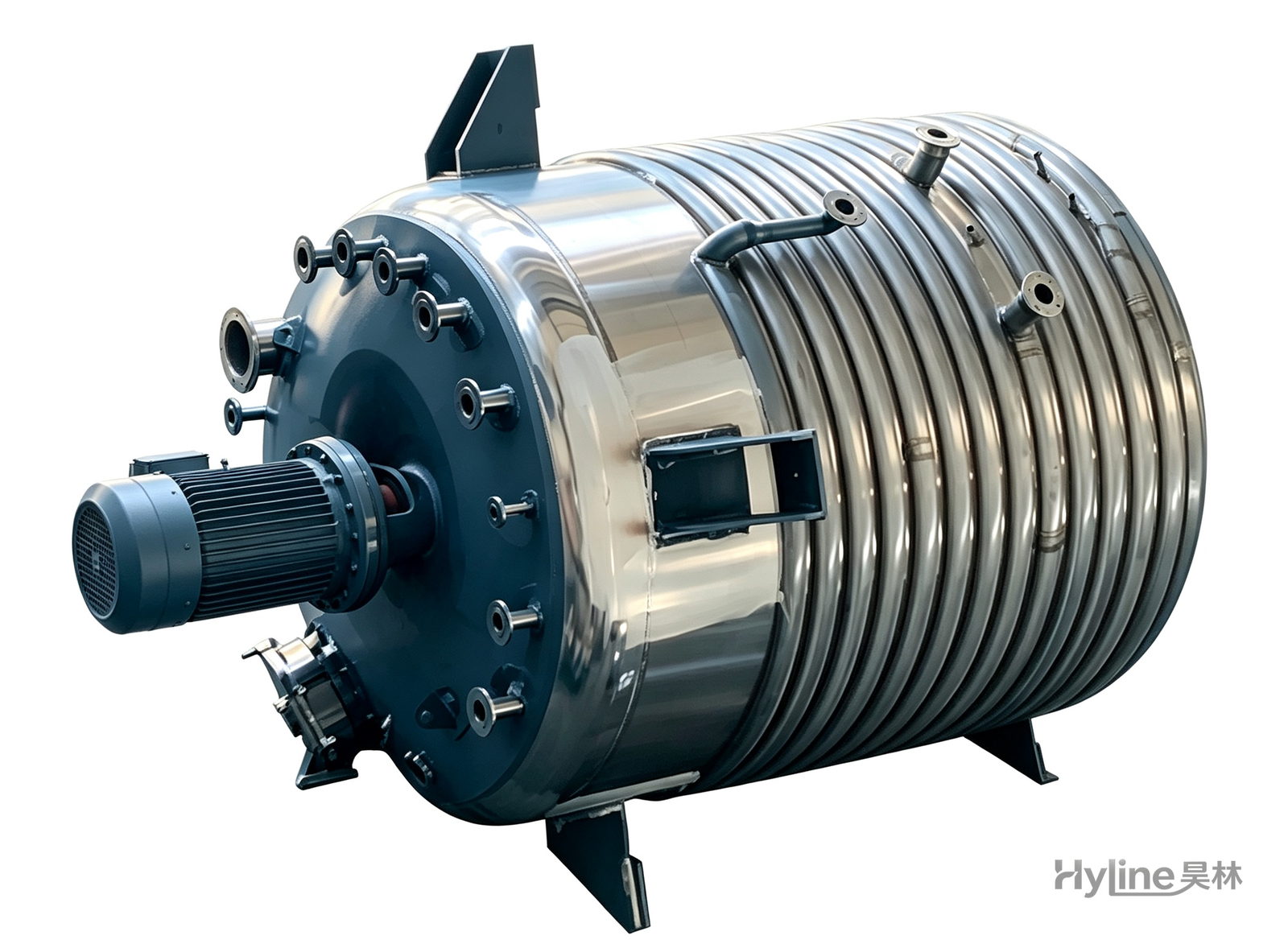
External Half-Coil Reactor
External half-pipe heating & cooling coils provide uniform, efficient heat exchange with zero material dead zones inside. Mirror-polished 304/316L stainless tank is clean and corrosion-resistant. For resin, new-energy slurry and pharmaceutical synthesis.

Stainless Steel Mixing Tank (Dispersion Drum)
Supporting vessel for dispersers and mixers in paints, coatings, adhesives, color slurries, inks and electronics. Available in 201/304 stainless with internal/external polishing and sloped bottom side discharge for complete draining.
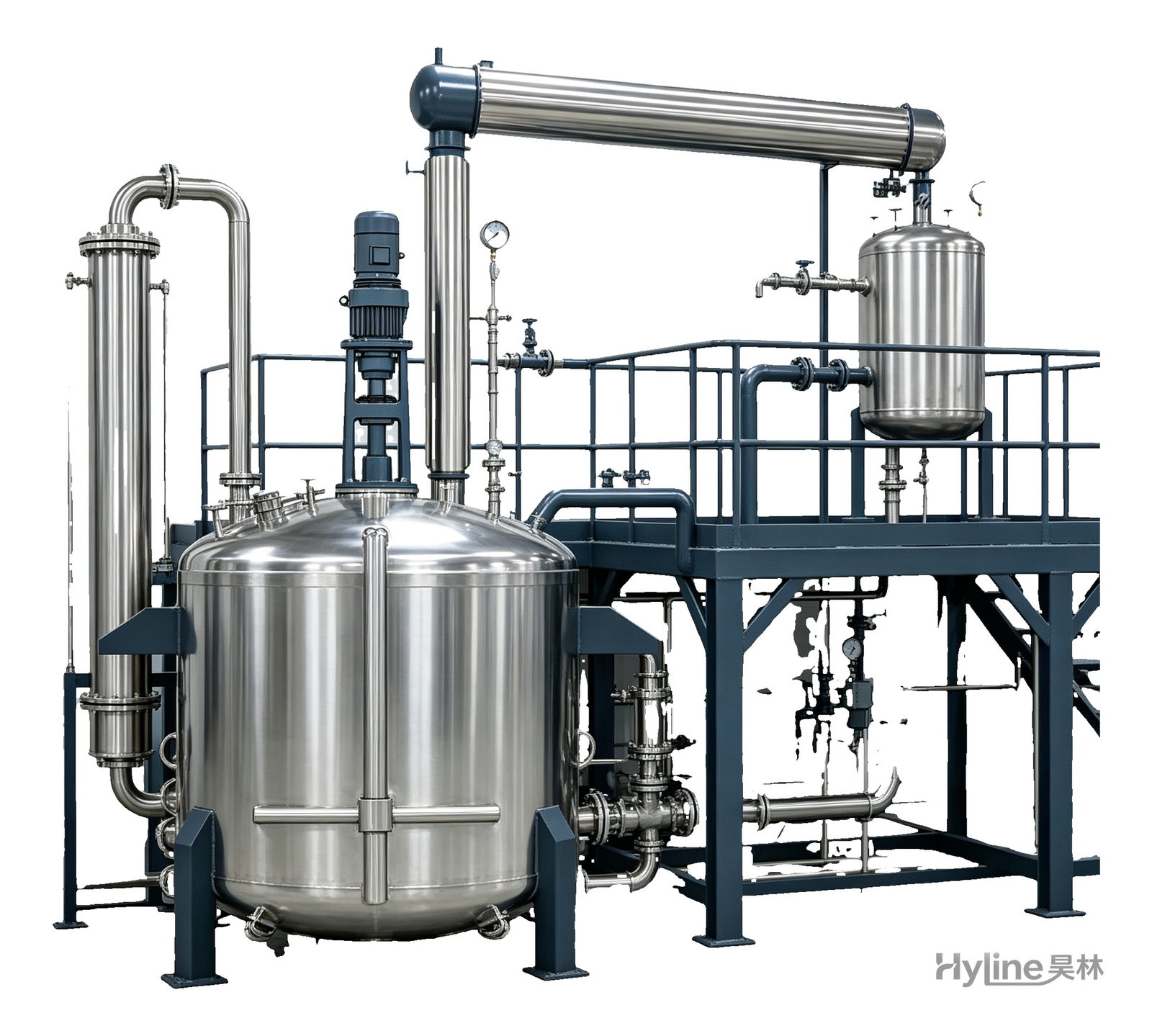
Complete Resin Production Equipment
Resin production packages built around the reactor, with vertical fractionating column, horizontal condenser and water separator for full synthesis, dehydration and reflux processes. Sizes from 300L to 30000L.