
How to Select a Vacuum Emulsifier Unit? Configuration Points for Paste, Emulsion and Pharmaceutical Working Conditions
10/7/2026
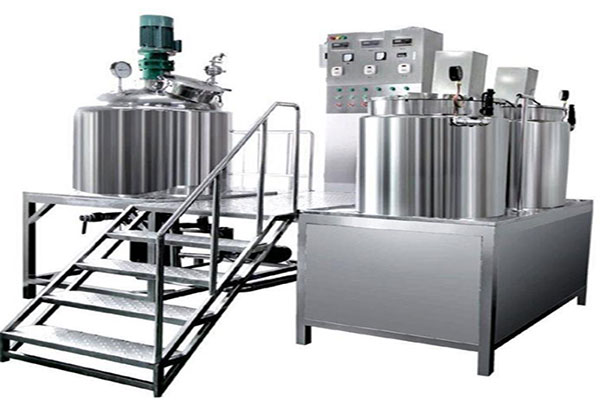
How to select a vacuum emulsifier unit? Creams, ointments, emulsions and milk-based drinks — many cream-and-lotion products are produced by vacuum emulsifier units: materials are heated, emulsified, homogenized and vacuum-deaerated in the tank, and one batch comes out as finished product. One-sentence conclusion: selection follows four steps — "product form decides mixing, fineness requirement decides homogenizing, deaeration requirement decides vacuum, hygiene grade decides material". This article gives configuration points for three typical working conditions: paste, emulsion and pharmaceutical.
What can a vacuum emulsifier unit do?
A vacuum emulsifier unit integrates an emulsifying tank, homogenizing system, vacuum system and heating/cooling system into one machine: the main agitator completes mixing and emulsification of materials, the homogenizer provides high-shear particle refinement, the vacuum system removes bubbles during emulsification, and the jacketed heating/cooling controls process temperature. Compared with step-by-step operation using a dispersion tank plus an emulsifier, the integrated unit reduces material transfer and contamination risk and gives better batch consistency, making it the mainstream equipment for cream-and-lotion production.
How to choose the mixing structure?
The mixing structure is determined by product form. Paste products (cream, toothpaste, ointment) have high viscosity and need planetary mixing with wall scraping; revolution plus rotation keeps the tank free of dead zones. Emulsion products have medium viscosity, where emulsifying agitation plus anchor wall scraping is sufficient. For suspensions or low-viscosity liquids, a high-speed dispersion structure is more suitable. The typical symptoms of a wrong mixing structure are wall adhesion, material accumulation in dead zones and uneven batches, most obvious with paste products.
| Product form | Mixing structure (typical) | Typical products |
|---|---|---|
| High-viscosity paste | Planetary mixing + wall scraper | Cream, toothpaste, ointment |
| Medium-viscosity emulsion | Emulsifying agitation + anchor scraper | Skin-care lotion, facial cleanser |
| Low-viscosity liquid | High-speed dispersion structure | Toner, milk-based drink |
| Multi-phase complex system | Double agitation + homogenizer combination | Sunscreen, makeup base |
How to configure the homogenizing system?
Homogenizing is the key to particle size in an emulsifier unit. The homogenizing head rotates at high speed to create high shear, breaking oil and water phases into fine droplets — the finer the particle size, the more stable the emulsion and the better the skin feel. Homogenizing speed and head type determine shear intensity; generally the higher the homogenizing linear velocity, the stronger the refining ability. But excessively long homogenizing time causes temperature rise, so heat-sensitive formulations need coordinated cooling. To judge whether homogenizing is sufficient, use a particle size analyzer or observe stability against product standards; when selecting, confirm homogenizer head material, speed range and a detachable cleaning structure.
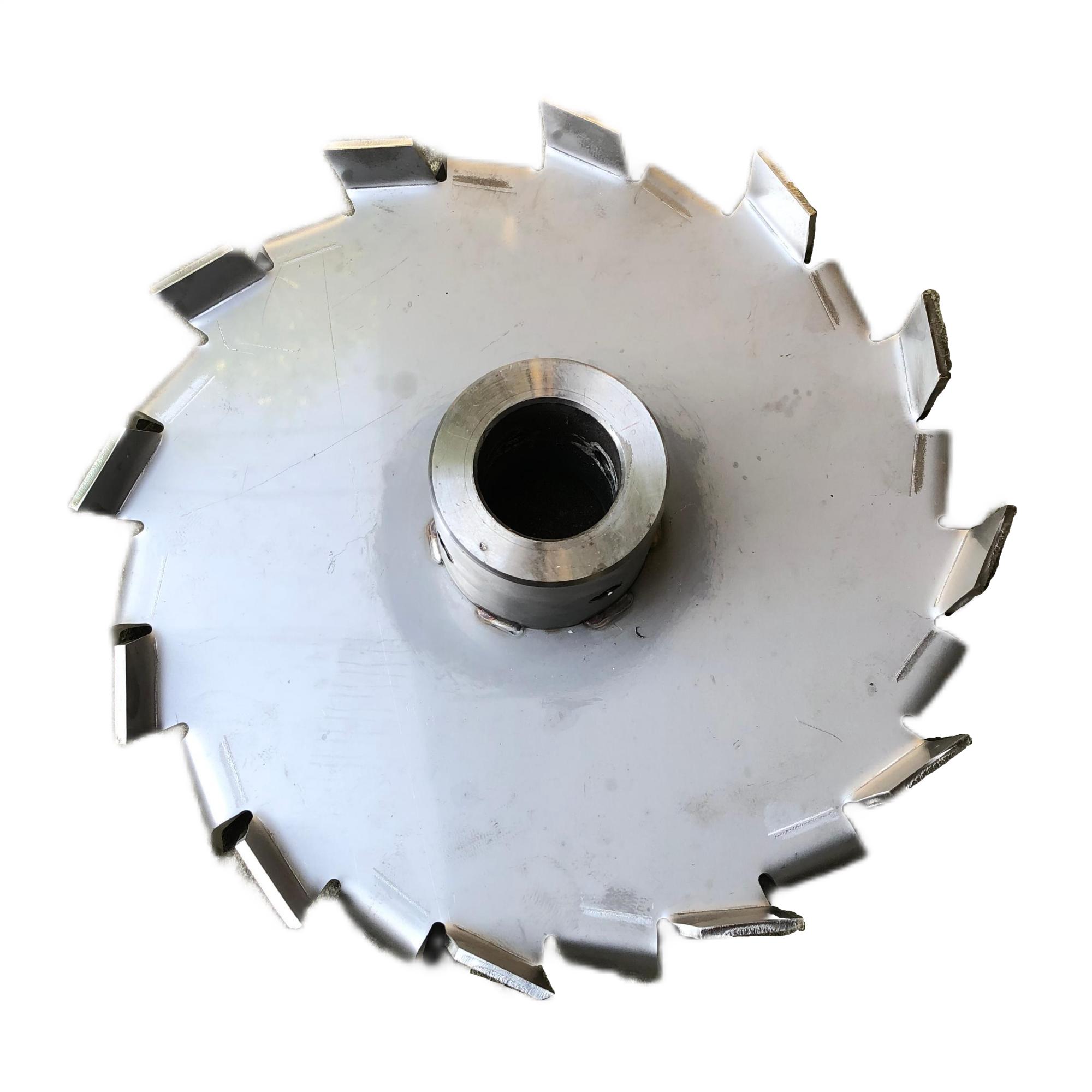
- Homogenizing head type: emulsifying head or dispersion disc selected by product fineness requirement
- Speed range: variable-frequency speed control makes it easy to adjust shear intensity per formulation
- Temperature rise control: coordinate jacket cooling during prolonged homogenizing
- Cleaning structure: detachable homogenizer head for CIP and manual cleaning
How to determine vacuum level and deaeration?
Vacuum deaeration solves the problem of bubbles entrained during emulsification. Both agitation and homogenizing bring in air; without bubble removal, products develop fine bubbles, oil separation or uneven texture. Generally a running vacuum of -0.06 to -0.08 MPa is enough for deaeration; too high a vacuum easily causes material overflow, while too low leaves deaeration incomplete. The operating sequence is normally to draw vacuum first and then start homogenizing, avoiding large amounts of bubbles entering during homogenizing.
How to determine material and hygiene grade?
Material is determined by product hygiene grade: cosmetic and food contact surfaces generally use 304 stainless steel with polished inner walls; pharmaceutical applications use 316L with a higher polishing grade. Surface treatment determines cleaning difficulty and product safety. Cream-type products adhere strongly, so the tank wall, homogenizer head and agitator blades must be free of dead zones and easy to disassemble. When selecting, confirm the material certificate and surface treatment grade of contact parts with the equipment manufacturer — this is a focus of hygiene audits.
How to configure heating, cooling and the jacket?
Emulsification processes usually need staged temperature control: water and oil phases are heated to the emulsification temperature, then cooled after emulsification. Jacket heat-exchange capacity determines heating/cooling speed; jacket type is selected by heat-transfer requirement — a full jacket transfers heat evenly, while half-coil pipe has higher heat-exchange efficiency but is a bit more complex to clean. Heat-sensitive formulations must be checked for cooling speed: untimely cooling affects product stability. Steam heating and chilled-water cooling piping should be confirmed at the design stage.

How to match volume and capacity?
Unit volume is calculated from single-batch output and filling coefficient; the filling coefficient is generally 0.6–0.8, and take the lower value for formulations with heavy foaming that need reserved gas-phase space. Single-batch output = nominal volume × filling coefficient; daily capacity = single-batch output × number of batches per day. The batch cycle includes emulsification, cooling, discharging and cleaning. Cleaning time is often underestimated — paste products are laborious to clean, so CIP configuration should be considered at selection, otherwise actual capacity falls below expectation.
Pharmaceutical working condition: sterility and CIP/SIP requirements
Pharmaceutical emulsification (ointment, gel) has higher requirements than cosmetics: 316L contact surfaces, higher polishing grade, tank and piping designed for CIP online cleaning and SIP online sterilization, detachable and inspectable homogenizer head and mixing structure, and strict sealing and leak-prevention requirements. Pharmaceutical units must also provide complete material certificates and surface treatment records to support validation documents. When selecting, check equipment structure and material against GMP requirements — failure here affects registration and audits.
Cosmetic working condition: batch consistency and cleaning
Cosmetic production pursues batch consistency: different batches of the same formulation must be stable in particle size, viscosity and appearance. The main factors affecting consistency are whether agitation speed, homogenizing time and temperature curve are repeatable; variable-frequency speed control and program-controlled operation let each batch run on the same parameters — this is the basis of consistency. Cleaning cream-type products is a daily burden; configuring CIP spray and a detachable homogenizer head markedly shortens cleaning time and raises actual capacity.
Food working condition: high sugar, high viscosity and hygiene
Food emulsification such as milk-based drinks, jam and sauces is characterized by high sugar, high viscosity and strict hygiene requirements: use 304 or 316L depending on the medium, polish inner walls for easy cleaning, choose the mixing structure by viscosity, and control jacket temperature steadily because high-sugar materials tend to scorch when heated. Food applications also need attention to seal hygiene and CIP cleaning to avoid residue breeding microorganisms, generally configured to food hygiene specifications.
How to build emulsification process parameters?
Unit parameters are not fixed at the factory; they are built step by step per formulation. Process parameters mainly include four groups: emulsification temperature, homogenizing speed and time, vacuum level and cooling rate. The building steps are generally: first set the emulsification temperature by formulation (oil/water phase heating temperature, emulsification-stage temperature), then determine homogenizing intensity (try speed and time from small to large, observe particle size and stability), adjust vacuum level by deaeration effect, and finally fix the cooling curve. Each trial batch records parameters and product test results; after stabilization, form a standard process card, production runs by the card, and batch differences stay small.
| Parameter group | Determination method (typical) | Focus |
|---|---|---|
| Emulsification temperature | By formulation oil/water phase melting and emulsification requirements | Control upper limit for heat-sensitive formulations |
| Homogenizing speed and time | Calibrated by trial production against target particle size | Balance particle size and temperature rise |
| Vacuum level | Adjusted by deaeration effect | Prevent material overflow |
| Cooling rate | By product stability requirement | Fast cooling for heat-sensitive formulations |
Unit acceptance and trial production points
At acceptance, check the material certificate, polishing grade and accessory list against the order; trial run first under no load to confirm smooth operation, then trial-produce with a standard formulation: observe emulsification effect, test particle size and viscosity, confirm vacuum deaeration and temperature-control accuracy, and only scale up after trial batches pass testing. Keep trial production records and test data as the batch quality baseline. Cleaning verification of the unit is equally important: cream-type residues are hard to remove; after trial production do one complete cleaning and confirm no residue on tank wall, homogenizer head and piping before normal scheduling.
Common Q&A
Q: What is the difference between an emulsifier unit and a disperser? A: A disperser provides high-speed shear dispersion; an emulsifier unit integrates agitation, vacuum deaeration and heating/cooling on top of dispersion, suitable for completing the emulsification process in one step — cream-and-lotion production usually chooses the unit.
Q: Is higher homogenizing speed always better? A: No. Speed must match the formulation and process; too high a speed causes temperature rise and affects heat-sensitive ingredients, and finer particle size is not always better — set the target particle size by product standard, then select homogenizing capability.
Q: Can a vacuum emulsifier unit make low-viscosity products? A: Yes. Low-viscosity liquids simply use a high-speed dispersion structure; vacuum deaeration works the same. Adjust mixing and homogenizing configuration by product form at selection.
Q: Can pharmaceutical and cosmetic units be used interchangeably? A: Not recommended. Pharmaceutical units have higher requirements in material, polishing, CIP/SIP and validation documents; using a cosmetic unit for pharmaceuticals can hardly meet compliance requirements.
Q: What cleaning interval is appropriate for an emulsifier unit? A: Set by product changeover and hygiene requirements; generally clean every batch or daily, shorten the interval for paste products with heavy residue; with CIP spray and a detachable homogenizer head, cleaning time is controllable and the interval can be extended appropriately.
Summary
Vacuum emulsifier unit selection follows "product form decides mixing, fineness decides homogenizing, deaeration decides vacuum, hygiene decides material": paste uses planetary plus wall scraping, emulsion uses emulsifying plus anchor, pharmaceutical checks material and cleaning/sterilization against GMP. The emulsification process involves temperature curves and batch consistency; the connection of planetary mixer, high-speed disperser and emulsifying tank is determined by formulation. Before production, verify particle size and stability with trial batches, then scale up — this carries the lowest risk.
Further reading: - How to select the emulsifier homogenizing head: stator-rotor structure and process matching points - Selection of mixing equipment for high-viscosity materials: from high-speed dispersers to planetary mixers
---
This article is compiled by Shenzhen Hyline Equipment Manufacturing Co., Ltd. (hyline.cn); all information rights belong to the original authors. Main products: stainless steel reactors, mixing tanks, storage tanks, dispersers, concentration tanks and complete chemical process lines; custom (non-standard) manufacturing supported.
Q&A from this article
Frequently asked questions and answers from this article
A vacuum emulsifier unit integrates an emulsifying tank, homogenizing system, vacuum syste…
Related Products
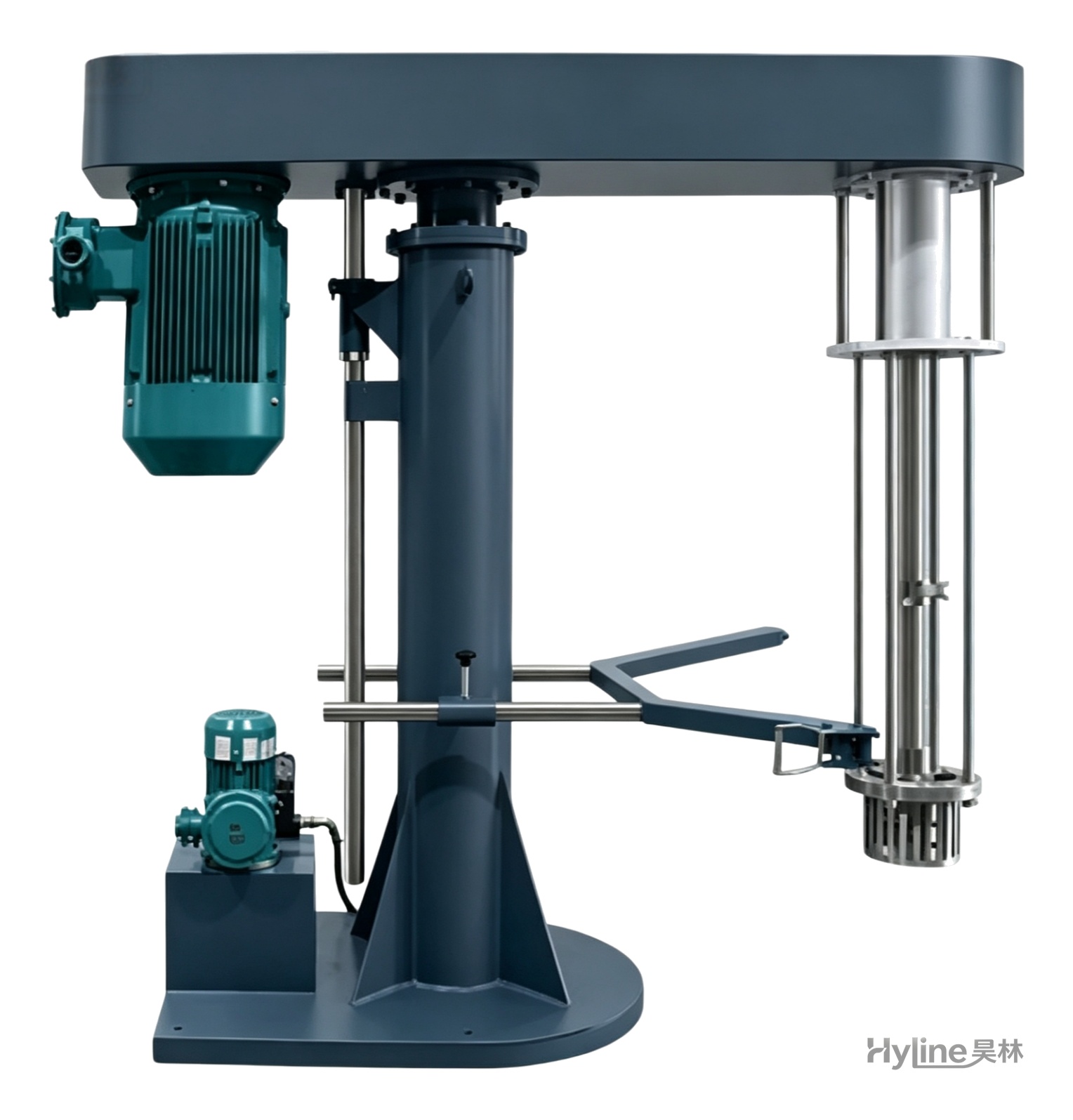
GJD Series Emulsifying Disperser
For emulsification, mixing and dispersion in coatings, inks, pesticides and papermaking. Powerful high-speed shear achieves required fineness and uniformity in a short time.
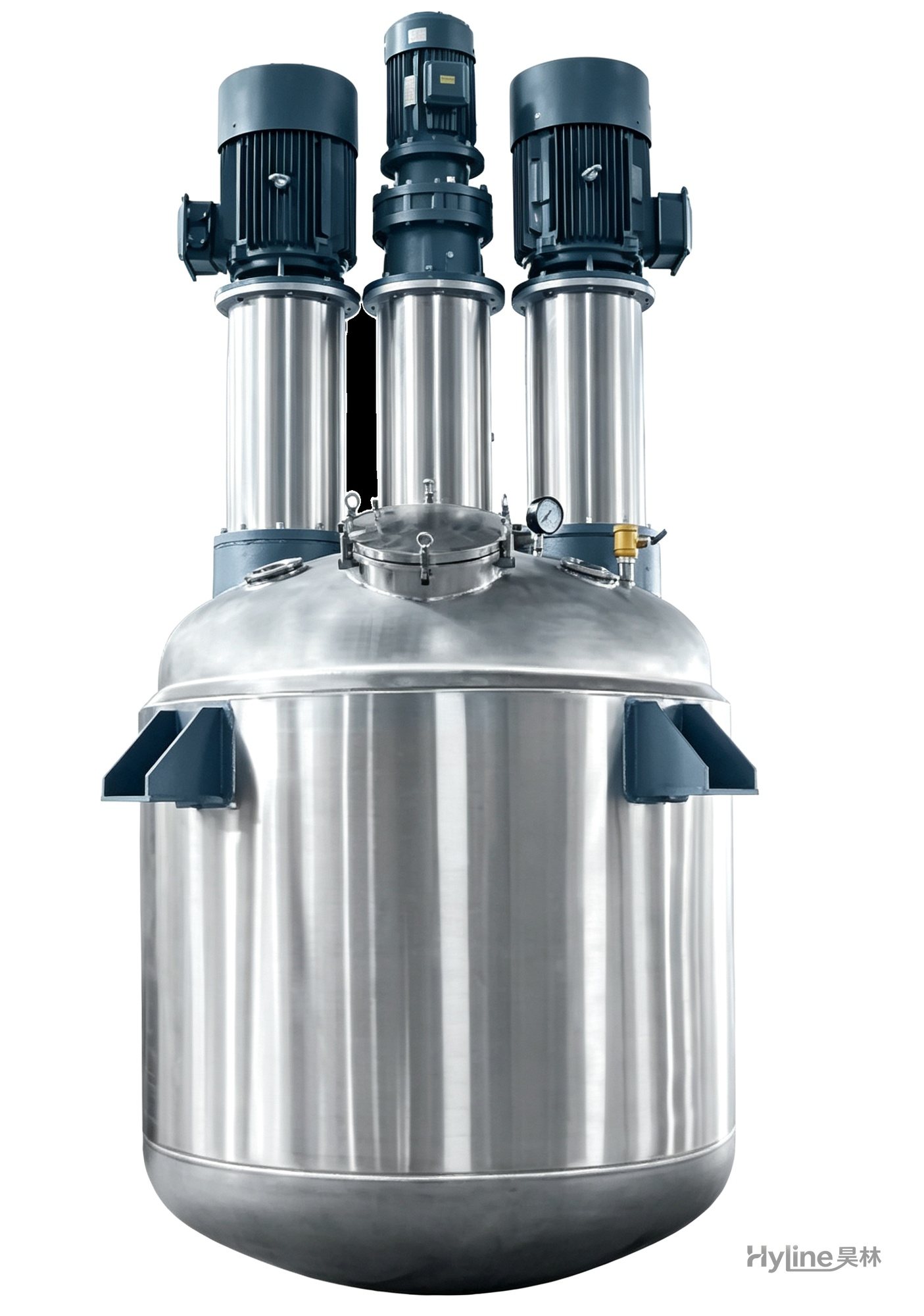
FS Series Multifunctional Dispersing Kettle
Integrates low-speed heavy-duty stirring with high-speed dispersion for medium/high-viscosity and thixotropic materials. Stirring and dispersion proceed simultaneously for ideal results in mixing, dissolving, dispersing and tinting.
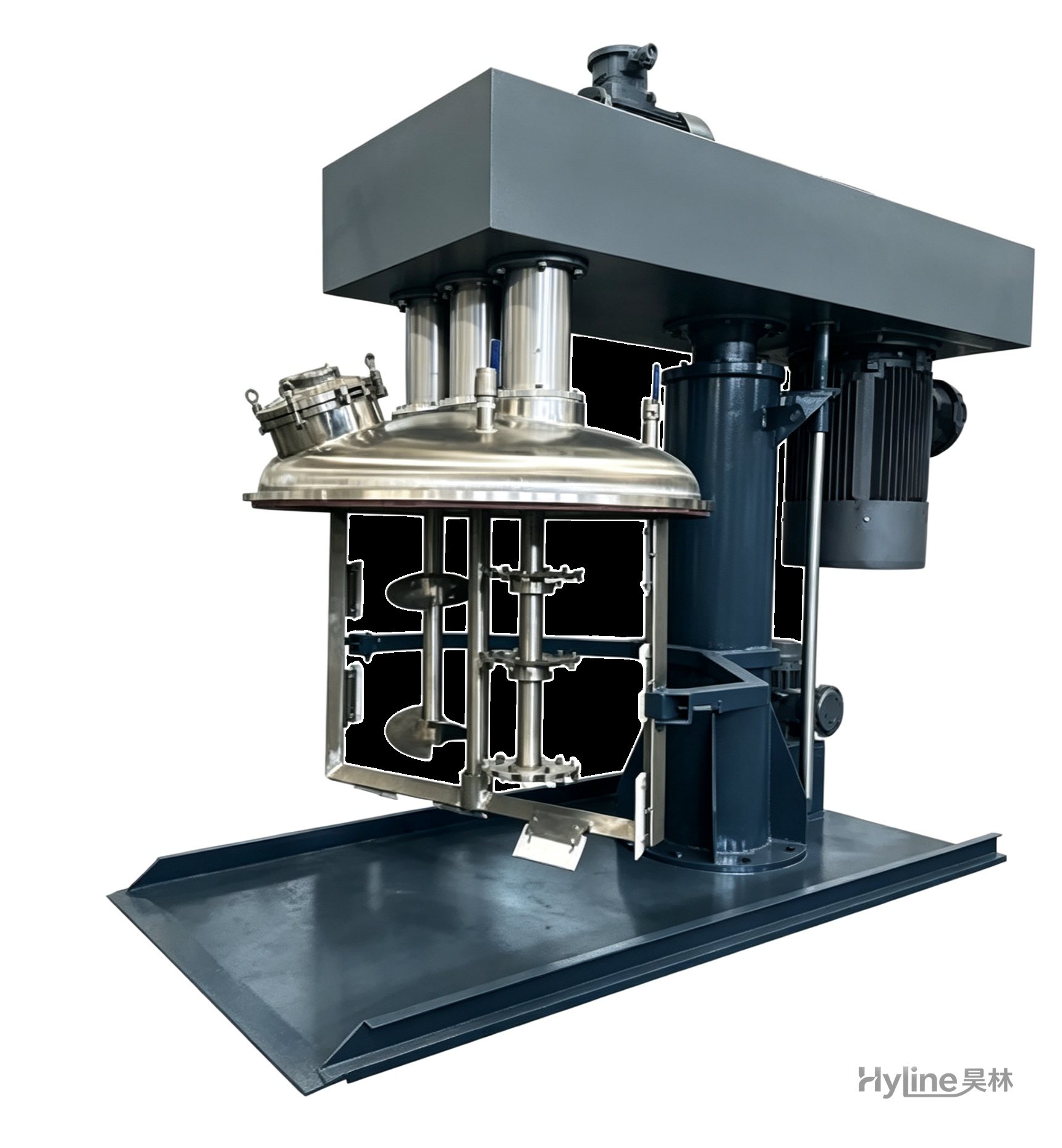
SJ Series Multi-Function Mixer
A new high-efficiency mixer for high-viscosity materials, rapidly dispersing, dissolving and homogenizing. Widely used in offset printing inks, putties and adhesives. Vacuum type customizable.
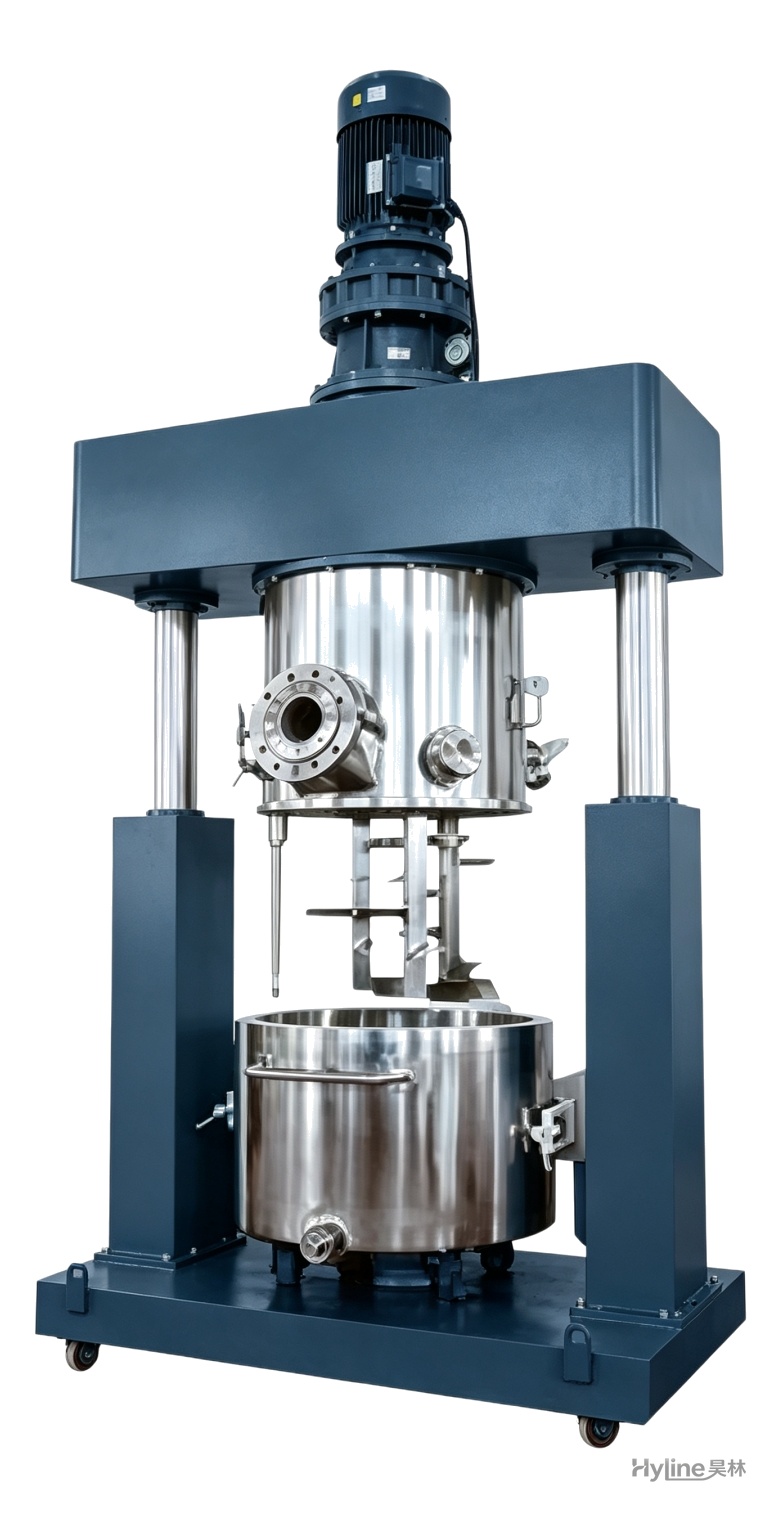
XJB Series Planetary Mixer
Planetary blades rotate and revolve simultaneously, creating complex material flow with no dead corners and easy discharge. Handles ultra-high-viscosity pastes of 10,000-8,000,000 cps for silicone, PU sealants, liquid silicone and electronic adhesives.

Stainless Steel Mixing Tank (Dispersion Drum)
Supporting vessel for dispersers and mixers in paints, coatings, adhesives, color slurries, inks and electronics. Available in 201/304 stainless with internal/external polishing and sloped bottom side discharge for complete draining.
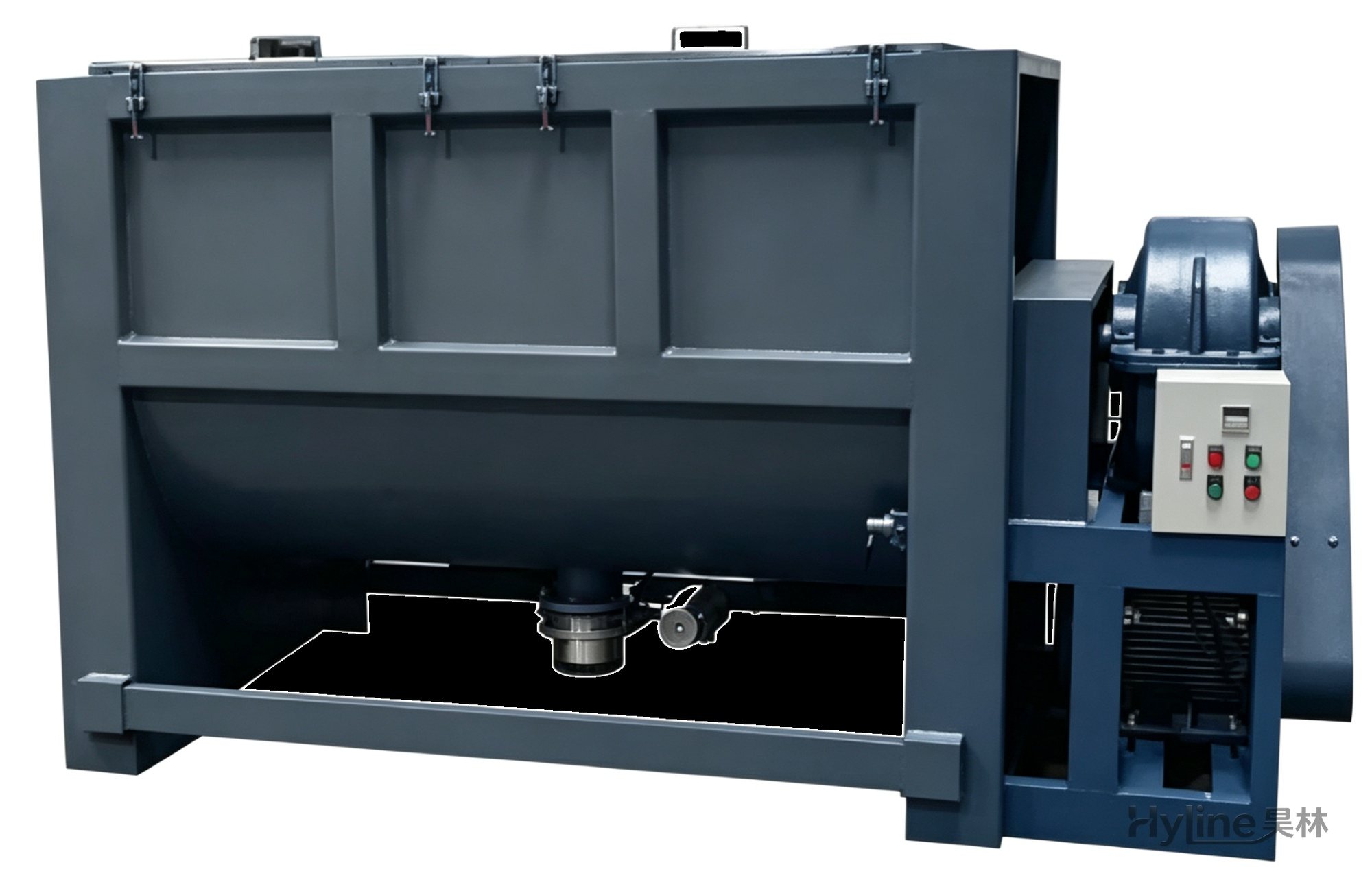
Horizontal Mixer
For color blending of plastic pellets, new/old materials and additives. Single-layer for mixing; double-layer with oil heating of 50-150℃ (custom up to 300℃). Ideal for PVC/PP/PE pellets and chemical powders such as calcium carbonate and titanium dioxide.