
How to Select Mixing Tanks for Water-Treatment Chemicals? PAC Make-Down, PAM Aging and Metering Configuration
11/7/2026
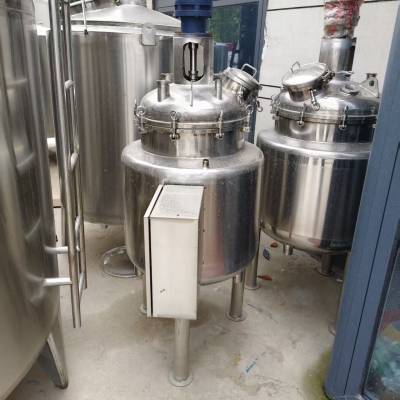
Why Is the Mixing Tank Central to a Water-Treatment Chemical Dosing Room?
Bottom line: from PAC make-down, PAM aging to inhibitor blending, every step of water-treatment chemicals happens in a mixing tank; tank selection directly decides whether dosing concentration is accurate, delivery is stable and labor is saved.
Dosing rooms for municipal wastewater, industrial effluent and circulating water systems handle similar chemicals: polyaluminium chloride (PAC) dissolved at 5%-10%, polyacrylamide (PAM) dissolved at 0.1%-0.5% and aged, corrosion inhibitors, biocides and pH adjusters diluted per formula. What these materials share: dissolution takes order, concentration must be accurate, and the prepared solution must be dosed continuously. The mixing tank plays four roles - dissolution, aging, blending and storage buffer. A wrongly selected tank leads to undissolved chemical, clogged pumps and lines at best, fluctuating flocculation and out-of-spec effluent at worst. Decide what the process needs first, then match the configuration - far more reliable than comparing prices by volume alone.
For custom build, the dosing room floor space, ceiling height and water supply positions are usually fixed at the civil-works stage; confirming tank dimensions and nozzle orientation early saves installation trouble later.
How Do PAC Make-Down and PAM Aging Differ in Agitation?
Bottom line: PAC dissolving is "just get it dissolved" and tolerates higher speed; PAM is a long-chain polymer whose chains must unfurl slowly, so speed must be low and time must be sufficient. One agitator design cannot serve both well.
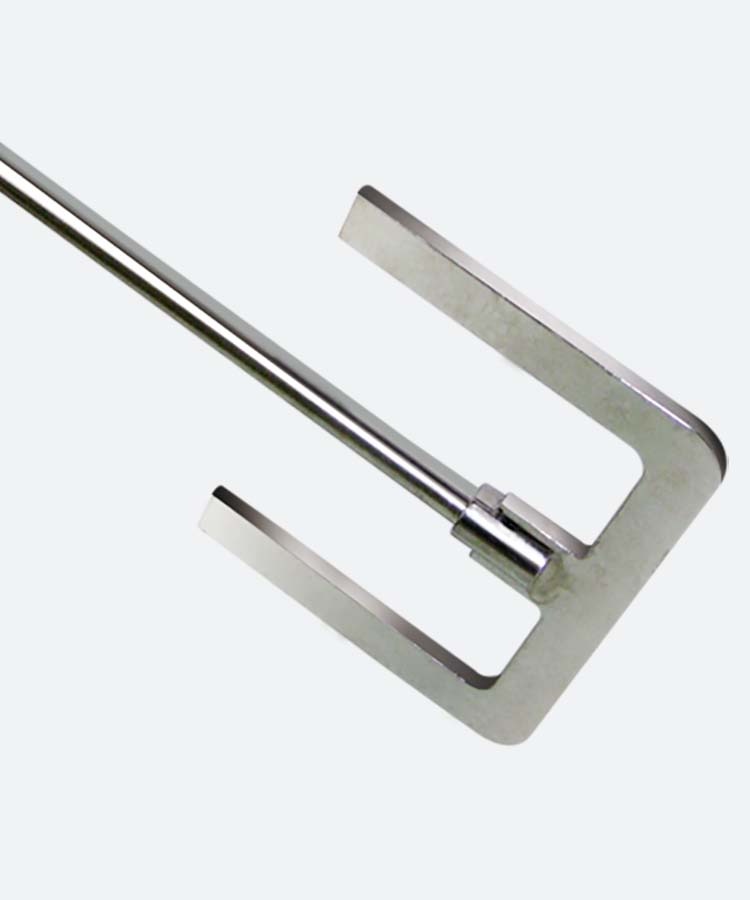
PAC is an inorganic salt flocculant; powder dissolves in ten-odd minutes of stirring, shear-insensitive, with 60-90 r/min paddle or turbine impellers, the key being to lift bottom powder and prevent caking. PAM is entirely different: with molecular weights often above ten million, it must first be wetted and dispersed, then aged under low-speed agitation for typically 60-120 minutes. Excessive speed shears and breaks the chains; molecular weight drops and flocculation degrades immediately - fine flocs, slow settling, forced overdosing. PAM aging therefore runs at 20-40 r/min with large, slow impellers, ideally with a variable-frequency drive.
Because the two chemicals follow different rhythms, the standard approach is separate tanks: PAC make-down, PAM aging and dosing blending tanks each doing their own job, sized backwards from chemical consumption and aging cycles rather than one tank doing everything.
How to Select: Volume, Material and Impeller?
Bottom line: size volume from daily consumption divided by make-up batches plus margin; choose 304 or 316L by chemical corrosivity; choose impeller by viscosity and suspension need. These three answer the three most common selection mistakes.
Volume calculation is straightforward: effective volume per tank no less than one make-up batch, batch size = maximum daily consumption / batches per day, plus 10%-20% margin. Example: 6 t/day of 10% PAC solution with two batches per day gives about 3.5 t effective per tank. Material: PAC solution is acidic with elevated chloride, so 316L or treated internal wall is recommended; PAM aging and general inhibitor blending are fine in 304. Impellers by layer: paddle or propeller for low-viscosity solutions, verify critical suspension speed when powder must be held in suspension, add baffles against swirl for large powder charges. The table compares common tank duties:
| Tank duty | Typical effective volume | Recommended material | Agitation configuration |
|---|---|---|---|
| PAC make-down | 1-10 t | 316L or lined | Paddle/turbine, 60-90 r/min, optional bottom baffle |
| PAM aging | 1-6 t | 304 | Low-speed paddle, 20-40 r/min, VFD, shear protection |
| Inhibitor blending | 0.5-5 t | 304 or 316L | Impeller by viscosity, optional heating/insulation |
| Chemical storage buffer | 2-20 t | 304 | Slow agitation or static, level gauge |
Roof layout matters too: a powder charge port convenient for bag dumping or a loader, a manhole for cleaning, and a level gauge for both make-up and dosing. In dosing rooms with limited headroom, a squat tank with a direct-drive vertical agitator is more practical than a tall one.
How to Configure Metering, Storage and Transfer?
Bottom line: prepared solution is dosed by metering pumps, storage tanks buffer the flow, and IBC totes handle delivery and replenishment. The keys here: visible level, drainable piping, adjustable dosing.
Aged PAM solution is not very viscous but strongly thixotropic and stratifies when standing, so keep slow agitation or recirculation between the aging tank and the metering pumps. Size metering pumps on hourly chemical demand with stroke or frequency adjustment; at PAM injection points control concentration and rate - overly concentrated pockets actually suppress flocculation. Large liquid-chemical storage tanks should carry magnetic flap or radar level gauges wired to the control system: low-level alarms prompt refill, high-level interlocks prevent overflow during make-up.
Powder and liquid chemicals often arrive in IBC totes; original liquid can be pumped straight into the storage tank or diluted before charging. Design transfer lines with drain slope and flushing connections - dried chemical residue clogs lines easily, and a dry PAM film can block a pipe completely. Lay dosing lines short and sloped to drain; in cold regions add heat tracing. Where large-volume intermediate storage exists, connect storage tanks and mixing tanks by pumping, with line diameter calculated from flow and viscosity rather than copied from experience.
How Much Automation and Interlocking Is Right?
Bottom line: at minimum automate three things - metered make-up, dosing interlocked with level, and fault alarms reported upward; program the whole PAM aging sequence rather than relying on manual watching.
The baseline is metered water and weighed powder so concentration no longer depends on operator experience. PAM aging is a time-driven process - wetting, dissolving and aging each with their own speed and duration; as a one-key program, batch stability beats manual switching. For interlocks: block the metering pump on low aging-tank level (pump dry-run protection), stop feed on high storage level, and alarm-stop on agitator overload - these cover most dosing-room incident scenarios. Add remote monitoring of levels, concentration and pump status where required, and the dosing room can run unattended.
What Parameters to Confirm Before Purchase?
Bottom line: state the chemical types and concentrations, daily consumption, make-up cycles, space dimensions and control requirements up front, so volume, material, impeller and controls are right the first time - no retrofits after delivery.
The checklist: chemical types (PAC, PAM or blends), concentration range, maximum daily consumption, batches per day and aging time, headroom and lifting conditions at the installation position, water supply and drain positions, power and control interfaces (central control? remote monitoring?). These determine volume and number of tanks, material and wall treatment, impeller and speed, VFD need, and level/interlock configuration. A complete checklist makes quotes match real requirements and comparison meaningful; checking foundations and nozzle orientations against drawings before delivery usually turns installation day into lift-place-connect-commission, saving a week easily.
Further reading: - How to judge solid-liquid suspension in a mixing tank: critical suspension speed and impeller configuration - How to configure baffles in a mixing tank: swirl prevention and mixing enhancement
This article is compiled by Hyline Shengda Equipment Manufacturing Co., Ltd.
Q&A from this article
Frequently asked questions and answers from this article
How to choose a mixing tank for water-treatment chemicals? This article contrasts PAC make-down with PAM aging and gives selection criteria for volume, material, impeller and automation.
Related Products
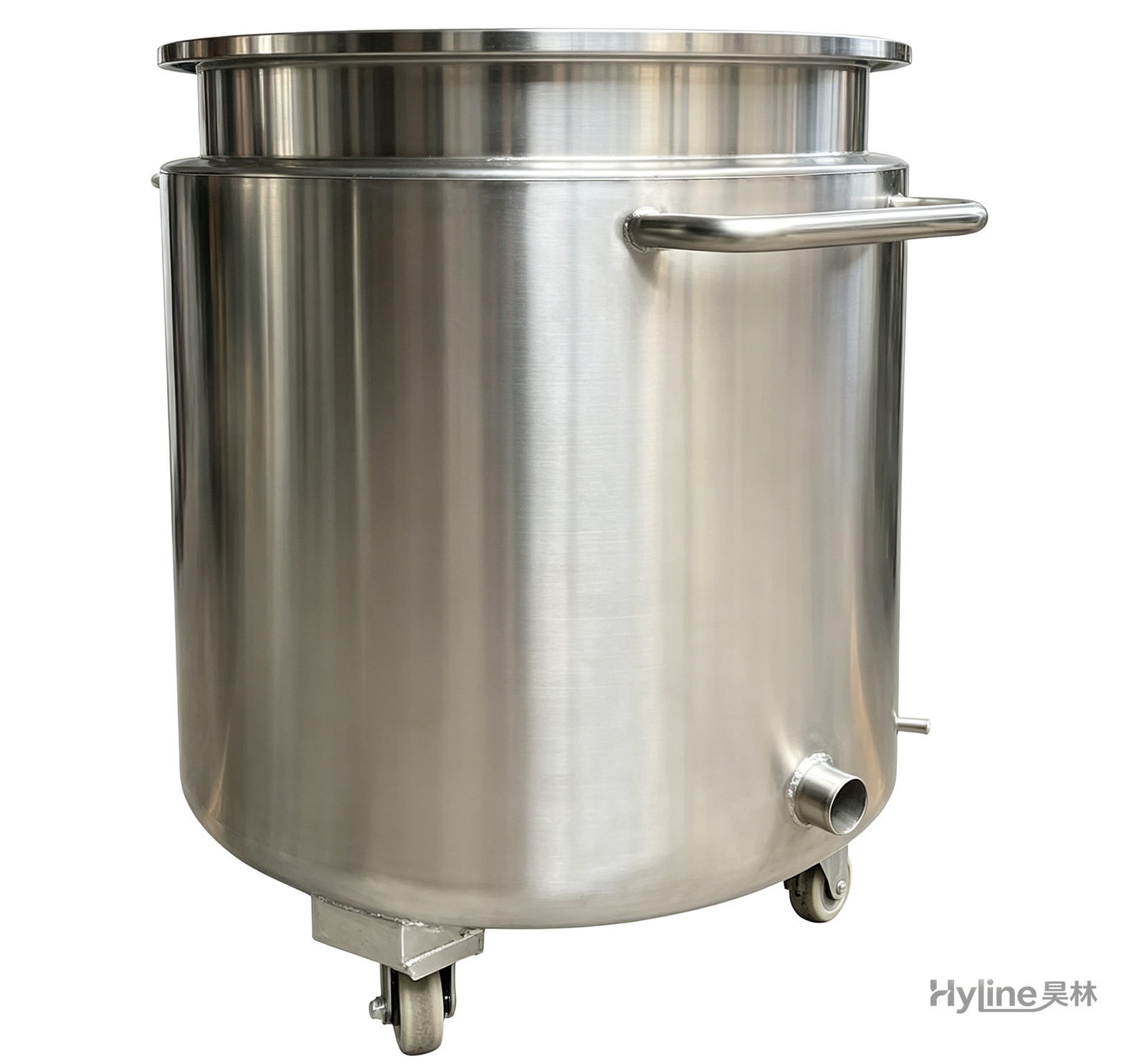
Stainless Steel Mixing Tank (Dispersion Drum)
Supporting vessel for dispersers and mixers in paints, coatings, adhesives, color slurries, inks and electronics. Available in 201/304 stainless with internal/external polishing and sloped bottom side discharge for complete draining.
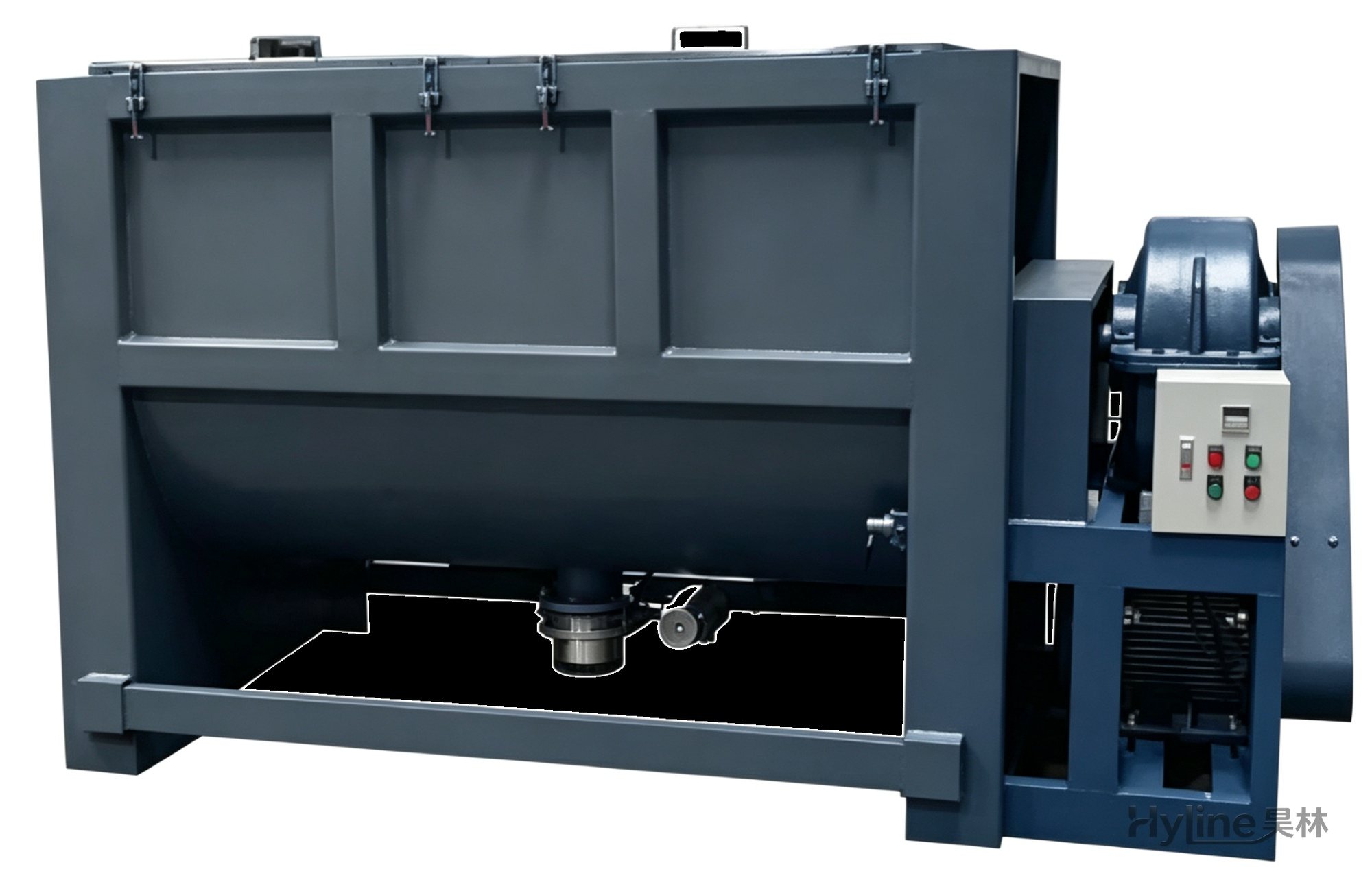
Horizontal Mixer
For color blending of plastic pellets, new/old materials and additives. Single-layer for mixing; double-layer with oil heating of 50-150℃ (custom up to 300℃). Ideal for PVC/PP/PE pellets and chemical powders such as calcium carbonate and titanium dioxide.
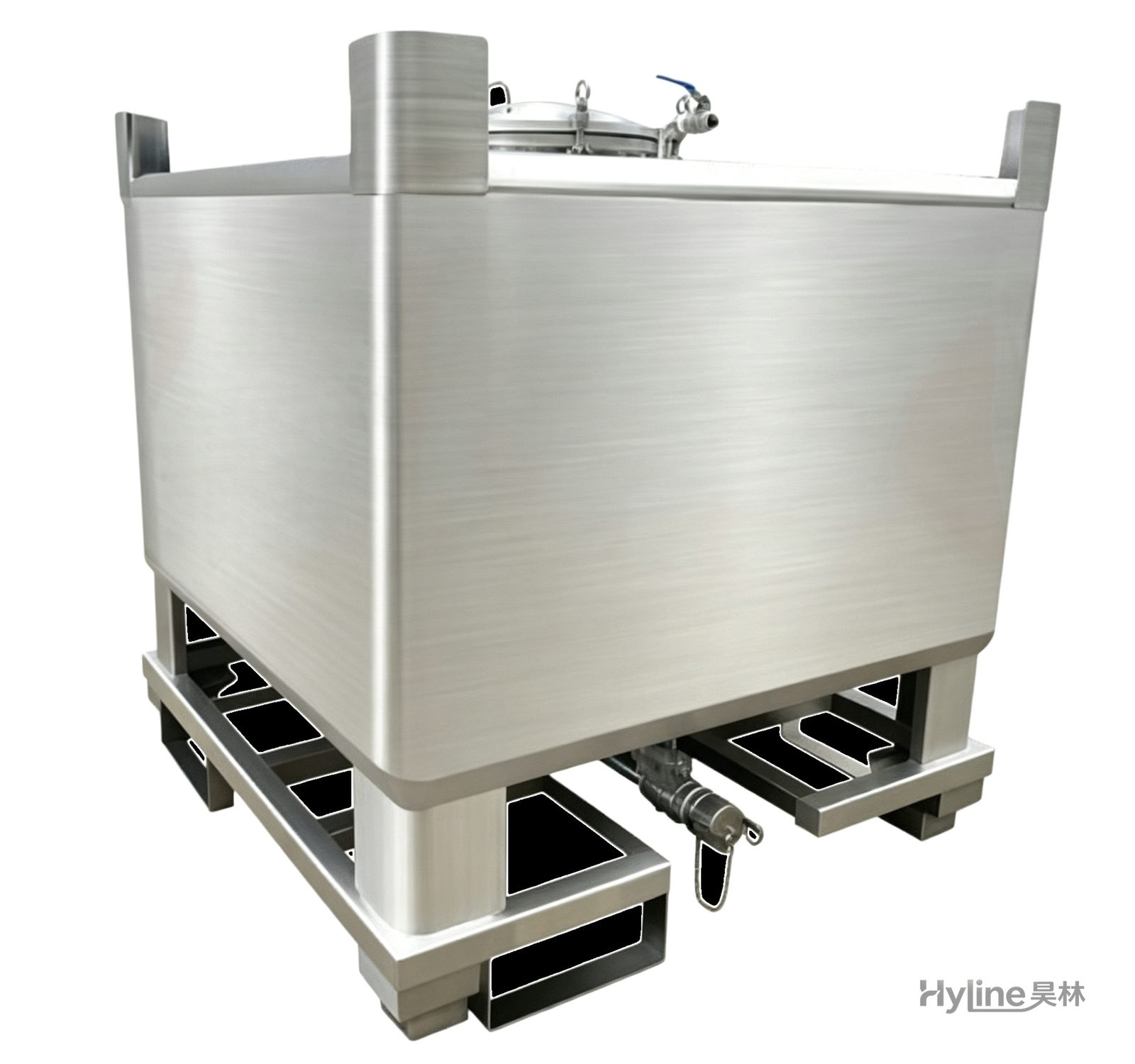
IBC Tank (Intermediate Bulk Container)
HDPE blow-molded liner with hot-dip galvanized steel frame - UV resistant, anti-aging, easy to clean, non-toxic. Four-way fork base for easy handling and stacking; ideal for liquid storage and transport.
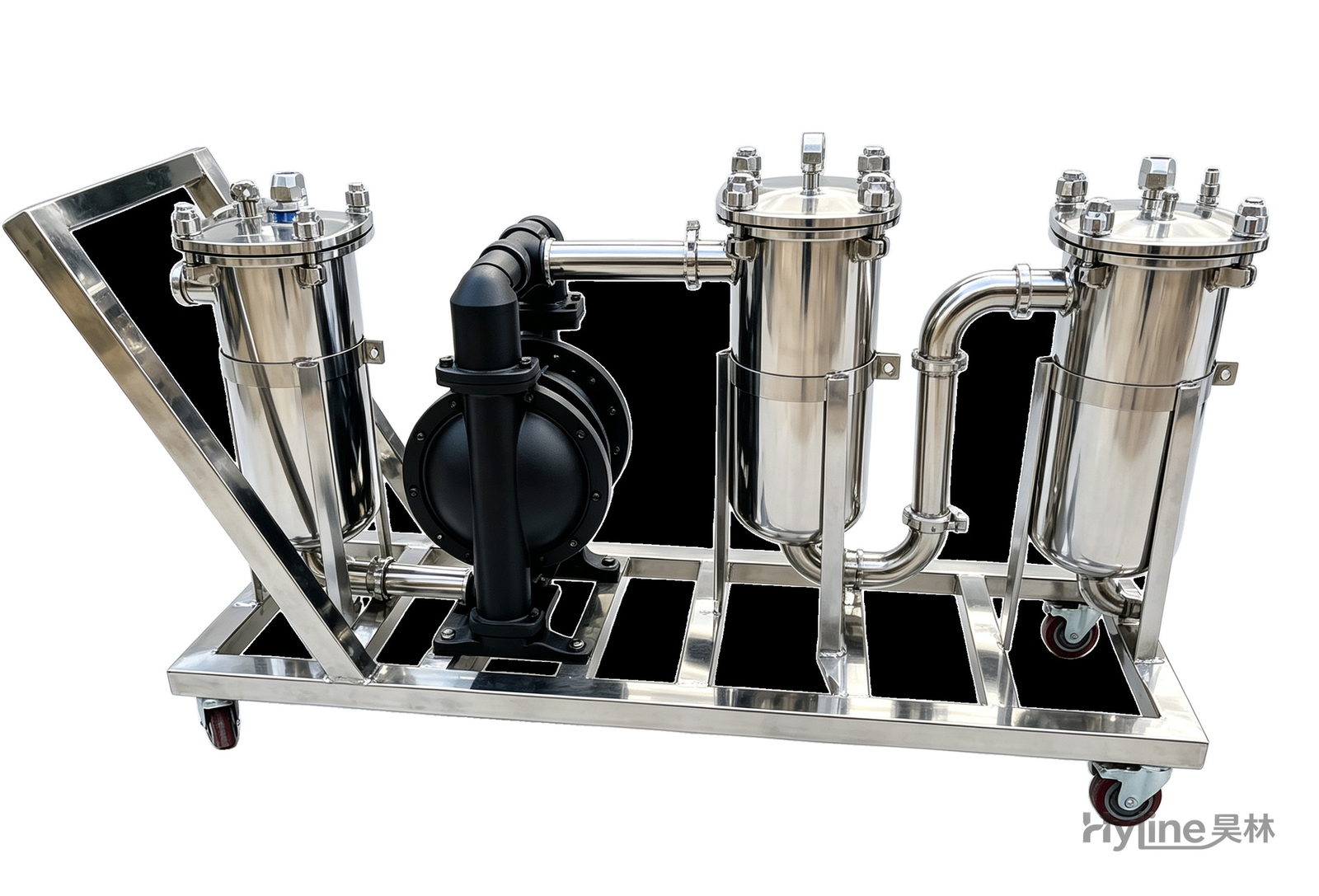
DL Series Bag Filter
A novel, compact, flexible and airtight multi-purpose filter widely used in chemicals, coatings, inks and food. Single and duplex models available, mountable on mobile carts with transfer pumps.