Chemical Market Weekly | Oct 16, 2026: Green Low-Carbon Ethylene Fully Commercial, Domestic Solution-Process POE Reaches Tonnage Scale, Evaporation Energy-Saving Processes Accelerate
10/16/2026
This week's technology focus in the chemical industry centers on three directions: the commissioning of green low-carbon projects, the localization of new materials, and energy-saving evaporation processes. China's first full-chain green low-carbon ethylene project has entered full commercial operation, and a domestic solution-process POE plant has achieved its first market supply; overseas, energy-saving retrofits are accelerating in refining purification, mechanical vapor recompression (MVR) and in-line mixing. For chemical equipment buyers, process upgrades usually drive synchronized adjustments in the selection and configuration of core equipment such as stainless steel reactors, mixing tanks and concentrators. This article reviews the week's developments in two sections - domestic processes and projects, and overseas equipment and technology trends - with traceable source links attached to each item.
Domestic Processes and Projects
### Full-Chain Green Low-Carbon Ethylene Project Fully Commercial, Localization Rate Above 90%
Key conclusion: China's first full-chain green low-carbon ethylene project entered full commercial operation on October 15, maintaining a 100% product qualification rate. Since the one-time successful start-up of the Tarim 1.2-million-ton ethylene Phase II project of PetroChina Dushanzi Petrochemical on July 16, cumulative ethylene output has exceeded 260,000 tons, with 566,000 tons of quality chemical products supplied externally; polypropylene and MTBE products have been exported to Central Asia. Among the 11 main production units, 10 use domestic proprietary technology, 9 of which are PetroChina's own, marking a further step in the localization and packaged capability of green low-carbon refining projects.
### First Domestic "Two-Bed" Coupled Biomass Gasification Plant Successfully Feeds, 300,000 t/a Per Furnace
Key conclusion: China's first industrial biomass gasification plant coupling pressurized fixed-bed with entrained-flow gasification, with an annual processing capacity of 300,000 tons per furnace, has successfully started feeding, with methanol produced downstream on the same day. The unit built by the East China University of Science and Technology team at the Jinfeng Technology green chemical project in Arxan, Inner Mongolia, was fed on September 26 and produced qualified methanol the same day, running stably during the shutdown maintenance period. The process couples pressurized fixed-bed and entrained-flow gasification, solving the key problem of continuous large-scale biomass gasification and providing a new process route for green chemicals from biomass.
### PetroChina Tonnage-Scale Solution-Process POE Demonstration Plant Starts Up, Localization Accelerates
Key conclusion: PetroChina's self-developed solution-process POE complete technology has achieved its first industrial implementation, with the first 31.5 tons of product shipped to the East China market. The 30,000 t/a polyolefin elastomer (POE) industrial demonstration plant at Daqing Petrochemical has completed its full process and produced pellet products, with one-time successful start-up and qualified quality. POE has long relied on imports and is mainly used in photovoltaic encapsulation films and automotive modification; the tonnage-scale plant is a landmark for localization of high-end polyolefin materials.
Source: China Chemical Industry News
### Hunan Petrochemical Develops Multi-Stage Countercurrent Extraction for Ammoximation Wastewater, COD Removal Up to 90%
Key conclusion: The new multi-stage countercurrent extraction process for ammoximation wastewater has completed pilot research, with COD removal reaching up to 90%. Hunan Petrochemical's caprolactam division developed a multi-stage countercurrent extraction route for wastewater from the HAO-process ammoximation, with all indicators meeting targets while achieving pollutant reduction and resource recovery. The process provides a reference new route for wastewater treatment in similar caprolactam plants.
Source: China Chemical Industry News
Overseas Equipment and Technology Trends
### Arkema Starts Up Acrylic Acid Purification Unit in France, Purification Efficiency +25%
Key conclusion: Arkema has started up a new-generation acrylic acid purification unit at its Carling site in France, improving purification energy efficiency by 25% and reducing site carbon intensity by 20%. The project involves an investment of nearly EUR 150 million, reducing solvent consumption through improved purification processes for high-end acrylic applications and low-carbon production. For users of distillation and purification units, energy-saving retrofits in the purification stage have become a key lever for cutting operating costs.
### MVR Becomes Mainstream for Energy-Efficient Evaporation, Steam Consumption Cut by Up to 90%
Key conclusion: Mechanical vapor recompression (MVR) recovers and recompresses secondary vapor from evaporation for reuse, cutting steam consumption by up to 90% or more compared with conventional evaporation systems. MVR compresses and reheats the secondary vapor as the heating medium, forming an energy closed loop; combined with a vacuum system to lower the boiling point, it protects heat-sensitive materials and reduces thermal degradation. The technology is widely used in food and beverage, dairy, chemical solvent recovery, zero-liquid-discharge wastewater and vacuum concentration applications, and has become the mainstream direction for energy-saving retrofits of evaporation and concentration equipment.
### Gap-Free Gear Pump Conveys Rigid PVC, System Energy Consumption Down 20%
Key conclusion: A new-generation gap-free gear pump achieves polymer-buildup-free conveying of rigid PVC, cutting extruder system energy consumption by up to 20%. Rigid polymers such as hard PVC tend to accumulate and clog in conventional pumps; the new gear pump ensures continuous, stable conveying through optimized rotor and flow-channel design while reducing the extruder main drive load. For lines conveying high-viscosity, rigid materials, pump selection directly affects energy consumption and downtime frequency.
### In-Line Venturi Powder Mixing Accelerates Bioprocess Media Preparation, Over 99.5% Dissolved in 2-3 Minutes
Key conclusion: An in-line Venturi powder induction system draws powder into a closed loop under approximately -900 mbar vacuum, dissolving over 99.5% of solids within 2-3 minutes for most materials, with less than 0.5% retained on a 60-mesh screen. Conventional tank mixers tend to form lumps and incompletely wet powders in media and buffer preparation; in 900 L scale trials of ILC Dover's EZJetFlo™ in-line system, feed rate increased by approximately 25% when pump speed rose from 61% to 71%, and materials including NaOH, glucose and starch fed without clogging. The solution reduces dependence on mixing tank agitation, shortens batch times, and its closed single-use configuration meets GMP and Annex 1 contamination-prevention requirements.
Weekly Summary: How Do Process Upgrades Affect Equipment Selection?
Key conclusion: The two main lines of energy-saving processes and localization are steering demand toward three equipment categories - high-efficiency heat exchange, vacuum concentration and high-cleanliness mixing. Buyers are advised to combine material characteristics and process windows, evaluate in advance the steam consumption of evaporation-concentration units and the batch time and cleanliness requirements of mixing stages, and incorporate energy consumption and quality indicators into selection criteria; for non-standard customization and complete-line support, contact equipment manufacturers to calculate solutions based on working conditions.
Further reading: - How to control vacuum level in concentrators: vacuum regulating valve and system configuration essentials - Reactor heating and cooling methods compared: how to choose jacket, external coil and internal coil
This weekly report is compiled by Haolin Shengda Equipment Manufacturing Co., Ltd. (hyline.cn); information ownership belongs to the original authors. Main products: stainless steel reactors, mixing tanks, storage tanks, dispersers, concentrators and complete chemical line support; non-standard customization available.
Related Products
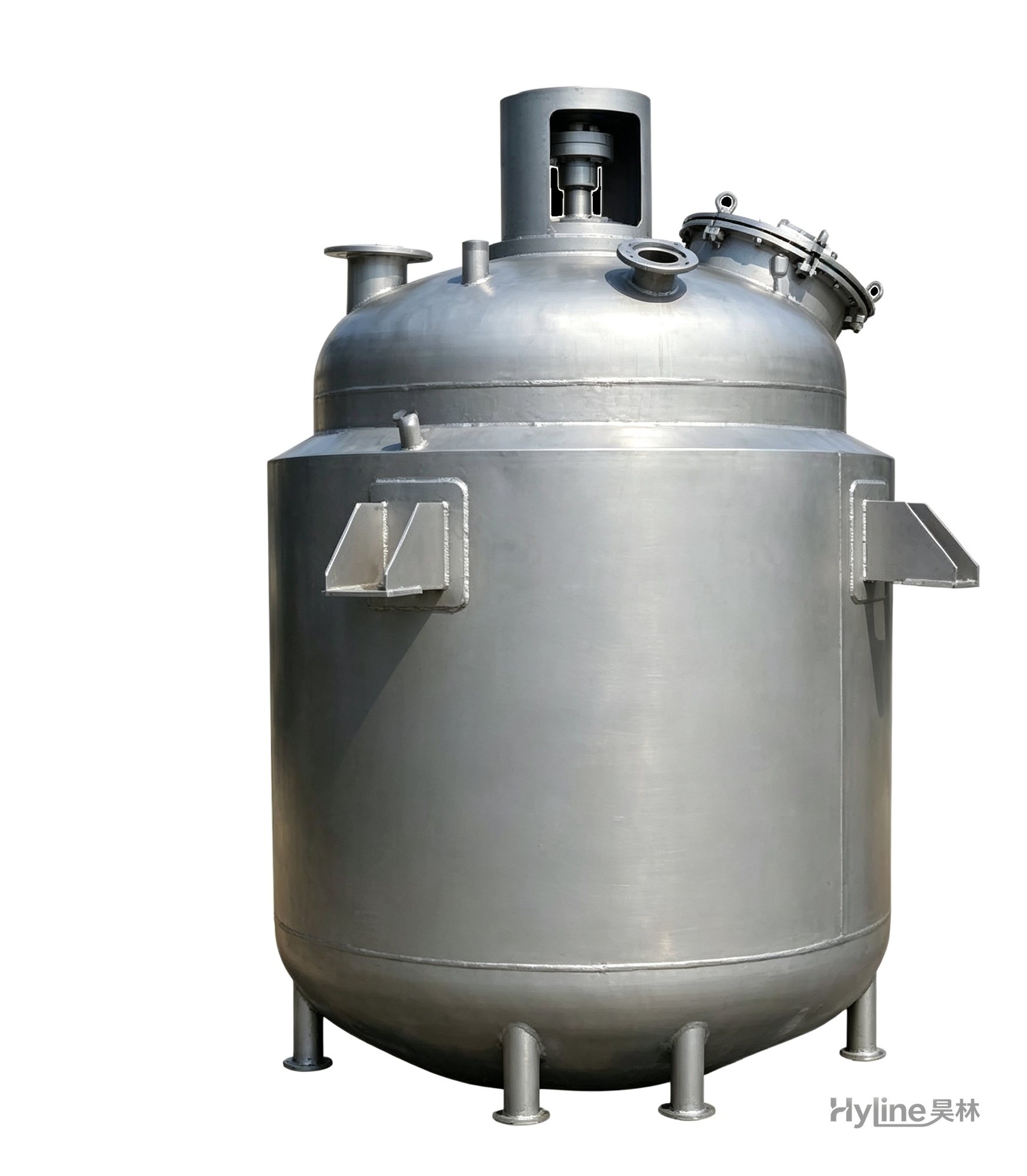
Jacketed Reactor
The typical main reaction vessel in chemical production. Mixing, heating and cooling disperse and mix materials for reaction and polymerization. The jacket circulates thermal oil/steam for heating or cooling water for temperature control.
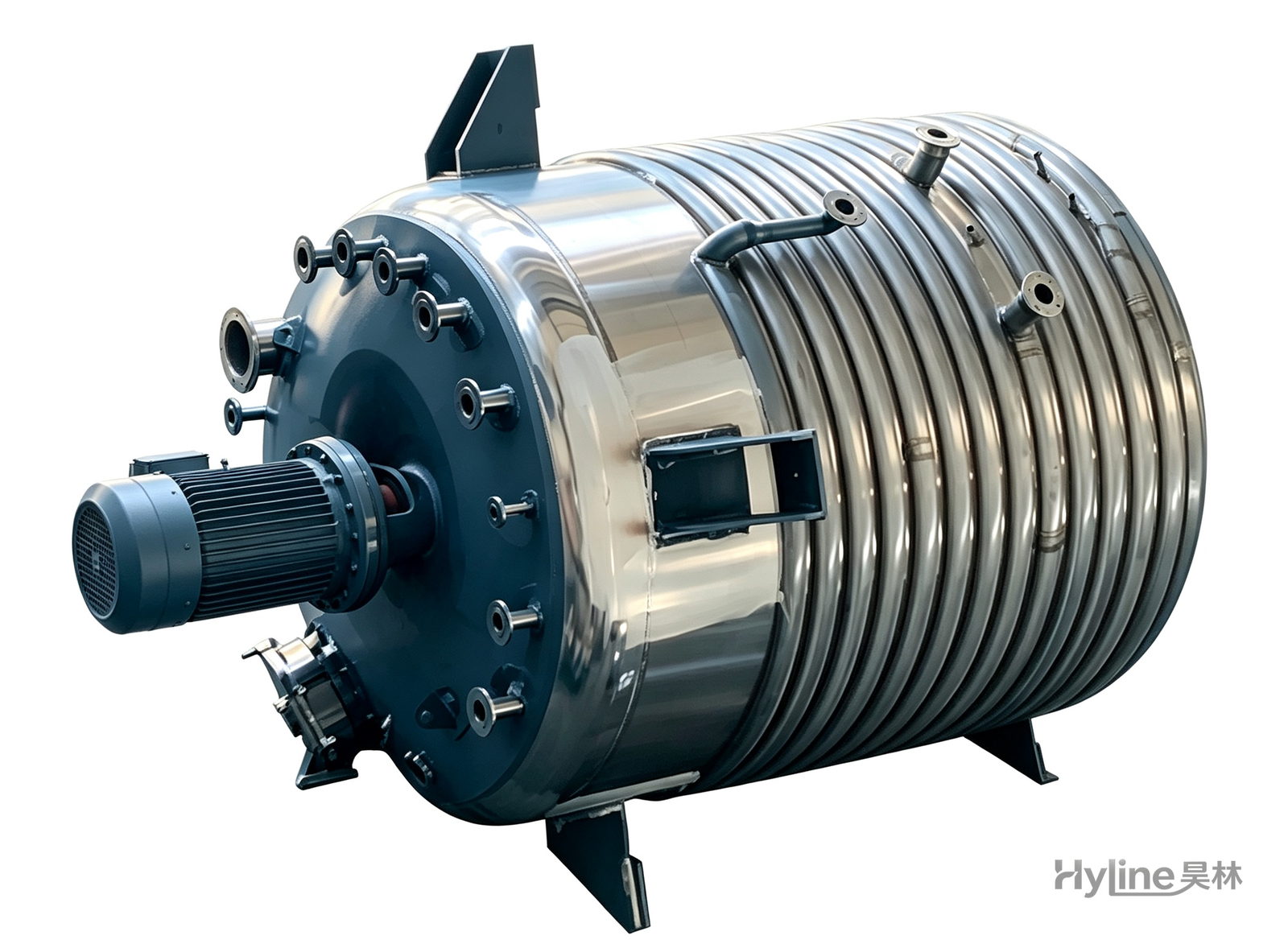
External Half-Coil Reactor
External half-pipe heating & cooling coils provide uniform, efficient heat exchange with zero material dead zones inside. Mirror-polished 304/316L stainless tank is clean and corrosion-resistant. For resin, new-energy slurry and pharmaceutical synthesis.
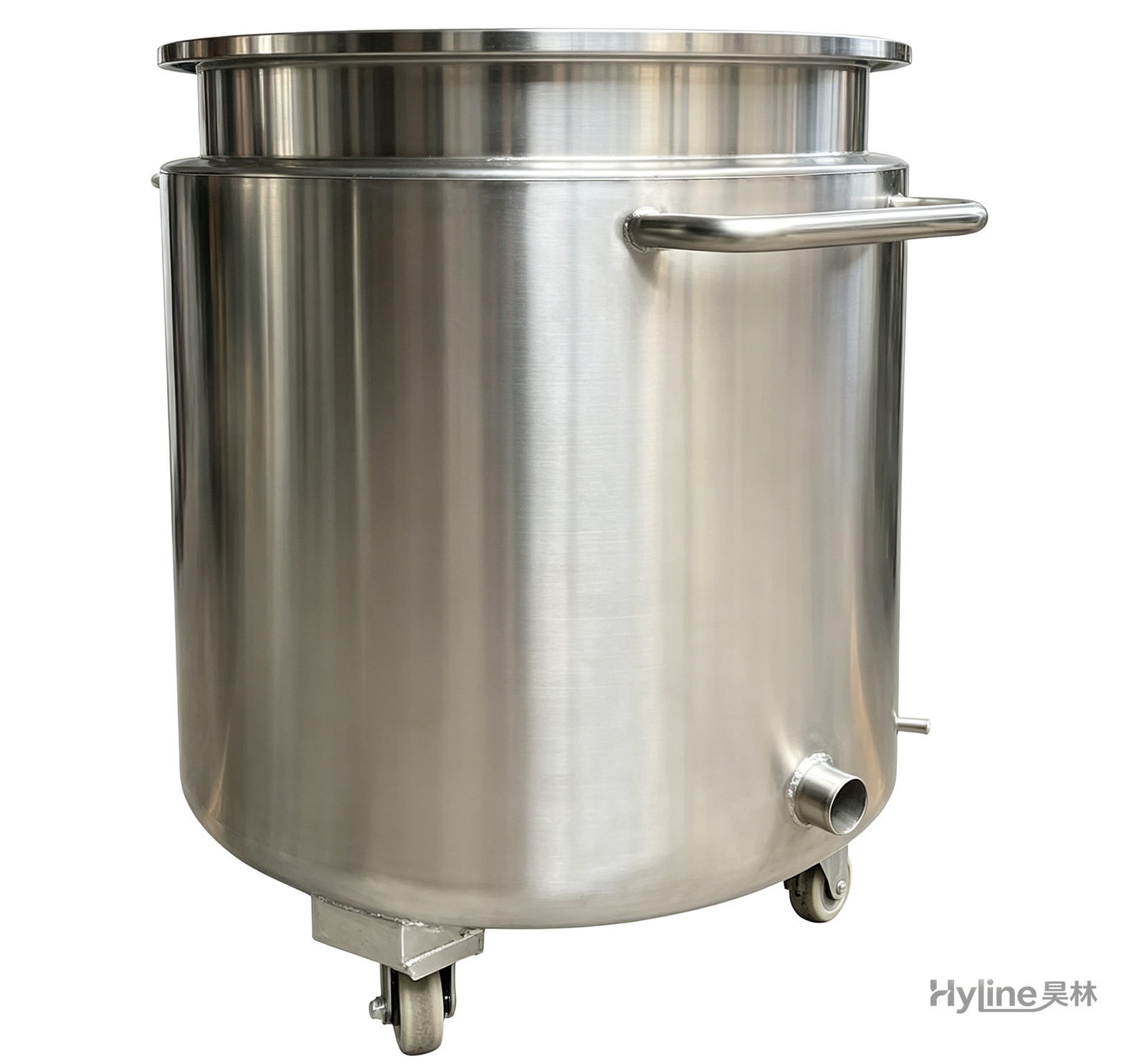
Stainless Steel Mixing Tank (Dispersion Drum)
Supporting vessel for dispersers and mixers in paints, coatings, adhesives, color slurries, inks and electronics. Available in 201/304 stainless with internal/external polishing and sloped bottom side discharge for complete draining.
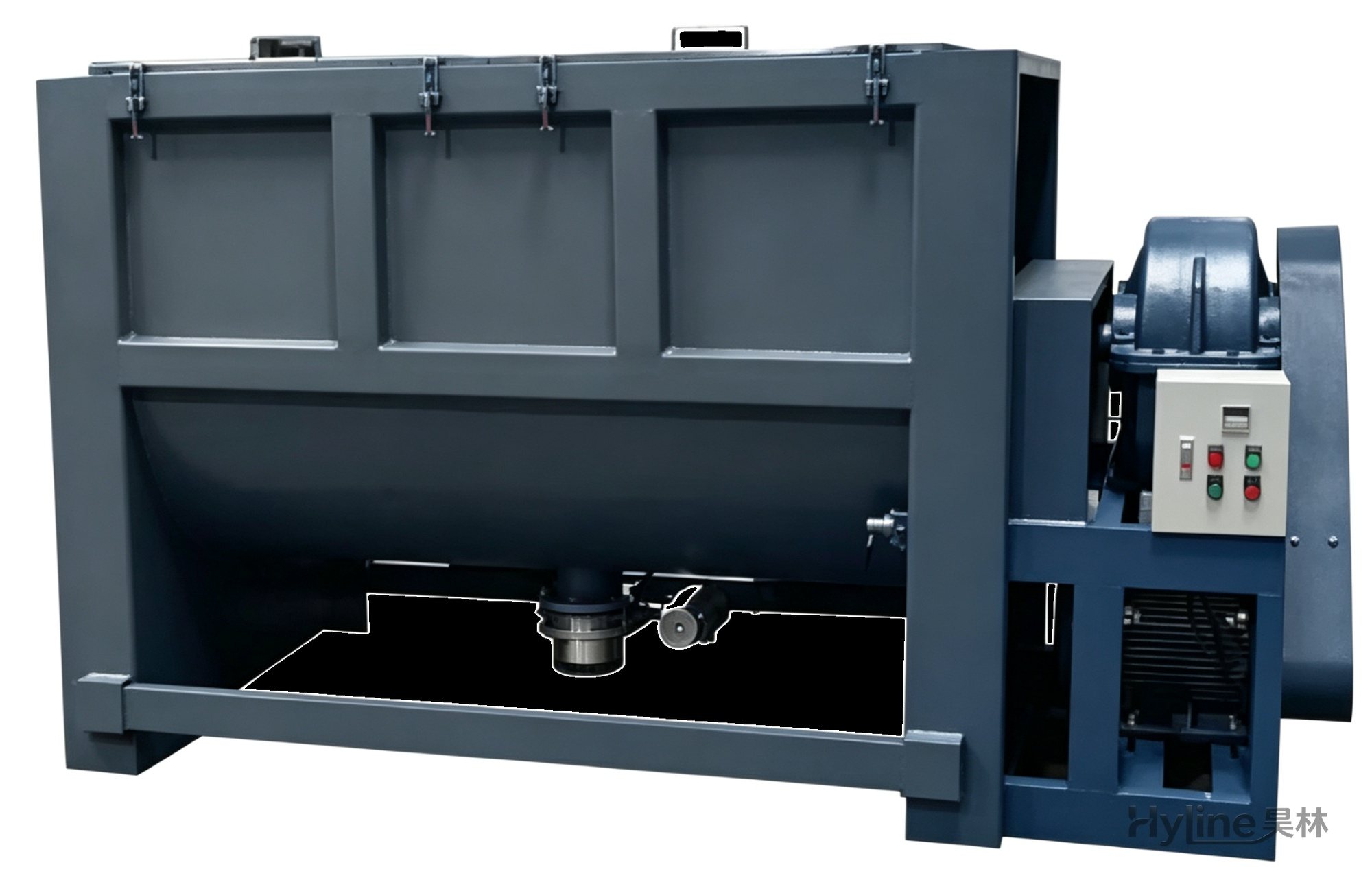
Horizontal Mixer
For color blending of plastic pellets, new/old materials and additives. Single-layer for mixing; double-layer with oil heating of 50-150℃ (custom up to 300℃). Ideal for PVC/PP/PE pellets and chemical powders such as calcium carbonate and titanium dioxide.
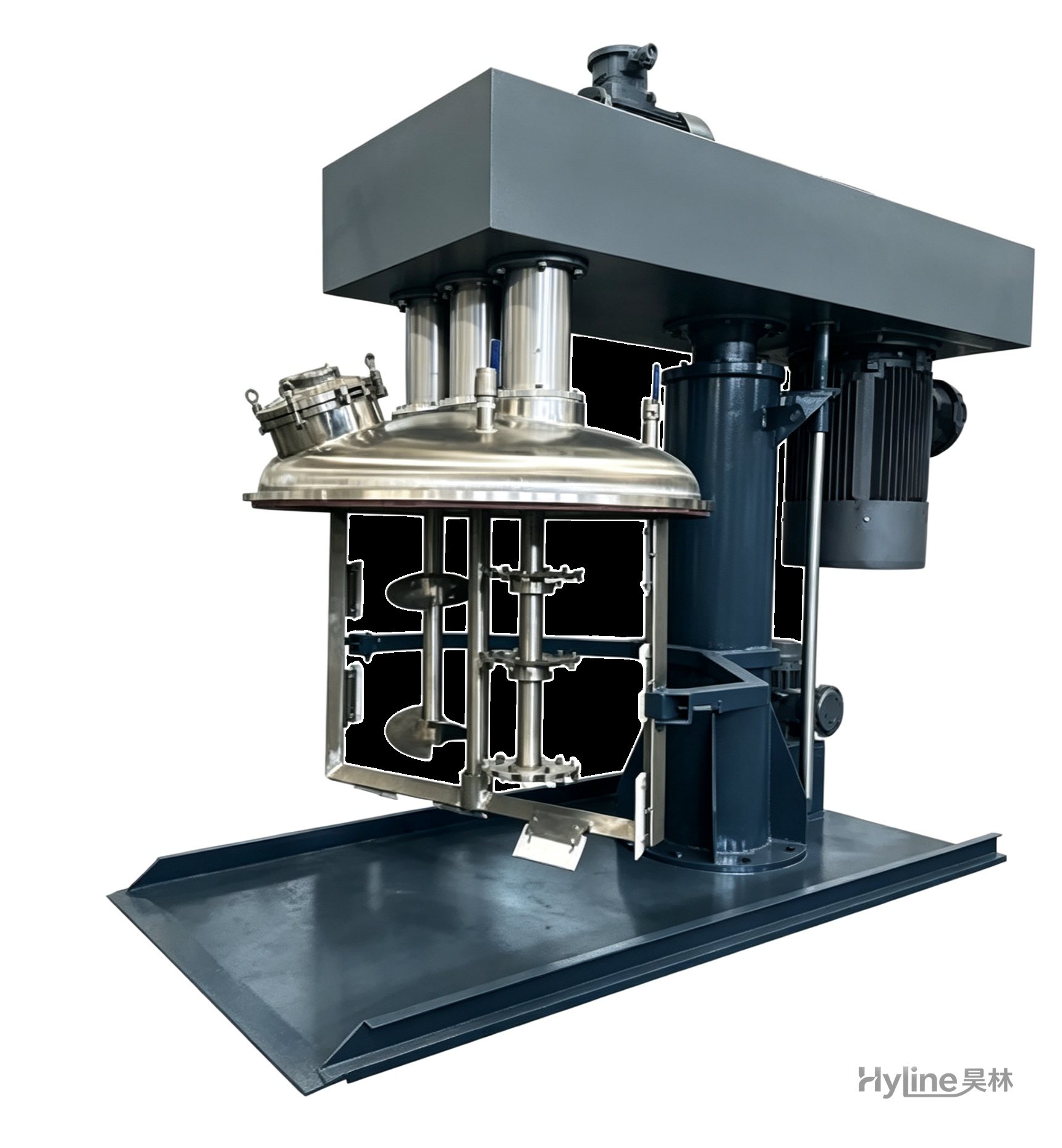
SJ Series Multi-Function Mixer
A new high-efficiency mixer for high-viscosity materials, rapidly dispersing, dissolving and homogenizing. Widely used in offset printing inks, putties and adhesives. Vacuum type customizable.