
Chemical Market Weekly | 2026-10-19: High Oil Prices Support Petrochemical Costs, PPI Chemical Raw Materials Up 12.6% YoY, Methanol and Styrene Move Higher
10/19/2026
Key takeaways this week: cost pressure remains the main theme
China's chemical market continued to follow a cost-driven logic this week. In September, the national producer price index (PPI) for manufactured goods rose 5.0% year on year and 1.2% month on month; prices in the chemical raw material and chemical products manufacturing industry rose 12.1% YoY, purchase prices of chemical raw materials rose 12.6% YoY and 2.4% MoM, and purchase prices of fuel and power rose 13.6% YoY, showing significantly stronger cost-side support for chemical prices. Internationally, affected by geopolitical tensions and supply gaps, WTI crude futures once topped US$101/barrel, Brent crude futures broke through US$109/barrel, and prices of basic feedstocks such as naphtha, ethylene and propylene moved higher in tandem, widening overseas petrochemical spreads overall. Domestically, the price centers of methanol and styrene both moved up; the Jiangsu styrene market price once hit RMB 10,950/ton in September, a near five-year high.
Domestic market: September PPI chemical raw material prices rose 12.6% YoY
Data released by the National Bureau of Statistics showed that national PPI for manufactured goods rose 5.0% YoY in September, with the gain widening by 1.2 percentage points from the previous month, and rose 1.2% MoM. Among them, producer prices for means of production rose 6.5% YoY, with mining and raw materials industries up 25.4% and 9.4% respectively. By industry, producer prices for oil and natural gas extraction rose 24.5% YoY, petroleum, coal and other fuel processing rose 21.6%, and chemical raw material and chemical products manufacturing rose 12.1%. On the purchasing side, purchase prices of chemical raw materials rose 12.6% YoY and 2.4% MoM, while fuel and power purchase prices rose 13.6% YoY, indicating that mid- and upstream cost pressure continues to transmit along the chemical industry chain. For January-September, producer prices for manufactured goods averaged up 2.3% and purchase prices averaged up 3.6%, staying in a moderately rising channel.
Refined oil: adjustment window approaching, international oil prices stay high
Under the current refined oil pricing mechanism, the next domestic oil price adjustment window falls at 24:00 on October 29. Estimates show the current crude oil change rate has reached about 4%, with an expected upward adjustment of about RMB 200/ton, equivalent to a rise of RMB 0.15-0.18/liter for gasoline and diesel, well above the trigger threshold; the adjustment shelved in October is re-entering an upward track. Internationally, on October 16, NYMEX light crude futures for November delivery rose US$3.44 to settle at US$101.41/barrel, up 3.51%; ICE Brent crude futures for December delivery rose US$3.94 to settle at US$109.86/barrel, up 3.72%. High international oil prices will continue to lift domestic refining and chemical production costs.
Methanol market: futures and spot prices move up in tandem, port inventory keeps drawing down
The October 2026 methanol monthly report released by 10jqka Finance showed that the methanol main contract closed at RMB 3,384/ton at end-September, up 10.26% MoM, or RMB 315/ton; the Taicang spot price was RMB 4,458/ton, up 38.45% MoM. On the supply side, domestic methanol capacity utilization reached 92.15% in September, up 9.26 percentage points MoM, with output of 8.244 million tons, down 139,000 tons MoM; cumulative output for January-September was 77.99 million tons, up 3.45% YoY. Imports totaled 5.578 million tons in January-August, down 32.3% YoY. Port inventory stood at 305,100 tons at end-September, down 246,400 tons MoM, with faster destocking supporting a higher price center. Thermal coal averaged RMB 829/ton in September, up 15.29% MoM; cost and inventory factors together kept methanol prices firm.
Styrene market: low-level rebound in Q3, possibly strong-then-weak in Q4
According to the quarterly outlook report of SCI (SunSirs China), domestic styrene prices rebounded from lows in Q3 2026, with the Jiangsu market quarterly average at RMB 9,144.02/ton, down 2.03% QoQ and up 25.45% YoY; the quarter's high of RMB 10,950/ton appeared on September 30 and the low of RMB 7,250/ton on July 2. On the feedstock side, benzene prices rose 4.47% QoQ, and main-port inventory kept drawing down since March to a low of around 23,000 tons in mid-August; benzene rose against crude in September, providing strong cost support to styrene. On the supply side, total domestic styrene supply fell 7.07% QoQ and 13.19% YoY in Q3, with domestic output reduction exceeding expectations and total output of 4.1716 million tons; on the demand side, squeezed by high costs and weak demand, downstream integrated operating rates once fell to around 46%, a historic seasonal low. Looking ahead to Q4, SCI expects monthly average styrene prices of RMB 11,200/ton, 10,600/ton and 10,000/ton for October-December, rising first and then falling, with attention to Strait developments and plant restart schedules.
Overseas markets: naphtha prices surge, Asian petrochemical spreads diverge
Overseas petrochemical markets extended gains in September, with naphtha becoming the most prominent cost variable. Aljazira Capital's Saudi petrochemical monthly report showed that naphtha averaged US$910/ton in September, up 10.3% MoM and 49.2% YoY; ethylene averaged US$1,180/ton, up 13.5% MoM; Brent crude averaged above US$100/barrel in September. Saudi Aramco set October propane contract prices at US$680/ton and butane at US$730/ton, both markedly higher than September; the PP-propane spread widened to US$706/ton, marginally improving petrochemical margins. Argaam data showed Saudi naphtha averaged US$901/ton in September, up 13.1% MoM and 50.1% YoY; benzene averaged US$1,173/ton, up 18.5% MoM; methanol posted the largest gain among petrochemicals at about 30% MoM; the benzene-naphtha spread widened US$79 to US$272/ton. In Thailand, Trinity Securities' weekly report showed Dubai crude closed at US$103.35/barrel on October 12, up 38% YTD; naphtha was quoted at US$1,006/ton, up 52% YTD; the PX-naphtha spread was US$358/ton, up 84% YTD, keeping the Asian aromatics chain spreads at elevated levels.
Source: Aljazira Capital | Source: Argaam | Source: Trinity Securities
Overseas styrene prices: divergent Q2 averages, expected to stay high in H2
According to price forecasts published by Expert Market Research, global styrene average prices in Q2 2026 were US$1,175/ton in China, US$1,320/ton in the US, US$1,265/ton in India and US$1,210/ton in South Korea, with a cumulative gain of about 23.9% in H1; the H2 2026 forecast range is US$1,150-1,240/ton, staying at elevated levels overall. Driven by costs and tight supply, global styrene prices are expected to continue trading in a relatively high range, keeping cost pressure on downstream resin and products industries.
Source: Expert Market Research
Summary: cost-driven rally remains the main thread
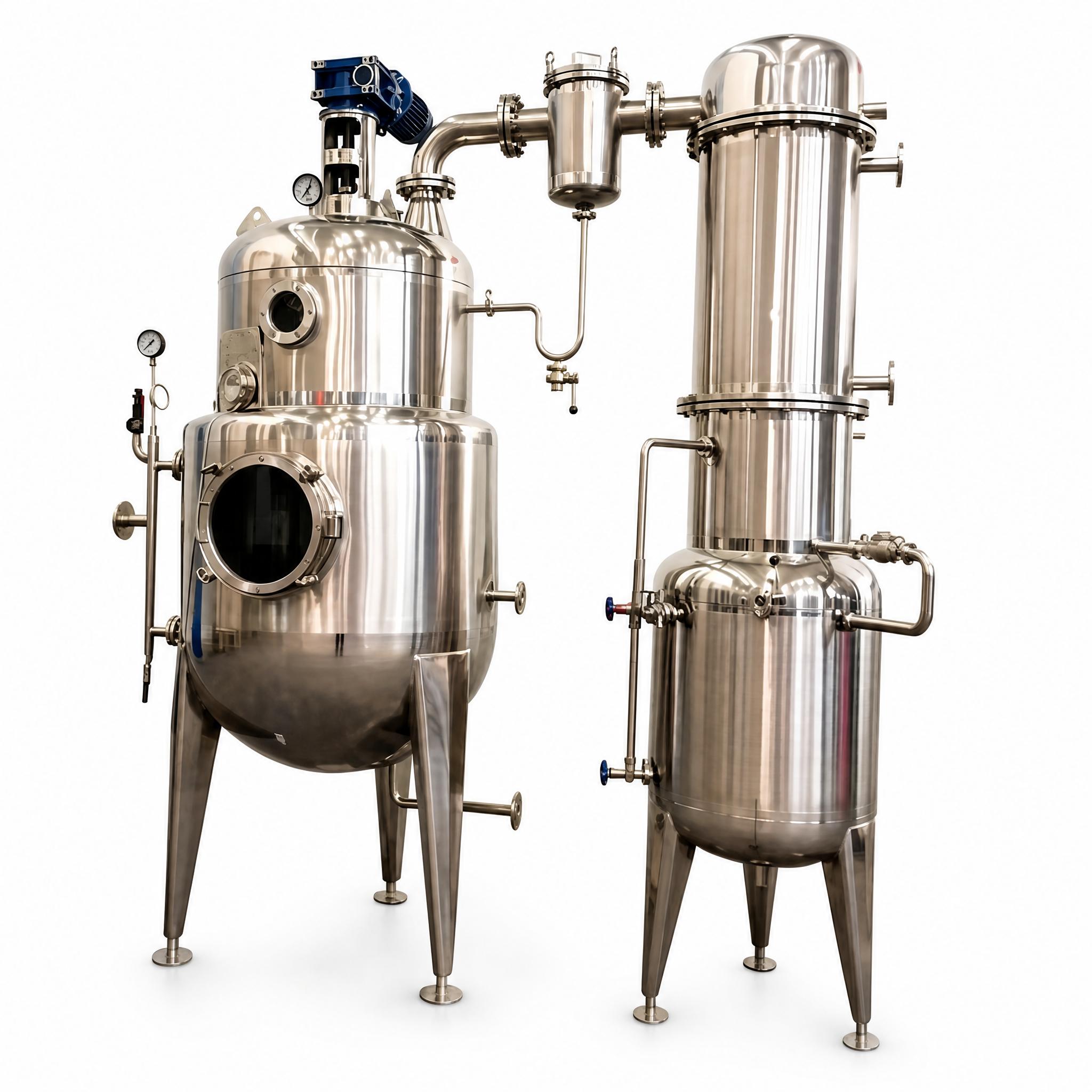
Overall, this round of chemical price increases is led by international oil prices and feedstock costs, with the price centers of methanol, styrene and aromatics moving up as a whole. For downstream users, feedstock cost fluctuations directly affect production and procurement pace. Whether configuring stainless steel reactors, or planning stainless steel mixing tanks and stainless steel storage tanks, it is advisable to evaluate material properties and energy consumption comprehensively, and lock in non-standard customization solutions in advance where necessary to smooth the impact of cost fluctuations.
Related reading: - Chemical Market Weekly | 2026-10-12: Methanol Leads with Over 7% Gain, Lianyungang Petrochemical Adds RMB 8.85 Billion - Chemical Market Weekly | 2026-10-18: World's Largest Wood-Based Biorefinery Lands, Asian PX Strengthens
This article is prepared by Haolin Shengda Equipment Manufacturing Co., Ltd. (hyline.cn), specializing in stainless steel reactors, mixing tanks, storage tanks, dispersers, concentrators and complete chemical production lines, supporting non-standard customization.
Related Products

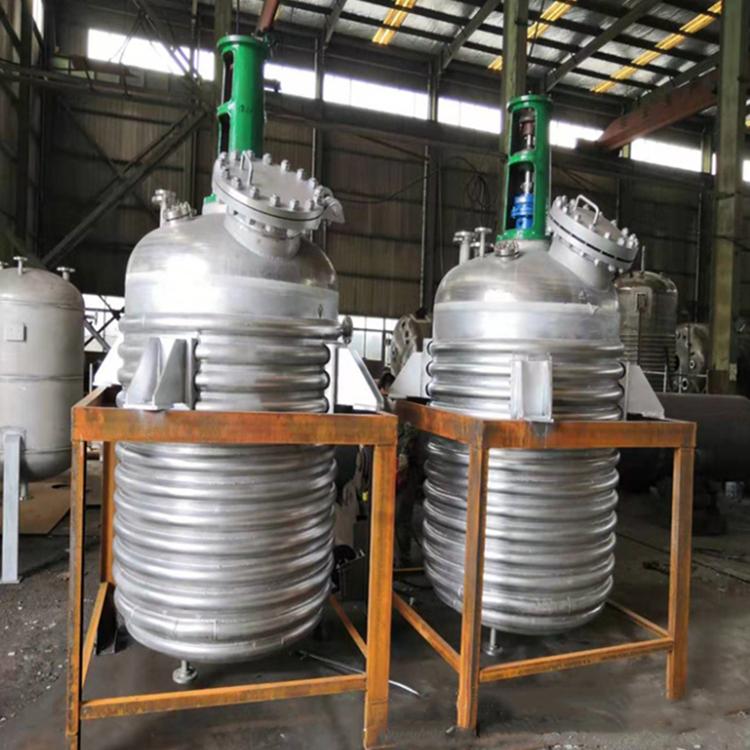
Jacketed Reactor
The typical main reaction vessel in chemical production. Mixing, heating and cooling disperse and mix materials for reaction and polymerization. The jacket circulates thermal oil/steam for heating or cooling water for temperature control.
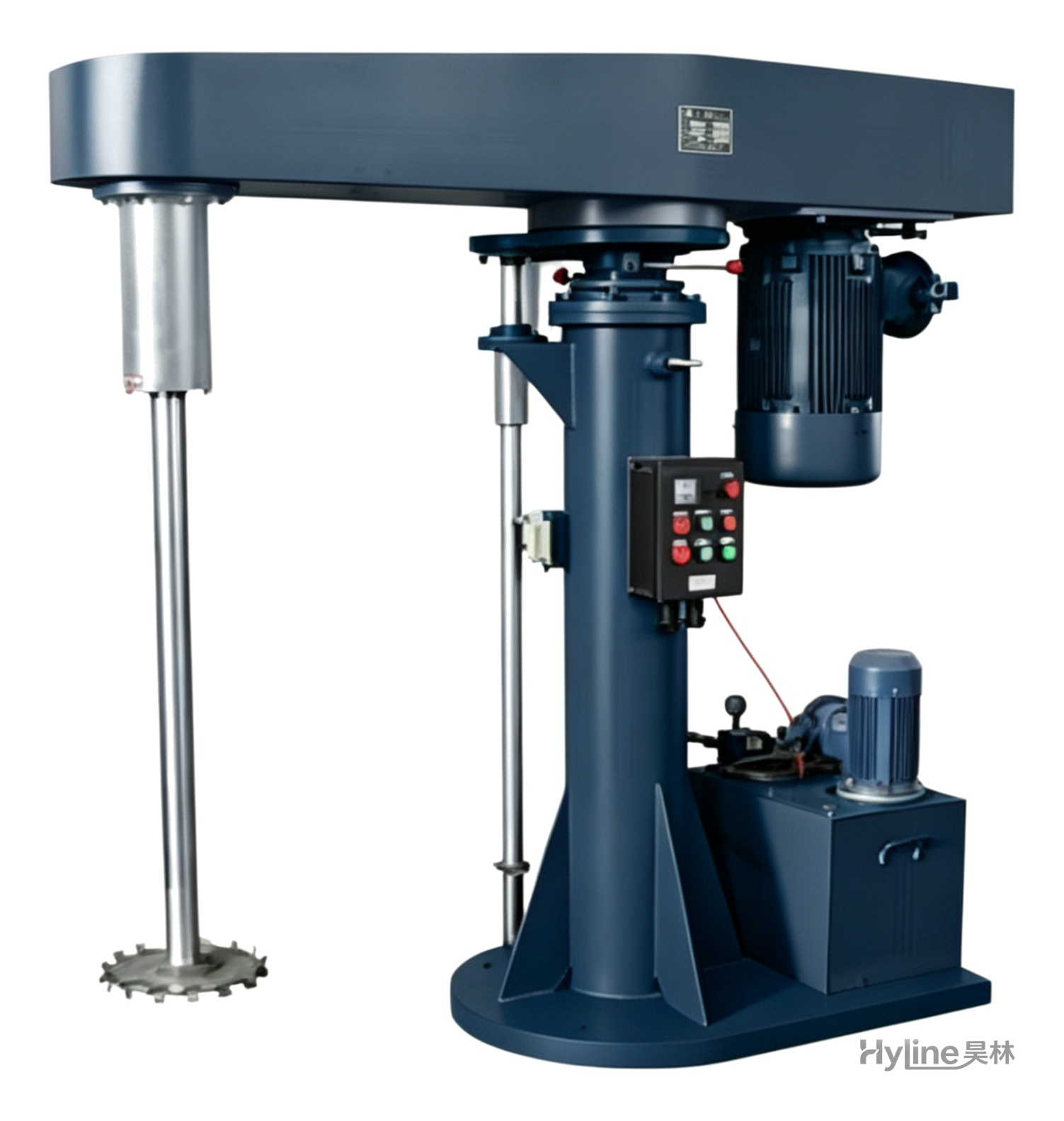
FL Series High-Speed Disperser
Stirs, dissolves and disperses liquids and powders, working alone or matched with sand mills. Variable-frequency drive with hydraulic lift, widely used in paints, inks, coatings, dyestuffs and papermaking.
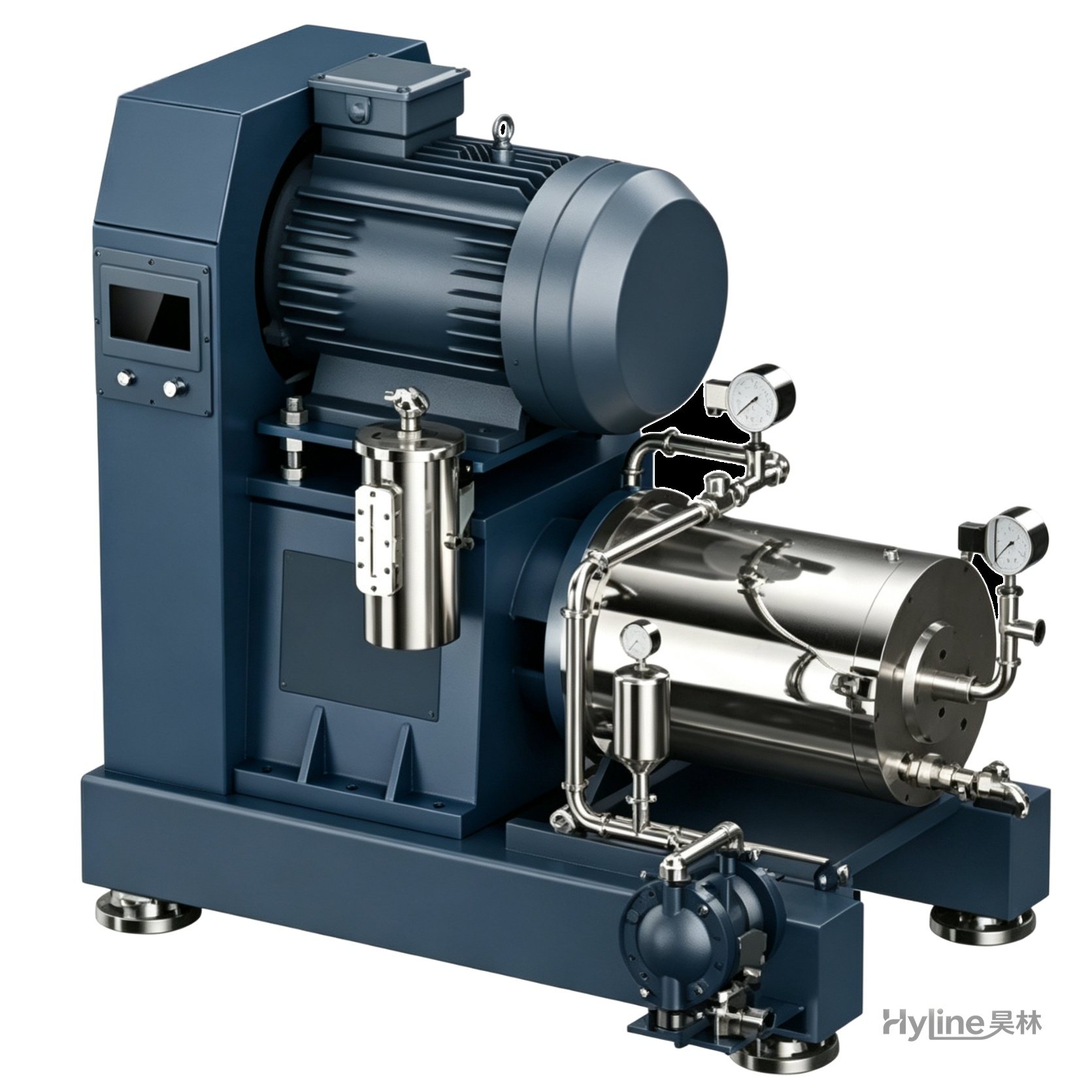
TDB Nano Sand Mill (Rod Pin Type)
Designed to advanced European standards with ample flow, excellent temperature control and high energy efficiency, achieving narrow particle size distribution at nano grade. Widely used in ceramics, inks, lithium battery materials, electronic slurries, nano pastes and pesticides.

Stainless Steel Mixing Tank (Dispersion Drum)
Supporting vessel for dispersers and mixers in paints, coatings, adhesives, color slurries, inks and electronics. Available in 201/304 stainless with internal/external polishing and sloped bottom side discharge for complete draining.