
Chemical Market Weekly | October 22, 2026: Beauty-ingredient plants expand overseas, domestic fragrance base signed, lithium-anode integration speeds up
10/22/2026
This week's chemical downstream demand focus is on beauty and daily chemicals. Overseas cosmetics-ingredient and contract-manufacturing capacity is expanding one after another: BASF has inaugurated an emollients plant at its Düsseldorf site with its largest investment there in a decade, and Unilever's Durban plant has lifted its share of global Vaseline supply to 80%; at home, beauty and fragrance projects are landing too, with one production base each broken ground or signed in Huangpu, Guangzhou and the Zhuhai Economic and Technological Development Zone; on the raw-material spot market, Sinomen's October 17 glycerine quotes show a wider range; and in new-energy materials, Shanshan plans a 4 billion yuan private placement for integrated lithium-anode capacity. The main developments of the week are summarised below by section.
Why is overseas cosmetic ingredient and finished-product capacity expanding so rapidly?
One-sentence conclusion: global beauty demand, especially the high growth of Korean cosmetics exports, is driving ingredient and contract-manufacturing capacity up in parallel, with expansion concentrated in Europe and South Korea.
In Europe, BASF has inaugurated its new specialty emollients plant in Düsseldorf — its largest investment at the site in a decade — mainly to expand personal-care ingredient capacity. Emollients are base ingredients for creams and lotions, so the capacity increase means a more stable upstream ingredient supply.
In South Africa, Unilever South Africa has commissioned a new Vaseline production line at its Maydon Wharf plant in Durban, with an investment of about R100 million, raising the plant's share of global Vaseline petroleum jelly supply from about 60% to 80%. Vaseline is a basic daily-chemical and personal-care product; as supply becomes highly concentrated, downstream purchasing stability, packaging and logistics support will all be affected.
In South Korea, both contract manufacturing and ingredients are expanding. Kolmar Korea has announced expansion of its Sejong plant to meet global demand for "Made in Korea" cosmetics; the plant makes about 89 million cosmetic products a year, skincare accounts for about 50% of sales and sun care 26%, and the company closed its Beijing plant earlier this year and was designated a reshoring company. Another manufacturing giant, Cosmax, has global annual capacity of about 3.5 billion units and is pursuing an expansion toward about 4 billion units. The concentrated expansion reflects the boom in Korean cosmetics exports: in the first half of this year, cosmetics exports by Korean SMEs rose 30.7% year on year to US$5.07 billion.
Source: Korea Biomedical Review, Source: COSLAB
How are domestic beauty and daily-chemical projects progressing?
One-sentence conclusion: domestic beauty and fragrance capacity continues to concentrate in the Greater Bay Area, with one base each broken ground or signed in Huangpu, Guangzhou and Zhuhai, and both investment and full-capacity output value already defined.
In Guangzhou, the global headquarters and beauty-and-health R&D smart-manufacturing base of Tianshi Biology has broken ground in Huangpu, with total investment of over 200 million yuan; it is expected to be completed by 2028, with first-year output value of about 400 million yuan after commissioning and about 700 million yuan at full capacity in 2030. The landing of a beauty smart-manufacturing base means rising demand for supporting equipment such as emulsifier tanks, mixing tanks and filling lines.
Source: Guangzhou Municipal People's Government
In Zhuhai, CPL Aromas (Far East) has signed a fragrance production base in the Zhuhai Economic and Technological Development Zone, with total investment of US$15 million, mainly daily-chemical fragrances, expected annual output value of over 180 million yuan, and a global raw-material procurement centre. Fragrance is a key auxiliary material for daily-chemical products; with the production base and procurement centre in place, the local chain closes further, and demand for high-speed dispersers in fragrance compounding rises accordingly.
Source: Zhuhai Municipal People's Government
What has changed in chemical raw-material spot prices?
One-sentence conclusion: spot quotes for glycerine and other chemical raw materials are diverging; the spread between different purity grades and origins has widened, so costing by specification is more reliable.
Sinomen's glycerine quotes published on October 17 show a range of about 4,200~10,800 yuan/tonne across grades and origins: 95% grades mostly at 4,200~9,300 yuan/tonne, 99.7% Indonesian Musim Mas material at 9,500~9,800 yuan/tonne in East China, and food-grade 99.5% Malaysian/P&G material at 10,800 yuan/tonne. Glycerine is a common raw material for cosmetics, daily chemicals and food; the wider spread reminds downstream buyers to enquire and cost by purity, origin and delivery location.
What is happening on the new-energy materials side?
One-sentence conclusion: integrated lithium-anode capacity continues to expand; a leading company is locking in capital expenditure via a private placement, with graphitisation capacity added in parallel.
Shanshan Co. has announced a private placement of no more than 4 billion yuan to its indirect controlling shareholder Conch Group, of which 2.5 billion yuan goes to an integrated 150,000-tonne-per-year lithium-anode base with 50,000 tonnes of graphitisation capacity (total project investment of 5.106 billion yuan), and another 1.5 billion yuan to replenish working capital. Anode material is a key link in the lithium-battery chain; the integrated and graphitisation expansion supports demand for nano sand mills, classification and drying equipment.
The common signal on the downstream side this week is capacity expansion and supply-chain integration: beauty ingredients, contract manufacturing, fragrance and lithium anodes are all being scaled up, and the corresponding demand for supporting equipment and raw-material procurement is rising.
Further reading: - Chemical market weekly report, October 8 - Chemical market weekly report, October 15
This article is compiled by Hyline Shengda Equipment Manufacturing Co., Ltd. (hyline.cn). The ownership of the information belongs to the original authors. The company mainly produces stainless steel reactors, mixing tanks, storage tanks, dispersers, concentrators and complete chemical lines, supporting non-standard customization.
Related Products
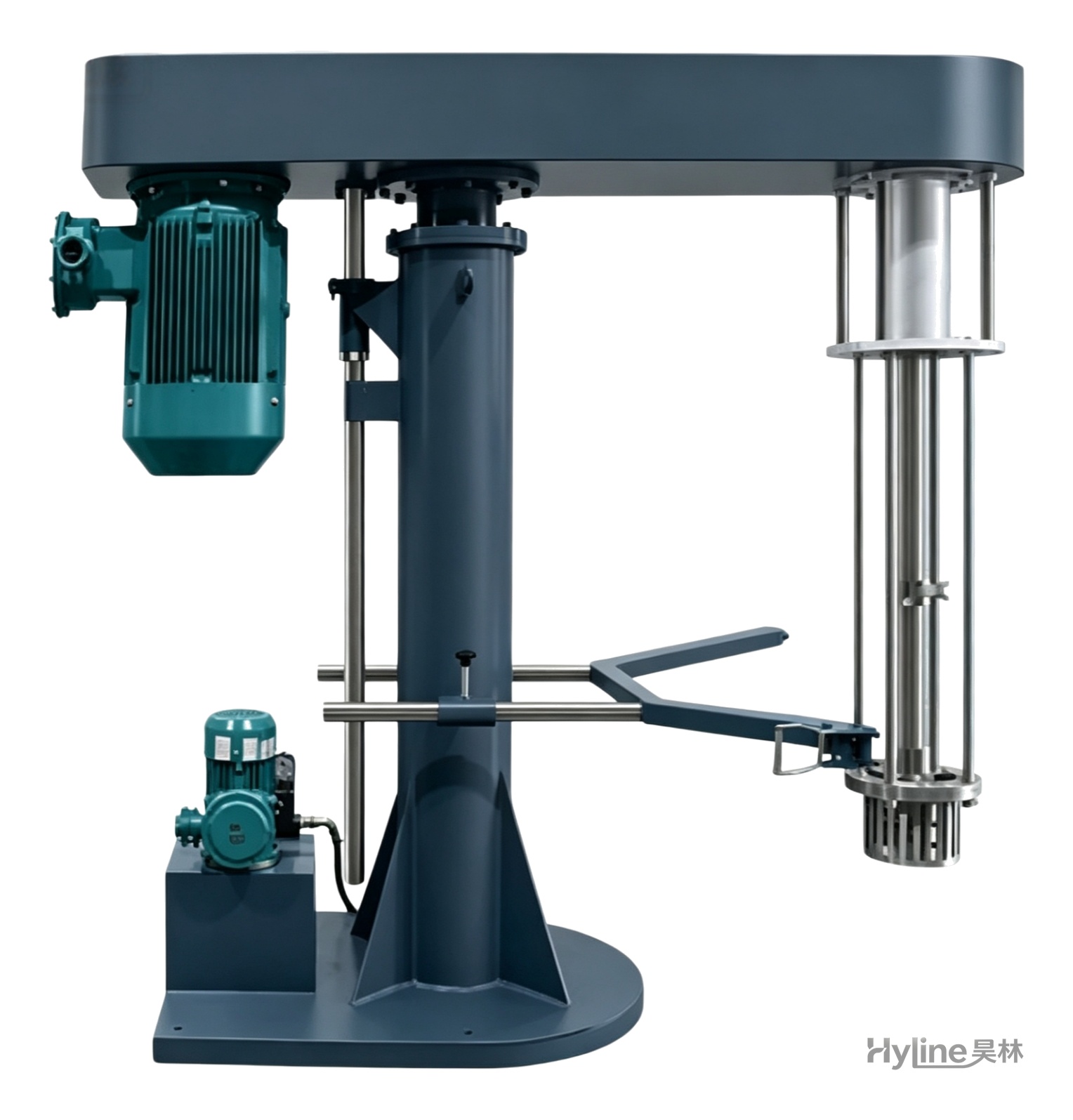
GJD Series Emulsifying Disperser
For emulsification, mixing and dispersion in coatings, inks, pesticides and papermaking. Powerful high-speed shear achieves required fineness and uniformity in a short time.
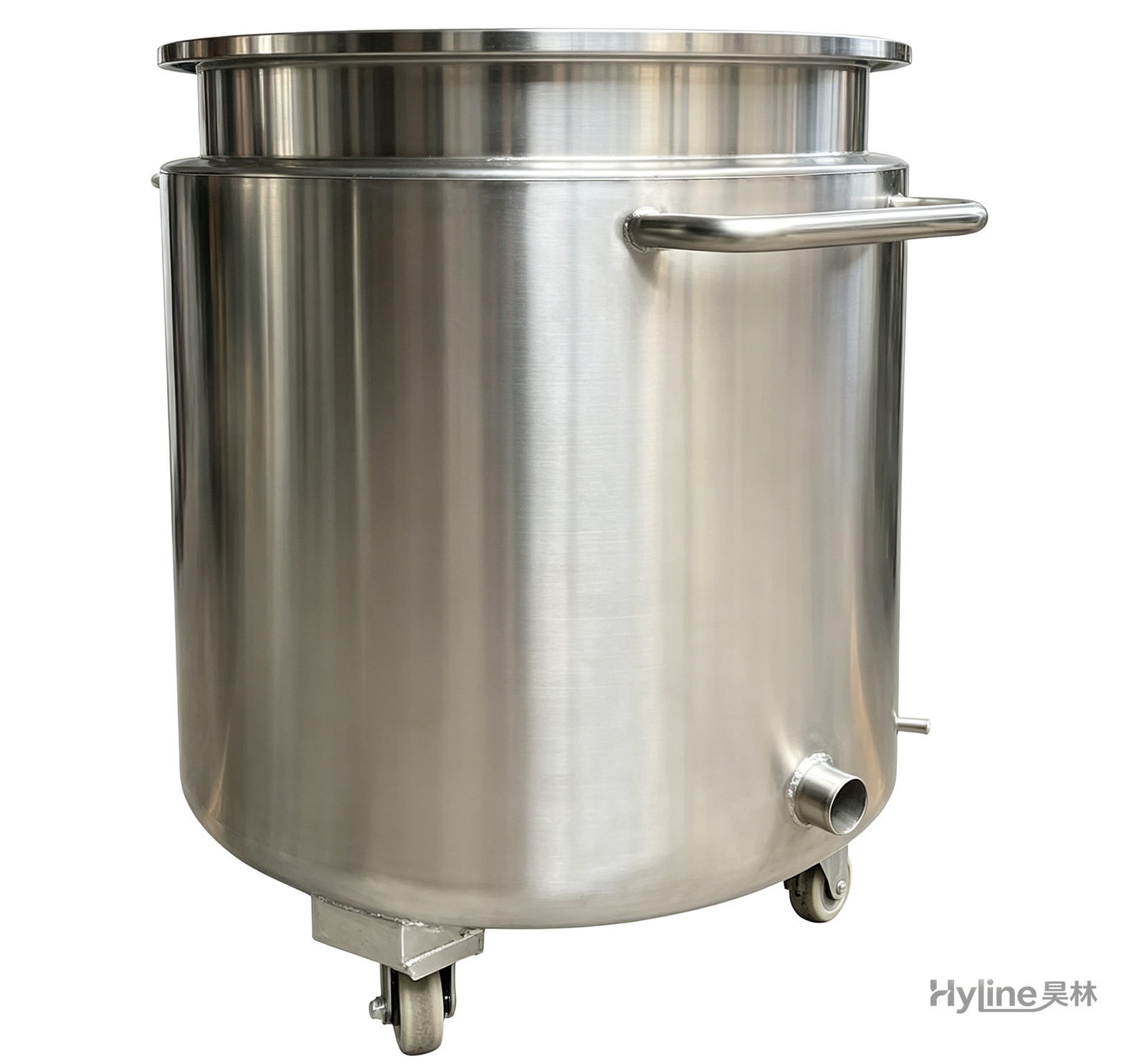
Stainless Steel Mixing Tank (Dispersion Drum)
Supporting vessel for dispersers and mixers in paints, coatings, adhesives, color slurries, inks and electronics. Available in 201/304 stainless with internal/external polishing and sloped bottom side discharge for complete draining.
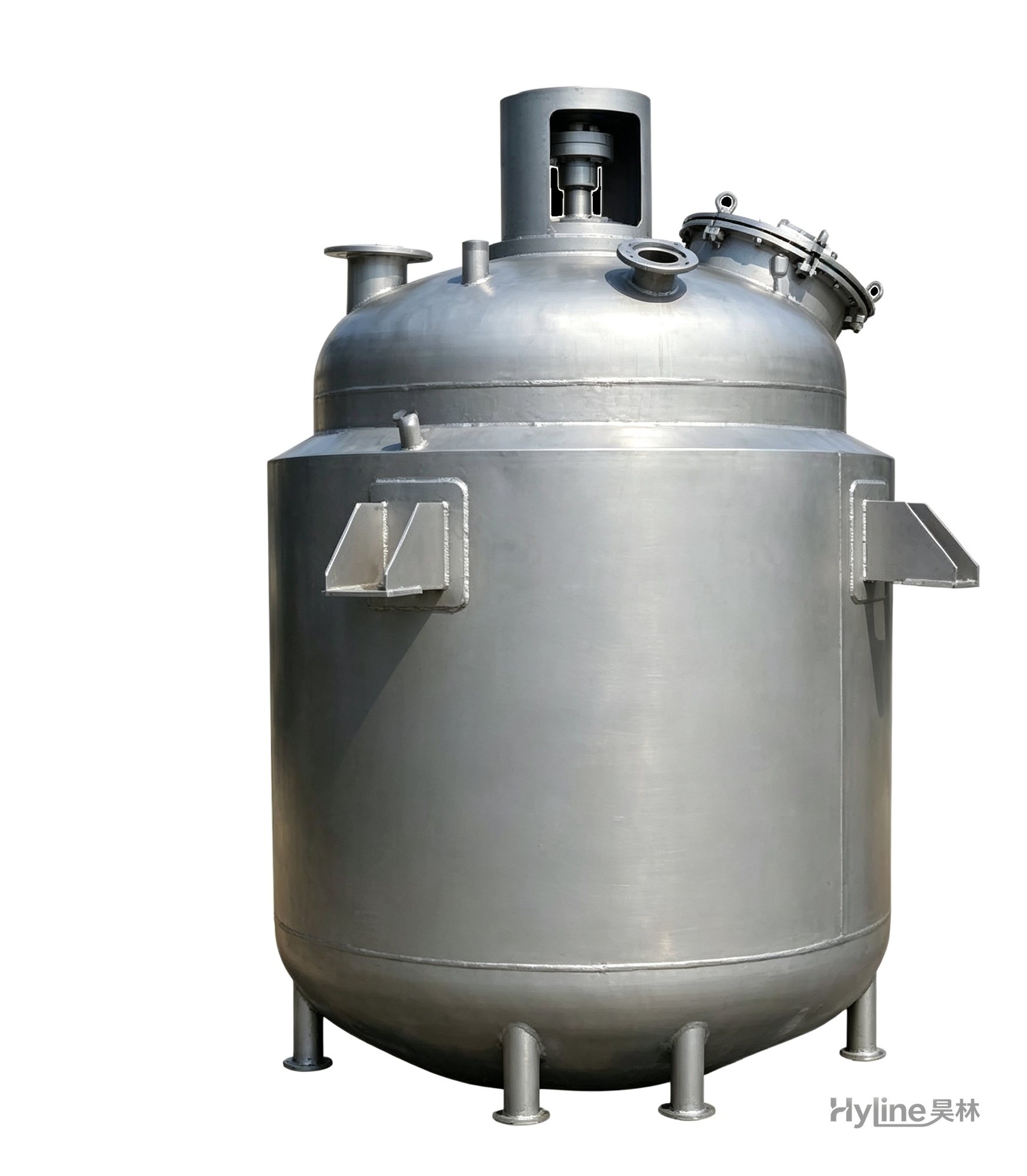
Jacketed Reactor
The typical main reaction vessel in chemical production. Mixing, heating and cooling disperse and mix materials for reaction and polymerization. The jacket circulates thermal oil/steam for heating or cooling water for temperature control.
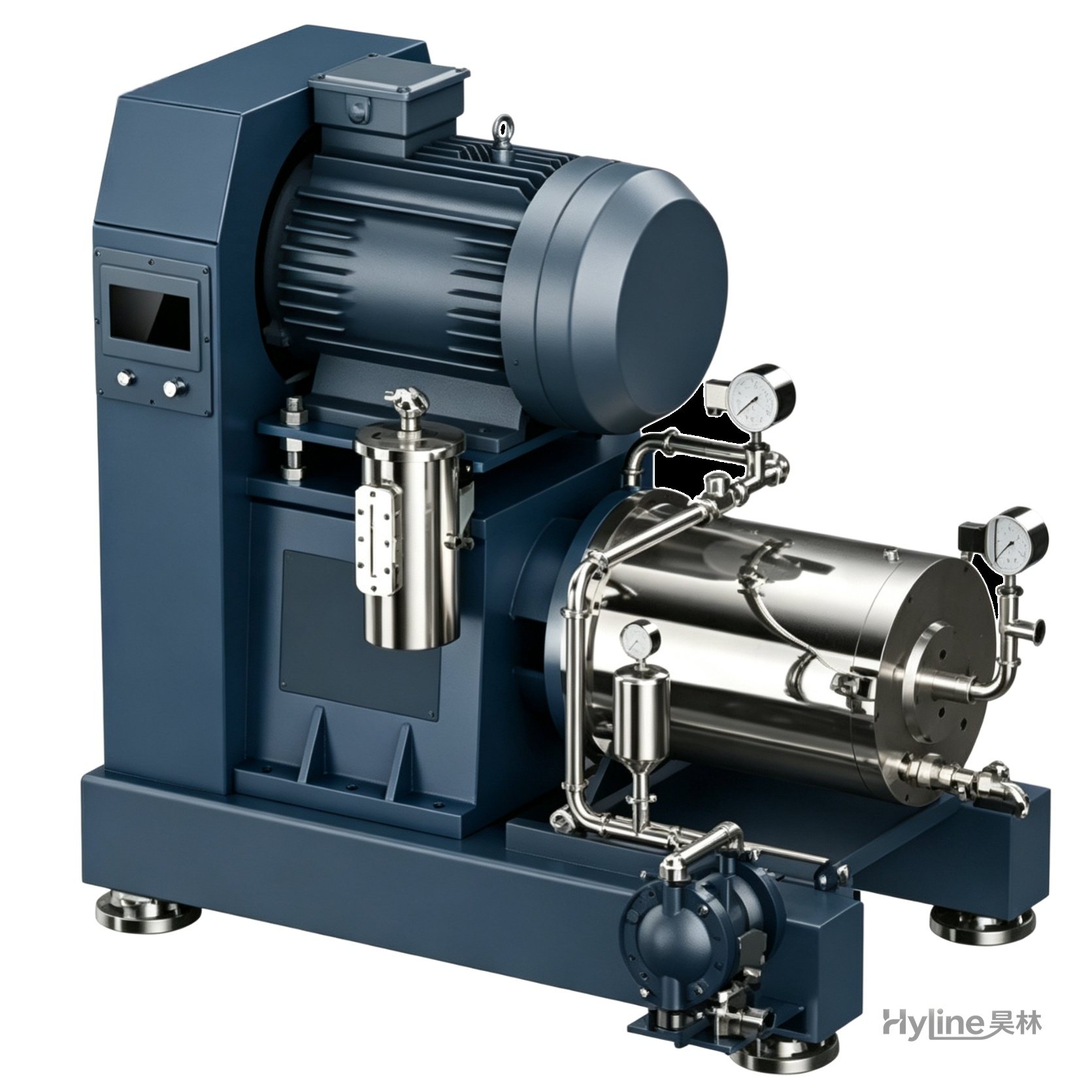
TDB Nano Sand Mill (Rod Pin Type)
Designed to advanced European standards with ample flow, excellent temperature control and high energy efficiency, achieving narrow particle size distribution at nano grade. Widely used in ceramics, inks, lithium battery materials, electronic slurries, nano pastes and pesticides.
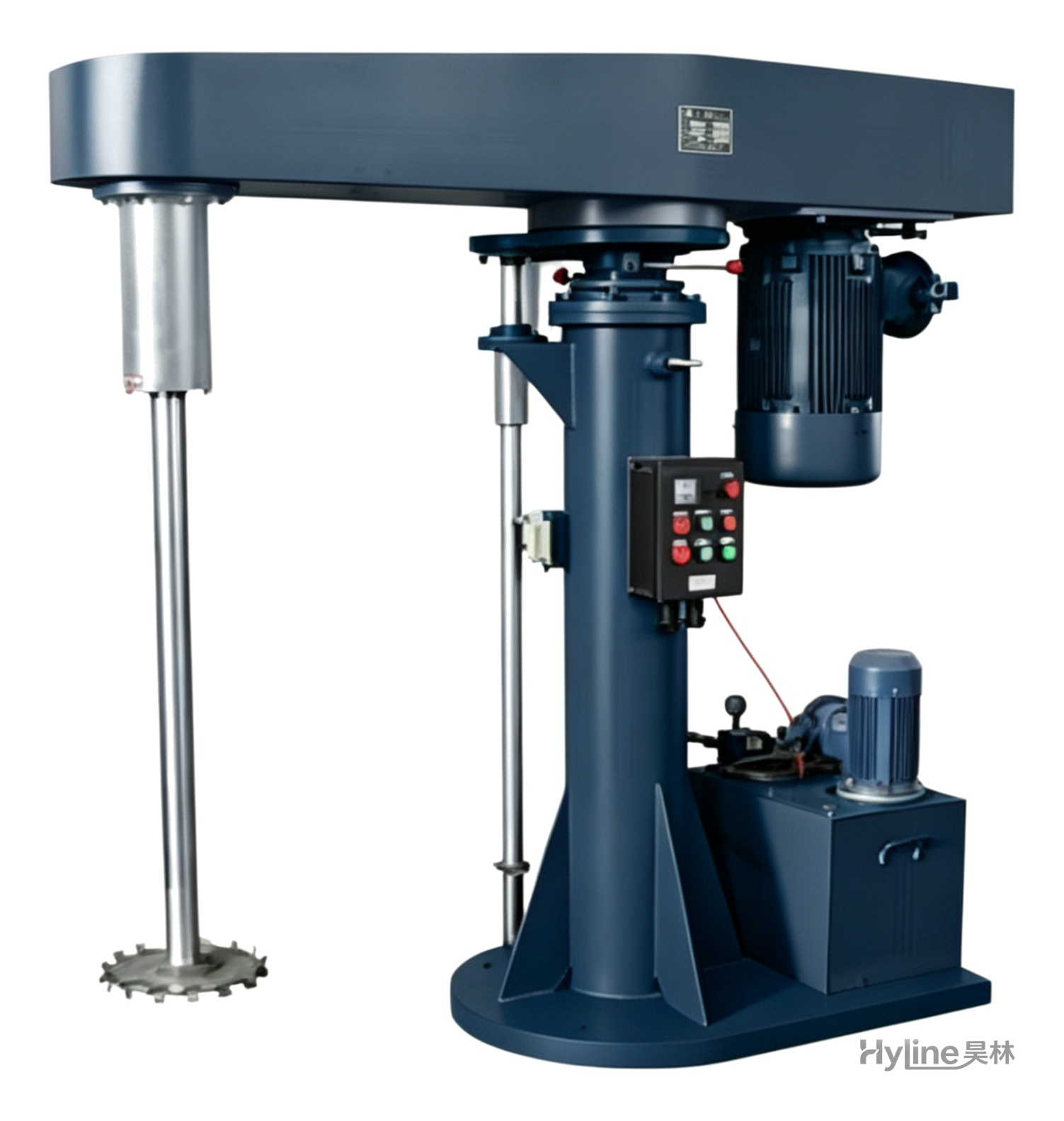
FL Series High-Speed Disperser
Stirs, dissolves and disperses liquids and powders, working alone or matched with sand mills. Variable-frequency drive with hydraulic lift, widely used in paints, inks, coatings, dyestuffs and papermaking.