
Chemical Market Weekly | Nov 3, 2026: Refined oil prices adjusted again, 100+ carbon footprint standards launched, European high-temperature heat pumps reach 160°C
11/3/2026
This week's data flow is dense: the National Development and Reform Commission adjusted refined oil prices again, five agencies issued an action plan for the product carbon footprint standards system, and the Ministry of Ecology and Environment released air quality data for the first nine months. Overseas, an industrial pump acquisition, the energy transition of desalination and a 160°C high-temperature heat pump test rig all made progress. This digest rounds up the public data and industry moves by section, as a reference for plant operation and equipment investment.
Domestic public data: how are fuel, food and air quality moving?
### Why was the refined oil price adjusted again?
According to the Price Department of the National Development and Reform Commission, from 24:00 on October 29 domestic gasoline and diesel (standard grade) prices were raised again. Under the current pricing mechanism, gasoline should have risen by 440 yuan per tonne and diesel by 420 yuan per tonne; balancing the burden on downstream users against stable supply, the actual increase was 345 yuan per tonne for gasoline and 335 yuan per tonne for diesel. Rising international oil prices lift fuel and feedstock costs for chemical plants, and the effect carries through to the operating cost of a reactor heated by steam or thermal oil, so producers can fine-tune scheduling and inventory around pricing cycles.
Source: NDRC
### How much did the agricultural wholesale price index move?
Monitoring by the Ministry of Agriculture and Rural Affairs shows that on November 2 the "wholesale price index for 200 agricultural products" stood at 111.44, up 0.07 points from last Friday, while the "vegetable basket" index stood at 110.98, up 0.08 points. The average wholesale price of pork was 15.15 yuan per kilogram, down 0.9% from Friday, and the average price of 28 monitored vegetables was 4.04 yuan per kilogram, down 1.0%. Raw-material costs on the food and agricultural processing side are broadly stable, so procurement pressure for condiment and beverage producers is limited, and demand for the stainless mixing tanks used in batching and sterilization lines stays steady.
Source: Ministry of Agriculture and Rural Affairs
### What do the first nine months of air quality data say?
Data released by the Ministry of Ecology and Environment show that from January to September the average PM2.5 concentration in 339 cities at prefecture level and above was 24.9 micrograms per cubic meter, down 3.9% year on year, and the share of days with good air quality was 86.6%, up 2.8 percentage points. In September, affected by unfavorable weather, the average PM2.5 concentration rose 18.8% year on year and the share of good-air days fell 3.5 percentage points to 92.3%. As air pollution control continues, demand for coating, VOCs control and enclosed production equipment persists, and the value of an enclosed high-speed disperser on solvent-based lines becomes more visible.
Source: Ministry of Ecology and Environment
Policy and standards: how will the carbon footprint standards system be built?
The State Administration for Market Regulation, the NDRC, the Ministry of Ecology and Environment, the Ministry of Industry and Information Technology and the National Energy Administration jointly issued the Action Plan for Building the Key Product Carbon Footprint Standards System (2026–2028). Focusing on energy, raw materials, consumer goods, machinery and equipment, and transport vehicles, it deploys more than 100 national standards for product carbon footprints, with some to be developed in step with international standards. For chemical equipment makers, carbon data for steel, machining and logistics will gradually enter the accounting system, and low-carbon equipment is likely to weigh more in tender evaluations.
Source: State Administration for Market Regulation
Overseas engineering and M&A: what signals do pumps and desalination send?
### Why did an industrial pump business change hands for 1.46 billion dollars?
According to overseas engineering media, a leading global water and industrial pump group has agreed to acquire two industrial pump businesses for 1.46 billion US dollars. The targets cover slurry transport, solids handling and self-priming pumping technologies used in construction and mining, food and beverage, agriculture, energy and municipal applications. The deal concentrates on hard-to-handle fluids and high-reliability duty points, reflecting sustained demand for specialized pumping equipment driven by industrial modernization and infrastructure investment.
Source: PROCESS Worldwide
### How large is Middle East desalination?
Citing analysis by the International Energy Agency, industry media report that the Middle East and North Africa host more than 40% of global desalination capacity, with the Gulf Cooperation Council countries alone accounting for 33%. The region produces about 12 billion cubic meters of desalinated water a year — roughly the annual flow of the Euphrates — two thirds of it used for drinking water. Electrification of desalination is advancing, lifting demand for energy-saving retrofits of large rotating equipment and storage tanks.
Source: PROCESS Worldwide
Energy technology and innovation: where are high-temperature heat pumps now?
The Fraunhofer Institute for Solar Energy Systems ISE has commissioned a test rig for industrial high-temperature heat pumps that measures process steam and pressurized hot water output up to 160°C, and has monitored five large heat pumps in district heating networks. The results show that large heat pumps reliably reach their required operating points when heat source, refrigerant, heat exchanger, hydraulic integration and control strategy are properly matched. Process-heat decarbonization cannot be achieved by simply scaling up building heat pumps; it needs system-level design — echoing the steam, thermal oil and MVR evaporation approaches common in the chemical industry.
Source: PROCESS (Germany)
### What are chemistry start-ups watching?
C&EN, the magazine of the American Chemical Society, published its 2026 watch list of five early-stage start-ups working on reducing dependence on fossil feedstocks, capturing PFAS and developing new materials for computing. From recycled materials to green process routes, the choices of young companies echo the low-carbon transition of the wider chemical industry.
Source: C&EN
What does this weekly mean for equipment selection?
Put the three threads together: oil price adjustments lift operating costs, carbon footprint standards reshape procurement scoring, and air quality keeps improving. All three point the same way — chemical plants are moving from "it works" to "efficient, low-carbon, traceable". Haolin Shengda Equipment Manufacturing Co., Ltd. customizes stainless steel reactors, mixing tanks, evaporation concentrators and complete lines for the food, chemical and new-energy industries, delivering turnkey support from selection and design to delivery and acceptance.
Further reading:
- How MVR vapor recompression saves steam in concentration: heat pump evaporation principle and limits
- Chemical Market Weekly | 2026-10-13: industrial value added up 5.2% in August, chemical profits up 51.0%
This digest was prepared by Haolin Shengda Equipment Manufacturing Co., Ltd. (hyline.cn). All information belongs to the original authors. We specialize in stainless steel reactors, mixing tanks, storage tanks, dispersers, evaporation concentrators and complete chemical production lines, with non-standard customization available.
Related Products
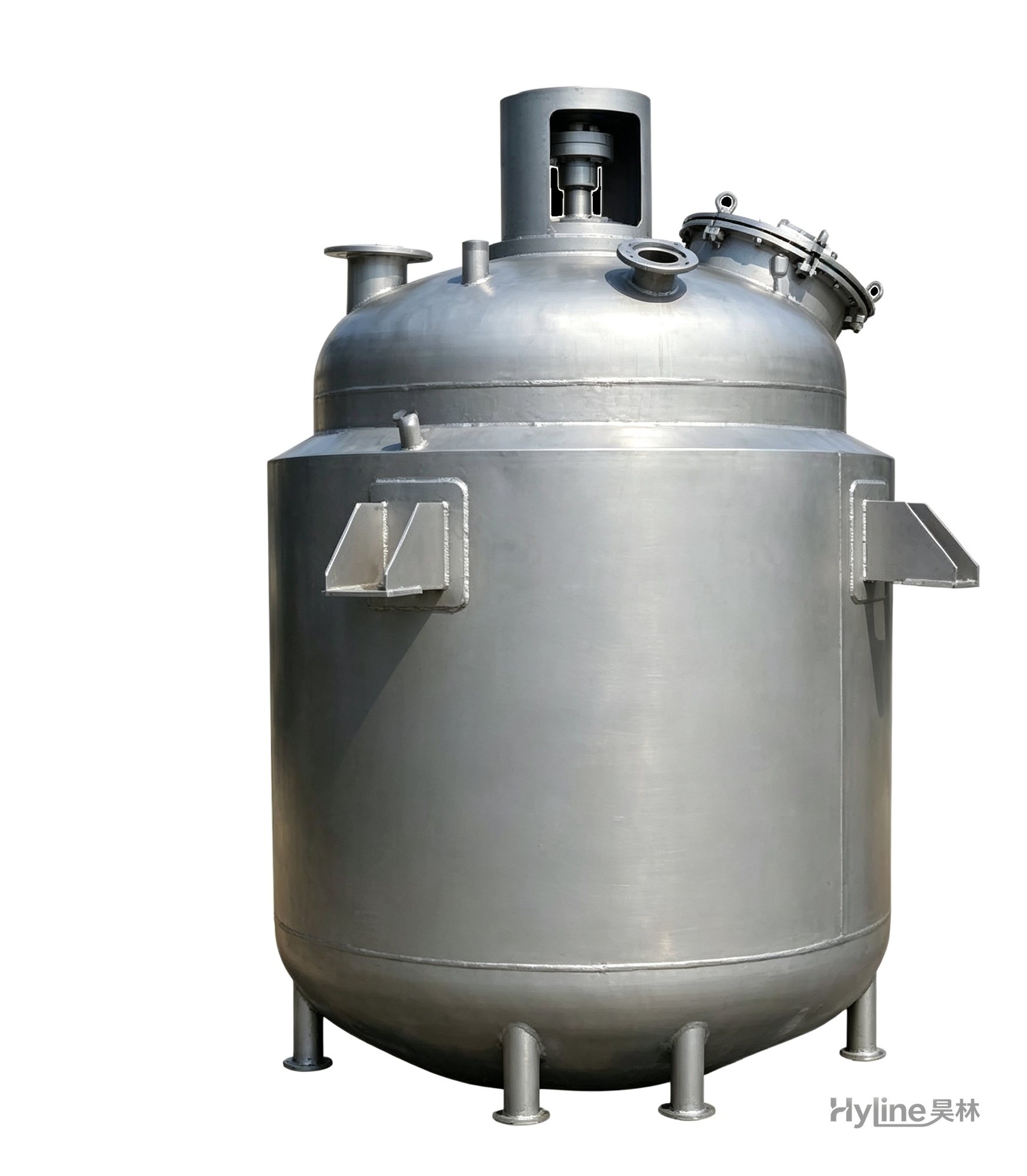
Jacketed Reactor
The typical main reaction vessel in chemical production. Mixing, heating and cooling disperse and mix materials for reaction and polymerization. The jacket circulates thermal oil/steam for heating or cooling water for temperature control.
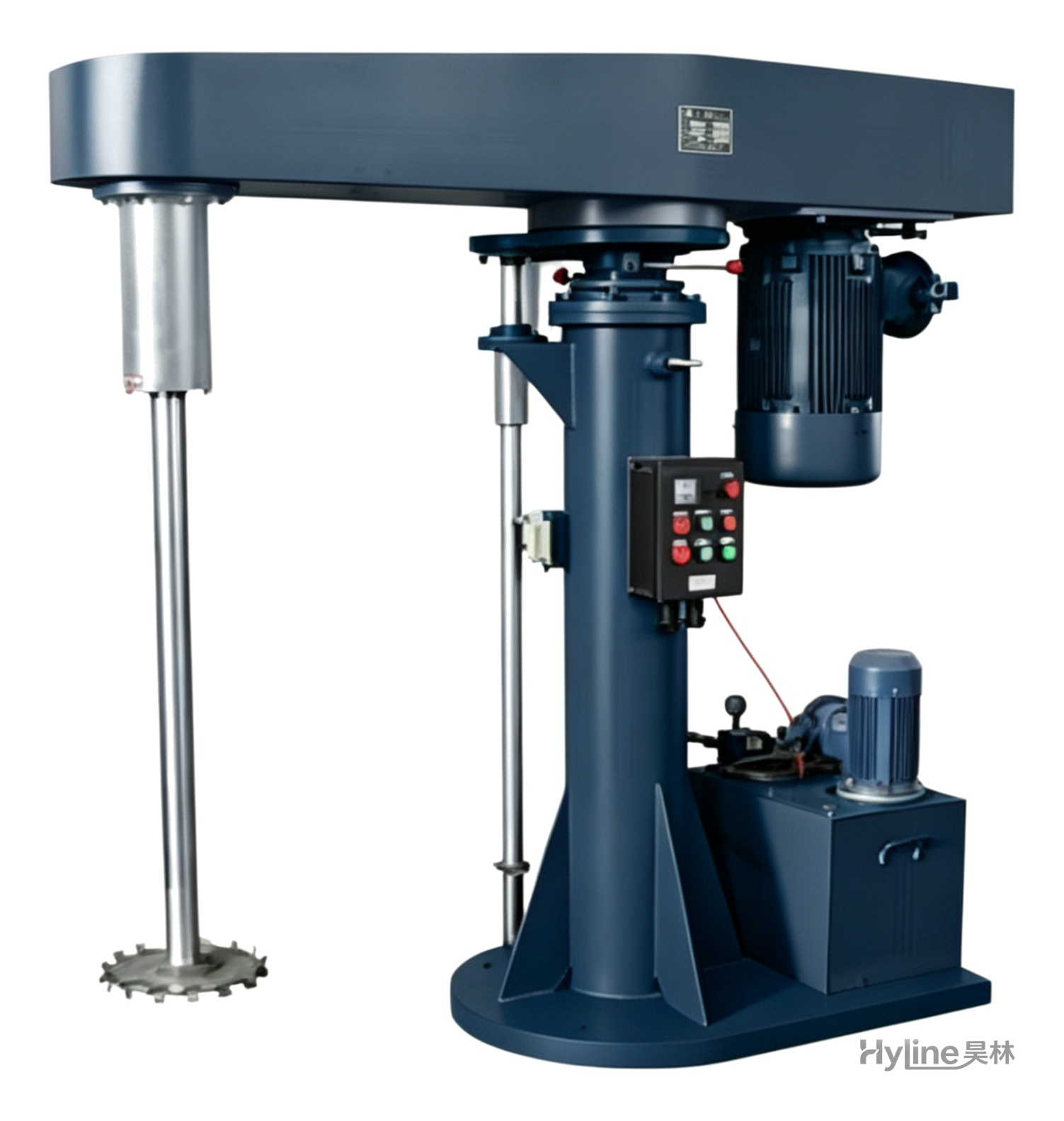
FL Series High-Speed Disperser
Stirs, dissolves and disperses liquids and powders, working alone or matched with sand mills. Variable-frequency drive with hydraulic lift, widely used in paints, inks, coatings, dyestuffs and papermaking.
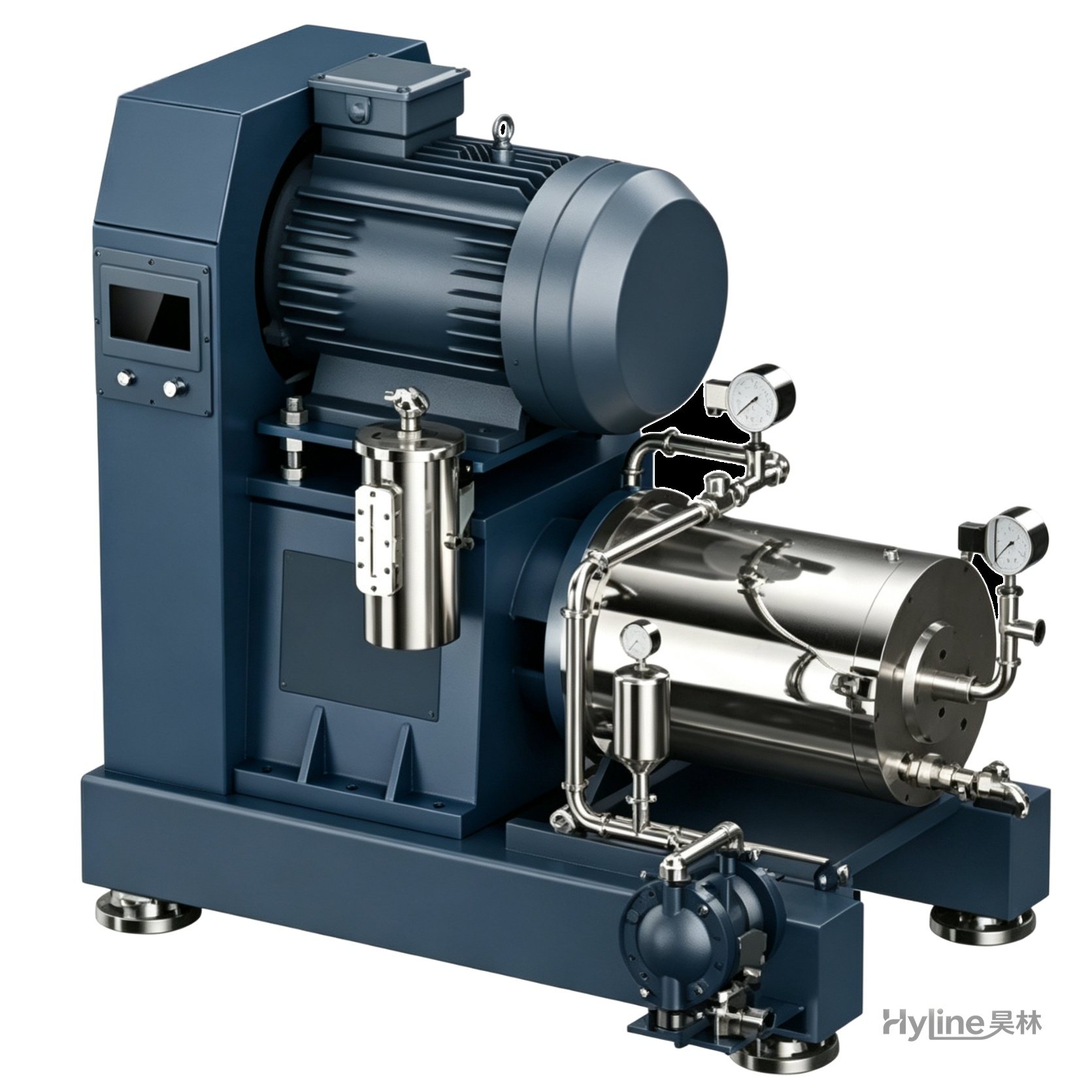
TDB Nano Sand Mill (Rod Pin Type)
Designed to advanced European standards with ample flow, excellent temperature control and high energy efficiency, achieving narrow particle size distribution at nano grade. Widely used in ceramics, inks, lithium battery materials, electronic slurries, nano pastes and pesticides.
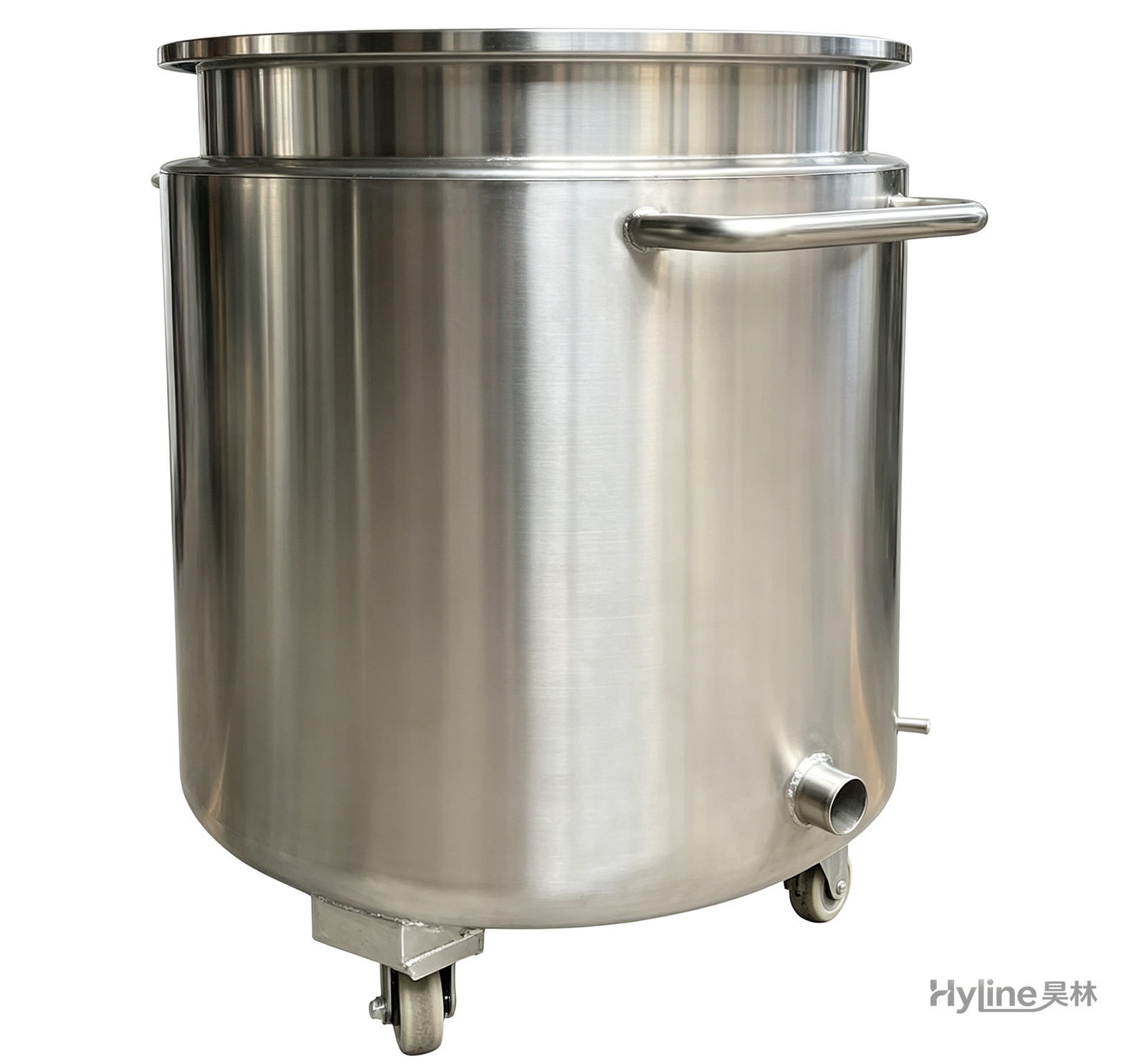
Stainless Steel Mixing Tank (Dispersion Drum)
Supporting vessel for dispersers and mixers in paints, coatings, adhesives, color slurries, inks and electronics. Available in 201/304 stainless with internal/external polishing and sloped bottom side discharge for complete draining.