
Chemical Market Weekly | November 5, 2026: battery materials reach tonne-scale supply, hygienic production raises precision requirements, air separation cuts energy use by about 60%
11/5/2026

# Chemical Market Weekly | November 5, 2026: Battery materials reach tonne-scale supply, hygienic production raises precision requirements, air separation cuts energy use by about 60%
This week the downstream side offers three clear signals: new-energy materials are moving from proof of concept to tonne-scale supply; pharmaceutical and high-purity-water applications are pushing online measurement and metering precision to the foreground; and ceramic slurry conveying plus air separation are quantifying how much energy can still be saved. For equipment suppliers, the question is no longer whether to buy a machine but whether stainless steel reactors, mixing tanks, high-speed dispersers and sand mills can deliver verifiable specifications for particle-size control, cleanability, filling consistency and specific energy consumption. Below, four sections review traceable public reports and add the corresponding equipment-side observations.
1. New-energy materials: from proof of concept to tonne-scale supply
### 1.1 China Chemical Information Weekly: battery materials enter a dual shift in chemistry and safety A review in issue 21 of 2026 describes a change running from electrochemical systems to system-level safety protection. On the cathode side, lithium manganese iron phosphate has moved from concept validation to vehicle installation, while solid-state cathode materials have entered tonne-scale supply. On the anode side, silicon-carbon anodes and their porous-carbon capacity are being released intensively, and coal-based hard carbon and artificial graphite open a lower-cost route. Once material batches scale up, deagglomeration, dispersion and particle-size distribution control depend increasingly on the stability of upstream grinding and dispersing equipment. Source: China Chemical Information Weekly
### 1.2 China Chemical Information Weekly: solid-state research puts safety and thermal stability first A second review in the same issue recalls that lithium-ion batteries have long dominated consumer electronics, stationary storage and traction markets thanks to energy density and cycle life. As downstream requirements for safety, range and environmental adaptability rise, the low flash point and limited thermal stability of conventional liquid organic electrolytes are discussed repeatedly, which is why solid-state routes attract attention. For slurry mixing and homogenisation, this implies tighter water and oxygen control, finer dispersion uniformity and more complete batch records. Source: China Chemical Information Weekly
2. Pharmaceutical and hygienic production: online measurement moves upstream
### 2.1 C&EN: process chemistry rethinks how medicines are made The publication reports that a process-chemistry research organisation focused on public-health needs is rethinking how essential medicines are manufactured, with emphasis on improving synthetic routes and the processes themselves. The equipment-side lesson is direct: scalability of reaction and work-up steps, temperature-control margins and cleaning validation usually determine whether a line runs steadily, more than single-point yield does. Source: C&EN
### 2.2 PROCESS Worldwide: checkweighers are the baseline for fill control and completeness checks The first instalment of the publication's Back to Basics series explains that checkweighers weigh individual packs in motion and detect deviations from specified limits, covering fill-level control, completeness checks and batch documentation. For upstream dosing and filling equipment, whether a metering deviation can be reproduced consistently matters more than the accuracy of a single weighing. Source: PROCESS Worldwide

### 2.3 PROCESS (Germany): online TOC analysis for pure and ultrapure water A German-language report introduces a new online TOC analyser intended for critical production environments using pure and ultrapure water, with the aim of stabilising production, reducing downtime and improving risk control. If water quality fluctuates in pharmaceutical or food dosing, cleaning validation and batch release are both affected, so tank and piping design, dead legs and measurement points must be planned together. Source: PROCESS (Germany)
3. Powder handling and process energy: two quantified examples
### 3.1 PROCESS (Germany): compact drive improves filling-degree control in ceramic extrusion The German report describes a ceramic extrusion setup using a more compact planetary gear drive and separate feed rolls to improve filling-degree control and extrusion stability. High-solids, high-density slurries are extremely sensitive to feeding uniformity, which mirrors the common practice in dispersing and mixing of wetting the powder first and only then raising speed: feed evenly before discussing speed or fineness. Source: PROCESS (Germany)
### 3.2 PROCESS China: dual-reflux PSA air separation publishes concrete energy figures A technical article describes a dual-reflux pressure-swing adsorption air-separation process based on LiLSX molecular sieve, reporting oxygen purity of 95.21% with 95.24% recovery and nitrogen purity of 98.43% with 99.79% recovery. After the improvement, productivity and throughput doubled, overall energy consumption fell by about 60%, and vacuum-pump energy use dropped by more than 80%. Once process energy demand falls, vacuum and heat-exchange equipment should be re-sized rather than kept at the old margins. Source: PROCESS China
4. Supply chain: local production close to growing demand
### 4.1 PROCESS Worldwide: manufacturing tools move closer to the customer The publication notes that global pharmaceutical production depends on reliable supply, including manufacturing tools, and that an equipment supplier has therefore established a new production site in a fast-growing market to shorten delivery and response times under a "local production, global standard" approach. For custom-built equipment, lead time and spare-parts response are becoming selection criteria as important as price. Source: PROCESS Worldwide
How should equipment suppliers respond?
Q: After tonne-scale material supply, which stage should be reviewed first? A: Start with particle-size distribution and batch consistency in slurry mixing and grinding, then work back to agitator type, speed range and cooling capacity. Do not simply scale by volume.
Q: If hygienic requirements rise, is a higher polish grade enough? A: Not entirely. Polish grade, seal type, dead legs and online measurement points must be specified together; otherwise measurement data cannot be traced back to the equipment design or support batch release.
Q: Can the energy figures be applied directly to another line? A: No. The reported purity and energy data were obtained with a specific molecular sieve and process conditions. Re-calculate against your own material, gas flow and target purity before fixing vacuum and heat-exchange configurations.
Further reading: - New-energy material capacity expansion drives demand for nano sand mills - How to choose material and polish grade for emulsifying tanks
This article is compiled by Haolin Shengda Equipment Manufacturing Co., Ltd. (hyline.cn). Information ownership belongs to the original authors. We mainly supply stainless steel reactors, mixing tanks, storage tanks, dispersers, concentrating tanks and complete chemical production lines, and support non-standard customization.
Related Products
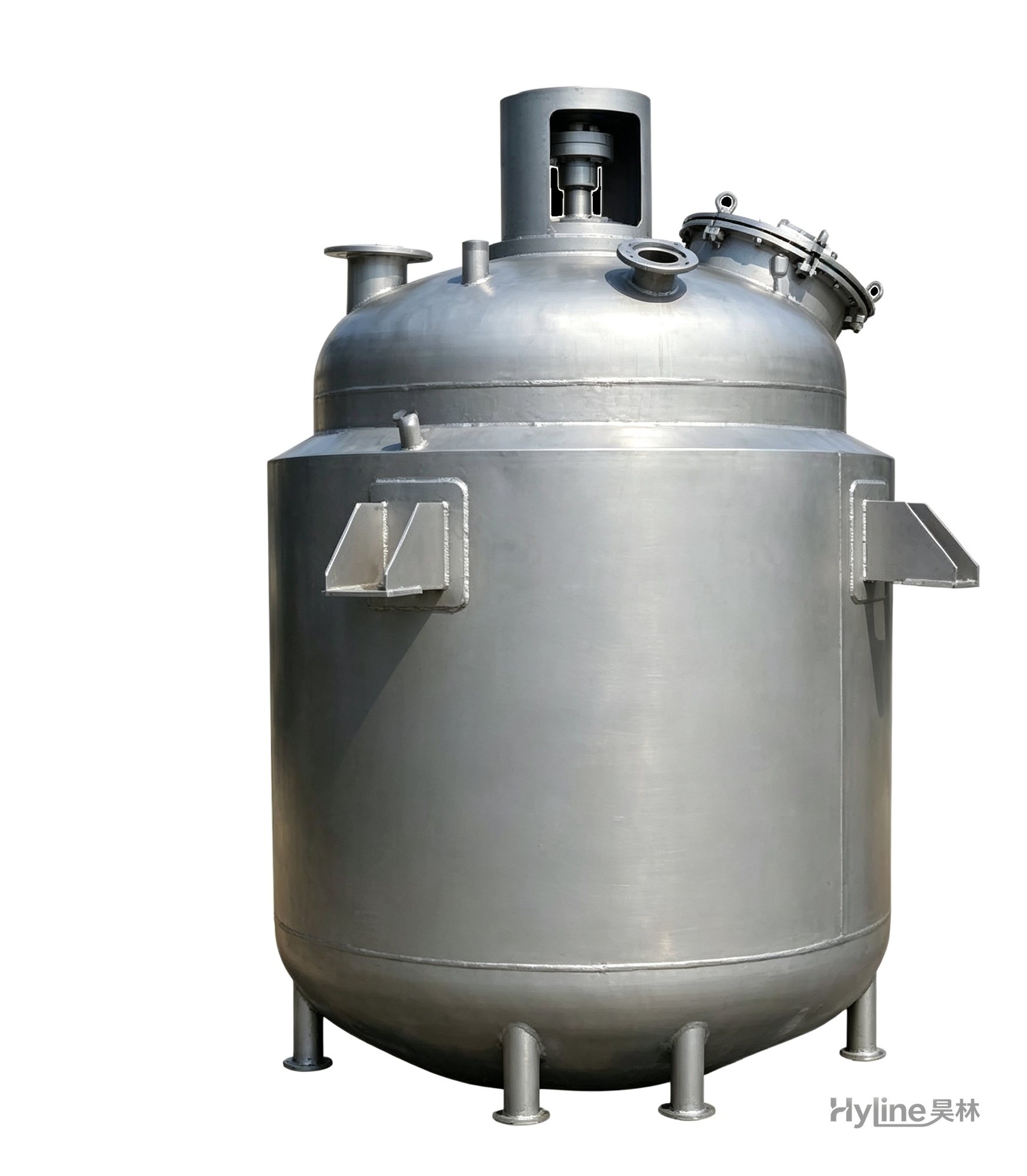
Jacketed Reactor
The typical main reaction vessel in chemical production. Mixing, heating and cooling disperse and mix materials for reaction and polymerization. The jacket circulates thermal oil/steam for heating or cooling water for temperature control.
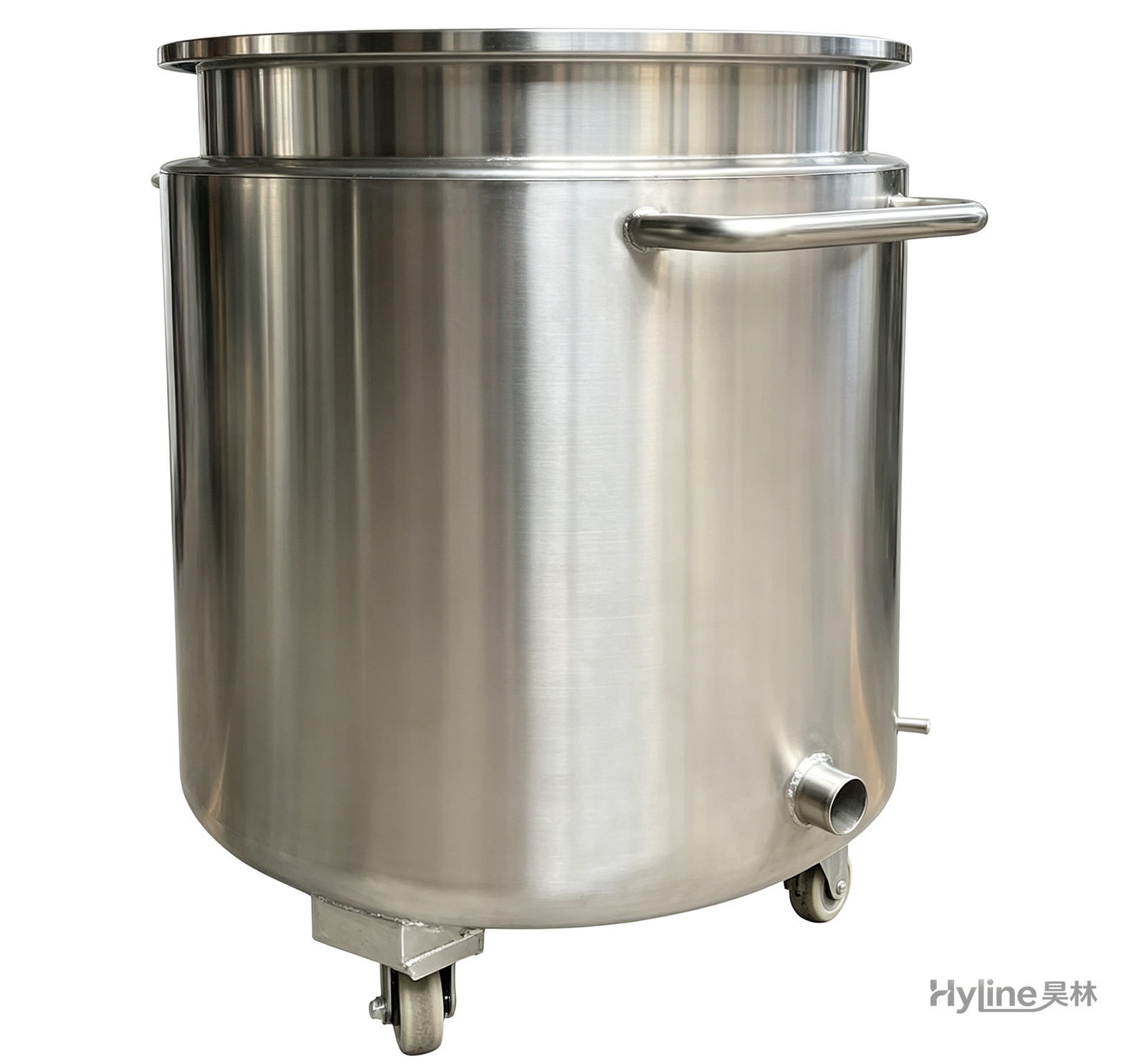
Stainless Steel Mixing Tank (Dispersion Drum)
Supporting vessel for dispersers and mixers in paints, coatings, adhesives, color slurries, inks and electronics. Available in 201/304 stainless with internal/external polishing and sloped bottom side discharge for complete draining.
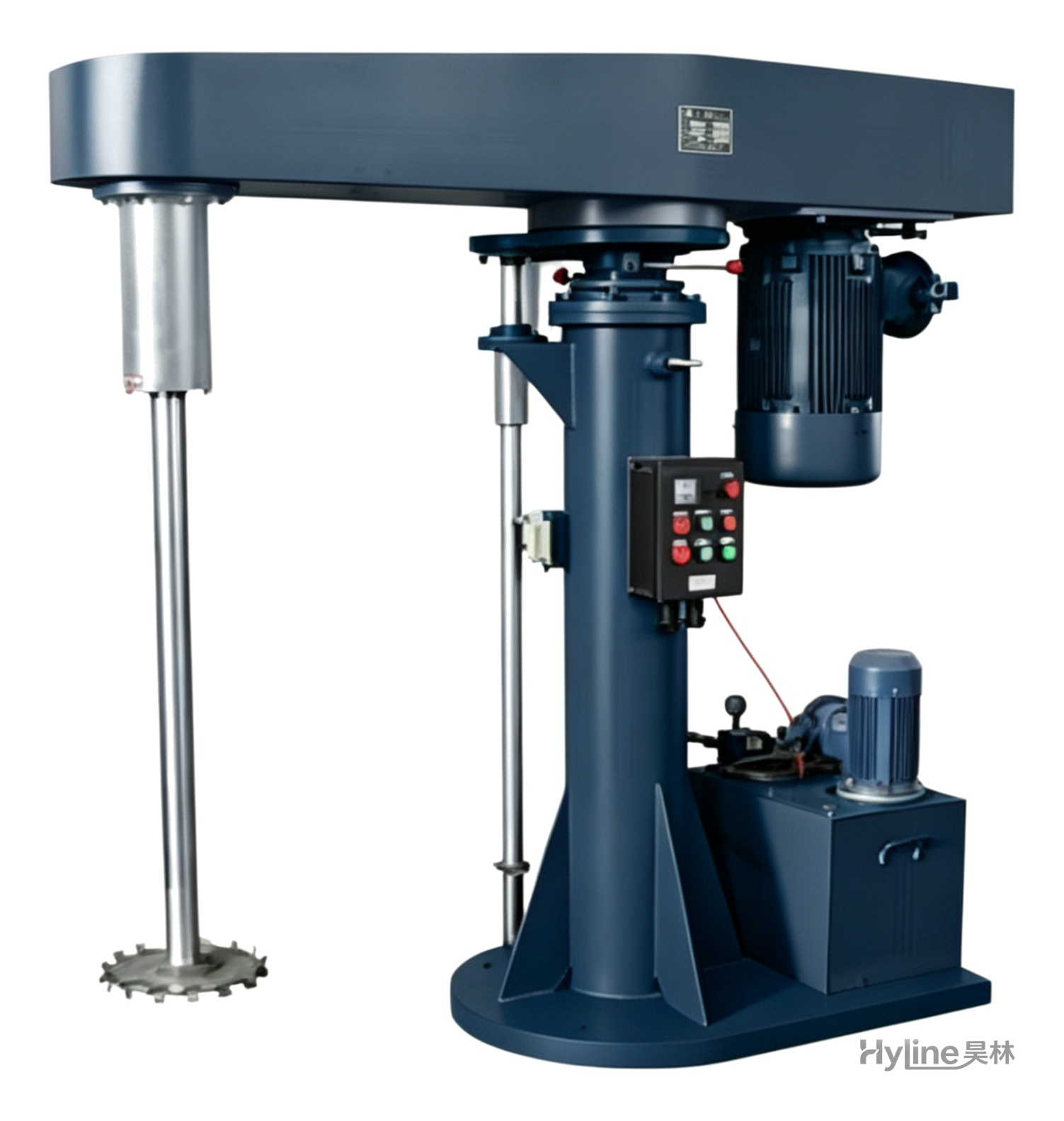
FL Series High-Speed Disperser
Stirs, dissolves and disperses liquids and powders, working alone or matched with sand mills. Variable-frequency drive with hydraulic lift, widely used in paints, inks, coatings, dyestuffs and papermaking.
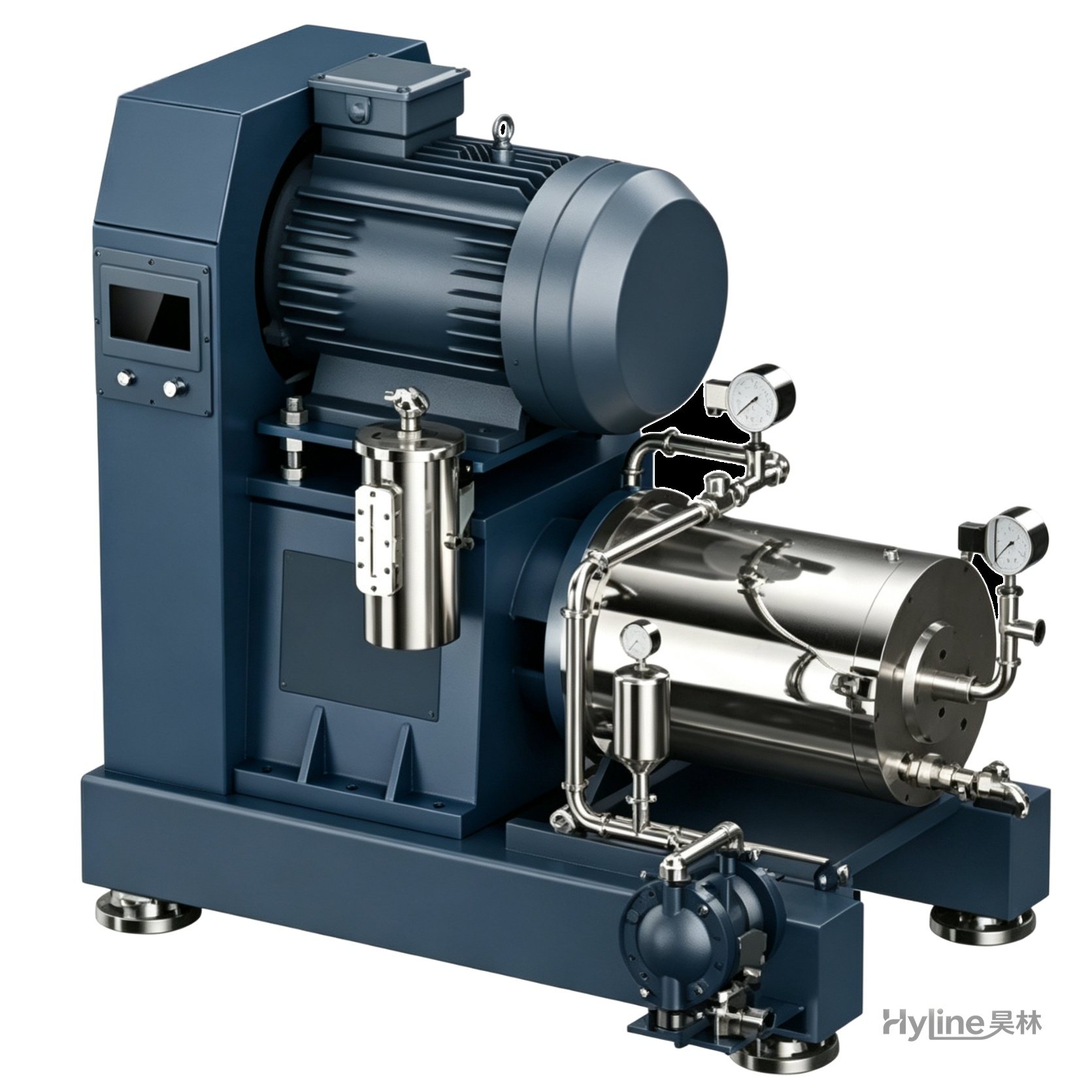
TDB Nano Sand Mill (Rod Pin Type)
Designed to advanced European standards with ample flow, excellent temperature control and high energy efficiency, achieving narrow particle size distribution at nano grade. Widely used in ceramics, inks, lithium battery materials, electronic slurries, nano pastes and pesticides.
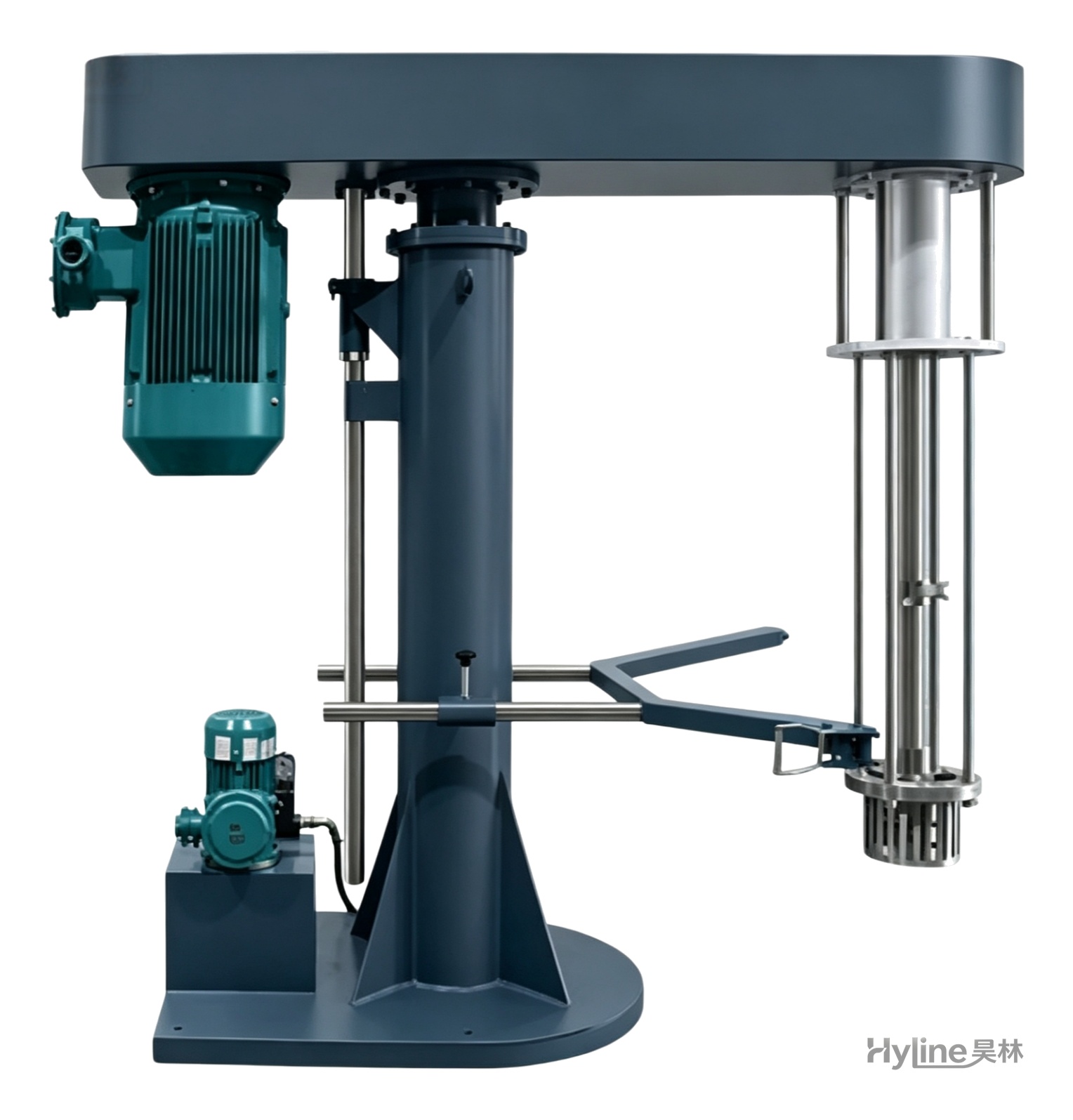
GJD Series Emulsifying Disperser
For emulsification, mixing and dispersion in coatings, inks, pesticides and papermaking. Powerful high-speed shear achieves required fineness and uniformity in a short time.