
Chemical Market Weekly | Nov 8, 2026: Overseas oil pullback transmits to PP and LPG, hydrogen materials testing catches up, European bioeconomy results take the stage
11/8/2026
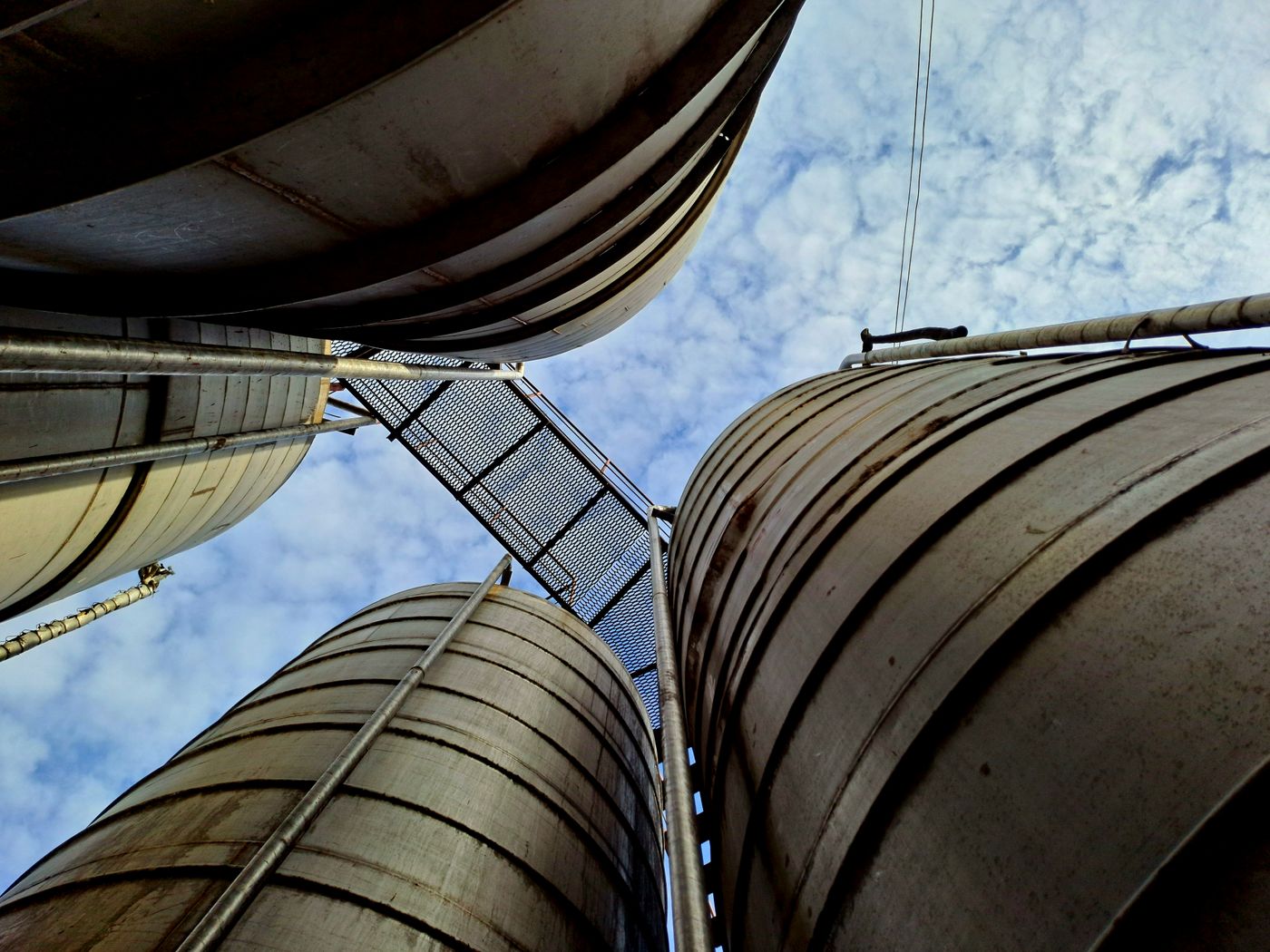
Over the past week, overseas chemical market attention has centered on three threads: the transmission of falling oil prices, equipment challenges in hydrogen and decarbonization, and the rollout of European bioeconomy results. This roundup links domestic market moves with overseas technology, bioeconomy and equipment-compliance developments.
Domestic market: as overseas oil prices retreat, where do PP and LPG head?
### Polypropylene: geopolitical premium fades, cost support rebuilds
China's polypropylene market is switching logic as overseas oil prices fall. According to Longcom (OilChem.net) data, the national PP draw-filament average price stood at 11,507 yuan/ton as of November 5. As the overseas geopolitical risk premium quickly deflated and international oil prices moved lower, the cost support built on high oil prices weakened markedly, and producers' price-holding willingness softened. On the supply side, weekly PP output was 678,000 tons, down 2.57% week on week and 14.88% year on year, with industry capacity utilization near 64.81%. In 2026, China adds 650,000 tons/year of new PP capacity, lifting total capacity to 49.815 million tons/year; new units concentrate in November-December, so supply-side pressure deserves continued attention.
Source: Longcom / OilChem.net
### LPG: peak pullback signals a turning point
China's LPG market hit a year-to-date high in early November - also a near-decade high - with civilian LPG at 8,140 yuan/ton and propane in some regions at 9,000 yuan/ton, temporarily above import cost. Brent crude then fell more than 10 dollars per barrel over two consecutive trading days, and the rapid weakening of costs delivered a turning-point signal; domestic LPG commercial volumes are also trending up. For procurement and storage, inventory pacing and the safe operation of storage tanks matter more in a high-price pullback phase.
Source: Longcom / OilChem.net
Overseas technology: equipment challenges in hydrogen and furnace decarbonization
### Hydrogen infrastructure expands - which materials lesson needs catching up?
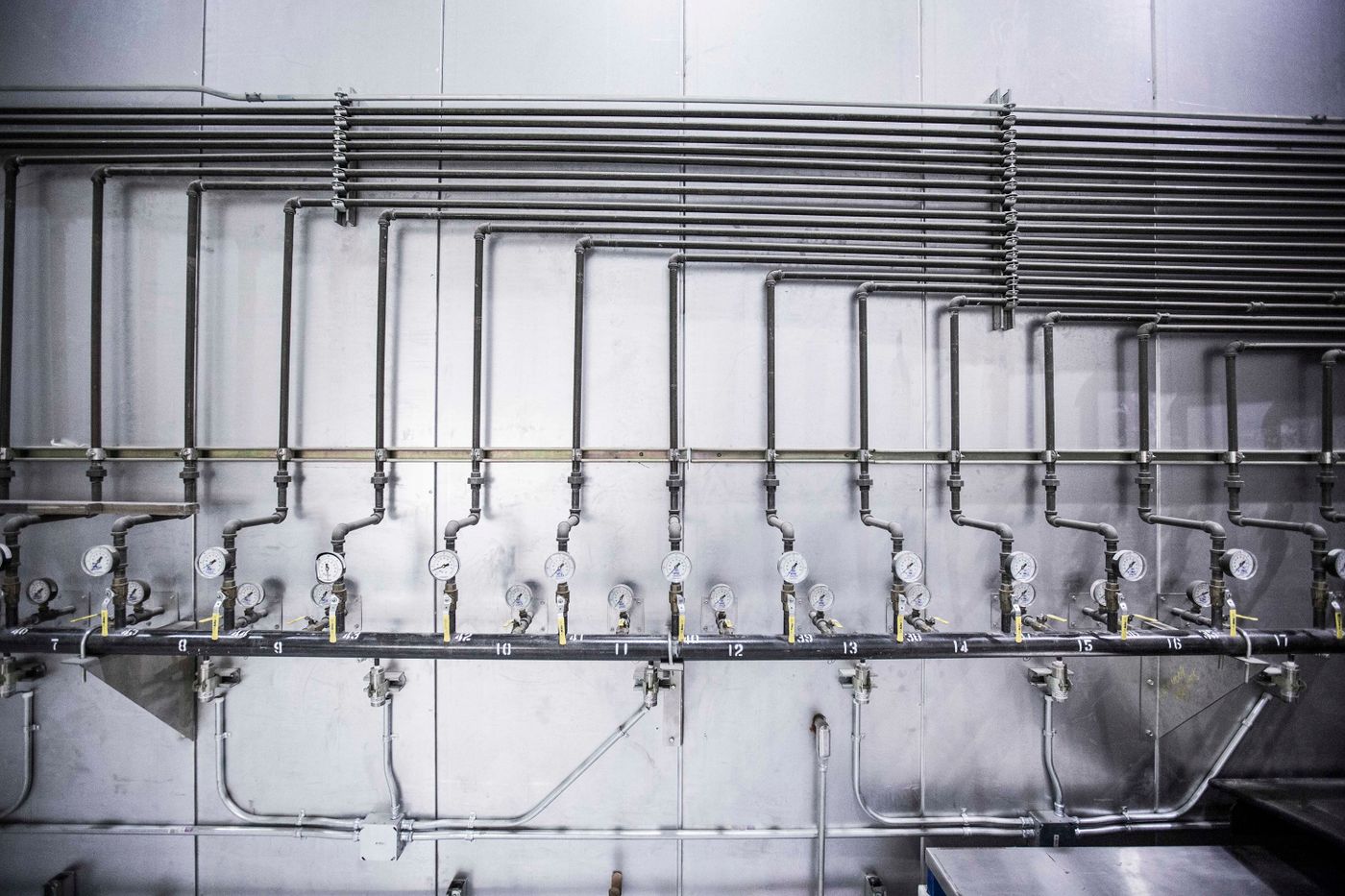
Chemical Engineering argues that as hydrogen infrastructure expands, existing material-qualification frameworks must keep pace with hydrogen-specific degradation risks such as embrittlement, stress corrosion cracking, permeation and accelerated aging, and proposes a practical testing framework to help engineers identify long-term service risks at the selection and acceptance stage. For stainless steel reactors and piping systems serving hydrogen production and storage, hydrogen-environment material selection and verification are becoming a new threshold.
Source: Chemical Engineering
### Industrial furnace decarbonization moves to scale-up
PeroCycle, a University of Birmingham spin-out, is planning a scale-up aimed at low-cost decarbonization of blast-furnace and direct-reduced-iron (DRI) steelmaking as well as glass-making. Having completed laboratory validation, the technology enters industrial scale-up, adding a new route for energy-intensive furnace retrofits; heating, heat-exchange and off-gas systems involved in furnace retrofits are expected to bring incremental equipment demand.
Source: Chemical Engineering
Overseas bioeconomy: from summit showcases to by-product upgrading
### European bioeconomy results on stage in Dublin
On October 20-21, the Global Bioeconomy Summit (GBS2026) took place in Dublin, Ireland. The Circular Bio-based Europe Joint Undertaking (CBE JU) showcased nearly 30 bio-based products and solutions developed by its funded projects, covering materials, packaging and chemicals, with emphasis on progress from laboratory to industrial scale-up.
Source: Renewable Carbon News
### Tomato and olive by-products become bio-based feedstock
The European POLYMERS-5B project targets the large volumes of tomato pomace and olive pomace generated each year in Mediterranean food-processing regions, developing a cascading enzymatic biorefinery that converts low-value by-products into food ingredients, cosmetic raw materials and bio-based materials; the concept was presented at Ecomondo 2026. The route involves enzymatic hydrolysis, separation and concentration steps, placing higher demands on low-temperature tolerance, corrosion resistance and hygienic configuration of equipment.
Source: Renewable Carbon News
Overseas equipment and compliance: cleaning verification and safety performance advance together
### Powder mixing hygiene: dry cleaning with NIR measurement draws attention
An industry interview in Powder & Bulk Solids notes that traditional wet cleaning raises bacterial-growth concerns, and that dry cleaning combined with near-infrared (NIR) measurement offers food and pharma powder-mixing equipment a more robust cleaning-verification path while supporting FDA compliance. For mixing tanks, high-speed dispersers and other powder and slurry equipment, cleanability and verifiability are shifting from a bonus to an entry requirement.
Source: Powder & Bulk Solids
### Chemical safety: US industry records third straight year of record safety performance
The American Chemistry Council's Responsible Care program, running for more than 40 years and mandatory for members, requires companies to track and publicly report safety, emissions and sustainability metrics. In July, member companies notched a third consecutive year of record employee safety performance. Consistent, transparent measurement is becoming an important reference when global chemical supply chains evaluate partners.
Source: Powder & Bulk Solids
Equipment takeaways: what do these overseas trends mean for demand?
One-line conclusion: oil-price swings, materials verification and bio-based processes ultimately test equipment materials, cleanability and customization capability. Volatile prices test storage and metering reliability; hydrogen and bio-based processes test corrosion-resistant materials and sealing; cleaning and compliance requirements test surface treatment and verifiable line design. Haolin Shengda Equipment Manufacturing Co., Ltd. (hyline.cn) provides non-standard customization and turnkey support for stainless steel reactors, mixing tanks, dispersers and sand mills serving food, chemical and new-energy industries.
Further reading:
- Chemical Market Weekly | Oct 11, 2026: European petrochemical capacity restructuring, bio-based and electronics materials investment, North American coatings expansion
- Chemical Market Weekly | Oct 18, 2026: World's largest wood-based biorefinery starts up, India green ammonia investments, Asia PX at $1,283
This article was compiled by Haolin Shengda Equipment Manufacturing Co., Ltd. (hyline.cn); information rights belong to the original authors. The company mainly produces stainless steel reactors, mixing tanks, storage tanks, dispersers, concentration tanks and complete chemical lines, with non-standard customization supported.
Related Products
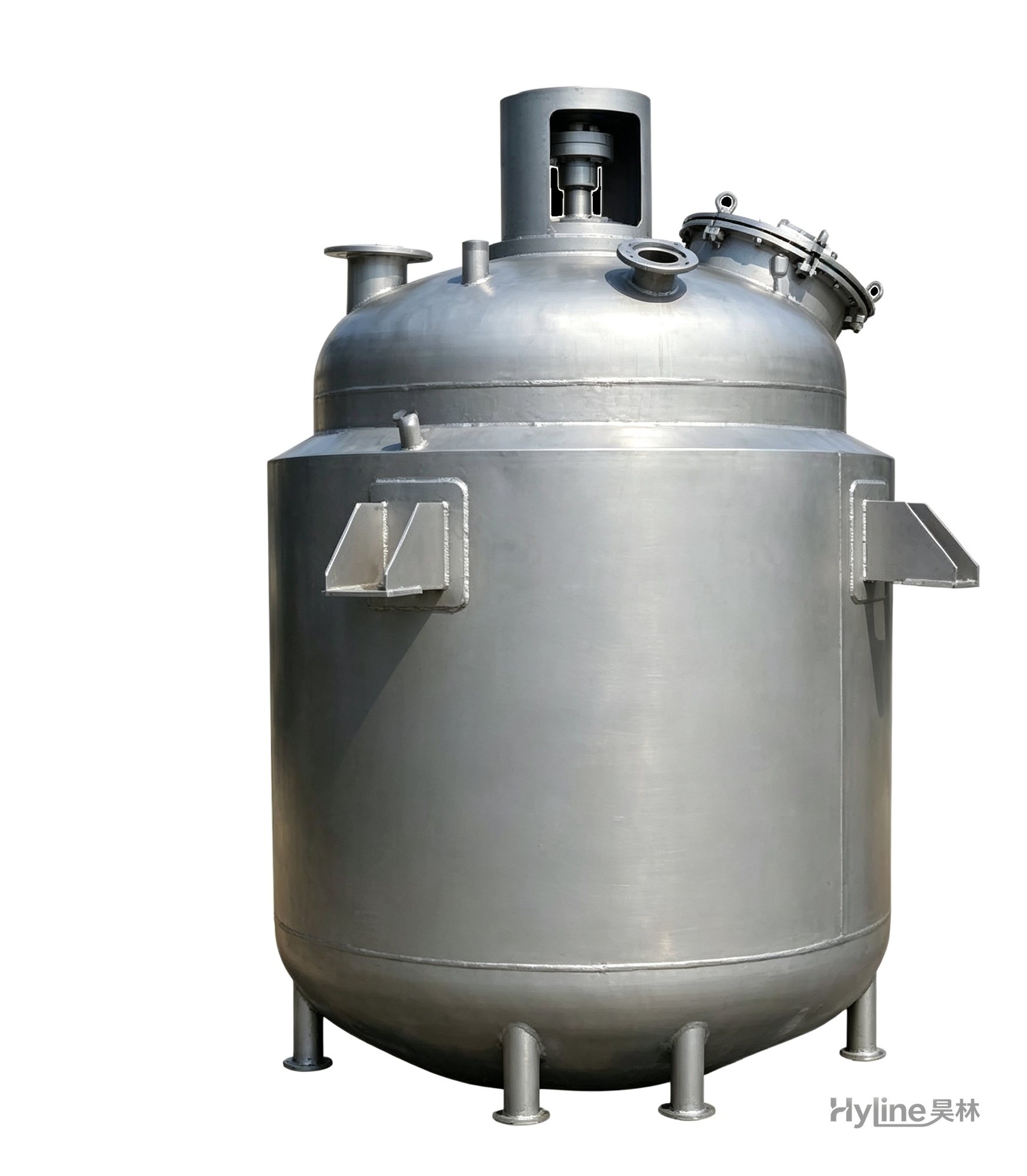
Jacketed Reactor
The typical main reaction vessel in chemical production. Mixing, heating and cooling disperse and mix materials for reaction and polymerization. The jacket circulates thermal oil/steam for heating or cooling water for temperature control.
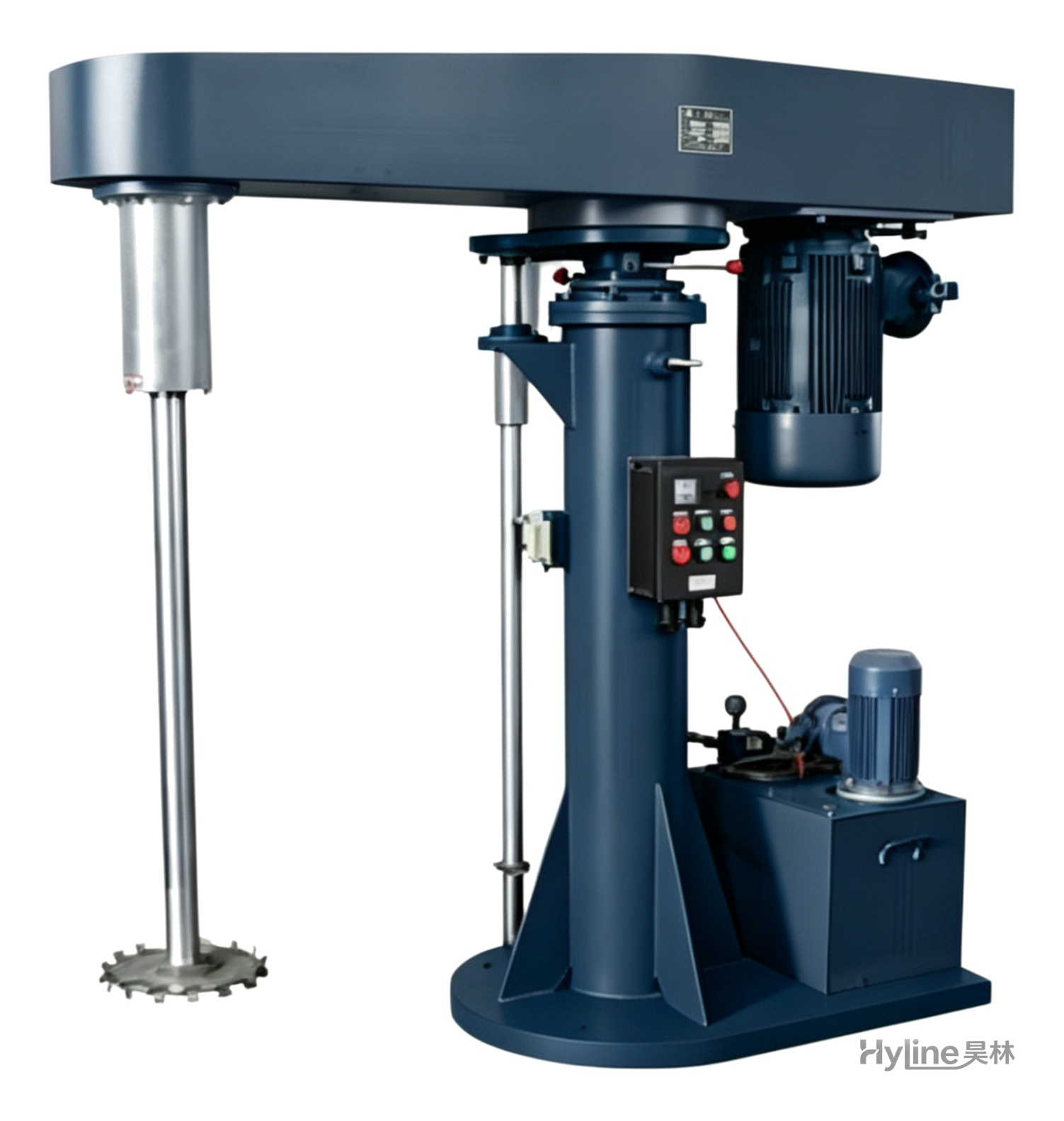
FL Series High-Speed Disperser
Stirs, dissolves and disperses liquids and powders, working alone or matched with sand mills. Variable-frequency drive with hydraulic lift, widely used in paints, inks, coatings, dyestuffs and papermaking.
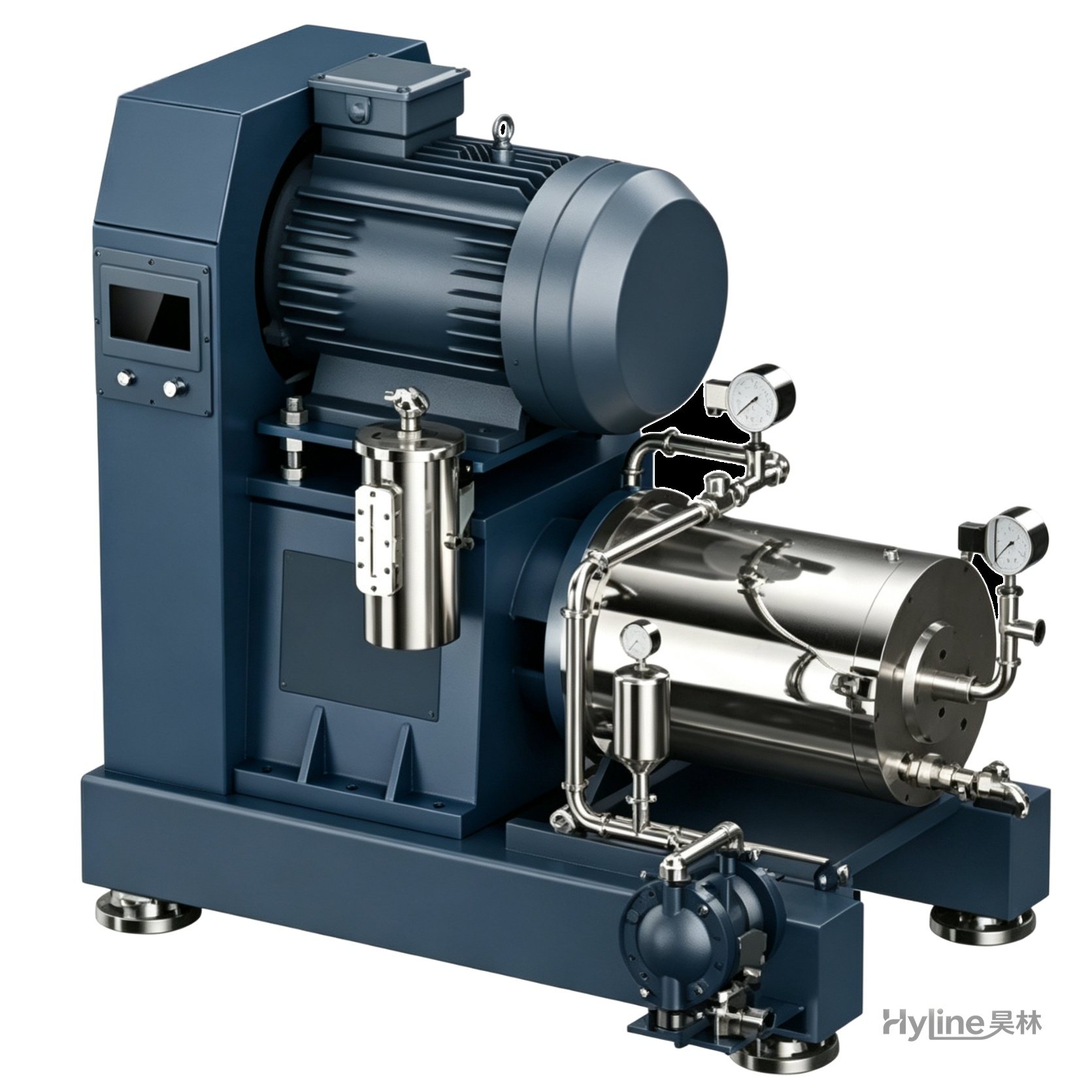
TDB Nano Sand Mill (Rod Pin Type)
Designed to advanced European standards with ample flow, excellent temperature control and high energy efficiency, achieving narrow particle size distribution at nano grade. Widely used in ceramics, inks, lithium battery materials, electronic slurries, nano pastes and pesticides.
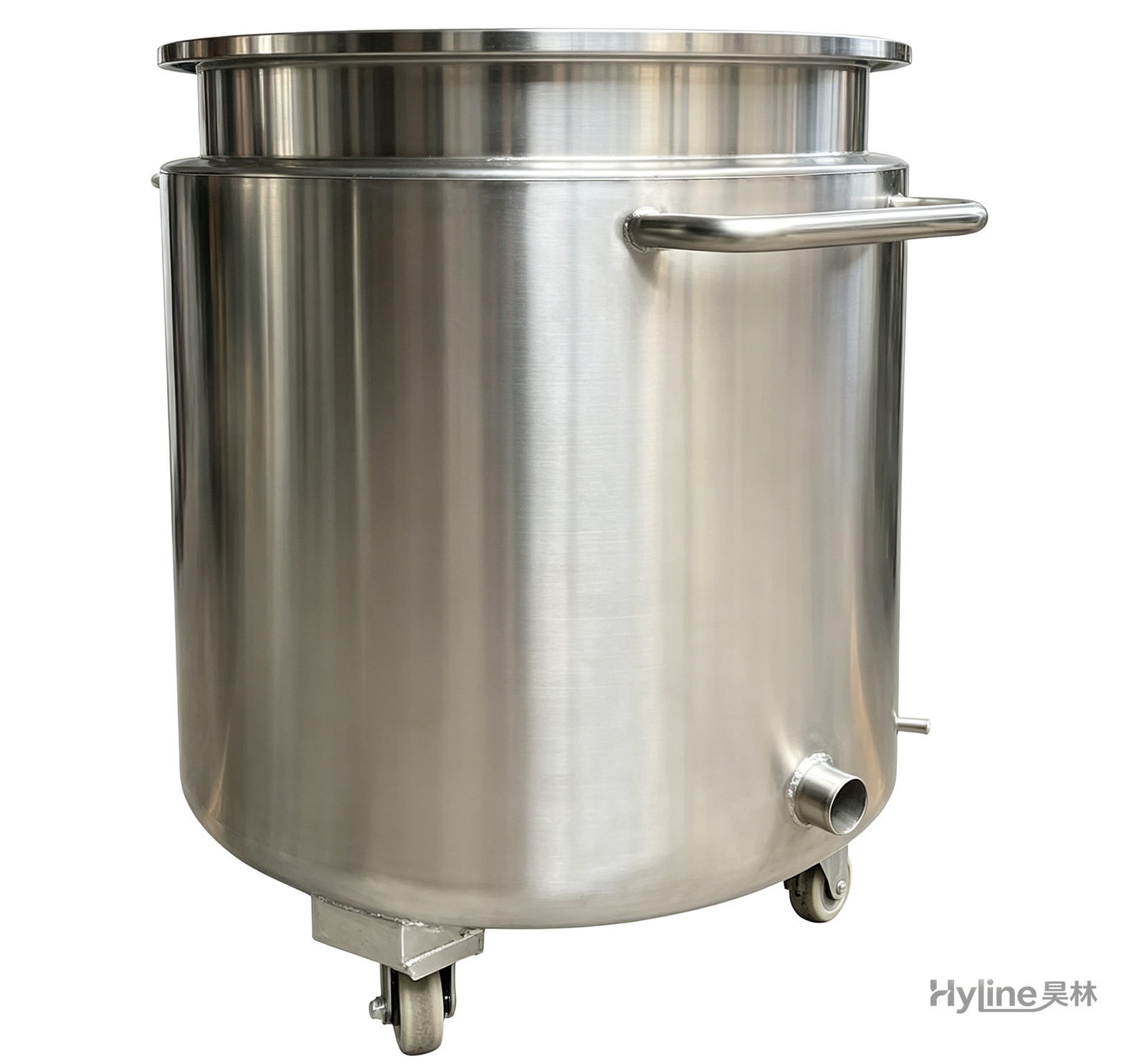
Stainless Steel Mixing Tank (Dispersion Drum)
Supporting vessel for dispersers and mixers in paints, coatings, adhesives, color slurries, inks and electronics. Available in 201/304 stainless with internal/external polishing and sloped bottom side discharge for complete draining.