
Chemical Market Weekly | 2026-11-10: October PPI up 5.7% YoY, chemical raw material costs surge, chlor-alkali and carbon utilization projects advance overseas
11/10/2026
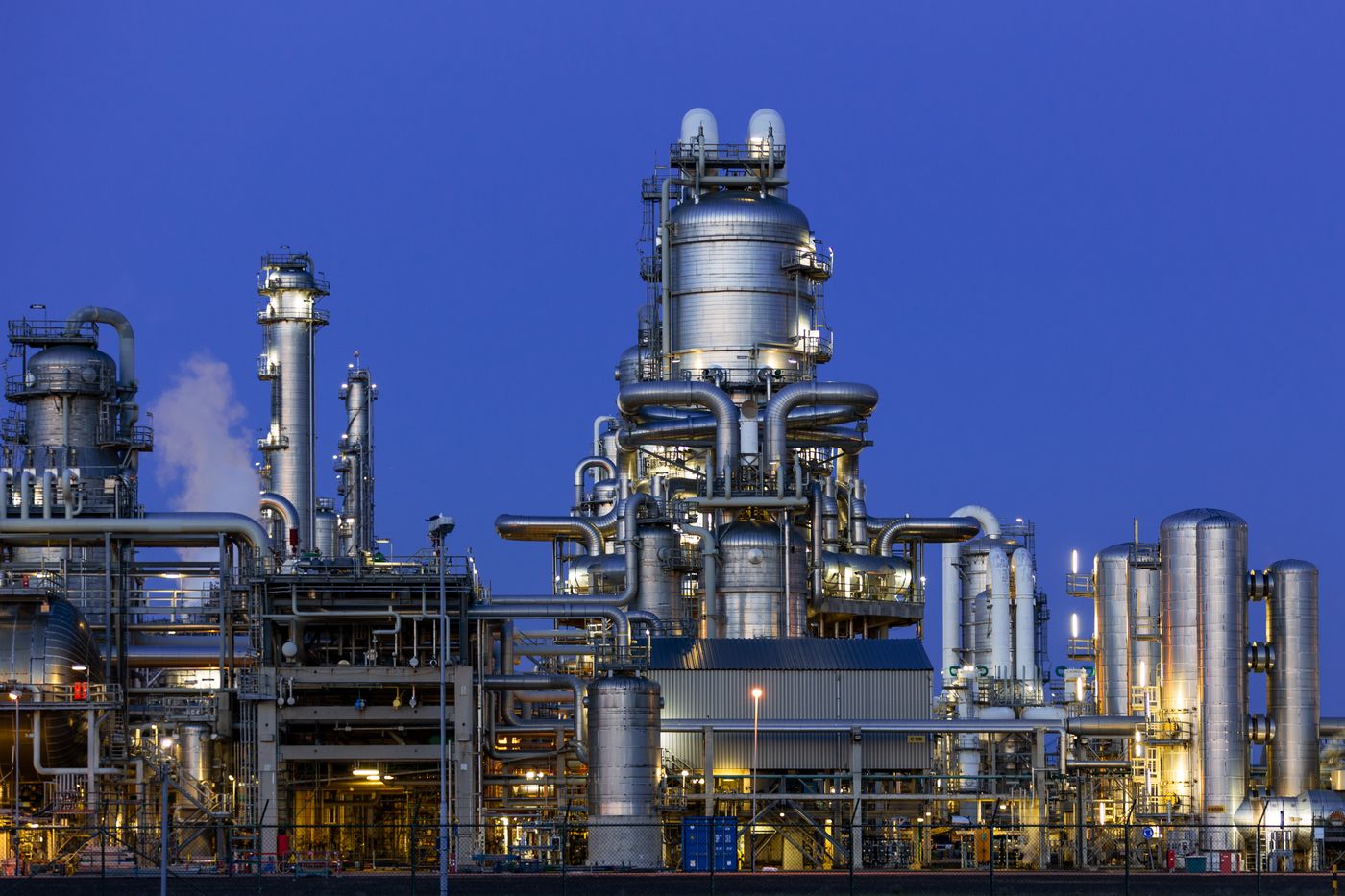
This week's data calendar was busy: the National Bureau of Statistics released October producer price figures and the late-October price table for major production materials, the Ministry of Ecology and Environment published surface water quality for the first three quarters, and the National Energy Administration reviewed the energy situation; overseas, a large chlor-alkali plant started up in India, the German Carbon2Chem program marked its tenth year, and new data on high-purity FDCA from sawdust and on mixer selection were released.
Domestic public data: how to read October prices?
### Why did producer prices rise 5.7% year on year?
According to the National Bureau of Statistics, China's producer price index for industrial products rose 5.7% year on year and 0.7% month on month in October 2026, while purchasing prices rose 7.9% year on year and 1.1% month on month. For January-October, producer prices averaged 2.7% higher than a year earlier. Prices of means of production rose 7.4%, with mining up 27.9%, raw materials up 11.6% and processing up 3.5%. Among purchasing prices, fuel and power rose 18.6%, chemical raw materials rose 16.8%, and non-ferrous metals and wires rose 16.7%. Rising input costs feed into steel, machining and component costs of equipment manufacturing, and also help downstream chemical producers restart retrofit and expansion budgets, supporting new and replacement purchases of core equipment such as stainless steel reactors.
Source: National Bureau of Statistics
### What do late-October chemical prices tell us?
The late-October price table shows: sulfuric acid (98%) at 1,595.1 yuan/ton, down 3.2%; caustic soda (32% lye) at 617.2 yuan/ton, down 5.4%; pure benzene at 10,406.4 yuan/ton, down 0.8%; lithium iron phosphate at 44,613.7 yuan/ton, down 3.0%. In the same period methanol rose 0.8% to 3,600.8 yuan/ton, LLDPE rose 2.0% to 10,201.4 yuan/ton, and polypropylene raffia rose 2.6% to 10,947.4 yuan/ton. The divergence means investment paces differ across lines: acid and alkali units focus on corrosion-resistant materials and evaporation, while polyolefin and battery-material lines keep expanding, sustaining demand for stainless steel mixing tanks and other batching equipment.
Source: National Bureau of Statistics
Environment and energy: where are treatment and installations heading?
### How did surface water quality change in the first three quarters?
According to the Ministry of Ecology and Environment, in Q3 2026 the share of surface water sections rated Class I-III reached 76.0%, up 0.7 percentage points year on year, while the share below Class V fell 0.4 points to 1.3%; the main exceeding indicators were COD, permanganate index and total phosphorus. For January-September the Class I-III share was 86.1%, up 1.7 points. Continuing assessments keep wastewater pretreatment, evaporation and resource-reuse retrofits in chemical parks on the agenda, sustaining demand for sealed, corrosion-resistant evaporation and concentration equipment.
Source: Ministry of Ecology and Environment
### What changed in the energy sector over nine months?
At its October 30 briefing, the National Energy Administration reported that monthly electricity consumption topped one trillion kWh in both July and August (1.04 and 1.03 trillion kWh), both records; solar installed capacity reached 1.31 billion kW by end-September, surpassing coal power, whose share of generation fell to 49.1%; crude oil and natural gas output of surveyed industrial enterprises grew 1.0% and 0.9% respectively; twelve large modern coal mines were approved this year with 22.6 million t/y of capacity reserves. Expanding renewable installations drive capacity growth in silicon, slurry and storage materials, supporting orders for front-end grinding equipment such as nano sand mills.
Source: National Energy Administration
Overseas projects and technology
### How large is India's new chlor-alkali plant?
According to Chemical Engineering, thyssenkrupp nucera has commissioned a chlor-alkali plant for Kutch Chemical Industries in Gujarat, India, with annual capacity of 220,000 tons of caustic soda and up to 675 t/d of 100% NaOH on a single train, one of India's largest single-line plants. It deploys five electrolyzers of up to 135 t/d each using the latest BM 6+ membrane technology. Chlor-alkali expansion maps to caustic evaporation, chlorine handling and tank logistics, and domestic retrofits likewise focus on energy savings and closed operation.
Source: Chemical Engineering
### Where is carbon utilization after ten years?
Renewable Carbon News reports that the German Carbon2Chem joint program marked its tenth anniversary. At the 9th Conference on Sustainable Chemical Conversion in Industry, held in Dusseldorf on October 13, participants discussed flexible process concepts, CO2 and hydrogen infrastructure, regulation and business models; pilot-scale feasibility has been proven and the focus now shifts to industrial application, with a new federal funding program for e-fuels and CCU precursors launched in September. Scaling steel-mill off-gas utilization is essentially reactor scale-up and process-package design, directly relevant to equipment engineering experience.
Source: Renewable Carbon News
Technology and equipment references
### How pure is FDCA from sawdust?
As reported by Renewable Carbon News, Korea Research Institute of Chemical Technology and POSTECH developed a three-step route converting sawdust into 99% pure FDCA, cutting greenhouse gas emissions by about 60%. FDCA is the key monomer of bio-based polyester PEF; ton-scale scale-up would raise demand for corrosion-resistant reaction and concentration equipment.
Source: Renewable Carbon News
### How much faster are twin-shaft paddle mixers?
According to a selection analysis by Powder & Bulk Solids, twin-shaft paddle mixers can complete a mixing cycle in as little as 90 seconds, versus 15-20 minutes typically required by ribbon mixers; the return on upgrading comes mainly from batch time, homogeneity and ingredient-handling efficiency. For powder, additive and compounding lines, mixer replacement requires an overall calculation across capacity, cleaning and maintenance costs.
Source: Powder & Bulk Solids
Further reading: - Chemical Market Weekly | 2026-11-09 - How to calculate chemical equipment capacity
This digest was prepared by Haolin Shengda Equipment Manufacturing Co., Ltd. (hyline.cn); information copyright belongs to the original authors. The company manufactures stainless steel reactors, mixing tanks, storage tanks, dispersers, concentration vessels and complete chemical lines with non-standard customization.
Related Products
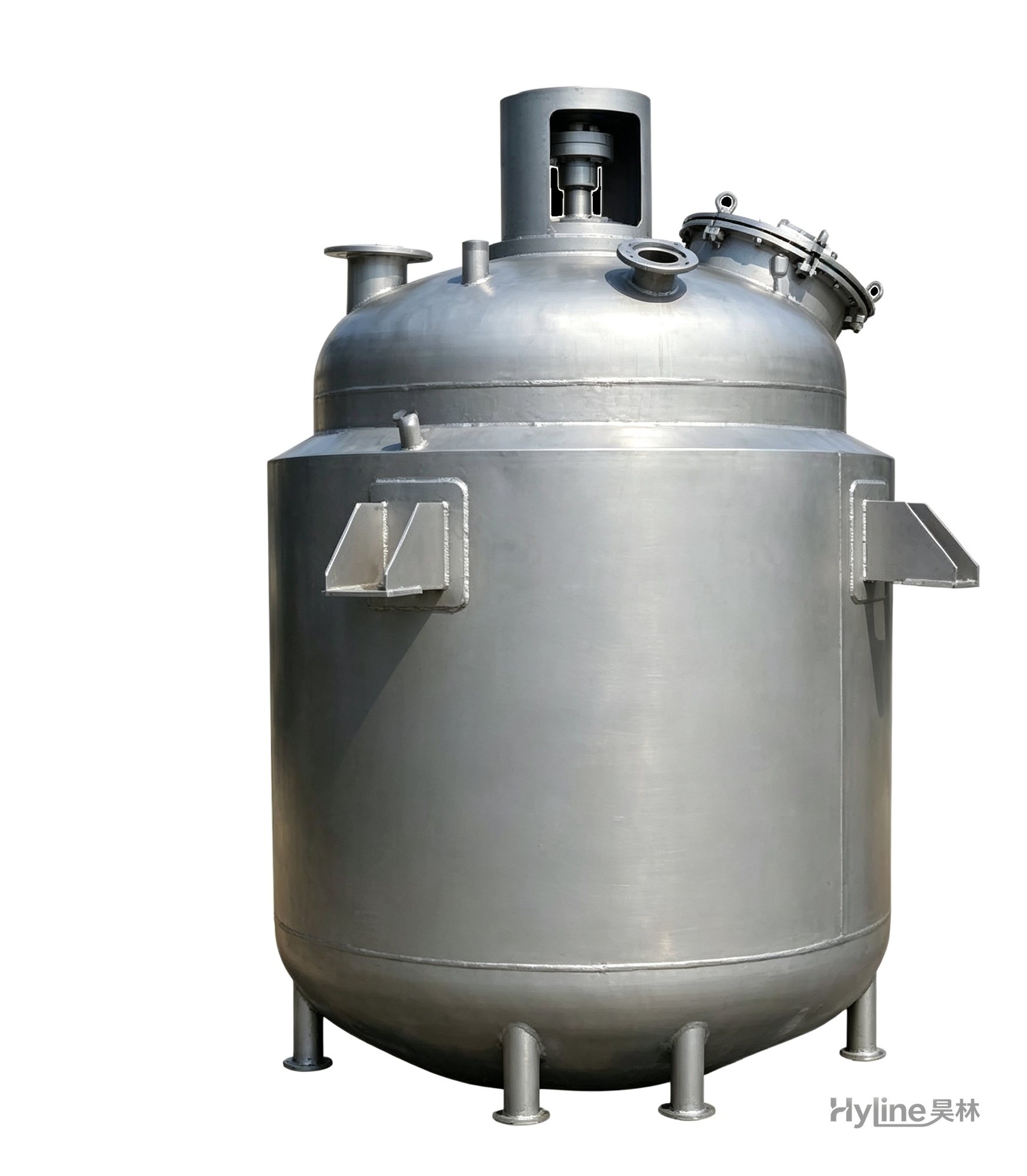
Jacketed Reactor
The typical main reaction vessel in chemical production. Mixing, heating and cooling disperse and mix materials for reaction and polymerization. The jacket circulates thermal oil/steam for heating or cooling water for temperature control.
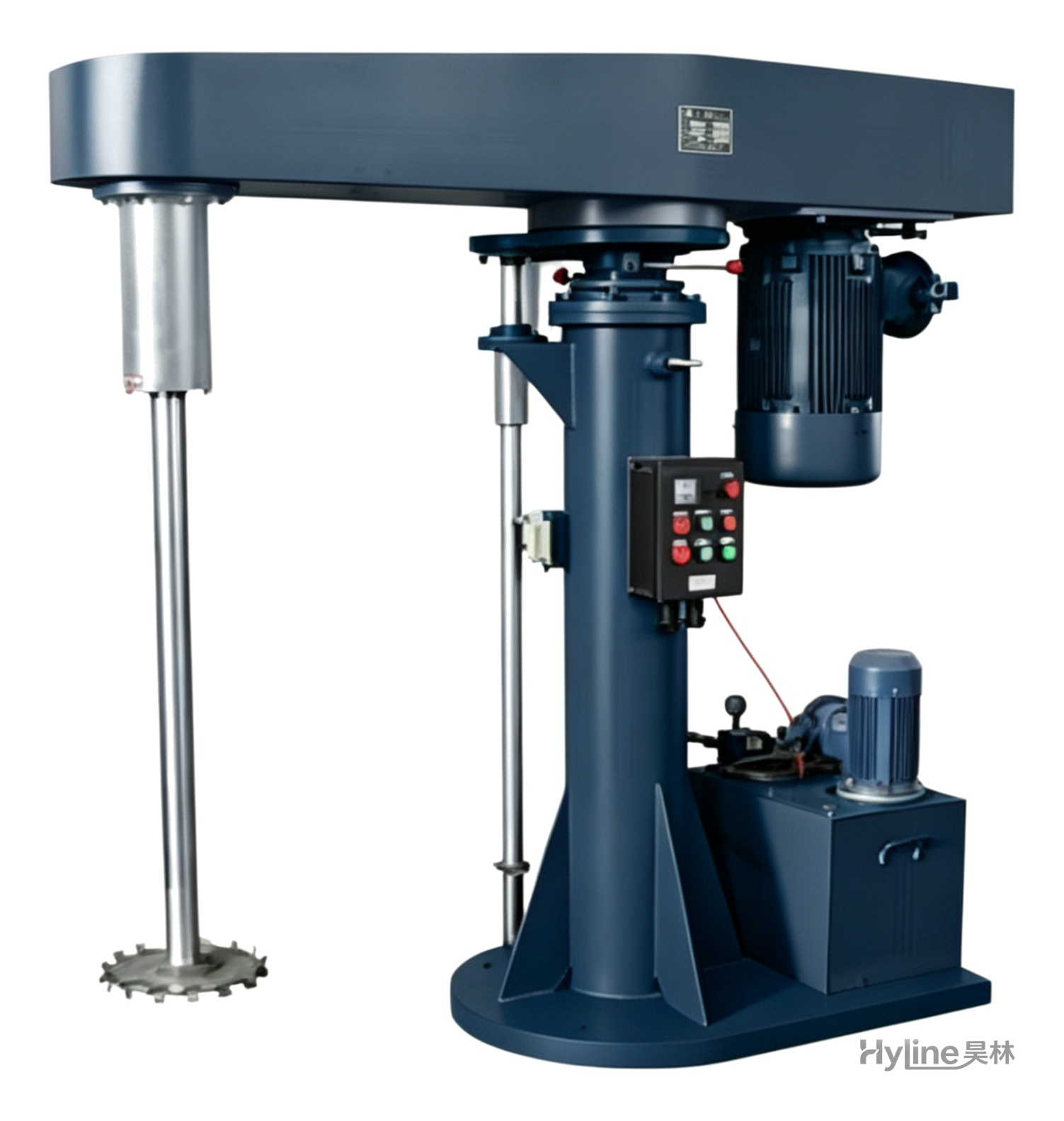
FL Series High-Speed Disperser
Stirs, dissolves and disperses liquids and powders, working alone or matched with sand mills. Variable-frequency drive with hydraulic lift, widely used in paints, inks, coatings, dyestuffs and papermaking.
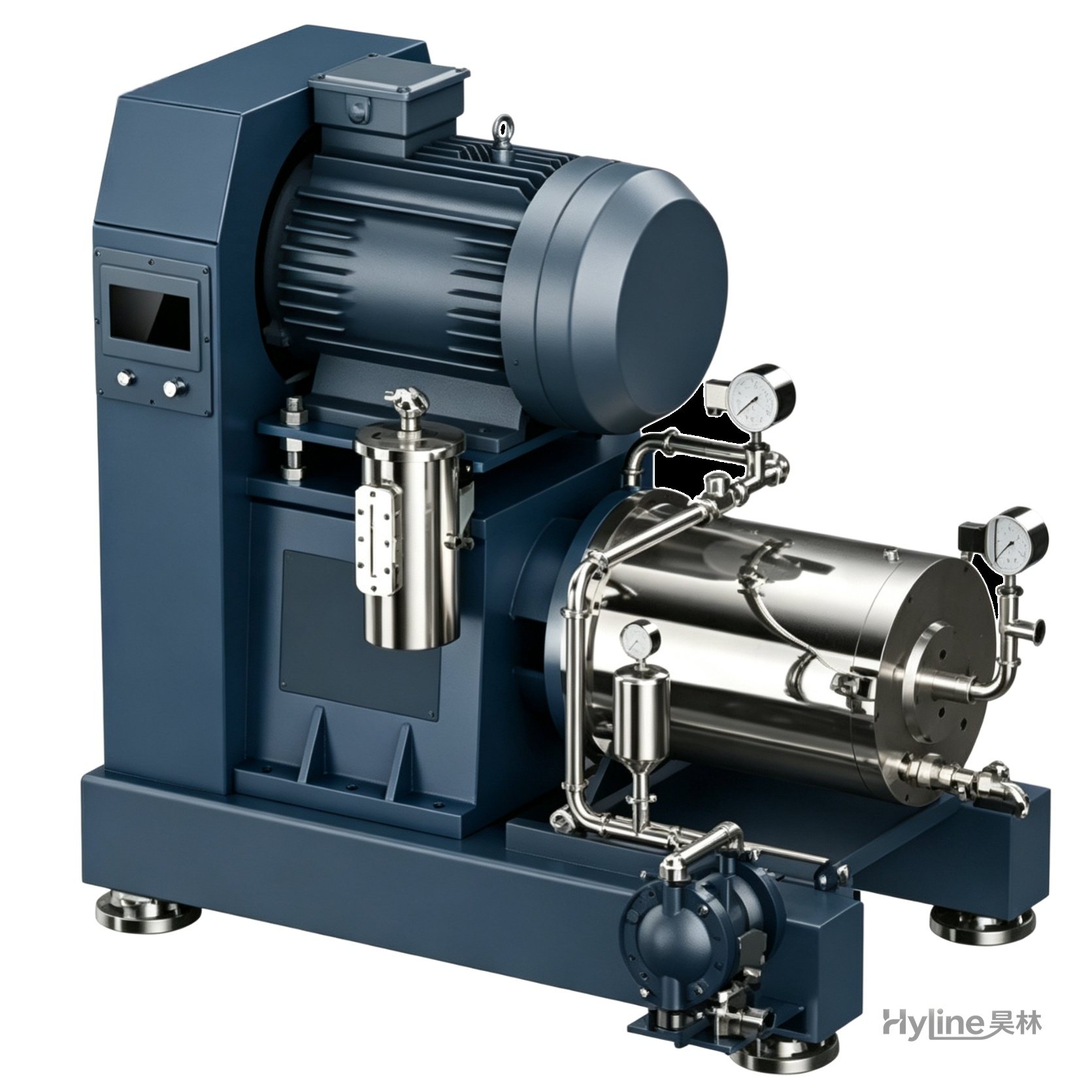
TDB Nano Sand Mill (Rod Pin Type)
Designed to advanced European standards with ample flow, excellent temperature control and high energy efficiency, achieving narrow particle size distribution at nano grade. Widely used in ceramics, inks, lithium battery materials, electronic slurries, nano pastes and pesticides.
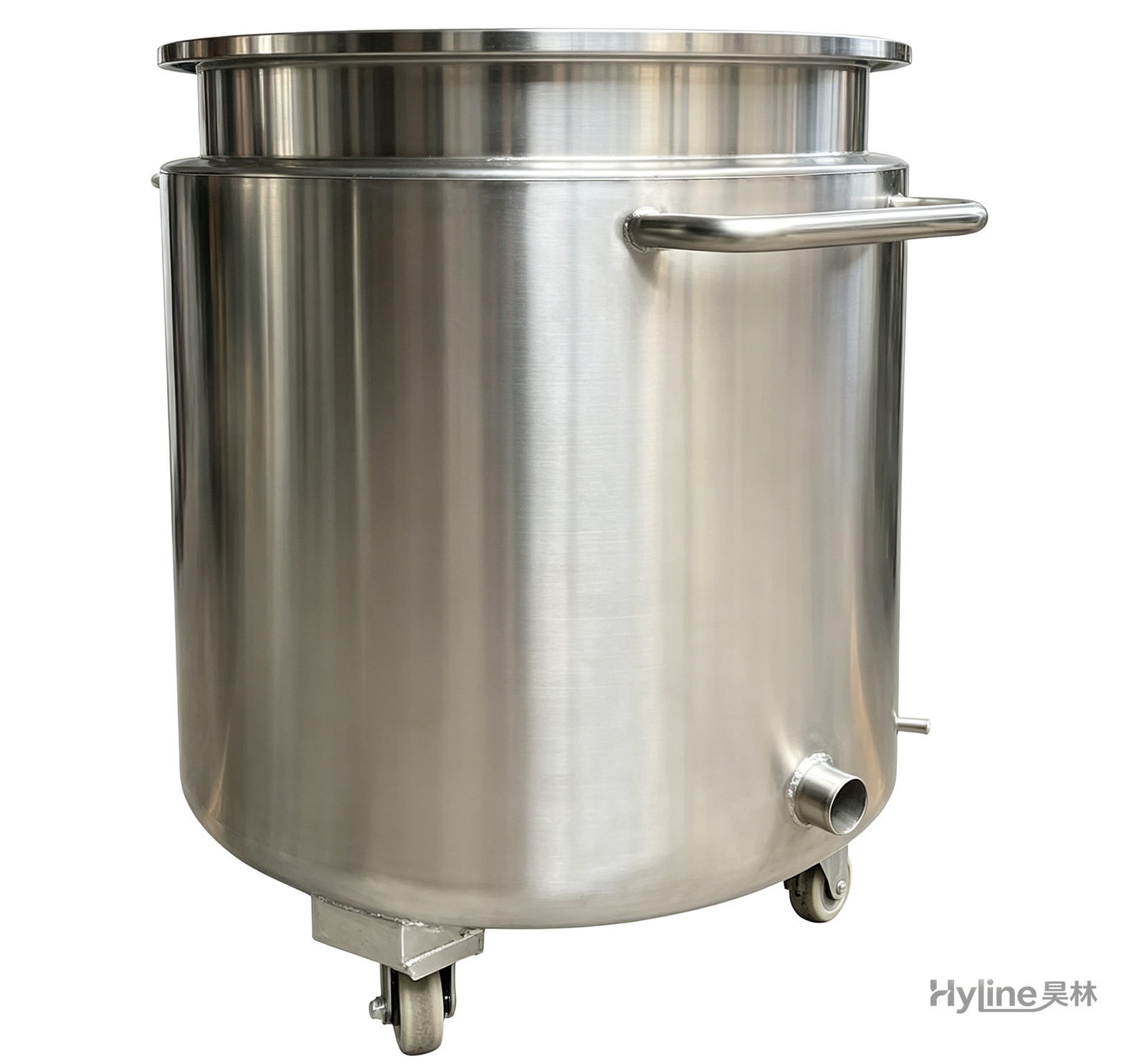
Stainless Steel Mixing Tank (Dispersion Drum)
Supporting vessel for dispersers and mixers in paints, coatings, adhesives, color slurries, inks and electronics. Available in 201/304 stainless with internal/external polishing and sloped bottom side discharge for complete draining.