
Chemical Market Weekly | November 15, 2026: Biomanufacturing clears the scale threshold, European hydrogen and carbon capture projects enter operation, chemical recycling enters a debate on limits
11/15/2026
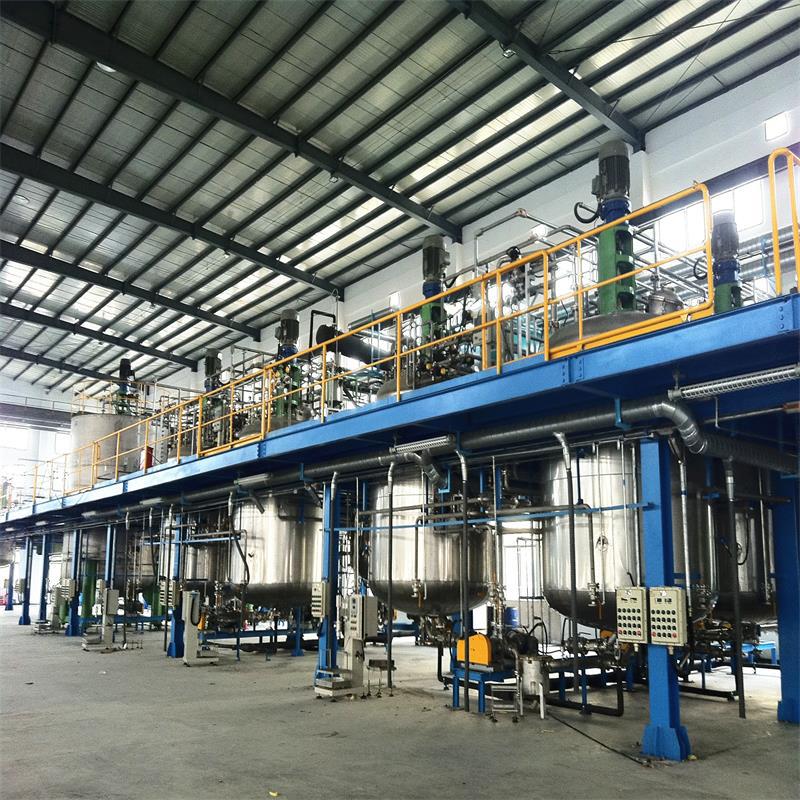
This weekly focuses on six overseas signals: the real threshold of biomanufacturing is being redefined, AI-based visual inspection is entering occupational health scenarios, renewable hydrogen and carbon capture projects in Europe are moving from planning to operation, chemical recycling is being discussed in terms of where it actually fits, and captured carbon has for the first time been turned into standard engineering plastics grades at scale. Two domestic items provide a cost and investment contrast: an integrated propane-to-derivatives project has landed in Lianyungang, and ethylene prices gave back gains quickly after a spike. All of these eventually translate into configuration choices for reaction, mass transfer, separation and storage sections.
Where is the real threshold of biomanufacturing?
### Can fermentation really not scale to industrial volumes?
One-line conclusion: physical scalability was solved seventy years ago; economics is what blocks projects. According to Chemical Engineering, global monosodium glutamate output already exceeds 3.5 million metric tons per year, produced by aerobic fermentation of Corynebacterium glutamicum on sugar substrates with glutamic acid accumulating at about 150 g/L, a process run at industrial scale since the 1950s. A single complex in Decatur, Illinois is configured for roughly 340,000 metric tons per year of lysine or threonine, and the leading lactic acid producer operates on four continents with a unit rated near 125,000 metric tons per year commissioned in 2024. The report makes clear that among well-funded biomanufacturing companies that ran into trouble recently, plants largely operated as designed; what failed was the commercial position of the product and the return on capital, so the metric should be performance per dollar. When the process route itself stops being a barrier, temperature control accuracy, agitator type and cleanability of the stainless steel reactor directly determine whether the same molecule can be made into sellable batches consistently.
Source: Chemical Engineering
### What does smart visual inspection catch that manual rounds miss?
One-line conclusion: industrial hygiene is moving from periodic sampling to real-time visibility. According to Chemical Engineering, the American Industrial Hygiene Association has listed AI and automation among its top ten public policy priorities and formed a working group to track adoption; the more mature use cases include verifying PPE compliance, detecting leaks and spills, and identifying dust accumulation, all of which manual inspection routinely misses. The report also notes that data quality, deployment cost and worker acceptance remain the main barriers for new adopters. For powder and slurry workshops, if dust removal and cleaning status can be recorded continuously, cleaning and maintenance intervals for mixing tanks gain a data basis instead of relying on experience alone.
Source: Chemical Engineering
How far have hydrogen and carbon capture in Europe progressed?
### Why do large hydrogen projects start with digitalization?
One-line conclusion: competition in hydrogen is shifting from capacity to operating efficiency. According to PROCESS Worldwide, Portuguese energy company Galp has partnered with Siemens to digitalize the GalpH2Park renewable hydrogen project in Sines, which on completion will be one of Europe's largest renewable hydrogen plants and is scheduled to start operating by the end of this year. Siemens positions its role in automation and digitalization so the electrolysis system keeps its efficiency under variable power supply. The bulk of green hydrogen cost lies in electricity prices and annual operating hours, and how well the control system matches the electrolyzers often decides whether a project runs at its design load.
Source: PROCESS Worldwide
### How does a waste-to-energy plant capture 370,000 tonnes of CO2?
One-line conclusion: carbon capture is entering a scale-up phase coupled with waste-to-energy. According to PROCESS Worldwide, Veolia has won a contract from Kanadevia Inova to design and supply two CO2 purification and dehydration units for the UK's Protos carbon capture project; integrated with the energy-from-waste facility near Ellesmere Port in Cheshire, it is the UK's first full-scale carbon capture facility combined with waste-to-energy, processing up to 500,000 tonnes of non-recyclable waste a year while capturing about 370,000 tonnes of CO2 and exporting up to 49.9 MW of baseload electricity to the grid. Purification and dehydration are the most underestimated links in the capture chain: poor control of moisture and impurities leads to frequent shutdowns in downstream compression and transport.
Source: PROCESS Worldwide
Where have the two circular material routes got to?
### Why is chemical recycling not a cure-all?
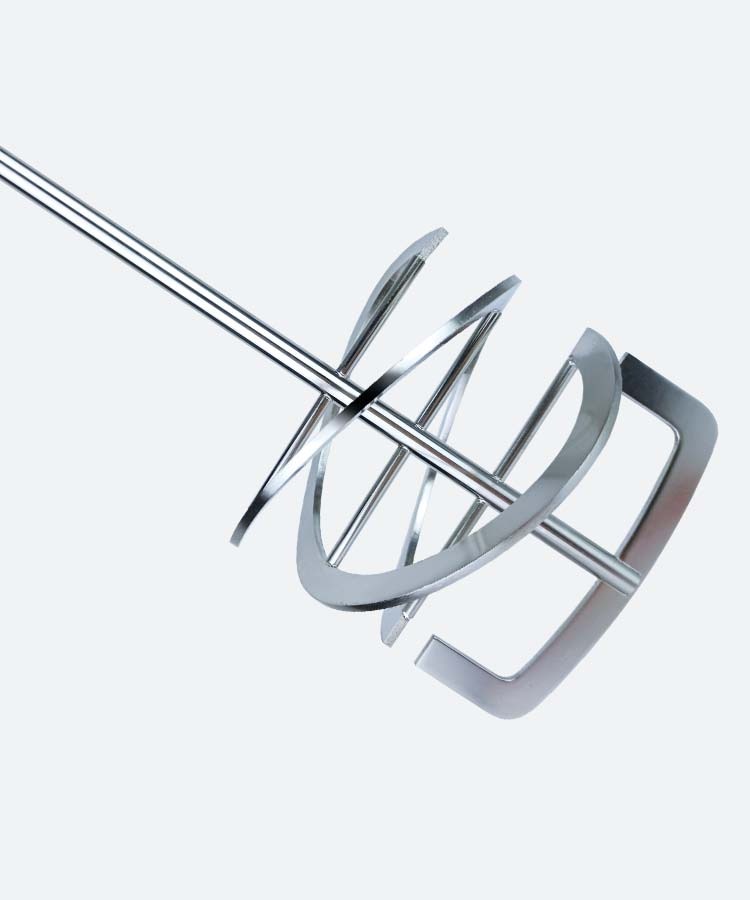
One-line conclusion: it covers what mechanical recycling cannot, but not all plastic waste should go that way. According to Renewable Carbon News, less than half of plastic waste in Germany is recycled and the rest is incinerated, while legislation has tightened steadily in recent years, especially for packaging. Mechanical recycling requires sorting, washing and re-melting, yet contaminants and additives often remain in the recyclate, limiting food packaging and similar uses, and molecular chains shorten with every cycle so quality declines. Chemical recycling breaks polymers down at the molecular level, in theory delivering near-virgin quality and handling mixed plastics and sorting residues, but all routes share high energy consumption, which is the main reason industrial-scale plants remain scarce.
Source: Renewable Carbon News
### How is captured carbon turned into engineering plastics?
One-line conclusion: captured carbon has reached standard grades for routine applications such as stock shapes. According to Renewable Carbon News, Röchling Industrial has procured Celanese POM ECO-C for selected stock shape applications; the grade is made from carbon capture and utilization based building blocks, incorporates circular feedstock through a mass balance approach, and cuts product carbon footprint while keeping rigidity, dimensional stability, sliding performance and wear resistance, so customers can switch without changing existing designs or processes. The value for downstream users is decarbonization without line changes, while the polymerization and downstream steps demand better temperature uniformity and devolatilization efficiency, which in turn raises the configuration bar for reaction and devolatilization equipment.
Source: Renewable Carbon News
What cost and investment contrast does the domestic side offer?
### What does the RMB 20.7 billion C3 project in Lianyungang mean?
One-line conclusion: C3 chain supporting capacity is moving toward million-ton integrated lines. According to PROCESS China, Satellite Chemical's RMB 20.7 billion propylene and downstream high-end new materials project has been signed for the Xuwei New Area of Lianyungang, built in two phases; once complete it will form capacity of 2 million tons per year of propane dehydrogenation, 600,000 tons per year of acrylic acid, 300,000 tons per year of butyl acrylate and 1.6 million tons per year of polyhydric alcohols. Phase one includes 1 million tons per year of PDH, 300,000 tons per year of acrylic acid, 300,000 tons per year of butyl acrylate and 800,000 tons per year of polyhydric alcohols plus supporting facilities, with a construction period expected within three years. The company reported revenue of RMB 46.41 billion for the first three quarters of 2026, up 33.49 percent year on year, and net profit of RMB 9.06 billion, up 141.24 percent. Building multiple units in parallel raises the bar for delivery rhythm and batch consistency of reaction, heat exchange and storage equipment.
Source: PROCESS China
### Why did ethylene give back gains so quickly?
One-line conclusion: a one-off supply tightening supported an independent rally, and prices fell fast once the gap narrowed. According to Longzhong Information, from late October several ethylene plants sharply cut merchant sales, pushing the domestic market into shortage, with prices rising to a yearly high of 10,700 yuan per ton on November 6. Over the same period upstream naphtha fell from 1,082.3 to 866.8 US dollars per ton, down 19.9 percent, and styrene, a major external downstream, fell from 11,360 to 9,425 yuan per ton, down 17.0 percent, so ethylene ran an independent rally against the cost trend. This week, reduced regional external demand and restarted units loosened supply; as of November 12, ethylene in East China eased to 10,000 to 10,100 yuan per ton and Shandong fell to 9,800 to 10,000 yuan per ton, giving back most of the earlier gain. When price swings widen, storage tanks and turnover capacity decide whether downstream buyers can wait for the low point to restock.
Source: Longzhong Information
From the commercial positioning of biomanufacturing to the pace of hydrogen and carbon capture start-ups in Europe, and to domestic C3 integration and the ethylene price give-back, this week's signals point to one thing: once process routes converge, equipment stability and configuration precision become the decisive factor in the cost curve. Hyline Shengda Equipment Manufacturing Co., Ltd. focuses on stainless steel reactors, mixing tanks, storage tanks, dispersers, concentrators and complete chemical lines, with non-standard customization based on material properties and capacity rhythm, and welcomes buyers to put Hyline's configuration list side by side when comparing quotations.
Further reading: - Chemical equipment industry accelerates its shift from single machines to custom and turnkey lines - Reactor heating and cooling methods compared: jacket, half-coil and internal coil
This article is compiled by Hyline Shengda Equipment Manufacturing Co., Ltd. (hyline.cn); copyright of the information belongs to the original authors. Main products: stainless steel reactors, mixing tanks, storage tanks, dispersers, concentrators and complete chemical lines, with non-standard customization supported.
Related Products
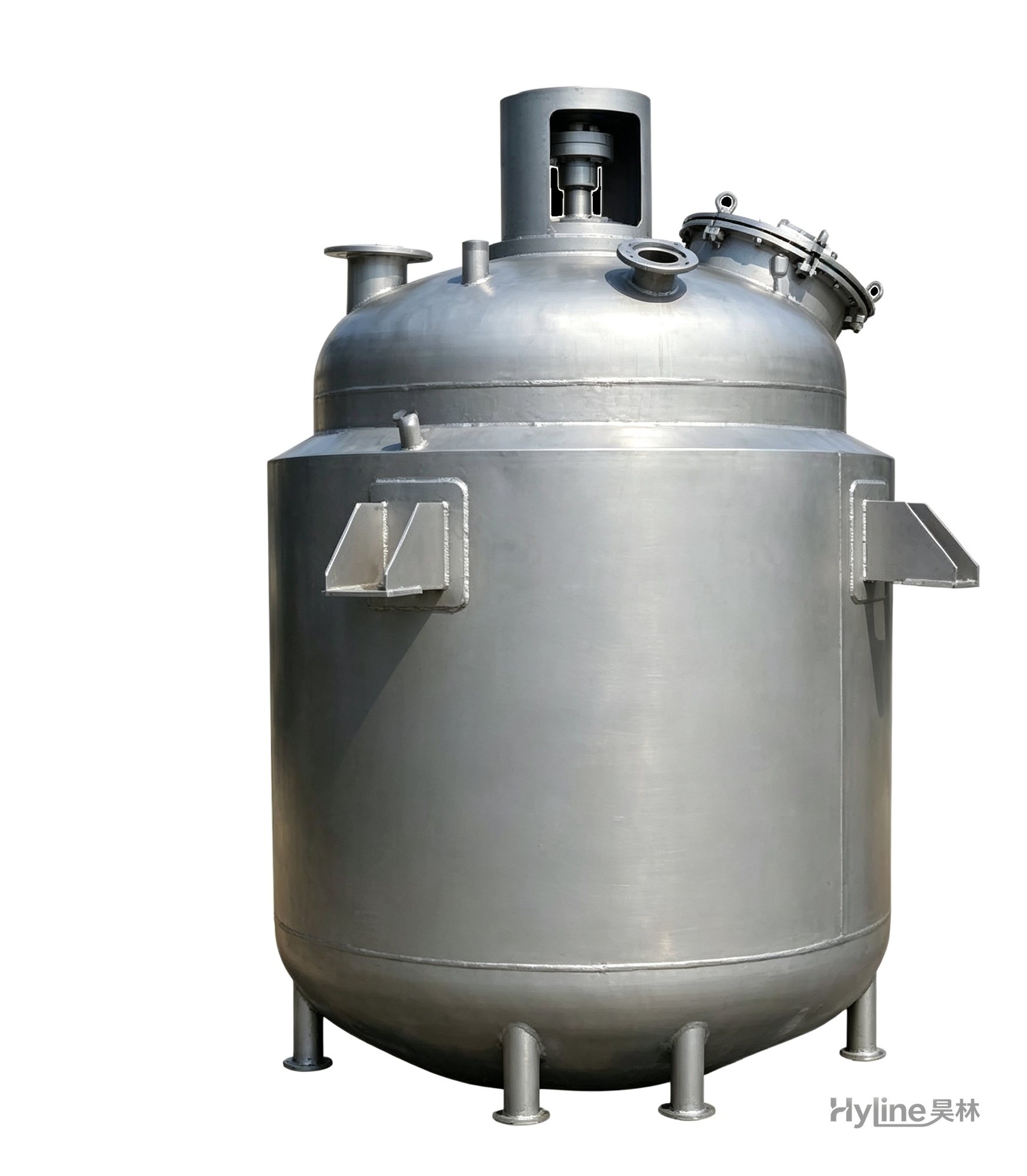
Jacketed Reactor
The typical main reaction vessel in chemical production. Mixing, heating and cooling disperse and mix materials for reaction and polymerization. The jacket circulates thermal oil/steam for heating or cooling water for temperature control.
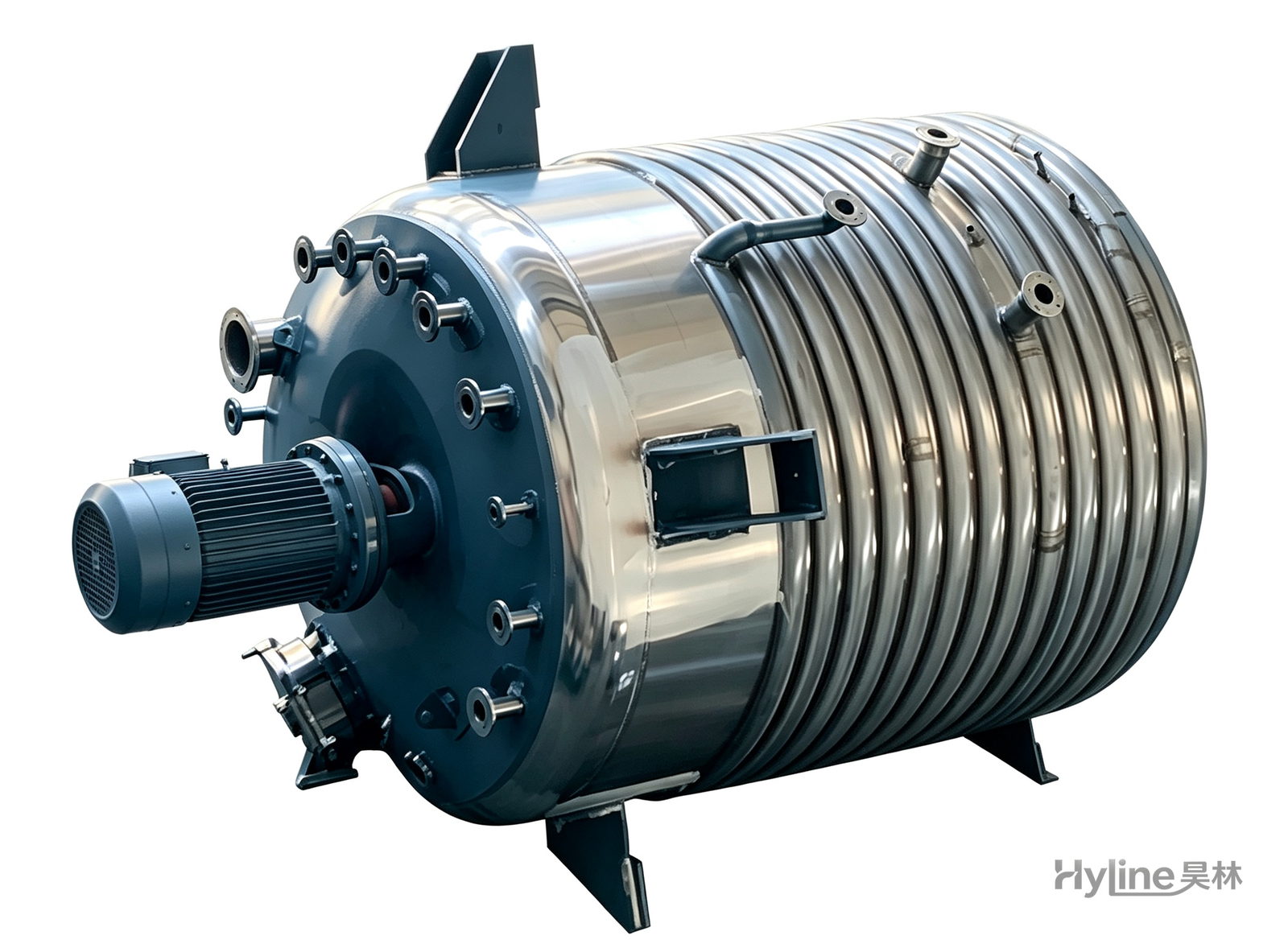
External Half-Coil Reactor
External half-pipe heating & cooling coils provide uniform, efficient heat exchange with zero material dead zones inside. Mirror-polished 304/316L stainless tank is clean and corrosion-resistant. For resin, new-energy slurry and pharmaceutical synthesis.
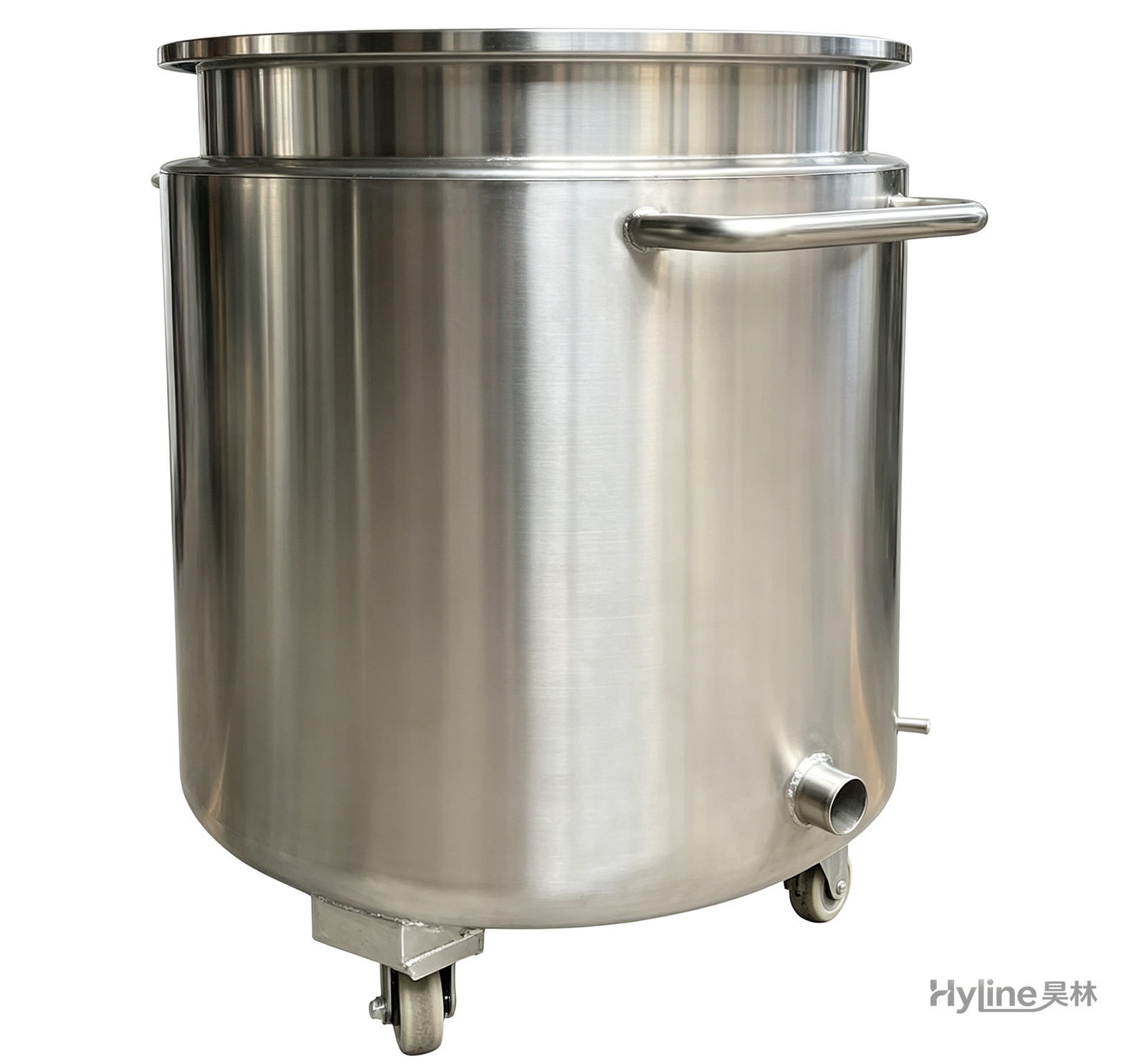
Stainless Steel Mixing Tank (Dispersion Drum)
Supporting vessel for dispersers and mixers in paints, coatings, adhesives, color slurries, inks and electronics. Available in 201/304 stainless with internal/external polishing and sloped bottom side discharge for complete draining.
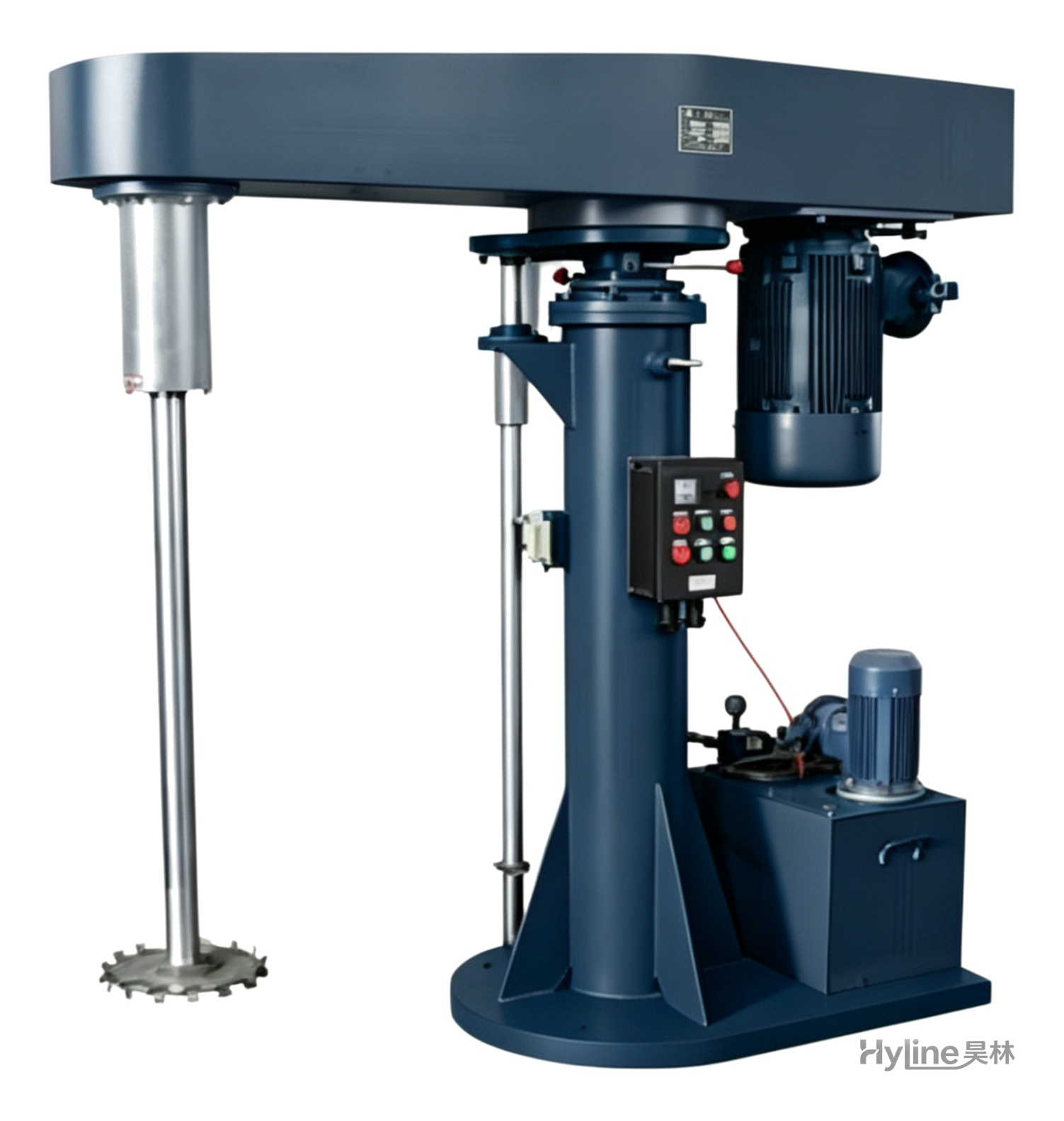
FL Series High-Speed Disperser
Stirs, dissolves and disperses liquids and powders, working alone or matched with sand mills. Variable-frequency drive with hydraulic lift, widely used in paints, inks, coatings, dyestuffs and papermaking.