
How to choose a reactor for the catalyst industry? Precipitation synthesis, impregnation loading and material configuration
11/10/2026
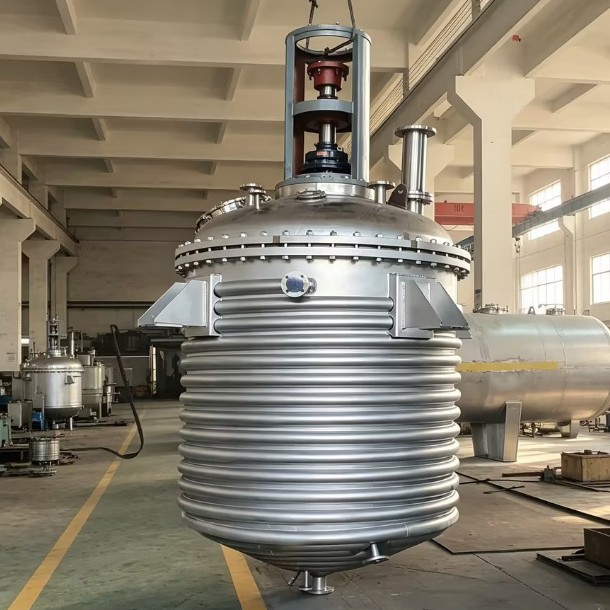
Catalyst plants run a longer process chain than most chemicals: precipitation, aging, washing, impregnation and drying — almost every step depends on stirred vessels and tanks. The right equipment keeps batch-to-batch variation small; the wrong choice means pH that will not hold and materials that cannot survive the media, and the cost of rework and replacement far exceeds what was saved upfront. Following the typical catalyst process steps, this article explains how to select the reactor and the matching tanks and filtration equipment, so the key parameters are verified one by one before signing the contract.
What matters most in the precipitation reactor?
One-line conclusion: pH and temperature are the two axes of precipitation quality, and the vessel configuration must be built around dosing, temperature measurement and temperature control.
A typical precipitation synthesis feeds the metal salt solution and the precipitant (ammonia, sodium carbonate, sodium hydroxide) simultaneously, with pH held in a narrow window — say 8.0 to 9.5 — and temperature set by the system. If pH drifts, crystal size and pore structure drift with it, and so does final activity; if temperature drifts, the balance between nucleation and growth changes and particle-size distributions stop matching between batches. The key configuration: feed and temperature-sensing nozzles placed so the freshly dosed liquid is swept away without forming a local over-concentration; a propeller or turbine impeller with baffles for a strong flow field near the dosing point; jacket heat transfer sized for the heat release and holding duty; temperature sensing close to the dosing point and responsive.
| Step | Key control points | Vessel and configuration |
|---|---|---|
| Precipitation | pH, dosing rate, temperature | reactor + propeller impeller + baffles + precise temperature sensing |
| Aging | time, temperature | stainless mixing tank + jacketed holding |
| Washing | number of washes, filtration rate | mixing tank + filtration equipment |
| Impregnation | solution concentration, solid-to-liquid ratio | reactor or mixing tank by process |
| Pre-drying discharge | complete drain-out | low-level discharge + fully drainable piping |
One often-missed point in dosing: the precipitant and salt solution must each be metered and adjusted independently, with flow-meter accuracy matched to the pH control accuracy. Place the pH probe where the flow field is stable, away from the dosing "cloud" — otherwise the reading jitters, the control loop chases it, and precipitation quality suffers.
Why are stainless mixing tanks preferred for aging and impregnation?
One-line conclusion: aging and impregnation need only gentle agitation, but accurate batching and fast cleaning — exactly what a stainless mixing tank delivers.
Aging lets the precipitate mature in the mother liquor so crystals grow and homogenize; impregnation soaks the support in the active-component solution. Both need only mild agitation at low speed and power; the equipment priorities lie elsewhere. Level and metering must be accurate — the solid-to-liquid ratio of the impregnating solution directly sets the loading, and a small ratio error becomes a loading error. The interior must be smooth — slurries settle and cling, and these tanks are washed frequently. Discharge must drain completely — residue at the tank bottom contaminates the next batch. A low-level discharge valve and a sloped tank bottom keep wash liquor out and batch isolation intact.
Aging tanks also need jacketed holding: aging is temperature-sensitive, and two or three degrees changes the rhythm of crystal growth. Size the insulation for the process temperature and insert the thermometer deep into the liquid, not just at the surface.
How to choose materials by medium?
One-line conclusion: whatever in the medium "bites" stainless steel, the material grade moves up accordingly.
For nitrate systems common in precipitation, 304 is mostly fine; with chloride-containing salts or hydrochloric acid, pitting risk rises and 316L or even titanium is needed; strong alkali at high temperature also corrodes 304. The criterion is not "acid versus alkali" but the combination of chloride concentration, pH and temperature. Before fixing the material, list every medium completely — including wash water and impurities in recovered mother liquor. Do not miss the low-concentration but perennially present ones: equipment is built for a decade, and a weak medium over years still eats through the grade.
How to connect the washing step?
One-line conclusion: washing is one of the most quality-critical steps in catalyst production; lay out tanks and filtration equipment around a re-slurry — filter — re-slurry cycle.
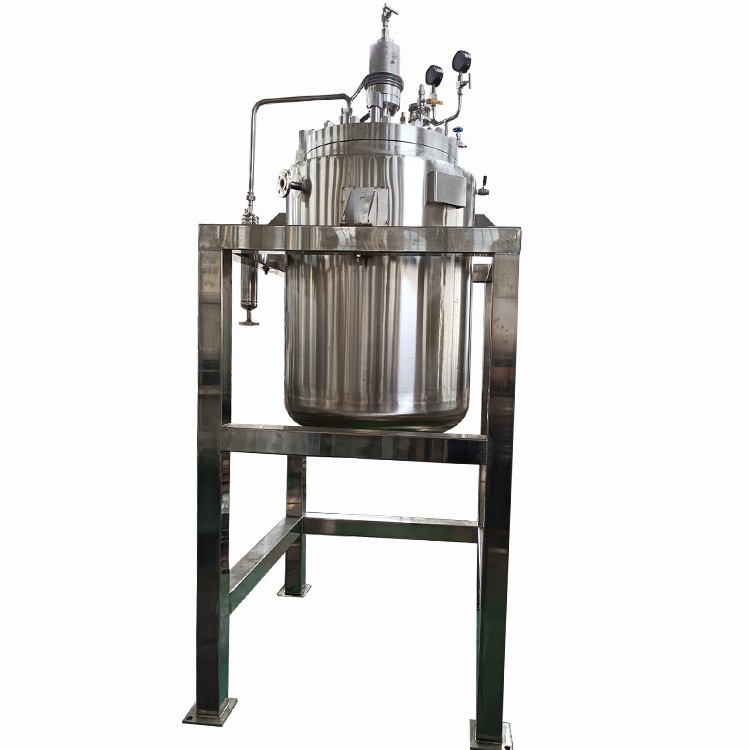
Slurry washing usually runs several cycles: wash water re-slurries the cake in a mixing tank, the slurry is dewatered through a bag filter or other filtration equipment, and the filtrate is sampled before the next round. Two connection points deserve attention: the transfer pump — abrasive slurries demand wear-resistant wetted parts, ideally with adjustable speed; and filtrate metering and sampling — wash water is metered per batch, and the next round starts only when conductivity or pH passes, because this data is part of the catalyst quality record. Match tank discharge nozzles to the pump suction: short, straight, sloped piping so slurry never settles and blocks.
How to design for multi-product changeover?
One-line conclusion: in shared-line plants the changeover cost concentrates in cleaning and batch isolation, so cleaning coverage and drainability must be built in from the start.
The pain of multi-product catalyst lines is cross-contamination: residues of the previous batch's active components spoil the next, and trace metal impurities alone can ruin the activity of the next batch. The equipment answers: electropolished interiors to reduce clinging; CIP spray coverage of the whole vessel including the backs of impellers and baffles; dead-corner-free, fully drainable piping; filtration media dedicated per product or thoroughly cleaned. For a multi-product, small-lot order book, prefer smaller batch volumes with faster cleaning over one big pot — the loss in changeover cleaning far exceeds the equipment price difference.
How to finalize the whole line?
Catalyst line configuration must be viewed across the process chain: volume ratios and production rhythm of the synthesis reactor, aging tank, washing tank and filtration equipment must interlock — whichever step bottlenecks sets the line capacity. Hyline Shengda Equipment Manufacturing Co., Ltd. (hyline.cn) has customized reactors and mixing tanks for many chemical slurry duties: materials fixed item by item against the medium list, agitation and heat transfer checked against the process curve, cleaning coverage calculated from changeover frequency. Send us your process flow, medium composition and batch size, and we will prepare the line configuration and quotation, with every configuration item mapped to the process requirement it serves.
Further reading: - How to choose material for a stainless reactor? 304, 316L and clad plate by medium corrosivity - How to choose the impeller type of a reactor? Propeller, anchor, frame and ribbon by product viscosity
This article is compiled by Hyline Shengda Equipment Manufacturing Co., Ltd.
Q&A from this article
Frequently asked questions and answers from this article
One-line conclusion: whatever in the medium "bites" stainless steel, the material grade mo…
Related Products
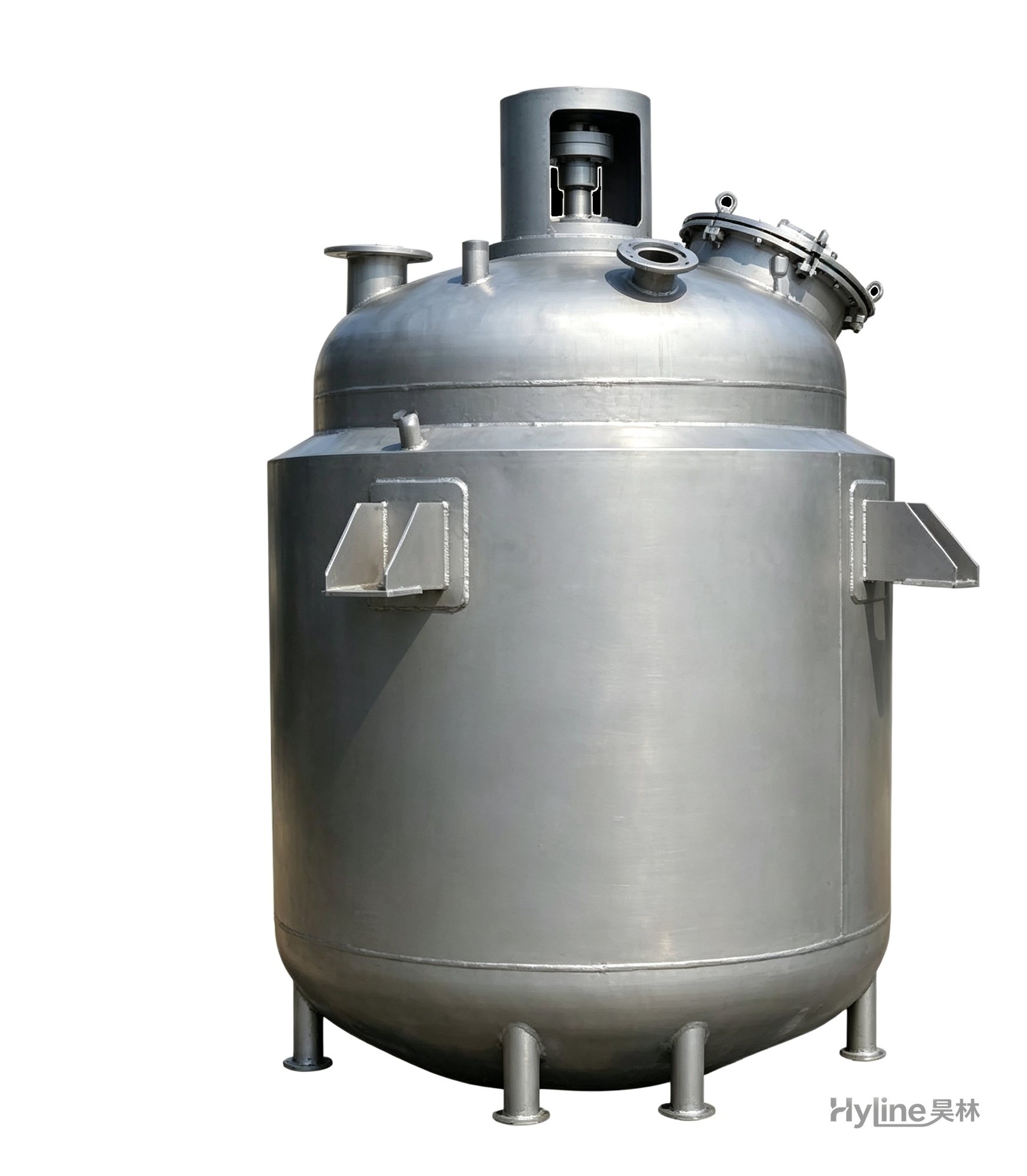
Jacketed Reactor
The typical main reaction vessel in chemical production. Mixing, heating and cooling disperse and mix materials for reaction and polymerization. The jacket circulates thermal oil/steam for heating or cooling water for temperature control.
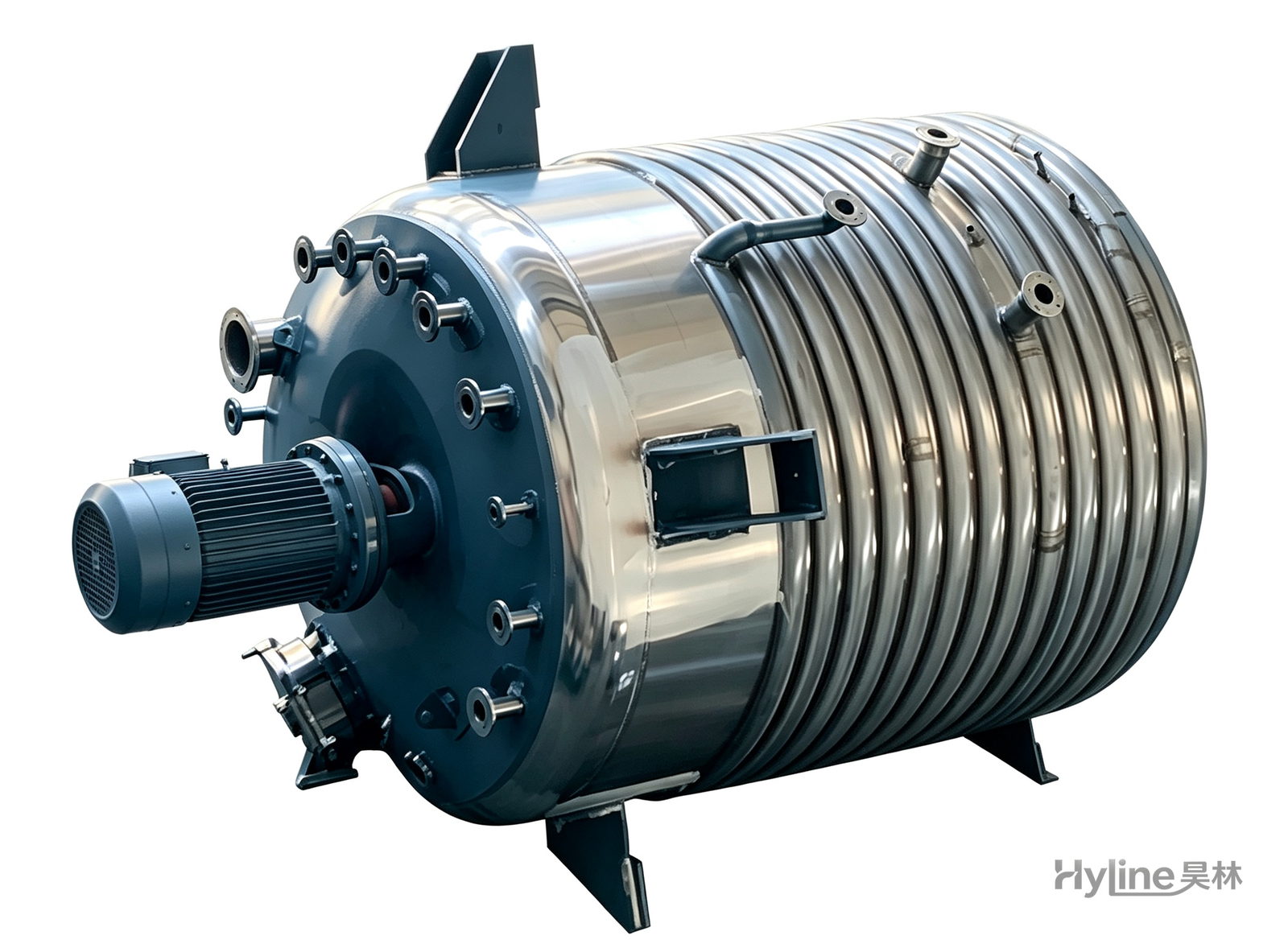
External Half-Coil Reactor
External half-pipe heating & cooling coils provide uniform, efficient heat exchange with zero material dead zones inside. Mirror-polished 304/316L stainless tank is clean and corrosion-resistant. For resin, new-energy slurry and pharmaceutical synthesis.
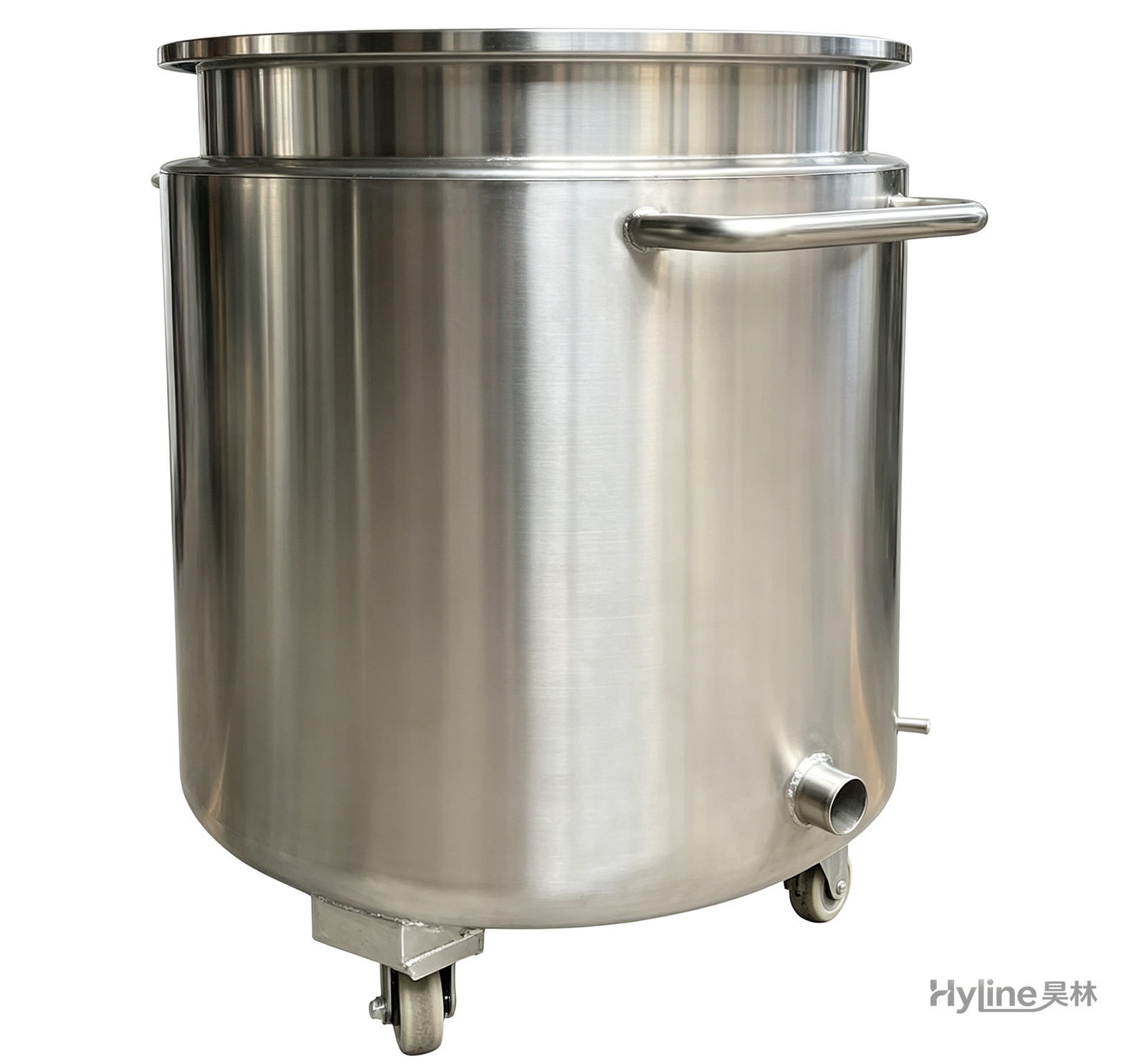
Stainless Steel Mixing Tank (Dispersion Drum)
Supporting vessel for dispersers and mixers in paints, coatings, adhesives, color slurries, inks and electronics. Available in 201/304 stainless with internal/external polishing and sloped bottom side discharge for complete draining.
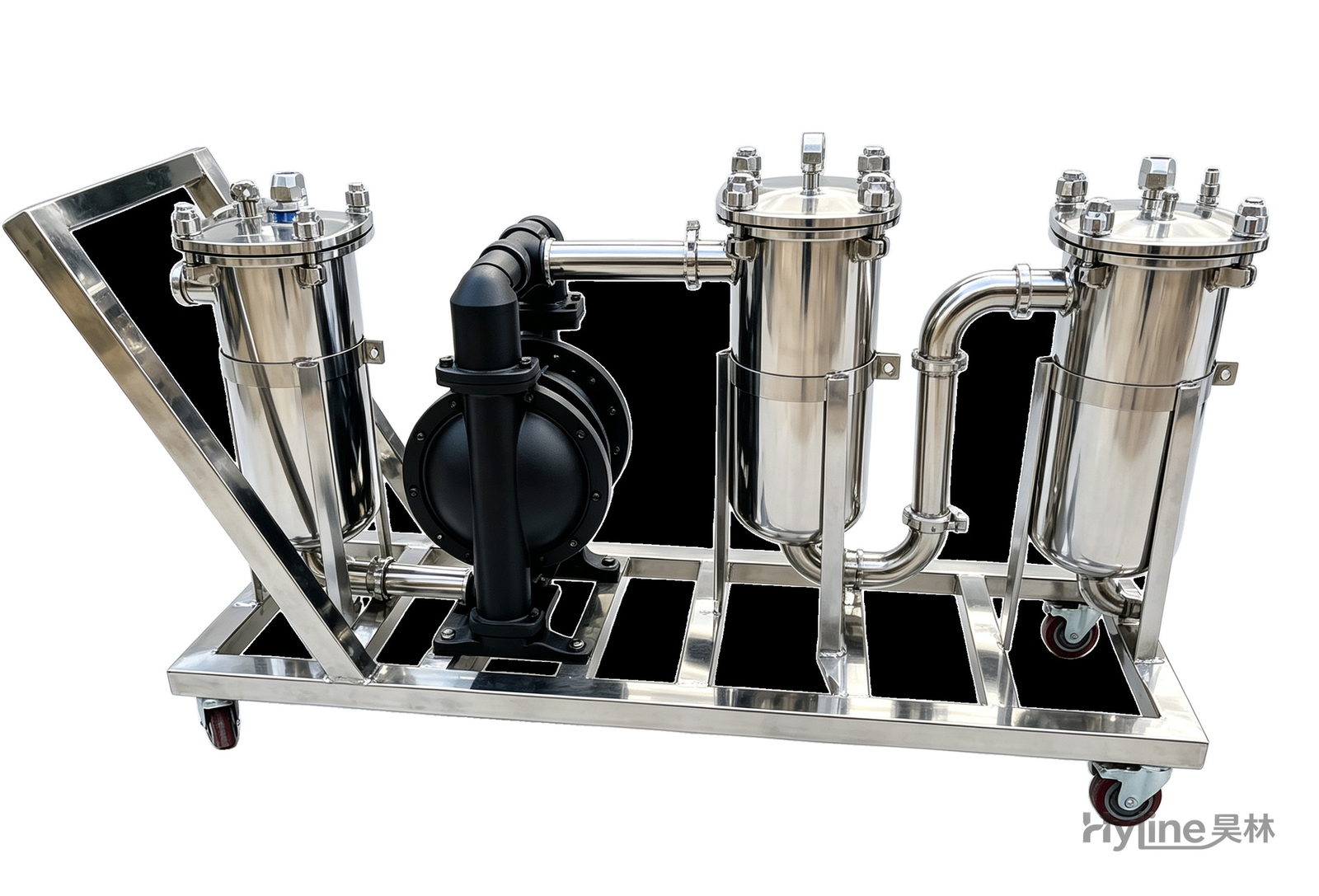
DL Series Bag Filter
A novel, compact, flexible and airtight multi-purpose filter widely used in chemicals, coatings, inks and food. Single and duplex models available, mountable on mobile carts with transfer pumps.