How to Prevent Bumping (Sudden Boiling) in a Concentrator? Stable Vacuum Evaporation Operation and Configuration Points
11/1/2026
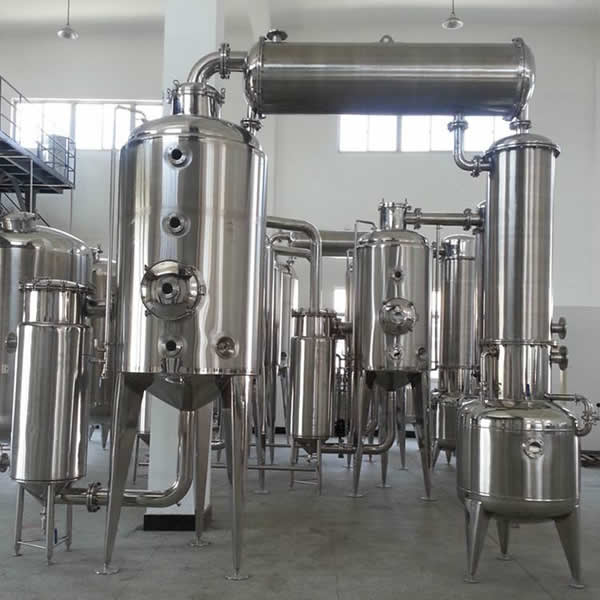
A concentrator is a complete set of equipment that evaporates heat-sensitive liquids such as Chinese herbal extract, fruit juice and sugar syrup under vacuum at low temperature. Vacuum lowers the boiling point so the liquid evaporates at 60-90 ℃ instead of above 100 ℃ at atmospheric pressure, preserving aroma, color and active ingredients. The equipment can be customized by evaporation capacity, vacuum level, material and heating method: from laboratory units of a few hundred liters to industrial concentration lines evaporating hundreds of kilograms per hour; the heating chamber can use tubular, falling-film or external coil structure, and material can be selected from 304 to 316L. Hyline Shengda (hyline.cn) specializes in non-standard customization of stainless steel concentrators, reactors, mixing tanks and other chemical equipment. This article focuses on the most troublesome issue in vacuum evaporation for operators: how to prevent bumping (sudden boiling).
Why does a concentrator suddenly bump?
One-sentence conclusion: bumping is the phenomenon where superheated liquid suddenly vaporizes in large quantity under vacuum and pushes the liquid together with foam into the condenser; the root cause is that the actual liquid temperature is higher than the boiling point corresponding to the current vacuum level, and there is no stable nucleation site for boiling.
The mechanism of vacuum concentration is "pull vacuum → boiling point drops → liquid boils and evaporates at lower temperature". If the vacuum rises too fast, the pressure in the tank drops suddenly, the original boiling balance is broken, and the liquid near the tank bottom and heating tubes, which is already close to the boiling point, vaporizes violently in an instant, producing a large number of bubbles that rise upward. These bubbles cannot break in time and carry the liquid into the vapor space: light cases fog the sight glass and surge into the condenser; severe cases run out of the whole batch and contaminate the recovered solvent. The higher the viscosity and surface tension of the liquid, the more stable the bubbles and the more likely the whole layer surges upward. Chinese herbal extracts and sugar syrups containing sugar and gum are typical materials most prone to bumping.
Another hidden cause is local overheating: if the heating steam pressure is too high and the local temperature of the heat exchange surface exceeds the boiling point by a large margin, a "flash boiling point" forms on the heating tube surface, releasing steam in a concentrated burst and pushing the liquid out. Bumping is never caused by a single factor; it is the result of vacuum, temperature and material properties combined, so prevention must address all three aspects at the same time.
How does vacuum control avoid bumping?
One-sentence conclusion: pull vacuum in stages and slowly, break vacuum even more slowly, keep an eye on the vacuum gauge and sight glass throughout; the steadier the vacuum change, the safer.
In practice, pulling a cold tank directly to the working vacuum is a common mistake. The correct approach is to build the vacuum in 2-3 stages: first pull to -0.03 to -0.04 MPa (about 300-400 mbar absolute), hold for 5-10 minutes so the liquid temperature and boiling point rebalance, then continue to the target vacuum, for example -0.06 to -0.08 MPa (200-400 mbar absolute) commonly used for herbal concentration. During each hold, watch whether the bubbles in the sight glass are stable; if the liquid surface starts to churn violently, slow down or pause evacuation and continue after the surface calms.
Breaking vacuum must also be slow. Many workshops open the break valve fully to save time; the pressure rebounds instantly, the boiling liquid suddenly "goes quiet" and then re-boils violently. This pressure shock is more likely to induce bumping than the evacuation stage. The correct way is to admit air slowly through a regulating valve or a small-diameter break line so the vacuum returns to atmospheric pressure within 5-10 minutes. In addition, the vacuum line must have a buffer tank and check valve to prevent cooling water or oil from being drawn back into the concentrator when the vacuum pump stops. The vacuum regulating valve should also be sized to the evaporation load: a valve too small cannot keep up with the evaporation load and the vacuum fluctuates; a valve too large is hard to fine-tune. A common practice is a manual coarse-adjust valve on the main vacuum line plus an electric fine-adjust valve on a bypass: coarse adjustment builds the vacuum, fine adjustment holds it steady. When ordering, check the vacuum system parameters (ultimate vacuum, suction rate, working fluid temperature) together with the concentrator, and estimate the suction volume at 3-5 times the secondary steam of the evaporation rate rather than relying on the pump nameplate alone.
How do feed temperature and heating steam cooperate?
One-sentence conclusion: the feed temperature should be as close as possible to the boiling point in the tank, and the heating steam pressure should rise slowly, avoiding the two combinations most likely to trigger bumping: cold feed into a hot tank and hot liquid meeting low vacuum.
First, the feed. The concentrator feed is best preheated so the liquid temperature is close to the boiling point under the current vacuum before entering the tank. If the feed is more than 20 ℃ below the boiling point, the liquid will be violently "pulled to boil" during the evacuation stage after feeding, and the surface layer vaporizes instantly, easily surging out. Conversely, if the feed temperature is above the boiling point (for example, pulling vacuum right after boiling), the liquid entering the tank is superheated water and bumping is almost inevitable. Generally the feed temperature should be kept 5-10 ℃ below the boiling point.
Second, the heating. Do not open heating steam to the rated pressure in one step. Start from 0.1-0.15 MPa, observe the evaporation rate and liquid level stability, then raise it one step every 10-15 minutes, finally stabilizing at 0.3-0.6 MPa (depending on the process). Steam pressure and vacuum must be considered together: when the vacuum is insufficient, the more aggressive the heating, the more dangerous. An electric regulating valve can also be installed on the heating steam line, linked to the tank pressure and temperature signals, so the steam supply automatically follows the evaporation load and reduces manual misoperation. When the evaporation capacity, vacuum and steam pressure parameters are well matched, the probability of bumping can be kept very low. For concentrators with agitation, coordinate the agitator with the vacuum: stirring speed is generally 30-60 r/min — too high whips foam into the liquid surface and entrains vapor into the liquid layer, too low leaves the liquid near the heating surface poorly renewed and prone to local overheating; choose the agitator motor power by feed viscosity and batch size, commonly 2.2-5.5 kW, up to 7.5 kW for high-viscosity materials. The agitator carries hot liquid away from the heating surface and keeps the whole tank temperature uniform, which matters most during the vacuum pull-up phase at startup.
What role do evaporation chamber structure and demisting configuration play in preventing bumping?
One-sentence conclusion: the evaporation chamber needs sufficient vapor space, baffles or demisters as the last line of defense, so that when bumping occurs the liquid has room to fall back and structure to stop entrainment.
Even with fully standardized operation, feed concentration fluctuations and transient steam fluctuations can still cause local bumping, so the structure should reserve a "safety cushion". First, vapor space: the evaporation chamber must be tall enough, and the normal liquid level should be clearly below the vapor-liquid separation zone; generally the vapor space accounts for 40%-60% of the total chamber volume, leaving margin for boiling expansion. Second, baffles and demisters: install folding baffles, wire-mesh demisters or cyclone separation structure before the vapor outlet so entrained droplets fall back under gravity and inertia instead of entering the condenser directly. Third, sight glass: install an illuminated sight glass in the middle-upper part of the evaporation chamber so the operator can see the churning state of the liquid surface in real time; this is the most direct basis for judging the precursors of bumping (sudden violent churning of the surface, thickening foam layer).
On the system side, the condenser, vacuum pump and the concentrator body must be matched in capacity: insufficient condensing area prevents secondary vapor from being discharged, the pressure in the tank builds up, and bumping is induced as well. The vacuum pump suction capacity should be selected with a 30%-50% margin over the evaporation rate, and the condenser cooling water temperature controlled at 25-35 ℃; these are systematic supports for bumping prevention.
What is the correct operation sequence to prevent bumping?
One-sentence conclusion: the standard sequence is to build vacuum first, then feed slowly, and finally heat gradually; each step should be followed by watching the sight glass and vacuum gauge, and getting the order wrong multiplies the bumping risk.
A complete bumping-prevention operation flow is roughly as follows: first close the discharge valve and sight glass, start the vacuum pump and pull the tank to the preparation-stage vacuum and confirm the system has no leakage; then feed slowly through the feed valve to the specified level, with the feed temperature close to the boiling point; after feeding, close the feed valve and continue pulling vacuum to the working level; finally start heating steam, raising the pressure step by step as described above, and open the condenser cooling water at the same time. Keep stirring (if the concentrator has agitation) or natural circulation during heating and evaporation to avoid local overheating at the tank bottom. On shutdown, reverse the order: stop heating first, keep the vacuum so residual heat continues evaporating for a few minutes, then break vacuum slowly, and finally stop the vacuum pump and condenser water. Record the vacuum, temperature and steam pressure of each step in the operation log, and run the next batch following the stable parameters.
What to do after a surge has already happened?
One-sentence conclusion: once a surge occurs, first stop heating and slowly break the vacuum to restore atmospheric pressure, then clean the condenser and pipelines, find out the trigger and resume production; do not simply restart.
At the moment of a surge, do not panic and shut off the vacuum pump, which may draw the liquid further into the vacuum line. The correct actions are: cut off heating steam immediately, close the vacuum regulating valve or break vacuum slowly so the pressure rises gradually and the boiling intensity drops; after the liquid surface falls back and bubbles disappear, follow the normal shutdown procedure. Then check whether the condenser tubes and vacuum lines are contaminated by the liquid and clean them online if necessary; at the same time record the operating parameters before the surge — vacuum, feed temperature and steam pressure — and compare them with the standard values to find the deviation. Most surges are caused by the stacking of operating parameter deviations; recording the parameters and adjusting them next time is far more useful than simply doubting the equipment. Handle recovered material separately: filter or re-concentrate it before reuse, and check concentration and fineness before adding it back in proportion to the next batch — for crystallizing materials, check whether crystals are broken and the particle size distribution has widened. Repeated surges are not solved by wiping the equipment: go back and check vacuum fluctuation, feed temperature deviation and heating surface fouling, and complete the parameter record before resuming production.
Further reading: - How to control the vacuum of a concentrator: vacuum regulating valve and system configuration points - How to judge the concentration end point: liquid specific gravity, refraction and evaporation operation points
This article is compiled by Hyline Shengda Equipment Manufacturing Co., Ltd. (hyline.cn). The information ownership belongs to the original author. Main products: stainless steel reactors, mixing tanks, storage tanks, dispersers, concentrators and complete chemical line supporting equipment; non-standard customization supported.
Q&A from this article
Frequently asked questions and answers from this article
One-sentence conclusion: bumping is the phenomenon where superheated liquid suddenly vapor…
Related Products
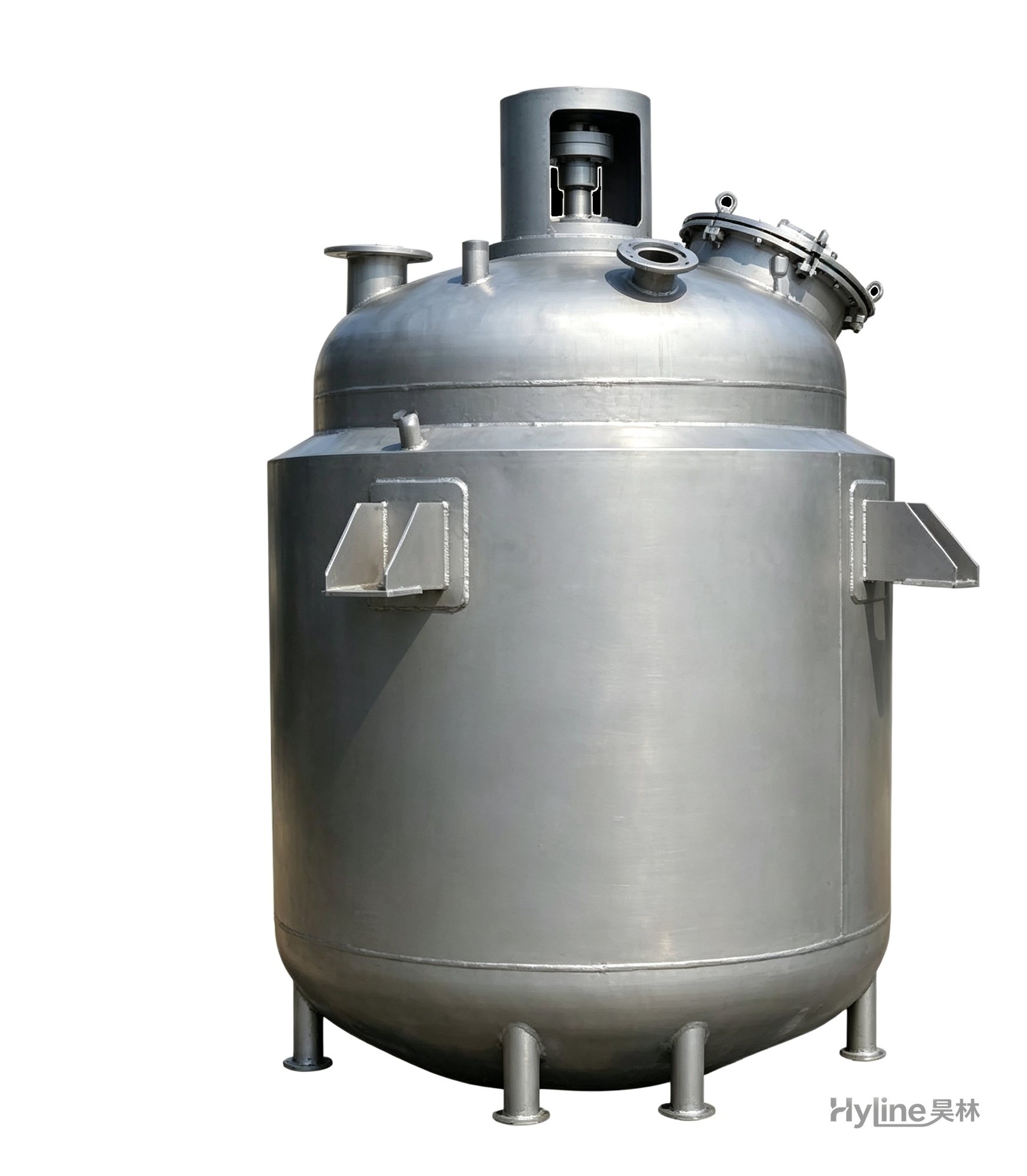
Jacketed Reactor
The typical main reaction vessel in chemical production. Mixing, heating and cooling disperse and mix materials for reaction and polymerization. The jacket circulates thermal oil/steam for heating or cooling water for temperature control.
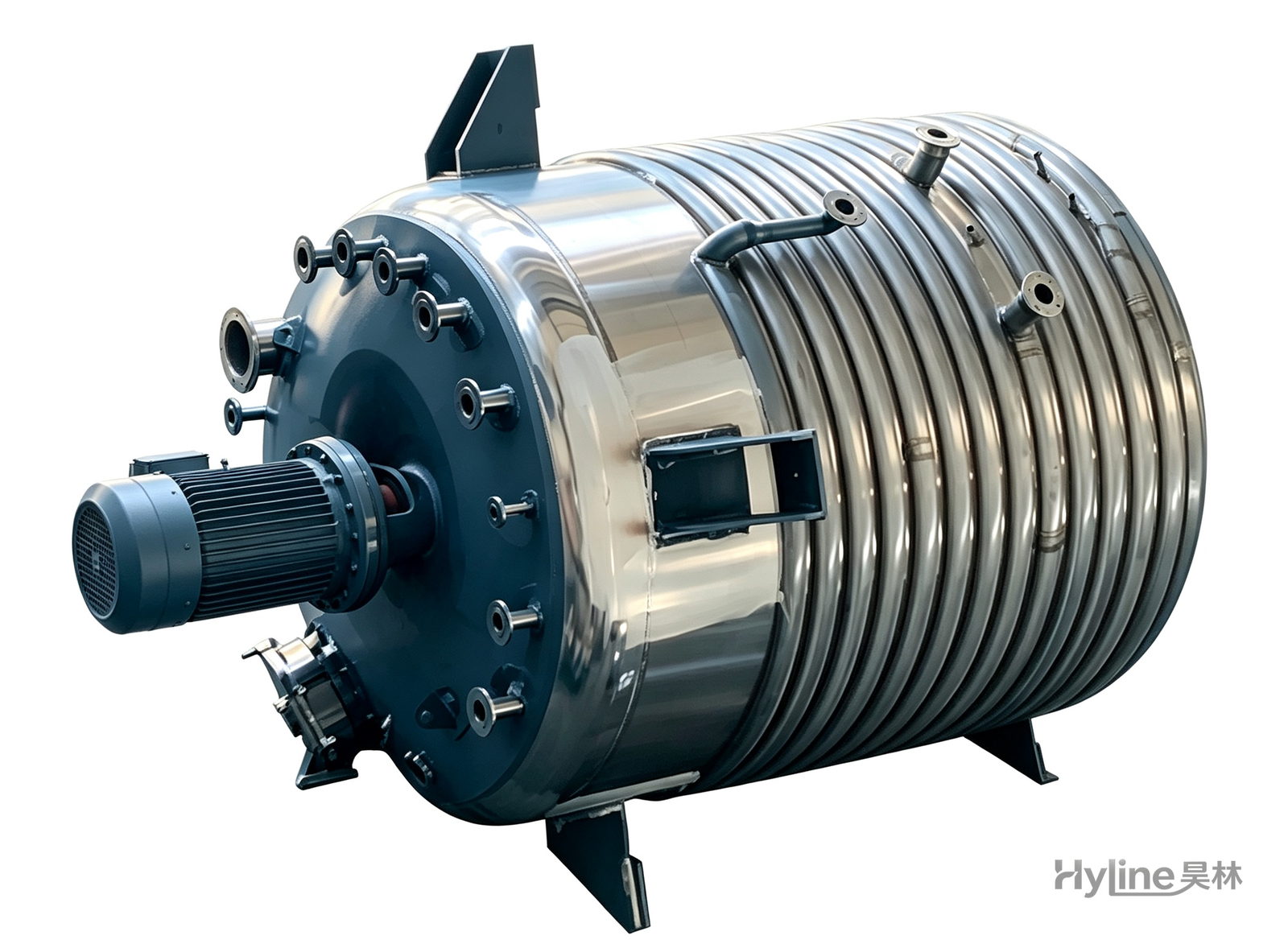
External Half-Coil Reactor
External half-pipe heating & cooling coils provide uniform, efficient heat exchange with zero material dead zones inside. Mirror-polished 304/316L stainless tank is clean and corrosion-resistant. For resin, new-energy slurry and pharmaceutical synthesis.
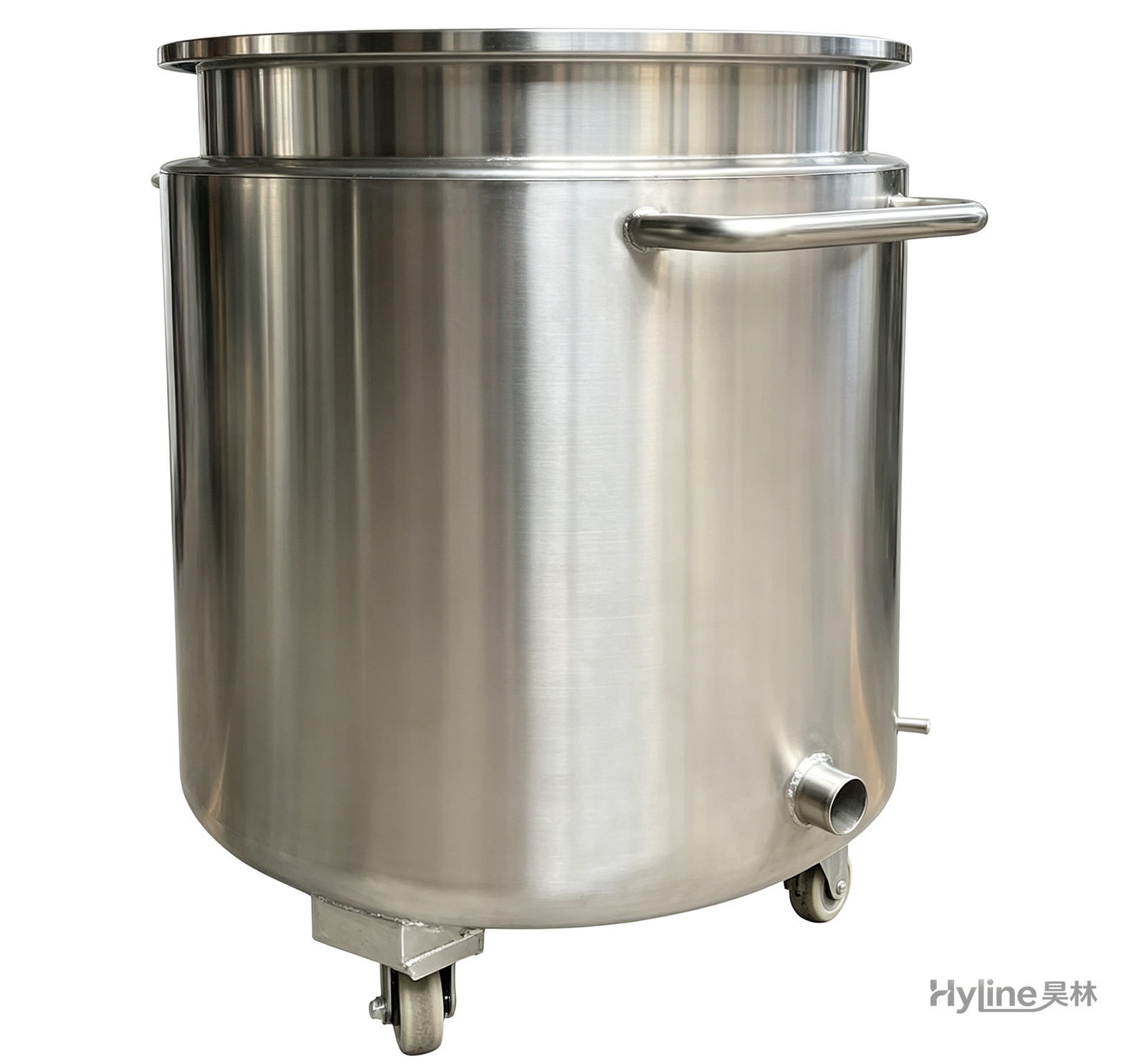
Stainless Steel Mixing Tank (Dispersion Drum)
Supporting vessel for dispersers and mixers in paints, coatings, adhesives, color slurries, inks and electronics. Available in 201/304 stainless with internal/external polishing and sloped bottom side discharge for complete draining.
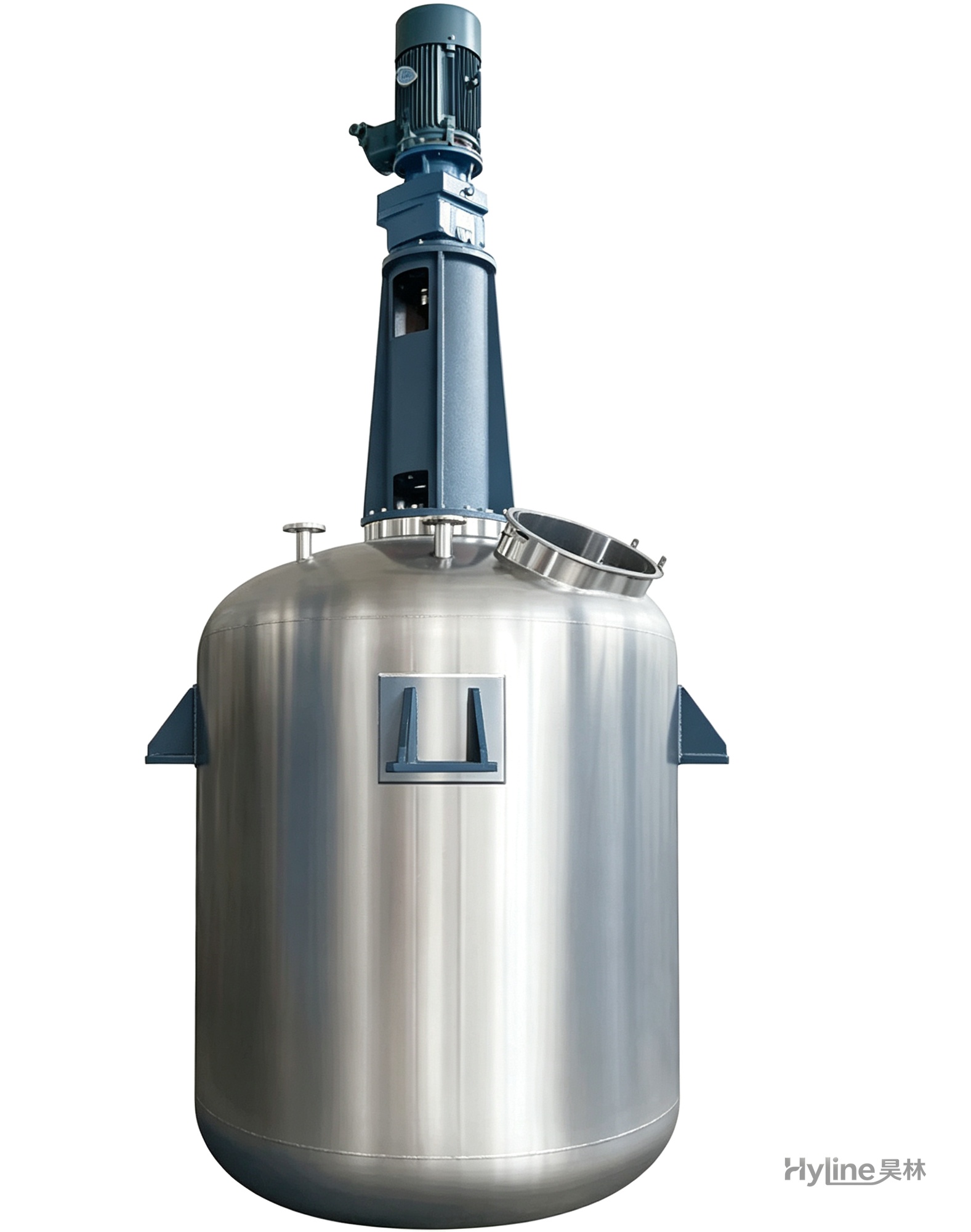
TC Series Mixing Kettle (Tinting)
For color matching in the paint industry and liquid-liquid / liquid-solid mixing in other industries. Uniform tinting, good miscibility, reasonable structure and powerful stirring.