
How to select the condenser of a concentrator? Shell-and-tube, plate and spiral types by solvent recovery conditions
10/21/2026
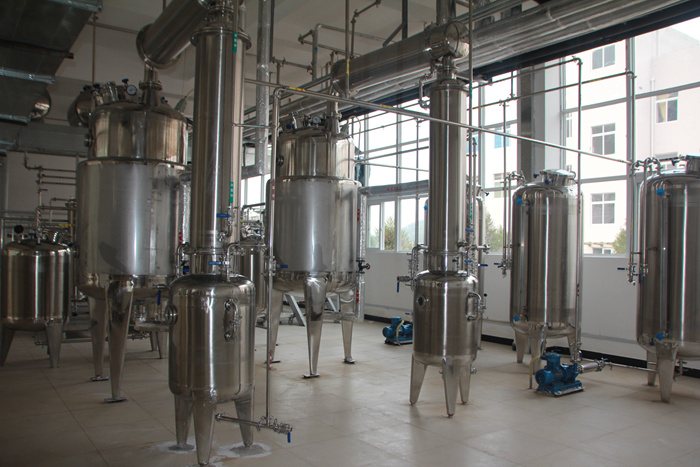
When the solvent recovery rate of a concentrator stays low, the condensate temperature runs high and the vacuum cannot go deep, the problem is often in condenser selection. A condenser is not better simply because it is bigger or more expensive; it must match the evaporation rate, solvent boiling point, vacuum degree and cooling conditions. This article explains the differences among three common types, how to estimate the heat-exchange area, and how to handle vacuum and explosion-proof requirements, so you can get it right at purchase selection in one go.
What role does the condenser play in a concentration system?
One-sentence conclusion: the condenser cools the solvent vapour evaporated from the concentrator into liquid for recovery; its heat-exchange capacity directly decides recovery rate, vacuum degree and vapour loss.
The solvent vapour evaporated from the concentrator passes through the condenser, cools down and returns to the receiving tank for reuse. If condensing is poor, the vapour is drawn off directly by the vacuum line, solvent loss increases, the vapour carries material and the vacuum pump load rises. Based on common industry experience, the evaporation capacity of a single-effect concentrator is generally in the range of several hundred kilograms to several tons per hour, and the condenser must liquefy the corresponding amount of vapour; when the heat-exchange area is insufficient, the condensate temperature is noticeably higher than the cooling-water temperature and the recovery rate drops. So the first step in condenser selection is not comparing prices but fixing three numbers: evaporation rate, solvent boiling point and recovery target.
How do the three types compare?
One-sentence conclusion: the shell-and-tube type is versatile and easy to clean and is the most common choice for concentrators; the plate type has a higher heat-transfer coefficient but stricter temperature, pressure and sealing requirements; the spiral type is compact with a small temperature difference and suits small-to-medium high-boiling solvents.
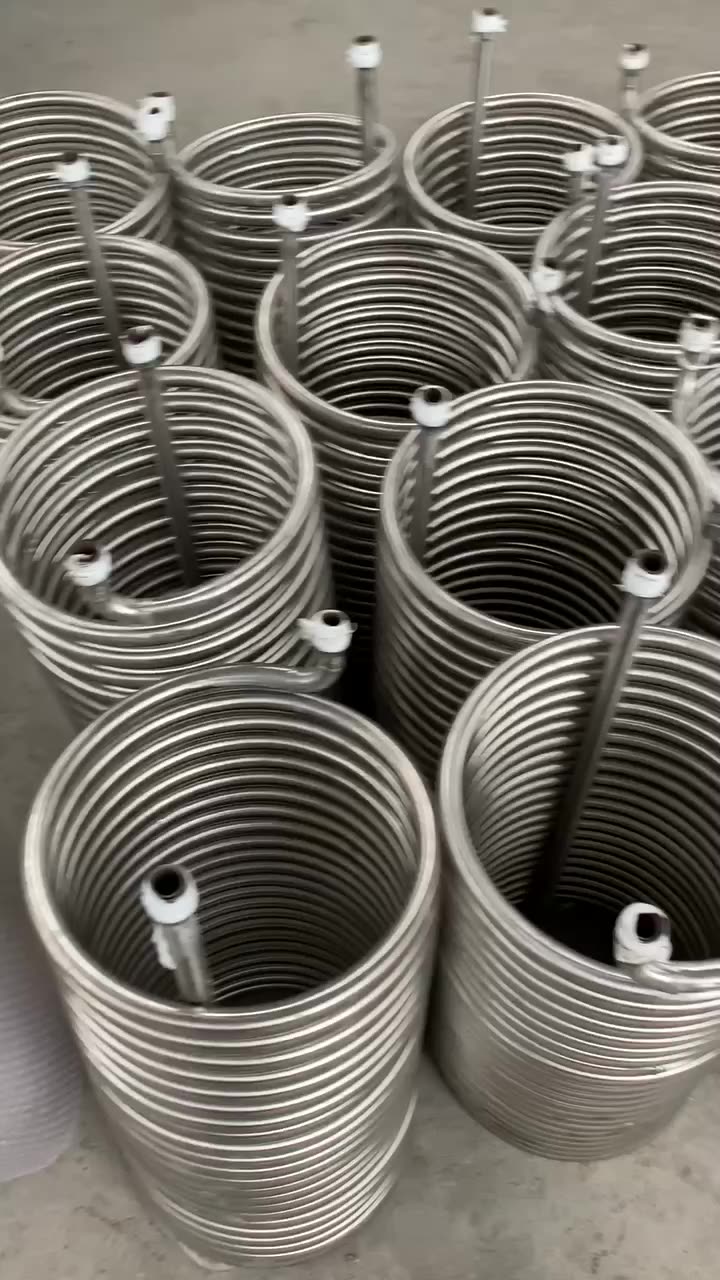
The shell-and-tube condenser passes vapour through the tubes and cooling water through the shell; the structure is simple, the tube side can be dismantled for cleaning, pressure resistance is high, the two media basically do not mix, and maintenance is easy, so the vast majority of concentrators use it. The plate condenser generally has a higher heat-transfer coefficient than the shell-and-tube type and is smaller for the same area, but the gaskets between plates are sensitive to temperature and pressure, and solids-bearing or fouling materials can easily block the channels between plates. The spiral condenser dips coils in a water tank; the condensate film is thin and the temperature difference is small, suitable for small-to-medium equipment and high-boiling solvents, but the footprint and cost rise when the area is enlarged. Each type has its own boundary of application; choose by material characteristics and installation space, not by chasing the highest heat-transfer coefficient.
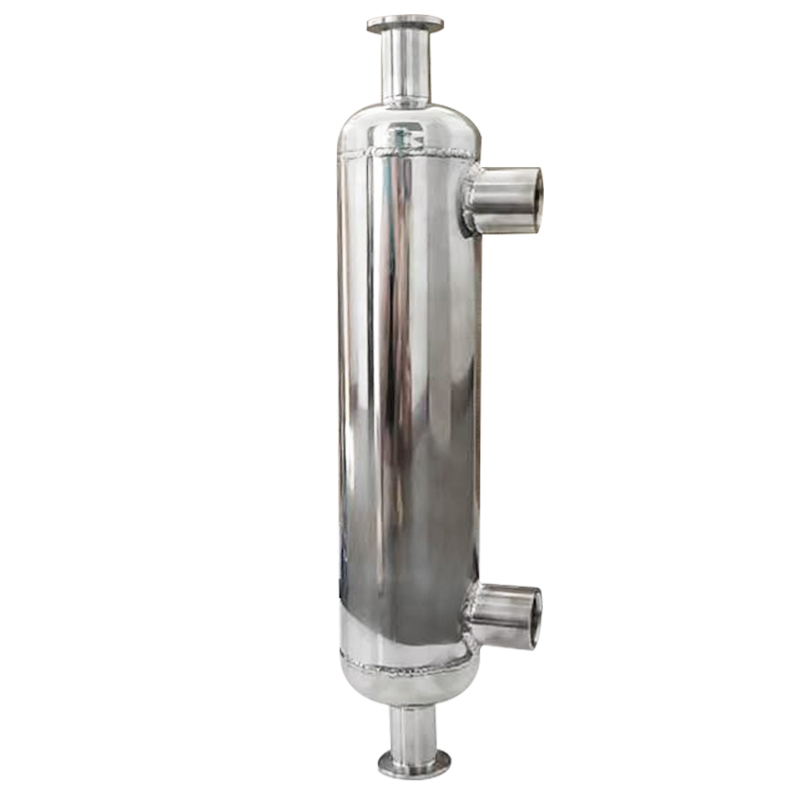
| Type | Heat-transfer coefficient | Pressure & temperature rating | Cleaning & maintenance | Typical application |
|---|---|---|---|---|
| Shell-and-tube | Moderate | High | Tube side dismantlable | Most concentration services |
| Plate | Higher | Moderate (limited by gaskets) | Plates dismantlable, prone to blocking | Clean low-viscosity media |
| Spiral | Higher | Moderate | Coils immersed in water | Small-to-medium high-boiling solvents |
How is the heat-exchange area estimated?
One-sentence conclusion: the area is estimated from evaporation rate and latent heat; first calculate the condensing heat load, then derive the area from heat-transfer coefficient and temperature difference, with a 15%~30% margin.
The estimation logic is simple: condensing heat load ≈ evaporation rate × latent heat of the solvent vapour, then divide by (heat-transfer coefficient × logarithmic mean temperature difference) to get the area. Taking water vapour as a reference, condensing 1000kg of water vapour requires moving roughly 540 000~560 000 kcal of heat. The latent heat of solvents commonly used in concentrators ranges from several hundred to over a thousand kcal per kilogram; look up the actual solvent at estimation. In common industry experience, the heat-transfer coefficient of a shell-and-tube condenser for water-vapour service is generally at the level of 500~1000 kcal/(m²·h·℃), and the temperature difference is taken between the vapour temperature and the cooling-water temperature. Add a 15%~30% margin to the theoretical area to cover fouling, load fluctuation and the rise of cooling-water temperature in summer. Sizing a condenser roughly by vessel volume easily results in incomplete recovery whenever the evaporation rate is slightly high.
What should be noted under vacuum service?
One-sentence conclusion: under vacuum concentration the vapour temperature is low and the specific volume is large; the condenser needs sufficient area and a reasonable vacuum-line layout, and condensate back-flow and non-condensable gas accumulation must be prevented.
The deeper the vacuum, the lower the solvent boiling point, the smaller the vapour density, the larger the volume, and the relatively larger the condensing area required; meanwhile the temperature difference between cooling water and vapour shrinks, and recovery drops noticeably when the condensing driving temperature difference is insufficient. Three layout points: leave enough vapour passage between the vacuum connection and the condenser to avoid entrainment of droplets at high velocity; set a liquid seal or receiving tank at the condensate outlet to prevent back-flow; and draw off non-condensable gas (air, light components) separately from the top of the condenser, otherwise it accumulates in the heat-exchange zone and directly lowers efficiency. For services requiring deep vacuum, add a vacuum buffer and trap stage after the condenser to reduce solvent being drawn off by the vacuum pump.
How are the cooling medium and temperature difference determined?
One-sentence conclusion: the cooling-water inlet-outlet temperature difference is generally taken as 5~10℃, and the condensate temperature should be 3~5℃ above the cooling-water outlet temperature; when the water temperature is high or the difference is insufficient, enlarge the area or change the cooling method.
The cooling-water inlet temperature easily rises to 28~32℃ in summer; the outlet temperature is generally controlled below 38~40℃, and an inlet-outlet difference of 5~10℃ balances cooling-water consumption and heat-exchange area. If the condensate temperature is only 1~2℃ above the cooling-water outlet temperature, the area is tight or fouling exists and the recovery rate will be depressed; generally the condensate temperature should be more than 3~5℃ above the cooling-water outlet temperature to stay healthy. When the summer water temperature is high or the workshop cooling-tower load is insufficient, common practice is to enlarge the heat-exchange area or supplement with chilled water or deep-well water. For solvents of high recovery value, investing on the condensing side is more economical than wasting it on the vapour side.
How are material and explosion-proof requirements chosen?
One-sentence conclusion: general solvents only need stainless steel; media containing chlorine or strong acids need corrosion-resistant materials; flammable solvents require static grounding and explosion-proof connections per the requirements — do not omit them.
Choose the material of the tube side and shell side in contact with vapour and condensate by the corrosiveness of the medium: 304 stainless steel is enough for common solvents; media containing chloride ions or strong acids should consider 316L or a more corrosion-resistant material, and the cooling-water side is chosen from ordinary carbon steel or stainless steel by water quality. Under flammable-solvent service the condenser is a static- and temperature-sensitive part: vapour flowing at high speed through the tubes generates static charge, so the equipment must have reliable static grounding, the piping flanges and instrument connections should be configured per the explosion-proof zone class, and temperature alarms on the cooling-water inlet and outlet are recommended. Provide the flash point, explosion limits and process temperature of the medium to the manufacturer at selection; fixing the explosion-proof configuration at the drawing stage saves far more than retrofitting after arrival.
What are the common selection mistakes?
One-sentence conclusion: four common mistakes — sizing the area by guesswork, ignoring the difference between vapour temperature and vacuum degree, neglecting condensate back-flow and non-condensable gas, and choosing material by price instead of medium — all directly lower the recovery rate or bring safety risks.
| Mistake | Symptom | General countermeasure |
|---|---|---|
| Area sized by vessel volume | Recovery incomplete when evaporation rises | Estimate from evaporation and latent heat with margin |
| Vacuum degree ignored | Recovery drops sharply under high vacuum | Recalculate area by actual boiling point and temperature difference |
| No liquid seal or non-condensable vent | Condensate back-flow, low heat-exchange efficiency | Add liquid seal and non-condensable vent |
| Material chosen by price | Corrosion leakage, short life | Choose 304/316L or higher by medium corrosiveness |
Condenser selection for a concentrator can be summed up as: first calculate the evaporation rate and heat load, then fix the type and material by material characteristics, and finally check vacuum, explosion-proof and cooling conditions together. For continuous concentration of high-value solvents, leave more heat-exchange margin on the condensing side and fit temperature and level monitoring, so the recovery rate is made real instead of being patched after vapour carry-over.
Haolin Shengda produces stainless steel concentrators and stainless steel storage tanks and other chemical equipment; the concentration system can be equipped with shell-and-tube, plate or spiral condensers with heat-exchange area and material configured by solvent characteristics, vacuum degree and cooling conditions. Before choosing a condenser, settle four parameters first — evaporation rate, solvent boiling point, vacuum degree and cooling-water temperature — then discuss type and area.
Further reading: - How does mechanical vapour recompression (MVR) on a concentrator save steam? Principle of heat-pump evaporation and its application boundary - How do evaporation temperature and vacuum correspond in a concentrator? The boiling-point curve determines evaporation efficiency
This article is prepared by Haolin Shengda Equipment Manufacturing Co., Ltd. (hyline.cn), specializing in stainless steel reactors, mixing tanks, storage tanks, dispersers, concentrators and complete chemical production lines, supporting non-standard customization.
Q&A from this article
Frequently asked questions and answers from this article
One-sentence conclusion: the shell-and-tube type is versatile and easy to clean and is the…
Related Products

Jacketed Reactor
The typical main reaction vessel in chemical production. Mixing, heating and cooling disperse and mix materials for reaction and polymerization. The jacket circulates thermal oil/steam for heating or cooling water for temperature control.
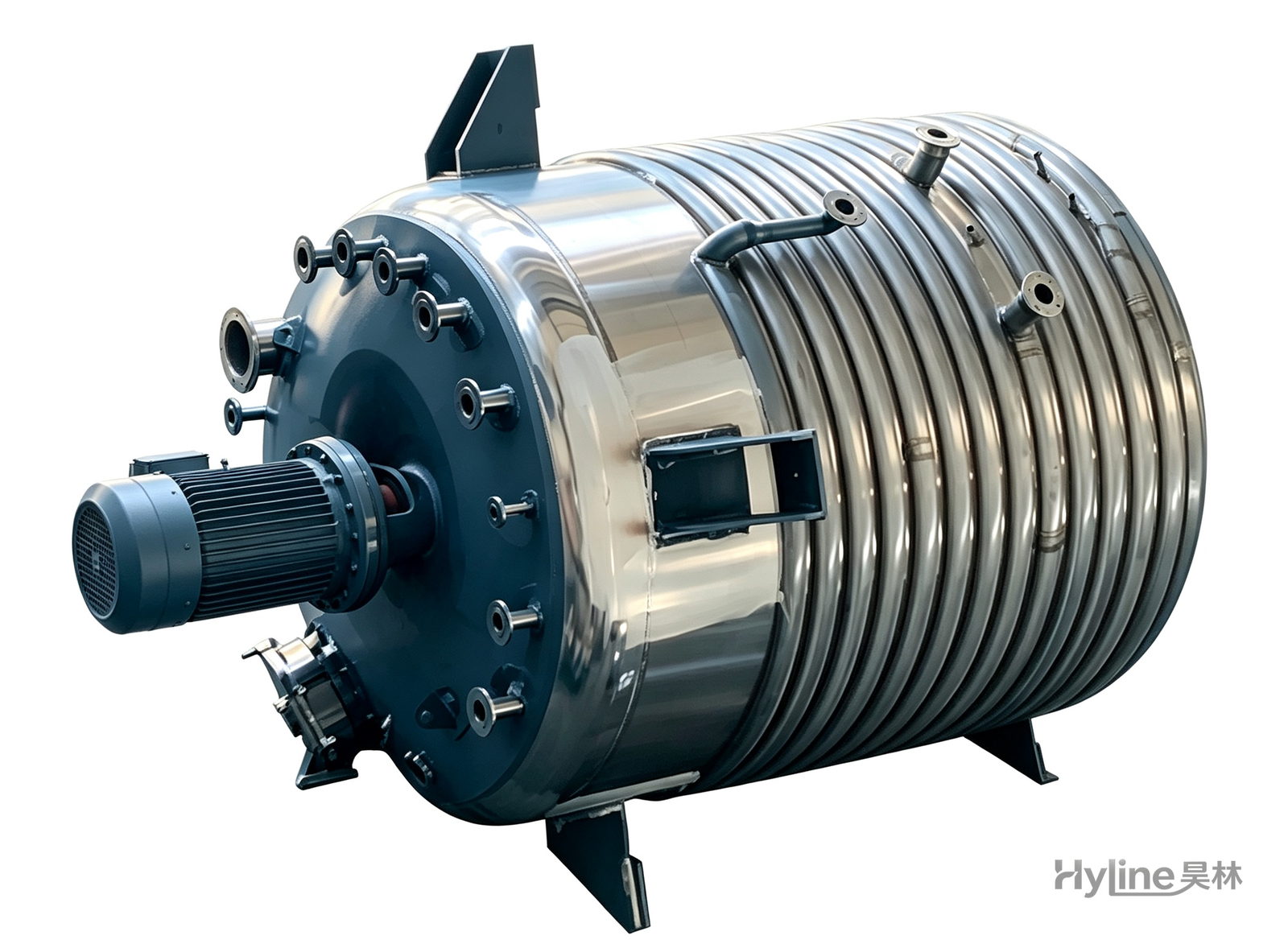
External Half-Coil Reactor
External half-pipe heating & cooling coils provide uniform, efficient heat exchange with zero material dead zones inside. Mirror-polished 304/316L stainless tank is clean and corrosion-resistant. For resin, new-energy slurry and pharmaceutical synthesis.
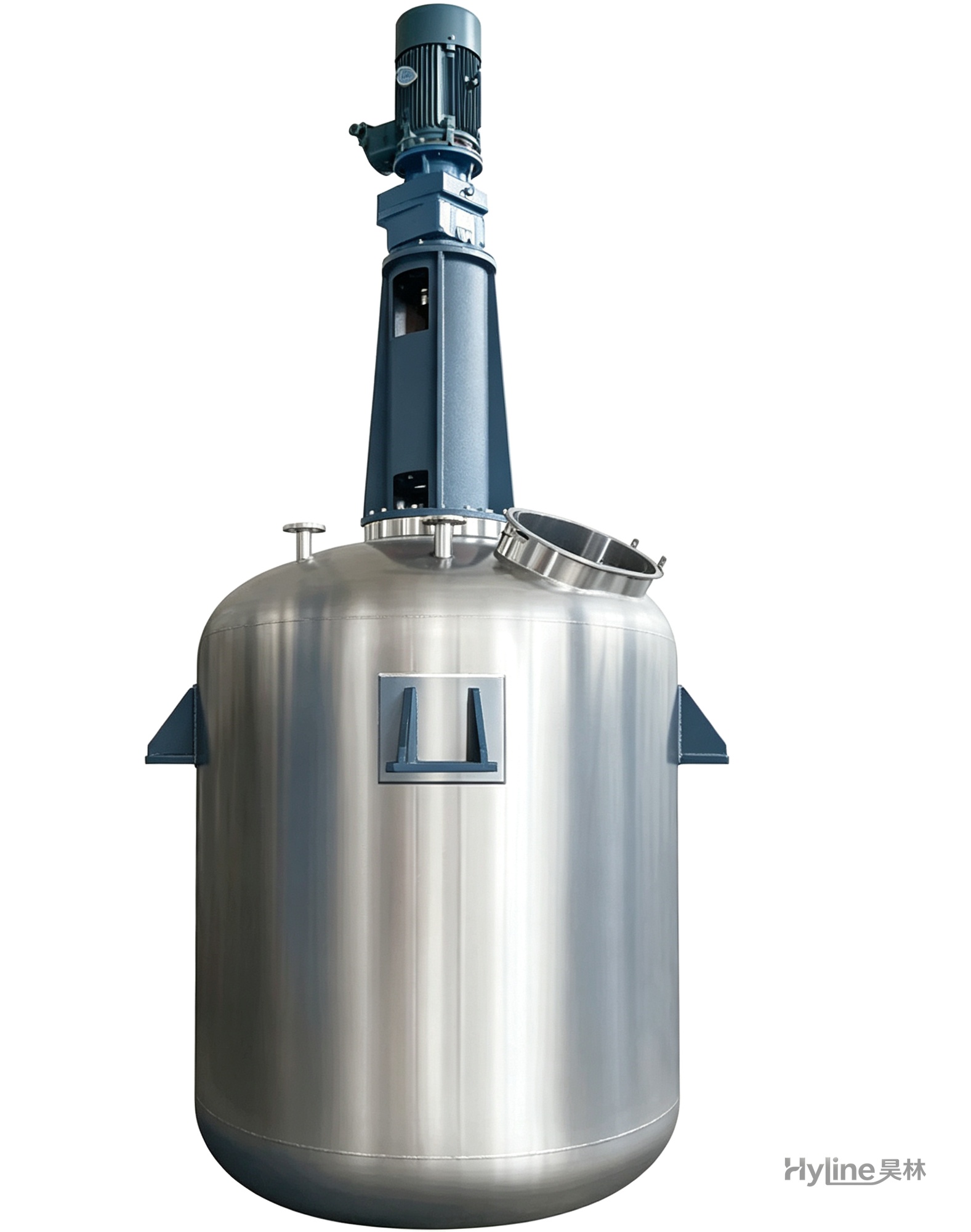
TC Series Mixing Kettle (Tinting)
For color matching in the paint industry and liquid-liquid / liquid-solid mixing in other industries. Uniform tinting, good miscibility, reasonable structure and powerful stirring.
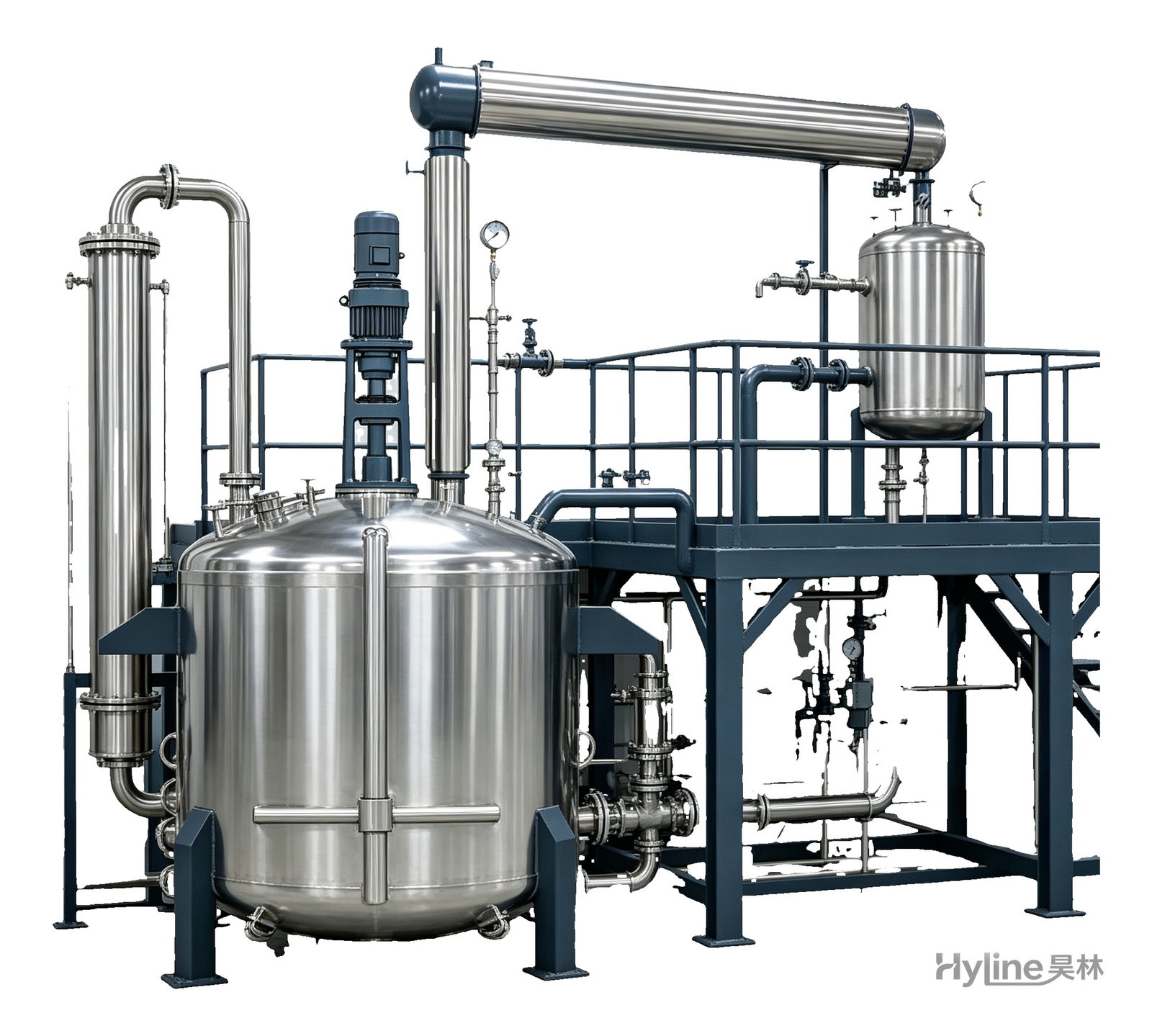
Complete Resin Production Equipment
Resin production packages built around the reactor, with vertical fractionating column, horizontal condenser and water separator for full synthesis, dehydration and reflux processes. Sizes from 300L to 30000L.
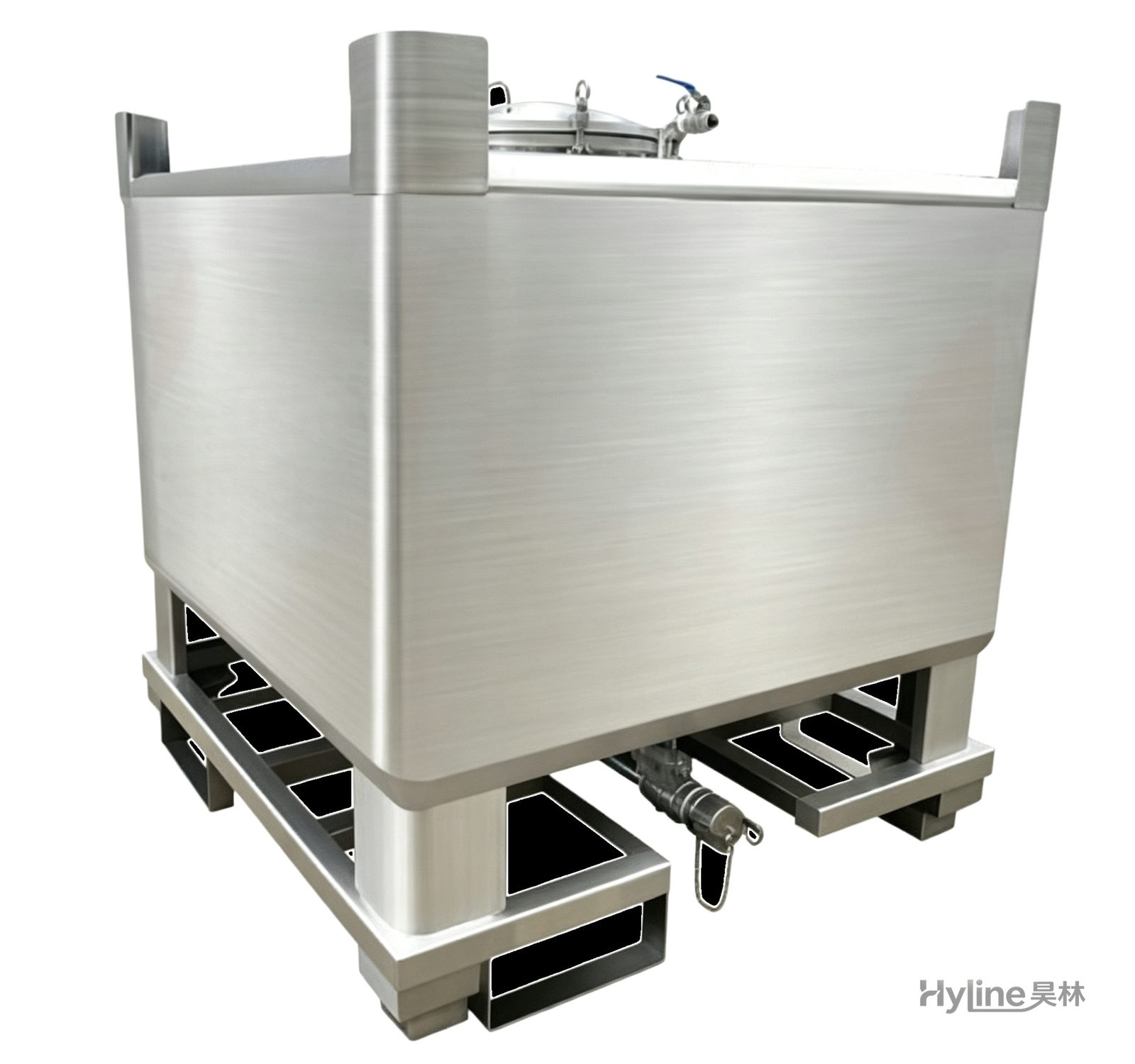
IBC Tank (Intermediate Bulk Container)
HDPE blow-molded liner with hot-dip galvanized steel frame - UV resistant, anti-aging, easy to clean, non-toxic. Four-way fork base for easy handling and stacking; ideal for liquid storage and transport.