
How to choose a stainless steel mixing tank for the disinfectant industry? Corrosion control and cleanliness essentials for sodium hypochlorite solutions
11/13/2026
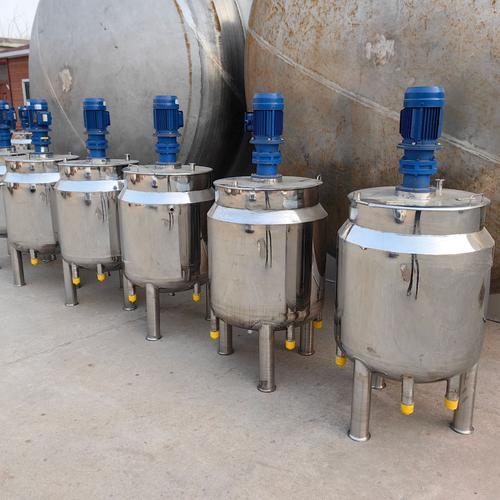
Disinfectant production is mostly dissolution, blending and filling of low-viscosity liquids: quaternary ammonium blends, diluted and stabilized sodium hypochlorite, diluted hydrogen peroxide, alcohol-based formulations — batches from a few hundred liters to several tons. The formulas are relatively simple, but the equipment cannot be casual: some media are strongly oxidizing, some have low flash points, some are sensitive to metal ions — one wrong material choice can scrap a whole batch; and if cleanliness and cleaning fall behind, batches cross-contaminate and complaints arrive directly. Along four lines — media and material, blending and mixing, filtration and filling connection, cleanliness and cleaning — this article sets out the selection logic for mixing tanks in the disinfectant industry so buyers can pin down the tank configuration.
What do disinfectant media demand from the equipment?
One-sentence conclusion: set material by medium, and set temperature and concentration boundaries by oxidizing power — one configuration cannot serve every category. The disinfectant ingredient spectrum is wide and corrosivity varies greatly: quaternary ammonium blends are friendly to stainless steel, where 304 or 316L tanks are mainstream; the threat of sodium hypochlorite to stainless steel comes from chloride pitting, and the higher the concentration and temperature, the higher the risk; hydrogen peroxide decomposes catalytically with metal ions, placing demands on both material and cleanliness.
| Media category | Common material route | Watch points |
|---|---|---|
| Quaternary ammonium blends | 304 / 316L stainless steel | Ambient blending, stainless-friendly |
| Low-concentration sodium hypochlorite (ambient) | 316L or non-metallic lining | Control concentration and temperature against pitting |
| High-concentration sodium hypochlorite | Mainly non-metallic vessels | High corrosion risk for stainless steel |
| Diluted hydrogen peroxide | 316L with high-cleanliness configuration | Avoid metal-ion catalyzed decomposition |
| Alcohol-based blends | 304 with explosion-proof electrics | Low flash point, explosion-proof motors and controls |
Lock the main media categories, concentrations and service temperatures before discussing material routes — only then are quotations comparable. Many buyers ask only for volume first and leave material routes unclear, only to find at delivery that the medium does not fit; rework costs far more than the price difference.
Beyond material, structure itself is part of the anti-corrosion chain: crevices and dead zones breed concentrated media and residue; every lap joint and fitted position inside the tank is made a continuous weld and ground smooth; gaskets and seals are chosen for medium resistance — ordinary rubber swells and ages fast in oxidizing media, so oxidation-resistant materials hold the maintenance cycle.
Also watch batch-switch compatibility: the same tank blending quats today and sodium hypochlorite tomorrow can form precipitates from residue reacting with cleaning agents — switch order and cleaning procedures must be fixed in the process documents; where tank count allows, dedicate a separate tank to strongly corrosive categories, steadier for both equipment life and product quality, and it is worth paying a little more at selection to keep this margin.
How to configure blending and mixing?
One-sentence conclusion: for low-viscosity blending use propeller or open-turbine impellers with baffles against swirl, and balance speed between mixing time and foaming. Disinfectant blending is mainly homogenization — strong shear is unnecessary, and mixing time only needs to meet the formula requirement; excessive speed whips the surfactant system into heavy foam, and standing to defoam stretches production rhythm.
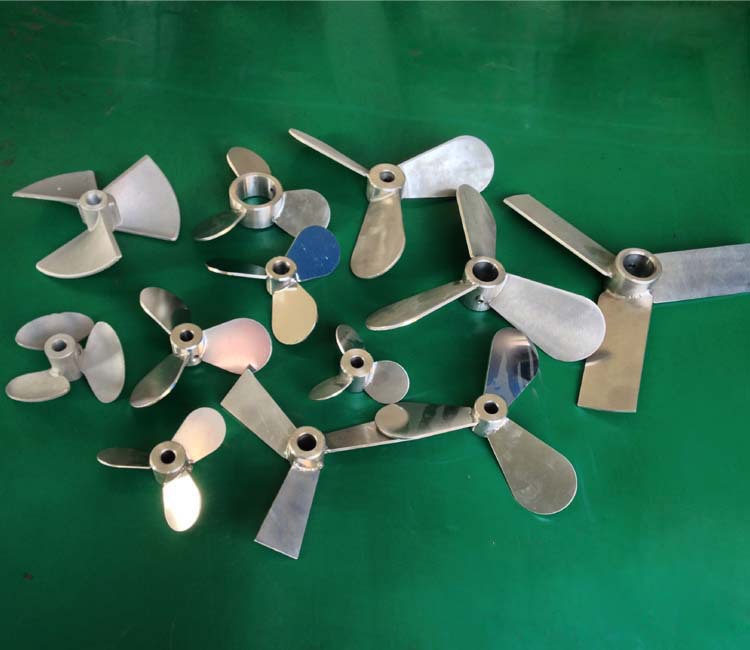
Feeding method matters more than speed for foaming: add surfactants and fragrance close to the liquid surface at low speed, avoiding pouring from a height that entrains air. Categories needing heating (some blends thicken in winter) need only jacket warm-water heating — avoid local overheating that destroys active ingredients. Impeller material matches the tank, welds transition smoothly inside and are polished so residue does not accumulate at welds as a microbial point.
The relation between baffles and liquid level also affects results: once tank diameter and liquid depth are set, baffle width and number are configured to the minimum that kills swirl; never start the mixer below the impeller level — low-level mixing builds no flow field and entrains gas. Motor and controls are rated explosion-proof by medium flash point; workshops blending alcohol-based products cannot skip this, and the explosion-proof rating is written into the contract together with the tank configuration.
Mixing power and motor configuration are calculated at maximum filling level: blend density is close to water so power estimation is easy, but leave margin on the motor for density increases when products change; select the inverter by the constant-torque band — torque output at low speed is tighter than at high speed, so verify against low-speed duty, and check seal and bearing loads against viscosity changes as well.
How to configure tank structure and nozzles?
One-sentence conclusion: sanitary nozzles, quick-opening manways and sight-glass lights are laid out per cleaning and operating needs, level meters are chosen by foaming behavior, and the bottom arc is set together with the discharge port. Nozzles use sanitary clamp fittings with gaskets matched to the medium; manways sit on the roof or quick-opening side positions for easy entry and cleaning; sight glasses get a wash port so a fogged window can be cleared at any time. In foaming media, level readings jump easily — choose magnetic-flip with explosion-proofing or radar type by medium and cleanliness requirements, since both charging and draining rely on it. Arc bottom transition, centered or offset discharge per the outlet method, legs floor-mounted or mobile per workshop layout — laying all of this out at the drawing stage is far easier than changing it after delivery.
How to connect filtration and filling?
One-sentence conclusion: run one bag-filtration pass before filling to remove flocs and particles, and size the bottom outlet and pumping to the filling rhythm. During blending, water addition and powder dissolution, flocs and undissolved particles inevitably enter; a bag filter pass before filling removes them, with precision selected per product requirement — bags are replaceable and low-cost, suiting workshops with frequent category switches.
For small-batch multi-SKU producers, when choosing a filling machine prioritize gravimetric semi-automatic models: changing specifications only changes parameters, different bottle types share the machine, matching the multi-specification, multi-packaging business model of disinfectants. The bottom valve size and pipeline slope follow material flowability, and the discharge pump is selected for foam behavior — foam-rich categories need a foam-friendly pump to avoid filling-volume fluctuation.
Planning the transfer before filtration is also worthwhile: blended material first stands to defoam or cure, then moves to filtration and filling, with sanitary piping linking the buffer vessels to the main tank. Fast-rhythm workshops add a buffer tank after filtration — the main tank focuses on blending, the filler on portioning, and neither waits for the other.
How to configure cleanliness and cleaning?
One-sentence conclusion: sanitary-grade polished inner walls and dead-zone-free structure; choose between CIP and manual cleaning by batch-switch frequency. Although disinfectants are germicidal products, equipment cleanliness directly determines product stability: polish the inner wall to sanitary requirements, use arc transitions at the bottom, and seal manways, sight glasses and nozzles with sanitary fittings so cleaning can reach everywhere.
Workshops switching batches frequently fit CIP cleaning ports with spray balls covering roof and wall; low-frequency workshops use manual cleaning with quick-opening manways at lower cost. Either way, drainage slope and the drain port are fixed at the drawing stage — standing liquid at the tank bottom is the main source of cross-contamination.
After CIP cleaning, a coverage check is recommended: visually inspect residue or place water-soluble test papers at the roof inner wall and dead corners to confirm the spray balls leave no blind zone. Check the drain port and slope regularly, inspect standing liquid at the bottom weekly, and schedule an early tank cleaning if odor or turbidity appears.
How to connect storage, transport and packaging?
One-sentence conclusion: after filling, containers are set by medium and specification — IBC tanks suit large-volume turnover, small formats follow sales packaging. Strongly oxidizing media like hypochlorite also constrain packaging materials: long-term metal storage risks corrosion, so choose plastic drums or dedicated packaging by medium; alcohol blends have low flash points, so storage-area electrics and ventilation follow explosion-proof requirements. IBC tanks for turnover are selected by stacking and transport requirements, filling volume matched to the drum, with labels and batch numbers managed together with batch records so the product remains traceable beyond the workshop.
Packaging hygiene must not relax either: set the protection level of the filling port by product positioning, match drum and bottle washing-drying by category, and keep the sealed-goods staging area and transfer routes away from dirty zones; inspect packaging materials batch by batch at receipt — residual moisture in drums accelerates decomposition of oxidizing media, a detail often overlooked.
How to pin down the disinfectant mixing tank configuration?
One-sentence conclusion: give all four parameters — media category, concentration and temperature, batch size and filling rhythm — and the tank configuration will not drift. Material follows the medium, mixing follows the formula, filtration and filling follow the rhythm, cleanliness and cleaning follow switch frequency; with each line grounded, differences between supplier quotations become readable and comparable.
Hyline Shengda Equipment Manufacturing Co., Ltd. (hyline.cn) has years of experience customizing stainless steel mixing tanks for disinfectants, daily chemicals and food blending: material set by media category, mixing configured to the blending process, filtration and filling connection scheduled by rhythm, and the cleanliness and cleaning plan delivered with the drawings at once. Send us the medium names, concentration and temperature, and batch scale, and the disinfectant mixing tank proposal will be priced and sized together.
Further reading: - How to choose a stainless steel mixing tank? Material and impeller matching for food, chemical and new-energy slurry conditions - How to fully drain a stainless steel storage tank? Bottom slope, outlet and tank-cleaning design essentials
This article is prepared by Hyline Shengda Equipment Manufacturing Co., Ltd. (hyline.cn)
Q&A from this article
Frequently asked questions and answers from this article
One-sentence conclusion: for low-viscosity blending use propeller or open-turbine impeller…
Related Products
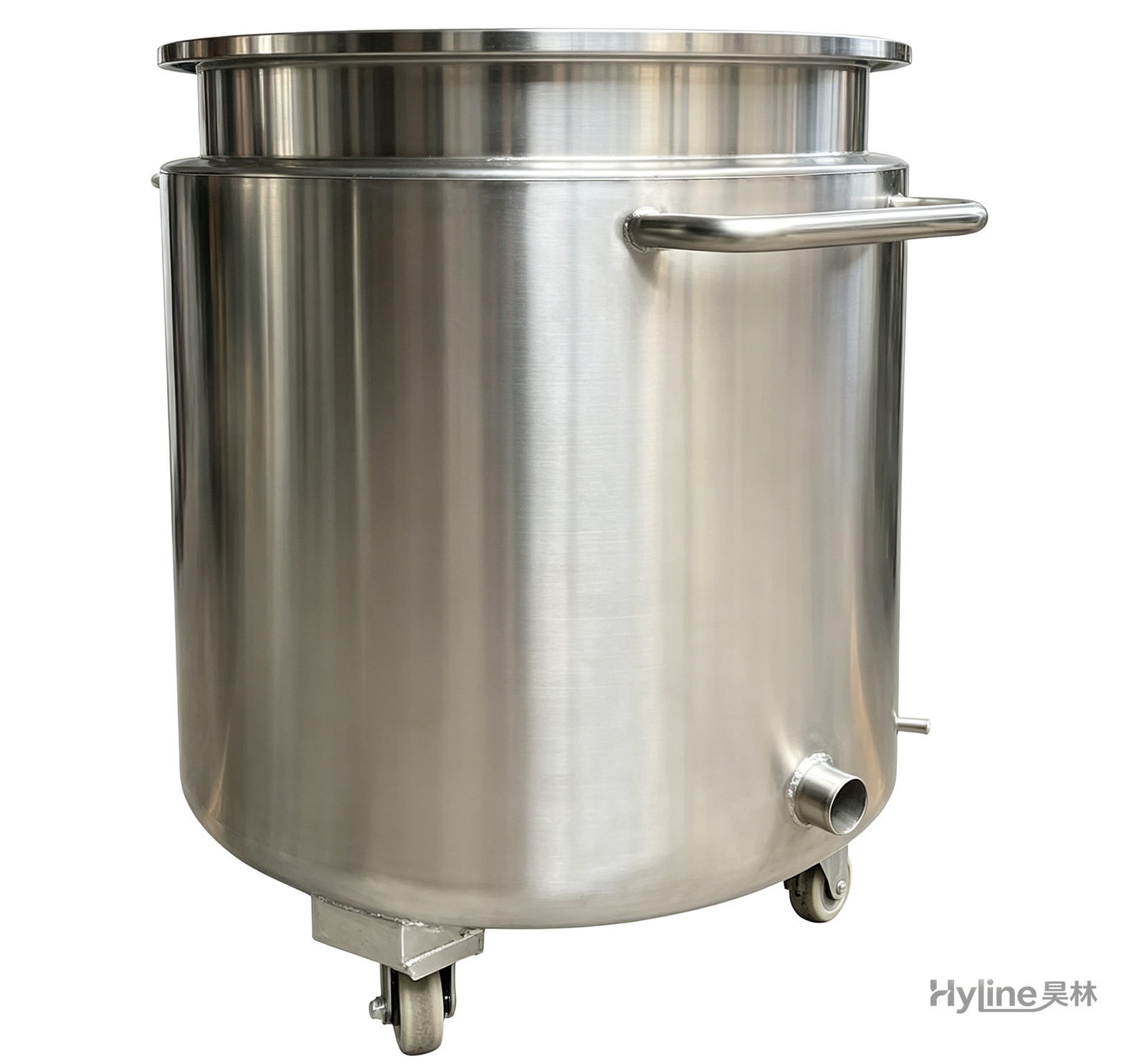
Stainless Steel Mixing Tank (Dispersion Drum)
Supporting vessel for dispersers and mixers in paints, coatings, adhesives, color slurries, inks and electronics. Available in 201/304 stainless with internal/external polishing and sloped bottom side discharge for complete draining.
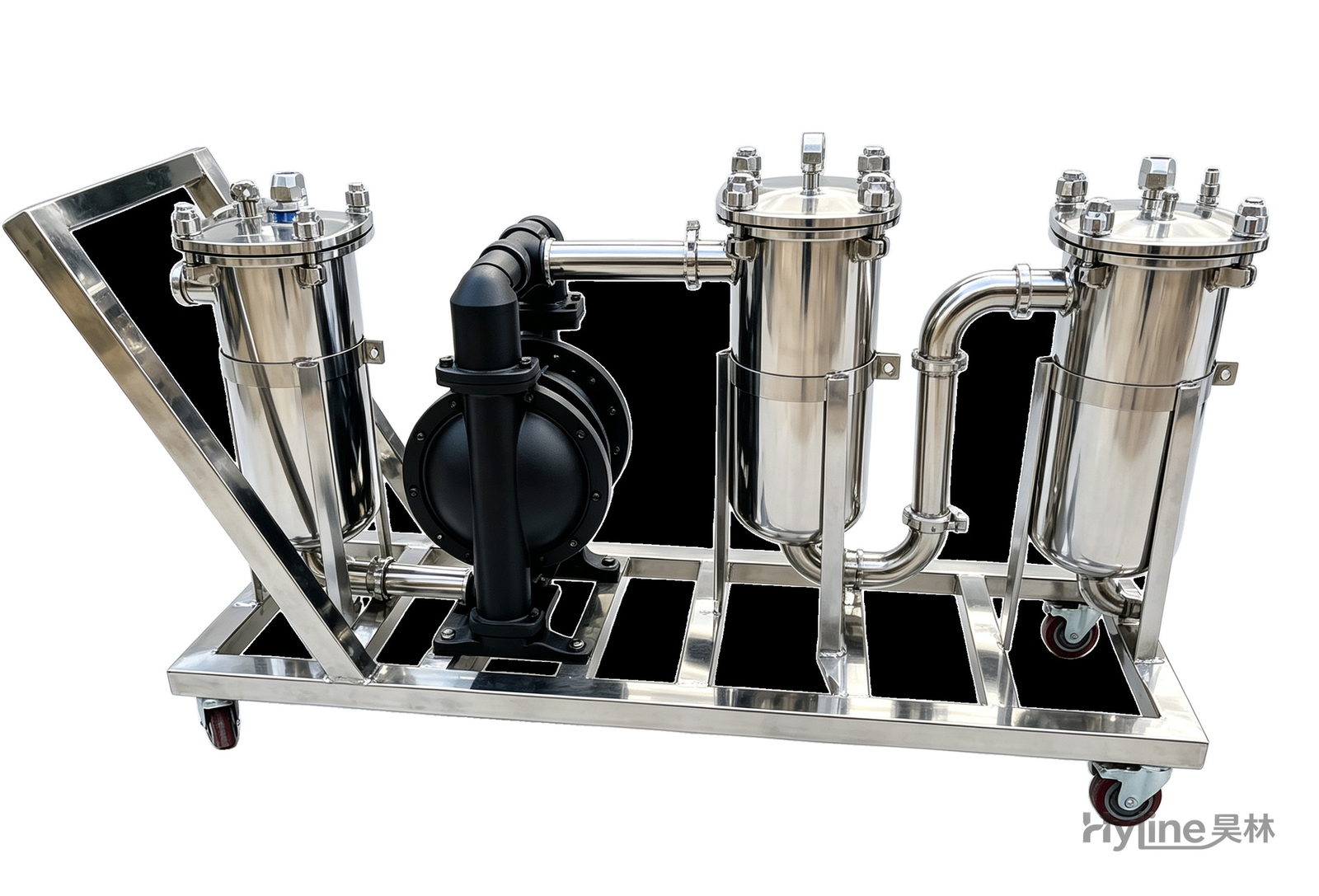
DL Series Bag Filter
A novel, compact, flexible and airtight multi-purpose filter widely used in chemicals, coatings, inks and food. Single and duplex models available, mountable on mobile carts with transfer pumps.
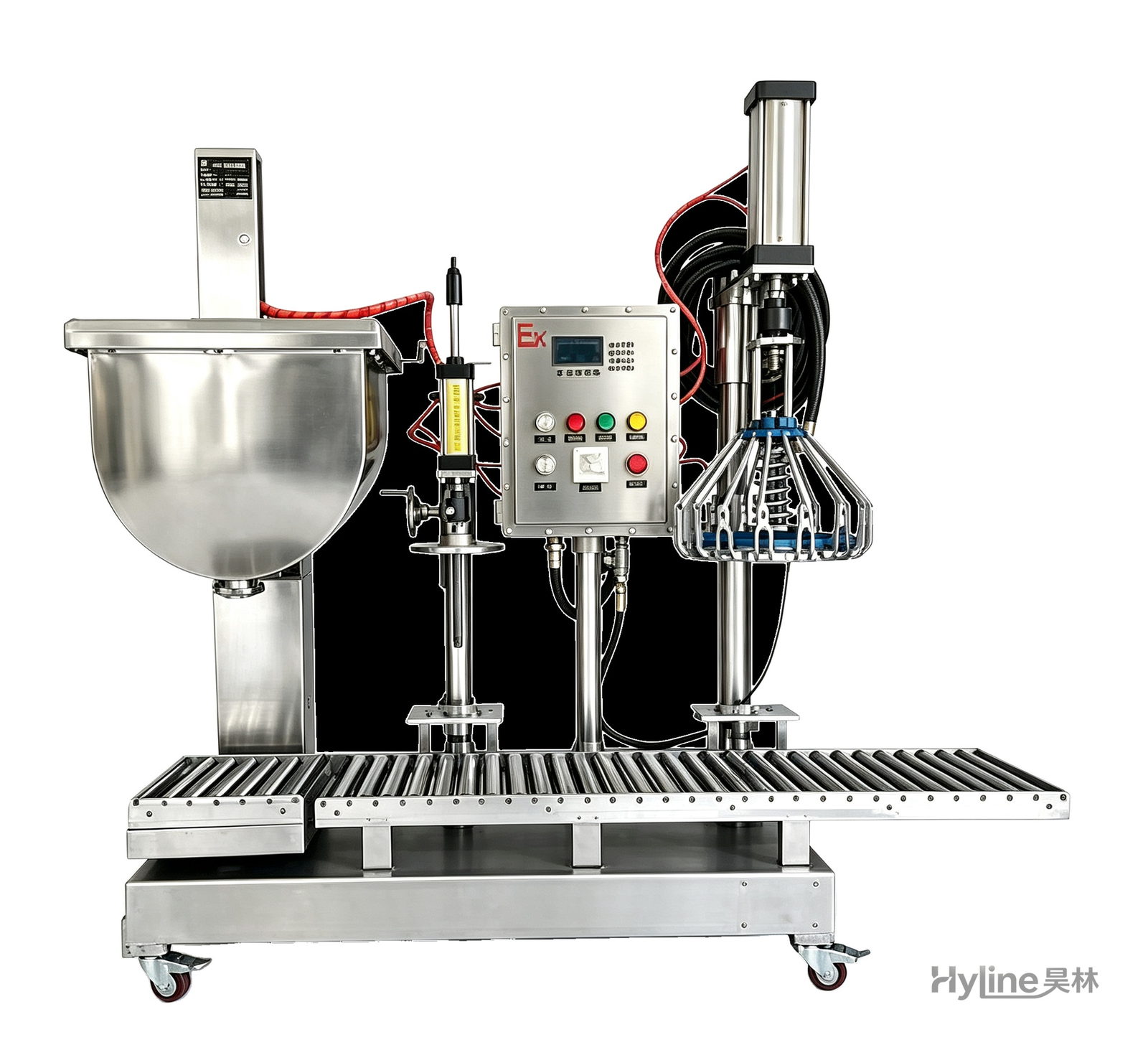
Weighing Semi-Automatic Filling Machine
Designed for frequent packaging changes with dual capping. European weighing technology with Siemens PLC: automatic feed speed adjustment and precision correction, triple protection (emergency stop/power-off/tank removal), explosion-proof fittings.
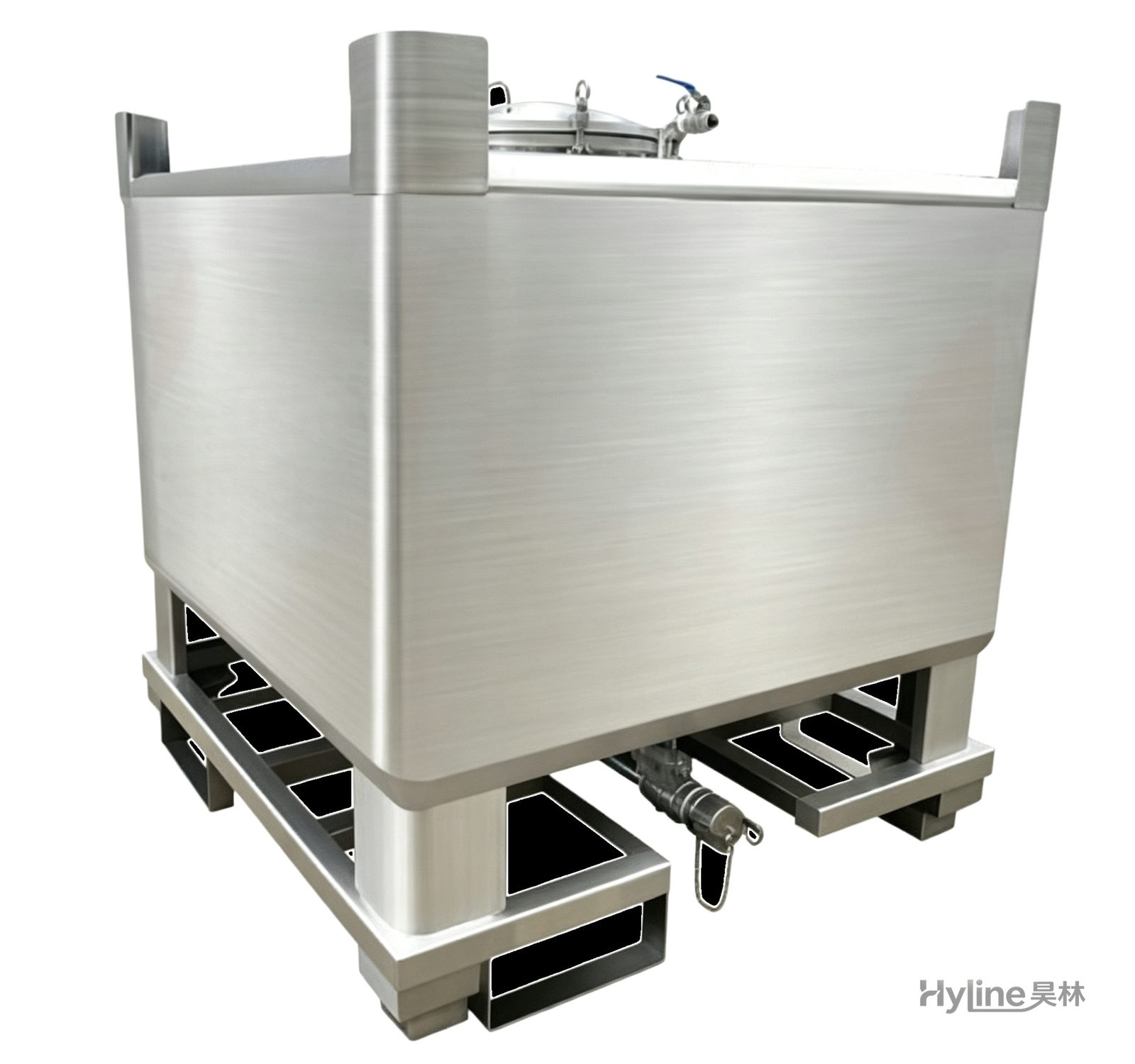
IBC Tank (Intermediate Bulk Container)
HDPE blow-molded liner with hot-dip galvanized steel frame - UV resistant, anti-aging, easy to clean, non-toxic. Four-way fork base for easy handling and stacking; ideal for liquid storage and transport.