
How to Select the Matching Dispersion Vessel for a High-Speed Disperser? Sizing by Volume, Disc Diameter and Loading/Unloading
11/1/2026
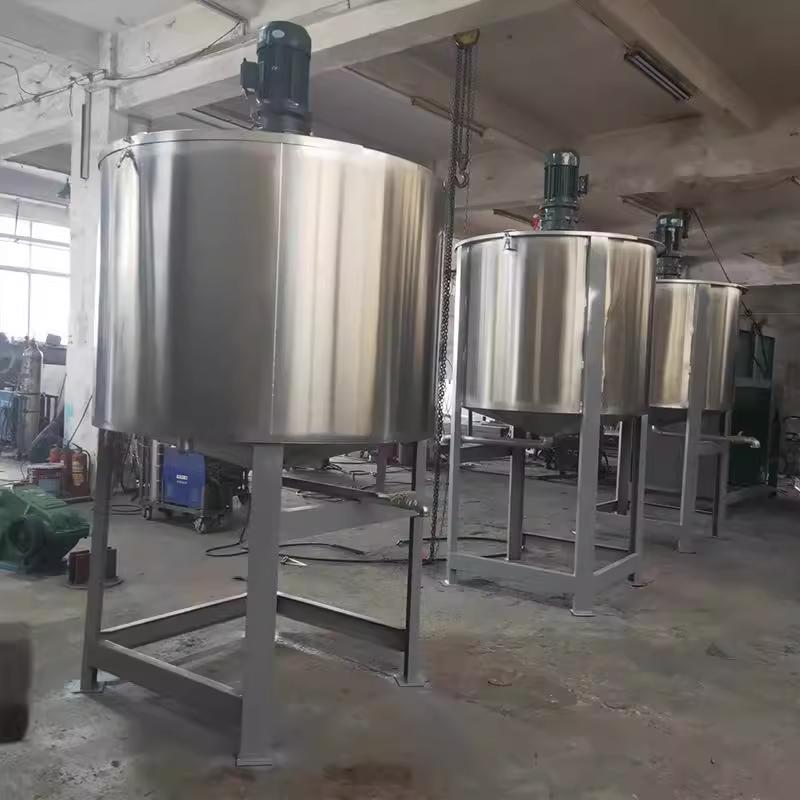
In paint, ink and adhesive workshops, the high-speed disperser is the main equipment for breaking up powder and preparing paste; it disperses pigments and fillers into the resin liquid through the high-speed rotation of the dispersion disc. But the disperser does not work alone — it must be matched with a suitable dispersion vessel (also called let-down tank or dispersion tank). The volume, diameter, depth and mobility of the vessel directly determine the dispersion effect and production rhythm. This article starts from typical paint and ink conditions, explains how to select the matching dispersion vessel, and aims to help you set the selection parameters correctly at once.
How is the dispersion vessel volume determined?
One-sentence conclusion: the dispersion vessel volume is determined by the batch processing quantity and the filling coefficient; generally estimate the nominal volume as "single batch output ÷ 0.7-0.8" and round up to a standard specification.
Dispersion batches in paint and ink production are usually planned as "several tons of paste per pot". For example, if the target is 800 kg of finished paste per pot, with a paste density of 1.2-1.4 g/cm³, the volume is about 570-670 L; considering a 20%-30% margin for foam and liquid level, a nominal vessel volume of 800-1000 L is appropriate. The filling coefficient (ratio of actual liquid level to vessel volume) is generally 70%-80%: too high causes splashing and overflow during high-speed dispersion, too low means the disc cannot reach the lower material and sediment accumulates at the bottom. Large batches need large vessels and small batches small ones; avoid "a big horse pulling a small cart" or vice versa — if the vessel is too large the disc is too far from the bottom, and if too small the batch must be split into several pots, both hurting efficiency. Before fixing the volume, think through the production structure: if the workshop produces both multi-ton large batches of paint and small hundreds-of-kilogram tinting orders, do not expect one vessel to cover everything. In practice a "one large plus one small" pair is common: the large vessel runs the main products, the small one takes trial colors, touch-up colors and special orders, and both share one disperser with quick switching by the press frame on the tank mouth. This protects the capacity of large orders without letting occasional orders occupy the main vessel rhythm. The vessel volume should also match the capacity of the storage tank and filling machine, so that fast dispersion is not blocked by slow filling, or slow dispersion does not starve the filling line — the whole line rhythm is only as good as the slowest middle link.
How are the tank diameter and dispersion disc diameter matched?
One-sentence conclusion: the dispersion disc diameter is generally about 1/3 of the tank diameter; the disc diameter, speed and linear speed must be matched as a whole according to the target fineness.
The dispersion principle of a high-speed disperser relies on the linear speed at the disc edge to generate shear; the commonly used linear speed range in the industry is 15-25 m/s. Linear speed = disc diameter × speed × π / 60000, so once the disc diameter is set, the speed follows. Taking a 1000 L vessel as an example: the tank diameter is about 1100-1200 mm, and the dispersion disc diameter is generally 350-400 mm; with a 0-1450 rpm variable-frequency main shaft, the disc edge linear speed covers the common 15-25 m/s range. The ratio of tank diameter to disc diameter (D_tank/D_disc) is generally controlled at 2.5-3.5: if too large, the shear at the disc edge does not reach the tank wall area and the material near the wall mixes unevenly; if too small, the gap between disc and wall is too small, causing material to be thrown and heated. Also consider the tank depth: the liquid level should generally not exceed twice the disc diameter, so the whole material layer stays within the effective shear zone. The common matching can be framed in the table below (taking a 1000 L vessel as an example):
| Nominal vessel volume | Tank diameter reference | Disc diameter | Common speed range | Disc edge linear speed |
|---|---|---|---|---|
| 500 L | 800-900 mm | 300-350 mm | 0-1450 rpm | approx. 15-22 m/s |
| 1000 L | 1100-1200 mm | 350-400 mm | 0-1450 rpm | approx. 15-25 m/s |
| 2000 L | 1400-1500 mm | 450-500 mm | 0-1200 rpm | approx. 18-25 m/s |
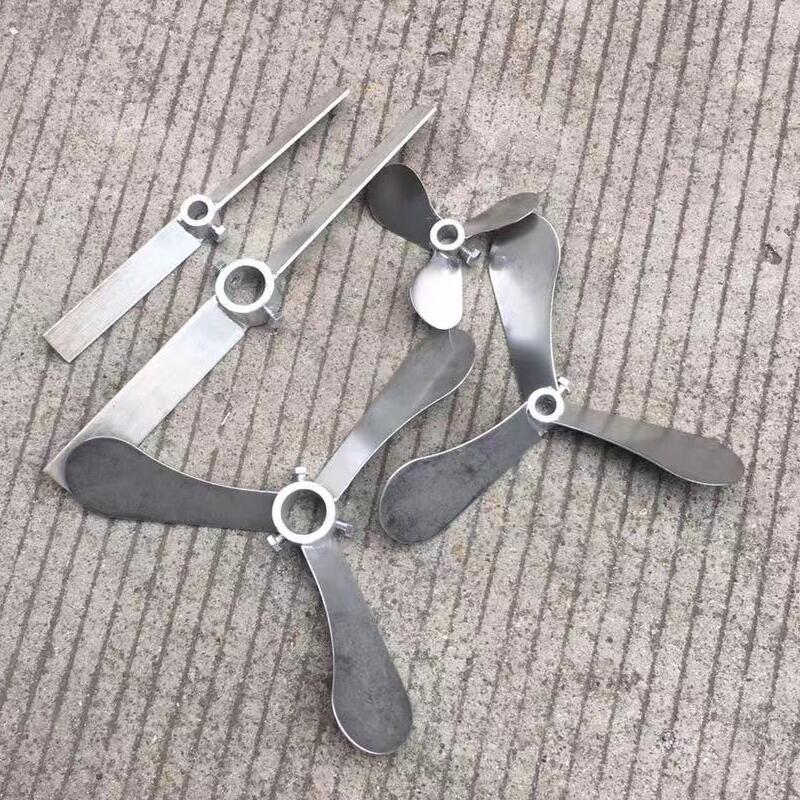
The table is only a starting point; fine-tune by paste viscosity and target fineness: the higher the viscosity, the larger the disc diameter and linear speed; the finer the target fineness, the more the speed and dispersion time must be recalculated. When one vessel is matched with several dispersers, make the disc diameter replaceable and switch discs by product instead of changing the vessel for every product.
How to choose the mobility and loading/unloading of a let-down tank?
One-sentence conclusion: whether the dispersion vessel is fixed or mobile (let-down tank) depends on whether the process needs to move between the dispersion station and the storage tank or filling station; for mobile tanks, check the casters, forklift pockets and discharge valve carefully.
The typical flow of a paint and ink workshop is "mix in the dispersion vessel → high-speed dispersion → thinning and color matching → filtration → filling", and the paste moves between stations, so most workshops use mobile let-down tanks. Four things matter most for a mobile let-down tank: first, casters — the load is calculated as "tank weight + full material weight", generally 1-3 tons per tank, and the casters must have brakes; second, forklift pockets or lifting lugs for moving a full tank; third, the discharge method — a bottom discharge valve (butterfly or ball valve) is easier than tilting the tank to pour out, and suits connecting a pump or direct filling; fourth, the tank mouth structure — it is best to carry a press frame or cover mounting position so the disperser shaft can be raised and lowered for positioning, and solvent evaporation is reduced. Fixed dispersion vessels (directly floor-mounted or with legs) suit single-station long-term stable production without transfer, and cost less, but are less flexible when the process involves multiple stations.
How is the matching configuration for paint and ink conditions arranged?
One-sentence conclusion: solvent-based paint and ink requires a full explosion-proof drive and electrical package; water-based systems focus on material cleanliness and fineness stability; the matching plan follows the solvent type.
For solvent-based coatings (containing toluene, xylene and ester solvents), the dispersion vessel is a container in an explosive hazardous area: the matching high-speed disperser must use an explosion-proof motor and explosion-proof electric control, and the vessel itself must be reliably grounded to avoid static accumulation and sparking; these vessels are mostly sealed or semi-sealed to reduce solvent evaporation and odor. Water-based coatings and inks focus on safety and environmental protection: the key points are polished inner wall and easy cleaning for color and batch changes; if vacuum deaeration is needed later, a dispersion system with a vacuum cover can be configured. For processes with heavy powder feeding, the vessel mouth should reserve a feeding port and dust removal interface. Also calculate the power: estimate the main shaft power by paste viscosity and batch volume; a 1000 L vessel with low-viscosity paste needs an 11-15 kW main shaft, while high-viscosity systems need a larger unit or a powerful disperser model — if the power is too small, the disc cannot rotate properly and the fineness can never be reached. The matching plan can also follow the production structure: for single-product, large-batch production, use a fixed-station vessel with a high-power main shaft and automatic feeding in a continuous rhythm; for multi-product, small-batch workshops with frequent color changes, prefer one machine with multiple vessels — one disperser matched with 3-5 let-down tanks used in rotation: while one vessel is being dispersed, the others are being mixed or cleaned, and the main shaft is positioned by the press frame on the tank mouth after lowering. This way a fixed set of equipment supports a higher batch-change frequency, and the cleaning and mixing time is moved out of the dispersion rhythm, stabilizing the capacity of the whole line. Add the explosion-proof, vacuum, heating and cooling functions item by item according to the actual material and process needs rather than equipping everything at once, which increases cost and floor space.
How to choose the material and cleaning of the dispersion vessel?
One-sentence conclusion: the inner wall of the dispersion vessel in contact with the material should be 304 or 316L stainless steel with polishing; food-grade and strongly corrosive systems use 316L; cleaning follows the color-change and batch-change rhythm with CIP or manual cleaning.
For stainless mixing tanks and let-down tanks, 304 (0Cr18Ni9 type) is the first choice for most paint and ink pastes; for systems containing chloride ions, strong acids and alkalis, or high-end inks sensitive to iron ions, upgrade to 316L (00Cr17Ni14Mo2 type) and control the nickel-molybdenum content to prevent corrosion products affecting the color. The inner wall roughness is generally required to be Ra≤0.8 μm, and higher for food and pharmaceutical grades. For cleaning, ink changes color frequently and the dried paint skin remaining on the inner wall and disc is the hardest to handle: choose a no-dead-corner structure — rounded transitions, no material-accumulating steps, detachable discharge valve; for large volumes, configure a mobile CIP cleaning station; for small volumes, clean manually, and the vessel mouth diameter should be large enough for an arm to reach in. Also note the matching dimensions of the clamp/press cover between the dispersion vessel and the high-speed disperser, and the material transfer connection between the vessel bottom and mixing tanks or IBC totes; consistent interfaces save a lot of tank-change time.
How is the selection list finalized?
One-sentence conclusion: when finalizing the selection list, write out seven parameters at once — volume, tank diameter, disc diameter, speed, power, material and mobility — and let the manufacturer match by parameter; that works far better than "I want a big tank".
When sending an inquiry to the manufacturer, communicate with a parameter table like this: single batch output, paste density and viscosity range, target fineness, nominal dispersion vessel volume, tank diameter and depth, dispersion disc diameter, main shaft speed range (including variable frequency), motor power, material and inner wall roughness, mobility (casters, forklift pockets), whether explosion-proof, and whether vacuum, heating or cooling functions are needed. With these parameters written clearly, the manufacturer can directly match the high-speed disperser and dispersion vessel and avoid repeated back-and-forth. The disperser and the dispersion vessel are always selected as a pair: once the vessel is set, the disc and power follow, and vice versa; when the production and process parameters both match, the commissioning period after the equipment arrives is also noticeably shortened. Organize the parameters above into an inquiry table and the manufacturer can match them at a glance. Example format:
| Parameter item | Example value | Note |
|---|---|---|
| Single batch output | 800 kg | based on finished paste |
| Paste density/viscosity | 1.2-1.4 g/cm³, 800-1500 mPa·s | decides volume and power |
| Target fineness | ≤25 μm | grindometer method |
| Nominal vessel capacity | 1000 L | with 20%-30% margin |
| Tank diameter/depth | 1200 mm / 1100 mm | linked with disc diameter |
| Disc diameter/speed | 400 mm / 0-1450 rpm | variable-frequency main shaft |
| Motor power | 15 kW | calculated by viscosity |
| Material/inner wall roughness | 304, Ra≤0.8 μm | wetted parts |
| Mobility | let-down tank with braked casters and forklift pockets | multi-station transfer |
| Explosion-proof/vacuum/heating/cooling | explosion-proof | tick by process |
Send this table to any professional manufacturer and it can quote and match directly; turn verbal communication into written parameters, and there is also a basis for acceptance later.
Further reading: - How does a high-speed disperser work: dispersion principle, structure and daily maintenance points - How to set the disc linear speed of a disperser: matching points of speed, disc diameter and fineness improvement
This article is compiled by Hyline Shengda Equipment Manufacturing Co., Ltd. (hyline.cn). The information ownership belongs to the original author. Main products: stainless steel reactors, mixing tanks, storage tanks, dispersers, concentrators and complete chemical line supporting equipment; non-standard customization supported.
Q&A from this article
Frequently asked questions and answers from this article
One-sentence conclusion: when finalizing the selection list, write out seven parameters at…
Related Products
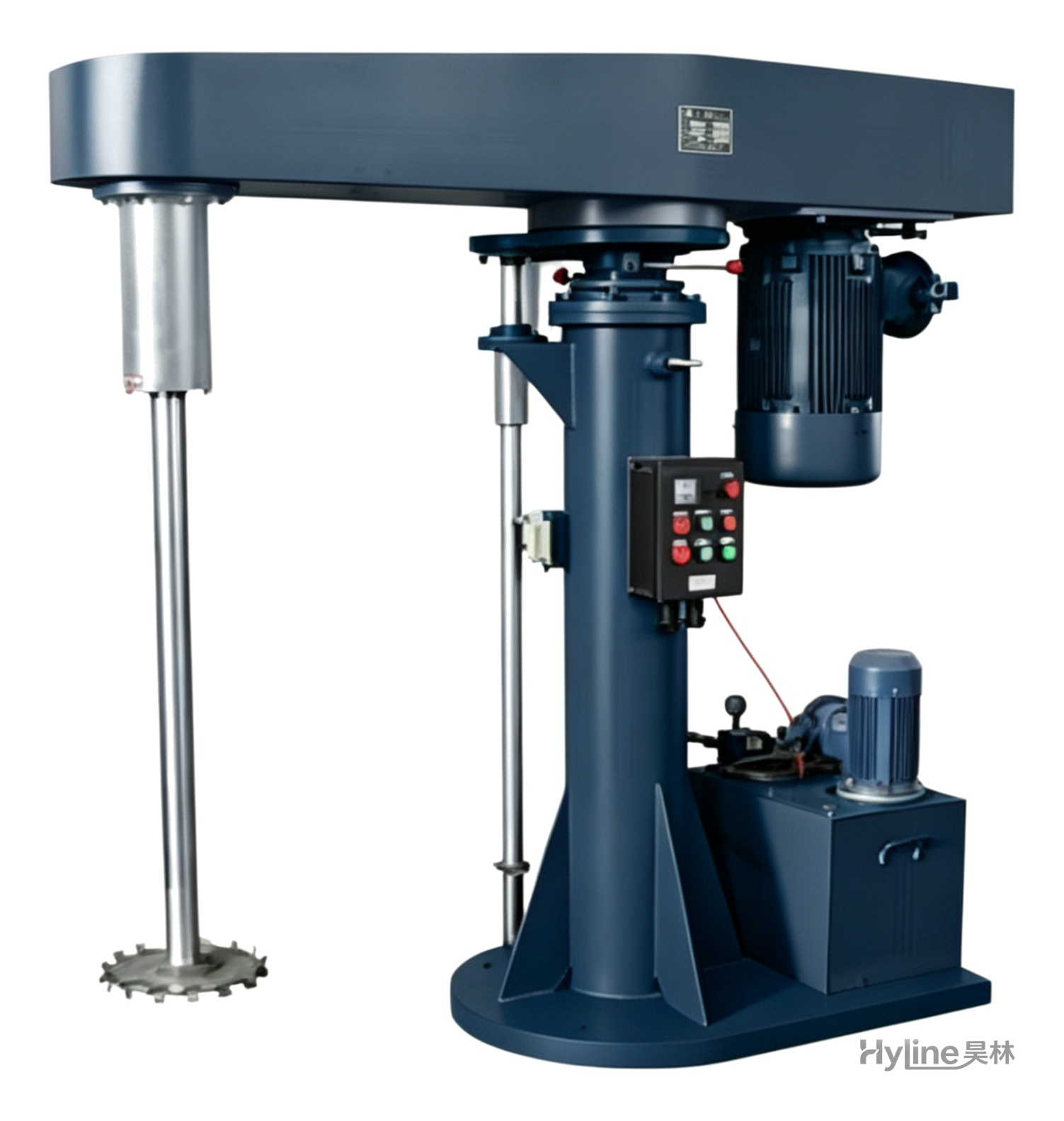
FL Series High-Speed Disperser
Stirs, dissolves and disperses liquids and powders, working alone or matched with sand mills. Variable-frequency drive with hydraulic lift, widely used in paints, inks, coatings, dyestuffs and papermaking.
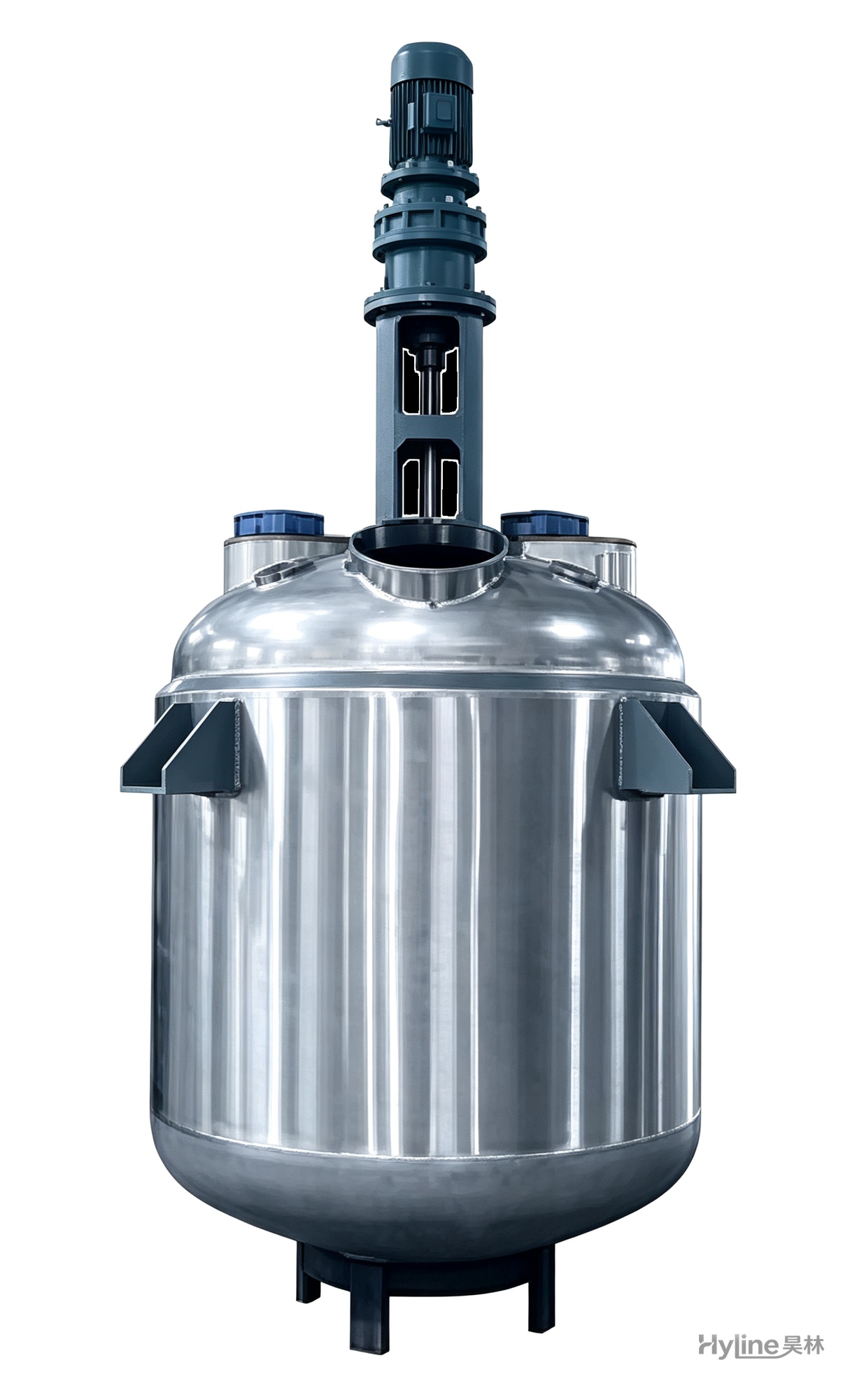
HS Series High-Speed Dispersing Vessel
Specially for dissolving, mixing and dispersing coating materials. The shear force and high speed of the dispersion disc deliver excellent solid-liquid dispersion and homogenization.

Stainless Steel Mixing Tank (Dispersion Drum)
Supporting vessel for dispersers and mixers in paints, coatings, adhesives, color slurries, inks and electronics. Available in 201/304 stainless with internal/external polishing and sloped bottom side discharge for complete draining.
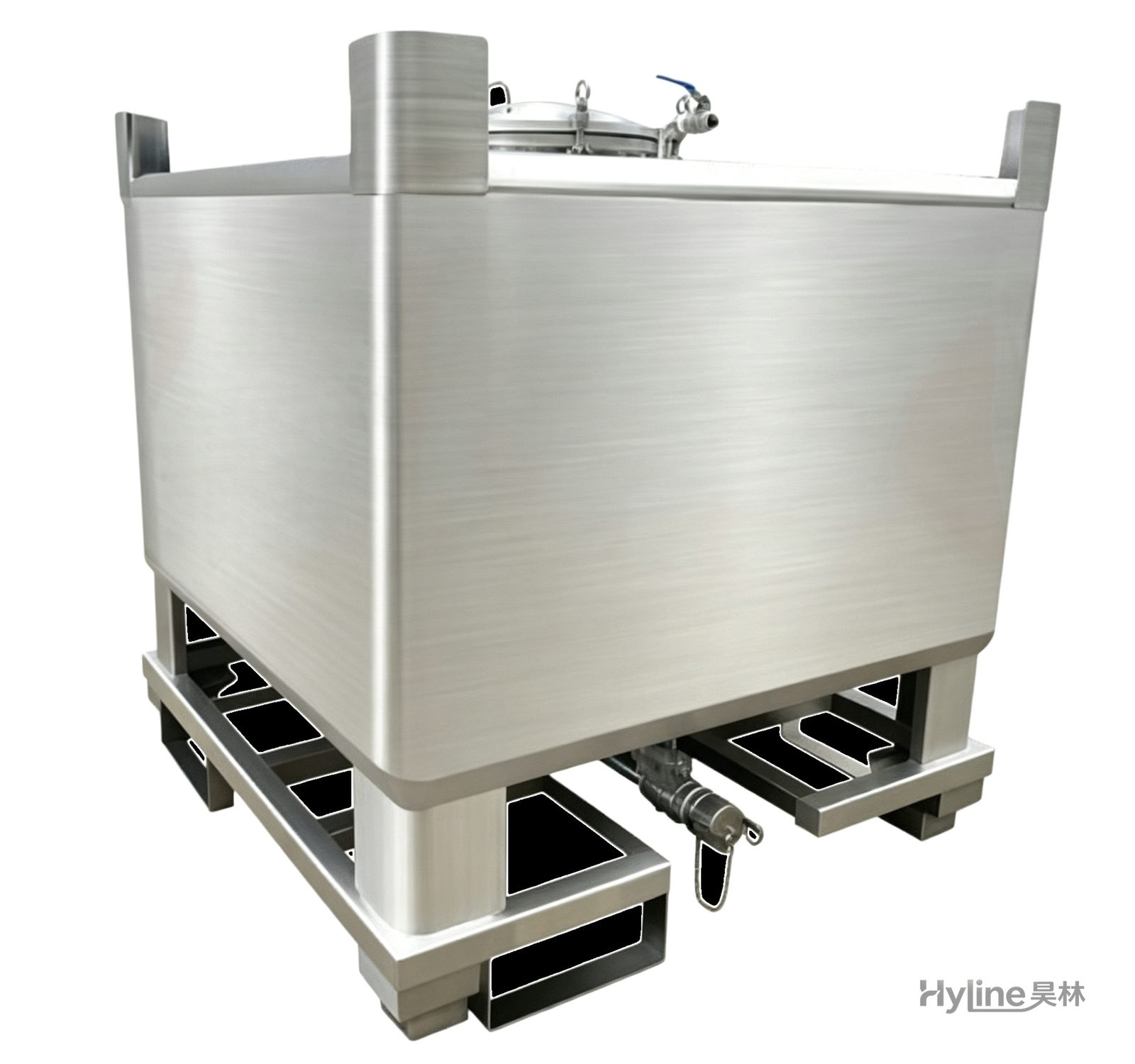
IBC Tank (Intermediate Bulk Container)
HDPE blow-molded liner with hot-dip galvanized steel frame - UV resistant, anti-aging, easy to clean, non-toxic. Four-way fork base for easy handling and stacking; ideal for liquid storage and transport.
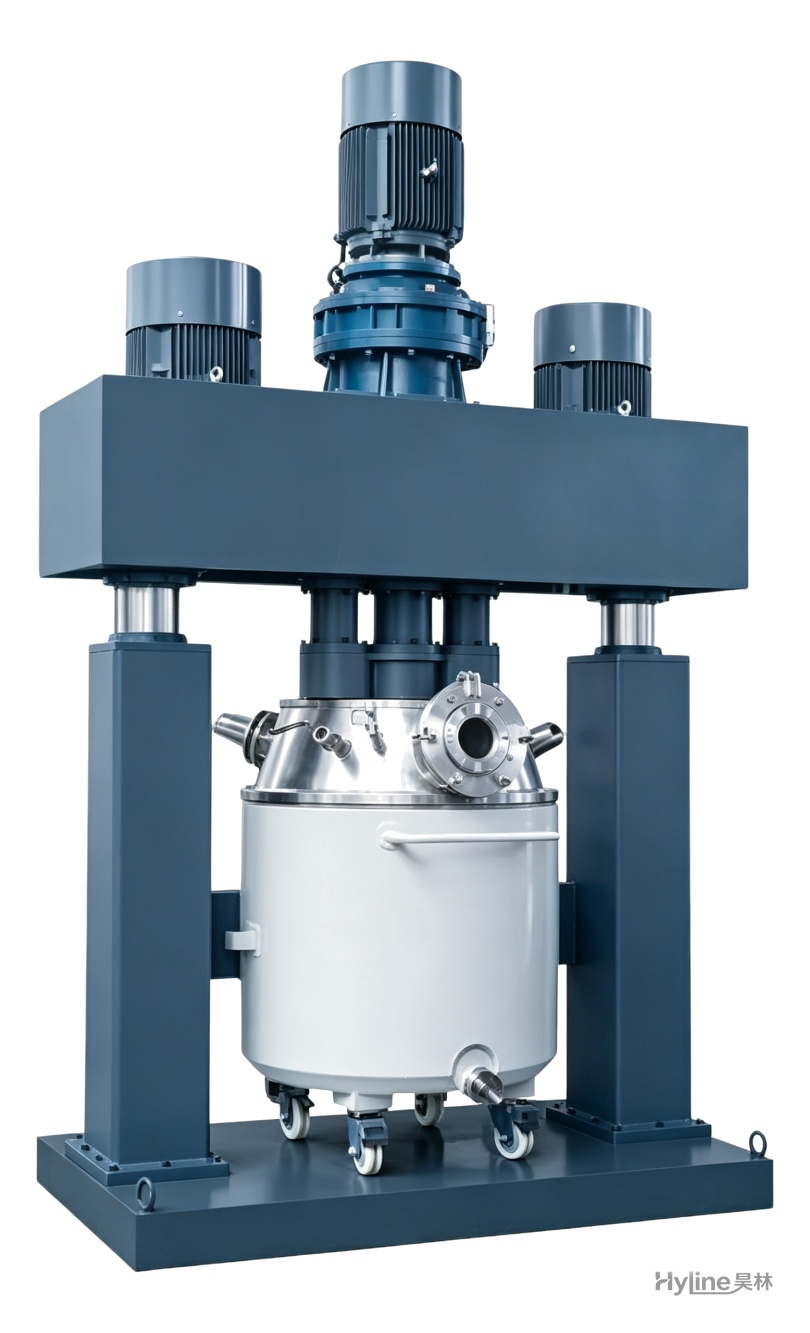
QLF Series Powerful Triple-Shaft Disperser
Two high-speed dispersers plus wall/bottom scraping create complex material flow for rapid dispersion and grinding. Handles high-viscosity pastes of 10,000-2,000,000 cps - widely used for silicone sealants, PU sealants, liquid silicone and electronic adhesives.