
How to Select the Explosion-Proof Configuration of a Disperser? Key Points of Explosion-Proof Motor, Electrical Control and Earthing in the Coating Solvent Industry
10/17/2026
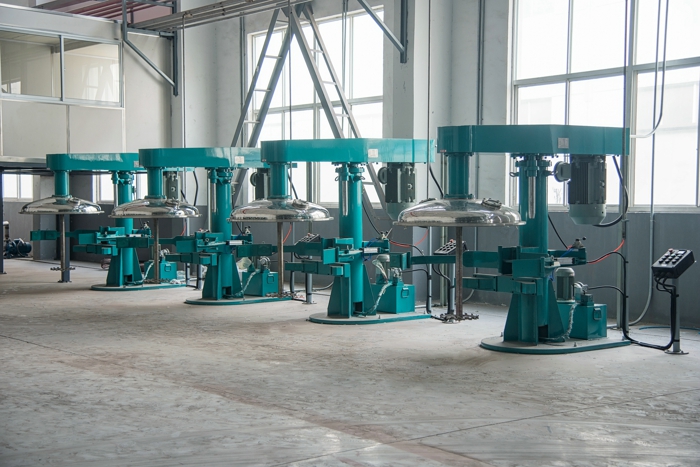
The disperser is the core equipment in the coating, ink, paint and adhesive industries for dispersing pigments and fillers: the high-speed rotating dispersion disc breaks up agglomerated particles and disperses them evenly into the liquid. These industries use large amounts of solvent-type materials — toluene, xylene, ethyl acetate, ketones and other flammable and volatile solvents; during dispersion the material heats up and solvent evaporates, so an explosive gas atmosphere easily forms around the equipment. Therefore, for high-speed dispersers in solvent-type working conditions, the explosion-proof configuration is not optional but the safety bottom line. This article explains the selection points of explosion-proof motors, explosion-proof electrical control and static earthing according to the typical working conditions of the coating solvent industry, as a reference for equipment procurement and modification.
Why must solvent-type materials be explosion-proof?
One-sentence conclusion: after flammable solvent evaporates and mixes with air, once the concentration reaches the explosive limit, motor sparks and static discharge can ignite it; the explosion-proof configuration is the key to eliminating ignition sources.
Three points support this. First, during dispersion the material temperature rises and solvent evaporation intensifies, so an explosive gas atmosphere easily forms locally around the equipment. Second, an ordinary motor during operation and braking — carbon brush sparks inside and winding overheating — can become ignition sources; the contactors and relays of an ordinary control cabinet also produce electric sparks. Third, during high-speed dispersion, friction between the dispersion disc and the material and liquid flow generate static electricity; when the static discharge energy is sufficient, it can cause flash ignition in solvent vapor. The essence of the explosion-proof configuration is to isolate the ignition sources — motor, electrical control and human static — from the explosive atmosphere or limit their energy.
It should be noted: the explosion-proof configuration can only eliminate the ignition sources on the equipment side; workshop ventilation, material temperature control and static discharge are equally indispensable.
What is the difference between an explosion-proof motor and an ordinary motor?
One-sentence conclusion: an explosion-proof motor eliminates the possibility of ignition through a flameproof enclosure and limited surface temperature; it differs from an ordinary motor in protection class, temperature rise and wiring.
Generally there are three differences. First, enclosure structure: the explosion-proof motor housing is designed as flameproof type (Ex d), the joint gaps meet the standard, and an internal explosion is not transmitted to the external atmosphere; an ordinary motor has no such isolation. Second, surface temperature: the explosion-proof motor limits the maximum surface temperature according to the applicable gas group (for example, T3 group ≤200 °C, T4 group ≤135 °C) to avoid direct ignition by surface high temperature; the surface temperature of an ordinary motor is not constrained by this. Third, wiring and protection: the terminal box and cable entry device of an explosion-proof motor are configured according to explosion-proof requirements, and the protection class is generally not lower than IP55. During selection, the zone level (Zone 0, 1, 2) and gas group applicable to the motor must also be distinguished; different working conditions correspond to different explosion-proof levels, and a common configuration for coating dispersion workshops is Zone 1 or 2, IIA or IIB group.
How to make the electrical control system explosion-proof?
One-sentence conclusion: put the control cabinet either in a safe area or adopt explosion-proof electrical control; the frequency converter, buttons and instruments are selected according to the corresponding zone.
There are generally two approaches. The first: when the workshop conditions permit, install the control cabinet in an independent non-explosion-proof or safe area, and lead the power cable to the equipment through explosion-proof flexible conduits and threading conduits — this is the most stable and relatively low-cost way. The second: when the control cabinet must be placed in the explosion-proof area, use a pressurized ventilation type or flameproof cabinet, select the internal components according to explosion-proof requirements, and use an explosion-proof operating column or intrinsically safe circuits for buttons, indicator lamps and the frequency converter panel. The frequency converter is the key point: the power electronic devices inside an ordinary frequency converter generate heat and switching actions, so it cannot be used directly in an explosion-proof area; generally choose an explosion-proof frequency converter cabinet or place the frequency converter in a safe area.
During wiring: cables entering explosion-proof equipment must use explosion-proof sealing glands, and the wiring chamber is sealed, to prevent solvent vapor from seeping into the equipment along the cable sheath.
How to deal with earthing and static electricity?
One-sentence conclusion: the equipment, pipelines, material drums and operators must all be reliably earthed; the static electricity generated by friction between the dispersion disc and the material must be discharged through a conductive path.
Generally there are four points. First, the disperser main machine, lifting column, dispersion disc shaft system and material drum form a continuous conductive path, and the drum is connected through an earthing wire to the workshop earthing grid; the earthing resistance is generally not greater than 4 Ω. Second, the hoses conveying solvent use conductive hoses, and jump wires are used between pipe flanges to avoid static accumulation at flange discontinuities. Third, operators wear anti-static work clothes and anti-static shoes and stand on conductive flooring to avoid ignition by human static discharge. Fourth, feeding, sampling and drum changing operations are done slowly to reduce splashing and impact and lower static generation.
Static electricity and explosion-proofing are two sides of one thing: the motor and electrical control eliminate equipment ignition sources, and earthing discharges static electricity; only when the two cooperate can the hazard be truly eliminated.
How do the explosion-proof level and zone correspond?
One-sentence conclusion: first judge the explosive gas atmosphere level of the zone where the equipment is located, then select explosion-proof equipment according to the zone level; if the zone is determined wrongly, the equipment is selected wrongly, and safety is in vain.
The general judgment method has three steps. First step, check the zone division: explosive gas atmospheres are divided by frequency and duration of occurrence into Zone 0 (continuous or long-term presence), Zone 1 (likely to occur during normal operation) and Zone 2 (unlikely during normal operation, only occasional short-term presence); coating dispersion workshops are generally divided as Zone 1 or Zone 2, specifically subject to the workshop ventilation and gas detection results. Second step, determine the gas group and temperature group: determine the IIA, IIB or IIC group according to the category of the solvent in the material, and the T group (T1-T6) according to the flash point and auto-ignition temperature of the solvent; for example, xylene belongs to group IIA and has a relatively high auto-ignition temperature, corresponding to T3-T4. Third step, select the equipment by zone and group: in Zone 1 use flameproof type (Ex d) or increased safety type (Ex e) and other applicable equipment; in Zone 2 select explosion-proof equipment of the corresponding level; the explosion-proof marking of the equipment must correspond to the zone, group and temperature group.
Zone division and equipment selection should be confirmed by a qualified institution; in the procurement technical agreement, write the explosion-proof marking clearly, to avoid "zone not clarified, equipment bought wrong first".
How to configure for typical coating working conditions?
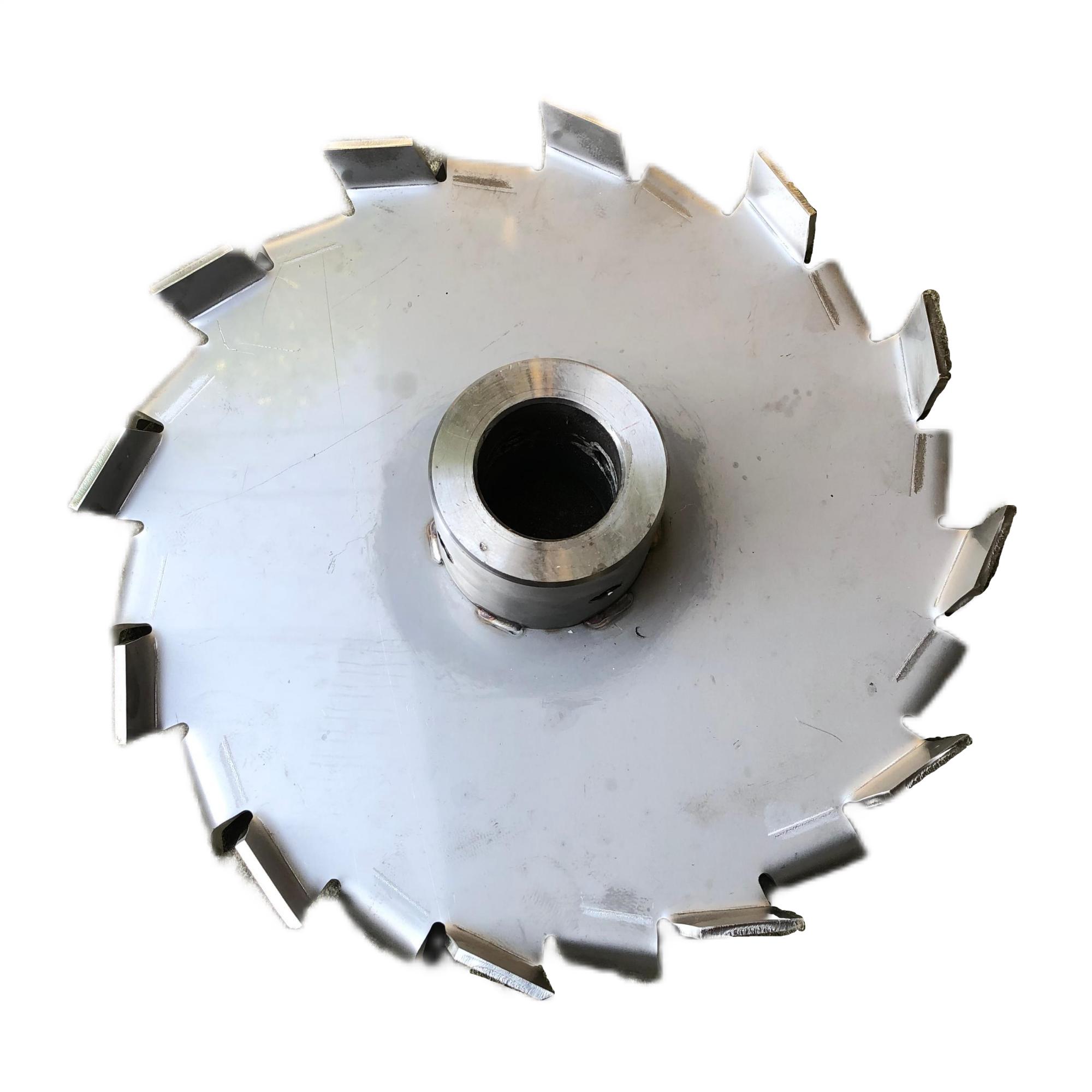
Taking the dispersion process of a coating workshop as an example (general practice, not a specific customer): the material is a solvent-type color paste containing xylene and butyl acetate, the dispersion temperature is generally controlled below 40 °C, and the linear speed of the dispersion disc is commonly 15-25 m/s. The configuration for such working conditions generally includes: an explosion-proof motor corresponding to Zone 2 or Zone 1, an explosion-proof frequency converter control cabinet (or a frequency converter placed in a safe area), an explosion-proof operating column, reliable earthing of the equipment and material drum, together with workshop forced ventilation. The color paste premixing can be completed in a stainless steel mixing tank: pigments, resin and solvent are preliminarily mixed evenly, then enter the disperser for high-speed dispersion; the dispersed finished slurry is packaged by a filling machine; for working conditions with large solvent volatilization, a sealed vacuum disperser can also be selected to reduce vapor escaping. The dispersion disc is a toothed disc, the ratio of disc diameter to drum diameter is generally about 1:3, the speed is adjustable, low speed for feeding and high speed for dispersion.
For equipment selection in such working conditions, the explosion-proof level, protection class and earthing requirements should be written into the procurement technical agreement; after arrival, verify the explosion-proof certificate and nameplate, to avoid the hidden danger of "looks explosion-proof but actually is not".
Explosion-proof configuration checklist
| Item | General requirement | Checking points |
|---|---|---|
| Explosion-proof motor | Selected by zone and gas group, Ex d flameproof | Check certificate, group, surface temperature group and motor power |
| Explosion-proof electrical control | Frequency converter cabinet explosion-proof or placed in safe area | Confirm explosion-proof selection of buttons and instruments |
| Static earthing | Earthing resistance generally ≤4 Ω | Continuous conductivity of equipment, pipelines, drum |
| Cable entry | Explosion-proof sealing gland | Prevent vapor seeping along the sheath |
| Ventilation | Workshop forced ventilation | Lower explosive gas concentration |
| Operation specification | Anti-static clothing, slow operation | Reduce human static and splashing |
One-sentence conclusion: check the disperser explosion-proof configuration in four steps — "determine the level by zone, make motor and electrical control explosion-proof, discharge static reliably, assist concentration reduction by ventilation" — then the safety foundation of solvent-type working conditions stands.
How to do acceptance and daily inspection?
One-sentence conclusion: after the explosion-proof equipment arrives, verify the certificate, check the nameplate and measure the earthing; during daily operation, periodically check the motor temperature, earthing resistance and seals, and keep inspection records.
At the acceptance stage, generally four things are done: first, check the explosion-proof certificate and nameplate, and confirm that the explosion-proof marking (zone, gas group, temperature group, protection class) is consistent with the procurement technical agreement; second, check whether the cable entry uses explosion-proof sealing glands and whether the wiring is reliable; third, measure the earthing resistance, generally not greater than 4 Ω, and verify the conductive continuity of the equipment and drum with a multimeter; fourth, do an idle trial run, check the motor current and temperature rise, and confirm that frequency speed regulation is normal.
Daily operation checks are performed by cycle: check the motor surface temperature and abnormal sound weekly, measure the earthing resistance monthly, check the cable seals and explosion-proof joint surfaces for damage quarterly, and handle seal aging and joint surface scratches in time. Maintenance of explosion-proof equipment must be carried out by qualified personnel; after disassembly, restore it according to the original explosion-proof requirements, and do not replace with non-explosion-proof parts at will, otherwise the explosion-proof performance fails without being noticed.
When changing materials or adjusting the process, re-check whether the solvent group and temperature group are still within the coverage of the equipment explosion-proof marking: when the material changes from xylene type to highly flammable media such as hydrogen, the original explosion-proof level may no longer be applicable; stop use, modify and then put into operation. The daily management of the explosion-proof configuration focuses on turning the "level determined at selection" into a "state that remains effective during operation".
Further Reading
- How Does a High-Speed Disperser Work? Linear Speed of the Dispersion Disc, Rotation Speed and Dispersion Effect
- How to Select a High-Speed Disperser in the Coating and Ink Industry? Determine by Material Viscosity, Container Size and Dispersion Requirement
This article is provided by Haolin Shengda Equipment Manufacturing Co., Ltd. (hyline.cn). Main products: stainless steel reactors, mixing tanks, storage tanks, dispersers, concentrators and complete chemical line supporting equipment; non-standard customization supported.
Q&A from this article
Frequently asked questions and answers from this article
How to configure explosion-proof devices for a disperser? This article gives the selection points of explosion-proof motors, electrical control and static earthing, and a configuration checklist for solvent-type working conditions.
Related Products
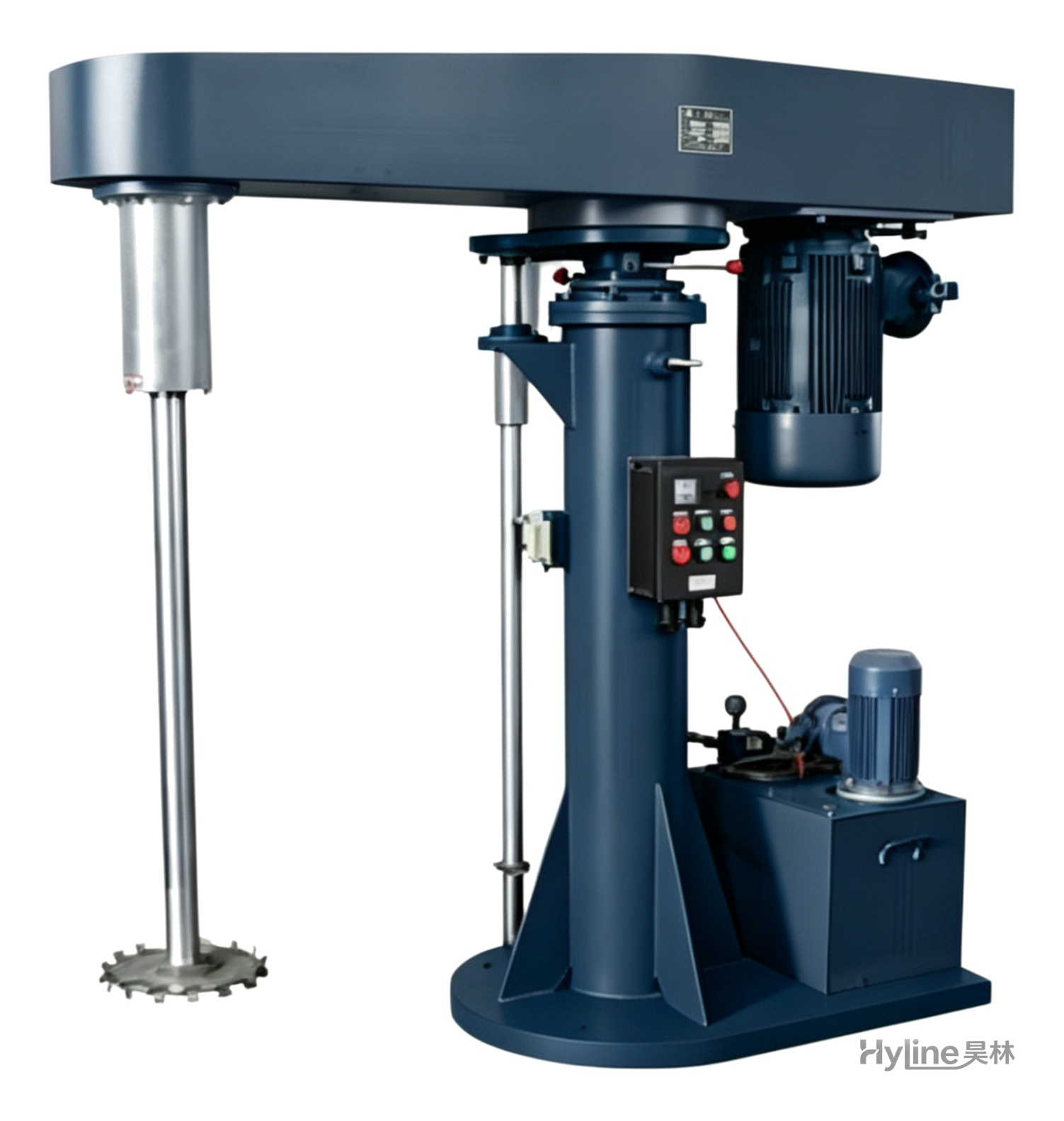
FL Series High-Speed Disperser
Stirs, dissolves and disperses liquids and powders, working alone or matched with sand mills. Variable-frequency drive with hydraulic lift, widely used in paints, inks, coatings, dyestuffs and papermaking.
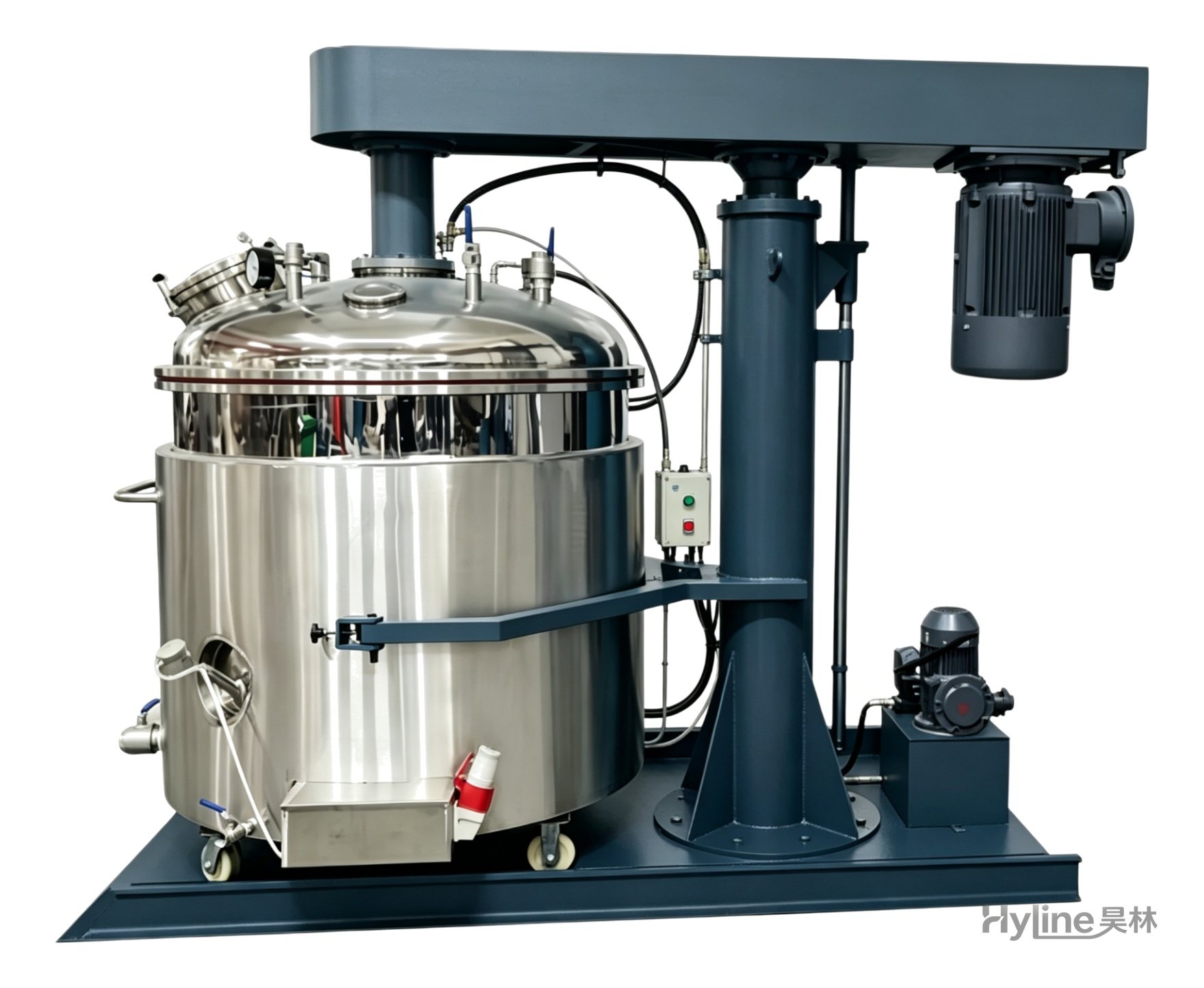
FL Series Vacuum Disperser
Designed for bubble-rich materials and volatile solvents. Vacuum dispersion reduces bubbles and solvent evaporation, accelerates fineness and rapidly defoams. Simple structure, high vacuum, easy operation.
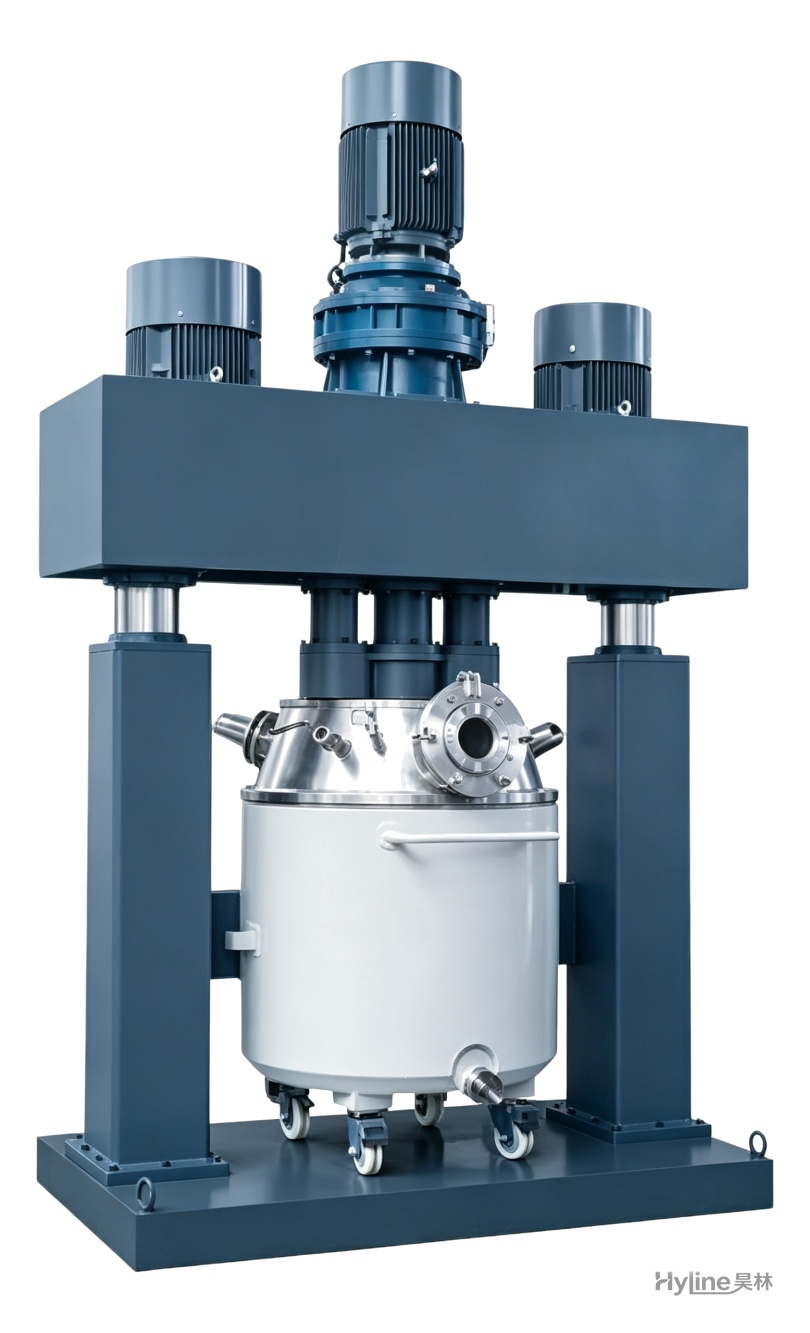
QLF Series Powerful Triple-Shaft Disperser
Two high-speed dispersers plus wall/bottom scraping create complex material flow for rapid dispersion and grinding. Handles high-viscosity pastes of 10,000-2,000,000 cps - widely used for silicone sealants, PU sealants, liquid silicone and electronic adhesives.
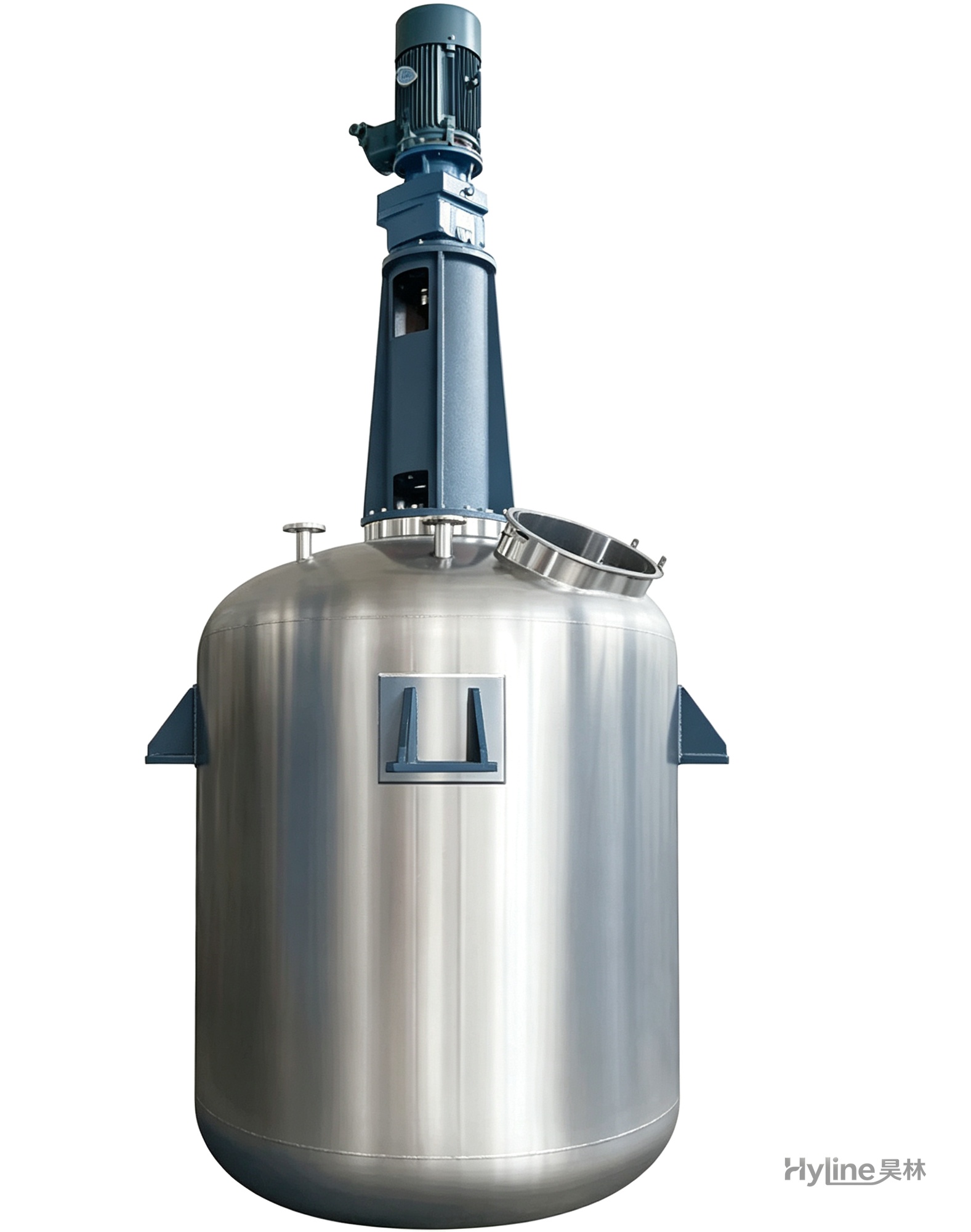
TC Series Mixing Kettle (Tinting)
For color matching in the paint industry and liquid-liquid / liquid-solid mixing in other industries. Uniform tinting, good miscibility, reasonable structure and powerful stirring.