
How to check the emulsifying fineness of an emulsifier tank? Particle-size test methods and homogenising parameter checks
10/22/2026
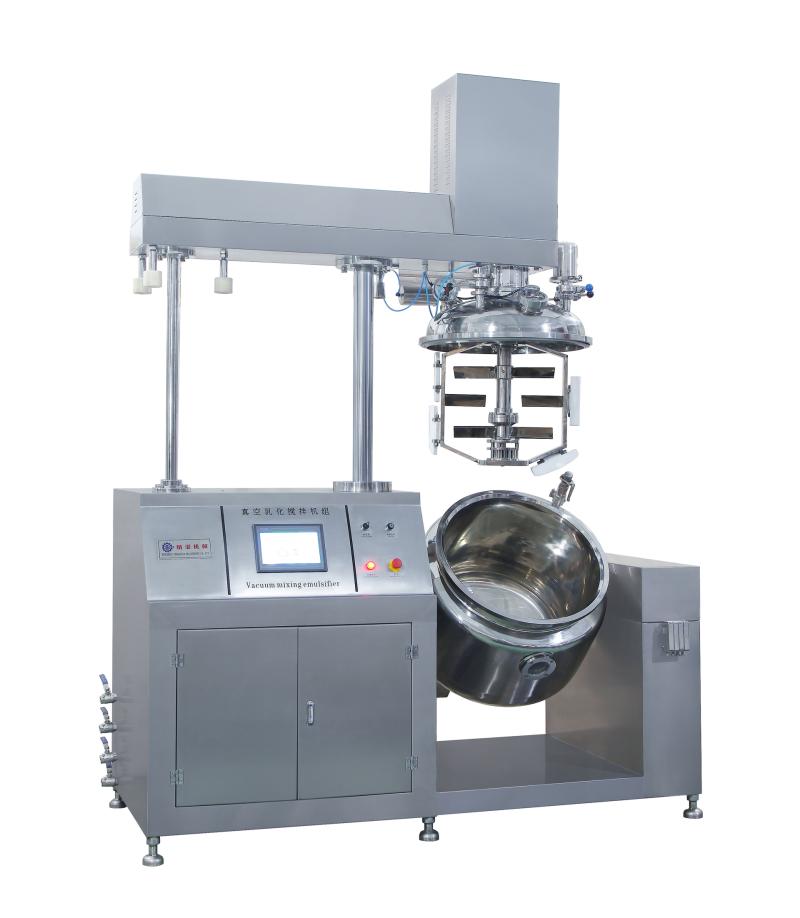
When an emulsifier tank arrives for acceptance, fineness is the item most likely to be left aside. If the fineness is not up to standard, the cream is coarse, dull in gloss and unstable — it separates within a month or two. And fineness depends on raw-material batches, operating parameters and equipment condition all at once, so it is hard to say whose fault it is. This article explains which methods to use, how to sample correctly and how to check homogenising parameters, so you can do the fineness acceptance properly and avoid disputes between equipment and process.
Why is emulsifying fineness the key acceptance item?
One-sentence conclusion: fineness directly decides appearance, skin feel and shelf stability of the product, and is the most reliable indicator of the tank's real emulsifying capability.
In an emulsion, the smaller and more uniform the dispersed droplets, the finer the appearance, the smoother the feel and the lower the tendency to separate. As a general industry experience, the fineness target for most daily-chemical and coating emulsions is on the order of 20~50μm, while demanding micro-emulsions need below 1μm. Products with a wide droplet-size distribution are unstable between batches even when the average is qualified. Fineness is not a single value — it is usually judged together with appearance (fine and uniform), the fineness reading (scraper or particle sizer) and stability (centrifuge or shelf observation). In acceptance, focus on whether the fineness stably reaches the target rather than one lucky batch, because raw-material batches and operating parameters both affect the result.
Which methods measure particle size?
One-sentence conclusion: the scraper gauge is quick and intuitive for shop-floor checks; laser diffraction gives a full distribution and is more objective; microscopy shows morphology — use them together by purpose.
The scraper gauge (Hegman gauge) is the most common shop tool: place the sample in the deep end of the groove, draw the scraper across, and read the groove depth where particles appear continuously, usually in μm. It is cheap, fast and intuitive, suitable for line inspection and quick judgement, but its resolution is limited below about 15μm and readings depend on operator technique. Laser diffraction measures the size distribution by light scattering and gives D10, D50, D90 etc.; it is objective and repeatable, good for acceptance grading and formulation development, but expensive and needs a dispersing medium. Microscopy (ordinary optical or with a scale) directly observes droplet morphology and flocculation, suitable for troubleshooting. For acceptance, use laser diffraction or the scraper gauge quantitatively, with microscopy to inspect anomalies. The three methods have different roles — more expensive is not always better.
| Method | Range and reading | Features | Best use |
|---|---|---|---|
| Scraper gauge | Usually 0~100μm, visual reading | Fast, cheap, intuitive | Shop-floor checks, quick judgement |
| Laser diffraction | Full distribution (D10/D50/D90) | Objective, repeatable | Acceptance grading, formulation |
| Microscopy | Direct morphology observation | Shows flocculation and size | Troubleshooting |
How should sampling be done correctly?
One-sentence conclusion: sample immediately after emulsification from the middle of the tank or the discharge outlet; confirm the system is uniform before sampling; take 2~3 points per batch and compare, avoiding foam at the surface and sediment at the bottom.
Most fineness error comes from sampling, not from the test itself. After emulsification the system needs a short homogenisation; confirm that agitation and homogenising have run for the set time before sampling. Sample from the middle of the tank or the discharge outlet, avoiding surface foam and bottom sediment. For high-viscosity creams, take the sample from inside the layer, not from the surface. Take 2~3 points per batch; if the points differ greatly, the system is not fully homogenised or the tank has dead zones. The sample container must be clean; test soon after sampling, because droplets coalesce when left standing and the reading becomes larger. Follow a fixed sampling, testing and recording procedure; after several runs you can tell whether the problem is the equipment, the raw material or the operation, and acceptance becomes clear.
How should homogenising parameters be checked?
One-sentence conclusion: check four parameters — homogenising speed (peripheral velocity), homogenising time, temperature and vacuum; record actual values and compare with the nameplate and process requirements.
The core of the emulsifier tank is the homogenising head; its peripheral velocity is usually much higher than the agitation speed and is the main factor deciding fineness. Common peripheral velocities are on the order of 15~30m/s; the speed and head diameter differ, so the peripheral velocity varies a lot. During acceptance, record the actual speed, convert it to peripheral velocity and compare with the nameplate — a low value means checking the VFD, belt or motor. Homogenising time is set by the process, from a few minutes to dozens; too short leaves large droplets, too long raises energy use and temperature. Emulsifying temperature affects viscosity and emulsifier performance; most systems work best around 60~90℃ depending on the formula. For vacuum emulsifier tanks, also check the vacuum; incomplete deaeration leaves bubbles that distort the fineness reading. Record the actual value, set value and test result of all four parameters, and the acceptance conclusion is well-founded.
How should the acceptance standard be defined?
One-sentence conclusion: set the standard by product target, generally covering fineness range, size distribution and stability; write the test method and pass criteria into the contract stage to avoid disputes.
The acceptance standard is not one number; it is set by product use. Cosmetic lotions and creams generally require fine, uniform texture with fineness around 20~50μm and no coarse particles. Coating and ink products focus on scraper fineness, often with a pass line of 25~50μm. Food pastes and pharmaceutical creams are stricter and may need size distribution and microbial indices. The standard should state three things: the test method (scraper or particle sizer, dispersing medium), the pass criteria (fineness limit, D90 limit, appearance requirement), and the sampling rule (how many points, when to sample). Writing the acceptance standard into the purchase contract or technical agreement in advance is far more reliable than agreeing on the standard after the equipment arrives.
What are the common causes of substandard fineness?
One-sentence conclusion: the common causes, in order of frequency, are insufficient homogenising intensity, mismatched emulsifier or process conditions, equipment wear and sampling error — locate first, then fix.
Insufficient homogenising intensity is the most common cause: the head speed limited by the VFD, insufficient homogenising time, or an undersized head that leaves peripheral velocity low — droplet size stays large; check the actual speed against the set value first. Mismatched emulsifier and process conditions rank second: wrong emulsifier dosage or HLB value, temperature out of range, or wrong addition order of oil and water phases all prevent droplets from breaking further; retesting the same raw-material batch usually exposes this. Equipment wear is third: after long operation the head gap enlarges and the blades dull, so shear drops even at the same peripheral velocity; dismantling the head confirms it. Finally, sampling error: taking foam, bottom sediment or testing after long standing gives a larger reading although the system is normal. The first three categories account for most cases; checking in order usually locates the problem quickly. The key to prevention is building a parameter baseline: record the qualified ranges of homogenising speed, time, temperature and vacuum at acceptance, and follow them for every batch; when the raw-material batch changes, run a small trial to confirm fineness before scaling up. With the baseline and records, equipment condition and process execution become traceable, and the cost of locating fineness problems drops sharply.
How are common acceptance disputes handled?
One-sentence conclusion: when fineness fails, investigate in three directions — raw-material batch, operating parameters and equipment condition — eliminate each in turn before assigning blame.
The most common dispute is a failed fineness reading with unclear cause. A practical order is: first the raw material — emulsifier batch changes or oil/water ratio fluctuation affect droplet size; retest the same batch. Then the operation — whether homogenising time ran out, whether the speed was limited by the VFD, whether temperature was in range; compare against process records. Finally the equipment — whether the homogenising head is worn, the gap enlarged, or the speed decayed; dismantle and inspect if needed. Only when raw material and operation are normal and the speed and peripheral velocity meet the specification can the equipment be judged insufficient. Another common dispute is inconsistent test methods — the shop uses a scraper while the buyer uses a particle sizer, so readings inevitably differ; writing the test method into the standard avoids most arguments.
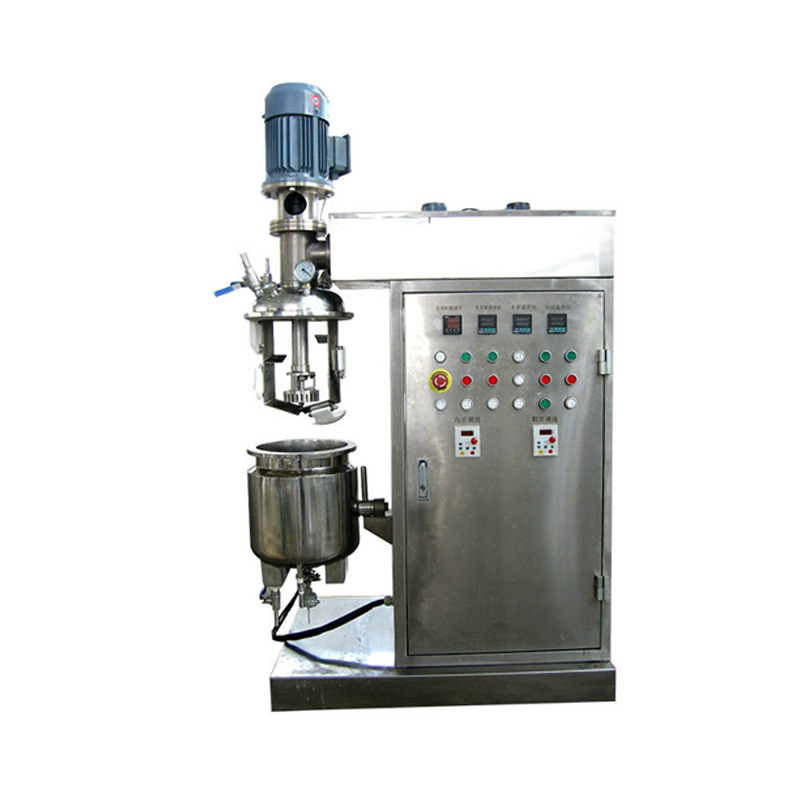
The essentials of fineness acceptance can be summarised as: fix the method, sample by procedure, verify actual parameters. Define the test method and pass criteria at the contract stage, then sample, test and record the four homogenising parameters after arrival — fineness problems can then be assigned and solved quickly.
Hyline Shengda manufactures stainless steel emulsifier tanks (https://hyline.cn/zh/products/gjd-emulsifying-disperser), high-speed dispersers (https://hyline.cn/zh/products/fl-high-speed-disperser) and mixing tanks (https://hyline.cn/zh/products/stainless-mixing-tank). Emulsifying systems support homogenising-head types, speeds and vacuum deaeration configured to the product target, with sampling and temperature-measuring ports. Before accepting an emulsifier tank, we suggest fixing three conditions — fineness target, test method and homogenising parameter requirements — before discussing equipment configuration.
Further reading: - How to choose emulsifier tank material and pH suitability? Influence of stainless steel grade on emulsion systems - How to choose the homogenising head? Gap, peripheral velocity and dispersion effect
This article is compiled by Hyline Shengda Equipment Manufacturing Co., Ltd. (hyline.cn), mainly producing stainless steel reactors, mixing tanks, storage tanks, dispersers, concentrators and complete chemical lines, supporting non-standard customization.
Q&A from this article
Frequently asked questions and answers from this article
One-sentence conclusion: the scraper gauge is quick and intuitive for shop-floor checks; l…
Related Products
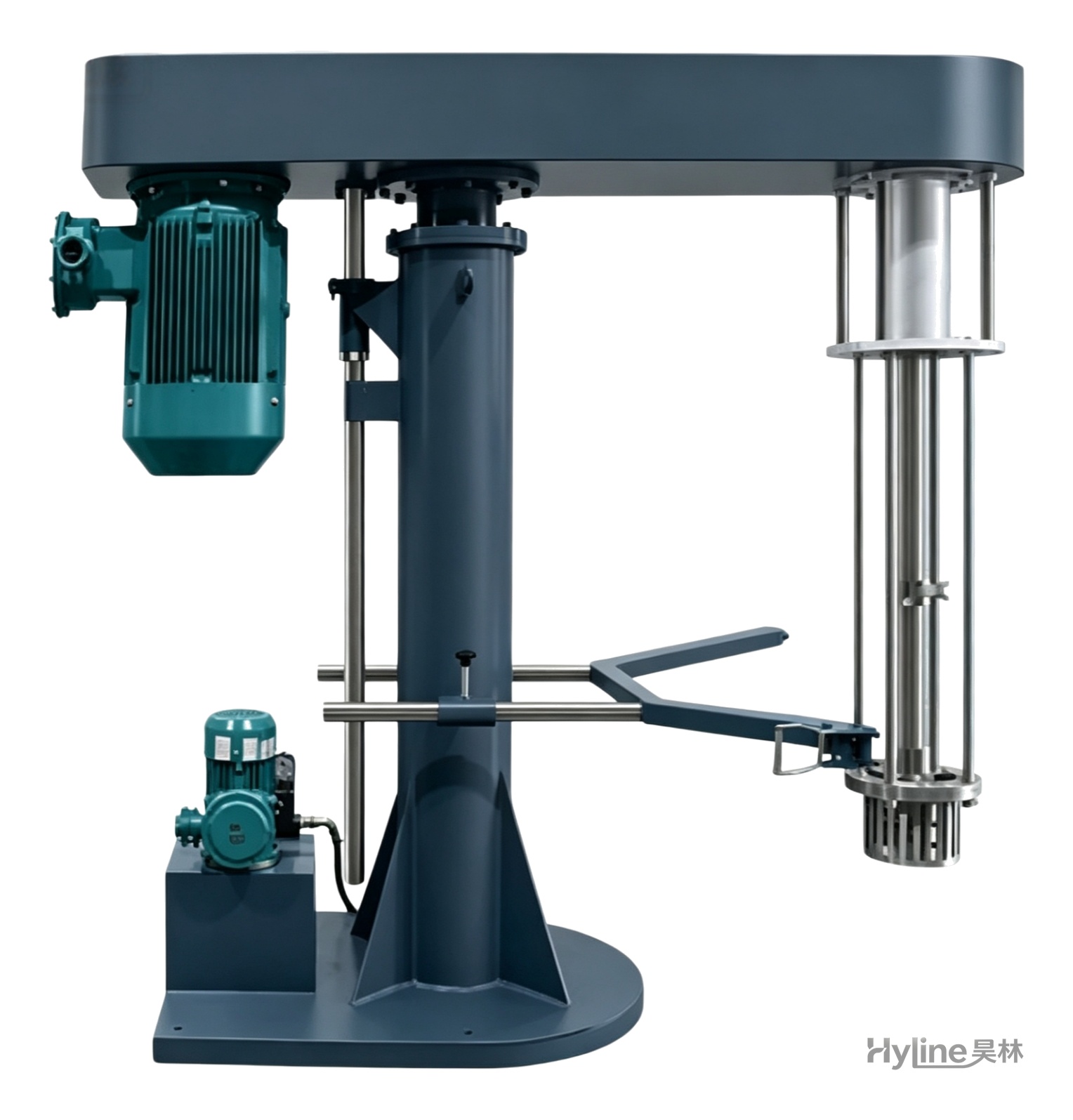
GJD Series Emulsifying Disperser
For emulsification, mixing and dispersion in coatings, inks, pesticides and papermaking. Powerful high-speed shear achieves required fineness and uniformity in a short time.
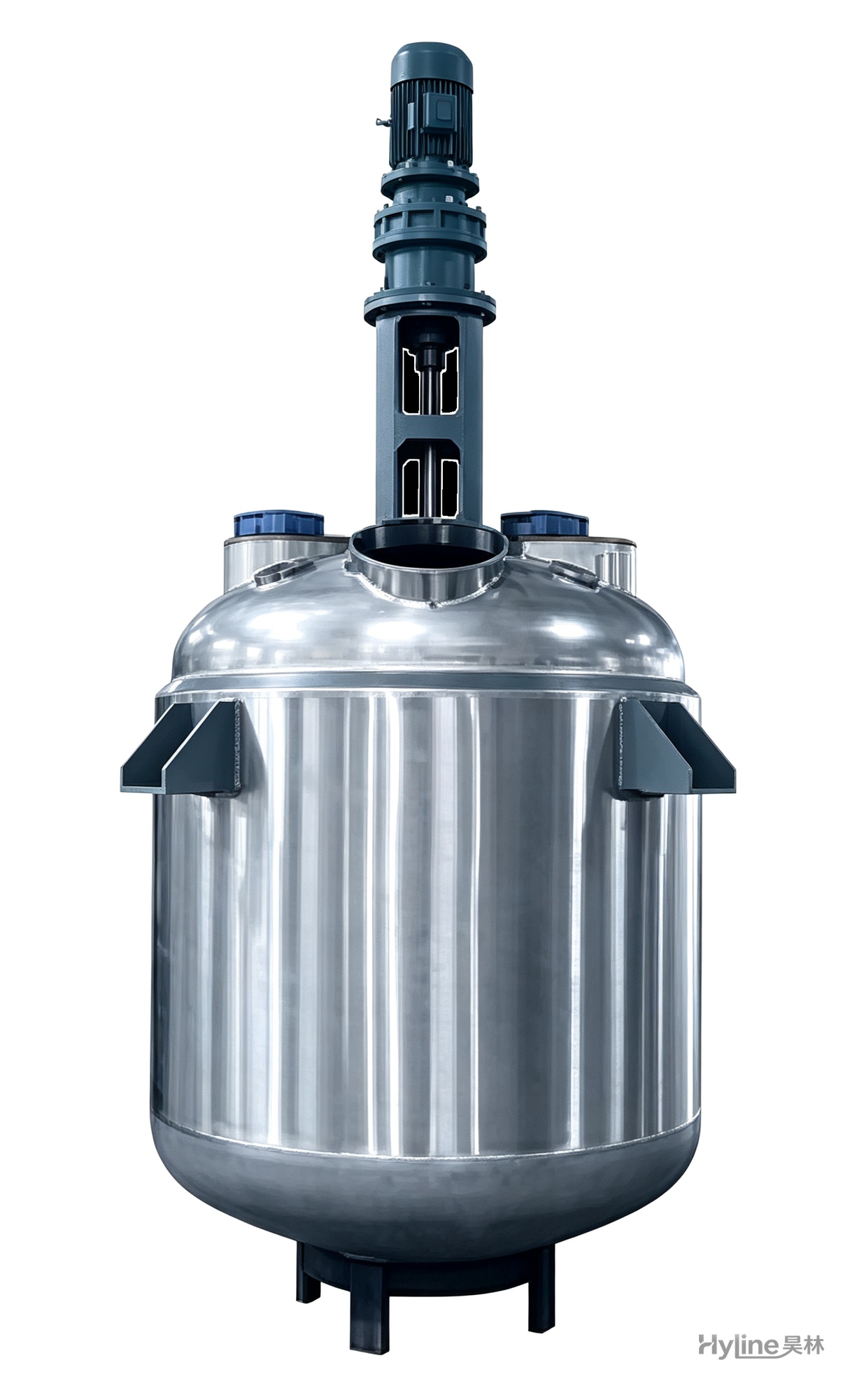
HS Series High-Speed Dispersing Vessel
Specially for dissolving, mixing and dispersing coating materials. The shear force and high speed of the dispersion disc deliver excellent solid-liquid dispersion and homogenization.
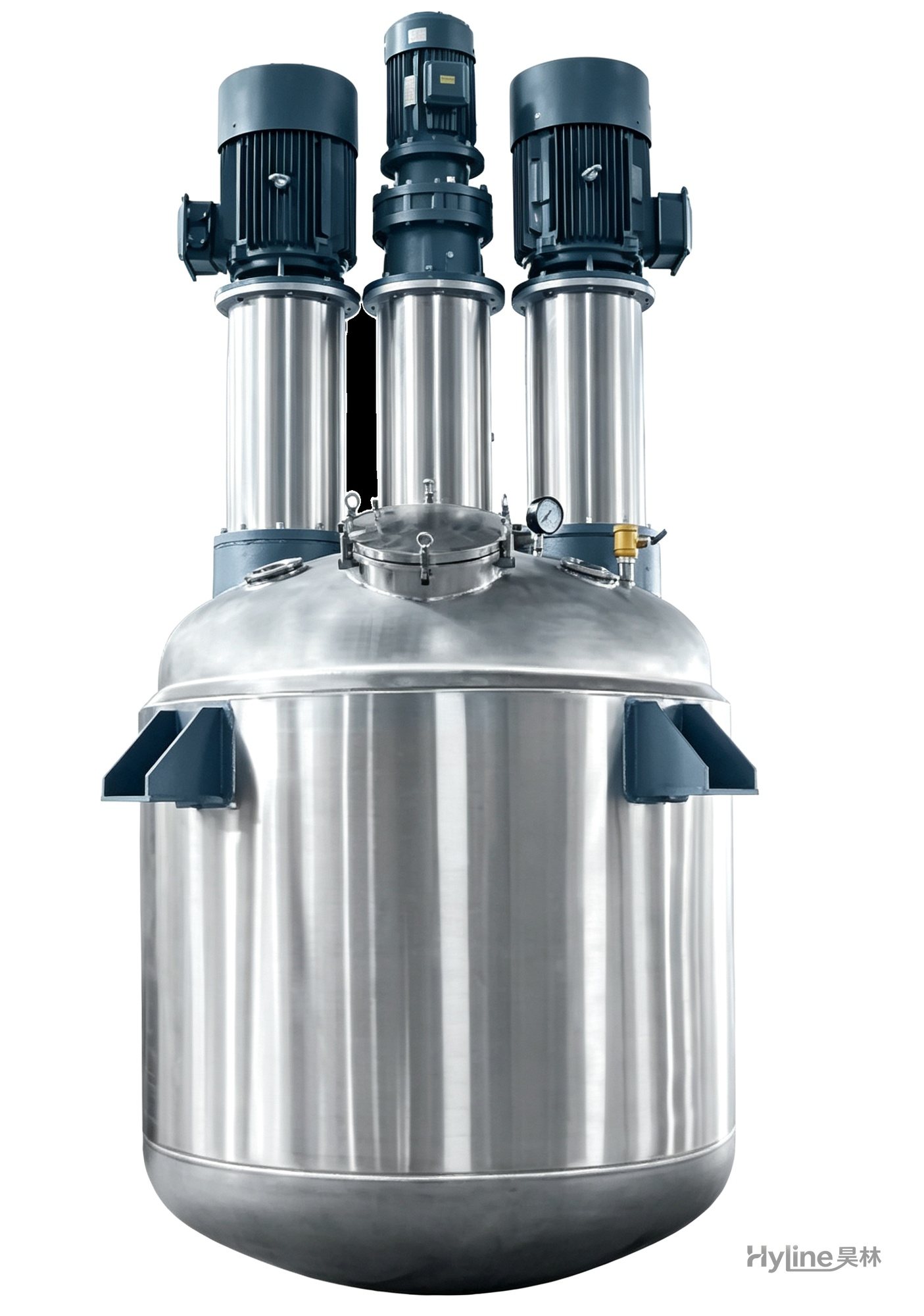
FS Series Multifunctional Dispersing Kettle
Integrates low-speed heavy-duty stirring with high-speed dispersion for medium/high-viscosity and thixotropic materials. Stirring and dispersion proceed simultaneously for ideal results in mixing, dissolving, dispersing and tinting.
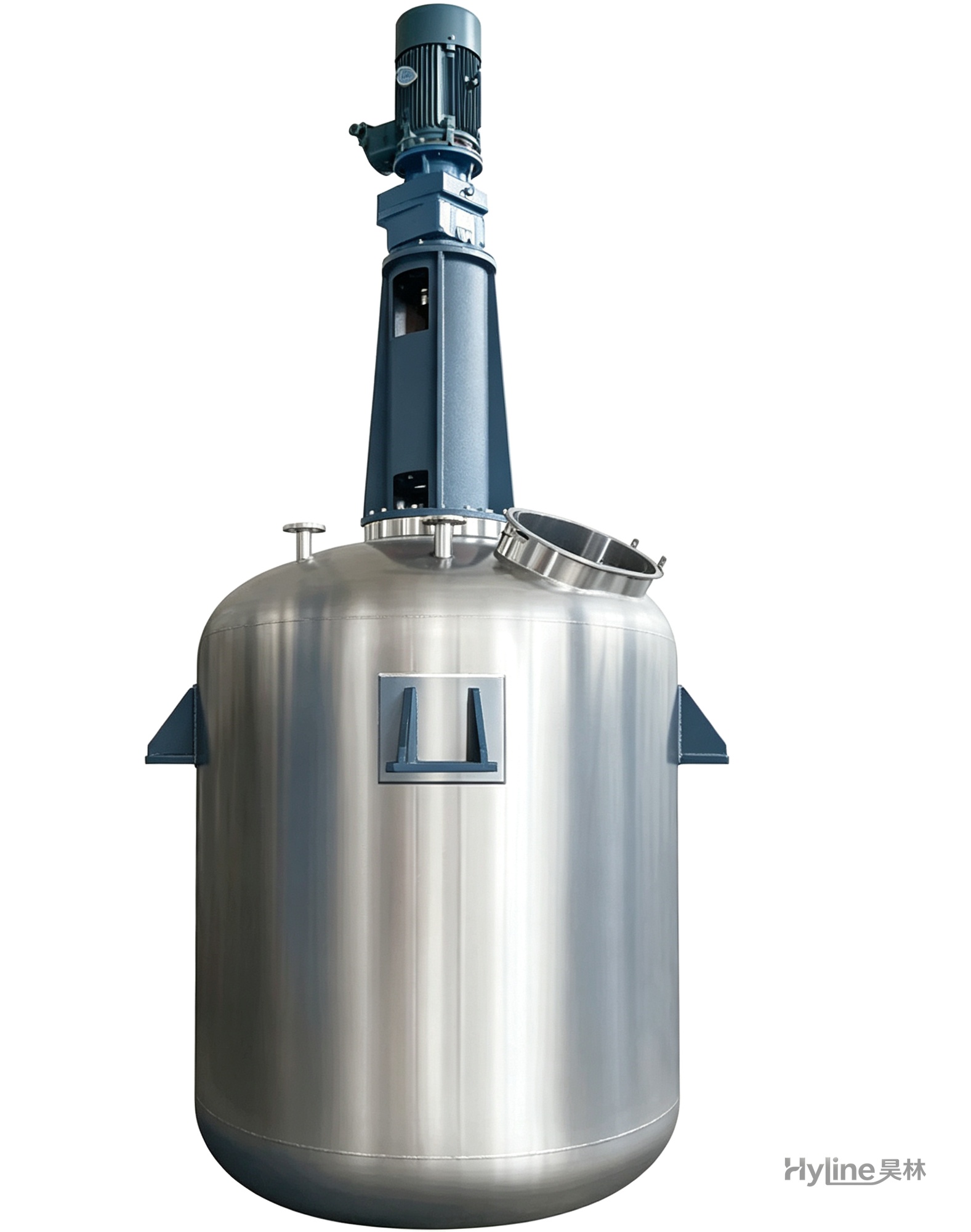
TC Series Mixing Kettle (Tinting)
For color matching in the paint industry and liquid-liquid / liquid-solid mixing in other industries. Uniform tinting, good miscibility, reasonable structure and powerful stirring.

Stainless Steel Mixing Tank (Dispersion Drum)
Supporting vessel for dispersers and mixers in paints, coatings, adhesives, color slurries, inks and electronics. Available in 201/304 stainless with internal/external polishing and sloped bottom side discharge for complete draining.