
How to select the bottom discharge valve of a mixing tank? Butterfly, ball and quick-opening valves by material and cleanliness
10/21/2026
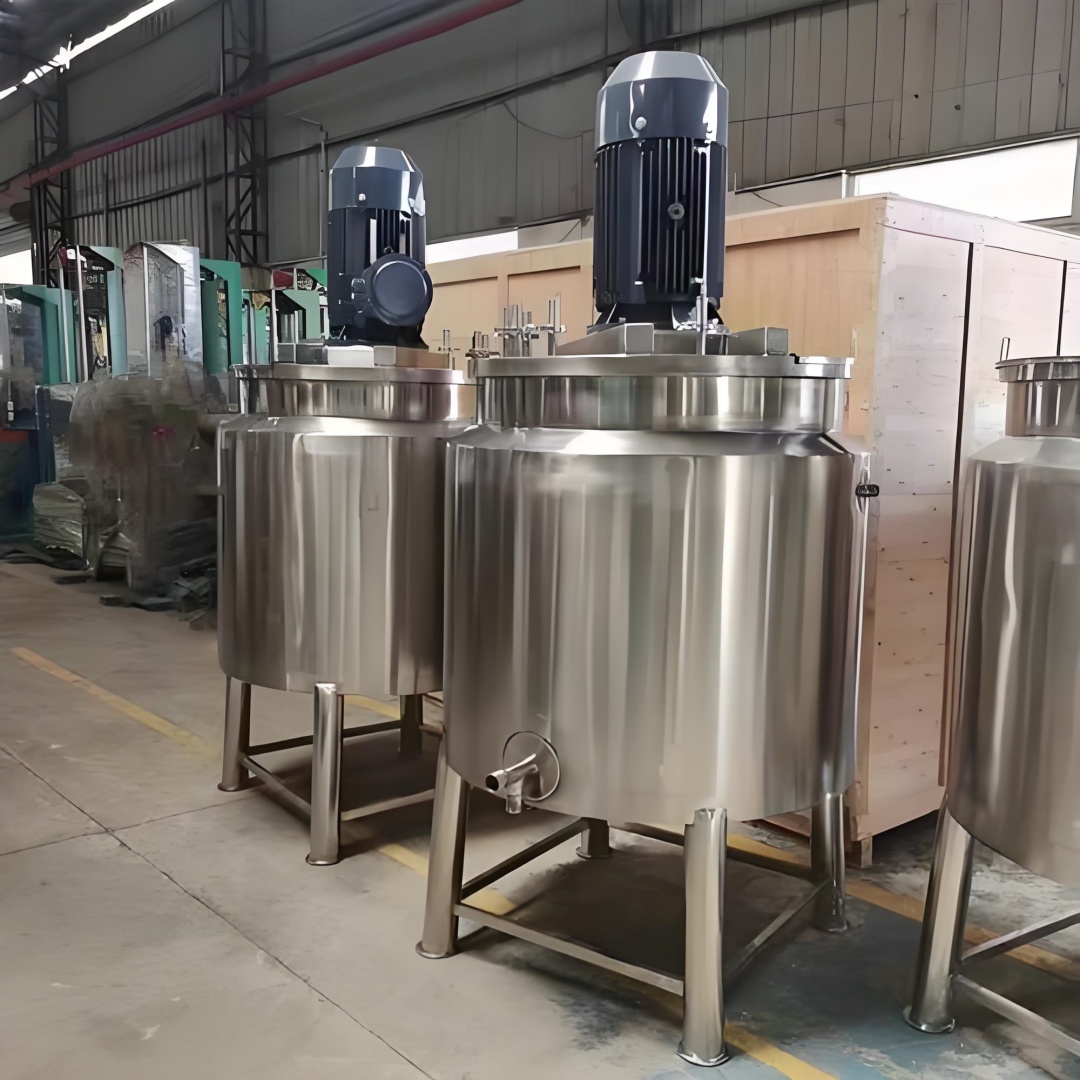
The bottom discharge valve of a mixing tank is the part of the production line most easily overlooked and most likely to fail: slow discharge, high residue, dripping and clogging are familiar to almost every workshop. With the right valve, discharging is smooth, cleaning is convenient and sealing is reliable; with the wrong one, a batch cannot be emptied, the valve core fouls and the seal ring seeps, disrupting the whole production rhythm. This article explains the differences among three common valve types, how to choose by material and how to handle clean service, so you can get it right at purchase selection in one go.
Why does bottom discharge cause the most problems?
One-sentence conclusion: the discharge valve sits at the dead corner of the tank bottom, directly connected to the material and piping, and is prone to material build-up, clogging and dripping; the first thing to solve at selection is material characteristics and drain requirements.
The bottom discharge valve faces the full weight and residual pressure of the whole tank content and sits in the least convenient position for cleaning: high-viscosity liquids cling and cake, solids-bearing materials settle and block the valve, and the sealing parts contact the material and foul easily. Based on common industry experience, slow and incomplete discharge mainly comes from three places — undersized valve port, stepped dead corners in the flow path, and an opening method unsuited to the material. So the first step in discharge-valve selection is not comparing prices but fixing four parameters: viscosity, solids content, temperature and cleanliness requirement, before discussing the valve type.
How do the three valve types compare?
One-sentence conclusion: the butterfly valve has a large port and low pressure drop and suits high-flow low-viscosity liquids; the ball valve has a straight-through path and suits solids-bearing and viscous materials; the quick-opening valve opens fast with low residue and suits high-cleanliness and small-batch changeover.
The butterfly valve cuts the flow path by rotating the disc; fully open it barely throttles and the port can be made large, so high-flow discharge is fast, but the disc has a material-holding surface at the closed position and viscous or crystallising materials easily build up at the disc and seat. The ball valve has a straight-through ball bore; fully open it is equal to the pipe bore with no dead corner, so solids-bearing and viscous materials pass well; the drawback is that opening and closing require several turns and the torque is large at big diameters. The quick-opening valve (clamp-type butterfly or pinch-type) opens and closes fast by clamping or lifting; structurally the sealing parts are removable and the flow path is short, suiting frequent changeover and high-cleanliness washing. The three types contact the tank and seal differently, and their temperature, pressure and cleaning behaviour differ; choose by service rather than by habit.
| Valve type | Flow path | Solids & viscosity tolerance | Opening speed | Cleaning & maintenance |
|---|---|---|---|---|
| Butterfly | Large port, low pressure drop | Moderate | Fast (90° rotation) | Disc area prone to build-up |
| Ball | Straight-through equal bore, no dead corner | Good | Slower (multiple turns) | Ball removable |
| Quick-opening | Short flow path, low residue | Moderate (depends on type) | Fast | Seals removable, easy to wash |
How to choose by material viscosity and solids content?
One-sentence conclusion: low-viscosity liquids suit the butterfly valve with a large port for fast discharge; viscous or solids-bearing liquids suit the equal-bore straight-through ball valve; high-solids or settling materials need a large port plus auxiliary flushing to avoid clogging at the port.
Low-viscosity aqueous solutions and solvents have sufficient discharge pressure; the butterfly valve with a large port discharges fast at moderate cost and is the conventional configuration of most mixing tanks. For viscous materials (coatings, resins, adhesives), the ball valve is more reliable: the equal-bore straight-through path lets the whole body of material pass without stepped build-up; the port is generally derived from the required discharge time — emptying 5000L in 10 minutes versus 30 minutes leads to very different port sizes. For high-solids slurries and settling materials, besides a straight-through type, consider a flushing port above the valve and, if necessary, pneumatic-assisted stirring to prevent particle deposition at the port. At selection, state the viscosity level (several hundred to tens of thousands of centipoise), the solids percentage and the discharge-time target clearly, so the manufacturer can give the right port size and opening method.
How to select for clean and CIP service?
One-sentence conclusion: for food, pharmaceutical and cosmetics clean service, prefer a valve type with low residue and online cleaning capability; seal materials and surface finish must meet hygiene requirements, with quick-opening structure and cleaning-validation connections.
The core of a clean-service discharge valve is two words: drainability and washability. Valves with high residue bring cross-contamination risk at batch changeover, and dead corners not covered by CIP (clean-in-place) retain micro-organisms and material residue. Prefer a straight-through structure without dead corners or a quick-opening valve with a short flow path; use food-grade seal materials compliant with contact requirements, and mirror-polish the contact surfaces or process them to sanitary-grade standards. During CIP the valve must open fully to let the cleaning solution pass, and after cleaning a visual check or sampling validation should be possible; for lines with frequent small-batch product changeover, the removable seals of a quick-opening valve can be replaced in minutes, which is far more convenient than dismantling the whole valve.
How to determine port size, connection and opening method?
One-sentence conclusion: the port is derived from the discharge flow with a margin; the connection follows the tank-bottom structure and piping; the opening method follows frequency and automation — handwheel, pneumatic and electric each suit different situations.
The port is not better simply because it is bigger; oversized ports complicate the tank-bottom structure and enlarge the cleaning surface. Generally estimate the required bore from the target discharge time, liquid level and viscosity, then round up to a standard size with a 10%~20% margin. Two common connections: flanged connection is convenient for dismantling and versatile, suiting services where the valve needs replacement; welded connection reduces leak points and dead corners, suiting long-term fixed and high-cleanliness services. For opening: handwheel suffices for low-frequency discharge and small ports; for frequent discharge or linkage with batching/weighing systems, use a pneumatic valve (generally driven by compressed air at 0.4~0.8MPa) for fast opening and closing and central control; electric actuators suit sites without an air supply but open and close a little slower. Decide by the automation level of the line, not by defaulting to pneumatic.
What should be noted in installation and maintenance?
One-sentence conclusion: at installation watch welding deformation of the tank bottom and valve-body support; maintenance focuses on seal wear and build-up at the port; scheduled dismantling and inspection are cheaper than replacing after failure.
Two things are most feared at installation: welding heat deformation pulling the valve seat and body out of alignment, and the valve body hanging under load. Weld the tank-bottom stub first, cool it, then fit the valve; for large bores add a support frame or pipe support to share the weight. Daily maintenance looks at three points: seal seepage (dripping indicates ageing of the seal ring or wear of the valve core), build-up at the port (if opening is hard, first check build-up rather than applying more force), and normal opening/closing (for pneumatic valves check the air pressure and solenoid-valve action). Schedule periodic maintenance by batch frequency; for solids-bearing and viscous service, inspect the seals and core every quarter or half-year, and with the flushing port above the valve in use, most discharge valves last several times longer.
What are the common selection mistakes?
One-sentence conclusion: four common mistakes — port chosen by habit instead of flow, a butterfly valve on viscous or solids-bearing materials, neglecting residue in clean service, and seal materials not matched to the medium — all directly cause slow discharge or dripping.
| Mistake | Symptom | General countermeasure |
|---|---|---|
| Port by habit | Slow discharge, clogging | Estimate the bore by discharge time and viscosity |
| Butterfly valve on viscous material | Disc build-up, poor shut-off | Switch to equal-bore straight-through ball valve |
| Residue ignored in clean service | Cross-contamination between batches | Choose low-residue quick-opening/straight-through type |
| Seal material not matched | Seepage, swelling failure | Choose seal material by medium and temperature |
Discharge-valve selection for a mixing tank can be summed up as: first fix four parameters — viscosity, solids content, temperature and cleanliness — then decide the port and opening method by discharge time and automation level, and finally check the seal material and maintenance cycle together. For lines with frequent discharge or high-cleanliness requirements, design the valve type, flushing port and cleaning scheme on the same drawing so everything is matched in one pass, which saves far more than retrofitting after arrival.
Haolin Shengda produces stainless steel mixing tanks, batching kettles and stainless steel storage tanks and other chemical equipment; bottom discharge valves can be configured as butterfly, ball or quick-opening types by material viscosity, solids content and cleanliness, with flushing and CIP interfaces. Before choosing a discharge valve, settle three parameters first — material characteristics, discharge-time target and cleaning method — then discuss valve type and port.
Further reading: - How to lay out the nozzles of a mixing tank? Arrangement points of the feed, discharge, sight glass and instrument connections - How to design the bottom drain of a storage tank? Cone bottom, slope and drain-port arrangement points
This article is prepared by Haolin Shengda Equipment Manufacturing Co., Ltd. (hyline.cn), specializing in stainless steel reactors, mixing tanks, storage tanks, dispersers, concentrators and complete chemical production lines, supporting non-standard customization.
Q&A from this article
Frequently asked questions and answers from this article
One-sentence conclusion: the butterfly valve has a large port and low pressure drop and su…
Related Products
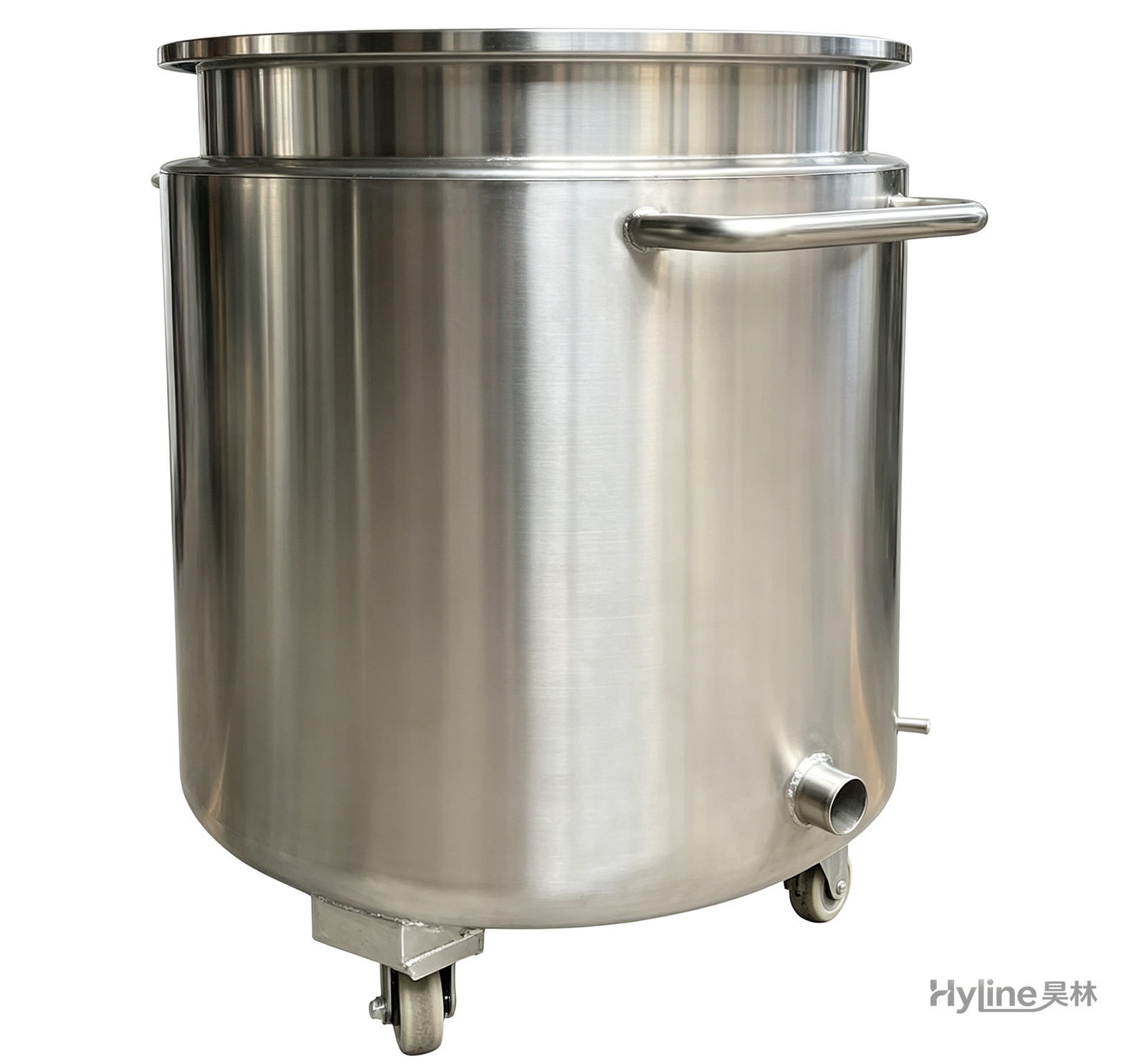
Stainless Steel Mixing Tank (Dispersion Drum)
Supporting vessel for dispersers and mixers in paints, coatings, adhesives, color slurries, inks and electronics. Available in 201/304 stainless with internal/external polishing and sloped bottom side discharge for complete draining.
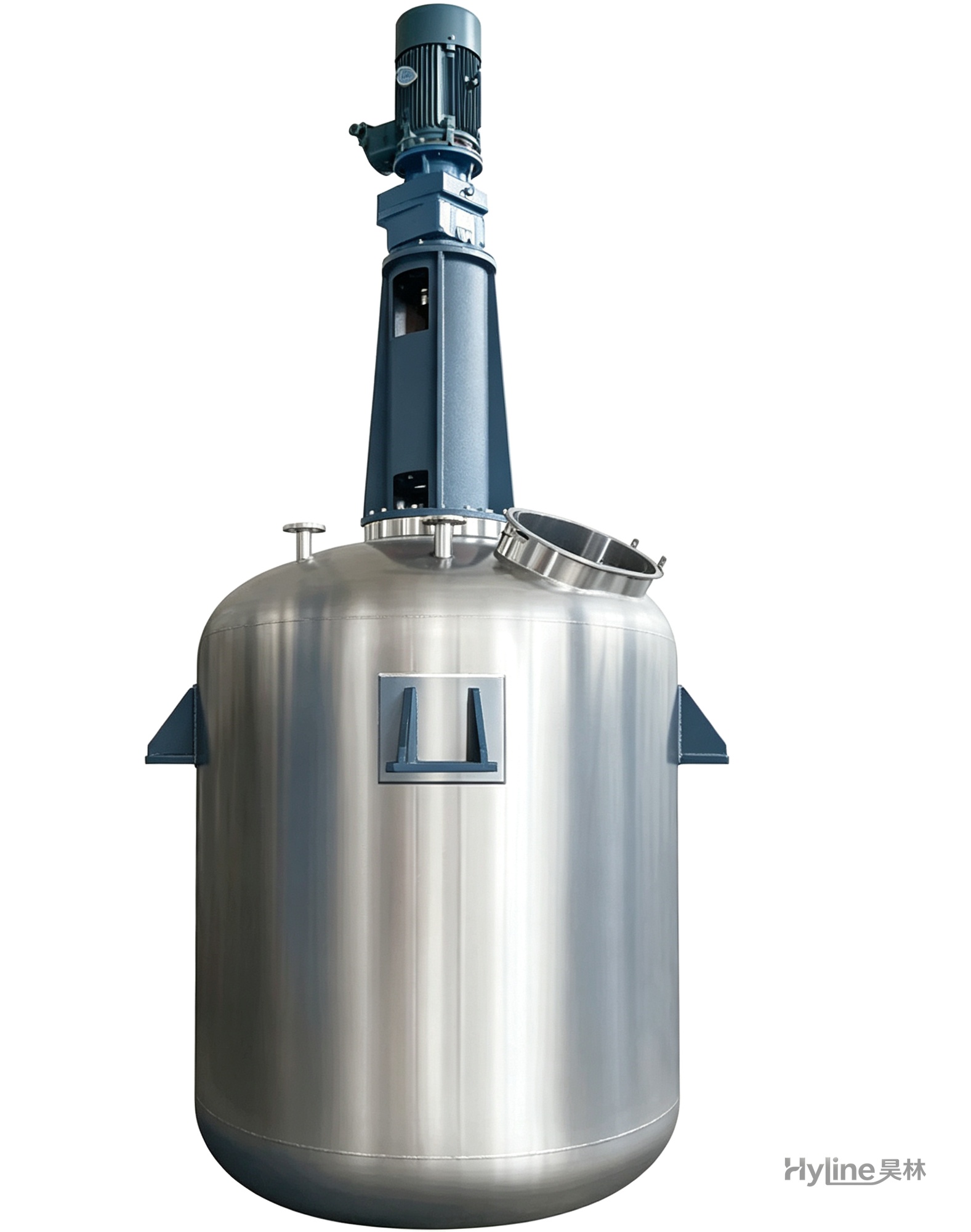
TC Series Mixing Kettle (Tinting)
For color matching in the paint industry and liquid-liquid / liquid-solid mixing in other industries. Uniform tinting, good miscibility, reasonable structure and powerful stirring.
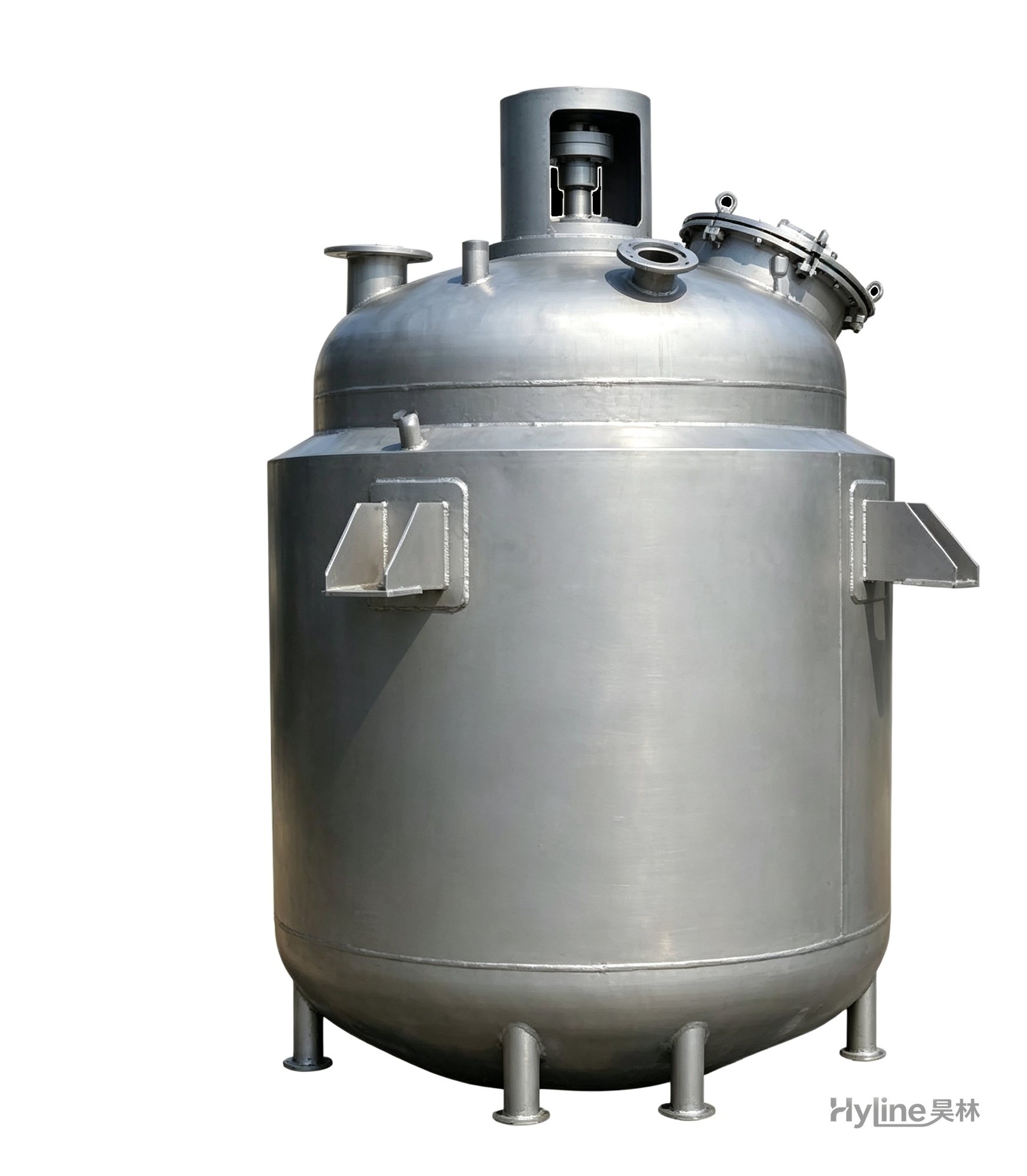
Jacketed Reactor
The typical main reaction vessel in chemical production. Mixing, heating and cooling disperse and mix materials for reaction and polymerization. The jacket circulates thermal oil/steam for heating or cooling water for temperature control.
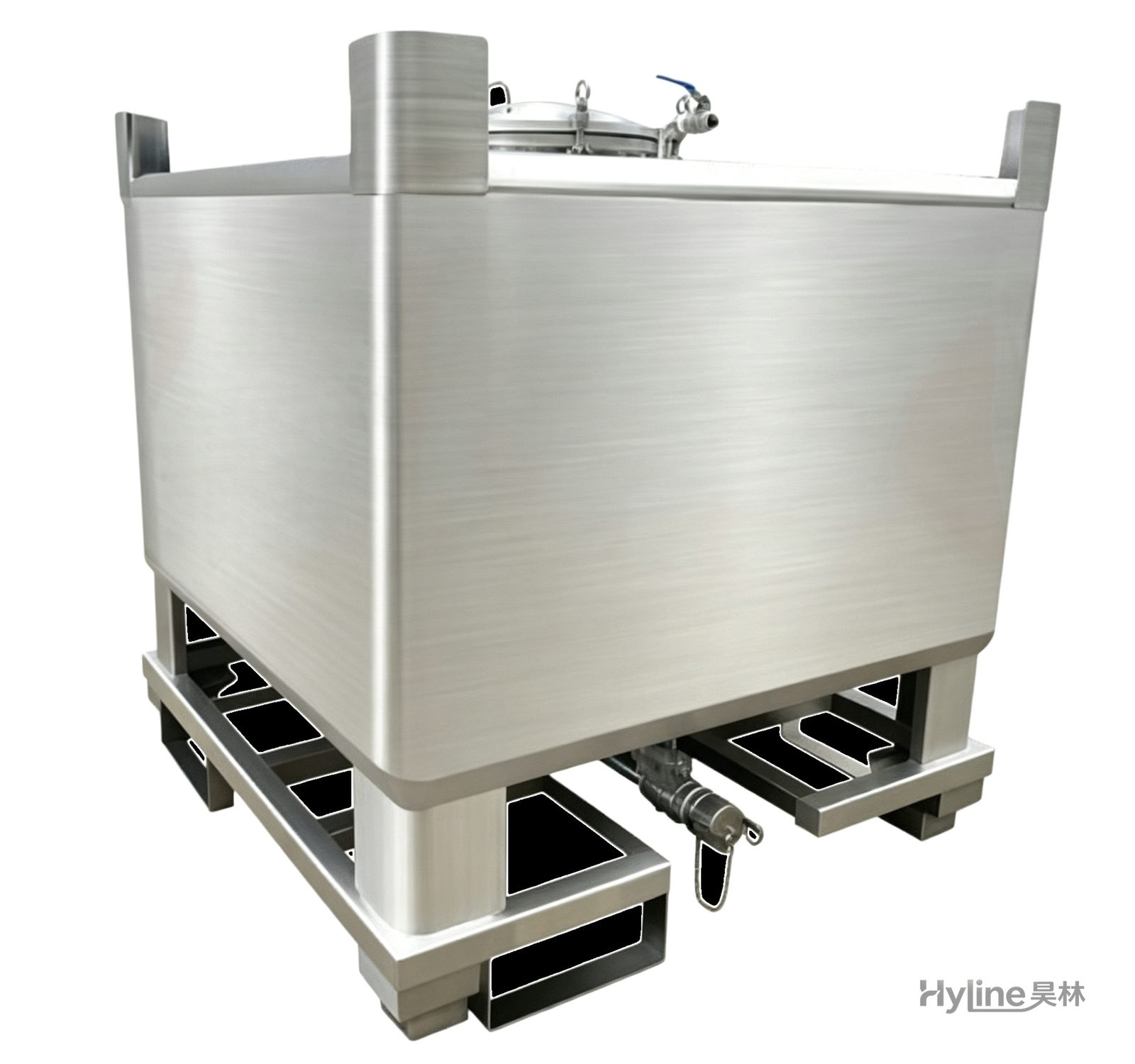
IBC Tank (Intermediate Bulk Container)
HDPE blow-molded liner with hot-dip galvanized steel frame - UV resistant, anti-aging, easy to clean, non-toxic. Four-way fork base for easy handling and stacking; ideal for liquid storage and transport.
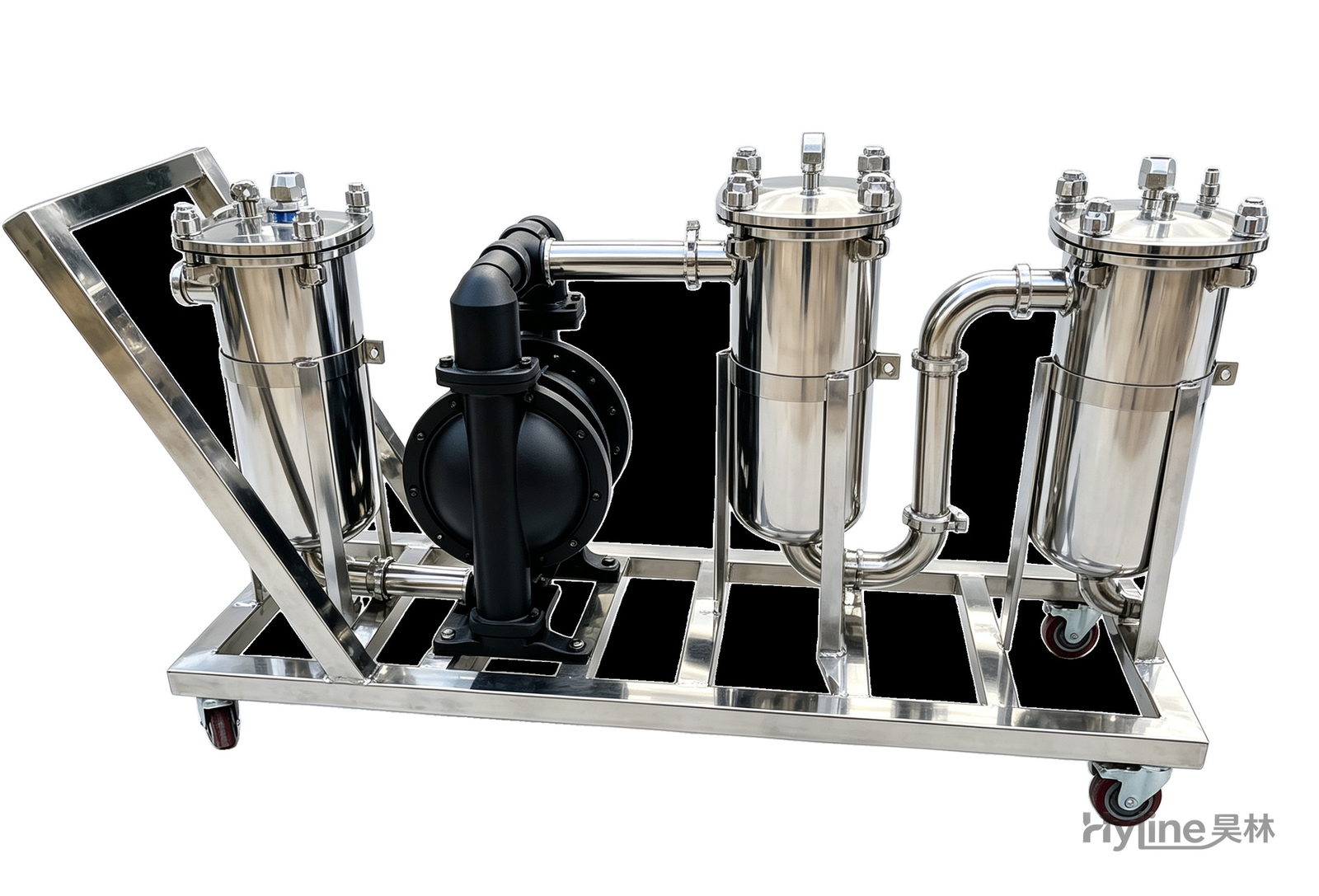
DL Series Bag Filter
A novel, compact, flexible and airtight multi-purpose filter widely used in chemicals, coatings, inks and food. Single and duplex models available, mountable on mobile carts with transfer pumps.