
How to configure manholes and sight glasses on a reactor? Access opening size and observation window selection essentials
10/23/2026
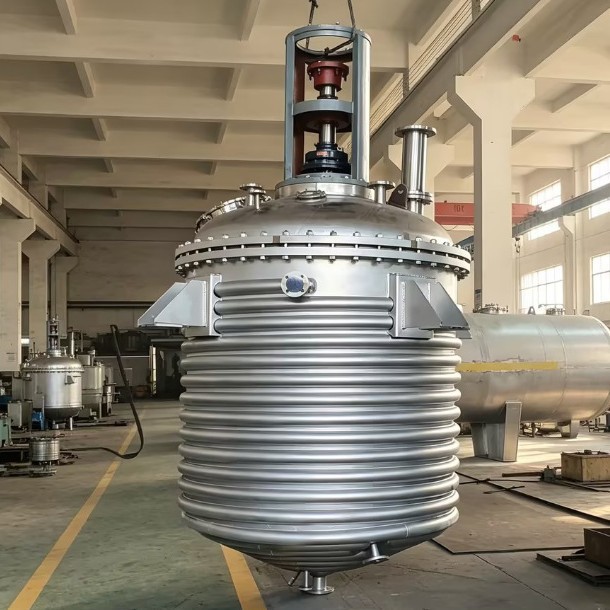
Every reactor eventually faces two practical problems: when people need to enter for maintenance and cleaning, the manhole is too small; when operators need to watch the reaction inside, the sight glass is unclear or wrongly positioned. Manholes and sight glasses look like small fittings on a reactor, but they directly affect maintenance efficiency, production safety and hygienic compliance. Many selection processes focus on volume, material and agitation and specify manholes and sight glasses casually, only to discover problems after the equipment is installed. This article explains how large a manhole should be, quick-open versus bolted types, where to fit sight glasses, and how to choose glass material and pressure rating, so you can configure manholes and sight glasses correctly for your process.
Why are reactor manholes and sight glasses important?
One-sentence conclusion: the manhole is the access for cleaning and maintenance, and the sight glass is the window for observing production; both directly affect safety, maintenance efficiency and hygienic compliance.
The manhole is the main access for cleaning, inspection and installation of internals. A reactor contains impellers, coils, baffles and various nozzles; after long operation it needs entry to check impeller wear, remove scale and replace seals. If the manhole size is unsuitable, these tasks become impossible or require dismantling the equipment. The sight glass is the window for operators to observe liquid level, reaction state and agitation; with the wrong position or size, operators cannot confirm material state, and feeding, sampling and reaction-endpoint decisions are affected. For pharma, food and fine-chemical industries, manholes and sight glasses also involve hygienic design, easy cleaning and compliance requirements, so they must not be treated as ordinary accessories during selection.
How large should the manhole be? Base it on operation and cleaning needs
One-sentence conclusion: manhole diameter is generally DN400~DN500; processes requiring regular personnel entry for cleaning or maintenance use DN500 and above; light inspection and maintenance can use a DN400 quick-open manhole.
Manhole size is mainly determined by entry needs and cleaning method. As a common industry rule, DN400 allows arm entry and small-tool operation, suitable for processes mainly cleaned externally with occasional light maintenance; DN450 is a common middle size and the default on most standard reactors; processes requiring personnel entry generally choose DN500 and above, with reactor capacity, shoulder width and working space considered, and DN600 for large reactors needing frequent entry. Besides diameter, manholes come in circular and elliptical forms; elliptical manholes are used where wall space is limited or pressure is low. For hygienic processes requiring frequent entry for cleaning, start at DN500 to avoid having to retrofit later.
Quick-open or bolted manhole?
One-sentence conclusion: choose quick-open for frequent opening, with clamp or eccentric locking for fast operation; choose bolted where sealing and pressure ratings are high, sizing bolts by design pressure.
The opening mechanism directly determines daily convenience. Quick-open manholes use clamp or eccentric locking and open quickly by turning a handle, suitable for processes opened daily or per shift for cleaning and feeding, and very common in pharma and food; bolted manholes use multiple bolts for reliable sealing and strong pressure capability, suitable for high-pressure or high-temperature processes, but opening takes time as each bolt must be loosened. Pressure rating matters in the choice: the higher the design pressure, the more the bolted manhole's sealing advantage counts; for low-pressure or atmospheric reactors a quick-open is more convenient. In both forms, a gasket sits between cover and body; gasket material follows medium and temperature, commonly PTFE, spiral-wound and others; for frequently opened processes, prefer a quick-open structure with easy gasket replacement.
Where to fit sight glasses? Quantity and viewing angle
One-sentence conclusion: generally 1~2 sight glasses, positioned to see liquid level, impeller and reaction state simultaneously; shell sight glass combined with top sight glass works best.
Position matters more than quantity. A shell sight glass is mounted on the side, slightly above the normal liquid level, for observing level and agitation; a top sight glass is mounted on the top head for observing the surface and feeding. A common real problem is that the viewing angle is blocked by nozzles or the agitator shaft, so the glass sees nothing useful. It is recommended to first draw the layout of the impeller, thermowell and main nozzles, then decide the sight-glass opening angle so that at least one glass sees the area between impeller and liquid surface. For quantity, small reactors take one shell glass plus one top glass; large reactors or processes needing multi-angle confirmation can fit two shell glasses symmetrically.
How to choose sight-glass material and pressure rating?
One-sentence conclusion: sight-glass glass is generally tempered borosilicate, rated around 0.1~0.6MPa as a common range; corrosive or hygienic processes use glasses with flushing devices and corrosion-resistant frames.
A sight glass consists of glass, frame and seals; the core of selection is the pressure and temperature capability of glass and frame. Glass is generally tempered borosilicate with good temperature and impact resistance; as a common industry rule, ordinary sight-glass glass is typically rated around 0.1~0.6MPa, confirmed by design pressure calculation — high-pressure reactors need explosion-proof glasses with protective mesh or thicker glass; frame material follows the medium, 304 stainless steel for normal processes and 316L for corrosive materials and hygienic industries; the contact between seal and glass must be flat to prevent stress cracking. Larger glass gives better visibility but lower pressure capability and higher cost; shell glasses are generally around DN100~DN150. For corrosive or scaling materials, choose a sight glass with a flushing nozzle so the viewing surface can be cleaned during production.
What to do when the sight glass fogs or scales over?
One-sentence conclusion: fit flushing nozzles and wiper-type sight glasses, and add explosion-proof sight-glass lamps when needed; fogging is usually related to temperature difference and volatile materials.
Unclear sight glass is a frequent production problem, with three main causes: first, temperature difference between inside and outside causes fogging on the inner glass surface, common in heating or cooling processes; second, volatile or scaling materials splash onto the glass forming a mist or deposit; third, insufficient light inside the reactor. Corresponding solutions: for fogging and scaling, choose a sight glass with an internal flushing nozzle and periodically spray solvent or water; for severe scaling, choose a wiper-type glass where an external knob drives a wiper to clean the inner surface; for insufficient light, fit an explosion-proof sight-glass lamp opposite the glass or on the top, with lamp power and explosion-proof rating selected by the process conditions. Do not compromise on an unclear glass — include flushing and lighting in the selection stage, which costs far less than retrofitting after installation.
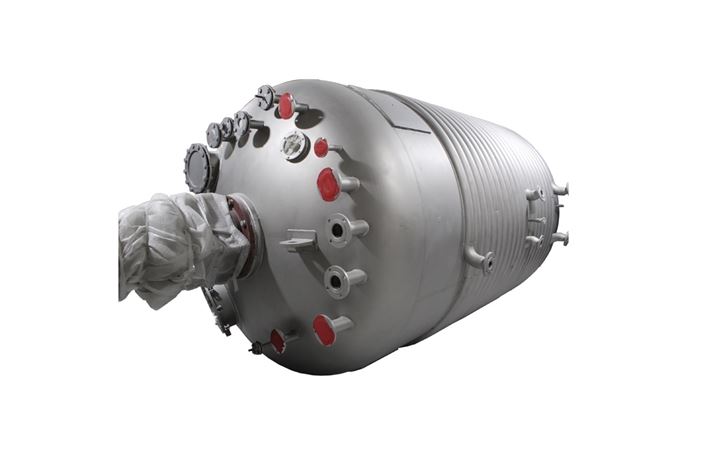
How to configure for hygienic industries (pharma and food)?
One-sentence conclusion: pharma and food industries prefer flush-mounted sight glasses and manholes with polished inner surfaces and detachable structures, meeting CIP/SIP cleaning and hygienic compliance.
Manholes and sight glasses for hygienic industries should follow hygienic design principles. Prefer manhole structures flush with the inner tank wall to avoid steps and crevices where material accumulates; weld seams polished, generally Ra0.8 or below, and Ra0.4 where the cleanliness level requires; sight-glass connections to the wall should be flush or smoothly radiused so the glass surface is level with the inner wall to prevent material build-up. Detachable structures allow thorough cleaning during CIP/SIP; seal materials follow medium and cleaning temperature, commonly PTFE, silicone and EPDM. As a common industry rule, hygienic reactors should have the hygienic structure and polish specification written into the technical agreement before delivery; retrofitting after arrival is usually impossible, and compliance acceptance often fails on such details.
Manhole and sight-glass configuration summary
One-sentence conclusion: first fix operation frequency and cleanliness level, then decide manhole type and size and sight-glass quantity and material, and finally check positions against the impeller and thermowell to complete the configuration. The final position of manhole and sight glasses should follow the operators' daily habit; a mock opening and viewing test before delivery is recommended.
Configure manholes and sight glasses in four steps. First, define needs: entry frequency, cleaning method and cleanliness level determine manhole diameter and quick-open or bolted type. Second, define sight glasses: quantity, position and angle by observation needs; glass and frame material by pressure and temperature. Third, define accessories: flushing nozzle and lamp for fogging and scaling; hygienic structures for clean processes. Fourth, verify space: confirm viewing angles are not blocked by the shaft or nozzles and manhole position does not hinder maintenance. Writing these items into the reactor technical agreement guarantees maintenance access and observation.
Hyline Shengda produces stainless steel reactors and supporting equipment, and supports manhole, sight-glass and mixing tank configuration and complete-line design according to operation frequency, pressure rating and cleanliness requirements. Before making a manhole and sight-glass plan, we suggest fixing entry frequency, cleanliness level and design pressure first, and then discussing the specific configuration.
Related reading: - How to open a reactor cover? Hydraulic lifting and quick-open device selection essentials - How to maintain a reactor agitation system? Reducer, frame and coupling maintenance essentials
This article is compiled by Hyline Shengda Equipment Manufacturing Co., Ltd. (hyline.cn), mainly producing stainless steel reactors, mixing tanks, storage tanks, dispersers, concentrators and complete chemical lines, supporting non-standard customization.
Q&A from this article
Frequently asked questions and answers from this article
One-sentence conclusion: choose quick-open for frequent opening, with clamp or eccentric l…
Related Products
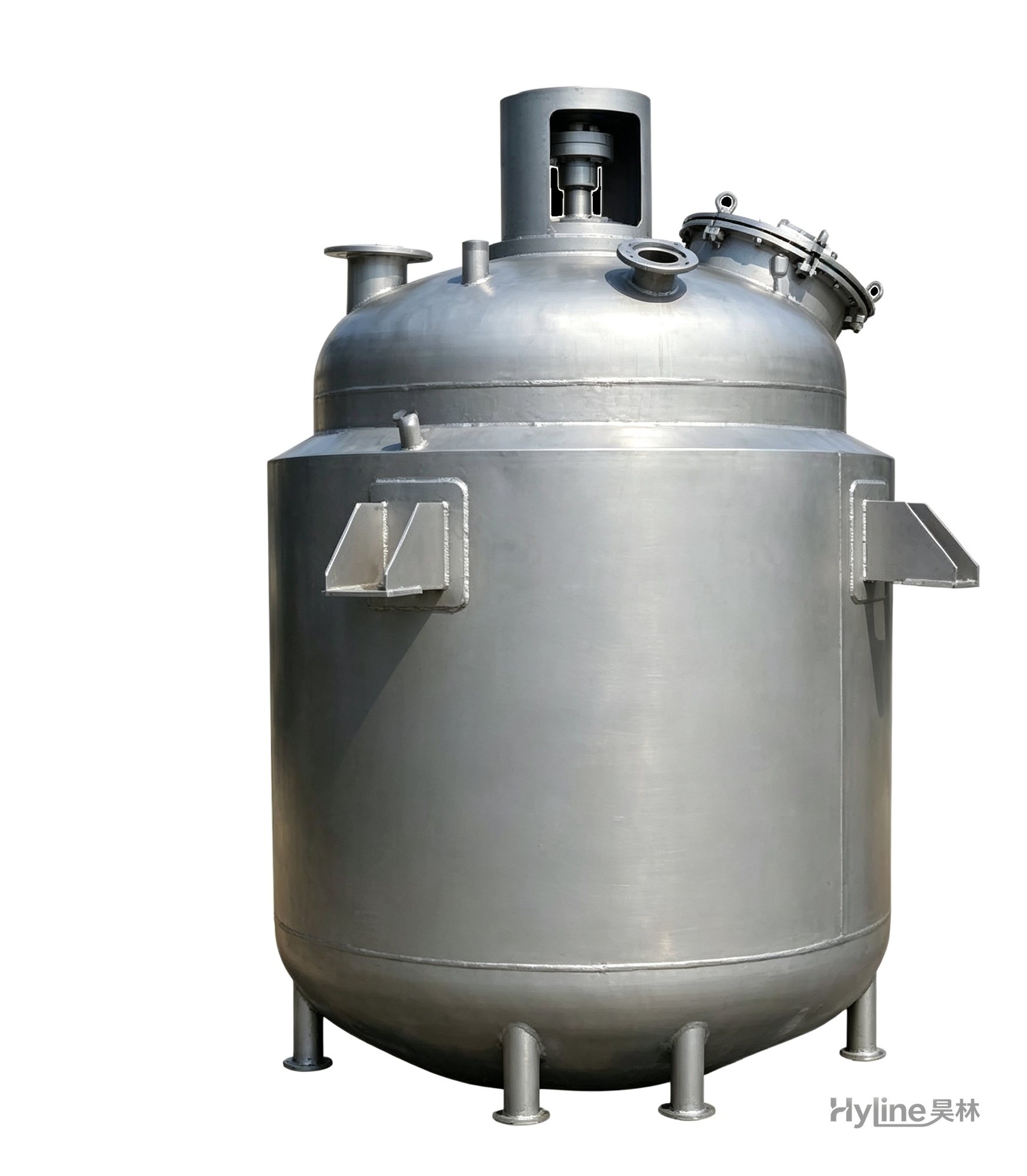
Jacketed Reactor
The typical main reaction vessel in chemical production. Mixing, heating and cooling disperse and mix materials for reaction and polymerization. The jacket circulates thermal oil/steam for heating or cooling water for temperature control.
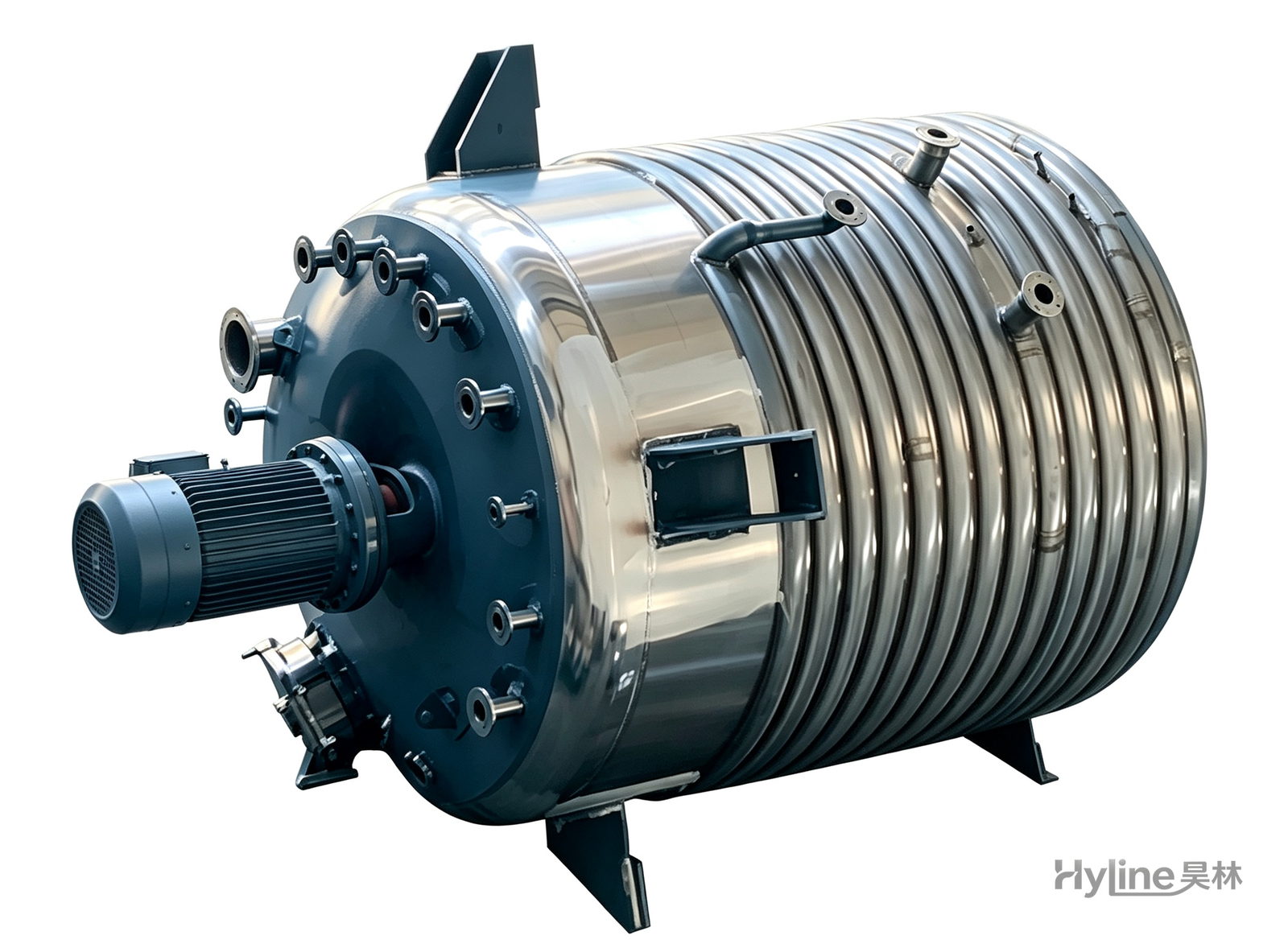
External Half-Coil Reactor
External half-pipe heating & cooling coils provide uniform, efficient heat exchange with zero material dead zones inside. Mirror-polished 304/316L stainless tank is clean and corrosion-resistant. For resin, new-energy slurry and pharmaceutical synthesis.
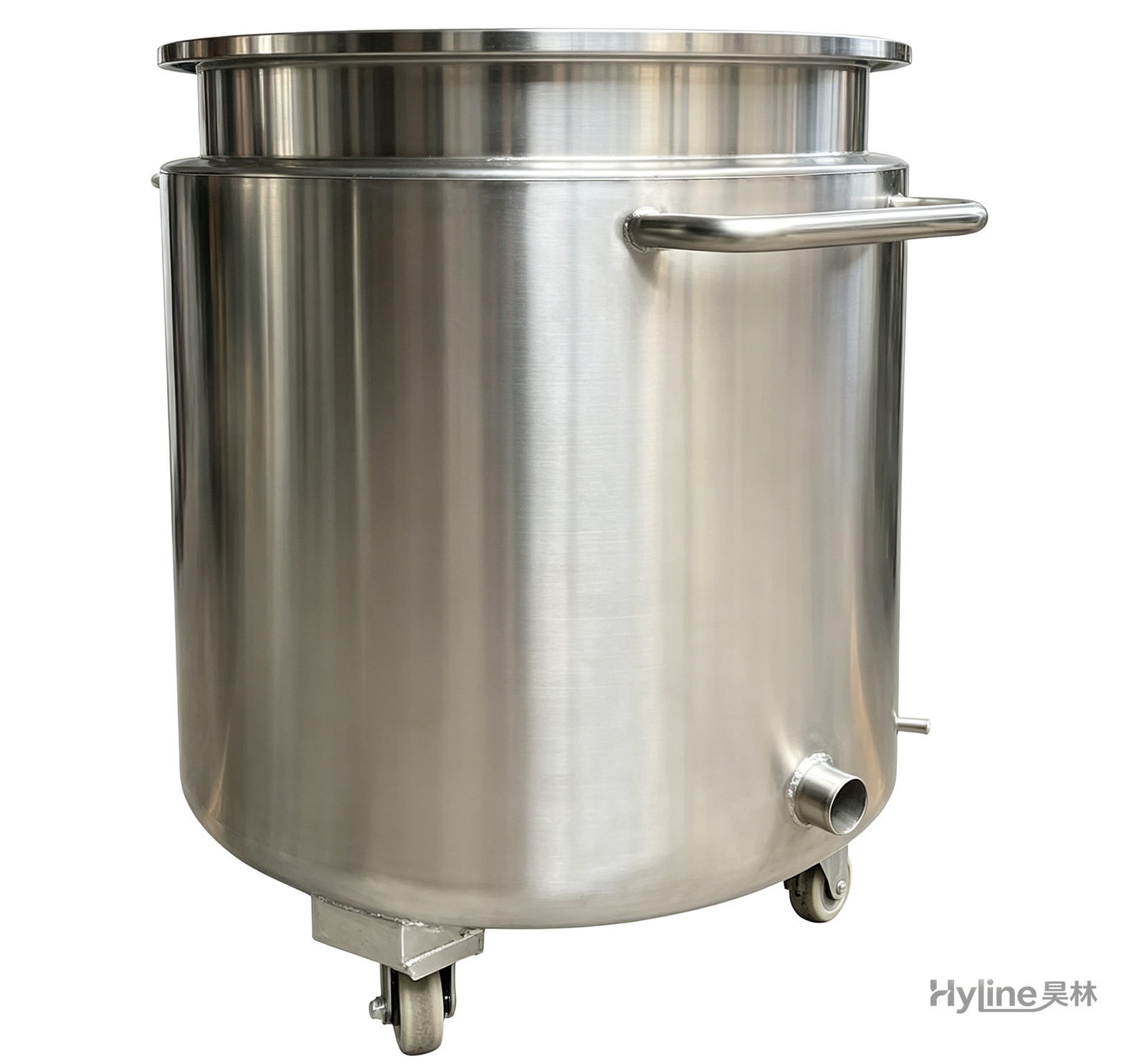
Stainless Steel Mixing Tank (Dispersion Drum)
Supporting vessel for dispersers and mixers in paints, coatings, adhesives, color slurries, inks and electronics. Available in 201/304 stainless with internal/external polishing and sloped bottom side discharge for complete draining.
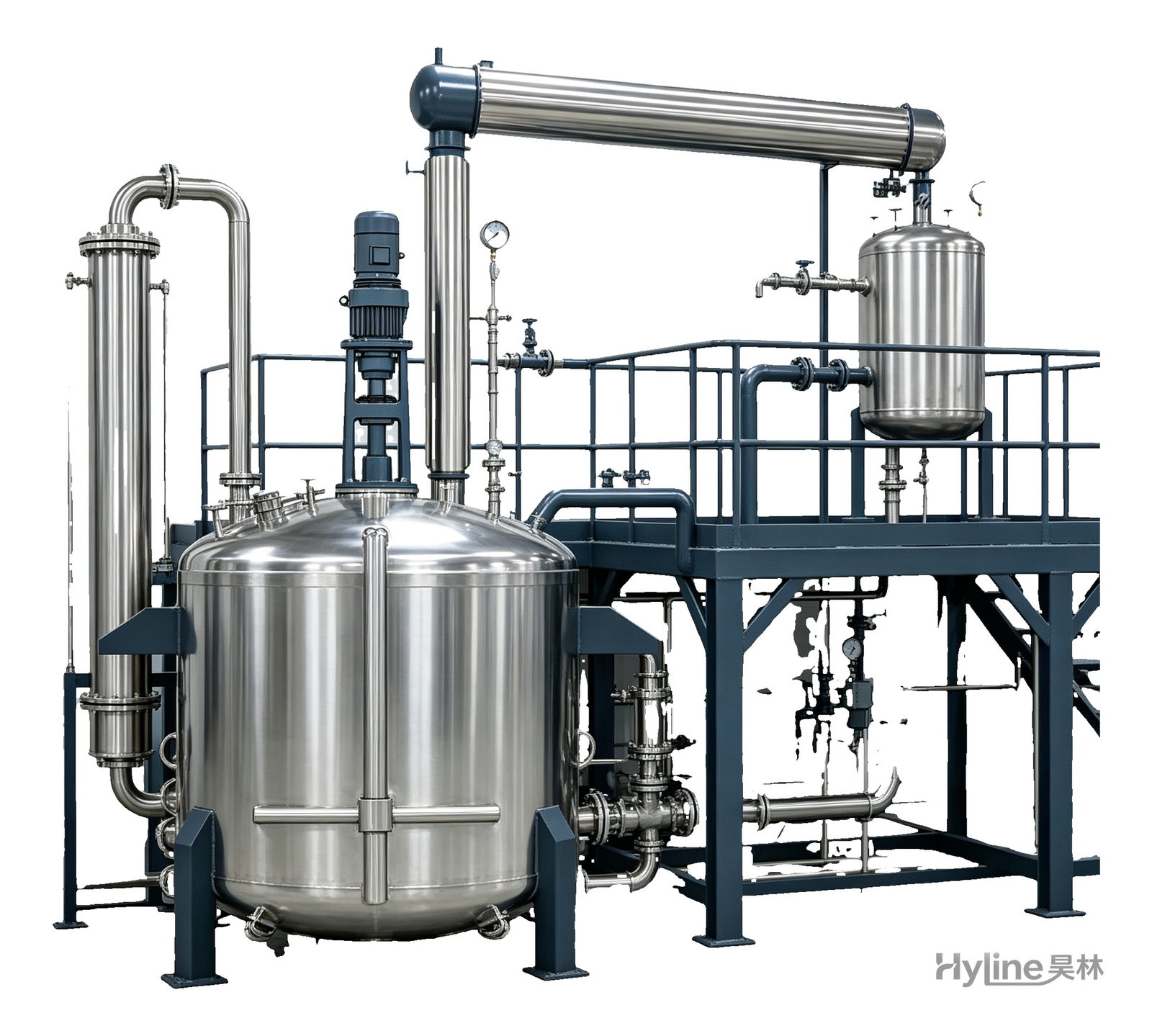
Complete Resin Production Equipment
Resin production packages built around the reactor, with vertical fractionating column, horizontal condenser and water separator for full synthesis, dehydration and reflux processes. Sizes from 300L to 30000L.
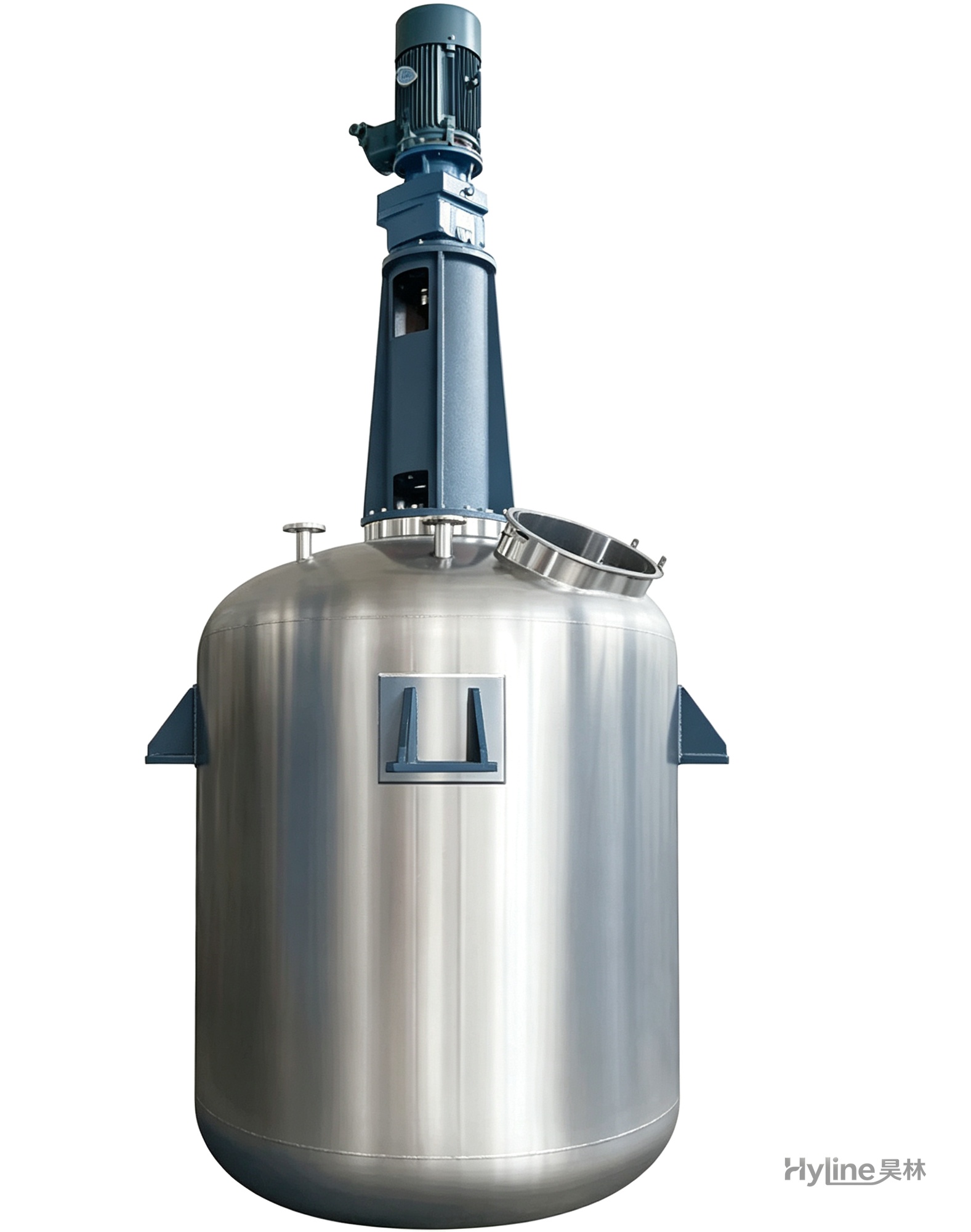
TC Series Mixing Kettle (Tinting)
For color matching in the paint industry and liquid-liquid / liquid-solid mixing in other industries. Uniform tinting, good miscibility, reasonable structure and powerful stirring.
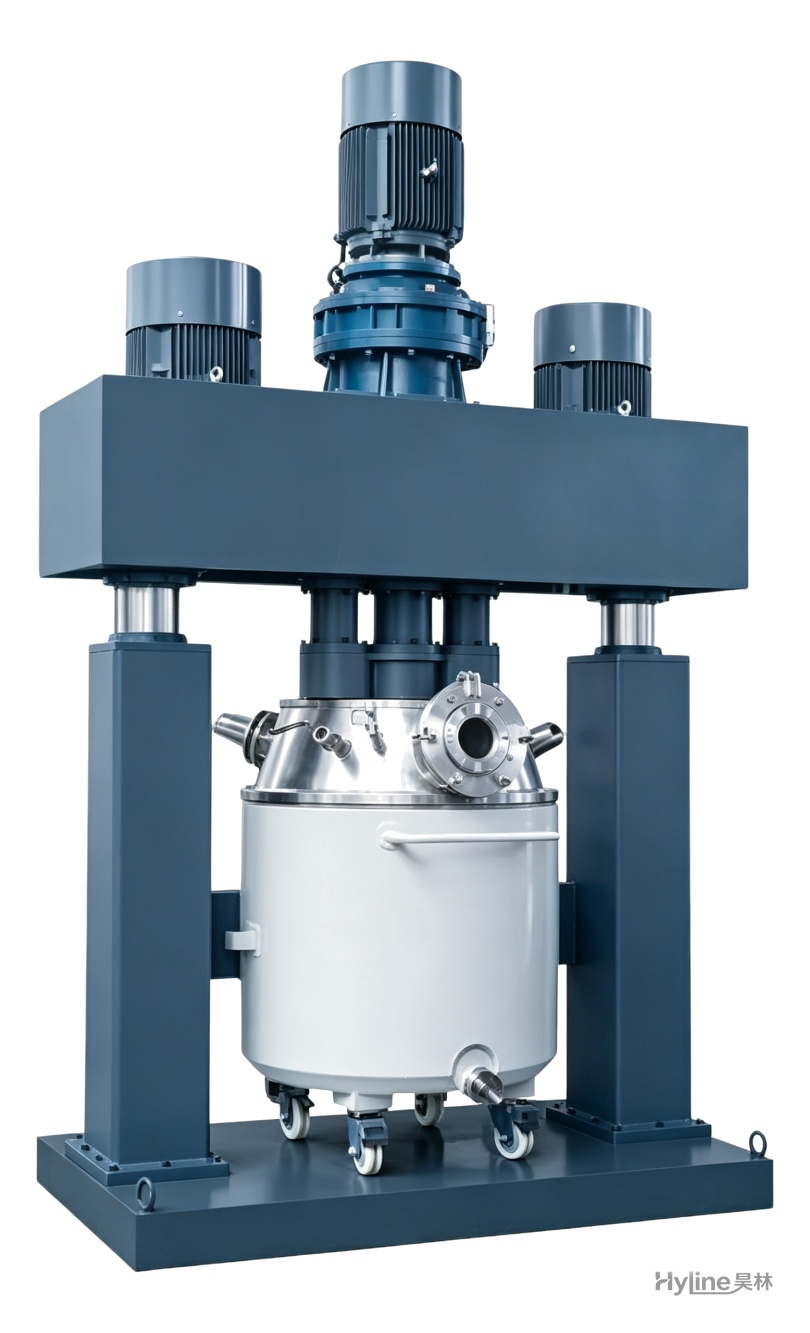
QLF Series Powerful Triple-Shaft Disperser
Two high-speed dispersers plus wall/bottom scraping create complex material flow for rapid dispersion and grinding. Handles high-viscosity pastes of 10,000-2,000,000 cps - widely used for silicone sealants, PU sealants, liquid silicone and electronic adhesives.