
Why does a reactor mechanical seal keep leaking? Seal structure, flush plan and installation & maintenance points
10/21/2026
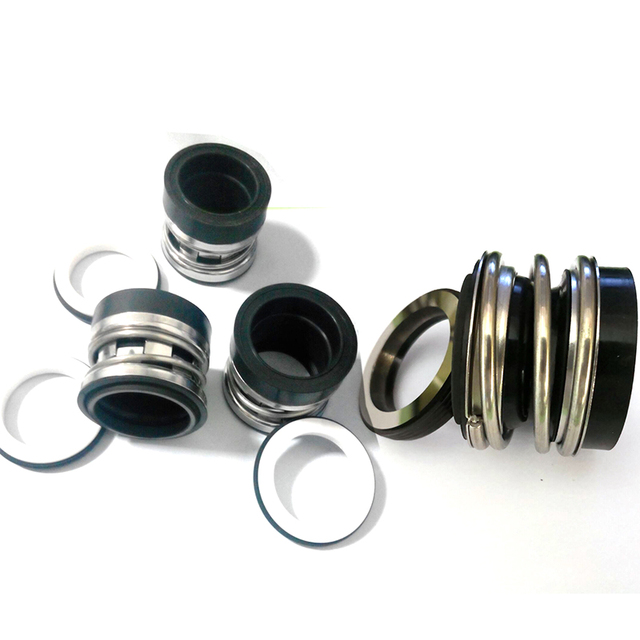
Seepage and dripping at the agitator shaft of a reactor are familiar to many workshops. Once a mechanical seal leaks, it costs material loss and floor contamination at best, and at worst creates a safety risk with flammable media; replacing a seal means stopping the vessel for half a day to a full day. In most cases the leak is not caused by poor seal quality but by incorrect structure selection, flush configuration and installation & maintenance. This article starts from how a seal works and explains common leak causes, flush plans and key inspection points in one go.
How costly is a reactor seal leak?
One-sentence conclusion: the direct cost of a seal leak is material loss and downtime for repair; the indirect cost is contamination, safety risk and agitator shaft wear, and the earlier it is handled the cheaper it is.
Based on common industry experience, replacing a mechanical seal on a 5000L reactor — from emptying, cleaning, dismantling to re-assembly and pressure test — generally takes 6~12 hours of downtime. If the medium is a solvent or viscous resin, the material loss and cleaning cost from a leak are often higher than the seal itself. A chronic seepage is more troublesome: leaking only a few hundred millilitres per day looks small, but accumulated into one batch it can directly make the product unqualified. For pharmaceutical intermediates and fine chemicals, leakage also brings cleanliness and safety issues, so seal condition should be part of every-shift inspection rather than being handled only when a big leak appears.
How does a mechanical seal stop the leak?
One-sentence conclusion: a mechanical seal relies on the liquid film formed between the faces of the rotating and stationary rings to seal; spring force and medium pressure provide face contact pressure, and rotation speed, pressure and face condition together decide the sealing effect.
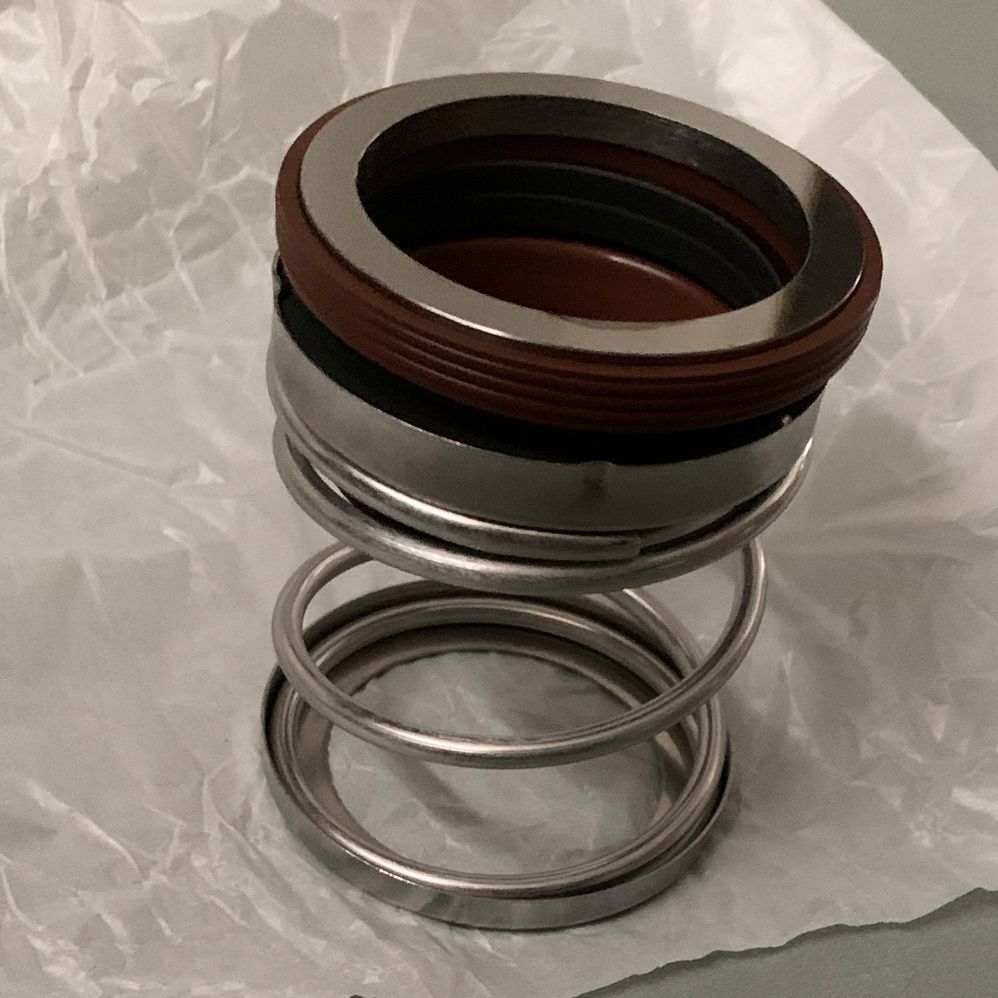
A mechanical seal consists of a rotating ring, a stationary ring, springs, auxiliary seal rings (O-rings) and a gland. The rotating ring turns with the agitator shaft and the stationary ring is fixed to the gland; the two faces stay in contact under spring force and medium pressure, keeping an extremely thin liquid film between them that lubricates and prevents leakage. Once this film is destroyed — by dry running, scoring, fouling or excessive runout — leakage begins. Seal faces are commonly paired in silicon carbide, tungsten carbide or hard alloy; the allowable linear speed and pressure vary with material and should be matched to rotation speed and working pressure at selection.
Why does a seal suddenly leak heavily?
One-sentence conclusion: heavy leakage is usually not from gradual wear but from a one-off breakdown of the sealing state caused by dry running, crystallisation jamming, shaft axial movement or abnormal pressure.
There are four common triggers. First, dry running: when the flush is cut off or the liquid level drops below the seal chamber, the face temperature rises quickly, the seal rings age and the faces crack from heat — a big leak can appear within minutes. Second, crystallisation and fouling: when the material crystallises or polymerises near the faces, particles enter the faces and score them, which is obvious with solids-bearing liquids. Third, axial movement: when the axial movement of the agitator shaft is excessive, the rotating ring repeatedly leaves the contact face. Fourth, pressure fluctuation: when the reactor is evacuated and the seal chamber pressure drops below atmospheric, air and material back-flow; a sudden pressure rise under pressurised service can also push the faces open. Find the trigger before deciding whether to replace the whole seal or only the rings — directly replacing a set often treats the symptom, not the cause.
What is the difference between single and double seals?
One-sentence conclusion: general chemical media use single seals; flammable, toxic, vacuum or solids-bearing materials are better served by double seals, where barrier fluid completely isolates the medium side from the atmosphere side.
A single seal has one pair of faces; it is simple, cheaper and faster to dismantle, and suits conventional media such as aqueous solutions and low-viscosity solvents. A double seal has two pairs of faces with barrier fluid injected between them (commonly glycol-water solution or white oil); the barrier pressure is held roughly 0.05~0.2MPa above the vessel pressure, so even if the inner faces fail, the medium cannot reach the atmosphere side. For vacuum service, toxic or flammable media and crystallising materials, a double seal with a barrier system is currently the more reliable choice. The judgement is not only about the material itself but also the process temperature and vacuum: at high temperature and high vacuum (deep negative pressure), the single-seal chamber is easily evacuated and repeated suction leakage appears.
How should the flush plan be configured?
One-sentence conclusion: flushing removes heat and contaminants from the faces; generally match it to medium temperature and solids content — cooling flush for high temperature, clean flush for solids-bearing media, circulating flush for flashing materials, with the flow rate calculated from face size and service conditions.
The flush plan determines most of the seal life. Three common approaches: self-flush, which takes the vessel medium into the seal chamber and back, suitable for clean, non-crystallising medium at low to medium temperature; cooling flush, which passes clean coolant through the chamber and discharges it, suitable for high-temperature or volatile media; clean flush, which uses a particle-free medium to rinse the faces, suitable for solids-bearing materials. Flush flow is generally estimated from face diameter and rotation speed, commonly in the range of a few litres to tens of litres per minute; the pressure should be slightly above the vessel pressure, otherwise the flush will not enter the chamber but take a short circuit. At selection, settle three parameters first — medium temperature, solids content and vacuum degree — before discussing the flush plan; this matters more than the seal itself.
What mistakes are most common during installation?
One-sentence conclusion: the common installation mistakes are excessive shaft runout, uneven face loading, wrong spring compression and damaged seal rings during assembly — all four directly cause leaks right after installation or early failure.
Before installation, measure the radial runout of the agitator shaft; it is generally required to be controlled at the level of 0.05mm, and if the shaft is bent or the bearing wear exceeds tolerance, no matter how well the seal is installed it will not last. Check the perpendicularity of the gland to the shaft so the faces load evenly; set spring compression to the manufacturer's value — too tight speeds up face wear, too loose gives insufficient contact pressure. Never pry the seal rings with tools during assembly; a scratched lip is a leak path. Tighten the gland bolts evenly and diagonally with the torque per specification. After re-assembly, do a static pressure test, generally pressurising to 0.3~0.5MPa and observing for 10~30 minutes with no seepage before charging the material; this prevents most early leaks.
Which parts should daily inspection look at?
One-sentence conclusion: check three places — drip frequency at the seal gland, seal chamber temperature and agitator shaft abnormal noise and vibration; if all three are normal, the seal can run with confidence.
Drip observation is the simplest and most effective: under clean service the seal allows extremely little or no seepage, and continuous dripping or mist spray means a repair should be scheduled. Use the back of the hand or an infrared thermometer to compare temperature against adjacent parts; an abnormally high seal chamber temperature indicates dry running or insufficient flush. Abnormal noise and vibration are most obvious at start-up and shutdown; periodic sound often indicates a change in face or bearing condition. During shutdown repair, also check the wear trace on the faces: an even bright band on the faces is normal running-in, while annular grooves or cracks mean the faces must be replaced; clean the flush nozzle and piping at the same time so old impurities do not score the new seal.
How do you troubleshoot common faults?
One-sentence conclusion: troubleshoot against the "leakage location — cause — handling" table, first distinguish face leakage, ring leakage or barrier-fluid cross-leakage, then decide whether to adjust flush, retighten the gland or replace the seal.
| Symptom | Common cause | General handling |
|---|---|---|
| Material seeps at gland | Face wear, spring failure | Replace rotating and stationary ring assembly |
| Drips after start-up | Dry running, excessive shaft runout | Check flush and shaft runout |
| Suction leak under vacuum | Negative seal chamber pressure, single seal unsuitable | Switch to double seal with barrier fluid |
| Fast wear with solids-bearing material | Scored faces, insufficient flush | Configure clean flush or add a filter |
| Leak at seal ring | O-ring ageing, assembly damage | Replace O-ring and check assembly |
| Barrier pressure drops | Inner faces failed | Stop and check faces and springs |
The maintenance points of a mechanical seal can be summed up in three phrases: configure the flush well, align the installation well and perform inspection well. Flushing removes heat and impurities, installation ensures even face loading, and inspection finds problems before the leak grows. For high-temperature, vacuum, solids-bearing and flammable media, set the sealing solution directly as a double seal with barrier fluid; the initial cost is higher, but overall downtime and material loss usually make it cheaper.
Haolin Shengda produces stainless steel reactors, half-coil reactors and mixing tanks and other chemical equipment; the agitator system supports single and double mechanical seal configurations with flush plans matched to medium temperature, vacuum degree and solids content. Before choosing a seal, settle four parameters first — medium characteristics, working pressure, temperature and rotation speed — then discuss structure and flush.
Further reading: - How to overhaul a reactor agitator system: assembly points of the shaft, mechanical seal and impeller - How to choose a reactor agitator shaft seal: mechanical seal vs packing seal
This article is prepared by Haolin Shengda Equipment Manufacturing Co., Ltd. (hyline.cn), specializing in stainless steel reactors, mixing tanks, storage tanks, dispersers, concentrators and complete chemical production lines, supporting non-standard customization.
Q&A from this article
Frequently asked questions and answers from this article
One-sentence conclusion: the direct cost of a seal leak is material loss and downtime for …
Related Products
Jacketed Reactor
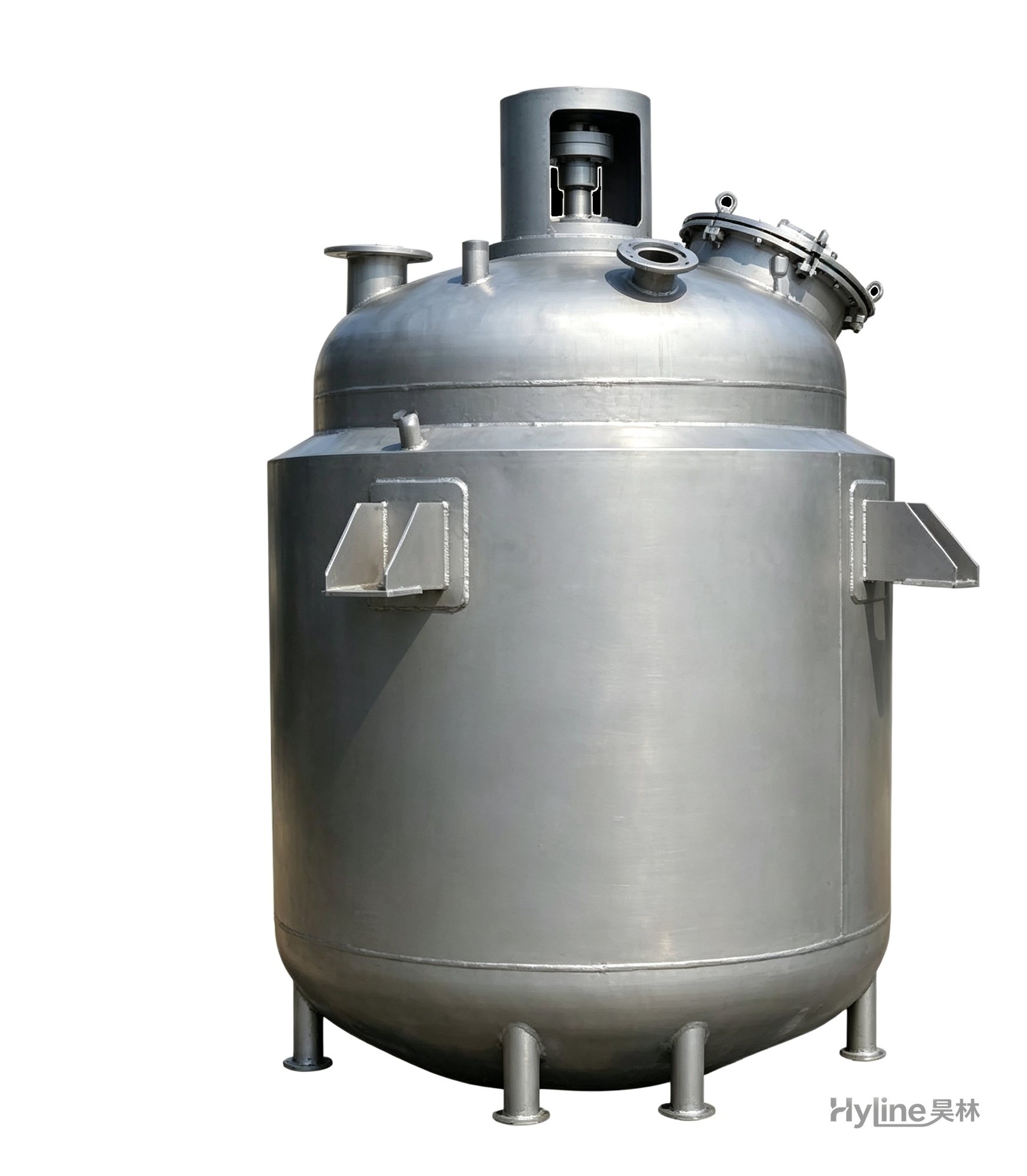
The typical main reaction vessel in chemical production. Mixing, heating and cooling disperse and mix materials for reaction and polymerization. The jacket circulates thermal oil/steam for heating or cooling water for temperature control.
External Half-Coil Reactor
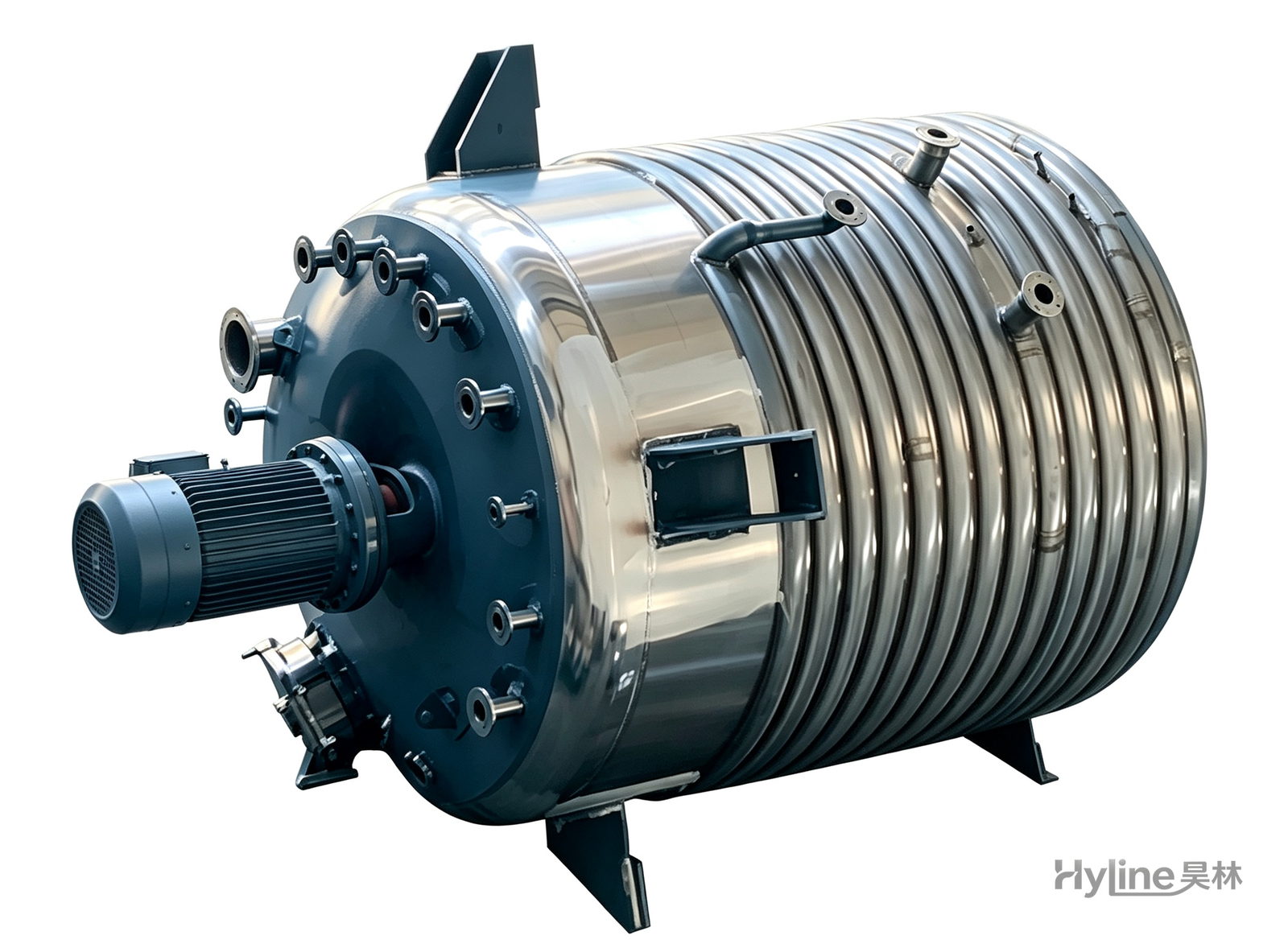
External half-pipe heating & cooling coils provide uniform, efficient heat exchange with zero material dead zones inside. Mirror-polished 304/316L stainless tank is clean and corrosion-resistant. For resin, new-energy slurry and pharmaceutical synthesis.
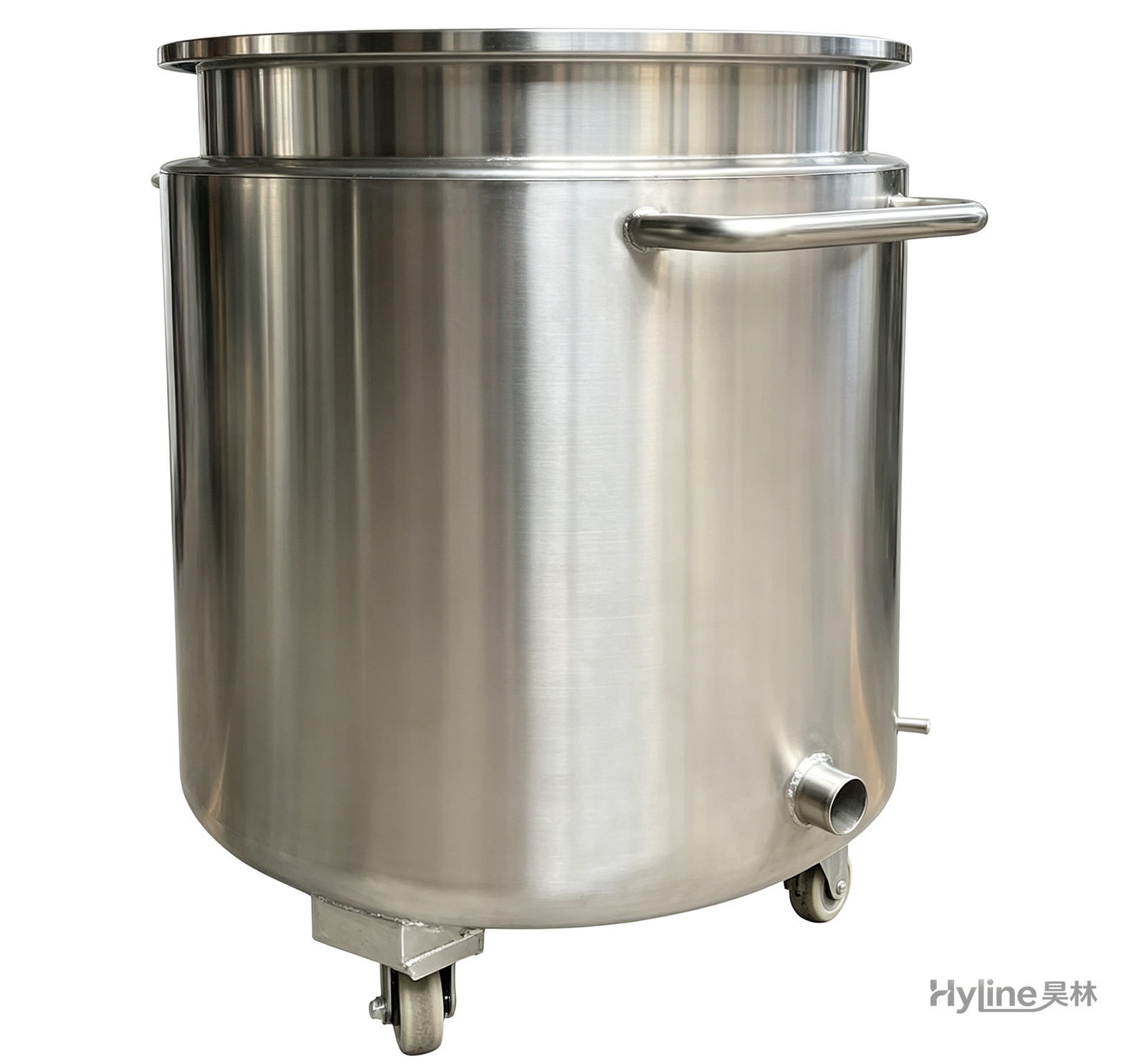
Stainless Steel Mixing Tank (Dispersion Drum)
Supporting vessel for dispersers and mixers in paints, coatings, adhesives, color slurries, inks and electronics. Available in 201/304 stainless with internal/external polishing and sloped bottom side discharge for complete draining.
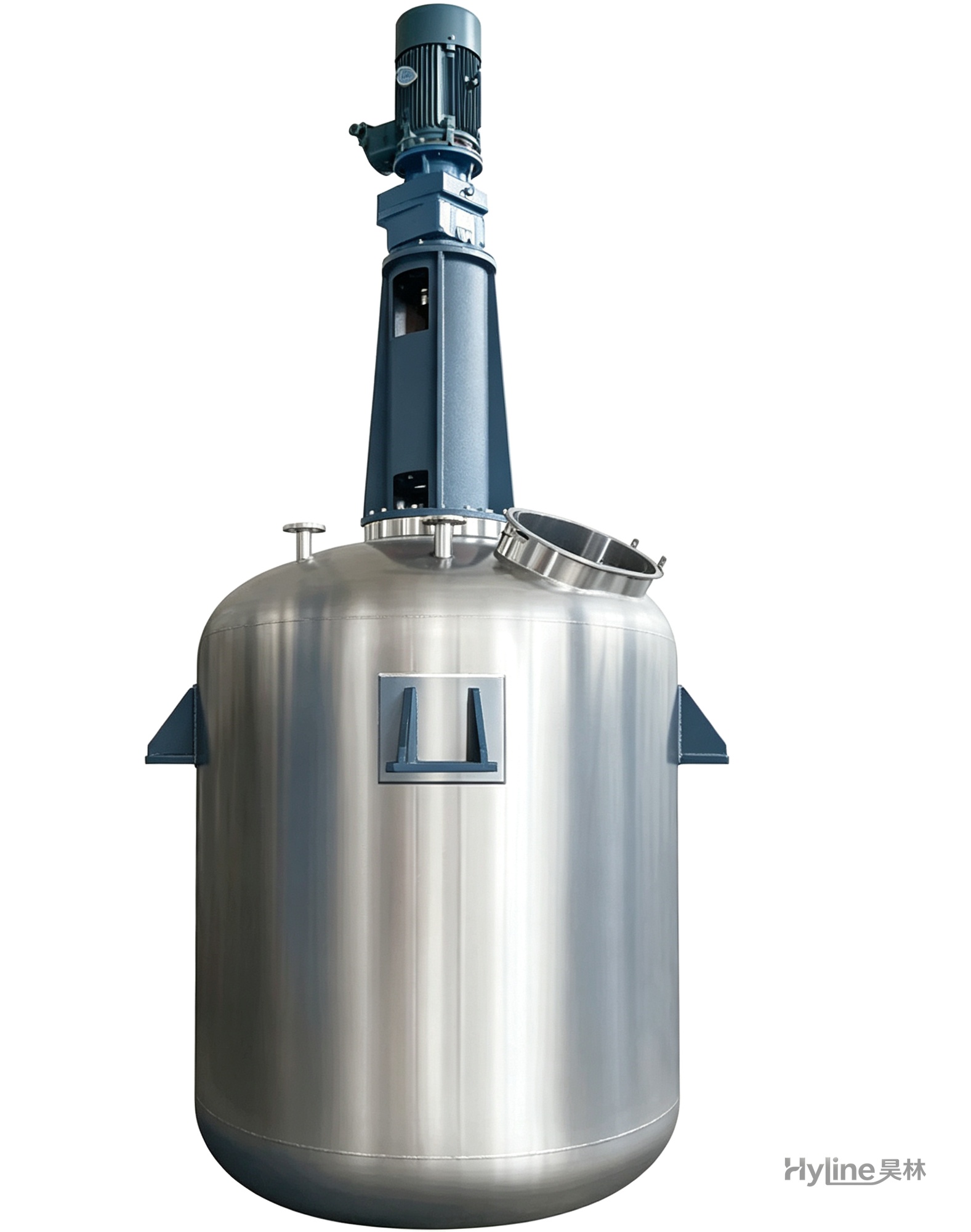
TC Series Mixing Kettle (Tinting)
For color matching in the paint industry and liquid-liquid / liquid-solid mixing in other industries. Uniform tinting, good miscibility, reasonable structure and powerful stirring.
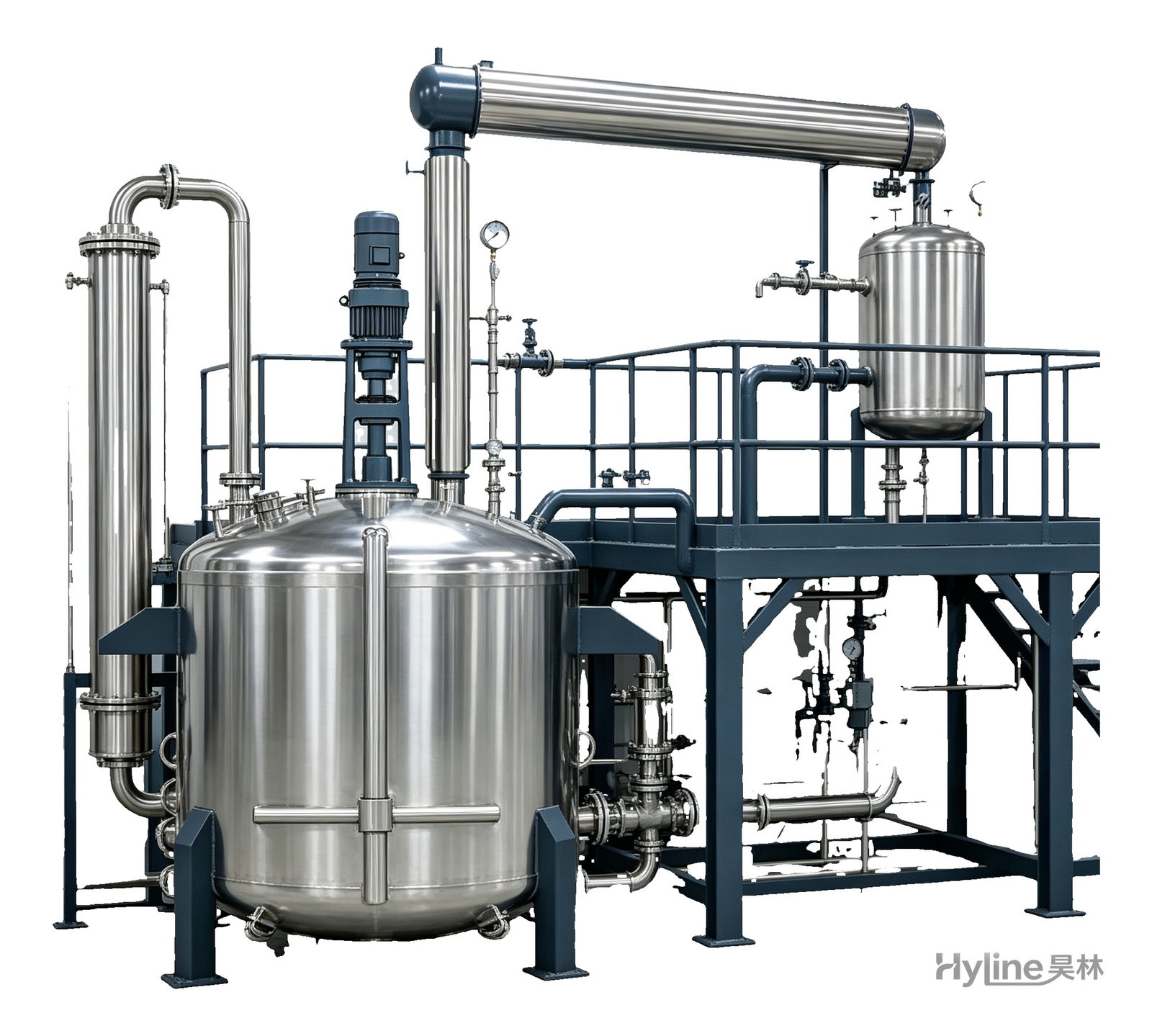
Complete Resin Production Equipment
Resin production packages built around the reactor, with vertical fractionating column, horizontal condenser and water separator for full synthesis, dehydration and reflux processes. Sizes from 300L to 30000L.