
How to Select a Stainless Steel Storage Tank? Vertical, Horizontal and Insulated Tanks by Working Condition
10/8/2026
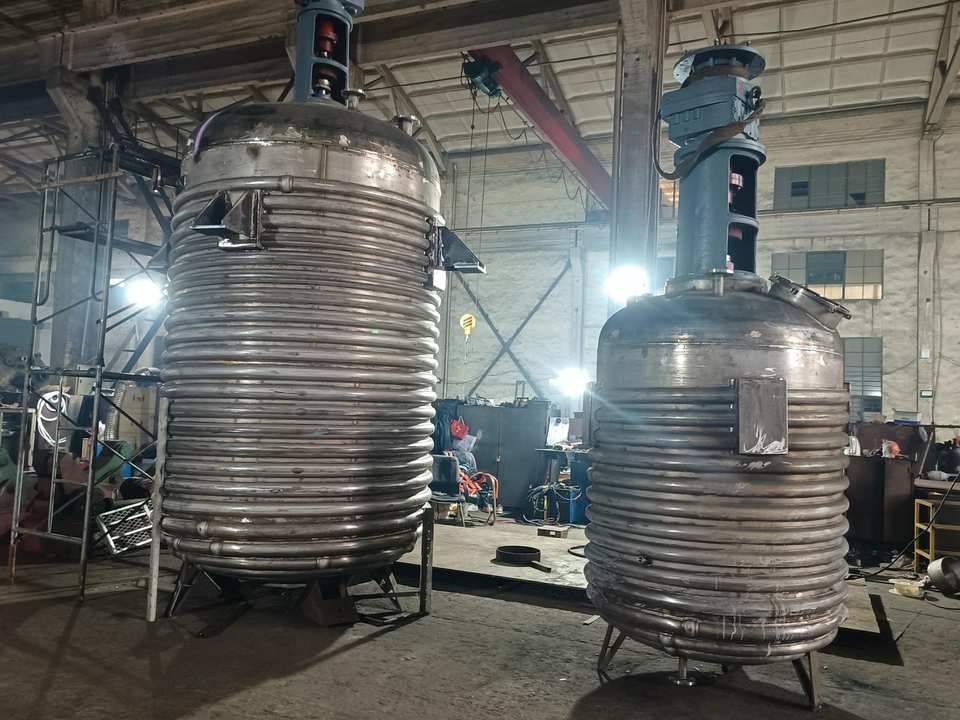
How to select a stainless steel storage tank? A food plant storing juice, a chemical plant storing acid and alkali solutions, and a new-energy workshop storing electrolyte all need a stainless steel storage tank as indispensable liquid-storage equipment, yet selection is often treated as "just buying a tank": the wrong material gets corroded, the wrong shape is hard to lay out, the wrong capacity mismatches batches, and missing accessories mean repeated on-site drilling. One-sentence conclusion: follow four steps — material by medium, shape by site, capacity by batch, accessories by operation. Think clearly about what to store, where to place it, how much to hold and how it will be used, then order — you will rarely go wrong.
Step 1: The medium determines the material
Tank material is set by the corrosiveness of the stored medium. Water, juice, edible oil and ordinary chemical solutions can use 304 stainless steel — moderate cost with sufficient corrosion resistance; media containing chloride ions or strong acids/alkalis should use 316L, which has clearly stronger pitting resistance; special strongly corrosive media require a liner or a higher grade. The judgment is not "the more expensive the better" but medium composition, concentration and temperature: the higher the concentration and temperature, the stronger the corrosion, and the material grade must be raised accordingly.
| Medium condition | Recommended material (typical) | Typical scenario |
|---|---|---|
| Water, juice, edible oil | 304 | Food liquid storage, beverage buffering |
| Salt-containing, chloride-containing | 316L | Brine, halogen water, disinfectant |
| Weak acid/alkali solutions | 304 or 316L | Chemical additives, cleaning liquid |
| Strong acid/alkali, high-chlorine | 316L or above | Electroplating bath, etchant |
For example, a chemical plant storing 30% sodium hydroxide solution was first quoted with 304; after verification we recommended 316L with internal acid pickling and passivation, and after three years in service no pitting or leakage appeared — a case of choosing material by medium, not by price.
Step 2: The site determines the shape
The choice between vertical and horizontal tanks mainly depends on site and process. Vertical tanks occupy less floor area and have higher level utilization, suit indoor or space-constrained locations, and bottom discharge is convenient; horizontal tanks have a lower center of gravity and lower height, suit outdoor or height-constrained locations, but occupy more floor area and bottom draining needs a slope or a pump. In a workshop vertical tanks are generally preferred; outdoor storage areas are arranged by tank farm layout with vertical or horizontal; within the same tank farm try to unify specifications for easier management.
| Tank type | Advantage (typical) | Suitable occasion |
|---|---|---|
| Vertical storage tank | Small footprint, high level utilization | Indoor workshop, limited space |
| Horizontal storage tank | Low center of gravity, low height | Outdoor, height-constrained |
| Insulated storage tank | Maintains material temperature, saves energy | Temperature-sensitive materials, winter storage |
Step 3: The batch determines the capacity
Tank capacity is calculated by storage cycle and actual usage, not "the bigger the better". Calculation basis: single-batch storage = daily usage × storage days, then divide by the filling coefficient (generally 0.85 to 0.95) to get the nominal capacity. Example: daily usage 10 m³, storage 3 days, so storage volume is 30 m³; with a filling coefficient of 0.9, nominal capacity is about 33 m³ — choose a 35 m³ specification for margin. Oversized capacity occupies site and capital; undersized capacity forces frequent turnover and increases scheduling pressure. Calculate by real usage and storage cycle — that is the most stable approach.
Step 4: The operation determines the accessories
Tank accessories are configured by how it is used: magnetic flap level gauge or radar level for level observation, thermometer for temperature, side sampling valve for sampling, top manhole and CIP spray ball for cleaning, breather valve or rupture disc for pressure relief. The accessory principle is "configure by operation needs and safety requirements": tanks with frequent loading/unloading get level and alarm devices, tanks storing flammable media get breather valves and static grounding, food tanks get quick-open manholes and hygienic cleaning. Accessory positions and quantities are fixed at the drawing stage to avoid drilling holes after the tank arrives.

How to select an insulated tank?
Insulated storage tanks are for temperature-sensitive materials: those needing to maintain material temperature are fitted with an insulation layer; those needing heating or cooling are fitted with a jacket or coil heat exchange. Insulation thickness is set by material temperature and the ambient temperature difference — generally polyurethane or rock wool insulation with stainless steel or color-steel outer cladding; jacket heat exchange is chosen by heating/cooling demand — a full jacket transfers heat evenly, half-pipe coil has higher heat exchange efficiency. Whether insulation is needed depends on the process requirement on material temperature: media that must stay within a certain temperature range definitely need insulation; those stored at ambient temperature need not, avoiding useless cost.
How to select for the food industry?
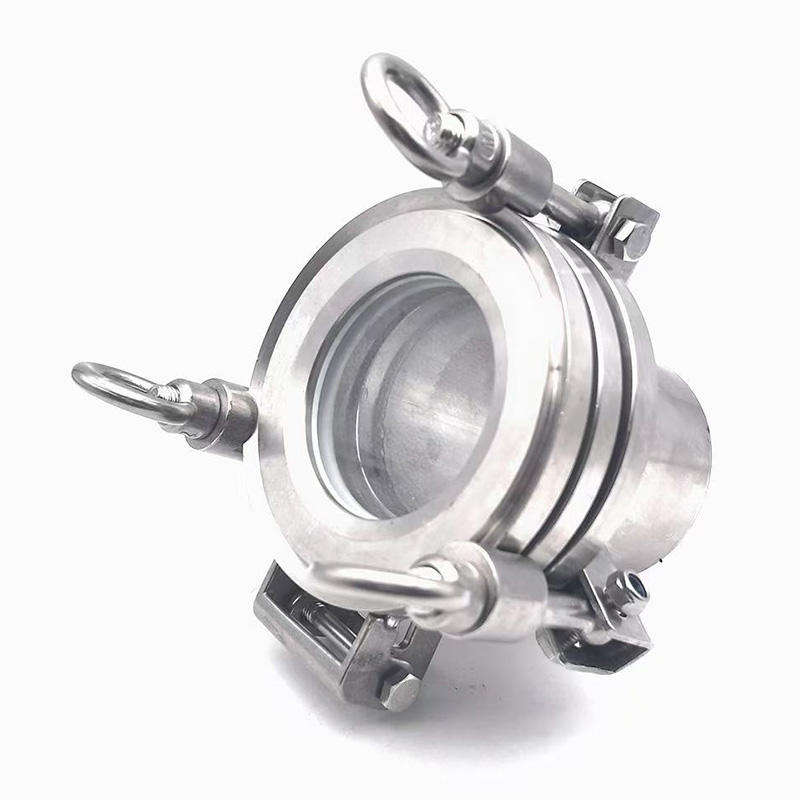
Food tanks focus on hygiene and cleaning: 304 as a starting grade, polished contact surfaces, smooth weld seams without dead corners, quick-open manholes and CIP spray balls for batch cleaning. Juice, syrup and edible oil storage must prevent oxidation and contamination — generally closed tanks with breather valves, and the storage area kept clean. Food tank capacity design must consider production batch connection: the buffer volume between upstream production and downstream filling is sized by buffering demand, avoiding production line stoppage from an undersized tank.
How to select for the chemical industry?
Chemical tanks focus on corrosion resistance and safety: confirm material and sealing form by medium, note venting and splash prevention for acid/alkali tanks, and configure explosion-proof breather valves, static grounding and fire interfaces for flammable solvent tanks. Chemical tank farm layout must consider safety spacing and dikes; outdoor tanks need sun protection and winter freeze prevention. Chemical material temperature and concentration fluctuate widely, so tanks must be designed for the worst condition: maximum liquid level, maximum temperature and maximum density are all design inputs, and material and wall thickness are calculated on these conditions.
How to select for the new-energy industry?
New-energy electrolyte and slurry buffer tanks require high cleanliness and high sealing: electrolyte is moisture-sensitive, so the tank must be closed and nitrogen-protected, 316L as a starting grade with high internal polish to reduce impurity residue; slurry buffer tanks need agitation and circulation to avoid settling and stratification. New-energy liquid tanks mostly use hygienic quick-clamp pipe connections for easy cleaning and inspection, with complete level and temperature monitoring and abnormal-alarm interlocking. This type of process has high batch-consistency requirements, so cleanability, sealing and monitoring configuration must all be confirmed at selection.
Common tank problems and maintenance
Operating problems concentrate on leakage, inaccurate level and incomplete cleaning. Weld leakage mostly occurs at weld defects — found seepage should be repaired by re-welding promptly with flaw detection; inaccurate level is mostly scaling or failure of the level gauge — clean and calibrate periodically; incomplete cleaning leaves residue affecting the next batch — set the cleaning cycle and agent by medium. Daily maintenance essentials: periodically check tank body welds and supports, verify level gauges and safety valves, check breather valves are unobstructed, and clean and passivate on a cycle. Build a tank ledger recording each inspection and cleaning so problems are traceable.
| Problem symptom | Possible cause (typical) | Handling direction |
|---|---|---|
| Weld seepage | Weld defects, fatigue | Re-weld, flaw detection |
| Inaccurate level | Level gauge scaling, failure | Clean, calibrate or replace |
| Tank residue | Incomplete cleaning | Set cleaning cycle by medium |
| Breather valve not acting | Blockage, icing | Clean, inspect and replace |
On-site acceptance and installation essentials
Acceptance of an arriving tank checks three areas: material-drawing consistency (verify material certificate and nameplate, contact-surface polish grade), accessory completeness (verify level gauge, manhole, breather valve and sampling valve against the list), and weld and surface quality (flat welds without porosity, no rust spots inside). Installation notes: the vertical-tank foundation must be level; horizontal-tank supports are positioned by design; insulated tanks need moisture protection for the insulation layer. After installation, do a water-fill test or air-tightness test to confirm no leakage before commissioning; before first use do a complete cleaning to prevent processing residue from affecting the material.
Common Q&A
Q: What is the difference between a storage tank and a mixing tank? A: Their functions differ — a mixing tank is for blending and dosing with an agitator; a storage tank is mainly for storage, generally without agitation or with only circulation. If the process needs to store and adjust at the same time, a storage tank with agitation can be chosen — decide by the actual process.
Q: Is a vertical tank always better than a horizontal one? A: No. A vertical tank occupies less floor area but is taller; a horizontal tank is lower but occupies more floor area. Choose by site conditions and tank farm layout — there is no absolute superiority.
Q: Does a storage tank need a breather valve? A: Generally yes for closed storage: pressure changes inside the tank during loading/unloading, and the breather valve balances pressure and prevents tank deformation; it is mandatory for flammable and explosive media — safety requirements cannot be saved.
Q: How to choose between 304 and 316L? A: Look at whether the medium contains chloride ions, strong acids/alkalis and high temperature — if yes, 316L; for ordinary water and food media 304 is enough. When in doubt, do a material selection consultation and keep margin by medium corrosiveness.
Q: How much capacity margin should be kept? A: Keep it by filling coefficient, generally 0.85 to 0.95; take the lower value for foaming media or media needing vapor space. Actual charge = nominal capacity × filling coefficient — derive the required capacity from this relationship.
Summary
Stainless steel storage tank selection follows "material by medium, shape by site, capacity by batch, accessories by operation": material by corrosiveness, shape by site, capacity by usage and cycle, accessories by operation and safety. Food, chemical and new-energy conditions each have their focus — check configuration against the typical condition. When designing a complete process line, match the storage tanks with upstream and downstream equipment as a whole so storage and transfer run smoothly after commissioning.
Further reading: - How to arrange mixing tank nozzles: tank-top connections and maintenance space design - Comparison of reactor heating and cooling methods: jacket, external coil and internal coil
---
This article is compiled by Shenzhen Hyline Equipment Manufacturing Co., Ltd. (hyline.cn); all information rights belong to the original authors. Main products: stainless steel reactors, mixing tanks, storage tanks, dispersers, concentration tanks and complete chemical process lines; custom (non-standard) manufacturing supported.
Q&A from this article
Frequently asked questions and answers from this article
Insulated storage tanks are for temperature-sensitive materials: those needing to maintain…
Related Products
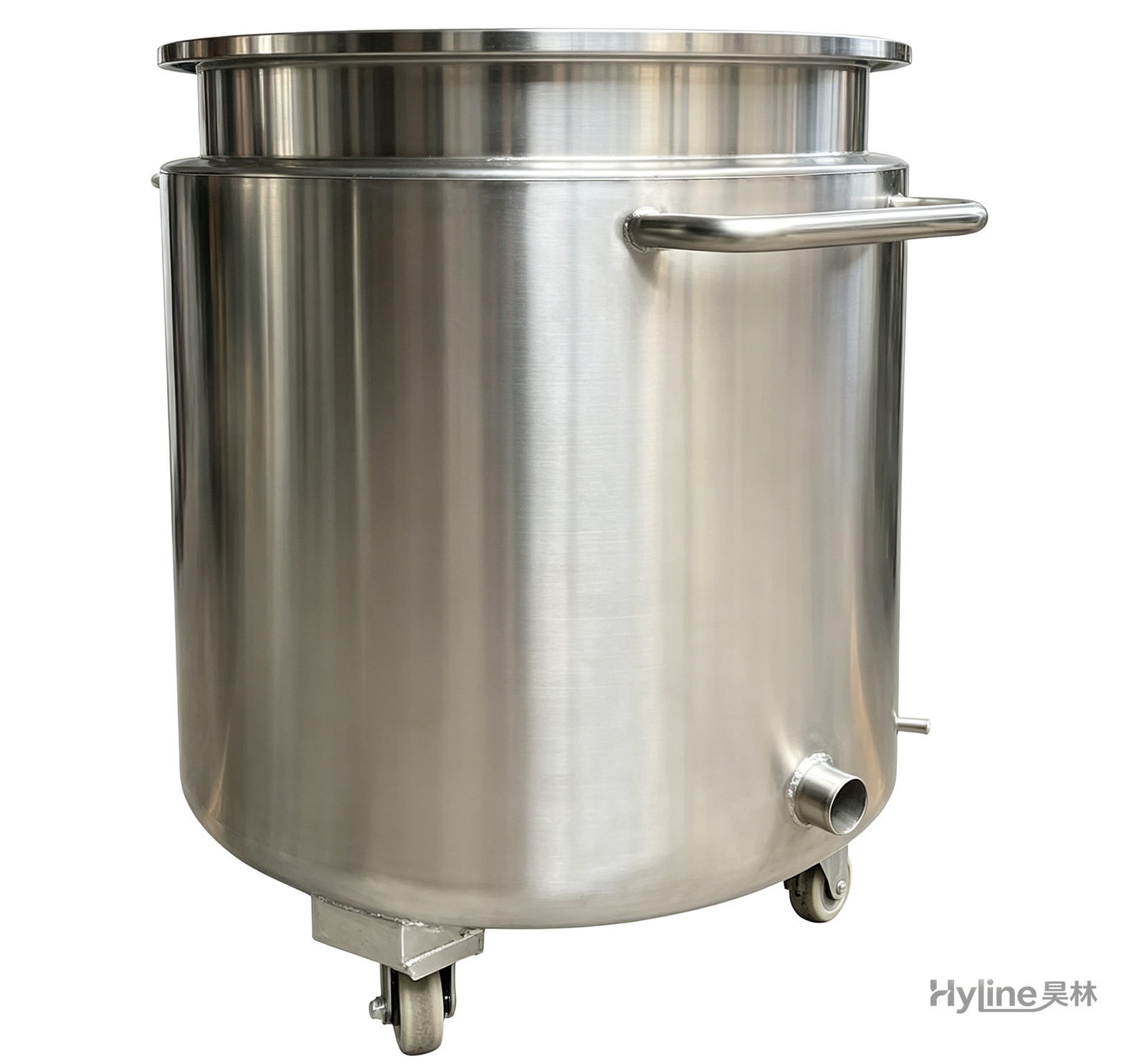
Stainless Steel Mixing Tank (Dispersion Drum)
Supporting vessel for dispersers and mixers in paints, coatings, adhesives, color slurries, inks and electronics. Available in 201/304 stainless with internal/external polishing and sloped bottom side discharge for complete draining.
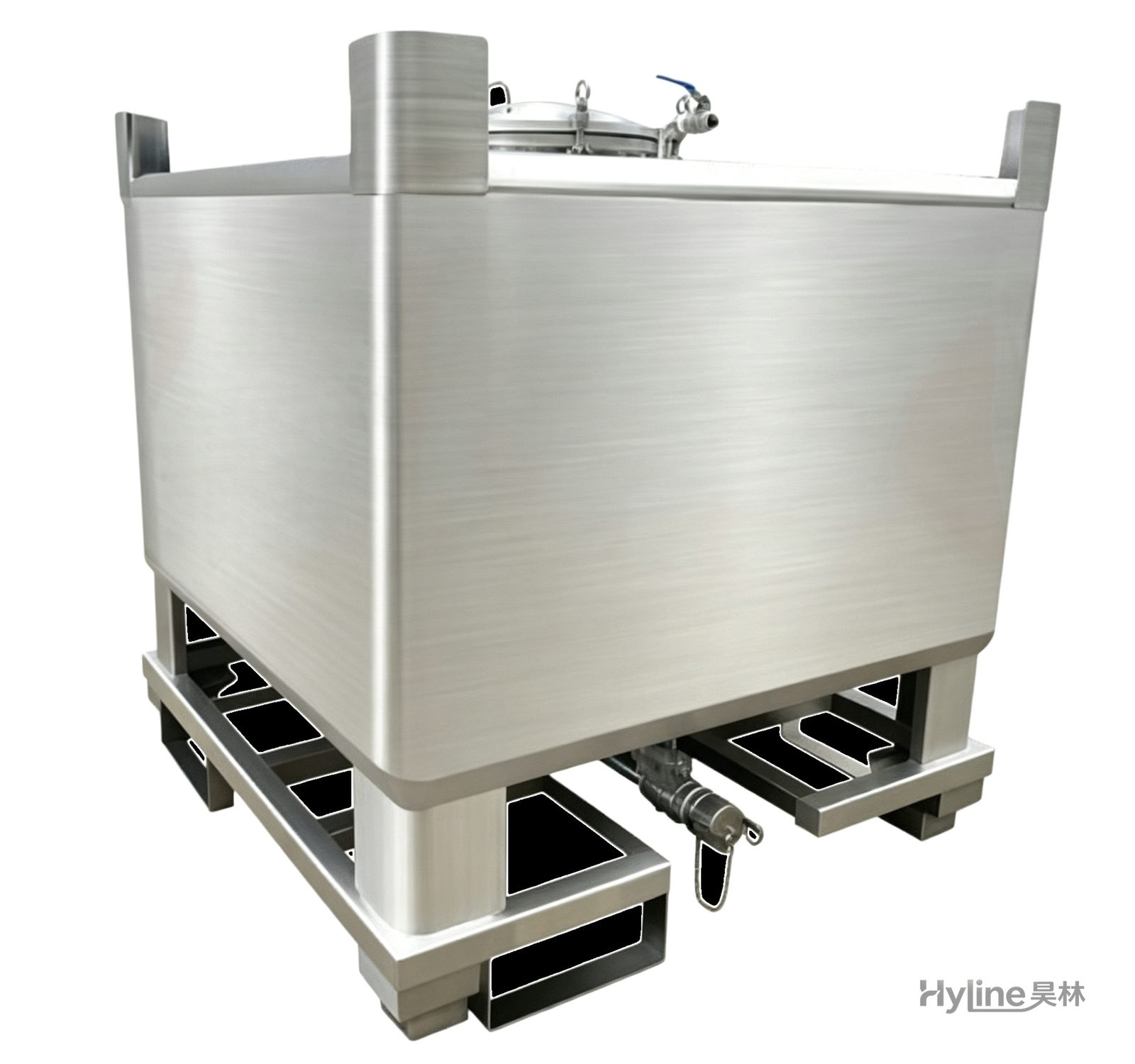
IBC Tank (Intermediate Bulk Container)
HDPE blow-molded liner with hot-dip galvanized steel frame - UV resistant, anti-aging, easy to clean, non-toxic. Four-way fork base for easy handling and stacking; ideal for liquid storage and transport.
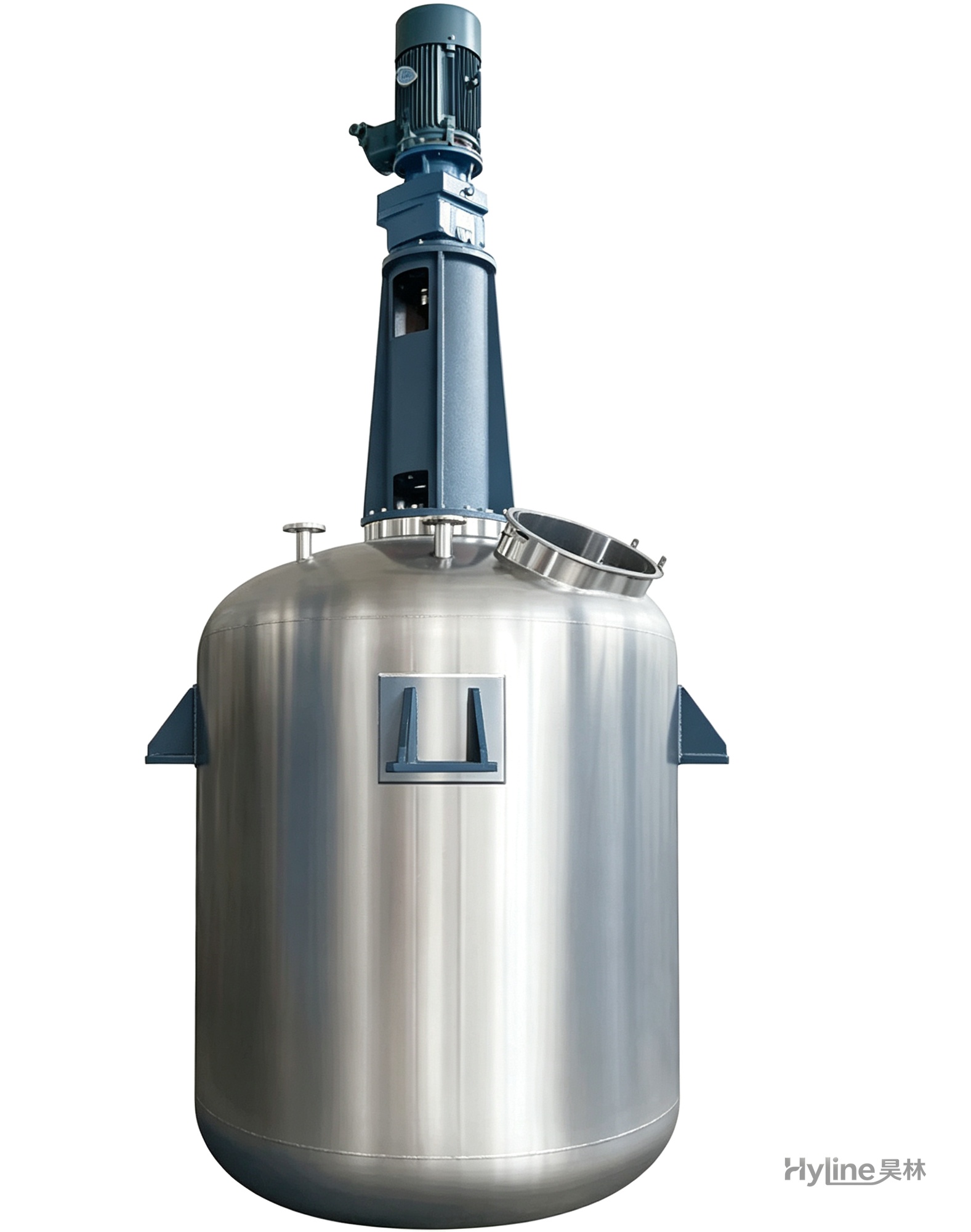
TC Series Mixing Kettle (Tinting)
For color matching in the paint industry and liquid-liquid / liquid-solid mixing in other industries. Uniform tinting, good miscibility, reasonable structure and powerful stirring.
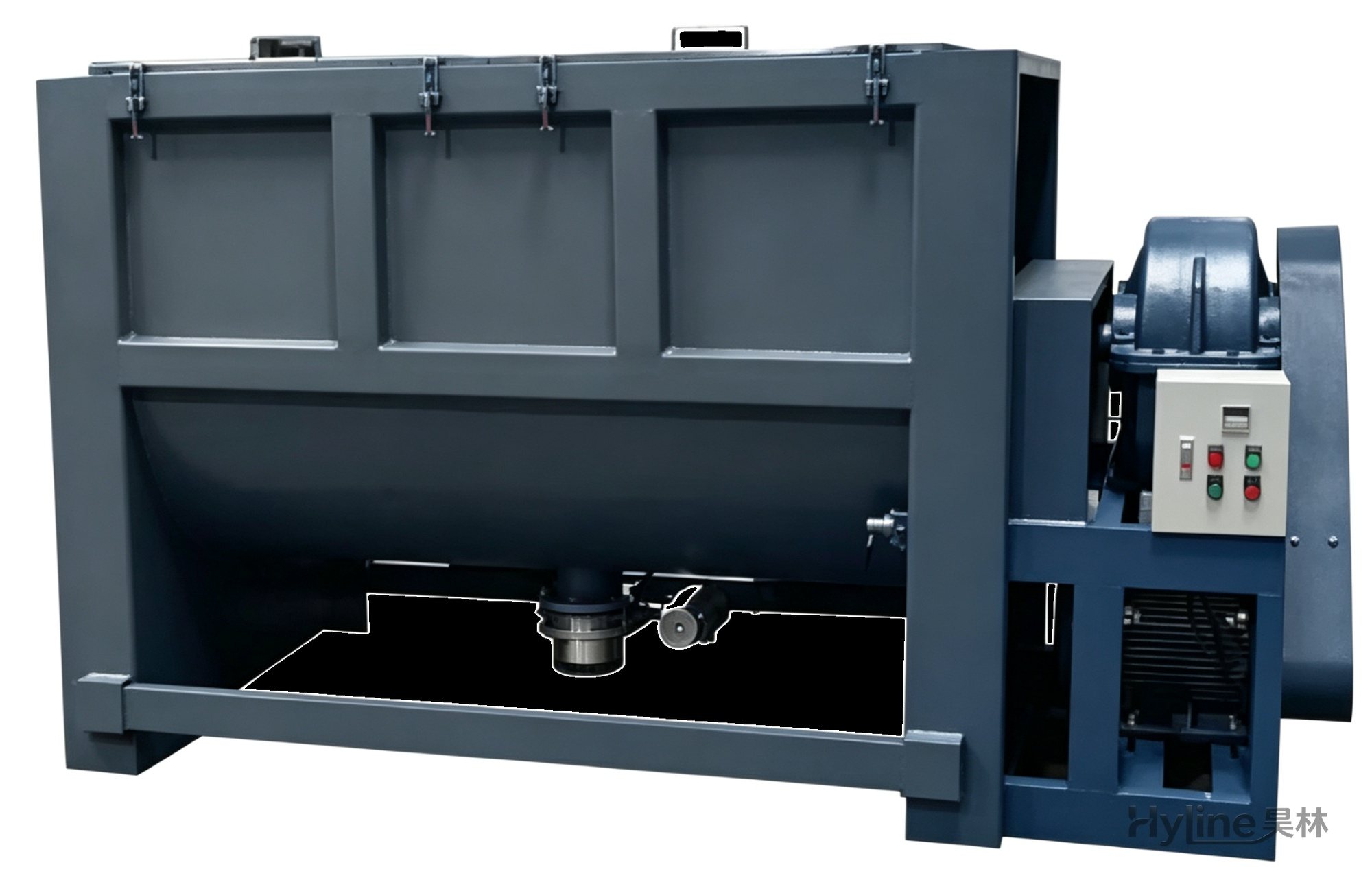
Horizontal Mixer
For color blending of plastic pellets, new/old materials and additives. Single-layer for mixing; double-layer with oil heating of 50-150℃ (custom up to 300℃). Ideal for PVC/PP/PE pellets and chemical powders such as calcium carbonate and titanium dioxide.
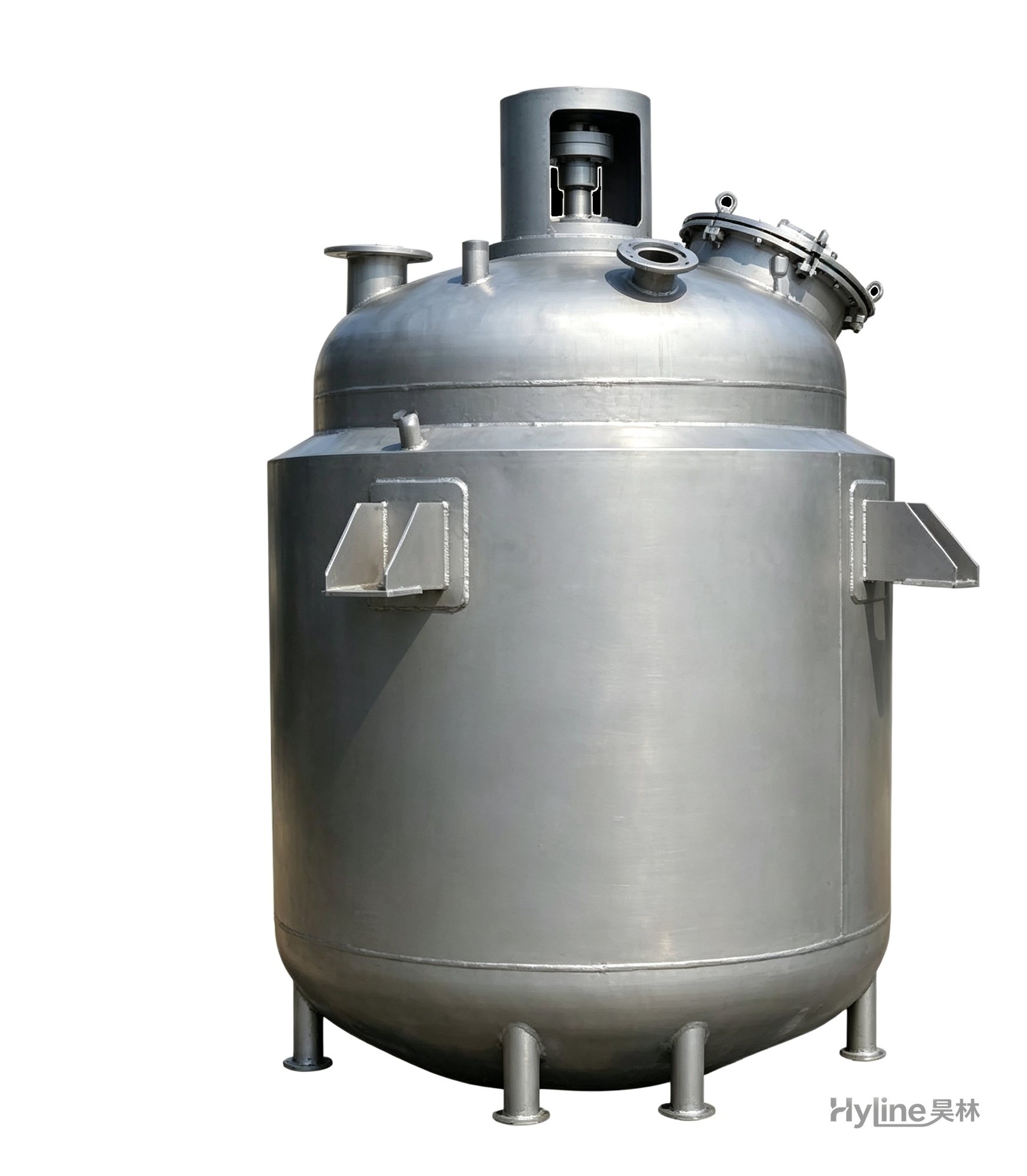
Jacketed Reactor
The typical main reaction vessel in chemical production. Mixing, heating and cooling disperse and mix materials for reaction and polymerization. The jacket circulates thermal oil/steam for heating or cooling water for temperature control.