
How to Select a Concentrator for TCM Extraction? Key Points of Low-Temperature Vacuum Concentration for Heat-Sensitive Materials
10/18/2026
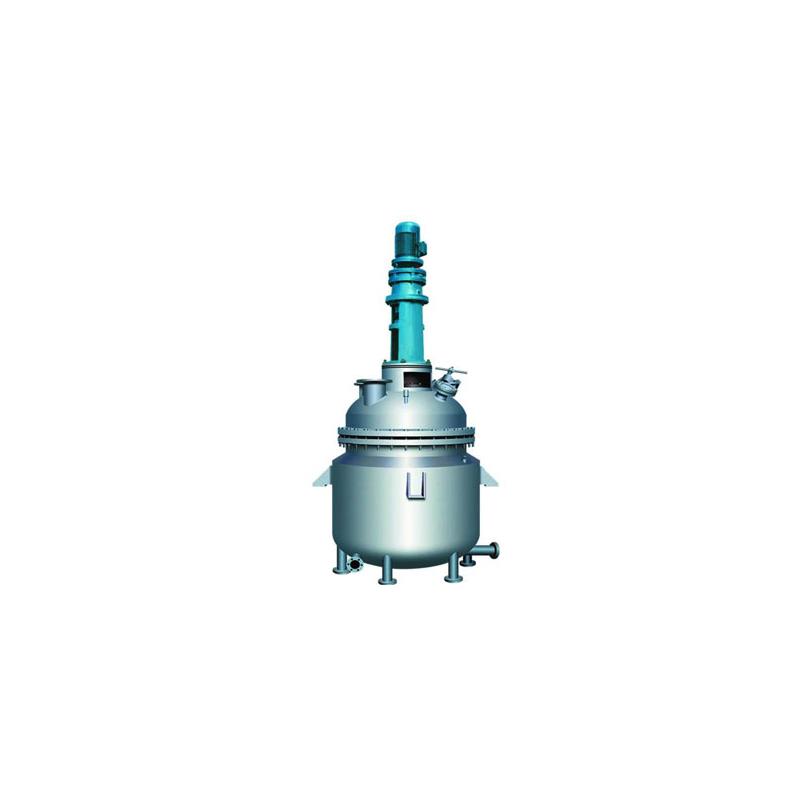
In TCM (traditional Chinese medicine) extraction, the extracted liquid is generally concentrated to the required relative density before being made into granules, oral liquid or other dosage forms. The active components of many herbal materials are heat-sensitive: terpenoids, flavonoids and volatile oils can decompose or be lost when the temperature is too high, so low-temperature vacuum concentration is the mainstream route. A vacuum concentrator works by reducing the boiling point of the solvent under negative pressure, so that water and alcohol evaporate at a lower temperature and the effective components are retained as much as possible. If the concentrator is selected only by the evaporation capacity, the plant usually encounters: boiling over and foaming at high temperature, decomposition of active components, slow concentration of high-viscosity liquid medicine, and alcohol recovery that cannot meet the requirements. Based on common TCM extraction conditions, this article explains how to set the vacuum degree, how to match single-effect or double-effect, and how to select the material and accessories.
Why does TCM concentration need vacuum and low temperature?
One-sentence conclusion: vacuum lowers the boiling point of the solvent, so evaporation proceeds at a lower temperature; for heat-sensitive components, the matching of vacuum degree and evaporation temperature is the first premise of selection.
The basis is as follows. At atmospheric pressure, water boils at 100°C, and long-term evaporation at high temperature damages heat-sensitive components; in a vacuum, when the absolute pressure drops, the boiling point of water decreases accordingly, and the common working range of the vacuum concentrator is maintained at an evaporation temperature of 50-80°C. Taking the common operating point as an example: at an absolute pressure of about 0.02-0.05 MPa (i.e. a vacuum of about 0.05-0.08 MPa), water can evaporate at about 40-70°C; the alcohol-water system evaporates at a lower temperature, which suits ethanol recovery. It should be noted that a lower vacuum does not always mean better: too low a temperature reduces the evaporation rate, and the solvent vapour may carry small droplets into the condenser, affecting the recovery and the clarity of the liquid medicine; the vacuum degree should therefore be set according to the boiling point of the medium and the evaporation temperature allowed by the process.
How to select single-effect or double-effect? What is the basis?
One-sentence conclusion: single-effect is simpler and suitable for small batches and heat-sensitive materials; double-effect reuses the secondary steam, saves energy and suits medium and large batches, but the control is more complex.
In a single-effect concentrator, the secondary steam from the evaporation chamber goes directly to the condenser; the structure is simple, the residence time is short and the temperature is easy to control, which suits heat-sensitive materials and multi-variety small-batch production. In a double-effect concentrator, the secondary steam of the first effect heats the second effect, the steam consumption per unit of evaporation is lower (generally about 40%-50% less than single-effect in the industry), but the operation is more complex, and the temperature of the second effect is lower and needs the vacuum system to match. The general basis for selection: below about 1-2 t/h of evaporation capacity, the energy saving of double-effect is not significant and single-effect is often chosen; above this range, double-effect is considered for steam cost and capacity. If the material is extremely heat-sensitive or the variety switches frequently, single-effect is generally preferred even at medium capacity, because cleaning and switching are faster.
How to match the vacuum degree and the evaporation temperature?
One-sentence conclusion: the vacuum degree is set by the evaporation temperature required by the process and the boiling point of the solvent; the two are a matched pair, and the vacuum pump capacity should leave a margin.
The usual matching: for water-extracted liquid, if the evaporation temperature is required not to exceed 70°C, the vacuum degree is generally maintained at about 0.05-0.08 MPa; if it is required not to exceed 60°C, the vacuum degree is higher (about 0.07-0.09 MPa) and the boiling is gentler; for alcohol-extracted liquid, the ethanol-water system has a lower boiling point and the vacuum degree can be lower. The vacuum pump should be selected according to the evaporation rate and the amount of non-condensable gas: a water-ring pump is common and can handle solvent vapour with moisture; a dry vacuum pump has a higher ultimate vacuum but higher cost. The condenser must match the vacuum pump: when the cooling water temperature or the condenser area is insufficient, the solvent vapour cannot condense in time and the vacuum fluctuates, which directly affects the evaporation temperature stability. Generally, the cooling water temperature is maintained below 30°C and the condenser area is left with a 20%-30% margin.
How to select the material and the wall thickness of the concentrator?
One-sentence conclusion: the parts contacting the liquid medicine generally use 304 or 316L stainless steel, the thickness of the vessel and the heating chamber is calculated by the vacuum and jacket pressure, and the polished inner surface is required.
For the material: 304 is commonly used for TCM extraction and concentration conditions with low corrosiveness; 316L is selected when the liquid medicine contains chlorides or acidic components; the inner surface of the heating chamber and the evaporation chamber is generally polished to Ra≤0.4-0.8 μm to reduce fouling and make cleaning easier. For the wall thickness: the evaporation chamber bears vacuum and the jacket bears steam pressure, and the calculation should follow the pressure vessel standard, taking into account the medium, the corrosion allowance and the forming process. The wall thickness should not be reduced blindly in order to save cost; the general experience is that the actual wall thickness of the evaporation chamber and the heating chamber is 3-6 mm depending on the diameter, and the final value is determined by the strength calculation. The manhole, sight glass and cleaning access should also be provided so that the internal state can be inspected after scale formation or blockage.
How to deal with foaming and boiling over of heat-sensitive materials?
One-sentence conclusion: foaming is a common problem in TCM concentration; the approach is to control the vacuum increase speed and the heating intensity, to fit a defoamer or a foam-breaking device, and to reserve a vapour space.
Common practice: start the vacuum slowly so that the liquid does not flash boil; control the heating intensity so that boiling is even rather than violent; for easily foaming materials, a small amount of food-grade defoamer can be added within the process-allowed range, or a foam-breaking device or a cyclone separator is fitted on the vapour line; the liquid loading should not exceed the normal liquid level, and the vapour space above the liquid should be kept sufficient. If the foaming is serious and the liquid is carried into the condenser, the concentration will fail and the effective components will be lost, so the vapour line is generally fitted with a separator or a mist eliminator, and the return of the liquid medicine should be considered.
How to match the evaporation capacity and the vessel volume?
One-sentence conclusion: the evaporation capacity is matched with the extraction batch volume and the process time, the vessel volume is calculated by the working volume and the loading coefficient, and the heating area follows the capacity.
Take the common batch as an example: if the extraction liquid of one batch is about 3-5 m³ and the concentration time is required to be within 6-8 hours, the evaporation capacity is generally around 0.5-1.0 t/h; the heating area is calculated by the heat transfer coefficient and the temperature difference, and the general rule of thumb is about 3-5 m² of heating area per 1 t/h of evaporation capacity, and the exact value is determined by calculation. The working volume of the concentrator should leave a vapour space on the basis of the batch volume; if the batch volume exceeds the working volume, concentration is usually performed in batches or a falling-film concentrator is selected for continuous operation. At the same time, the volume of the concentrated liquid receiving tank is estimated by the concentration ratio (such as concentrating 3-5 volumes to 1 volume), and the alcohol recovery tank is estimated by the amount of recovered alcohol, to avoid stopping the line halfway.
How to set the concentration endpoint and control?
One-sentence conclusion: the concentration endpoint is generally judged by the relative density, the solids content or the alcohol degree; the measurement point, the sampling port and the control mode should be planned at selection.
The common endpoints: for liquid medicine, the relative density at 60°C or 80°C (such as 1.10-1.30 depending on the product); for extract paste, the solids content or the moisture content; for alcohol recovery, the alcohol degree of the recovered liquid. The densitometer or refractometer is installed in the circulation line or the sampling port, and the operator measures it periodically; the concentration time, the temperature curve and the vacuum curve should be recorded for each batch as the batch basis. For the control mode, manual control is suitable for small batches, while automatic control of vacuum, temperature and liquid level is recommended for medium and large batches, so that the evaporation process is stable and the endpoint is judged by instruments rather than by experience.
How to handle cleaning and product switching?
One-sentence conclusion: the residue after concentration is easy to foul and form scale; the heating chamber is equipped with CIP spray or a manhole, and the discharge valve of the lowest point is used, and the cleaning acceptance is combined with the visual inspection of the heating surface.
Design points. First, the bottom of the concentrator is a cone or a sloped bottom with a discharge port at the lowest point; the concentrated paste is viscous and needs a discharge valve with a large port, and the valve should be steam-traced for easy discharge. Second, CIP spray is arranged in the heating chamber and the evaporation chamber, and the spray position should cover the heating surface where scale is most likely to form. Third, for multi-variety switching, the pipeline is as short as possible and the number of dead legs is reduced, so that the residue is easy to rinse. Fourth, after cleaning, the heating surface should be inspected through the manhole or the sight glass, and the cleaning record should be kept together with the batch record. The temperature of the cleaning water and the cleaning time are set according to the degree of fouling; for stubborn scale, an alkaline or acidic cleaning agent can be used within the allowed range, but the corrosion of the vessel material should be considered.
What should the technical agreement cover?
One-sentence conclusion: the concentrator agreement should fix the evaporation capacity, the vacuum pump, the condenser, the material and the control interface, so that the acceptance is based on the measured evaporation capacity and the temperature stability.
The agreement should list: the nominal evaporation capacity and the corresponding vacuum degree and heating temperature; the model and power of the vacuum pump and the condenser area; the material grade, the wall thickness and the polishing standard; the defoaming and anti-boil-over measures; the concentration endpoint measurement method and the control function list; and the scope of the factory acceptance test (FAT) and the on-site commissioning support. At acceptance, it is recommended to run a water evaporation test with the actual vacuum pump and heating system: record the evaporation capacity at a given vacuum degree and heating temperature, and verify the stability of the evaporation temperature; for heat-sensitive products, a process trial can be added to confirm that the effective components are retained. Only when the concentrator is configured with the vacuum system, the condenser and the control together can the low-temperature vacuum concentration of TCM extraction run stably.
Further reading
- How to Control the Vacuum of a Concentrator? Vacuum Degree, Evaporation Temperature and Foaming Control
- How to Select Single-Effect and Double-Effect Concentrators? Energy Consumption, Evaporation Capacity and Material Adaptation
This article is provided by Haolin Shengda Equipment Manufacturing Co., Ltd. (hyline.cn). Main products: stainless steel reactors, mixing tanks, storage tanks, dispersers, concentrators and complete chemical line supporting equipment; non-standard customization supported.
Q&A from this article
Frequently asked questions and answers from this article
How to choose a TCM concentrator? This article explains the matching of vacuum, evaporation temperature and material configuration for low-temperature vacuum concentration of heat-sensitive materials.
Related Products
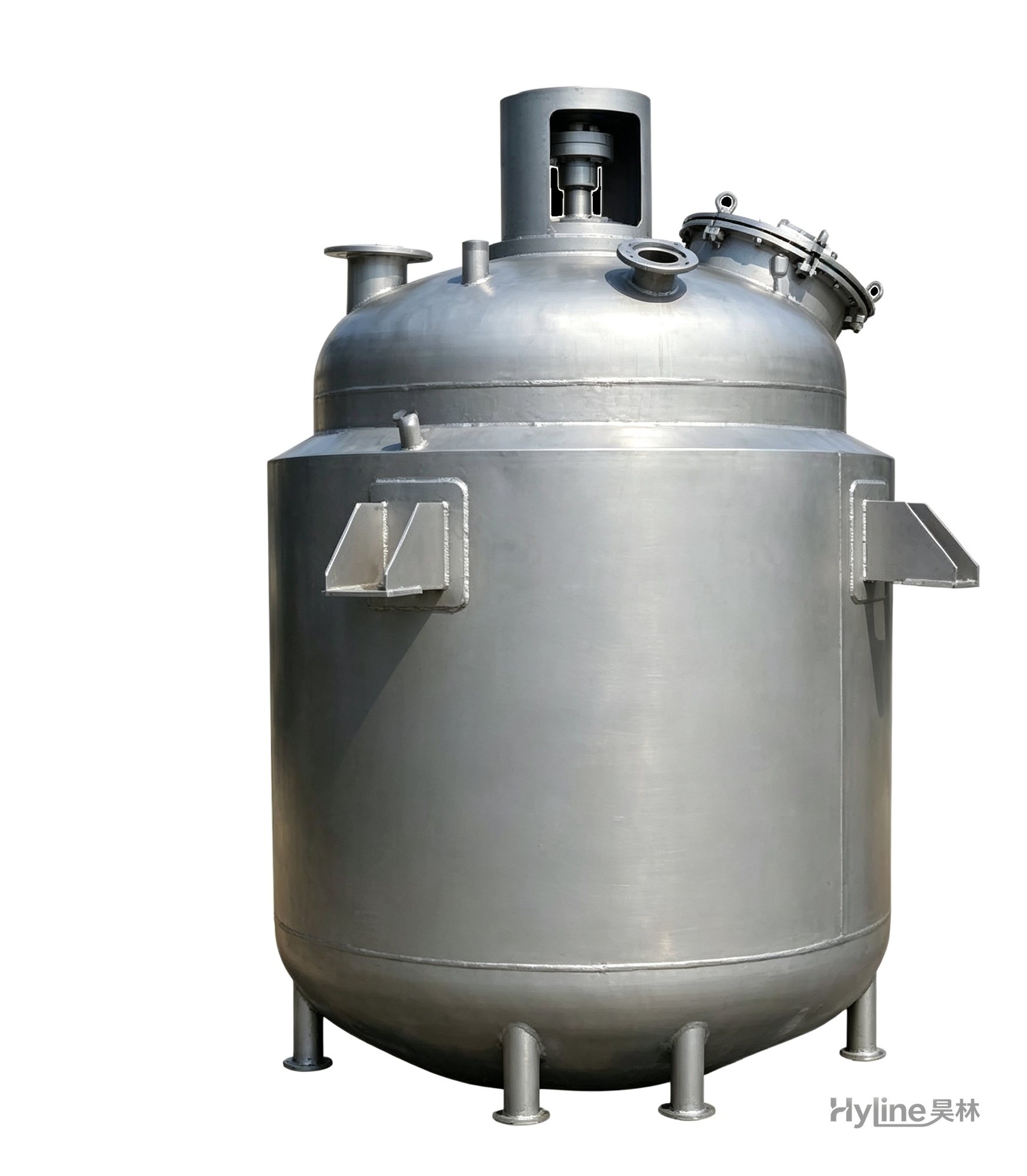
Jacketed Reactor
The typical main reaction vessel in chemical production. Mixing, heating and cooling disperse and mix materials for reaction and polymerization. The jacket circulates thermal oil/steam for heating or cooling water for temperature control.
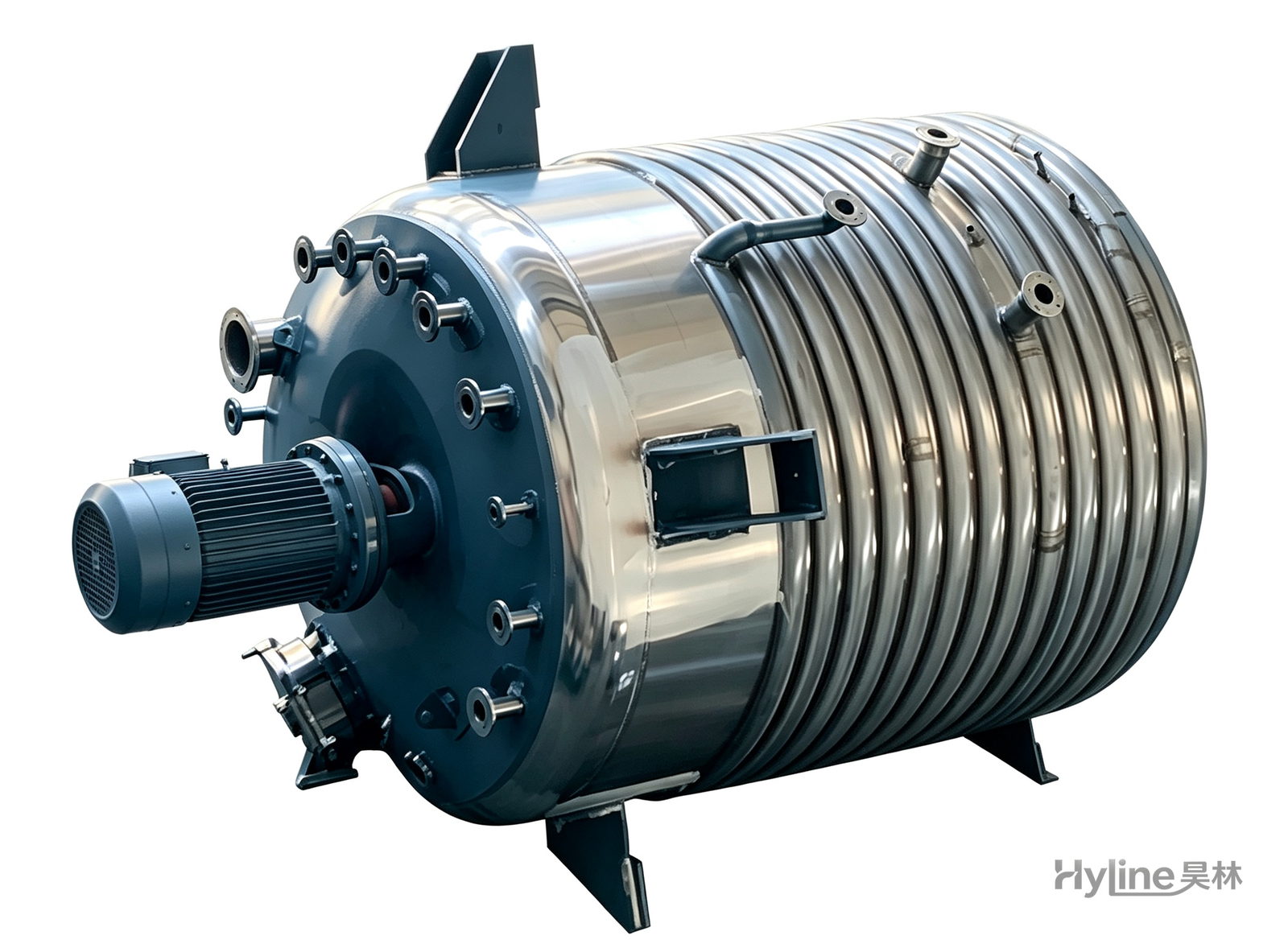
External Half-Coil Reactor
External half-pipe heating & cooling coils provide uniform, efficient heat exchange with zero material dead zones inside. Mirror-polished 304/316L stainless tank is clean and corrosion-resistant. For resin, new-energy slurry and pharmaceutical synthesis.
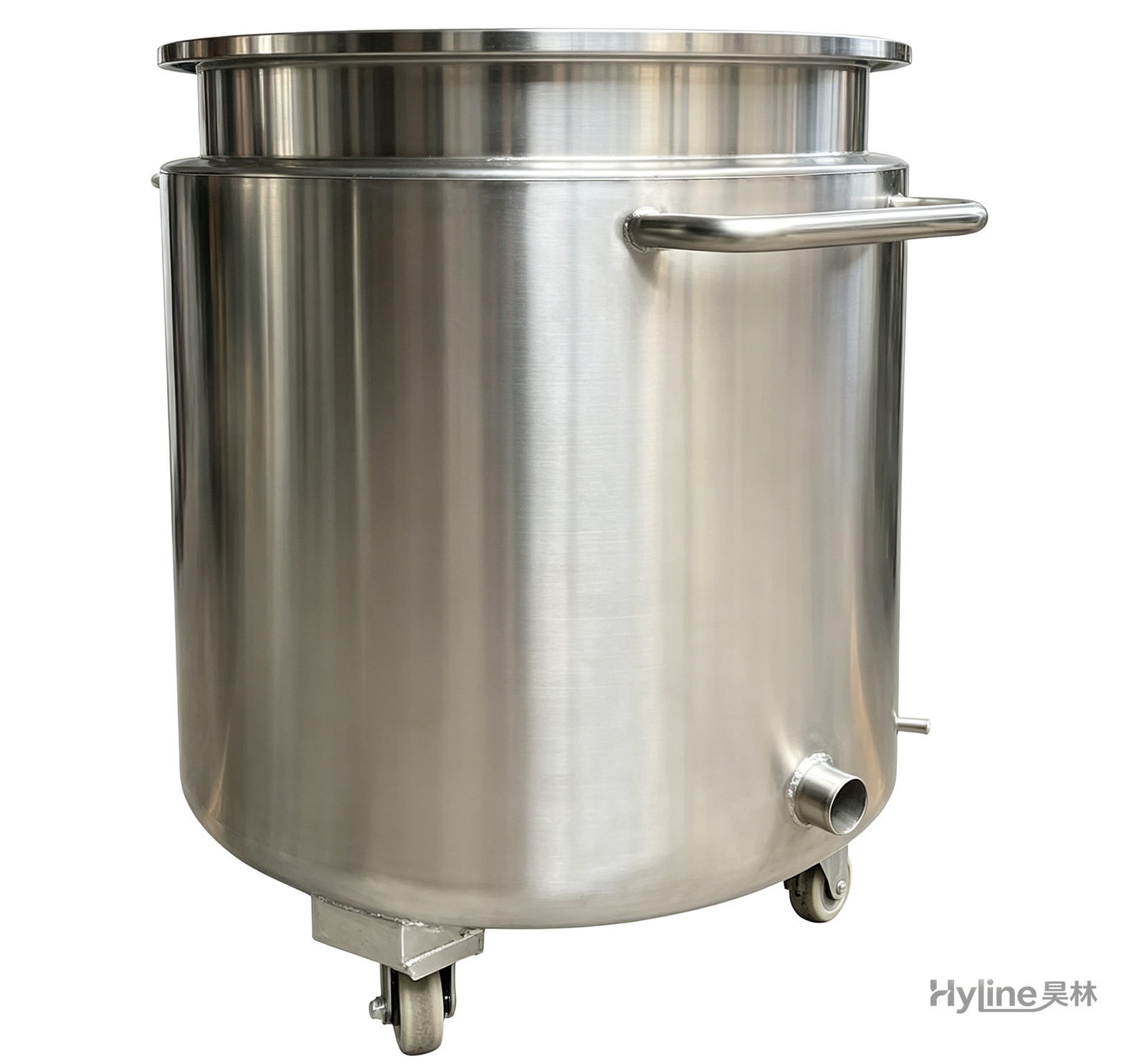
Stainless Steel Mixing Tank (Dispersion Drum)
Supporting vessel for dispersers and mixers in paints, coatings, adhesives, color slurries, inks and electronics. Available in 201/304 stainless with internal/external polishing and sloped bottom side discharge for complete draining.
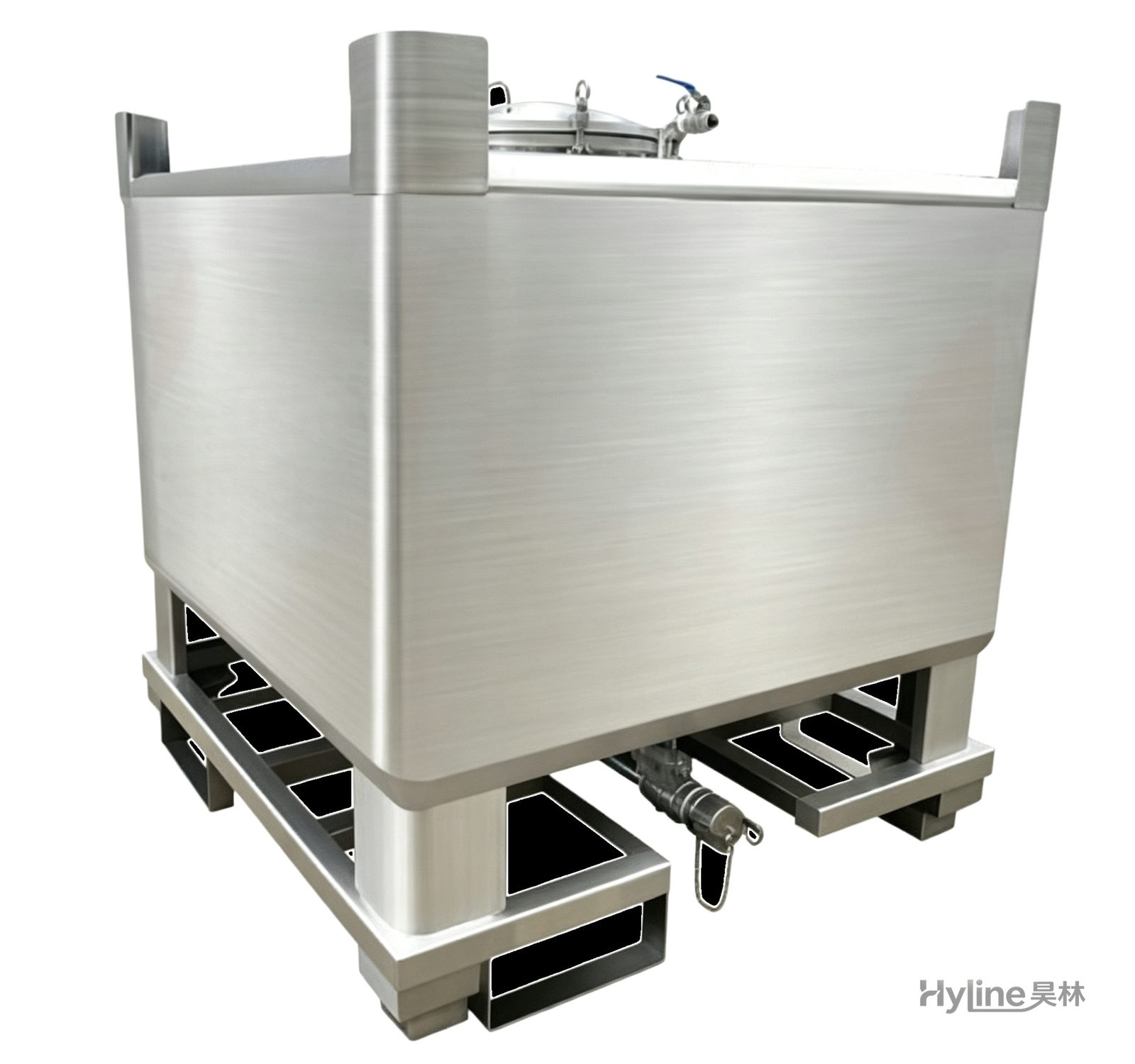
IBC Tank (Intermediate Bulk Container)
HDPE blow-molded liner with hot-dip galvanized steel frame - UV resistant, anti-aging, easy to clean, non-toxic. Four-way fork base for easy handling and stacking; ideal for liquid storage and transport.
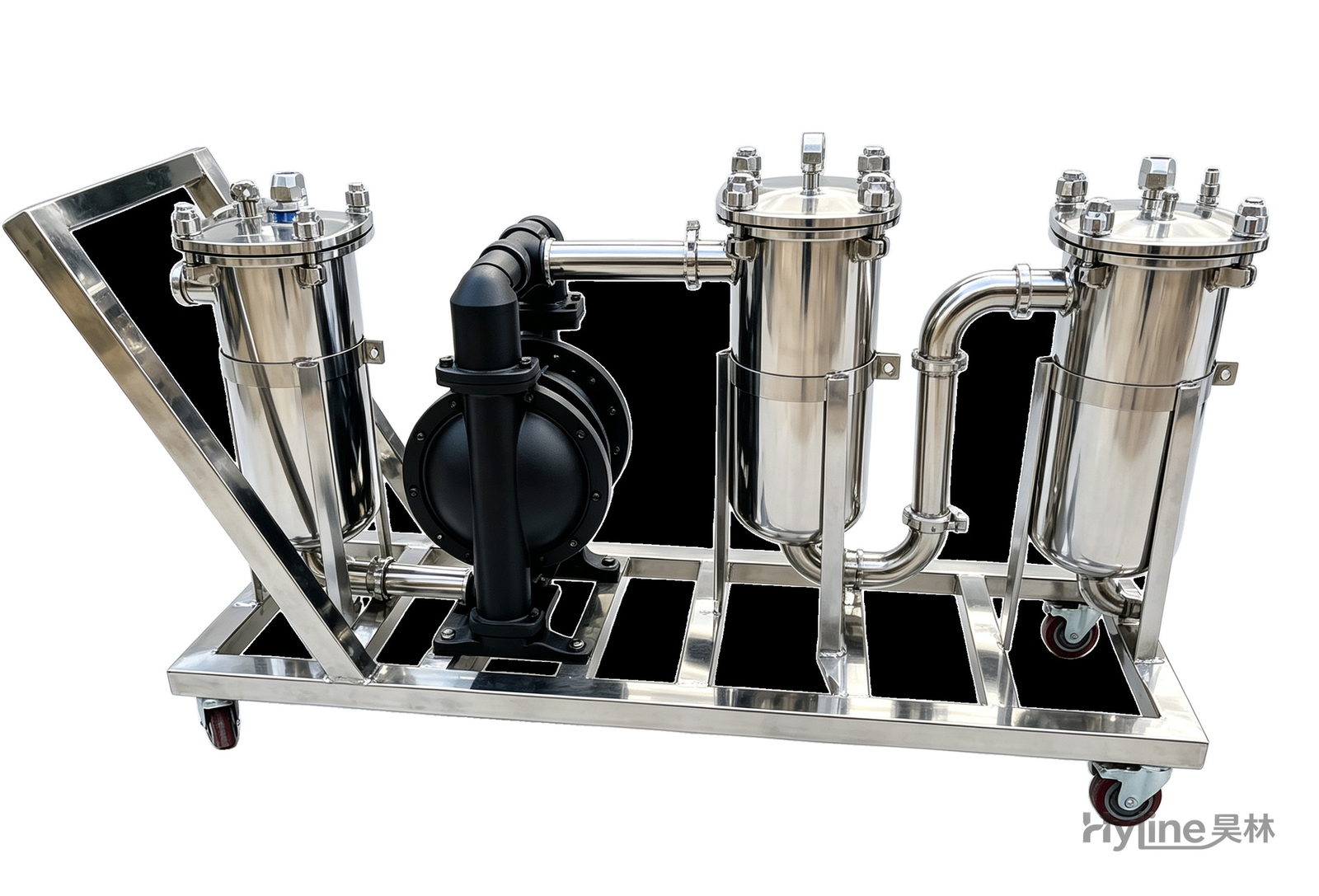
DL Series Bag Filter
A novel, compact, flexible and airtight multi-purpose filter widely used in chemicals, coatings, inks and food. Single and duplex models available, mountable on mobile carts with transfer pumps.
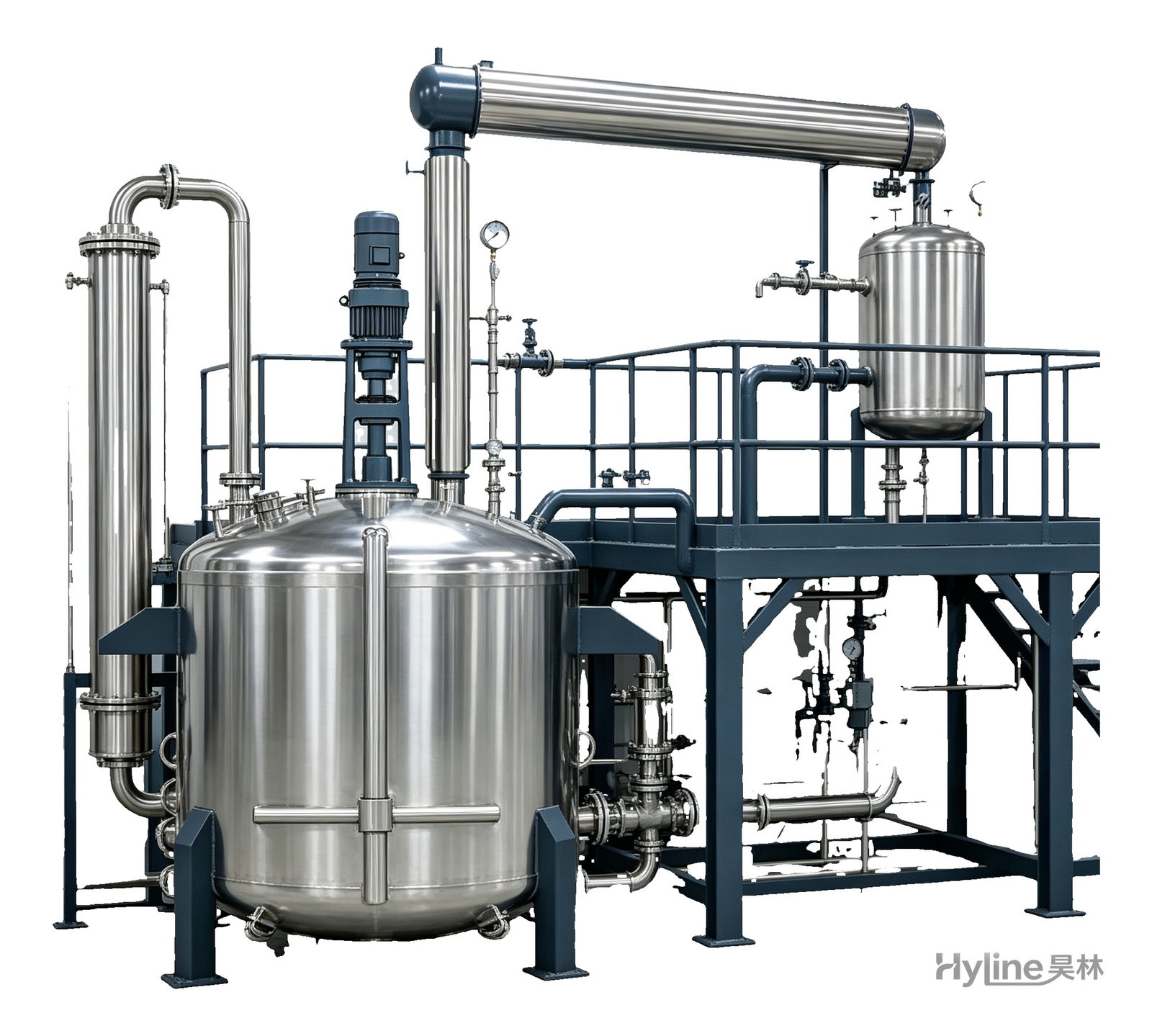
Complete Resin Production Equipment
Resin production packages built around the reactor, with vertical fractionating column, horizontal condenser and water separator for full synthesis, dehydration and reflux processes. Sizes from 300L to 30000L.