
Chemical Market Weekly | 2026-10-23: Dual-speed Solutions Land in Stirring Scale-up, Inline Spectroscopy Reads Reactors Directly, Heat Exchanger Modeling and MVR Energy Savings Accelerate
10/23/2026
# Chemical Market Weekly | 2026-10-23: Dual-speed Solutions Land in Stirring Scale-up, Inline Spectroscopy Reads Reactors Directly, Heat Exchanger Modeling and MVR Energy Savings Accelerate
This week's technology and process highlights: stirring equipment offers dual-speed solutions for scale-up, inline spectroscopy puts measurement directly inside the reactor, heat exchanger fouling control starts using machine-learning modeling, and MVR evaporation keeps expanding in zero-liquid-discharge applications. Below is a review of noteworthy technology developments across 7 directions.
Stirring Process Scale-up: How to Stabilize a 95℃ Constant-Temperature Reaction for Precipitated Silica
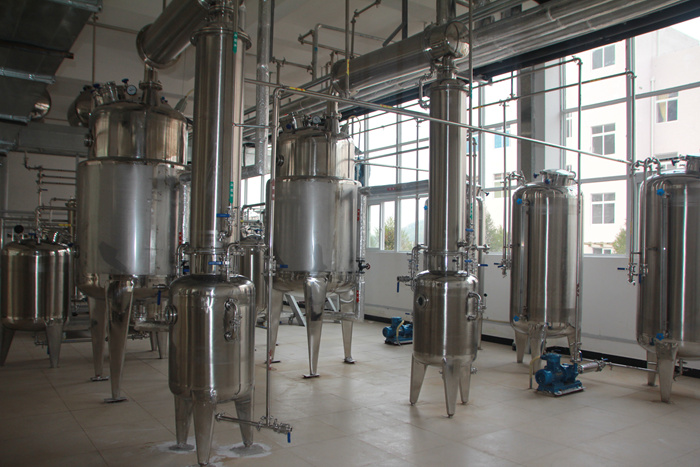
Precipitated silica production has strict requirements on reaction temperature and powder dispersion: temperature fluctuation directly affects particle size distribution, while powder agglomeration drags down dispersion efficiency. A scale-up solution recently disclosed by Zhejiang Great Wall Stirring Equipment shows that coaxial dual-speed stirring can balance slow conveying with fast dispersion, and multi-layer hydrofoil axial-flow impellers are used to maintain a 95℃ constant-temperature reaction while resolving powder agglomeration. The project also adopts integrated delivery of agitator, vessel and steel structure to shorten on-site installation. When evaluating scale-up of a reactor stirring system, impeller type, speed range and heat-transfer structure must be matched together rather than simply scaling by volume.
Source: Zhejiang Great Wall Stirring Equipment Co., Ltd.
Ribbon Mixers: How to Choose Single-Ribbon, Twin-Ribbon and Continuous Types
Mixing of high-viscosity powders, paste materials and battery slurries is usually matched to material flowability. Parameters disclosed by Qidong Huatai can serve as a selection reference: three forms are available — single-ribbon, twin-ribbon and continuous — with volumes covering 0.5-10 m³, main shaft speeds of 20-60 r/min and motor power of 5.5-45 kW, with 304 stainless steel anti-corrosion configuration. When selecting mixing tank type equipment, the volume-to-power relationship and the clearance between ribbon and tank wall directly affect mixing uniformity and cleaning difficulty; for high-viscosity materials, twin-ribbon or continuous types are recommended to avoid stagnant zones.
Air-Tightness Testing: 0.01%FS Accuracy with MES Parameter Dispatch
Sealing performance is a key inspection item before chemical equipment leaves the factory. The air-tightness tester exhibited by Dahua Technology at the 2026 Industrial Fair achieves 0.01%FS accuracy and 0.1Pa pressure resolution, and supports MES integration for automatic parameter dispatch and test data upload, bringing air-tightness testing into the production data loop. For pressure equipment such as reactors and storage tanks, the accuracy and traceability of air-tightness testing directly affect factory acceptance and customer line commissioning efficiency.
Inline Spectroscopy and Raman: Measure Inside the Reactor without Sampling
Offline sampling analysis has long cycles, and high-solid, opaque slurries are even harder to monitor. Two developments this week offer inline paths: Pisonics launched the PS7100 full-spectrum concentration meter covering three bands — ultraviolet, visible and near-infrared — with multi-channel operation, no reagent and no dilution, installed directly on pipelines or reactor loops for continuous concentration measurement; Endress+Hauser demonstrated inline Raman spectroscopy in slurry polymerization, reading monomer and co-monomer consumption, polymer progress and low hydrogen concentration in real time — hydrogen level is a key control parameter for melt flow rate (MFR). Both share the same idea: put the measurement instrument into the process loop and reduce manual sampling and laboratory steps.
Source: Pisonics Source: Endress+Hauser
Magnetic Drive Pump Predictive Maintenance: Four-Dimension Sensing Detects Wear Early
Magnetic drive pumps have no shaft-seal leakage risk, but wear of the containment shell and magnetic coupling is hidden and harder to inspect under hazardous media such as liquid chlorine. The intelligent monitoring module for the full magnetic drive pump range disclosed by Syngon integrates four-dimension sensing — vibration, temperature, flow and pressure — enabling early identification of bearing wear, containment anomalies and magnetic coupling decay, combined with a remote data platform for predictive maintenance and fewer unplanned shutdowns.
Heat Exchanger Fouling Control: Machine-Learning Modeling Replaces Empirical Coefficients
Fouling resistance has long been estimated with empirical coefficients, which deviate noticeably when operating conditions change. A study published by PSE Community applied symbolic regression to model measured flow rate and inlet/outlet temperatures of industrial heat exchangers, mapping dimensionless numbers to fouling resistance; the training set R² is greater than 0.95 and the test set R² is 0.87, indicating data-driven models can replace traditional empirical correlations for online prediction and cleaning scheduling.
MVR Evaporation: 30-80% Energy Savings for Zero-Liquid-Discharge High-Salt Wastewater
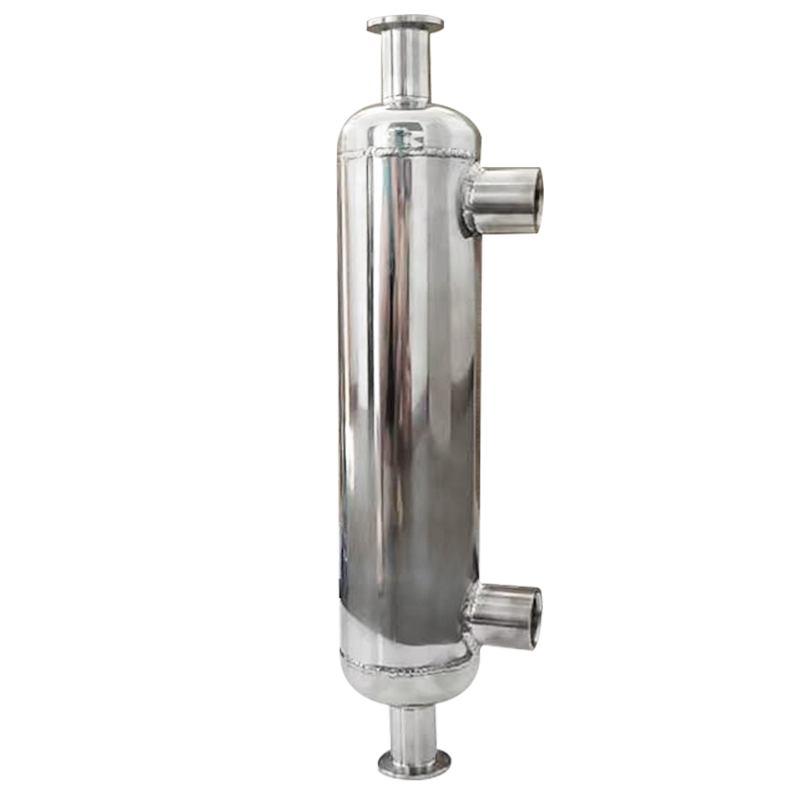
Mechanical vapor recompression (MVR) compresses and reheats the secondary vapor generated by the evaporation unit and recycles it as a heat source, reducing external steam consumption. A MVR high-salt organic wastewater zero-liquid-discharge solution disclosed this week shows comprehensive energy savings of 30%-80% in the evaporation stage, with forced circulation crystallization recovering salts. When evaluating retrofits of concentrators and evaporation systems, payback can be assessed from three aspects — steam unit price, operating hours and crystal properties — before deciding whether to adopt MVR.
Further Reading
- Further reading: Chemical Market Weekly | 2026-10-09: intensive process upgrades in stirring and dispersion equipment, micro-mixing and bionic configurations heading to application, AI and digital twins entering production lines
- Further reading: Chemical Market Weekly | 2026-10-16: green low-carbon ethylene in full commercial operation, domestic POE 10,000-ton-scale landing, evaporation energy-saving processes accelerating
This article is compiled by Shenzhen Hyline Shengda Equipment Manufacturing Co., Ltd. (hyline.cn). Information ownership belongs to the original authors. We specialize in stainless steel reactors, mixing tanks, storage tanks, dispersers, concentrators and complete chemical line supporting equipment, and support non-standard customization.
Related Products
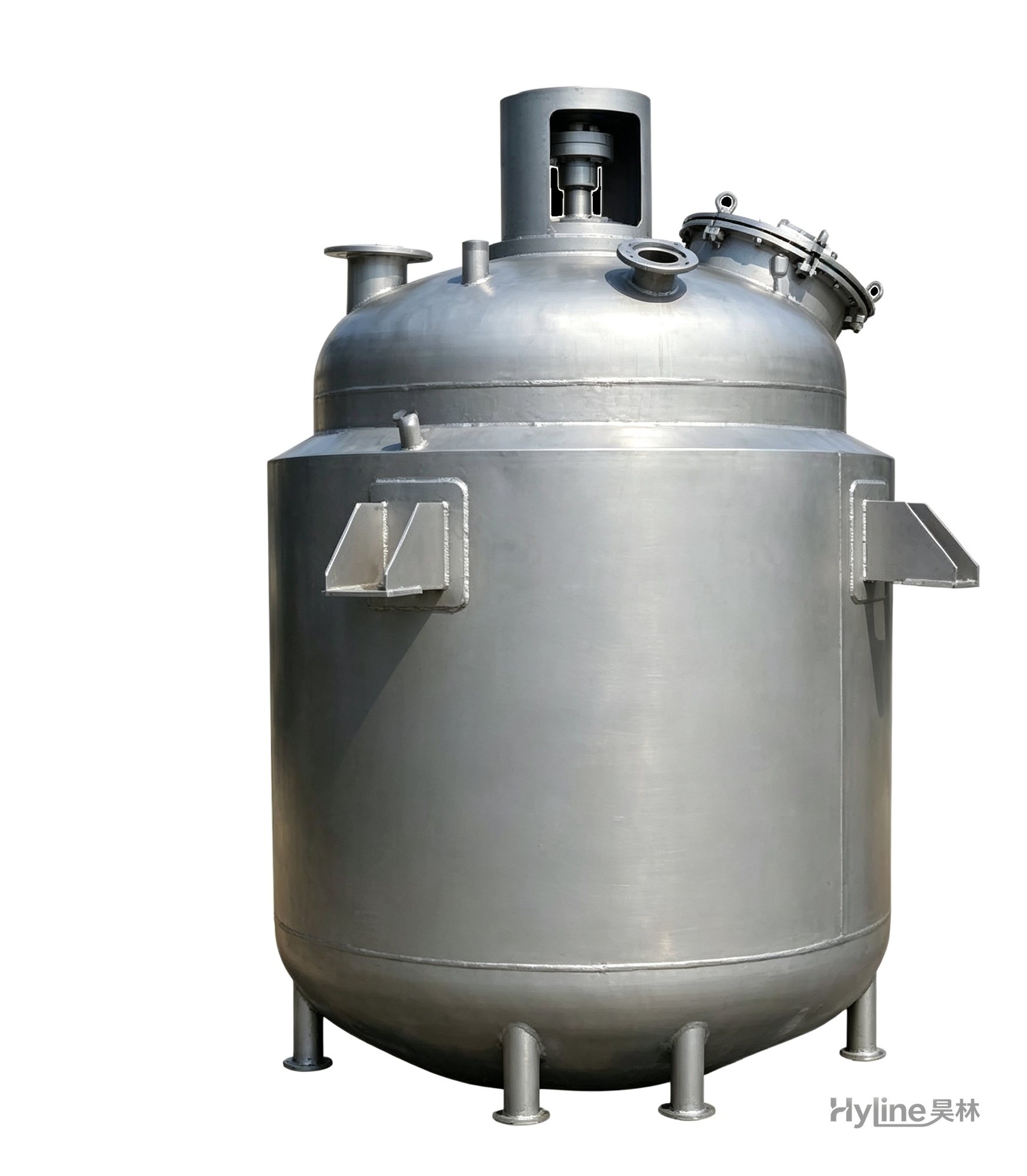
Jacketed Reactor
The typical main reaction vessel in chemical production. Mixing, heating and cooling disperse and mix materials for reaction and polymerization. The jacket circulates thermal oil/steam for heating or cooling water for temperature control.
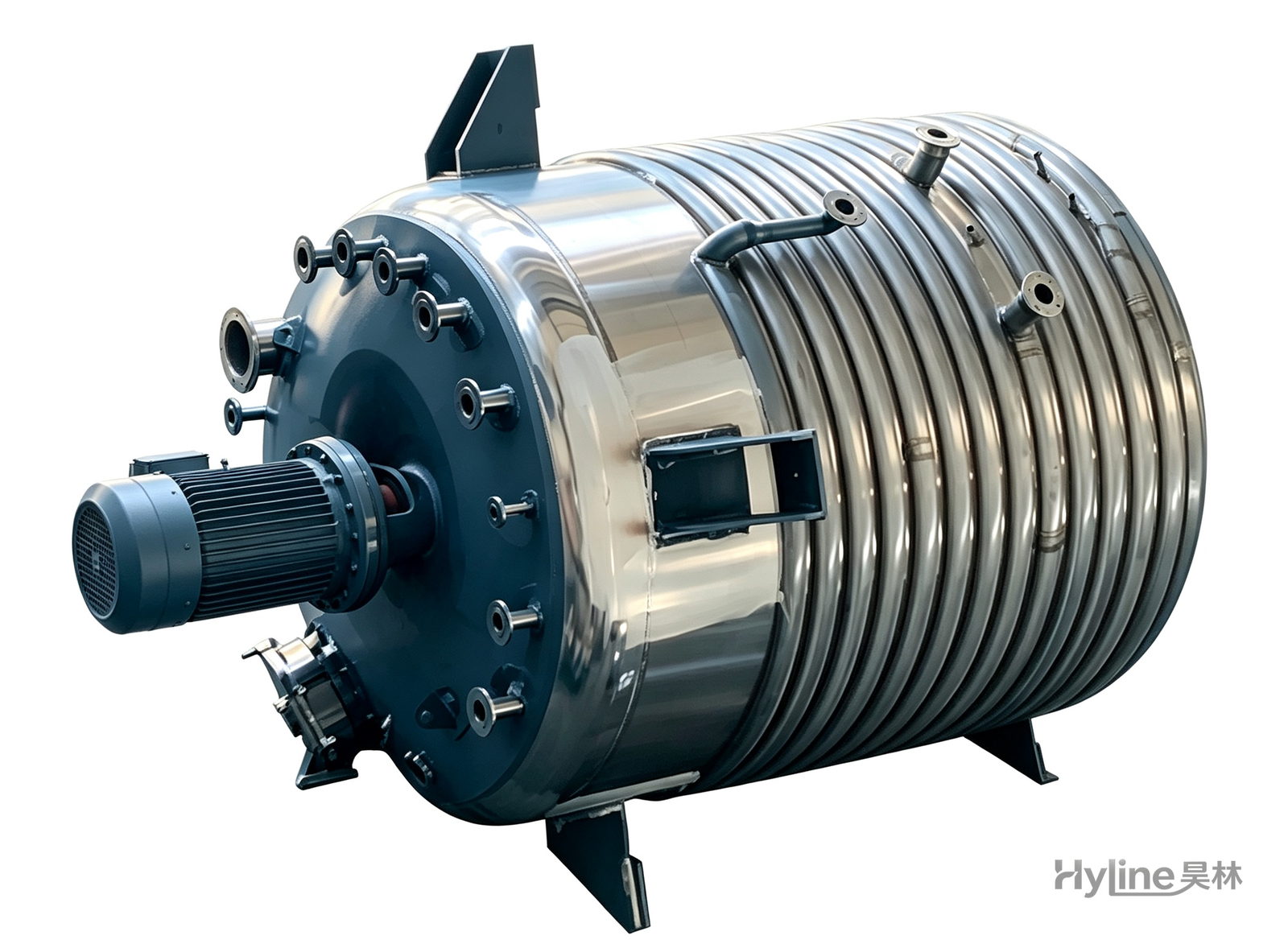
External Half-Coil Reactor
External half-pipe heating & cooling coils provide uniform, efficient heat exchange with zero material dead zones inside. Mirror-polished 304/316L stainless tank is clean and corrosion-resistant. For resin, new-energy slurry and pharmaceutical synthesis.
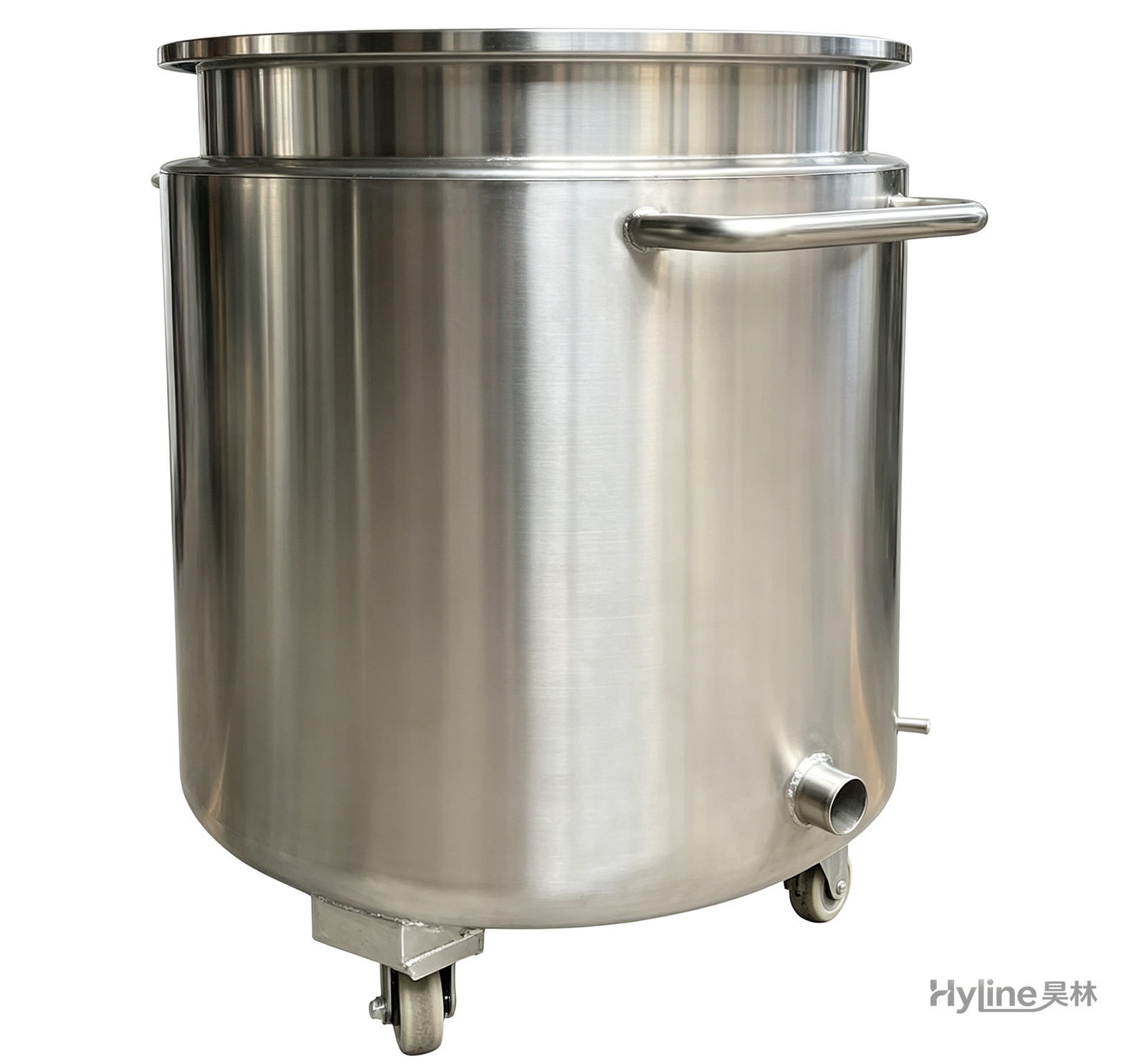
Stainless Steel Mixing Tank (Dispersion Drum)
Supporting vessel for dispersers and mixers in paints, coatings, adhesives, color slurries, inks and electronics. Available in 201/304 stainless with internal/external polishing and sloped bottom side discharge for complete draining.
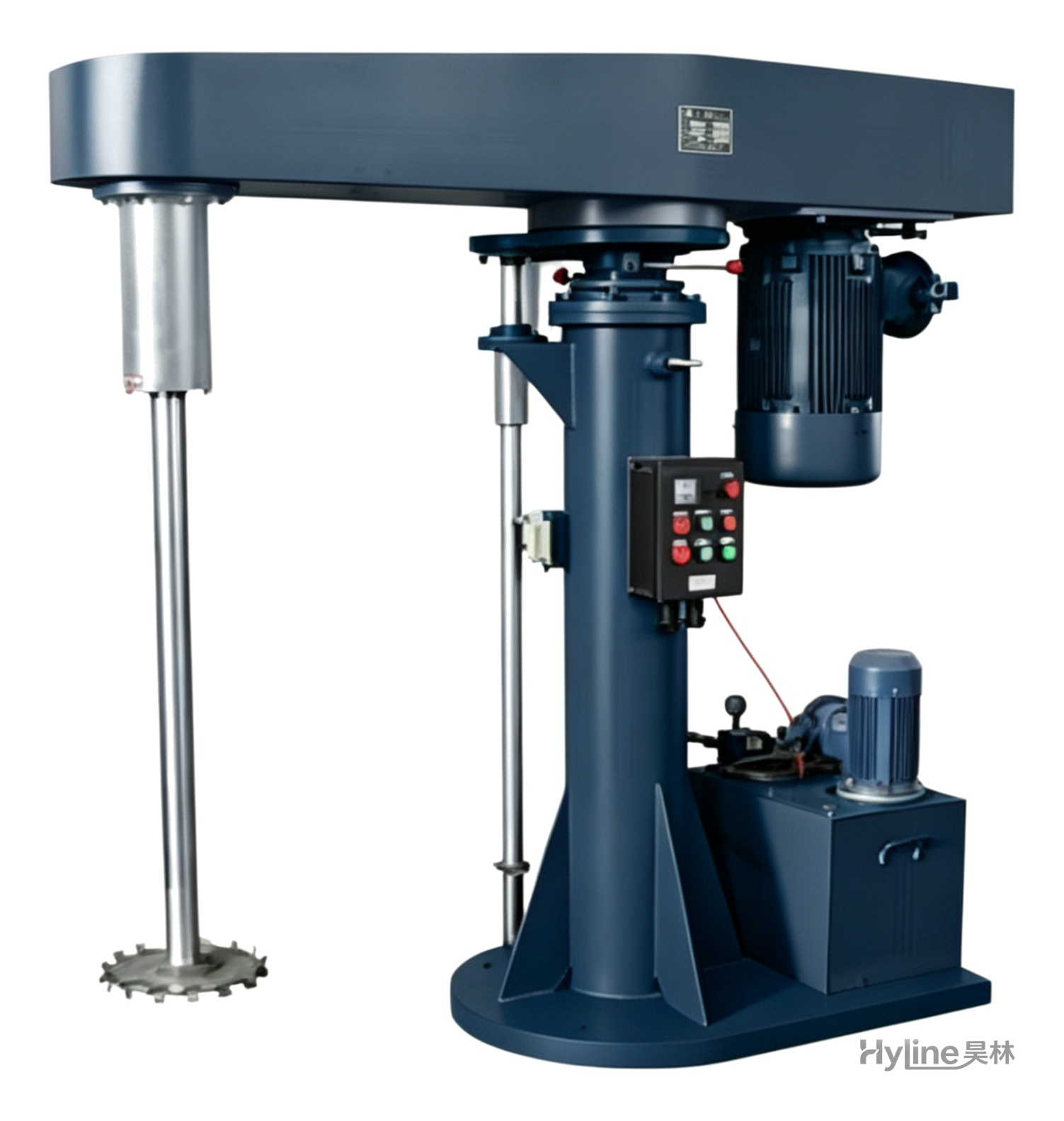
FL Series High-Speed Disperser
Stirs, dissolves and disperses liquids and powders, working alone or matched with sand mills. Variable-frequency drive with hydraulic lift, widely used in paints, inks, coatings, dyestuffs and papermaking.
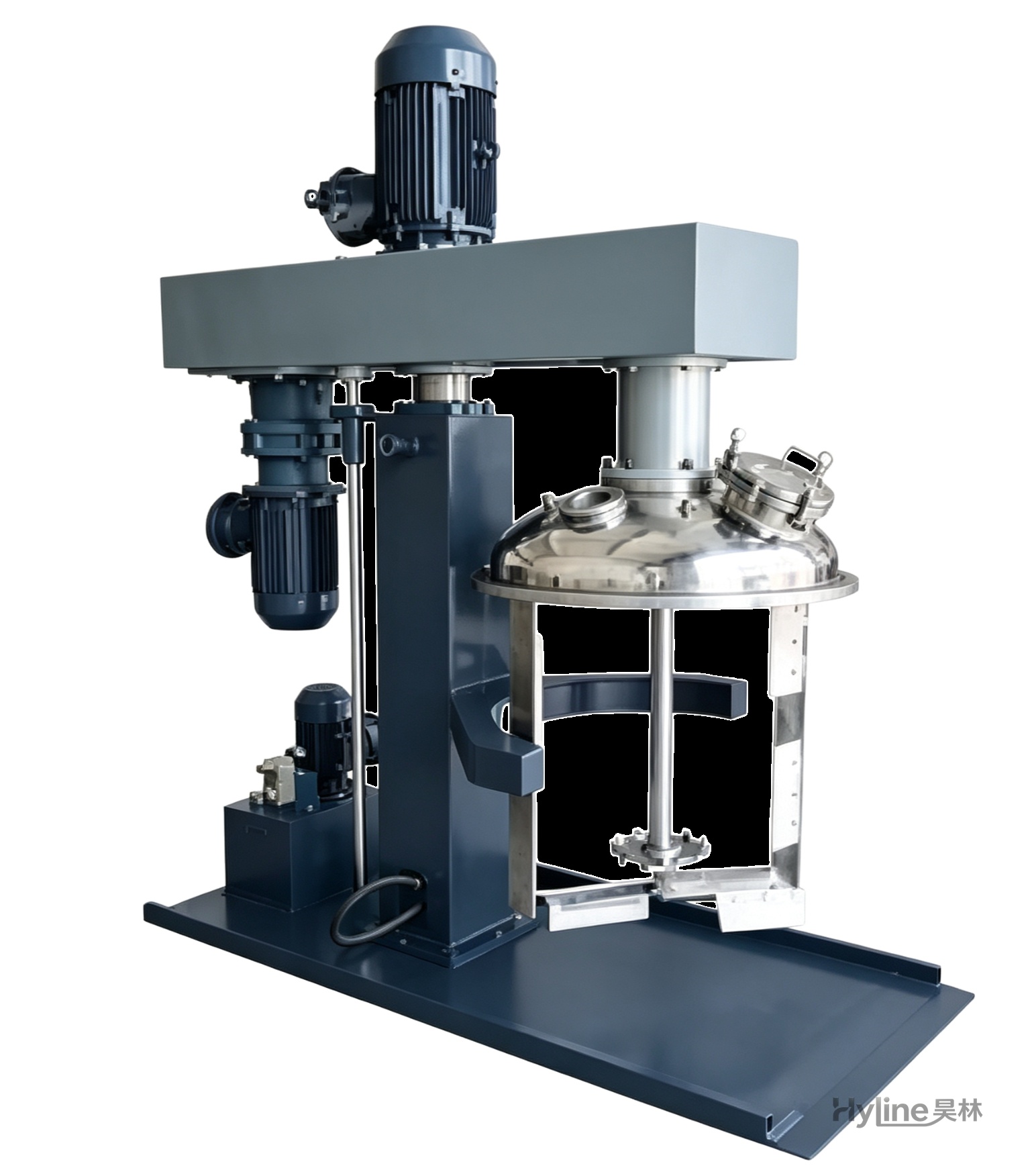
TSJ Series Concentric Twin-Shaft Mixer
Mixes materials of 3000-20000 cps. Low-speed blades with Teflon scrapers sweep the tank wall and push material to the center; high-speed toothed impellers disperse powerfully. High and low speeds run independently.
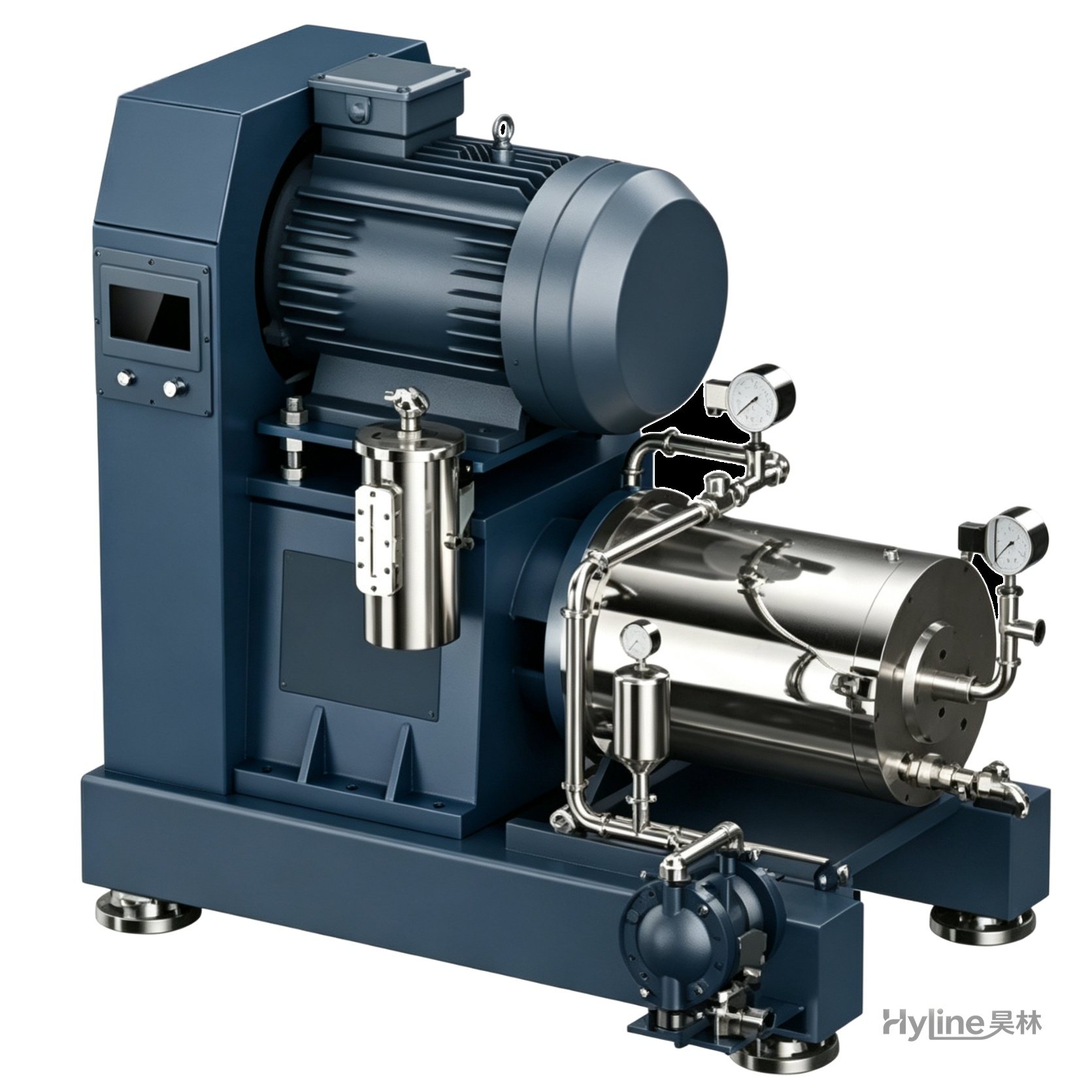
TDB Nano Sand Mill (Rod Pin Type)
Designed to advanced European standards with ample flow, excellent temperature control and high energy efficiency, achieving narrow particle size distribution at nano grade. Widely used in ceramics, inks, lithium battery materials, electronic slurries, nano pastes and pesticides.