Chemical Market Weekly | 2026-10-28: MIIT issues carbon dual-control implementation plan, 50 national food safety standards released, EU-US chemical oversight tightens
10/28/2026
# Chemical Market Weekly | 2026-10-28: MIIT issues carbon dual-control implementation plan, 50 national food safety standards released, EU-US chemical oversight tightens
Policies and standards landed densely this week. Domestically, the MIIT issued the implementation plan for building a carbon dual-control system in the industrial and information technology sector (2026-2030), Yunnan proposed to define criteria for chemical projects entering industrial parks, and 50 national food safety standards were released at once. Overseas, the US EPA issued significant new use rules for 19 chemical substances, the EU REACH rolled out and expanded multiple restrictions, and the EU also proposed listing the flame retardant TBPH under an international convention. For chemical equipment companies, understanding these documents matters for compliance in equipment selection and delivery of stainless steel reactors and mixing tanks, and directly affects the pace of access to export markets.
Domestic policy: MIIT issues carbon dual-control implementation plan (2026-2030) — how should companies respond?
On October 21, the MIIT issued the Implementation Plan for Accelerating the Building of a Carbon Dual-Control System in the Industrial and Information Technology Sector (2026-2030) (MIIT Energy-Saving Document No. [2026] 343, dated September 30), proposing to accelerate the building of a carbon dual-control work system covering key industries. The plan spans the period from the end of the 14th Five-Year Plan through the 15th Five-Year Plan, and proposes institutional arrangements for accounting and statistics, target decomposition, process control and evaluation and assessment. For equipment manufacturing, carbon dual control means that energy-consumption and carbon-emission reviews for downstream chemical projects will be further tightened, and equipment selection for new capacity will place greater weight on energy efficiency and heat-exchange performance. Source: Ministry of Industry and Information Technology
Emergency response: China has built 45 national-level hazardous chemical rescue teams
According to the Ministry of Emergency Management, a total of 580 hazardous chemical emergency rescue teams with more than 41,000 personnel have been built nationwide, including 45 national-level teams, basically achieving full coverage of rescue capability over key chemical regions and major risk points. In recent years, the central government has equipped the 45 national-level teams with more than 1,000 sets of advanced rescue equipment; since the Third National Hazardous Chemical Rescue Skills Competition, the national teams have dispatched more than 41,000 person-times to participate in 4,137 accident and disaster rescues, rescuing 674 trapped people. Supporting institutional development is also advancing, and the Guidelines for Emergency Preparedness for Production Safety Accidents at Hazardous Chemical Enterprises has been issued. For equipment companies, improved park emergency-response capability is often accompanied by retrofitting demand for safety facilities, accident pools and pressure-relief devices.
Standards: 50 national food safety standards released, pollutant control is the focus
On September 22, the National Health Commission and the State Administration for Market Regulation jointly issued Announcement No. 6 of 2026, releasing 50 national food safety standards and amendments at once. Among them, three pollutant-control specification standards — the Specification for Pollution Control of Acrylamide in Food, the Specification for Pollution Control of Lead in Food, and the Specification for Pollution Control of Tin in Tin-Plated Steel Canned Food — guide enterprises in building whole-process hygiene control systems; the National Food Safety Standard for Milk Protein (GB 31668-2026) defines the terminology, core technical indicators and labeling requirements for milk protein products. In addition, the national standard GB/T 10668-2026 for industrial acetic anhydride will take effect on December 1. Hygiene-grade design and internal-surface treatment of food-grade tanks, pipelines and reaction equipment are key points for compliance of related production lines. Source: Qinghai Provincial Health Commission
Park access: Yunnan proposes criteria for chemical projects entering industrial parks — three types of projects must enter
On October 19, the Department of Industry and Information Technology of Yunnan Province published the Guidelines for Admission of Chemical Production and Construction Projects to Industrial Parks (Trial) (Draft for Comments) for public comment, with the solicitation period running until November 17. The draft clarifies three types of petrochemical projects that must enter industrial parks: projects using explosives, highly toxic chemicals or liquefied hydrocarbons as main raw materials; projects constituting major hazard installations of hazardous chemicals; and projects involving high-hazard processes such as nitration, chlorination and fluorination. It also prohibits the new construction or expansion of highly polluting chemical production and construction projects outside compliant development zones. Under the trend of park-based and intensive development, requirements on safety spacing, automated control and emergency linkage for storage tanks, reactors and other equipment in park-entry projects are expected to be further refined. Source: Xinhua Yunnan
Overseas: US EPA sets significant new use rules for 19 chemical substances
On October 15, the US Environmental Protection Agency (EPA) published a final rule in the Federal Register establishing Significant New Use Rules (SNURs) under the Toxic Substances Control Act (TSCA) for 19 chemical substances, covering organosilicon compounds, polyurethane raw materials, polymers and semiconductor photoresist materials, effective December 14. The rule requires that, before undertaking any activity considered a "significant new use" — including manufacturing (including importing), processing, use, distribution in commerce or disposal — companies must submit a Significant New Use Notice (SNUN) to the EPA at least 90 days in advance; some substances also carry engineering-control requirements such as respiratory protection with a NIOSH APF of 1000 or higher. Companies exporting chemicals and related supporting equipment to the US need to check their process links involving the listed substances against the inventory. Source: ChemRadar
Overseas: EU REACH restrictions take effect and expand
EU chemical regulation has landed densely this month. Effective October 10, the restriction in Entry 79 of Annex XVII to REACH became applicable to the first batch of products: in clothing and accessories, footwear, food-contact paper and paperboard (including pizza boxes, burger wrappers and baking paper), mixtures and cosmetics supplied to the general public, products containing PFHxA and its salts at a total concentration equal to or exceeding 25 ppb, or PFHxA-related substances at a total concentration equal to or exceeding 1000 ppb (in each case measured in homogeneous material), may no longer be placed on the EU market; household textiles, curtains and upholstery fabrics have a grace period until October 10, 2027. The restriction originates from the expiry of the transition period of Regulation (EU) 2024/2462. Meanwhile, EU TBT notification G/TBT/N/EU/1185 shows that the EU plans to include several substances within the scope of entries 28 to 30 of Annex XVII to REACH (restrictions on carcinogens, germ cell mutagens or reproductive toxicants classified as CMR category 1A or 1B), restricting supply to the general public and requiring packaging to bear the label "restricted to professional users"; the comment period ended on March 20. Exporters should promptly review fluorinated finishing agents and CMR components in products shipped to the EU; the two summation indicators need to be tested separately. Source: MOFCOM WTO/FTA Consulting Network, Source: EU TBT notification
International convention: EU proposes listing flame retardant TBPH under the Stockholm Convention
On February 4, the Council of the European Union received Commission proposal COM(2026) 51, proposing to submit, on behalf of the European Union, a proposal to list bis(2-ethylhexyl) tetrabromophthalate (TBPH) in Annex A (elimination) or Annex B (restriction) to the Stockholm Convention on Persistent Organic Pollutants. TBPH is a brominated flame retardant identified in the EU as a Substance of Very High Concern (vPvB — very persistent and very bioaccumulative). Under the Convention procedure, the POPs Review Committee plans to review the proposal in October 2026, and a binding decision by the Conference of the Parties would be possible no earlier than 2029, a process taking at least three years. The EU is advancing a REACH restriction in parallel, aiming to avoid a regulatory vacuum in which the substance would be restricted in the EU but not globally. Source: Council of the European Union
How should equipment companies read this week's developments?
Taken together: domestically, the policy focus is on carbon dual control, park intensification and the reinforcement of the standards system; overseas, the regulatory focus is on raising entry thresholds for PFAS-class and CMR substances. Three suggestions. First, in the selection stage for new or renovated projects, incorporate energy efficiency, heat-exchange efficiency and subsequent carbon-accounting requirements into equipment evaluation indicators. Second, downstream customers in food and pharmaceutical industries will continue to raise requirements for hygiene-grade design and internal-surface treatment as the new national standards take effect. Third, for product lines exported to the EU and the US, promptly complete component and process self-checks against the SNUR inventory and REACH restriction entries; for supporting cleaning, passivation and sealing processes for stainless steel reactors, mixing tanks and storage tanks, it is advisable to confirm compliance solutions with professional manufacturers in advance.
Further reading: Chemical Market Weekly 2026-10-21 (Policy and Standards), Chemical Market Weekly 2026-10-14 (Policy and Standards)
This article is compiled by Hyline Shengda Equipment Manufacturing Co., Ltd. (hyline.cn); all information rights belong to the original authors. The company specializes in stainless steel reactors, mixing tanks, storage tanks, dispersers, concentrators and complete chemical production lines, supporting non-standard customization.
Related Products
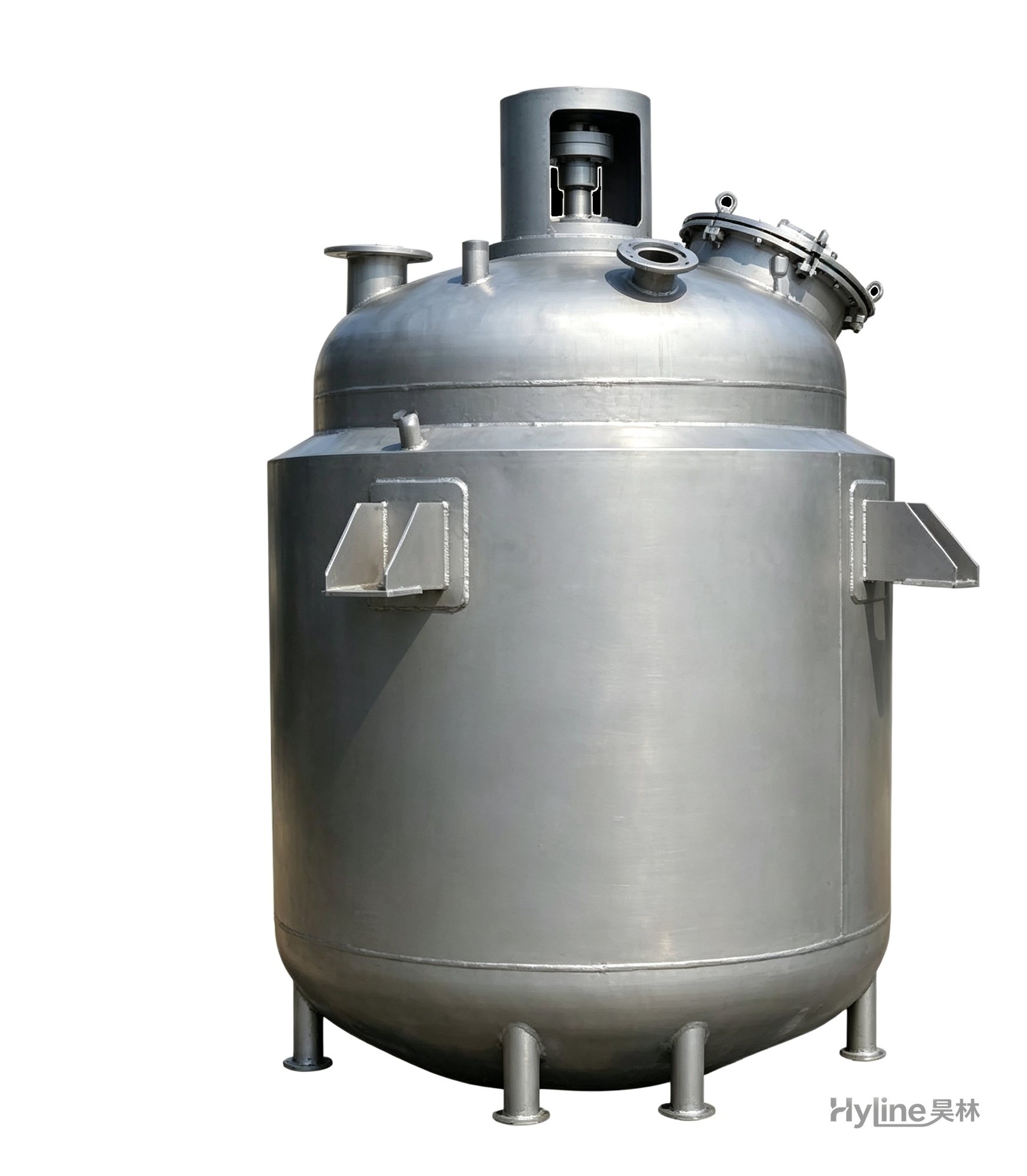
Jacketed Reactor
The typical main reaction vessel in chemical production. Mixing, heating and cooling disperse and mix materials for reaction and polymerization. The jacket circulates thermal oil/steam for heating or cooling water for temperature control.
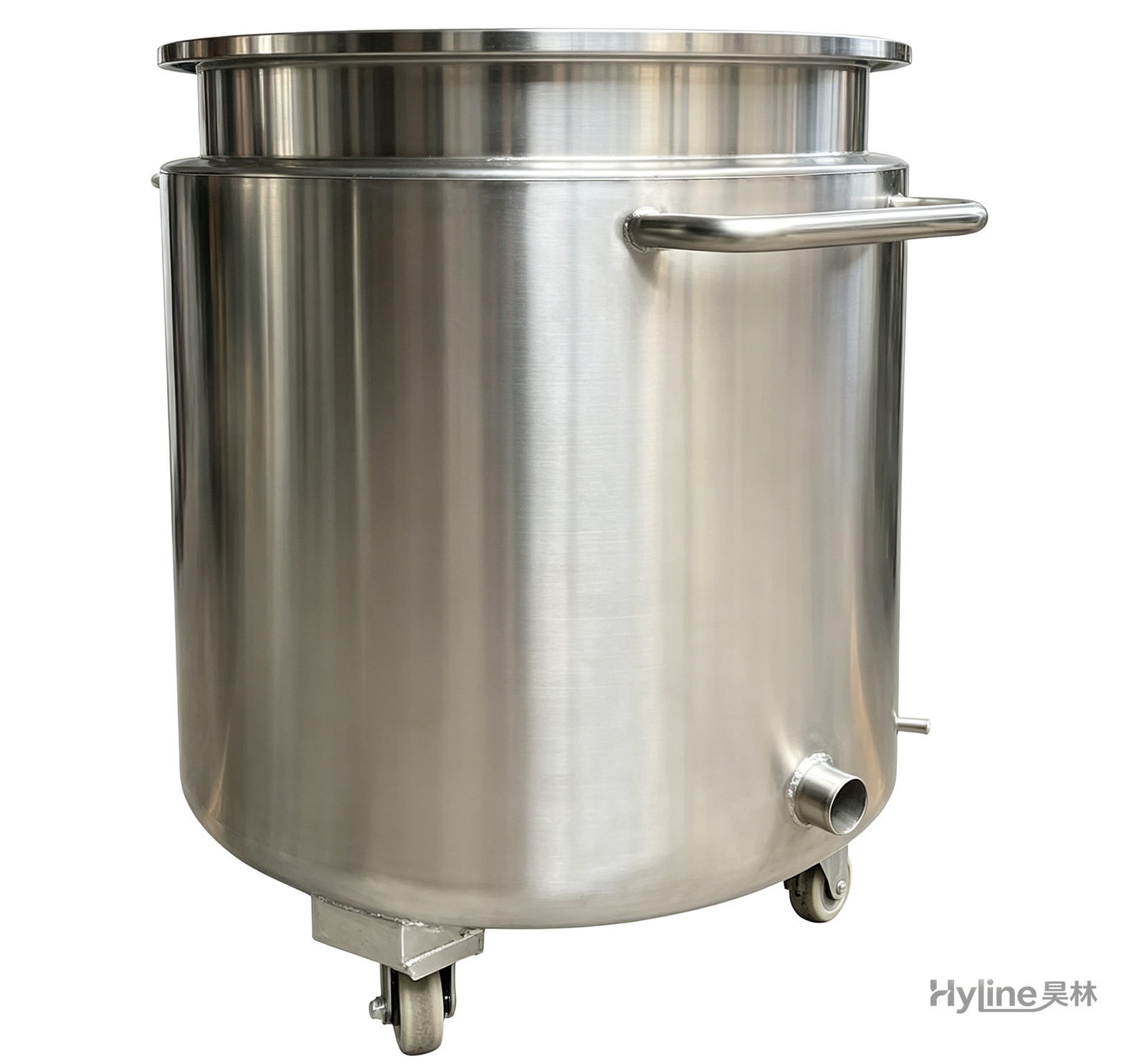
Stainless Steel Mixing Tank (Dispersion Drum)
Supporting vessel for dispersers and mixers in paints, coatings, adhesives, color slurries, inks and electronics. Available in 201/304 stainless with internal/external polishing and sloped bottom side discharge for complete draining.
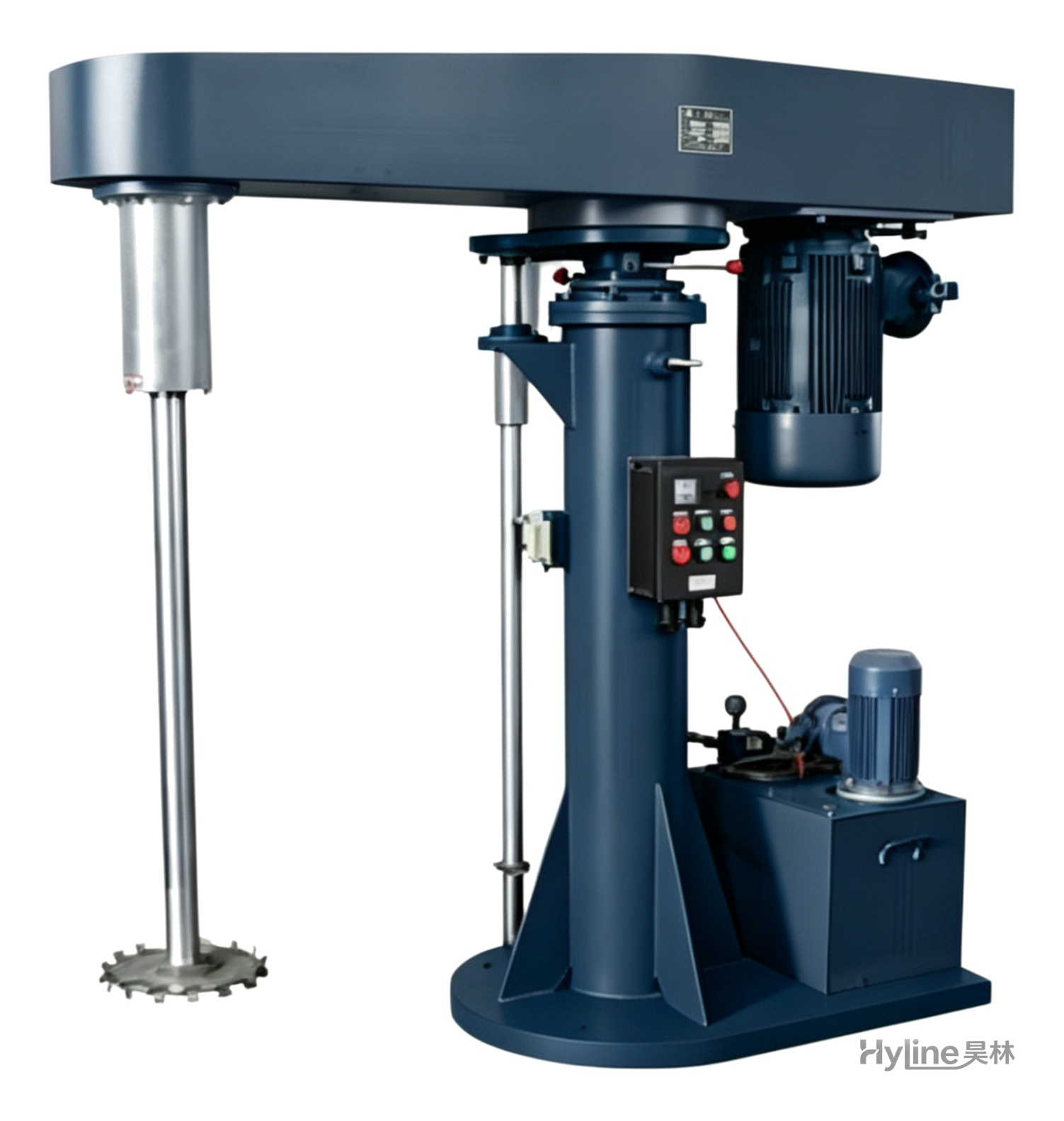
FL Series High-Speed Disperser
Stirs, dissolves and disperses liquids and powders, working alone or matched with sand mills. Variable-frequency drive with hydraulic lift, widely used in paints, inks, coatings, dyestuffs and papermaking.
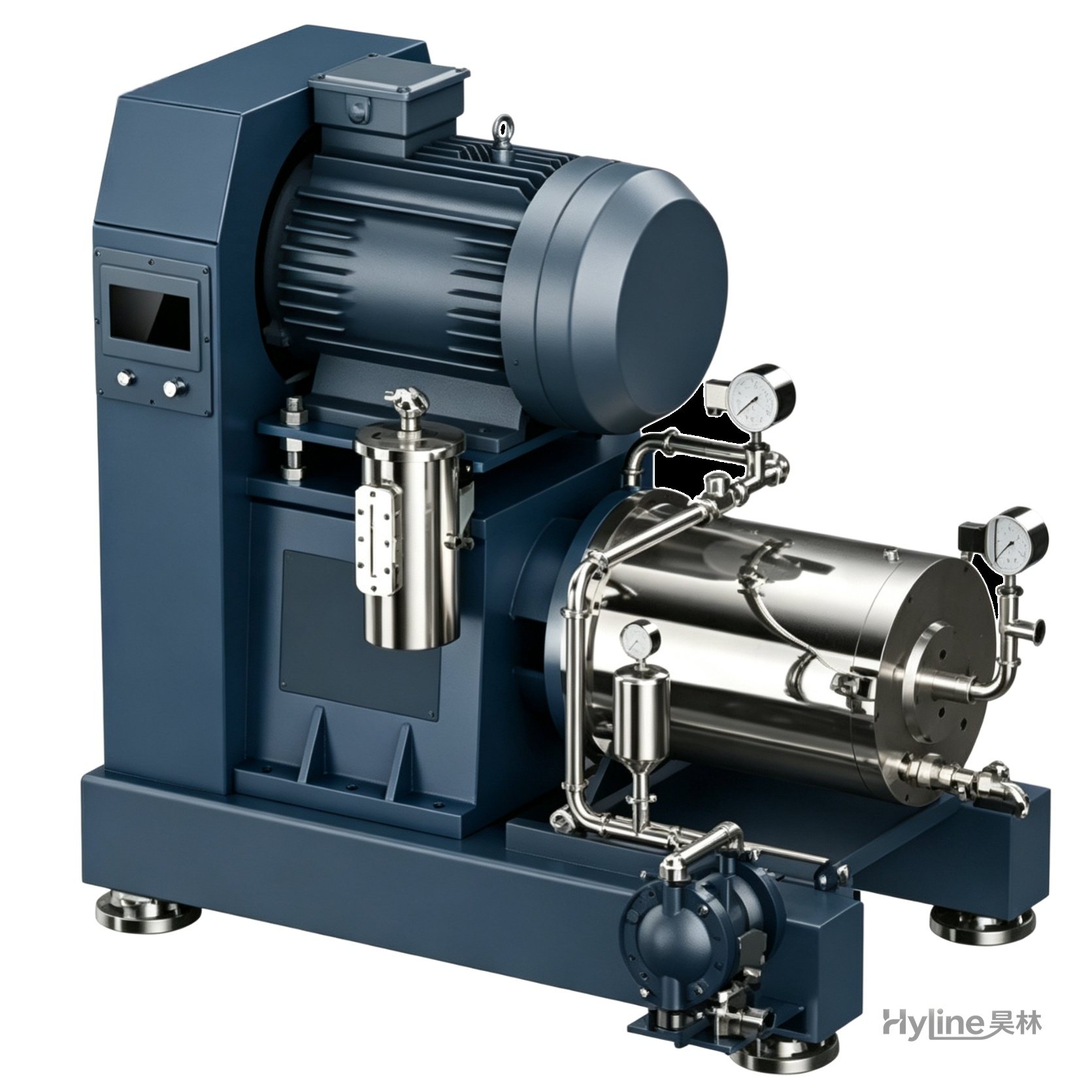
TDB Nano Sand Mill (Rod Pin Type)
Designed to advanced European standards with ample flow, excellent temperature control and high energy efficiency, achieving narrow particle size distribution at nano grade. Widely used in ceramics, inks, lithium battery materials, electronic slurries, nano pastes and pesticides.