
Weekly Chemical Market Report | 2026-11-01: European consolidation bid rejected again, Turkish petrochemical expansion enters design phase, UK proposes 65% out-of-quota duty on PET
11/1/2026
Key points of this edition: Overseas developments this week fall along two lines — consolidation and investment. In Europe, BASF's raised offer was rejected by Evonik once again; in Türkiye, Petkim's new ethylene, polypropylene and polyethylene units moved into front-end engineering design (FEED) with a USD 70 million study budget in place; AkzoNobel completed a USD 60 million upgrade across three North American powder coatings sites; and the UK proposed a 65% duty on out-of-quota PET and recycled PET, drawing a mixed market response. For chemical equipment buyers, once an overseas project reaches the design or construction stage, enquiries tend to land first on jacketed reactors, stainless steel mixing tanks, high-speed dispersers and nano sand mills. Sorting out process parameters early helps shorten the selection cycle.
Why did the European consolidation story shift again? The USD 12.5 billion offer was rejected once more
Bottom line first: Evonik has again rejected BASF's raised takeover offer of about USD 12.5 billion, above the roughly USD 11.5 billion first bid made in September. Evonik said the improved offer was still not enough to open formal deal talks and asked BASF to explain the rationale behind it.
Powder & Bulk Solids reported on 31 October that BASF raised its per-share offer from USD 24.72 while Evonik's management position did not change; citing Reuters, the report says Evonik was "not ready to negotiate" the sweetened bid. BASF has previously said the two portfolios complement each other and that existing site agreements would be honoured if a combination went ahead. On the equipment side, asset consolidation among large European producers usually sets off a chain of plant revamps, capacity adjustments and supporting equipment renewals, with a lead time of more than six months from negotiation to actual orders.
Source: Powder & Bulk Solids
Türkiye's petrochemical expansion enters the design phase: how far will ethylene capacity go?
Bottom line first: Petkim's "Master Plan" project has started FEED and licensing work for new ethylene, polypropylene and polyethylene units, with a USD 70 million budget for the studies, scheduled for completion by the end of 2027 as the basis for a possible final investment decision.
PROCESS Worldwide reported on 29 October that Petkim signed a FEED agreement and a mixed-feed steam cracker (MFSC) technology licence with Technip Energies, selected Univation technology for the polyethylene unit, and signed a licensing and engineering agreement with Lummus Novolen for the polypropylene unit. If a final investment decision follows, the company plans to raise annual ethylene capacity from 558,000 tonnes to 1.2 million tonnes and annual polypropylene capacity from 145,000 tonnes to 550,000 tonnes, lifting total polymer output to more than double the current level. The window from design stage to equipment tendering typically runs from several months to a year, and the operating parameters of reactors, mixing tanks and heat exchange equipment are fixed during this phase.
Source: PROCESS Worldwide
Can hydrogen carriers move beyond demonstration? How large is the direct MCH plant?
Bottom line first: Japan's ENEOS has built a large-scale demonstration plant for direct methylcyclohexane (MCH) production in Queensland, Australia, with a maximum MCH capacity of 9 tonnes per day. Demonstration operation is scheduled to start in January 2027 and run for about two years.
PROCESS Worldwide reported on 29 October that the plant uses ENEOS's proprietary low-cost "electrochemical synthesis of organic hydride" route, producing MCH in a single step for use as a hydrogen carrier that lowers the cost of storing and transporting green hydrogen. The company has developed a 1.2 MW-class electrolyser, the minimum unit size for commercial deployment; the electrolyser in this demonstration plant is roughly eight times larger than the unit used in the 2023 demonstration. The campaign will focus on performance, degradation behaviour and operating data to support commercialisation.
Source: PROCESS Worldwide
Powder coatings upgrade completed: where did the USD 60 million go?
Bottom line first: AkzoNobel has completed a USD 60 million investment across three North American powder coatings sites — Reading, Pennsylvania; Warsaw, Indiana; and Monterrey, Mexico — focused on raising capacity and strengthening local supply.
Chemical Engineering reported on 30 October that the Reading site currently produces around 45% of the company's North American powder coating batches and added three new production lines together with advanced bonding technology and automated process controls; capacity at Warsaw rose by 30% with a 10% increase in headcount; and a new acrylics facility was built in Monterrey. The critical steps in powder coatings are premixing, melt extrusion and grinding/classification. Temperature uniformity during premixing and melting, together with cooling and solidification speed, directly determine batch colour consistency and particle size distribution — which on the equipment side translates into linear speed, temperature control accuracy and cleaning convenience in the mixing and dispersing stages.
Source: Chemical Engineering
Is lignin-based hard carbon anode reaching industrial scale? Where is the demonstration line?
Bottom line first: Stora Enso and Shanshan Technology have entered a partnership to build a demonstration line for lignin-based hard carbon anode materials at Shanshan's facility in Ningbo, China, targeting sodium-ion battery applications.
Chemical Engineering reported on 29 October that the partners will combine Stora Enso's expertise in renewable materials and lignin-based innovation with Shanshan's industrial-scale anode material capabilities and global position to accelerate development and industrial validation of lignin-based hard carbon. Hard carbon is a required anode material for sodium-ion batteries, and the lignin is derived from renewable wood-based feedstock. Stora Enso said the step supports its long-term ambition to establish large-scale hard carbon production in Europe. For equipment suppliers, precursor handling, carbonisation and grinding/classification place high demands on mixing uniformity, atmosphere protection and dust control.
Source: Chemical Engineering
UK proposes a 65% out-of-quota duty on PET: how will import costs change?
Bottom line first: The UK Trade Remedies Authority published proposed safeguard measures on 23 October covering PET and recycled PET. Products with a viscosity of 74 ml/g and above would face a 65% duty once quarterly quotas are exceeded; quotas are set by quarter and by country, and submissions are open until 22 November.
ICIS reported on 30 October that the European Union's quota is 36,926.83 tonnes for the first quarter (1 December 2026 to 28 February 2027) and 37,747.43 tonnes for the second; Mexico, Indonesia and Vietnam have separate quotas, while countries not specifically listed fall into a "residual" category. Market participants were broadly surprised by the size of the 65% out-of-quota rate. Some European PET producers considered the EU quota large enough to cover regular export volumes; the main concern was the inability to know when a quarterly quota has been exhausted, which creates greater cost uncertainty for deep-sea cargoes. Under the published proposal, the measure would apply for no more than 200 days.
Source: ICIS
What are Asia-US chemical logistics costs at now?
Bottom line first: Asia-US container rates were mixed, with US West Coast at USD 7,515-8,365 per FEU and US East Coast at USD 9,600-11,500 per FEU, near the highest levels since mid-2022. Chemical tanker freight rates assessed by ICIS were mostly higher over the same period.
ICIS reported on 30 October that Drewry's rates fell 6% from Shanghai to Los Angeles and 5% to New York, with further declines expected, while Freightos weekly rates rose 3% and 9% respectively. The Shanghai Containerized Freight Index edged up 0.16%, a fourth consecutive weekly gain. On chemical tankers, rates from the US Gulf to Europe, Brazil and India were mostly higher, with fixtures concentrated in caustic soda, monoethylene glycol, styrene and methanol. Polymers and titanium dioxide mainly move in containers, so freight swings feed directly into export quotes and landed costs.
Source: ICIS
Circular aromatics head for industry: how much EU funding did PETRA secure?
Bottom line first: Dutch circular chemistry company BioBTX has signed a grant agreement with the European Climate, Infrastructure and Environment Executive Agency (CINEA). Its PETRA project receives EUR 20.8 million from the EU Innovation Fund, with the plant located at Chemie Park Delfzijl in the Netherlands.
Renewable Carbon News reported on 26 October that PETRA is the first industrial-scale application of BioBTX's in-house ICCP technology, processing around 20,000 tonnes per year of mixed plastic waste that cannot be mechanically recycled and producing around 10,000 tonnes per year of renewable aromatic oil rich in benzene, toluene and xylenes (BTX). Calculated using the Innovation Fund methodology, the project is expected to avoid more than 517,000 tonnes of CO2-equivalent over its first ten years, a 72% reduction compared with fossil-based aromatics production plus waste incineration, and it is expected to create around 35 direct jobs. For equipment suppliers, the two-stage thermal cracking and catalytic upgrading process places clear demands on reaction temperature zoning, sealing and corrosion-resistant materials.
Source: Renewable Carbon News
Overseas data at a glance
| Item | Key figure | Date |
|---|---|---|
| BASF offer for Evonik | About USD 12.5 billion, rejected | 31 October |
| Petkim Master Plan | USD 70 million FEED budget; ethylene 558kt to 1.2 Mt/yr | 29 October |
| ENEOS direct MCH demonstration | Max 9 t/d; demonstration from January 2027 | 29 October |
| AkzoNobel North America upgrade | USD 60 million across three sites | 30 October |
| UK PET safeguard measure | 65% out-of-quota; submissions to 22 November | Announced 23 October |
| Asia-US containers | USD 7,515-8,365 (West Coast), USD 9,600-11,500 (East Coast) per FEU | 30 October |
| BioBTX PETRA | EUR 20.8 million from the EU Innovation Fund | 26 October |
How to turn overseas project signals into selection actions
Bottom line first: Translate the phrases "design phase", "demonstration operation" and "line upgrade" into three parameters of your own — material viscosity, batch volume and target fineness or particle size — and work backwards to the equipment configuration.
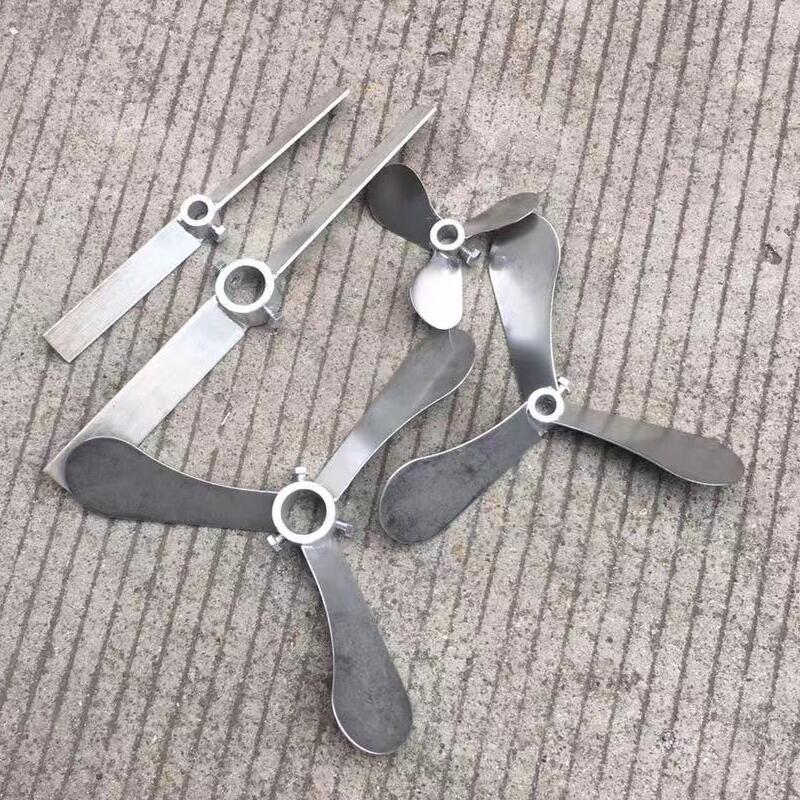
Haolin Shengda (hyline.cn) manufactures stainless steel reactors, mixing tanks, storage tanks, dispersers, concentrators and complete chemical production lines, and offers custom engineering against medium corrosivity, operating temperature, vacuum level and cleaning method: high-viscosity materials are paired with anchor or ribbon agitators with adequate power margin, high-solids slurries call for higher disperser disc linear speed and wear-resistant construction, and heat-sensitive materials favour vacuum concentration with low-temperature heat exchange. If you are selecting equipment for a new line or retrofitting an existing one, compile the process parameter list first and then verify it item by item against the equipment proposal.
Further reading: - Weekly Chemical Market Report | 2026-10-25: European polypropylene shutdowns accelerate, Middle East fertilizer expansion confirmed, Asian propylene hits a year high - Waterborne transition accelerates in the coatings industry, dispersing and grinding equipment enters a replacement cycle
Compiled by Haolin Shengda Equipment Manufacturing Co., Ltd. (hyline.cn). Information ownership belongs to the original authors. Main products: stainless steel reactors, mixing tanks, storage tanks, dispersers, concentrators and complete chemical production lines, with custom engineering available.
Related Products
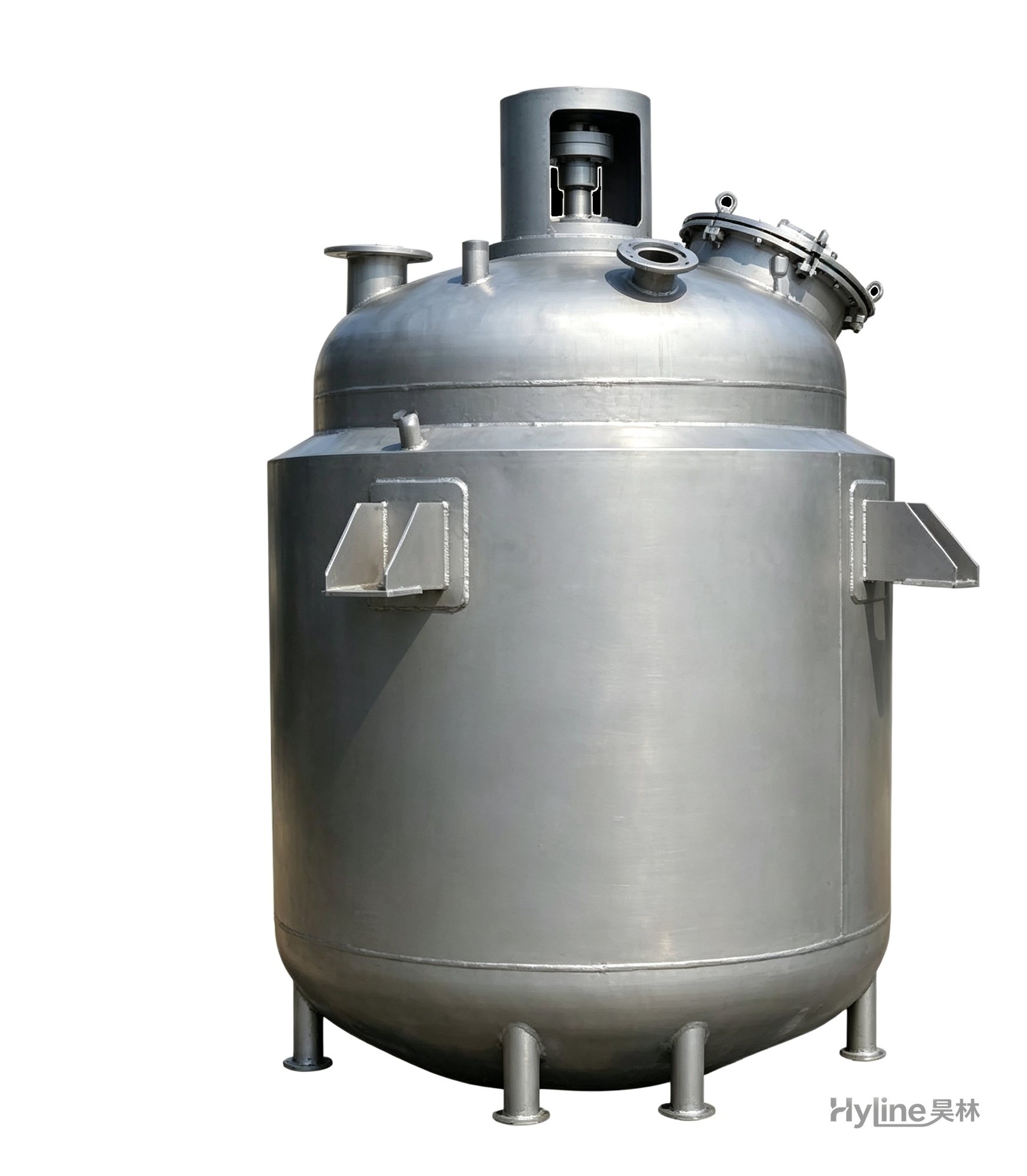
Jacketed Reactor
The typical main reaction vessel in chemical production. Mixing, heating and cooling disperse and mix materials for reaction and polymerization. The jacket circulates thermal oil/steam for heating or cooling water for temperature control.
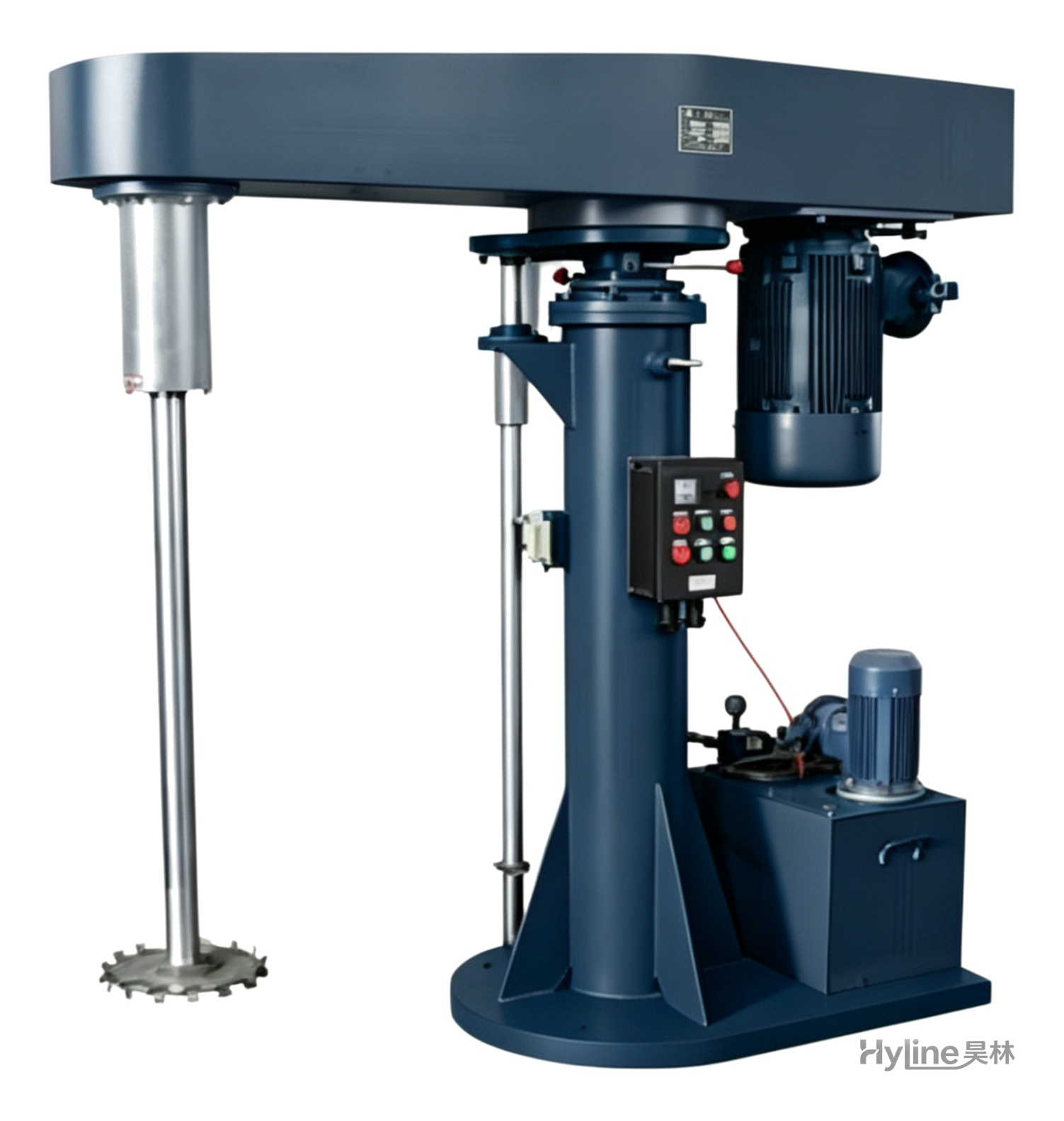
FL Series High-Speed Disperser
Stirs, dissolves and disperses liquids and powders, working alone or matched with sand mills. Variable-frequency drive with hydraulic lift, widely used in paints, inks, coatings, dyestuffs and papermaking.
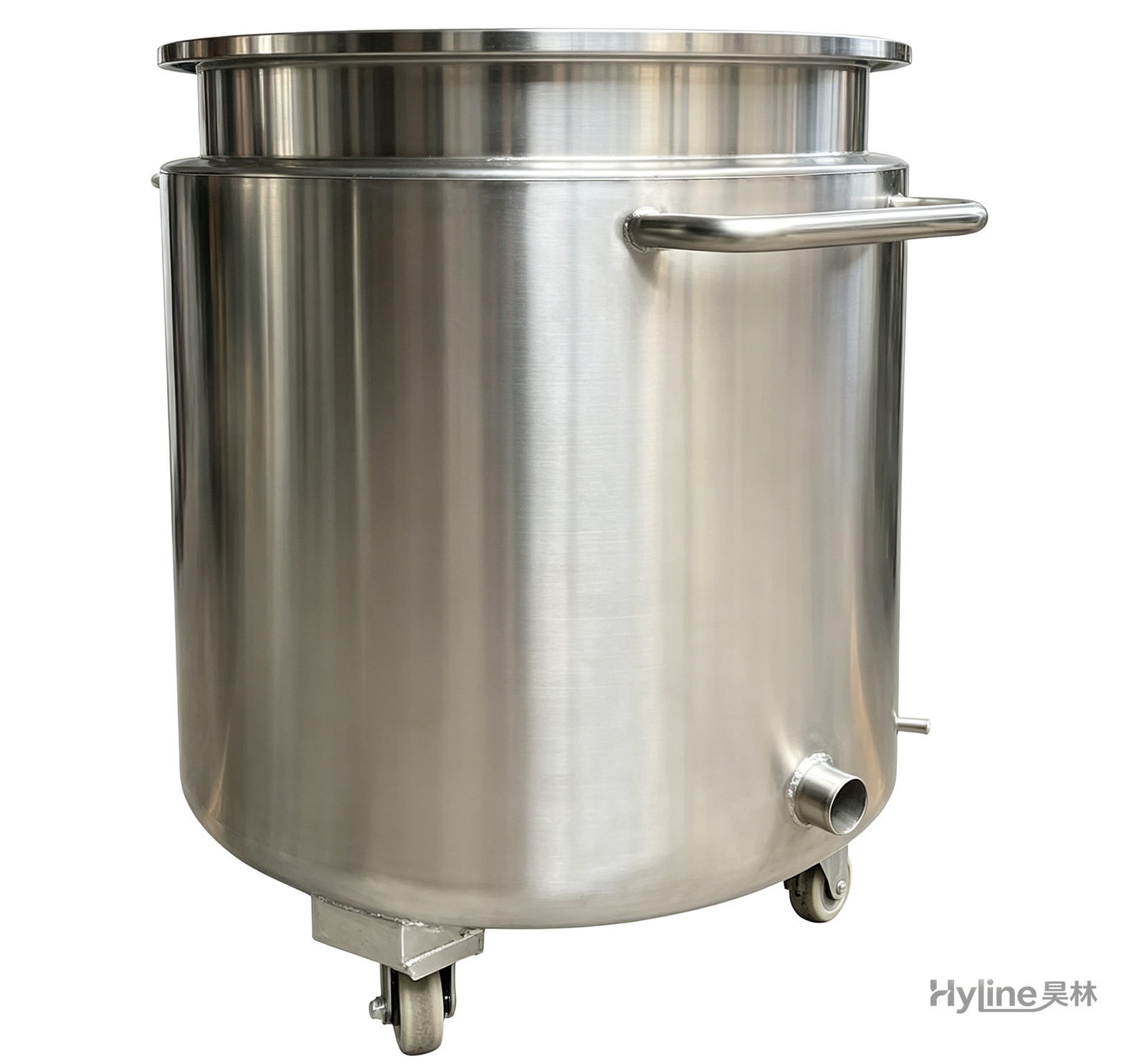
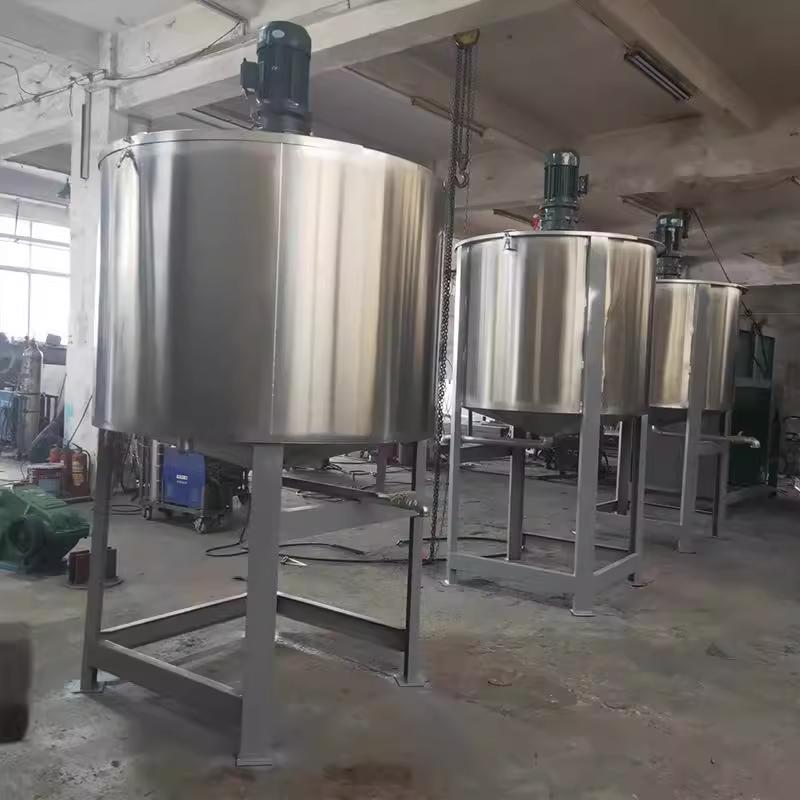
Stainless Steel Mixing Tank (Dispersion Drum)
Supporting vessel for dispersers and mixers in paints, coatings, adhesives, color slurries, inks and electronics. Available in 201/304 stainless with internal/external polishing and sloped bottom side discharge for complete draining.
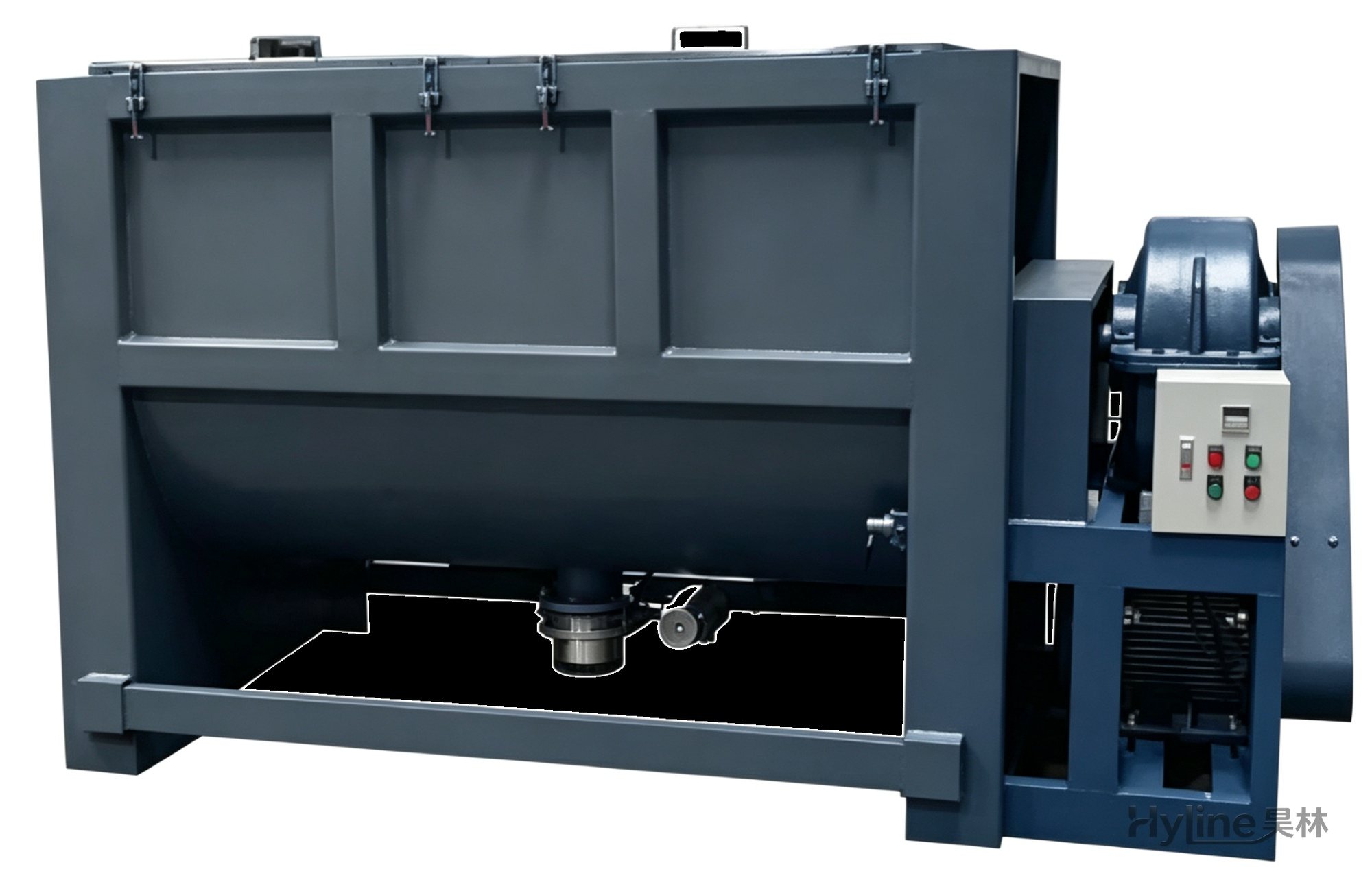
Horizontal Mixer
For color blending of plastic pellets, new/old materials and additives. Single-layer for mixing; double-layer with oil heating of 50-150℃ (custom up to 300℃). Ideal for PVC/PP/PE pellets and chemical powders such as calcium carbonate and titanium dioxide.