
Chemical Market Weekly | 2026-11-02: LLDPE Monthly Average Up 6.76% MoM, Sulphuric Acid Turns to Slight Surplus, Overseas Powder Coatings and Ammonia Revamps Land
11/2/2026
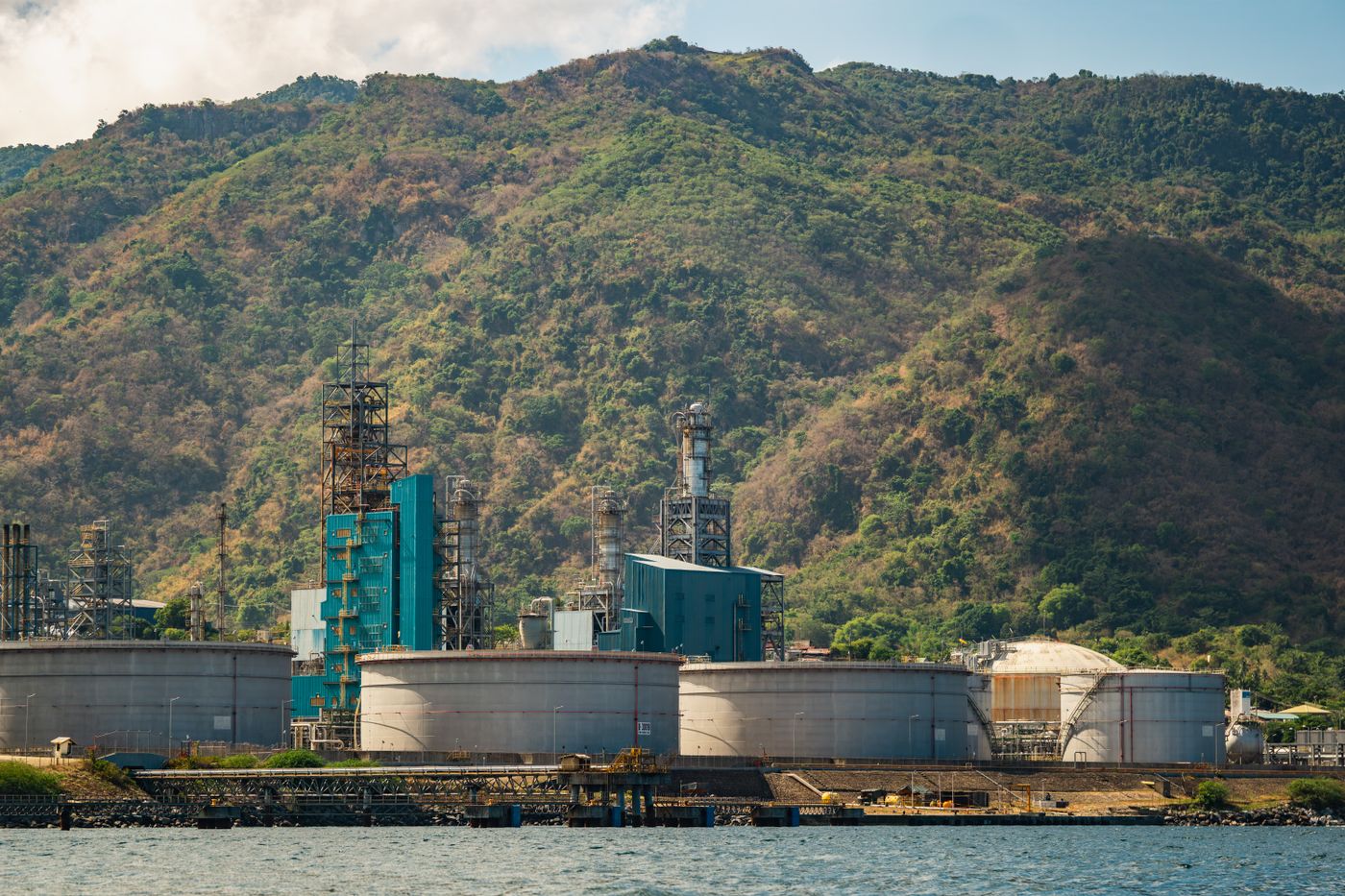
This week's chemical market moves concentrate on three lines: polyolefins spiked on cost push plus peak-season demand and then shifted into high-level consolidation; sulphuric acid flipped from shortage to a slight surplus in October; and the fertilizer segment kept earnings growth on exports and high value-added products. Overseas, investment centred on plant revamps and low-carbon projects, with energy-efficiency upgrades at powder coatings and ammonia units landing in parallel.
For equipment users, price volatility always comes down to one question: how fast can capacity actually be brought online? The specification margins of a stainless steel reactor and a mixing tank, plus the batch changeover efficiency of a high-speed disperser, decide whether a workshop can absorb the order swings this market brings.
LLDPE hit 9,864 yuan/t in October — why is November seen as "strong first, weak later"?
Conclusion: October's gain was driven by cost and peak season; November's pressure comes from new supply arriving and seasonal demand fading.
Longzhong data show the October monthly average for melt-index-2 film grade (no opening agent) at 9,864 yuan/t, up 625 yuan/t or 6.76% month on month, while Brent averaged 107.14 USD/bbl, up 5.12 USD/bbl, forming the cost floor for polyolefins. On the supply side, units returning from maintenance pushed domestic output to 1.3879 million tonnes, yet arrivals of imports stayed limited and spot availability remained tight. Demand sat in the agricultural-film peak season, with the mulch-film operating rate up 12.05 percentage points to 40.9%. After the spike, downstream margins were squeezed sharply — packaging-film profit fell to -679 yuan/t — and buying shifted to just-in-time.Source: Longzhong Information
For November, units at Hainan Refining, Zhanjiang BASF and Jilin Petrochemical are restarting, with planned maintenance capacity of only 2.73 million t/yr, and output is expected to reach 1.40 million tonnes; meanwhile new units of 200 kt (Blue Ocean New Materials), 600 kt (Sino-Saudi Gulei) and 450 kt (Huajin Aramco) are scheduled to start up. On the demand side, the mulch-film operating rate is expected to fall back to 45.30% and apparent packaging-film consumption to edge down to 1.621 million tonnes. Longzhong forecasts a November monthly average of 10,050 yuan/t for film grade without opening agent, up 1.89% month on month, rising first and easing later.
Why did sulphuric acid flip from shortage to slight surplus in October?
Conclusion: the switch was not driven by output but by persistently weak demand and a lower cost centre.
Longzhong data show the October national index for 98% sulphuric acid at 1,391 yuan/t, down 0.43% month on month; the supply-demand balance moved from -32.2 kt in September to +59.5 kt, formally turning the market from shortage to slight surplus. Capacity utilisation was 63.12%, down 0.89 percentage points, with 36 units under maintenance and monthly output loss of 118.97 kt. On the cost side, granular sulphur at Zhenjiang Port averaged 6,117 yuan/t, down 18.13% month on month; theoretical sulphur-based acid profit was -175.11 yuan/t, still loss-making.Source: Longzhong Information
Three key meetings land in November: the 26th Phosphate and Compound Fertilizer Production and Sales Conference in Wuhan on 6–8 November, CESCO Asia Copper Week in Shanghai on 17–19 November, and the China Sulphuric Acid Industry Association's second-half sulphur chain market meeting in Yichang on 23–24 November. They point respectively to fertilizer export policy, copper concentrate term processing charges and the domestic sulphuric acid guidance price — the key window for reading 2027.
Where do monoethylene glycol and fertilizers stand?
Conclusion: MEG supply is tight but demand is soft, while fertilizers keep growing on exports and high value-added products.
Sci99 data show that as of 30 October China's MEG industry operating rate was 60.61%, with maintenance and rate cuts at some units trimming it slightly; port inventories stayed low and spot liquidity tight, with more imports expected later. Downstream, polyester ran at 71.45% and weaving at 57.53%, leaving overall demand soft.Source: Sci99
In fertilizers, PROCESS reported that China XLX Fertiliser posted revenue of 23.0 billion yuan (about 3.4 billion USD) for the first nine months of 2026, up 28% year on year, with net profit of 1.1 billion yuan, up 42%. Urea exports rose 52% to 285 kt, sales of the high value-added black urea grew 39%, and the Jiangxi phase-II and new materials projects added 780 kt of urea output; compound fertilizer sales in mature markets such as Tianjin rose 30%.Source: PROCESS
Overseas: where is revamp money going in powder coatings and ammonia?
Conclusion: spending has shifted from greenfield expansion to capacity uplift, energy efficiency and automation at existing assets.
Chemical Engineering reported that AkzoNobel completed a 60 million USD upgrade of three North American powder coatings sites: Reading, Pennsylvania added three new production lines, powder bonding technology and automated process controls, and already produces around 45% of the company's North American powder coatings batches; Warsaw, Indiana lifted capacity 30% and headcount 10%; and Monterrey, Mexico built a new acrylics facility.Source: Chemical Engineering
In ammonia, KBR won contracts to revamp two AGF Nitrogen plants: the 550 t/d No. 2 unit of LAT Nitrogen in Linz, Austria and the 1,900 t/d No. 2 unit of SKWP in Lutherstadt Wittenberg, Germany. KBR will supply technology licensing, proprietary engineering design, process equipment and catalysts, and modernise the steam reforming sections at both plants with its KRES reforming exchange system, targeting lower natural gas consumption, higher energy efficiency and reduced CO2 emissions.Source: PROCESS Worldwide
How far have overseas carbon capture and polyurethane recycling progressed?
Conclusion: both routes have entered the engineering phase, with purification/dehydration units and chemical recycling units as the core equipment.
Chemical Engineering reported that Veolia was awarded a contract by Kanadevia Inova to design and supply two CO2 purification and dehydration units for the Protos project at Encyclis' energy-from-waste plant in Ellesmere Port, Cheshire, UK. It is the UK's first full-scale carbon capture facility integrated with energy-from-waste: up to 500 kt of non-recyclable waste a year, up to 49.9 MW of generating capacity and about 370 kt of CO2 captured annually, due to start operating in mid-2029, with captured CO2 sent by pipeline to depleted gas reservoirs.Source: Chemical Engineering
Renewable Carbon News reported that Evonik, together with Toyotsu Chemiplas and Sanyo Chemical, launched a polyurethane foam recycling initiative in Japan to convert discarded foam and production scrap into recycled polyols and amines. Toyotsu Chemiplas coordinates and provides collection and logistics, Sanyo Chemical contributes polyol development and process technology, and Evonik contributes its hydrolysis-based chemical recycling process, which has already produced new polyurethane foam from 100% recycled polyol.Source: Renewable Carbon News
Key October product data compared
| Product | October level | Month-on-month | Supply/demand and operating rate |
|---|---|---|---|
| LLDPE (MI-2 film, no opening agent) | 9,864 yuan/t | +6.76% | Output 1.3879 Mt, mulch-film rate 40.9% |
| Sulphuric acid (98%, national) | 1,391 yuan/t | -0.43% | Balance +59.5 kt, utilisation 63.12% |
| MEG (Zhangjiagang spot) | 5,810 yuan/t | +15 yuan/t | Industry rate 60.61%, port stocks low |
| Urea (Jan–Sep exports) | 285 kt | +52% | Revenue 23.0 bn yuan, net profit 1.1 bn yuan |
Where does capacity flexibility come from in a volatile market?
Conclusion: from specification margin plus batch changeover efficiency — not from stacking more machines.
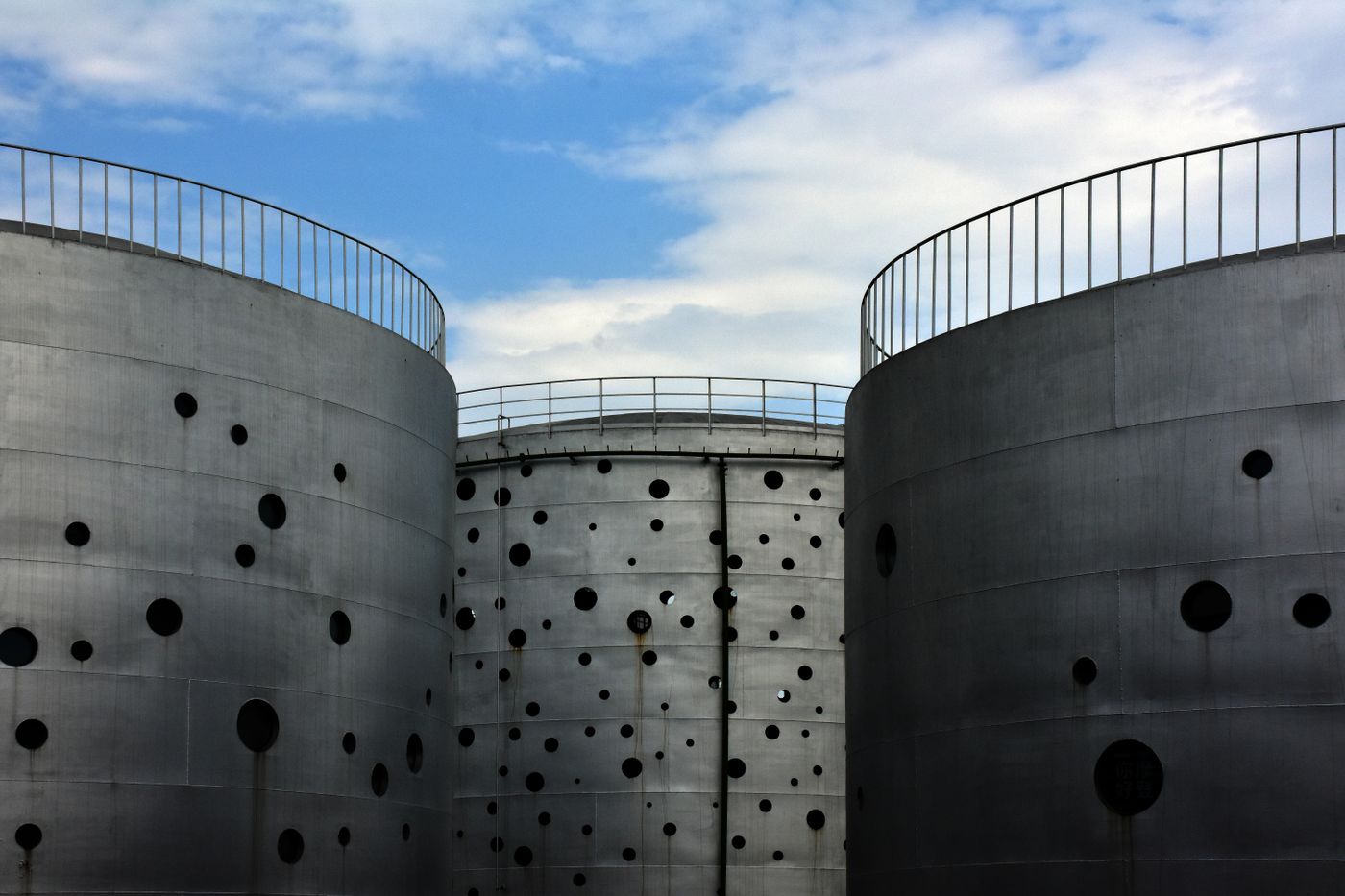
When feedstock prices swing more than 6% in a single month, what a plant really needs is the ability to switch formulations and batches on one line, plus the headroom to compress cycle time when orders arrive all at once. How much margin to leave in a reactor's heat-transfer area and agitation power, how to size a disperser disc diameter and linear speed, what filling coefficient to set for a mixing tank — these parameters are far cheaper to fix at the ordering stage than to retrofit later. That is where customised, non-standard design earns its keep for multi-product, small-batch flexible demand: derive the configuration from material viscosity, batch size and temperature-control accuracy instead of copying a general-purpose model.
Further reading
- Chemical Market Weekly | 2026-10-19
- Coatings industry waterborne transition accelerates, dispersion and grinding equipment upgrade wave
Compiled by Haolin Shengda Equipment Manufacturing Co., Ltd. (hyline.cn). Ownership of the information belongs to the original authors. Main products: stainless steel reactors, mixing tanks, storage tanks, dispersers, concentrators and complete chemical line packages, with non-standard customisation supported.
Related Products

Jacketed Reactor
The typical main reaction vessel in chemical production. Mixing, heating and cooling disperse and mix materials for reaction and polymerization. The jacket circulates thermal oil/steam for heating or cooling water for temperature control.
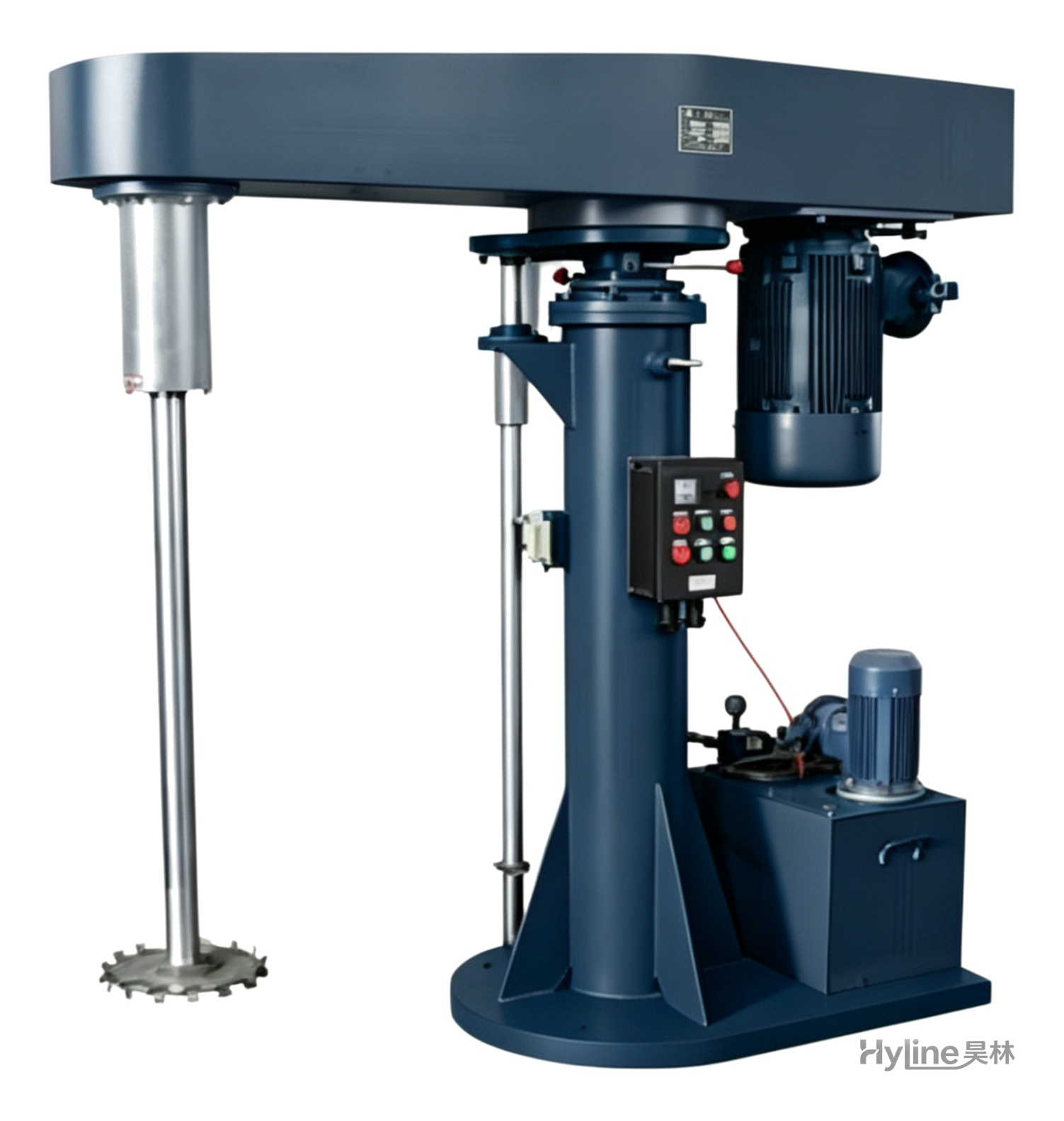
FL Series High-Speed Disperser
Stirs, dissolves and disperses liquids and powders, working alone or matched with sand mills. Variable-frequency drive with hydraulic lift, widely used in paints, inks, coatings, dyestuffs and papermaking.
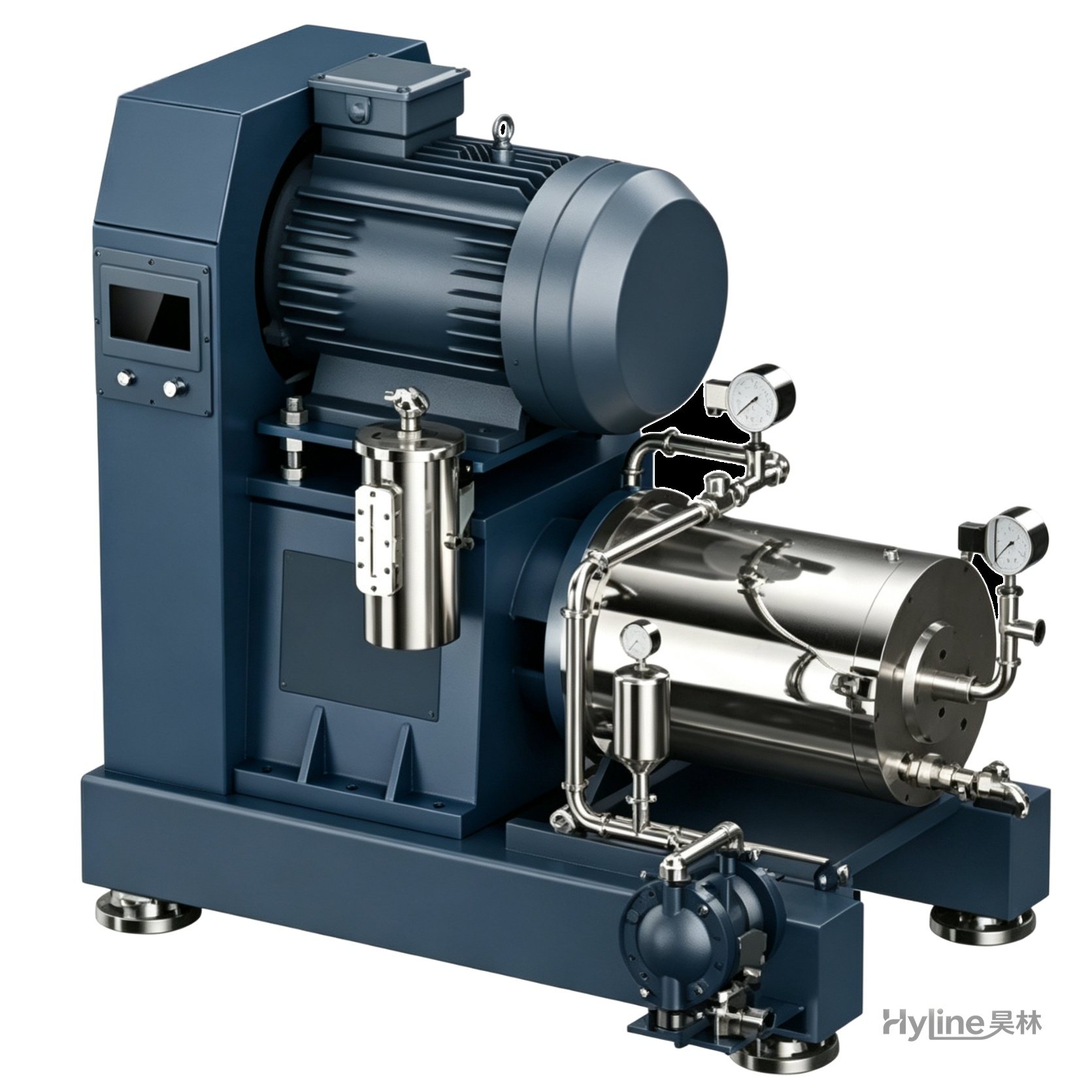
TDB Nano Sand Mill (Rod Pin Type)
Designed to advanced European standards with ample flow, excellent temperature control and high energy efficiency, achieving narrow particle size distribution at nano grade. Widely used in ceramics, inks, lithium battery materials, electronic slurries, nano pastes and pesticides.

Stainless Steel Mixing Tank (Dispersion Drum)
Supporting vessel for dispersers and mixers in paints, coatings, adhesives, color slurries, inks and electronics. Available in 201/304 stainless with internal/external polishing and sloped bottom side discharge for complete draining.