
Chemical Market Weekly | November 6, 2026: Industrial AI Targets Existing Plants, Heat Exchanger Maintenance Shifts to Prediction, First National Standard for Elemental Analyzers Released
11/6/2026
# Chemical Market Weekly | November 6, 2026: Industrial AI Targets Existing Plants, Heat Exchanger Maintenance Shifts to Prediction, First National Standard for Elemental Analyzers Released
Public process-technology news this week converges on one theme: making plants that have run for years smarter, more energy-efficient and more predictable. Industrial AI platforms were released in quick succession, large projects put automation systems at the center of investment, maintenance and efficiency methods for heat exchangers and blowers kept evolving, and testing standards continued to fill gaps. For equipment makers, the focus around stainless steel reactors, mixing tanks, high-speed dispersers and sand mills is shifting from single-point parameters to verifiable, full-lifecycle data. The following sections review traceable public reports item by item.
I. Industrial AI and Autonomous Operations: Existing Plants Become the Main Battleground
### 1. PROCESS Worldwide: Honeywell Launches Industrial AI Platform Forge Plant Cognition Honeywell has launched Forge Plant Cognition, an industrial AI platform for the process industries built on NVIDIA AI and accelerated computing together with Dell Technologies' AI infrastructure. It aims to help refining, petrochemical and LNG operators extract more value from existing assets and transform plant operations. Whether AI can land on existing lines still depends on data that can be collected and connected. Source: PROCESS Worldwide
### 2. PROCESS China (vogel.com.cn): Emerson Makes Ninth CIIE Appearance with Industrial AI and Instrument Digitalization Emerson presented three zones at the 9th China International Import Expo — industrial AI, life-sciences solutions and new products — showcasing smart valve positioners and digitalized safety-valve solutions, and stressing the connection of field, edge, cloud and enterprise operations layers. The company has been in China for 47 years. For domestic plants, digitalization at the instrument layer is the first step toward autonomous operations. Source: PROCESS China
### 3. PROCESS Germany: 89th Namur Main Meeting Focuses on Pragmatic Digitalization of Existing Plants On day one of the 89th Namur main meeting in Germany, discussions centered on how to retrofit existing plants step by step and when digital investment produces real economic returns. The message: many process companies do not lack data, they lack easy access to it — much like operating reactor and storage-tank workshops where retrofits usually start at the easiest, highest-value measurement points. Source: PROCESS Germany
II. Large Projects and Automation Engineering
### 4. PROCESS China (vogel.com.cn): Yokogawa Selected as Main Automation Contractor for LNG Canada Phase II Yokogawa Electric's US subsidiary has been selected by JFJV2 as main automation contractor for LNG Canada Phase II in British Columbia, supplying the CENTUM VP production control system, the ProSafe-RS safety instrumented system and fire and gas systems. Phase II adds trains 3 and 4, lifting annual capacity from 14 to 28 million tonnes. The project reuses the Phase I automation architecture to reduce implementation and integration risk. Source: PROCESS China
III. Process Equipment and Energy Efficiency: Maintenance Methods Are Upgrading
### 5. PROCESS Germany: Screw Blowers for Wastewater Aeration Publish Efficiency Envelope Manufacturer KAeser positions its DBS series screw blowers for wastewater treatment at 15–37 kW and 4–22.5 m³/min, emphasizing high efficiency and low noise. Aeration is the main power draw of a wastewater section, so every efficiency step shows up directly in operating costs — a reminder that equipment selection increasingly relies on measured, parameterized data. Source: PROCESS Germany
### 6. Chemical Engineering: Heat Exchanger Failure Analysis Moves from Postmortem to Prediction A feature notes that an ethylene complex may run several hundred shell-and-tube heat exchangers in which heat transfer, fouling, corrosion and hydraulics are coupled; a single underperforming exchanger shows up as small deviations — more furnace fuel, hotter columns, higher compressor amps — that accumulate into six- and seven-figure losses. The article argues for evolving root-cause failure analysis from teardown reports into continuous, data-driven prediction, the same logic that applies to jacketed reactors and coils: the sooner fouling is identified, the more is saved. Source: Chemical Engineering
IV. Testing, Standards and Tools: Calibers and Thresholds Are Being Filled
### 7. chem17.com: First National Standard for Elemental Analyzer Performance Testing Released China's national standard GB/T 48394-2026, "Methods for performance testing of elemental analyzers," was released on October 30 under TC481, providing the first unified domestic and international test basis for evaluating such instruments. Unified test calibers narrow the room for disputes over feedstock and product specifications. Source: chem17.com
### 8. C&EN: Chemist Vibe-Codes a ChemDraw Clone C&EN reports that a chemist used vibe coding to build a clone of the classic molecular drawing software ChemDraw, noting that AI is making it far easier to replicate expensive professional software. Democratized software tools will eventually feed back into R&D and process design. Source: C&EN
How Should Equipment Buyers Read This Week's Signals?
Three threads point the same way: data moving from "available" to "usable," maintenance from "after the fact" to "predictive," and standards from "missing" to "complete." For new lines, instruments, control and data interfaces belong on the procurement list from day one; for plants in service, digital retrofitting of key measurement points offers the best return. The next round of competition is not about parameter peaks but about verifiable, sustained stability across the whole life cycle.
Further reading:
This digest was compiled by Haolin Shengda Equipment Manufacturing Co., Ltd. (hyline.cn); all cited information belongs to the original authors. The company manufactures stainless steel reactors, mixing tanks, storage tanks, dispersers, concentration tanks and complete chemical lines, with non-standard customization available.
Related Products
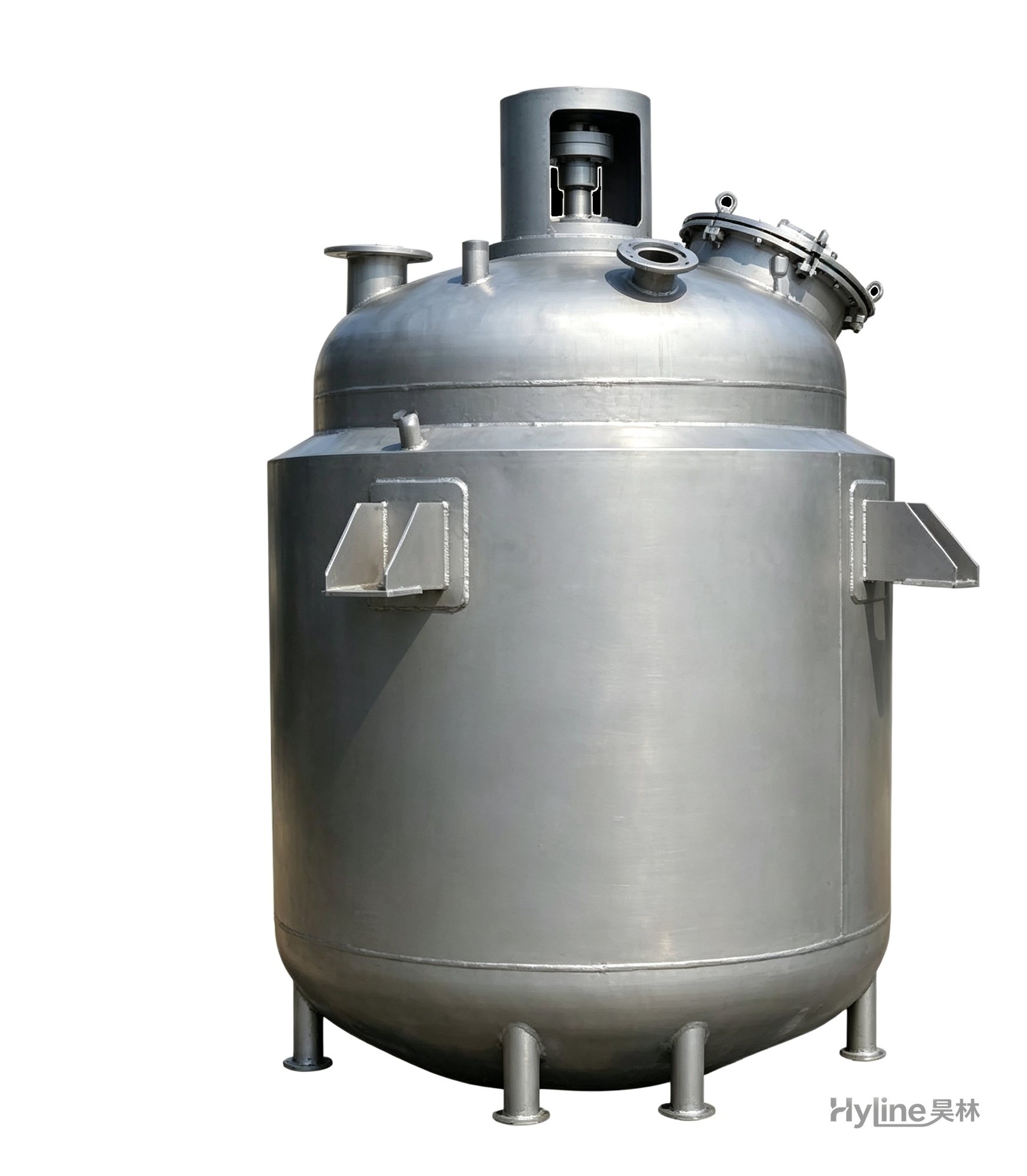
Jacketed Reactor
The typical main reaction vessel in chemical production. Mixing, heating and cooling disperse and mix materials for reaction and polymerization. The jacket circulates thermal oil/steam for heating or cooling water for temperature control.
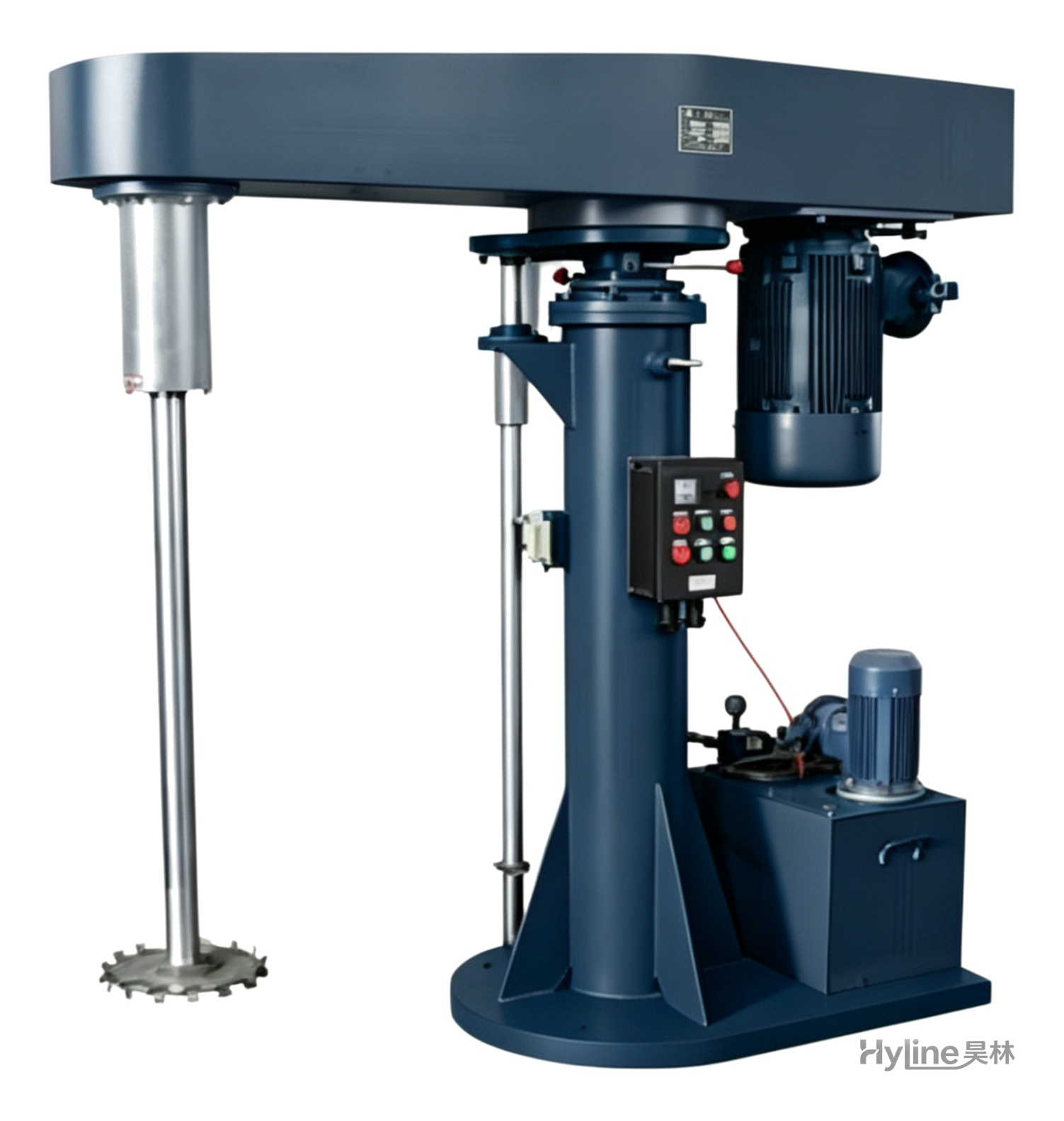
FL Series High-Speed Disperser
Stirs, dissolves and disperses liquids and powders, working alone or matched with sand mills. Variable-frequency drive with hydraulic lift, widely used in paints, inks, coatings, dyestuffs and papermaking.
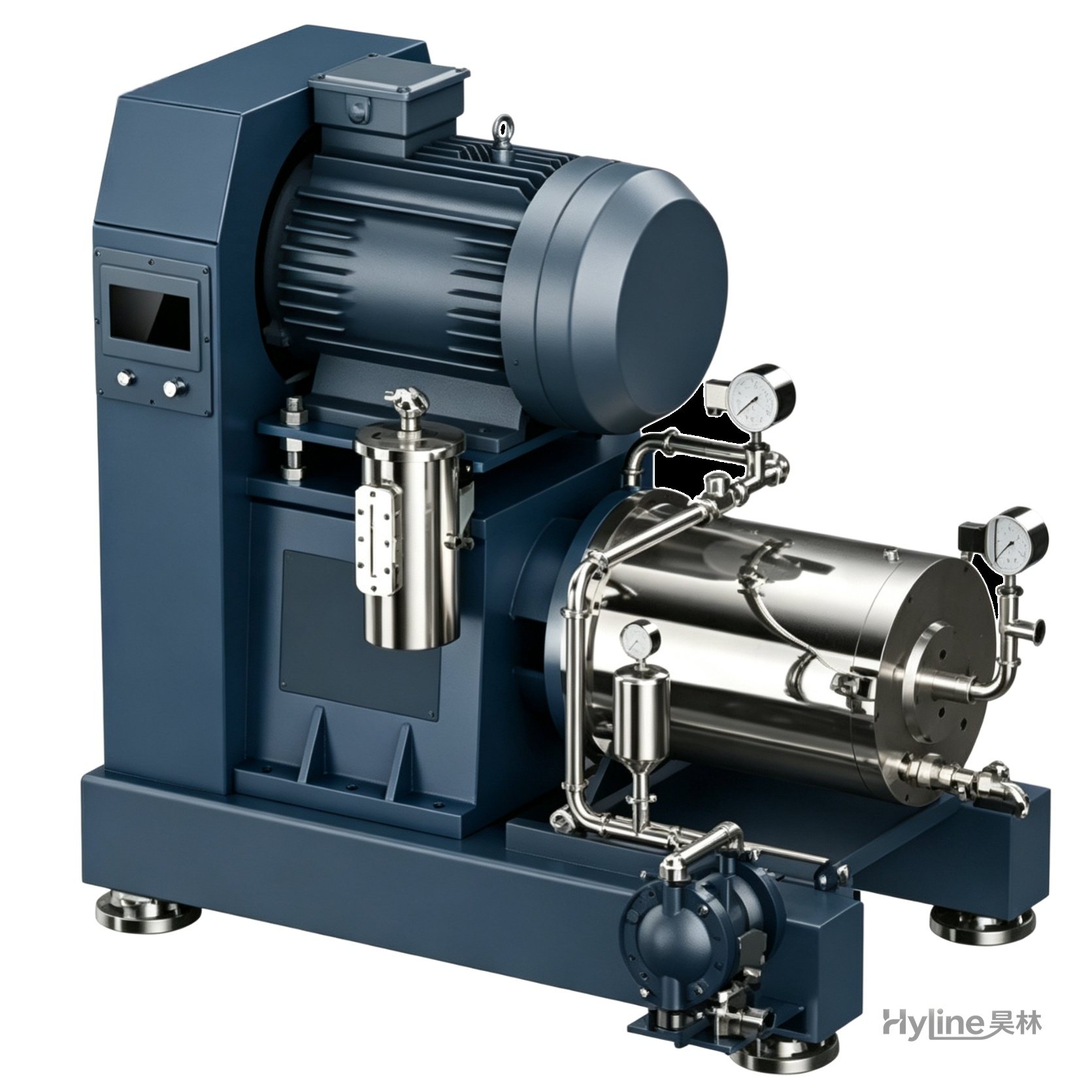
TDB Nano Sand Mill (Rod Pin Type)
Designed to advanced European standards with ample flow, excellent temperature control and high energy efficiency, achieving narrow particle size distribution at nano grade. Widely used in ceramics, inks, lithium battery materials, electronic slurries, nano pastes and pesticides.
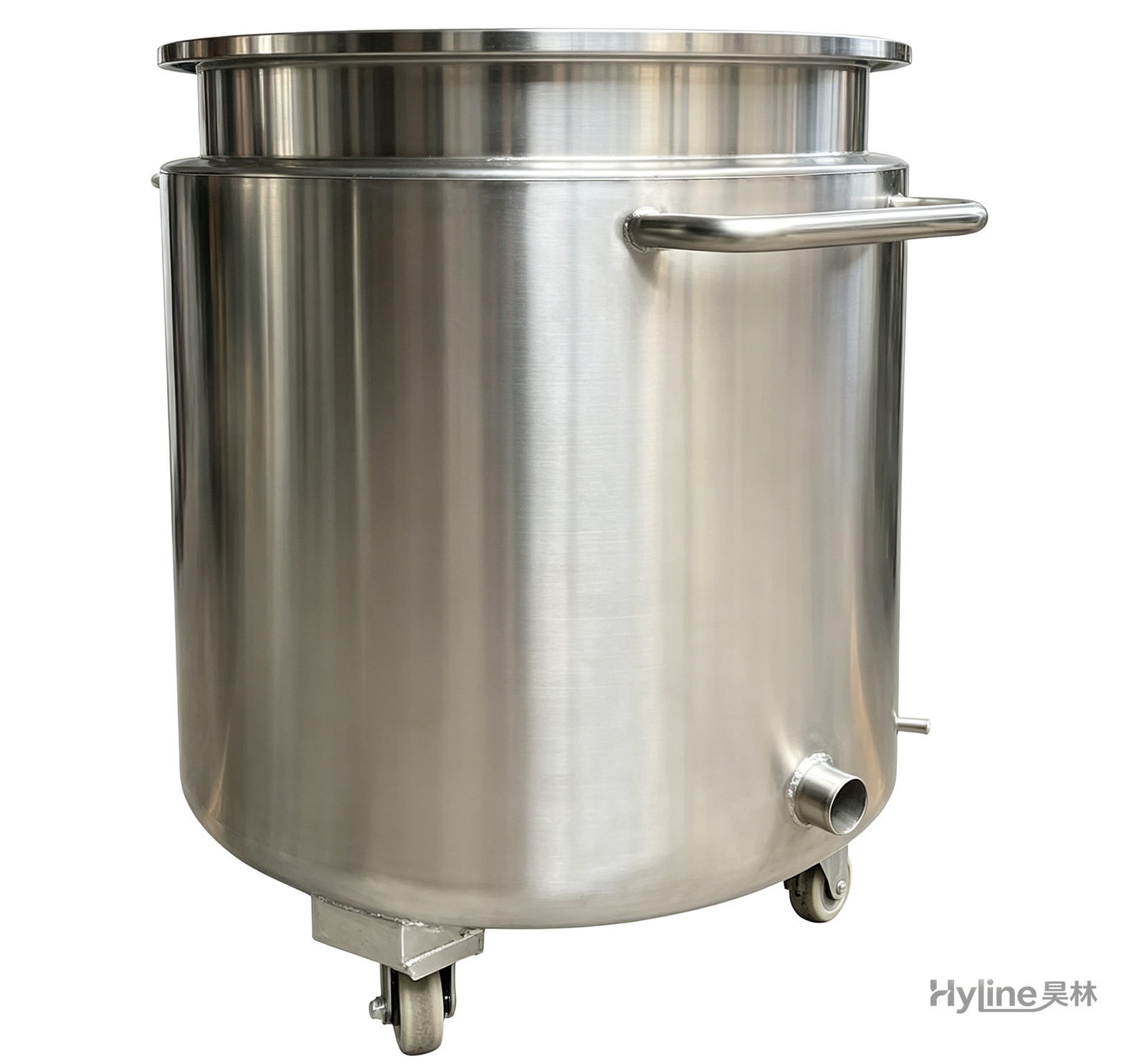
Stainless Steel Mixing Tank (Dispersion Drum)
Supporting vessel for dispersers and mixers in paints, coatings, adhesives, color slurries, inks and electronics. Available in 201/304 stainless with internal/external polishing and sloped bottom side discharge for complete draining.