
Chemical Market Weekly | 2026-11-11: Two soy-product plant-design group standards launched, 8,534 standards from sci-tech projects, EU packaging waste targets flagged
11/11/2026
Policy and standards activity accelerated this week: food factory design group standards, a nuclear power quality campaign, EU packaging regulation and US food safety oversight all moved forward or sent signals. For users of chemical and food processing equipment, reading these moves early matters more than tracking a single price index.
Two soy-product group standards launched: a new reference for plant design?
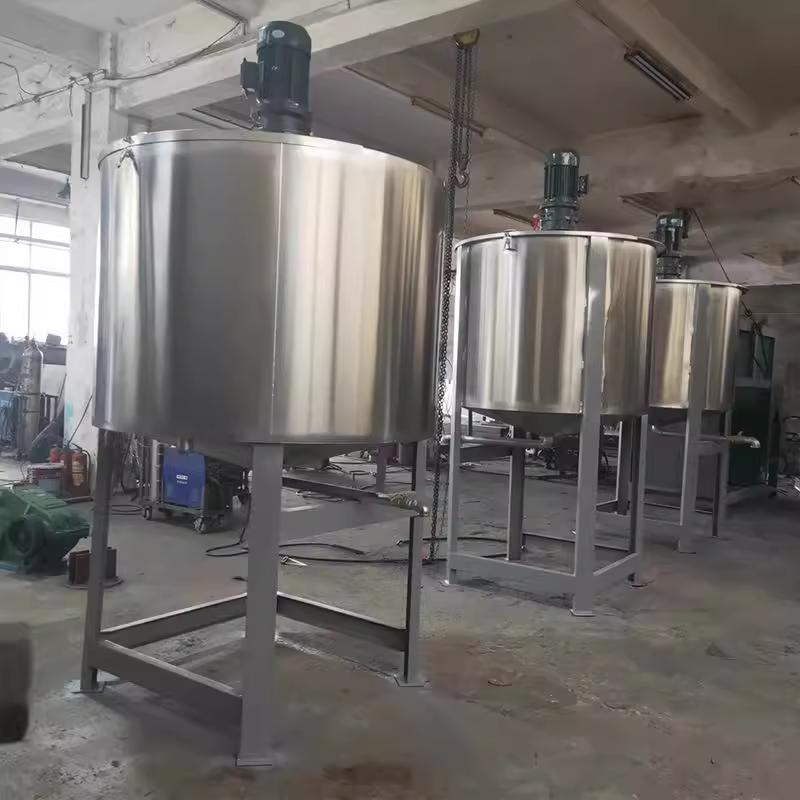
In short: plant layout and pollution control in the soy-products industry will soon have a more detailed basis. On October 15, the Soy Products Committee of the China Food Industry Association held the kick-off meeting, online, for two group standards, the "Soy Product Factory Design Guide" and the "Technical Guide for Treatment of Soy Processing Wastewater and Waste Gas". Experts from equipment makers, universities and leading soy-product producers discussed scope, framework and key chapters, and unanimously approved the main framework of both texts. Sanitary zoning, tank-area layout and wastewater treatment will all have clearer references, and the configuration of stainless mixing tanks and cleaning piping will be easier to match as the standards are refined. (Source: China Food Industry Association Soy Products Committee)
A five-year scorecard of 8,534 standards from sci-tech projects: what does it show?
In short: standard supply is speeding up, and drawings and acceptance criteria must keep pace. At the Hongqiao forum session on standards-driven innovation, China's State Administration for Market Regulation reported that during the 14th Five-Year Plan period national sci-tech projects produced 8,534 standards, with 59.5% of common key technology and applied research projects resulting in standards, and 348 standard-essential patents declared in international standards organizations. The session also released outcomes including one hundred best cases of standards "soft connectivity" along the Belt and Road, foreign-language versions of national standards, and a foresight report on frontier standardization fields. For manufacturers this means the cycle from project launch to executable standard is shortening, leaving less slack for design and factory inspection practices. (Source: State Administration for Market Regulation)
Nuclear quality campaign starts: why is design standardization put first?
In short: the "standardization plus modularization" path mirrors where chemical equipment delivery is heading. China's National Energy Administration launched a new round of the nuclear power safety and quality improvement campaign, calling for front-loaded source governance, faster design standardization, wider modular construction and smart-site practice, focusing on commissioning safety of new reactor types, fuel assembly reliability and non-nuclear risks. From single machines such as stainless steel reactors to turnkey line delivery, chemical equipment relies on the same standardized design language and repeatable construction organization, so upgrading design standards raises the baseline for manufacturing and acceptance. (Source: National Energy Administration)
Why did Germany set a 2029 target for bio-based plastics?
In short: a government action plan now writes bio-based packaging into an explicit mission. According to Renewable Carbon News, Germany's federal action plan "Sustainability for a Modern and Future-Proof Germany" lists 20 missions, one of which is raising the share of bio-based drop-in plastics in retail packaging by 2029. These plastics are chemically and molecularly identical to conventional ones and can be used and recycled the same way, so adoption barriers are relatively low. The policy tilt toward bio-based feedstock will keep propagating into raw material sourcing and processing across packaging and chemical chains. (Source: Renewable Carbon News)
Why is the EU packaging waste prevention target flagged early?
In short: the 2030 prevention targets face a real risk of being missed. Also according to Renewable Carbon News, the Fair Resource Foundation warned in its feedback to the EU packaging regulation evaluation that the 2030, 2035 and 2040 packaging waste prevention targets face a considerable risk of not being met: e-commerce volumes keep climbing, cardboard packaging is excluded from reuse targets, and the Netherlands and Belgium are named as member states facing clear implementation challenges. If prevention targets tighten, demand for packaging substitution and filling-line retrofits will follow. (Source: Renewable Carbon News)
US updates infant formula nutrition standards: what key risk was left out?
In short: standards update fast, but risk lists can update faster. According to C&EN, the US FDA updated nutrient standards for infant formula but did not address the botulism threat, after contaminated product sickened dozens of US infants last year. Every revision of food safety standards propagates along the "raw material - processing - filling" chain into new sanitary design requirements, and filling and cleaning configurations need to be checked against them. (Source: Chemical & Engineering News)
What do five new European decarbonization projects mean for the equipment supply chain?
In short: green hydrogen and carbon capture advance in parallel, and the equipment opportunities sit in heat exchange and separation. PROCESS Worldwide profiled five newly launched decarbonization projects across Europe: to meet its 2050 net-zero goal the region is investing in both directions, while industry experts caution that a full fossil phase-out still faces technical, economic and policy hurdles. For Chinese equipment makers, the heat exchange, separation and conveying steps behind these projects are engineering scenarios worth studying. (Source: PROCESS Worldwide)
Why is plastics pyrolysis still contested?
In short: the route dispute over chemical recycling will be settled by regulation and data. A C&EN investigation turned the spotlight on plastics pyrolysis, a way of converting waste plastic into fuels and chemicals that remains controversial, reviewing the disagreements over emissions, yields and economics. Whether pyrolysis goes mainstream depends largely on how later regulation defines "chemical recycling" and how openly plant operating data is published. (Source: Chemical & Engineering News)
Further reading: - Chemical equipment industry accelerates its shift from single machines to turnkey non-standard lines - How to accept reactor welds? Welding process, NDT and surface quality essentials
This digest was compiled by Haolin Shengda Equipment Manufacturing Co., Ltd. (hyline.cn); all information belongs to the original authors. The company makes stainless steel reactors, mixing tanks, storage tanks, dispersers, evaporators and complete chemical lines, with non-standard customization supported.
Related Products
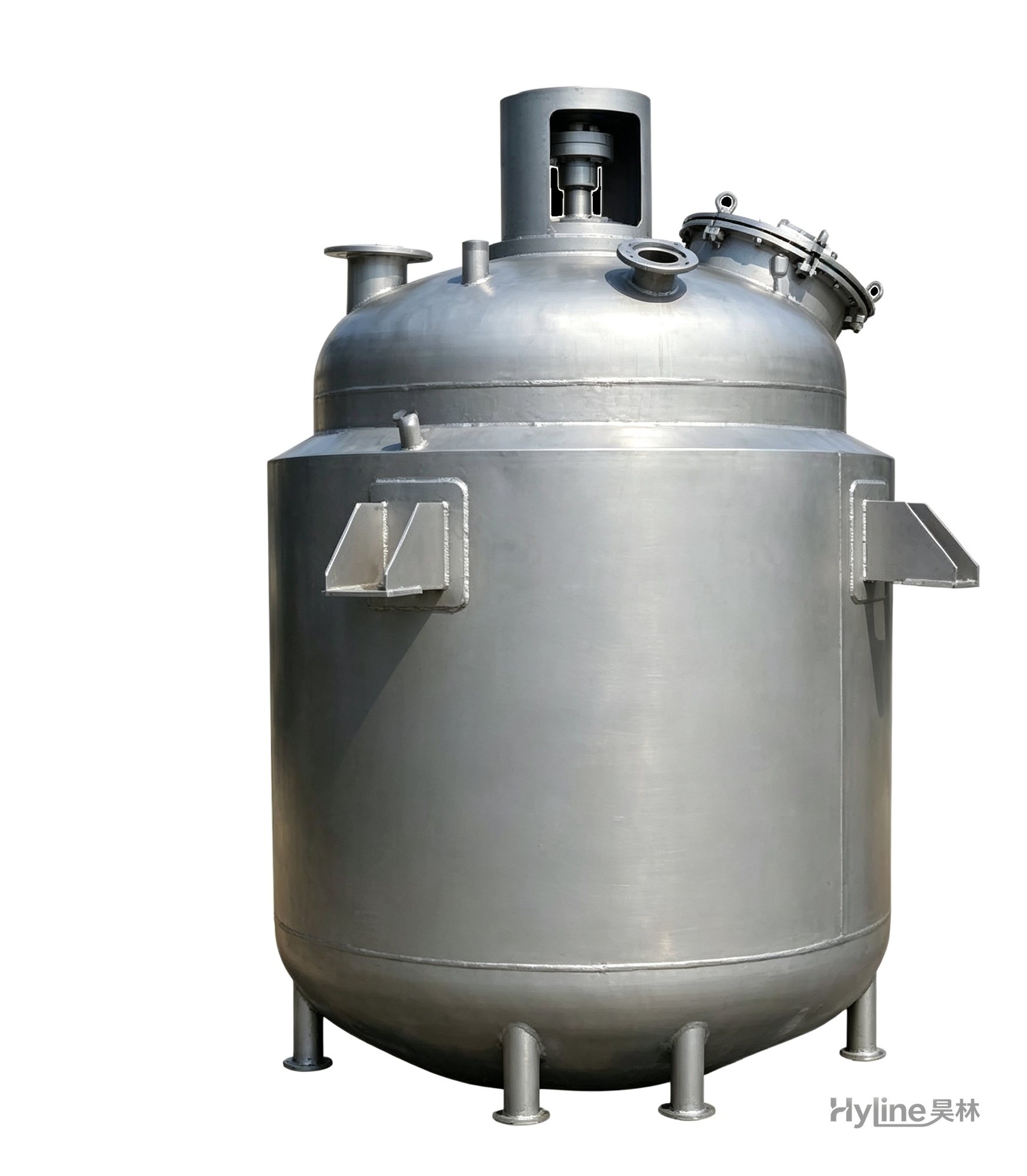
Jacketed Reactor
The typical main reaction vessel in chemical production. Mixing, heating and cooling disperse and mix materials for reaction and polymerization. The jacket circulates thermal oil/steam for heating or cooling water for temperature control.
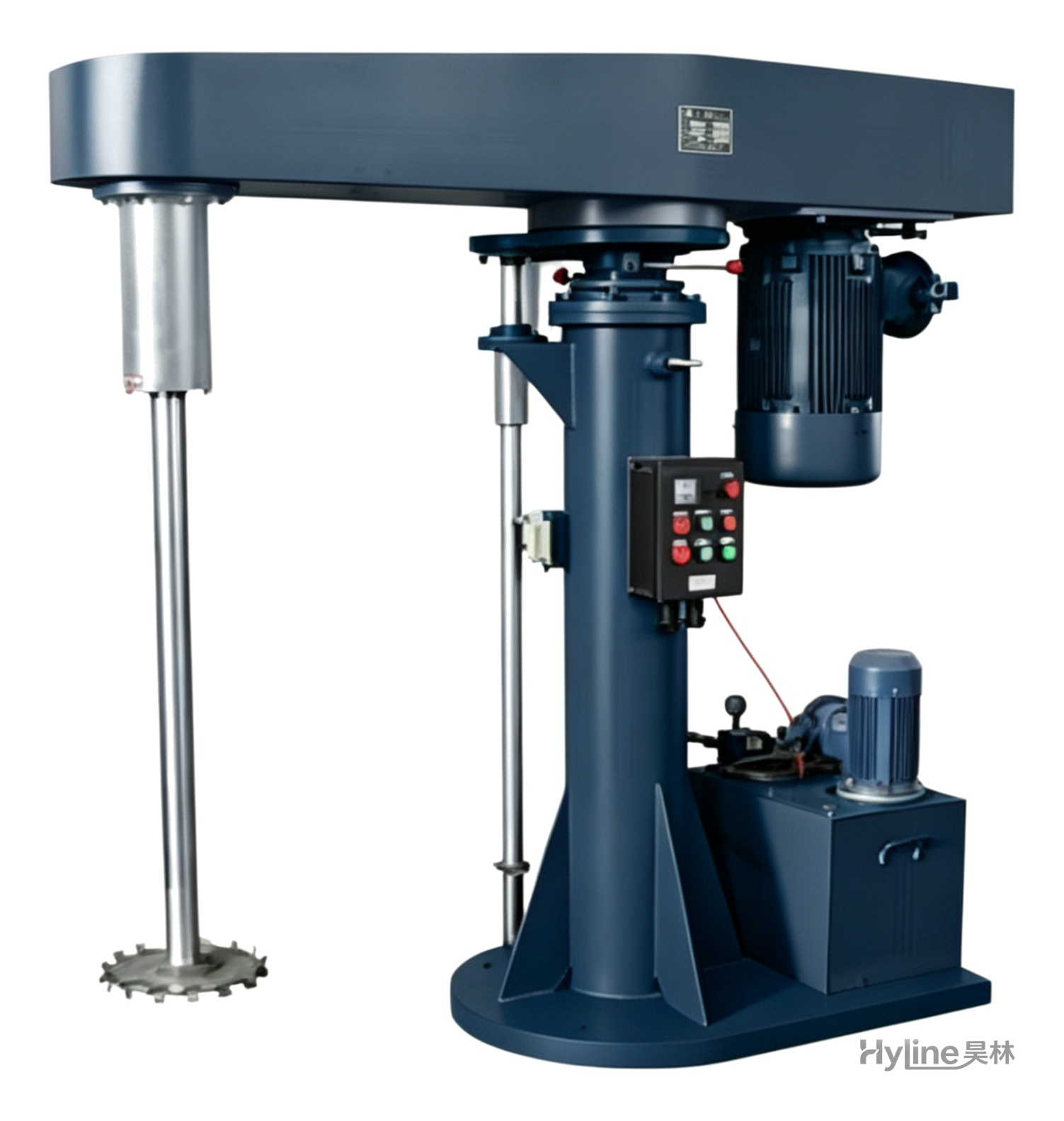
FL Series High-Speed Disperser
Stirs, dissolves and disperses liquids and powders, working alone or matched with sand mills. Variable-frequency drive with hydraulic lift, widely used in paints, inks, coatings, dyestuffs and papermaking.
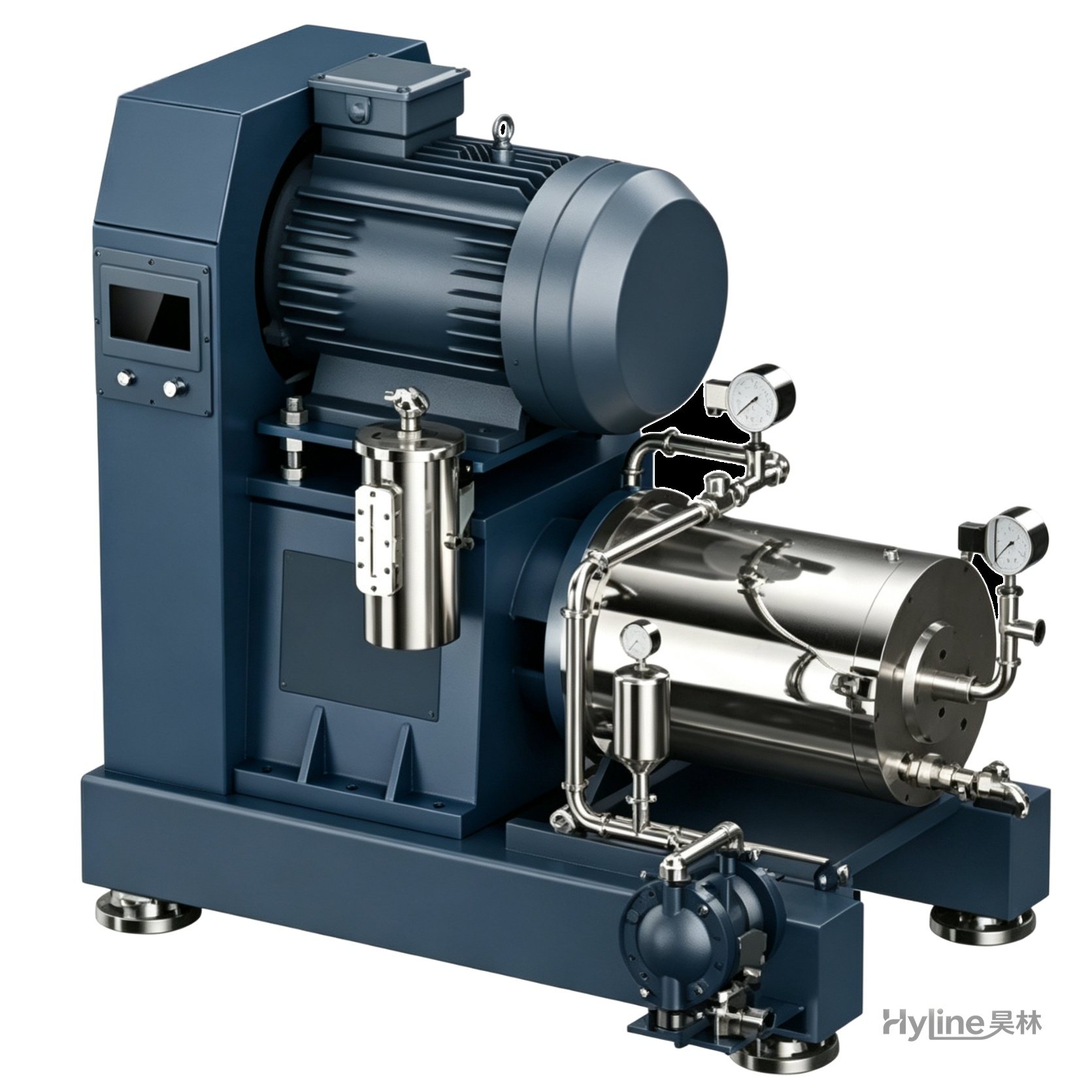
TDB Nano Sand Mill (Rod Pin Type)
Designed to advanced European standards with ample flow, excellent temperature control and high energy efficiency, achieving narrow particle size distribution at nano grade. Widely used in ceramics, inks, lithium battery materials, electronic slurries, nano pastes and pesticides.
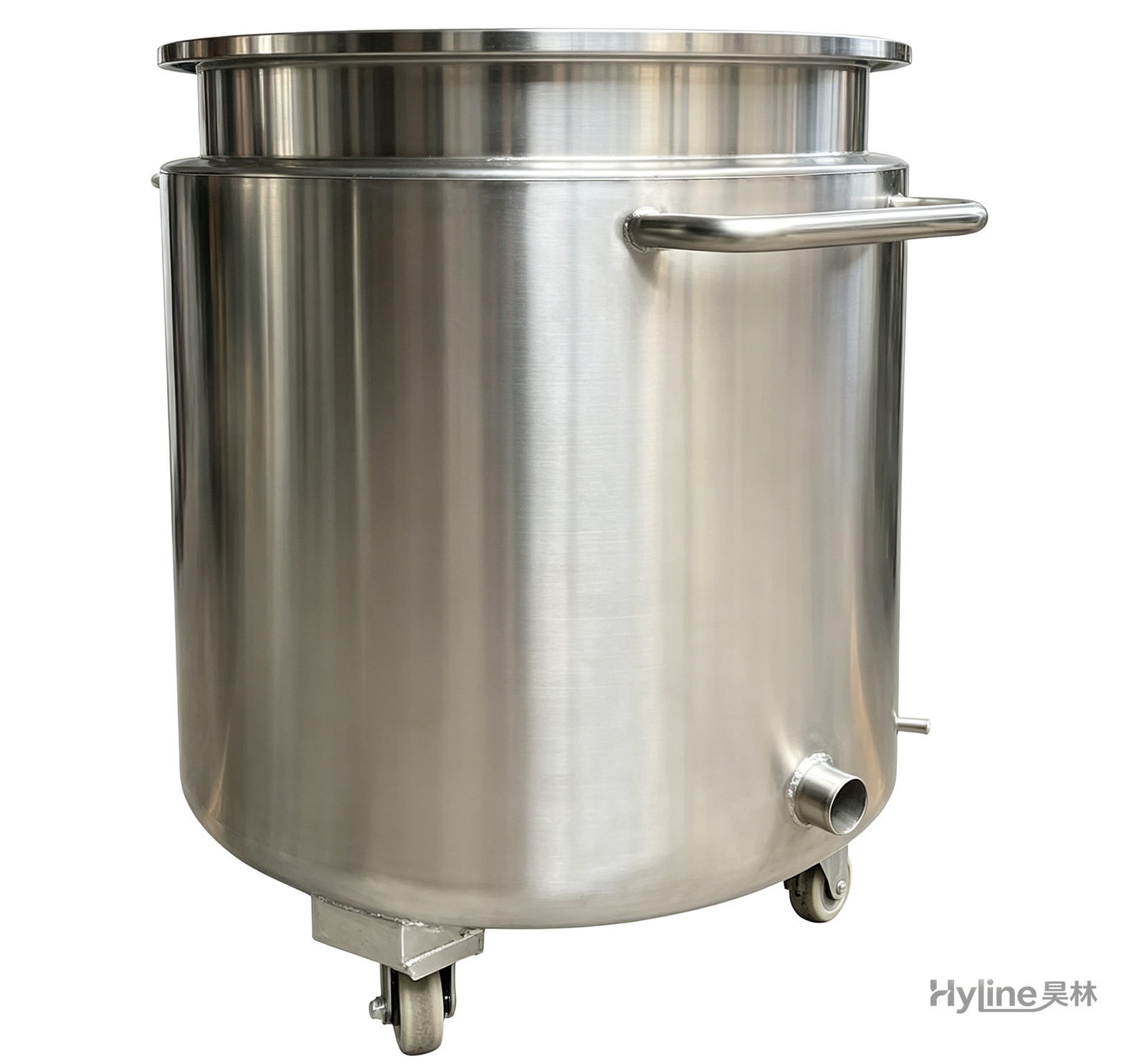
Stainless Steel Mixing Tank (Dispersion Drum)
Supporting vessel for dispersers and mixers in paints, coatings, adhesives, color slurries, inks and electronics. Available in 201/304 stainless with internal/external polishing and sloped bottom side discharge for complete draining.