
Chemical Market Weekly | 2026-11-12: New national test methods for cosmetics, barrier-repair ingredients in the spotlight, US food & beverage expansion slows
11/12/2026

This weekly focuses on three signals from the demand side: domestic food raw material prices staying low, new national standards for cosmetics quality control, and diverging investment paces in overseas beauty and food & beverage production lines. For procurement of batching, emulsifying and filling equipment, these changes directly affect order rhythm and configuration trade-offs.
How are domestic food raw material prices moving?
### Why are wholesale prices still hovering at low levels?
One-line conclusion: the wholesale price index is broadly stable, with protein and produce prices still low. According to the Ministry of Agriculture and Rural Affairs, the agricultural products wholesale price 200 index stood at 111.07 on November 11, up 0.02 points from the previous day; the average pork price was 14.77 yuan/kg, down 0.3%; eggs at 9.57 yuan/kg, up 0.4%; the average price of 28 monitored vegetables was 3.99 yuan/kg, down 0.7%; six monitored fruits averaged 6.60 yuan/kg, down 1.5%. With raw material costs low, food processors are channeling budgets toward hygienic upgrades and automated batching, supporting replacement purchases of stainless steel mixing and batching tanks.
Source: Ministry of Agriculture and Rural Affairs
### What does the weaker hog price mean for processors?
One-line conclusion: supply is ample and seasonal demand has not yet strengthened, so processors are working through low-priced raw materials. Monitoring of 500 county markets shows that in the first week of November the national live hog price was 10.11 yuan/kg, down 2.9% week on week; retail pork averaged 20.11 yuan/kg, down 1.2%; wholesale pork averaged 15.01 yuan/kg, down 3.1% and 16.7% lower than a year earlier. Analysts note that pork consumption has not yet turned seasonal. With input costs low and the Q4 curing and prepared-food season approaching, utilization of grinding, emulsifying and filling equipment is expected to recover.
Source: Ministry of Agriculture and Rural Affairs
What are the new references for cosmetics quality control?
### What do the new national test methods mean?
One-line conclusion: testing methods now have a unified benchmark, aligning quality-control practices across contract manufacturers and brands. China's State Administration for Market Regulation recently approved 673 important national standards and standardizing technical documents, including 21 mandatory standards and 615 voluntary ones; the batch includes 2 national standards for general test methods of cosmetics, plus 3 standards for degradable plastic products, 3 on tea storage and ecological tea plantations, and 30 standards for fluid-control and piping equipment such as industrial valves, ball-valve balls and jet pumps. With unified testing criteria, sampling and inspection frequency for creams and emulsions will rise, raising requirements for batch consistency and hygienic configuration of emulsifying tanks.
Source: State Administration for Market Regulation
What is the beauty formulation side chasing?
### Why has barrier repair become the main theme?
One-line conclusion: barrier health and post-procedure repair now lead formulation innovation. At the international personal care ingredients show in Bangkok on November 3-5, barrier-repair, simplified-suncare and skin-regeneration ingredients took center stage; exhibitors presented flaxseed-hull oligosaccharide ingredients for recovery after aesthetic procedures and formulation concepts targeting UV exposure and psychological stress. Industry specialists said consumers increasingly care about barrier integrity, moisture balance and tolerance, and actives with sustainable-sourcing claims remain popular. Upgrades eventually reach the production floor: higher active loads and tighter stability requirements make vacuum emulsifying, homogenizing-dispersing and low-temperature batching configurations more critical.
Source: Personal Care Insights
### What pain point does bacterial cellulose face masks solve?
One-line conclusion: bio-based carriers are replacing nonwoven and synthetic fiber mask substrates. According to Renewable Carbon News, a Spanish plastics technology research center described cosmetic applications of bacterial cellulose: Komagataeibacter bacteria produce an interwoven three-dimensional nanofibril network during fermentation, with strong water retention and skin-conforming flexibility; free of synthetic fibers and biodegradable, it can extend beyond mask substrates into burn dressings and wound care. Scaling such bio-based materials from lab fermentation to production makes fermentation and reaction equipment a key investment, where the material and temperature-control configuration of stainless steel reactors must be sized for fermentation duty.
Source: Renewable Carbon News
How is food and beverage manufacturing demand holding up?
### Why did US food and beverage expansion suddenly slow?
One-line conclusion: new project counts fell sharply month on month, but equipment upgrades and warehouse projects continue. According to Powder & Bulk Solids, a platform tracking planned North American capital projects identified 38 new food and beverage manufacturing projects in October, about 42% fewer than September — the first decline since July; September was the second-highest month of 2026 and March the highest at 66. October added 22 processing-facility projects and 18 distribution and warehouse projects, with 2 projects valued at 100 million dollars or more. The slowdown is about pace, not direction: hygienic retrofits, powder handling and filling automation at existing lines continue.
Source: Powder & Bulk Solids
### What is new on the dairy and beverage side?
One-line conclusion: ample raw material supply plus formulation innovation keeps processing demand steady. Citing the latest dairy statistics report, DairyReporter writes that New Zealand produced 2.02 billion kilograms of milksolids in the 2025/26 season, up 4.5%, from 21.8 billion liters of milk, up 3.5%; milksolids improved from 8.48% of milk in 2000/01 to 9.27%, while herd numbers fell to 10,268 as per-cow performance rose — ample supply that favors deep processing. On formulation, FoodNavigator reports that clear protein — highly filtered whey protein isolate with fat and lactose removed — frees high-protein drinks from their milky, thick texture, bringing protein into soft drinks and flavored waters; more frequent small-batch changeovers raise flexibility requirements for filling machines and batching systems.
Source: DairyReporter
Source: FoodNavigator
Further reading: - Chemical Market Weekly | 2026-10-22 - Chemical Market Weekly | 2026-10-29
This digest is compiled by Haolin Shengda Equipment Manufacturing Co., Ltd. (hyline.cn); all information belongs to the original authors. The company manufactures stainless steel reactors, mixing tanks, storage tanks, dispersers, concentration vessels and complete chemical production lines, with non-standard customization available.
Related Products
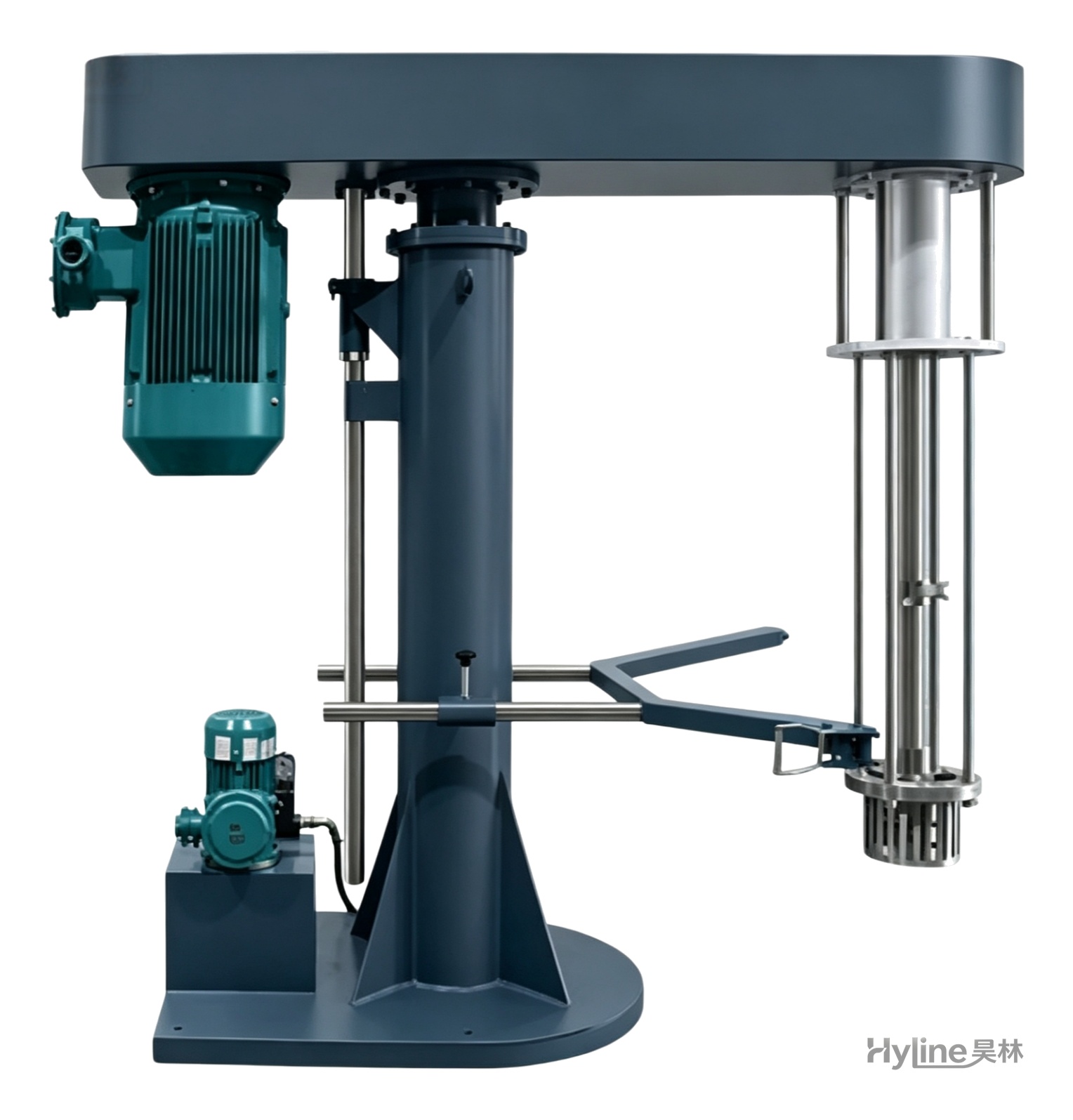
GJD Series Emulsifying Disperser
For emulsification, mixing and dispersion in coatings, inks, pesticides and papermaking. Powerful high-speed shear achieves required fineness and uniformity in a short time.
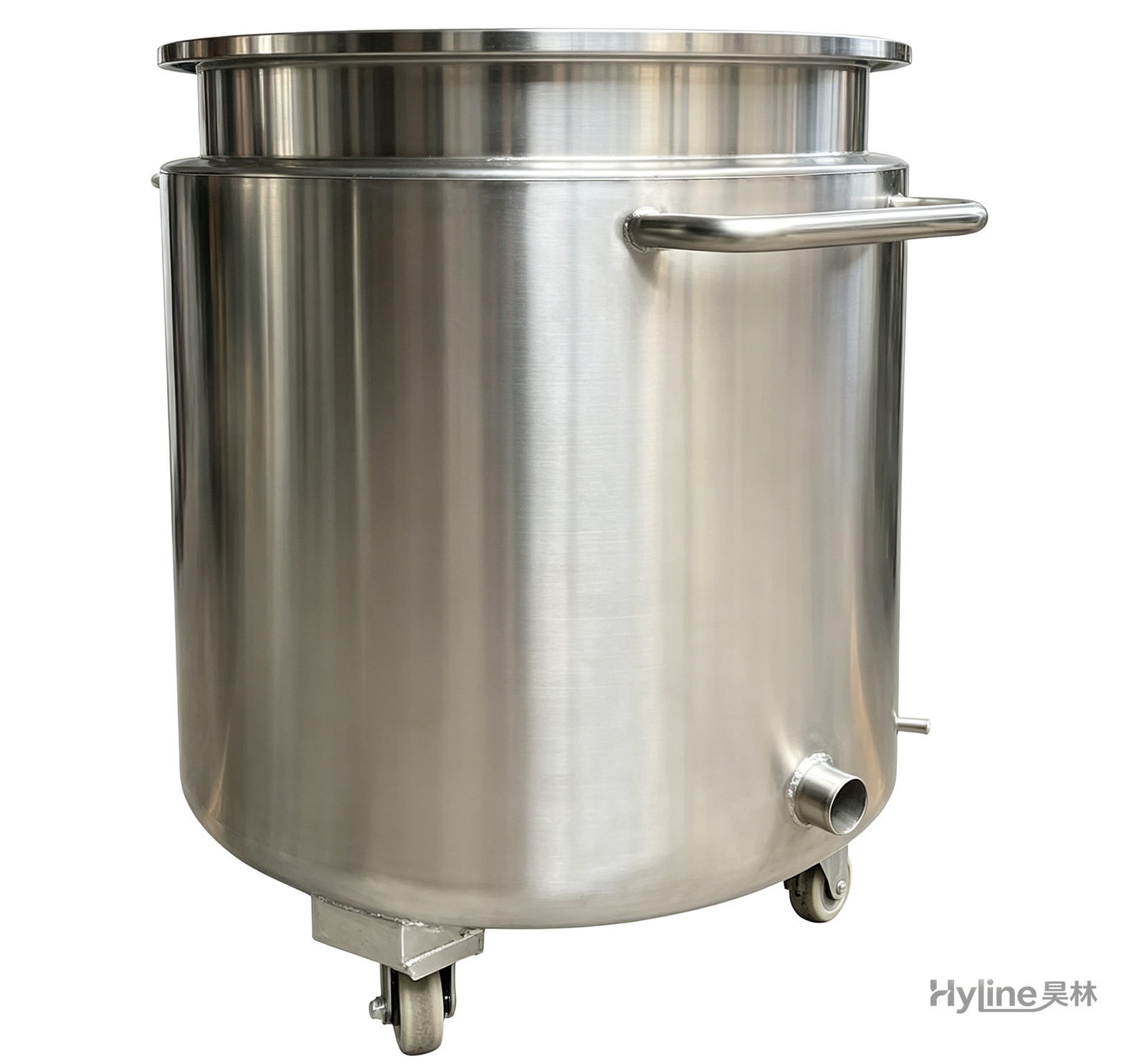
Stainless Steel Mixing Tank (Dispersion Drum)
Supporting vessel for dispersers and mixers in paints, coatings, adhesives, color slurries, inks and electronics. Available in 201/304 stainless with internal/external polishing and sloped bottom side discharge for complete draining.
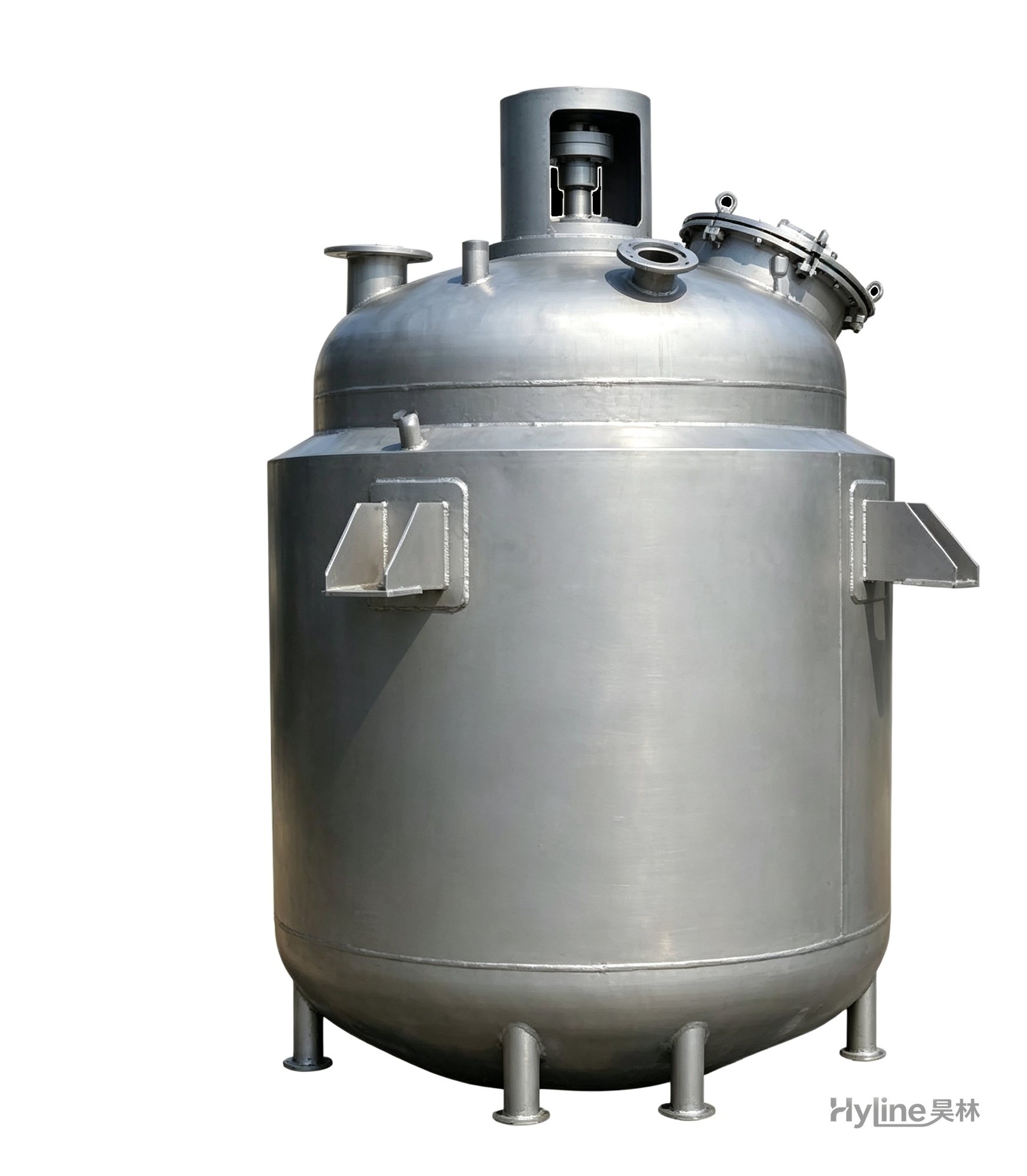
Jacketed Reactor
The typical main reaction vessel in chemical production. Mixing, heating and cooling disperse and mix materials for reaction and polymerization. The jacket circulates thermal oil/steam for heating or cooling water for temperature control.
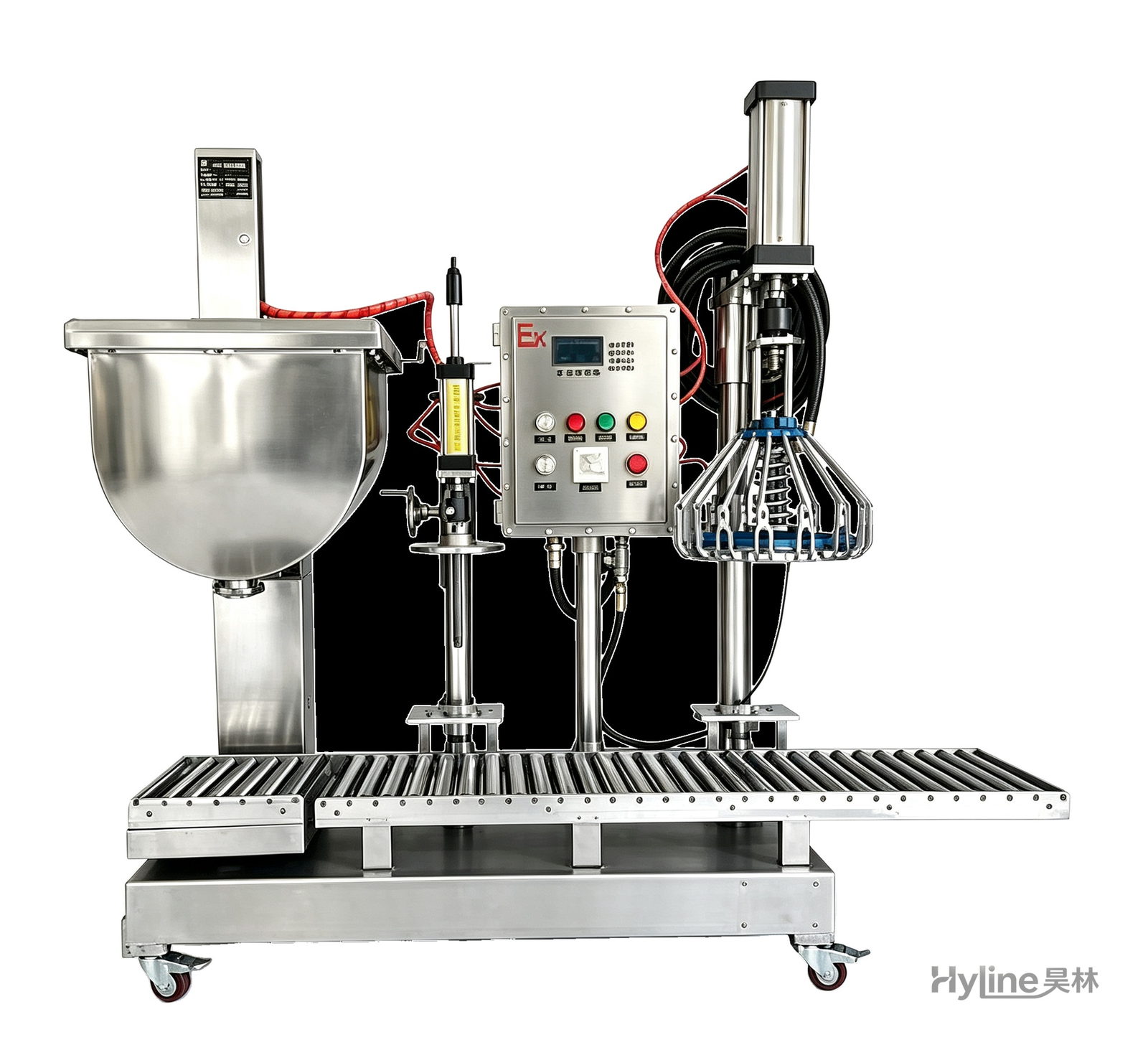
Weighing Semi-Automatic Filling Machine
Designed for frequent packaging changes with dual capping. European weighing technology with Siemens PLC: automatic feed speed adjustment and precision correction, triple protection (emergency stop/power-off/tank removal), explosion-proof fittings.