
How to choose a biodiesel reactor? Transesterification, methanol recovery and alkali-resistant material
11/11/2026
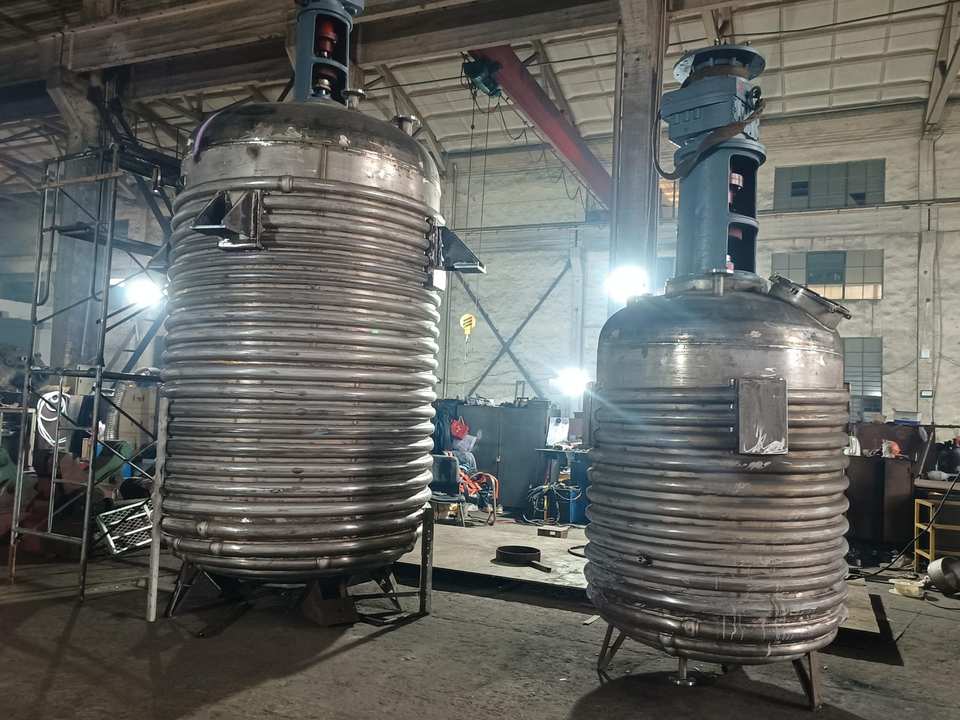
Biodiesel is made from waste oils, acid oil or animal and vegetable fats, converting triglycerides into fatty acid methyl esters through transesterification, and capacity keeps expanding year after year. The equipment demand of this industry has a very typical signature: the process is not complicated, but the corrosion resistance, sealing and explosion-protection requirements are anything but forgiving. Many newcomers order equipment with the mindset of an ordinary oil-mixing tank and are then taught, one by one, by saponification fouling, methanol leakage and phase-separation discharge. Choosing a reactor that matches transesterification duty from the start costs far less than retrofitting after start-up. This article covers the selection points across five angles: duty cycle, material, agitation and temperature control, methanol recovery and explosion protection, and volume-batch sizing.
What makes biodiesel reactor duty difficult?
Short answer: strong alkali catalysis, methanol vapor and glycerol phase separation stacked together — it is not an ordinary oil-mixing machine.
Alkali-catalyzed transesterification is the mainstream route: potassium or sodium hydroxide dissolved in methanol serves as the catalyst, making the system strongly alkaline. Free fatty acids in the feed oil saponify on contact with the alkali; the soap not only consumes catalyst but emulsifies the system, so glycerol will not separate cleanly after the reaction. The reactor must therefore withstand strong alkali while providing the means to control saponification and separation — temperature, feed order and agitation intensity all follow from this system. Methanol boils at 64.7°C at atmospheric pressure, the reaction runs right against that point, methanol vapor is continuously generated, and the vessel must be closed with reflux — every leak point is both a safety risk and a material loss.
Phase separation is the other hurdle. After the reaction and settling, the denser glycerol phase sinks to the bottom while the upper methyl-ester phase is the product. The bottom discharge must support sequential phase draining: glycerol first, then the ester phase, or observed withdrawal through a sight glass on the interface. Bottom valve type, discharge height and sight-glass position can be arbitrary on ordinary blending tanks, but on a biodiesel reactor they directly determine yield and operator workload.
Feedstock pretreatment also takes equipment. Oil is usually dewatered and screened before charging: high-moisture feedstock consumes alkali and worsens saponification, while mechanical impurities settle at the bottom and inside the discharge valve, complicating cleaning later. Some lines dewater and screen in a separate pretreatment tank so the reactor receives qualified feed only; others heat up in the vessel to dewater before transesterification. The two routes differ in volume and heating-power requirements — pin down your feedstock moisture and impurity specs before ordering.
How to decide the material? Start with 316L
Short answer: strong alkali plus free fatty acids plus chloride risk — all product-contact surfaces start at 316L, with internals in the same material.
Feedstock fluctuation is the norm: free fatty acids, water and chloride content vary batch to batch in waste and acid oils. The soap liquor from alkali catalysis pits 304, and trace chlorides accumulated in methanol service induce stress corrosion over time. For well-refined, stable vegetable oil duty, 304 has successful service records; but for lines running waste oils as the main feed, we recommend 316L on all product-contact surfaces with solution-annealed or pickled-passivated welds — do not save the material budget where it cannot be seen. If internals such as the agitator shaft, thermowell and coils contact the shell as dissimilar metals, crevice galvanic corrosion follows; require the same material or isolation design at selection.
Wall thickness and pressure rating can be atmospheric or slightly pressurized — transesterification itself does not build pressure; but the jacket-side steam or thermal-oil pressure follows the saturation pressure of the heating temperature, and shell flanges and manway gaskets need temperature- and alkali-resistant materials. At acceptance, check the material certificates and weld inspection records against the contract before signing — feedstock corrosivity in this industry fluctuates, and material certificates are the basis for future traceability.
How to configure agitation and temperature control?
Short answer: transesterification is mass-transfer controlled — agitation intensity decides conversion; run just below the methanol boiling point, closed, slightly pressurized, with condensing reflux.
Methanol and oil are immiscible; the reaction relies on agitation to disperse methanol into fine droplets entering the oil phase — the finer the droplets and the larger the interface, the higher the conversion. A propeller or pitched-blade impeller with baffles is the common configuration; speed is calculated from volume and impeller diameter, keeping the surface gas-free without noticeable methanol vapor escape. Two-stage feeding (alkali-methanol first, oil added in stages, or catalyst split into portions) demands even better agitation uniformity, so check impeller stages against the liquid-level swing. Temperature control sits at 60-65°C: lower is slow, above the boiling point methanol escapes in volume. Jacket steam or thermal-oil heating both work, and no internal coils — coils hinder glycerol settling and collection during the phase-separation stage, a key structural difference between biodiesel reactors and ordinary ones.
| Process step | Temperature | Agitation | Duration reference |
|---|---|---|---|
| Pre-mix & feeding | 40-50°C | Medium speed, no gas entrainment | 20-40 min |
| Transesterification | 60-65°C | Full speed, droplet refining | 60-120 min |
| Settling & phase split | Agitation off, keep warm | Off | 2-4 h |
| Water wash & soap removal | 50-60°C | Gentle | 30-60 min |
During settling the vessel must stop agitation completely and hold temperature — jacket insulation directly affects separation quality; the water-wash stage then resumes gentle agitation to avoid re-emulsification. One vessel spans several very different agitation duties, so variable-frequency speed control is standard equipment, not an option.
Thermowell placement is worth attention too. Transesterification is temperature-sensitive; a sleeve inserted too shallow measures only local temperature. The reaction heat is modest, but in winter with cold feed, a poorly managed heat-up makes conversion fluctuate. Temperature instruments should carry high/low alarms: on over-temperature, stop heating first and then reduce agitation to avoid a large methanol release. Lines with temperature monitoring at the condenser outlet catch poor condensation early — it is often the signal of methanol carryover.
How to handle methanol recovery and explosion protection?
Short answer: explosion protection runs from the motor through every instrument; condensing reflux plus tail-gas treatment as double insurance; static grounding along the whole line.
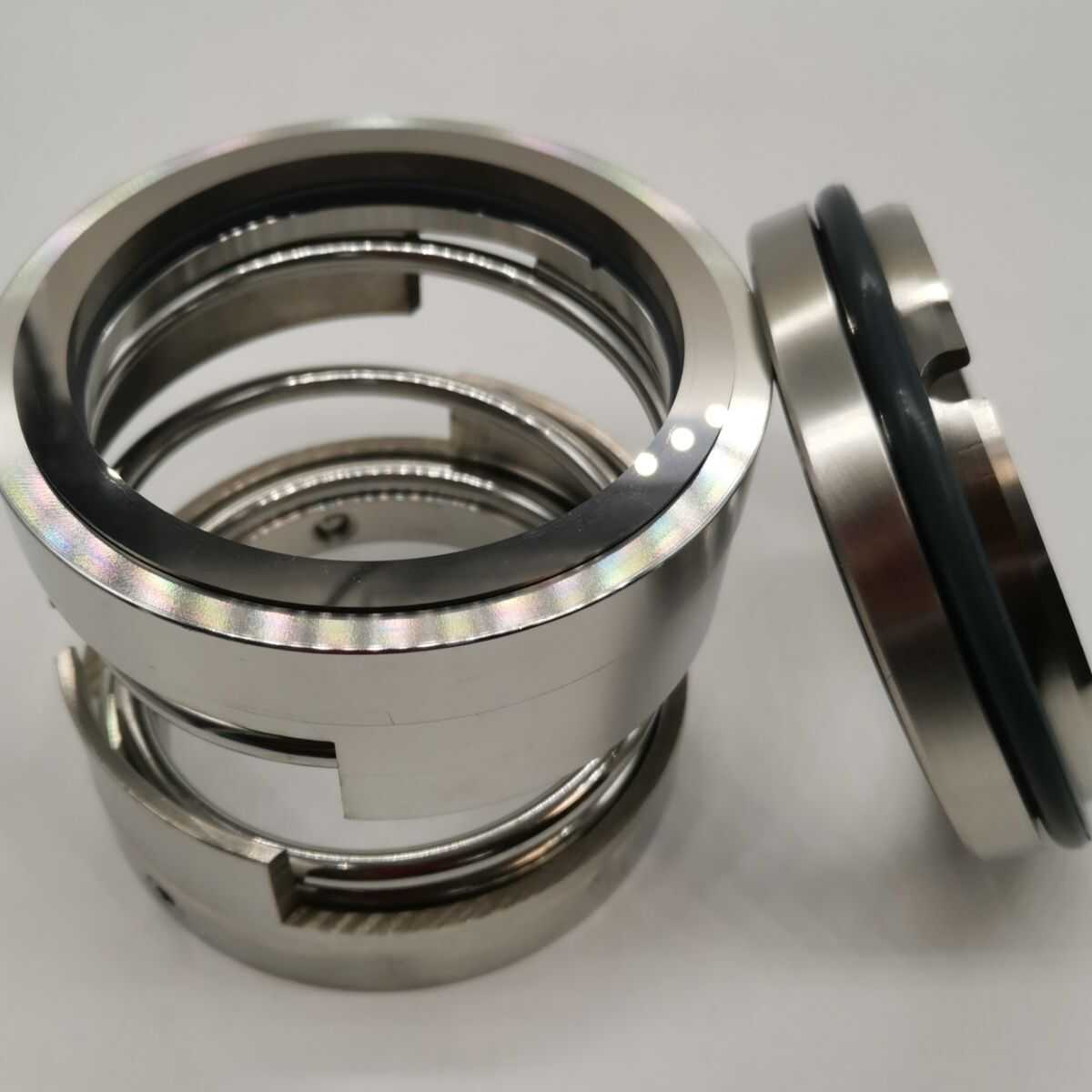
Methanol has a low flash point, vaporizes easily and forms explosive mixtures with air, so the protection level of the reactor area must be set as a whole per code: motors, agitator drives, level gauges and temperature-pressure instruments all in explosion-proof versions, with control cabinets placed separately or pressurized. A condenser returns or collects methanol vapor generated during reaction and heating into the methanol storage, reducing emissions; tail gas passes a water seal or treatment before venting. Anti-static grounding across the system is the baseline — static from flowing methanol is enough to ignite its own vapor, so pipe bonding, vessel earthing and static-release devices at feed points cannot be skipped. Methanol feedstock and by-product glycerol are commonly moved in IBC totes within the protected area; their grounding and placement belong to the same management regime. Electrical configuration takes a visible share of the quotation, but this is money that must not be saved — check every explosion-proof certificate at acceptance.
The protected-area extent follows the process layout drawing — keep the code-required distances between the reactor, methanol storage and feed points, and hand the layout drawing to the manufacturer at ordering so flange and cable interfaces are treated correctly the first time.
How to size volume and batches?
Short answer: back-calculate vessel count and volume from daily output and single-vessel cycle, count the settling time, and keep a fill factor of 0.7.
A single-vessel cycle is more than the hour or two of reaction: feeding and pre-mix, transesterification, settling, glycerol drain, water wash, ester discharge and cleaning — a full round typically takes six to eight hours. Divide daily capacity by the cycle to get the number of vessels running concurrently; common configurations are two reactors alternating with separate settling tanks, or reaction and separation in the same vessel staggered by schedule. Volume back-calculates from batch size times fill factor 0.7 — phase separation needs a clear interface and enough settling headroom; fill too high and the interface sits close to the discharge, carrying glycerol into the ester phase. For a 10,000-ton-per-year line, two to four reactors of 5-10 m³ is the common scale; smaller start-ups can begin with several small vessels, which controls risk better than one large vessel ordered up front.
Layout also needs room for operation. Phase draining requires observing the interface and switching valves by hand, so keep generous access around the vessel bottom; methanol lines, nitrogen-blanketing lines and discharge piping are routed at the order-drawing stage — re-routing after arrival means hot work inside protected zones. These details never appear in the parameter sheet, but they decide how smoothly the plant runs; raise them with the manufacturer at the same time.
How to finalize the configuration?
The hard part of biodiesel reactor selection is not any single parameter but matching the whole duty chain: material follows feedstock fluctuation, agitation follows conversion, explosion protection follows methanol, volume follows the separation rhythm — touch one and the rest move. Hyline Shengda Equipment Manufacturing Co., Ltd. (hyline.cn) has delivered multiple transesterification equipment configurations for oleochemical clients, from stainless mixing tanks for pretreatment to the reactor itself and supporting tank areas, and we can evaluate the whole scope against your feedstock specs and capacity plan. Send us your feedstock type (waste oil / acid oil / refined oil), target output and site conditions, and you will get the configuration, material list and quotation together.
Further reading: - Reactor heating and cooling compared: jacket, external coil and internal coil - How to choose reactor material? 304, 316L and clad plate by corrosivity
This article is prepared by Hyline Shengda Equipment Manufacturing Co., Ltd. (hyline.cn)
Q&A from this article
Frequently asked questions and answers from this article
Short answer: back-calculate vessel count and volume from daily output and single-vessel c…
Related Products
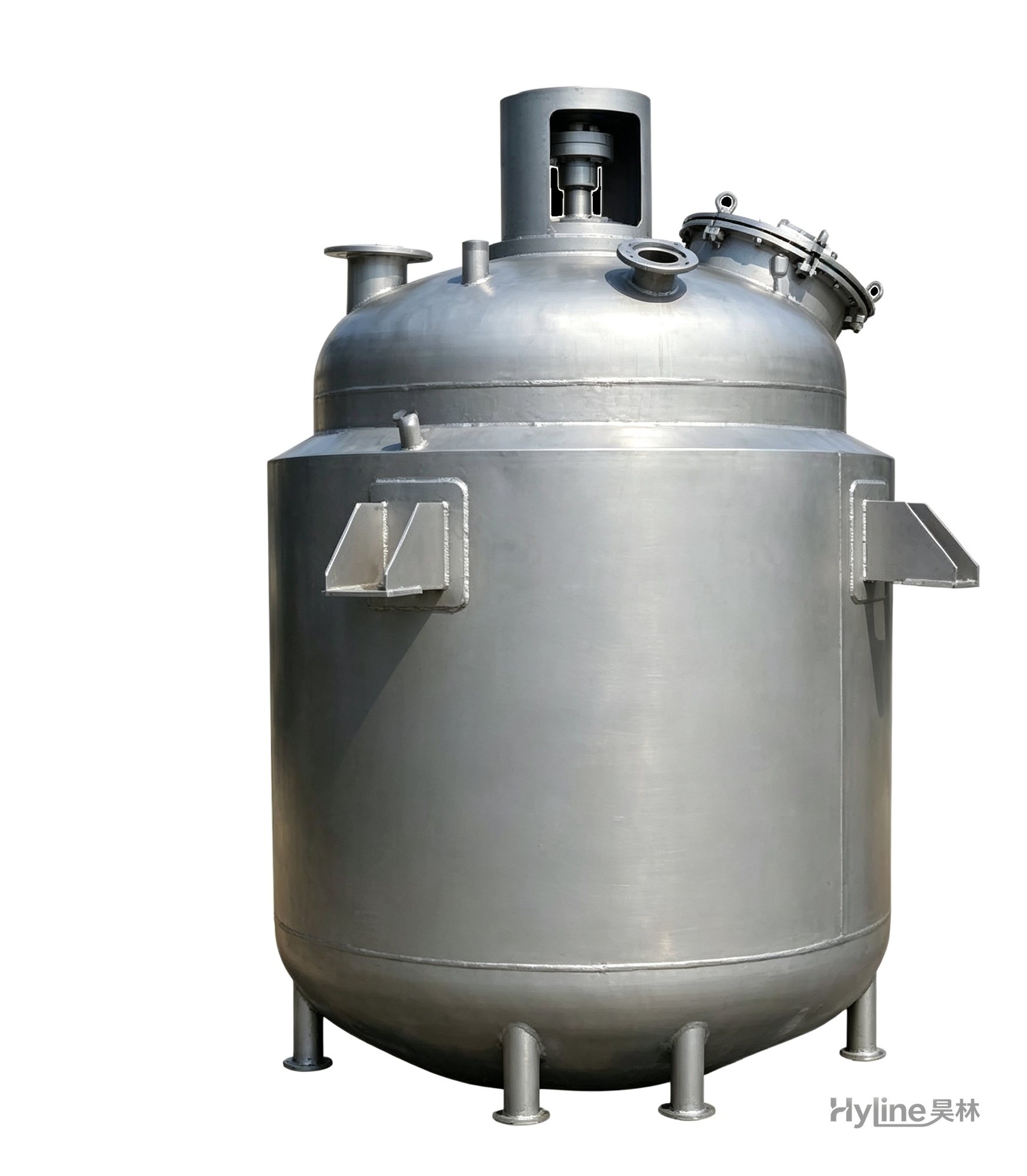
Jacketed Reactor
The typical main reaction vessel in chemical production. Mixing, heating and cooling disperse and mix materials for reaction and polymerization. The jacket circulates thermal oil/steam for heating or cooling water for temperature control.
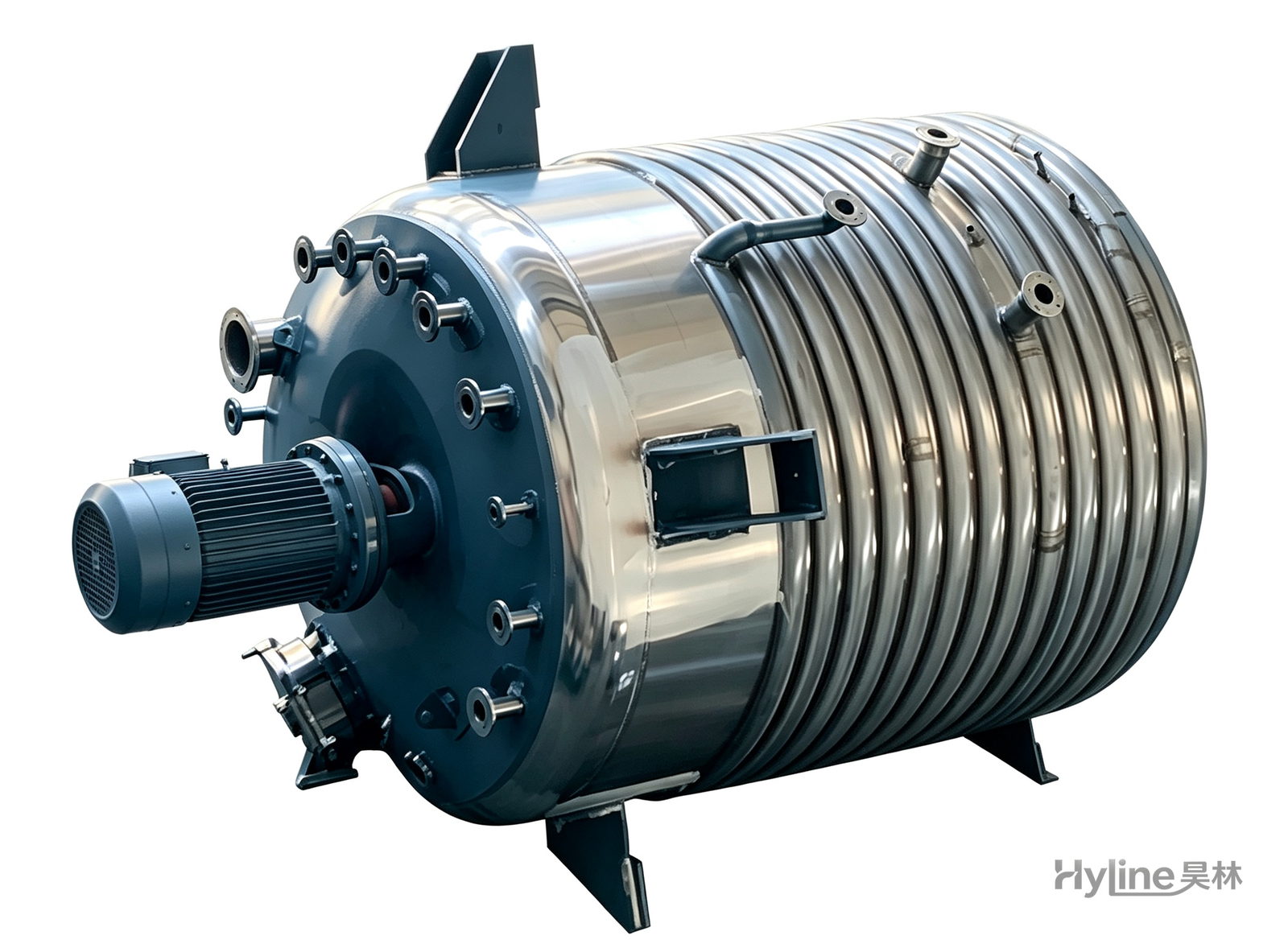
External Half-Coil Reactor
External half-pipe heating & cooling coils provide uniform, efficient heat exchange with zero material dead zones inside. Mirror-polished 304/316L stainless tank is clean and corrosion-resistant. For resin, new-energy slurry and pharmaceutical synthesis.
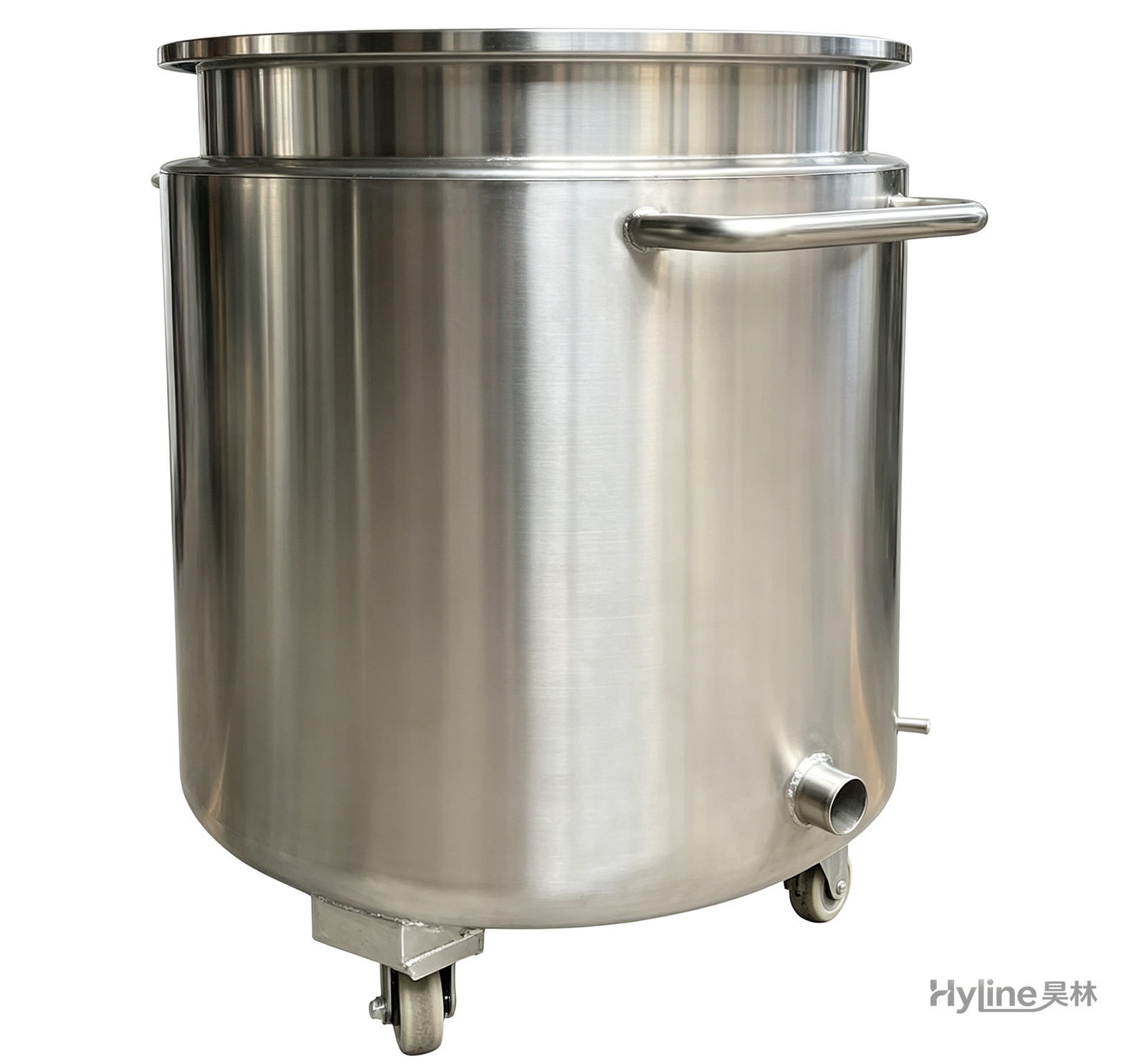
Stainless Steel Mixing Tank (Dispersion Drum)
Supporting vessel for dispersers and mixers in paints, coatings, adhesives, color slurries, inks and electronics. Available in 201/304 stainless with internal/external polishing and sloped bottom side discharge for complete draining.
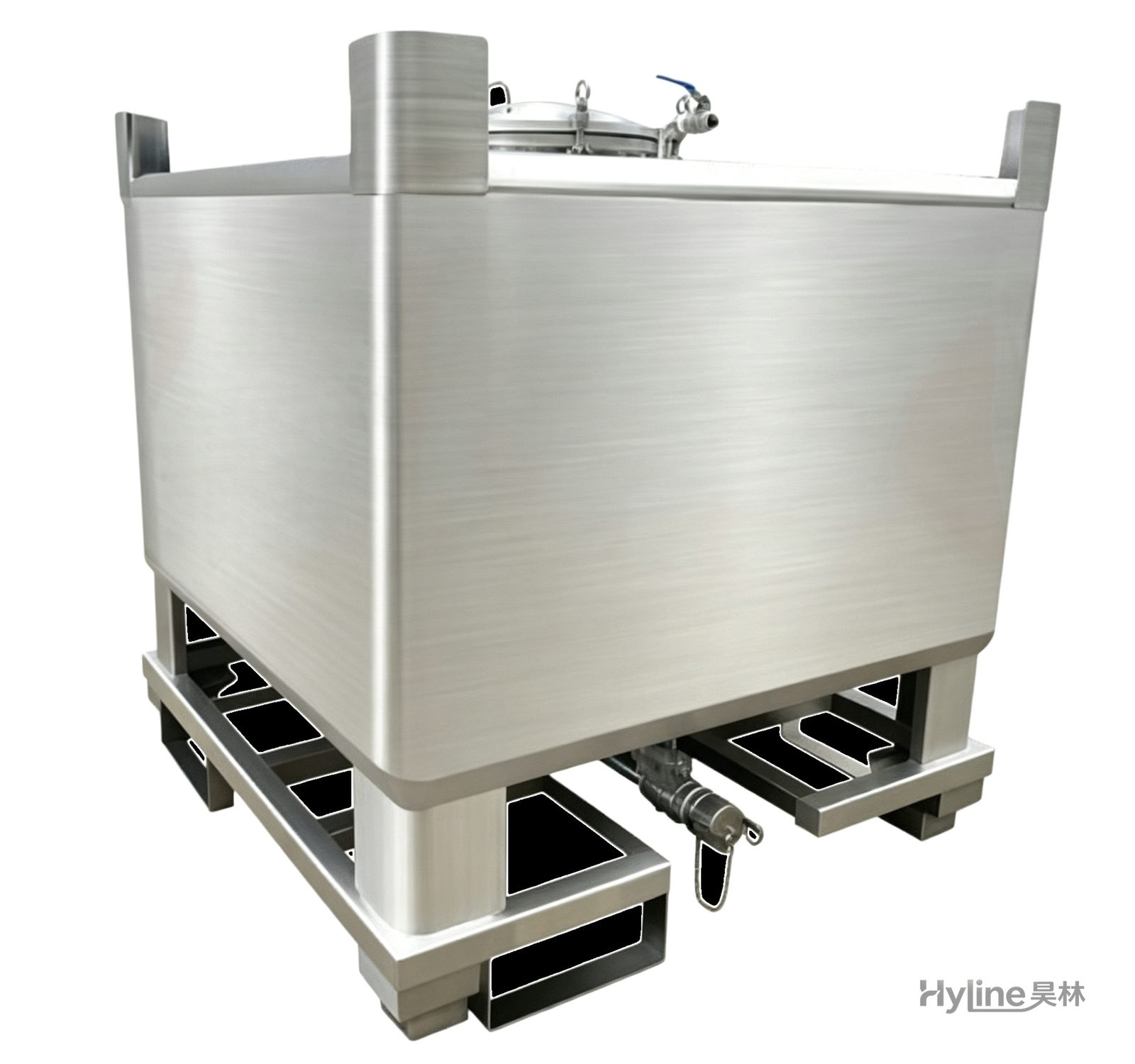
IBC Tank (Intermediate Bulk Container)
HDPE blow-molded liner with hot-dip galvanized steel frame - UV resistant, anti-aging, easy to clean, non-toxic. Four-way fork base for easy handling and stacking; ideal for liquid storage and transport.