
How to choose a reaction vessel for the synthesis of precursor materials for lithium-ion positive electrodes? Key points of material, mixing and temperature control
10/26/2026
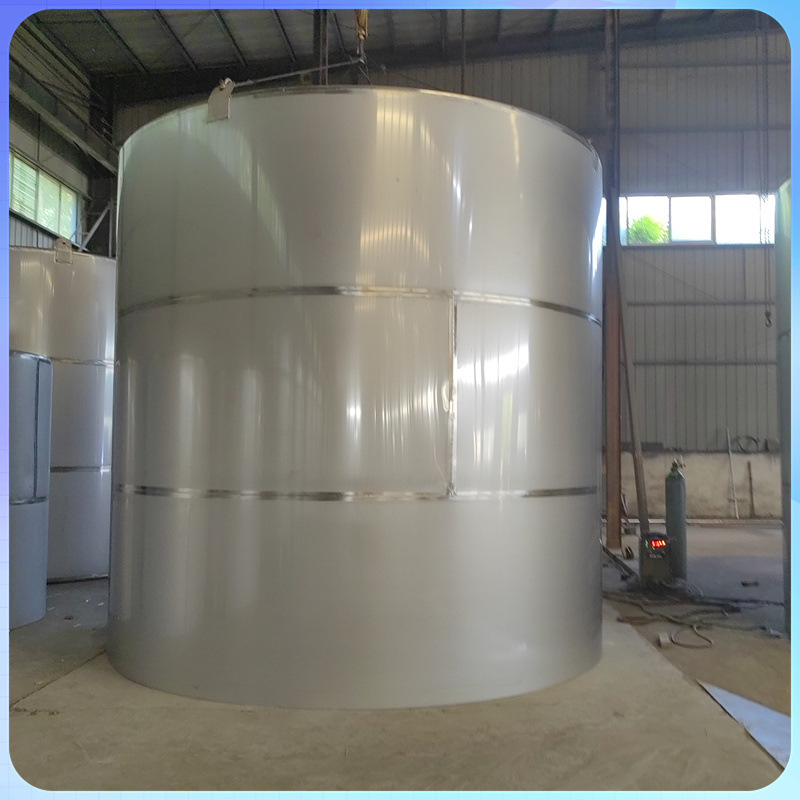
What requirements do precursor synthesis have for reaction vessels?
One sentence conclusion: The precursor co precipitation reaction requires the highest requirements for equipment corrosion resistance, temperature uniformity, and pH control, and the selection should revolve around these three aspects.
The precursor of lithium positive electrode materials (such as nickel cobalt manganese hydroxide) is generally synthesized by co precipitation method: a metal salt solution is added to the reaction system in proportion with alkali solution and ammonia solution, and continuously crystallized under controlled temperature and pH. This type of reaction is sensitive to operating conditions - large temperature fluctuations and high pH deviations can affect particle size distribution and morphology, thereby affecting the performance of the final positive electrode material. The common practice in the industry is to use stainless steel reaction vessels with good corrosion resistance, temperature control, and uniform stirring( https://hyline.cn/zh/products/jacket-reactor )And automate the control of reaction parameters.
The precursor synthesis projects that our factory has encountered generally have reaction vessel volumes between 3 and 20 cubic meters, depending on batch production capacity and reaction residence time. Below, we will discuss the selection logic from five aspects: material, mixing, temperature control, discharge, and amplification.
How to choose the material: why use 316L more?
One sentence conclusion: Salt solution and alkaline solution are in long-term contact, and chloride ions coexist with alkaline media. 316L is a common choice, and the inner wall treatment should be determined according to the cleanliness requirements.
The precursor synthesis system usually contains sulfates, chlorides, and ammonia water, and chloride ions have a significant impact on stainless steel pitting corrosion. 304 has a high risk in long-term chloride ion environments. In the industry, 316L is generally used for such equipment, and the molybdenum content increases its resistance to pitting corrosion. In terms of inner wall treatment, the cylinder and head in contact with the material are usually polished with a mirror finish, and the roughness is generally controlled within Ra 0.8 microns to reduce material hanging on the wall and cleaning dead corners; For cleaner environments with higher requirements, electrolytic polishing can be used to make the surface denser and easier to clean.
When selecting materials, the temperature of the reaction medium should also be considered: the general process temperature is in the range of 40-80 degrees Celsius, and 316L is completely sufficient; If the system contains high temperature and high concentration alkali or special chelating agents, it should be evaluated separately based on the characteristics of the medium, and if necessary, a hanging test should be conducted.
##How to determine the mixing form?
One sentence conclusion: Precursor crystallization is sensitive to concentration field and shear, and stirring should be uniform and adjustable. The blade and baffle should be matched according to the tank diameter and material viscosity.
The co precipitation reaction requires that the concentration and temperature at each point in the reaction vessel be as consistent as possible, and stirring is the core method. Generally, for tanks with a capacity of 3-20 cubic meters, top entry mixing with multiple layers of blades is more common. The blade type is selected according to the material characteristics: low viscosity aqueous systems commonly use propeller or folded blade blades, and when particles are prone to settling, bottom blades or flow deflectors should be considered. The stirring speed is generally controlled within the range of 100-400 revolutions per minute, with variable frequency speed regulation, allowing the process to adjust the shear strength according to different stages of nucleation and growth.
The distance between the blade and the bottom of the tank, as well as the baffle, affects the settlement dead zone. In the industry, it is generally controlled within an empirical range of 0.5-1 times the blade diameter from the bottom of the tank, with specific data based on mixed tests or similar equipment. If the cantilever at the lower part of the mixing shaft is too long, it is necessary to evaluate whether a bottom bearing support is needed to avoid the long shaft shaking.
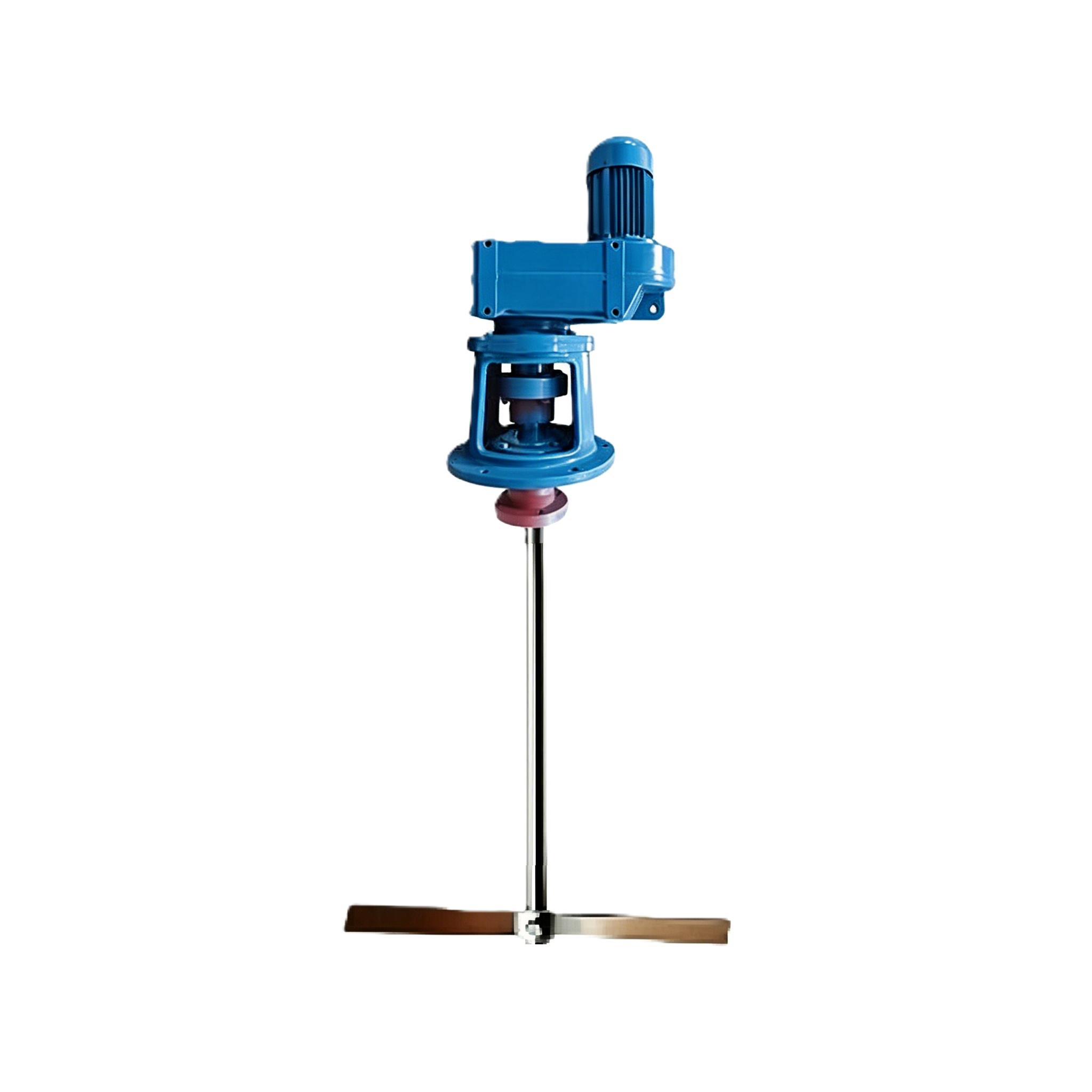 ##How to control temperature and pH?
One sentence conclusion: Temperature control relies on jacket or half tube heating combined with circulating water temperature control, and pH relies on online electrode and alkali pump linkage. Both should be fast and stable.
The precursor reaction is generally exothermic, and temperature control is commonly achieved using a jacket or an outer coil reactor( https://hyline.cn/zh/products/half-coil-reactor )Realize circulation of hot/cold water, with multi-point temperature measurement (upper, middle, lower) in the tank for feedback control, to avoid local overheating. PH control is achieved by using an online pH electrode in conjunction with a metering pump for automatic alkali replenishment. The electrode installation position should avoid the stirring vortex zone and feed inlet, and is generally installed on the side wall or behind the baffle for stable readings.
The response speed of temperature control and pH directly determines batch consistency. The common practice in the industry is to control the heating, alkali addition, and feed flow rate in a coordinated manner, and record the reaction parameters throughout the process for easy traceability. Here is a reminder: the thermometer sleeve and pH electrode port should be reserved during the design phase, and opening after welding will damage the integrity of the weld and the polished surface of the inner wall.
How to match sealing and discharging?
One sentence conclusion: Systems containing ammonia and alkali are prone to crystallization and precipitation. Mechanical seals and bottom discharge are common configurations, and proper flushing and drainage are necessary.
There are ammonia and salts in the system. If the selection of the mixing shaft seal is improper, leakage will crystallize on the sealing surface and exacerbate wear. Under normal working conditions, a single end mechanical seal is sufficient. When the medium is more corrosive or requires no leakage, a double end mechanical seal with flushing fluid should be considered. Generally, a bottom discharge valve is used for discharging materials, and the valve type is selected according to whether the material is prone to settling: a ball valve or a bottom valve is used for suspension, and attention should be paid to the valve diameter for slurry containing particles, which is generally not less than DN50 to avoid blockage.
The bottom of the tank is designed with a slope inclined towards the discharge port, which will significantly improve the discharge rate. The discharge pipe should be short and straight to reduce material residue and crystal blockage. In terms of cleaning, it is generally designed according to CIP between batches, with cleaning balls inside the tank and smooth transitions between connecting pipes and dead corners as much as possible.
How to match production capacity with scaling up?
One sentence conclusion: Based on the yield of a single batch and the reaction residence time, calculate the volume, and then verify the mixing and heat transfer capacity. Scaling up should not only be done proportionally.
The batch target is determined by dividing the yield of a single batch of precursor by the loading coefficient (usually 0.7-0.8) and the density of the reaction solution to estimate the required tank capacity; Verify the batch production rhythm based on the reaction residence time. When scaling up, the stirring power and heat transfer area will not increase linearly with the volume. In the industry, it is generally recommended to refer to the empirical values of similar equipment or conduct small-scale and pilot scale calculations. Do not directly scale up according to geometric ratios, otherwise the large tank is prone to uneven mixing and insufficient heat transfer.
|Parameter | General Value | Description|| --- | --- | --- ||Tank Capacity | 3-20 m ³ | Determined by Batch Capacity and Retention Time||Material | 316L, mirror polished | Chloride ion system preferred||Mixing speed | 100-400 r/min | Variable frequency speed regulation||Process temperature | 40-80 ℃ | Temperature control of circulating water||Loading coefficient | 0.7-0.8 | Conversion of reaction liquid density||Discharge valve diameter | ≥ DN50 | Particle slurry anti blocking|
Common configuration list: What is included in a precursor reactor?
One sentence conclusion: The seven configurations of tank body, jacket, mixing, sealing, instrument, discharge and cleaning are checked item by item, and the configuration table is more reliable than verbal description.
A typical configuration of a reaction vessel for precursor synthesis is as follows: the tank body is welded with 316L sheet metal, and the head and cylinder are polished to Ra within 0.8 microns; Jacket or semi pipe circulating water, designed heat exchange area according to process temperature; Top entry mixing with multi-layer impellers and variable frequency motors; Mechanical seals are used for shaft seals, and when in contact with ammonia and alkali, double end face flushing should be considered; The top of the tank is equipped with a manhole, thermometer sleeve, pH electrode port and feeding port, and the bottom of the tank is equipped with a discharge valve; Clean the cleaning ball inside the tank according to CIP design; Instruments are equipped with temperature according to process requirements pH、 Liquid level and necessary pressure monitoring.
The configuration table should be included in the procurement technical agreement, and the acceptance should be checked item by item according to the table. Common disputes in the industry are often caused by verbal promises not matching physical items, or misalignment between "standard equipment" and "process requirements". It is convenient for both parties to discuss them on paper.
Common selection misconceptions
One sentence conclusion: The five most common misconceptions when selecting precursor reaction vessels are selecting tanks based solely on volume, neglecting chloride ions, relying on intuition for mixing, temperature control at a single point, and forgetting to leave electrode ports.
The first type of misconception is to select based solely on volume: tank capacity is only the starting point, and the mixing and heat exchange capacity determines whether the process requirements can be met. The second type is to ignore chloride ions: only write "stainless steel" without specifying the grade. 304 has a higher risk of long-term exposure to chloride ions, and 316L should be clearly defined or evaluated according to the medium. The third type is mixing based on intuition: the propeller speed is not calculated according to the viscosity of the material and the diameter of the tank, and uneven mixing is only discovered during production. The fourth type is temperature control with only single point temperature measurement: it is difficult to detect local overheating in large tanks, and generally equipped with multi-point temperature measurement feedback. The fifth type is forgetting to leave electrode ports: pH electrodes and temperature control sleeves should be reserved during the design phase, and after welding, opening holes can damage the weld seam and polished surface.
Comparing the above misconceptions one by one during the technical agreement stage can avoid most rework. Our factory will verify the configuration according to the medium and process during the scheme stage, and selection information can be obtained upon inquiry.
Key points of procurement acceptance
One sentence conclusion: The key points of arrival acceptance are to check the material report, inner wall polishing, stirring balance, and temperature control instruments. Missing any one of these items will affect the stability of the batch.
Require the provision of 316L material quality assurance certificate, welding records, and flaw detection report during acceptance; On site inspection of inner wall polishing and weld transition, using an endoscope to check blind spots; Verify the stirring speed and vibration during no-load operation; Check whether the temperature control and pH instruments are calibrated and qualified. After passing all tests, conduct a water test to confirm that there is no leakage between the jacket and the kettle body.
What should be asked during the communication of the plan?
One sentence conclusion: The five questions of medium composition, process temperature, pH range, stirring speed target, and batch rhythm can enable suppliers to provide a close configuration at once.
When communicating the selection plan, first provide the composition and chloride ion content of the entire medium, then provide the temperature and pH control range of the process, explain the target stirring speed range and reaction residence time, and finally talk about the batch yield and batch rhythm. Suppliers need to verify the material, heat exchange, and mixing configuration based on these five questions in order to obtain a valid quotation and technical agreement. Our factory will provide configuration and quotation based on this information during the planning phase. Please feel free to inquire.
Summary
The main selection criteria for precursor synthesis reactors are: 316L material with mirror polishing to prevent corrosion and cleanliness, multi-layer paddle with variable frequency stirring to ensure uniformity, circulating water temperature control with pH linkage to ensure batch consistency, bottom feeding with CIP to ensure discharge and cleaning. Checking the configuration according to these four main lines can avoid detours. Our stainless steel reaction kettle supports customized jacket, stirring, and temperature control configurations according to the precursor process. We welcome technical communication.
Extended reading:-How to choose reaction vessels in the pharmaceutical industry according to GMP? ]( https://hyline.cn/zh/technology/pharma-reactor-gmp-selection-guide )-How to estimate the stirring power of the reaction kettle( https://hyline.cn/zh/technology/reactor-agitator-power-selection-guide )
This article is compiled by Haolin Shengda Equipment Manufacturing Co., Ltd. (HYLINE. cn), which specializes in stainless steel reaction vessels, mixing tanks, storage tanks, dispersers, concentration tanks, and chemical production line accessories, and supports non-standard customization.
Q&A from this article
Frequently asked questions and answers from this article
One sentence conclusion: Systems containing ammonia and alkali are prone to crystallizatio…
Related Products
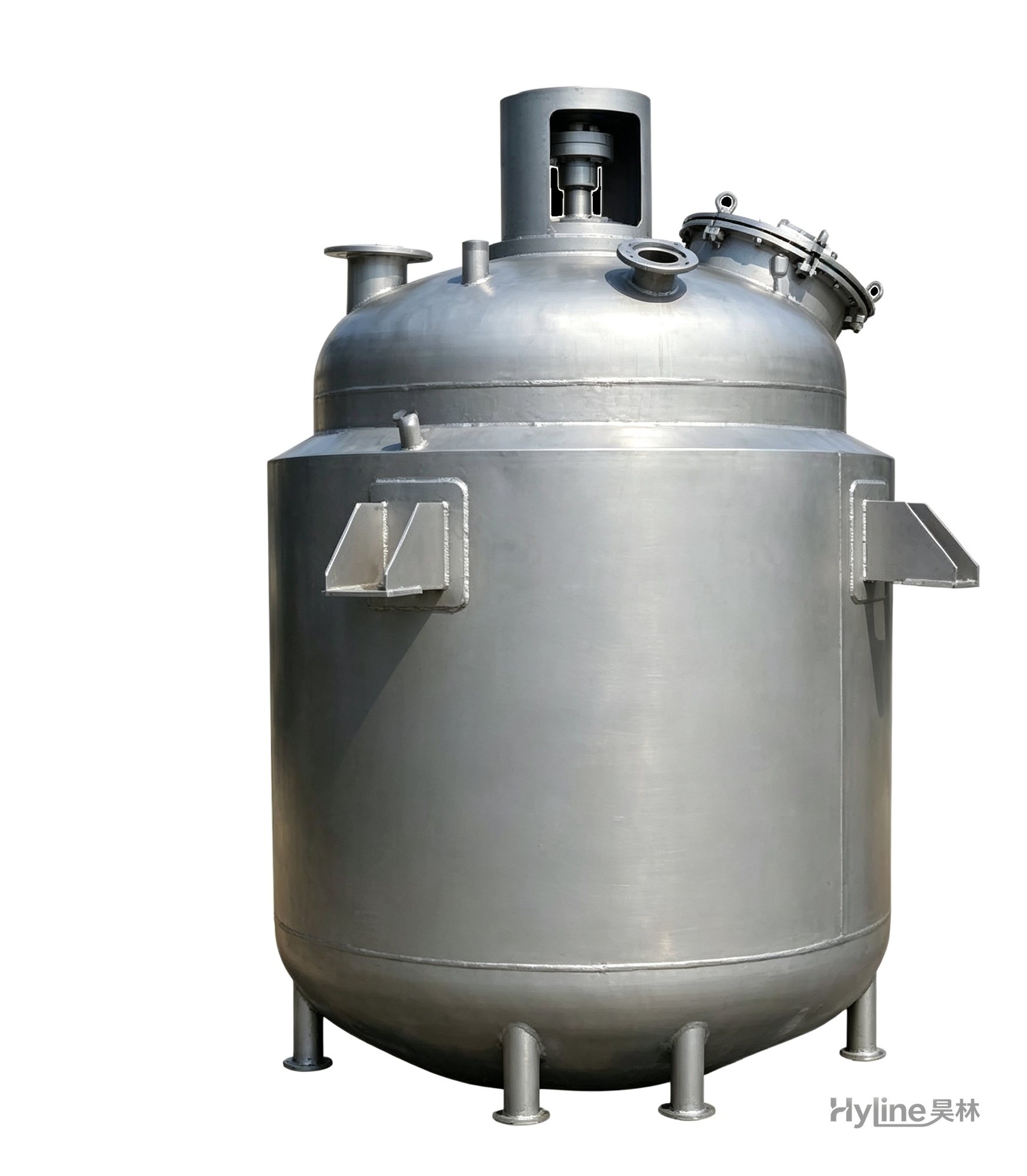
Jacketed Reactor
The typical main reaction vessel in chemical production. Mixing, heating and cooling disperse and mix materials for reaction and polymerization. The jacket circulates thermal oil/steam for heating or cooling water for temperature control.
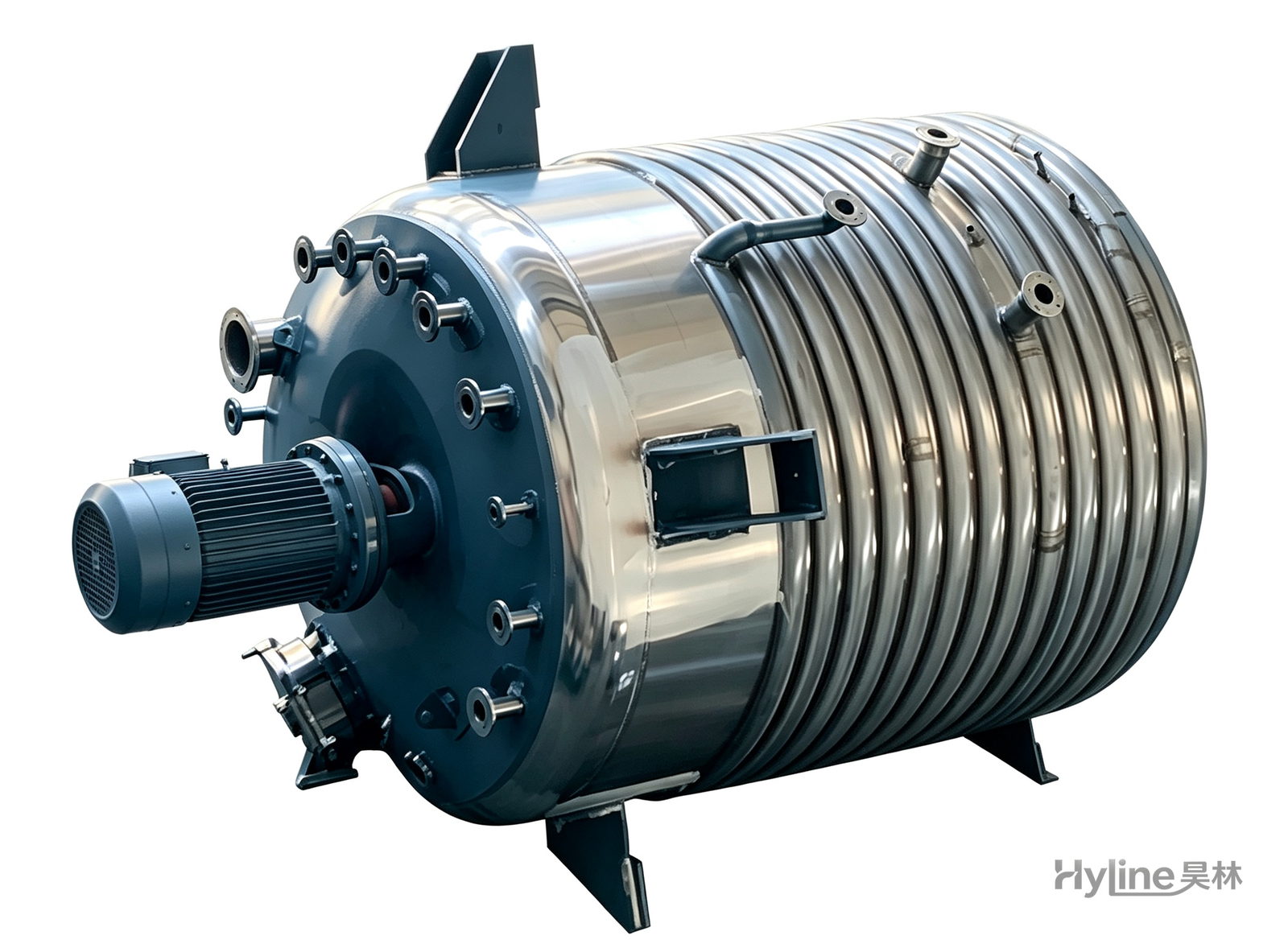
External Half-Coil Reactor
External half-pipe heating & cooling coils provide uniform, efficient heat exchange with zero material dead zones inside. Mirror-polished 304/316L stainless tank is clean and corrosion-resistant. For resin, new-energy slurry and pharmaceutical synthesis.
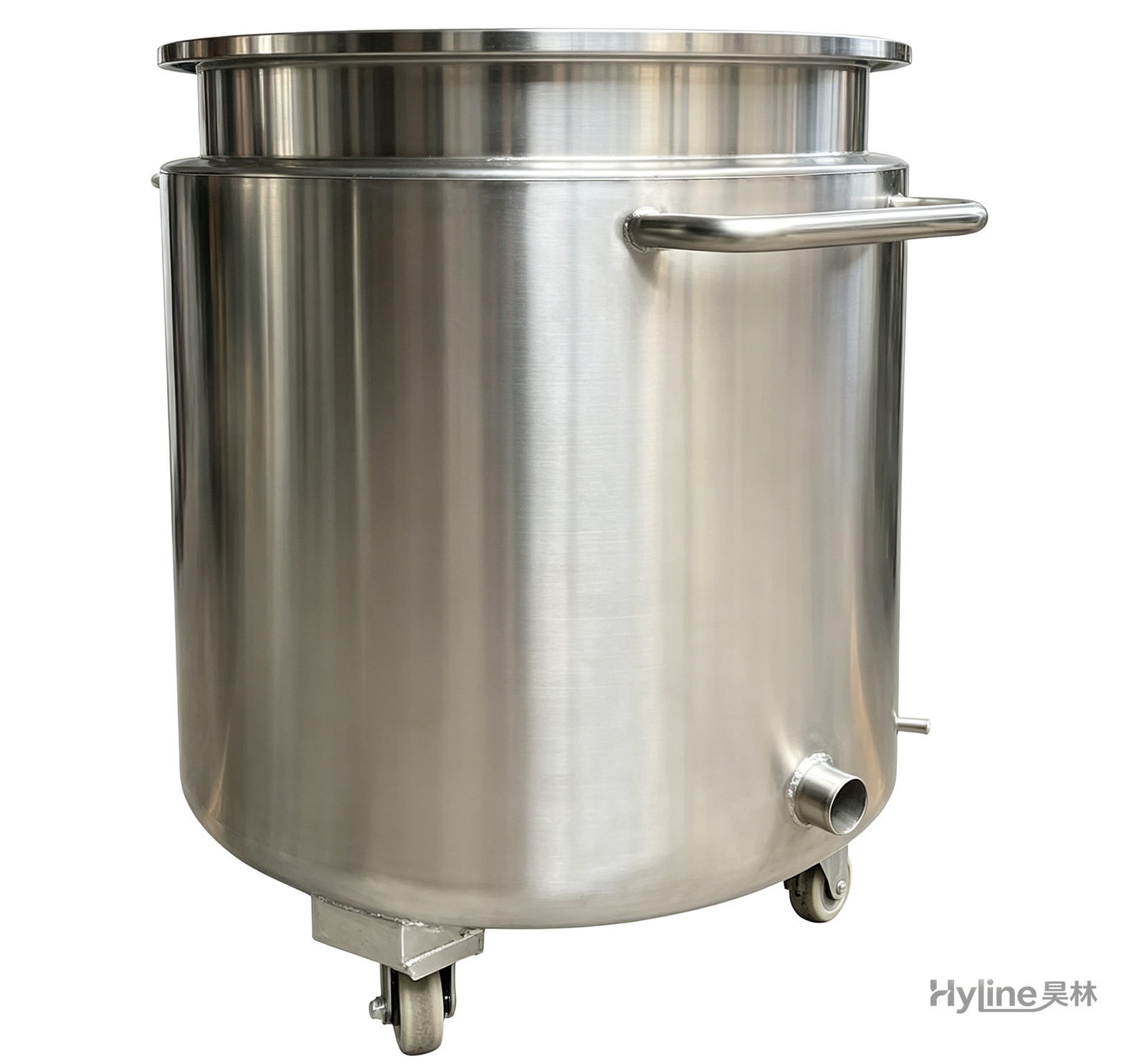
Stainless Steel Mixing Tank (Dispersion Drum)
Supporting vessel for dispersers and mixers in paints, coatings, adhesives, color slurries, inks and electronics. Available in 201/304 stainless with internal/external polishing and sloped bottom side discharge for complete draining.
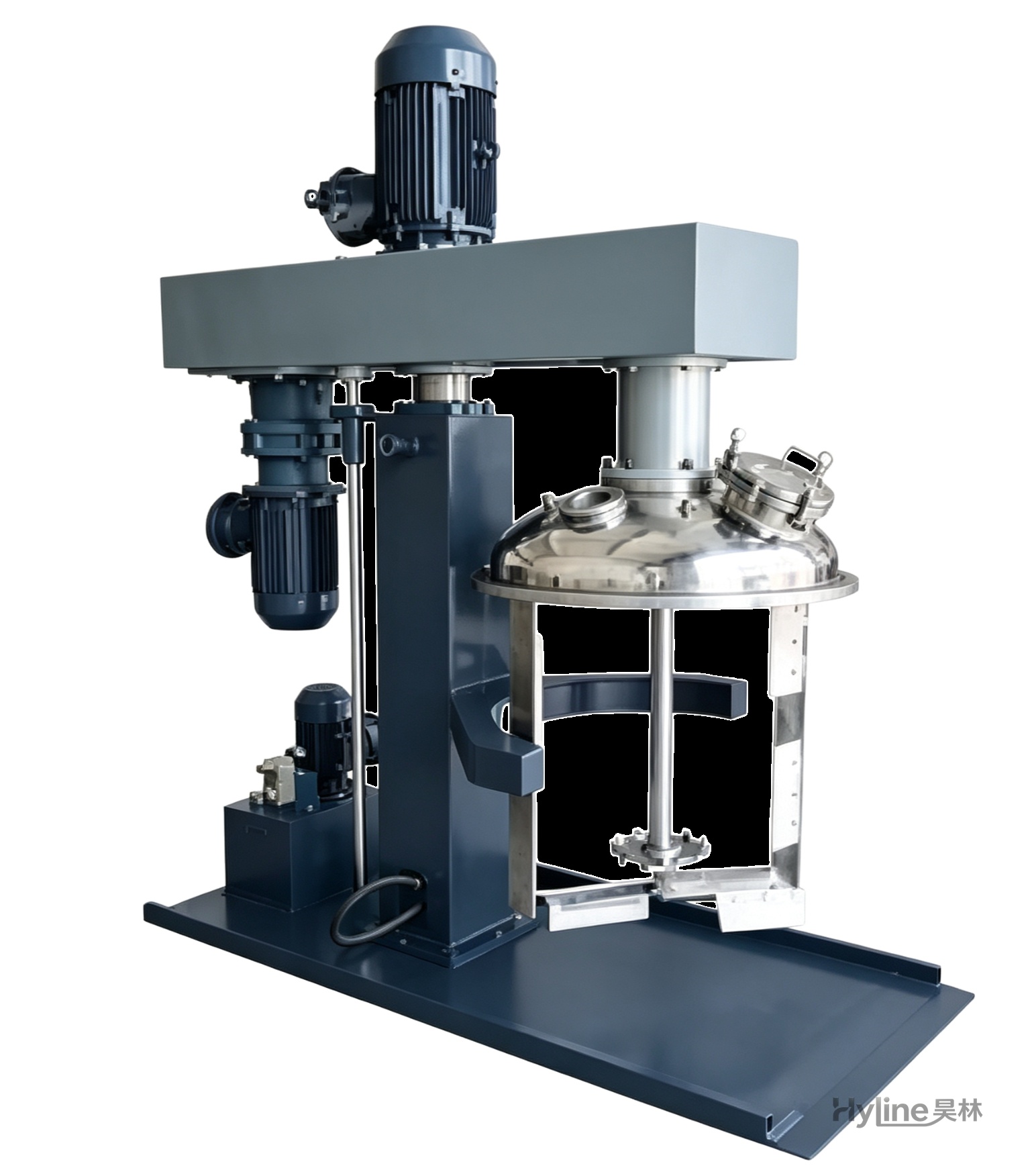
TSJ Series Concentric Twin-Shaft Mixer
Mixes materials of 3000-20000 cps. Low-speed blades with Teflon scrapers sweep the tank wall and push material to the center; high-speed toothed impellers disperse powerfully. High and low speeds run independently.