
How to clean a concentrator? CIP online cleaning and manual cleaning by material type
10/23/2026
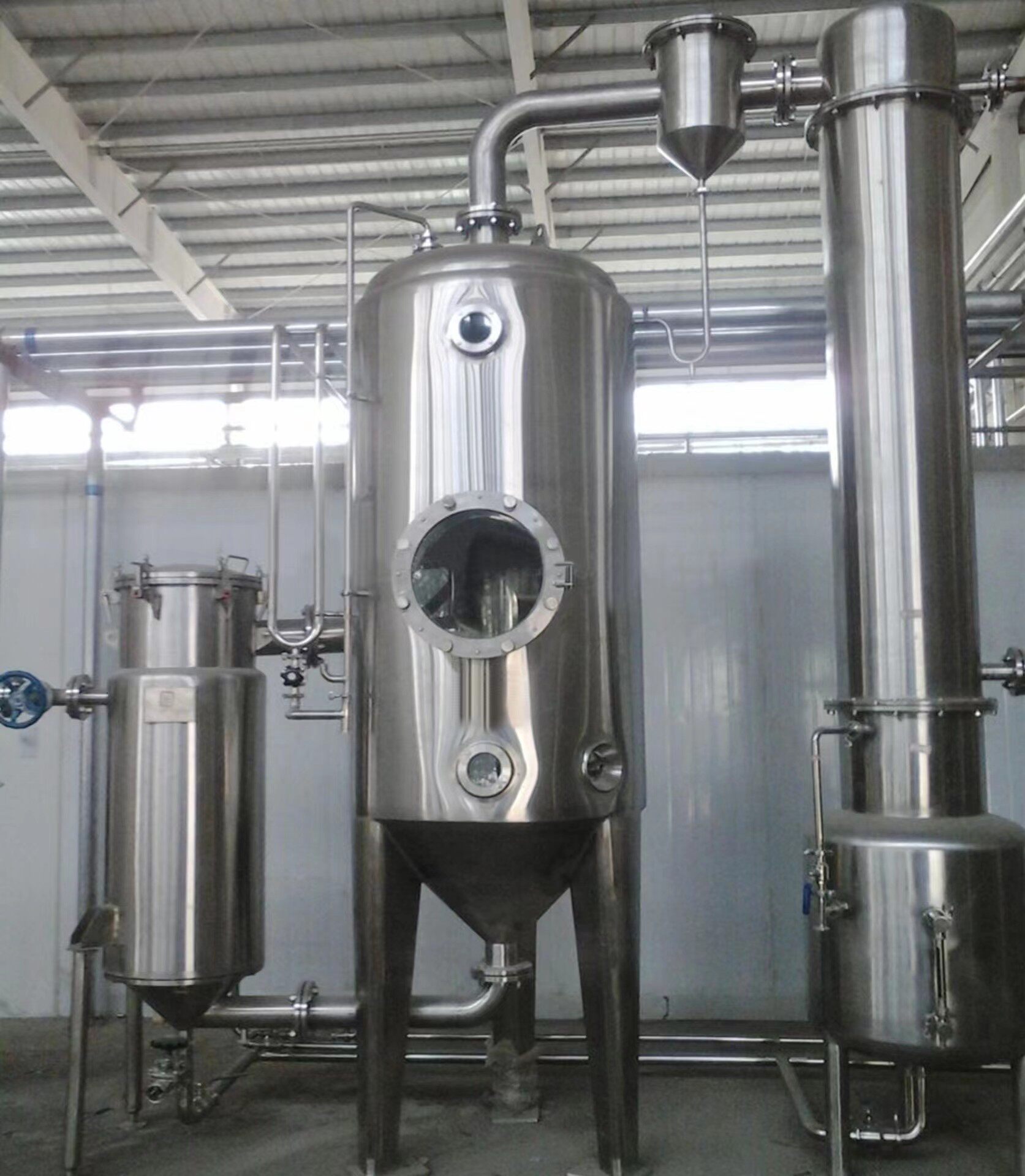
After a concentrator has run for a while, evaporation drops, concentrate colour darkens and vacuum cannot be pulled — most of these problems trace back to inadequate cleaning. A concentrator works with concentrate and solvent vapour all day, so the inner wall and heating tubes scale most easily; once scale forms, heat transfer efficiency drops and product quality suffers. Whether the cleaning method is right directly decides the stable running cycle and product quality. This article explains how CIP online cleaning works, how to set caustic and acid parameters, how to arrange cleaning balls, and when manual cleaning is still necessary, so you can set the concentrator cleaning plan correctly for your material.
Why does a concentrator need a dedicated cleaning plan?
One-sentence conclusion: the inner wall and heating tubes of a concentrator are in constant contact with concentrate, so scaling and residue directly affect evaporation efficiency and product quality; the cleaning method should be decided by material characteristics in advance.
The working characteristics of a concentrator make it dirtier than ordinary storage tanks. Liquid evaporates as a film on the inner wall of the heating tubes, concentration keeps rising, and solutes deposit and scale on the hot surface; secondary vapour is recovered by the condenser, leaving residue in the piping; TCM extracts, food liquids and chemical intermediates each have different scaling components — some are mainly salts, some proteins and polysaccharides, some high-solids and sticky. Once scale forms, the heat-transfer coefficient drops, evaporation falls under the same steam supply, concentrate colour and odour deteriorate, and vacuum and discharge can be affected in severe cases. Concentrator cleaning is therefore not a simple rinse; the cleaning method, cleaning liquid and frequency must be determined at the design stage according to scaling characteristics, heating-tube structure and cleanliness level.
How does CIP online cleaning work?
One-sentence conclusion: CIP circulates cleaning liquid inside the tank through spray, in the sequence rinse → caustic wash → rinse → acid wash → rinse, cleaning without personnel entry.
CIP (Clean In Place) is a cleaning method in which the equipment is not dismantled and cleaning liquid circulates automatically inside the tank. A typical run has five steps: first, water rinse — clean water circulates to wash away soluble and loose residue; second, caustic wash — caustic circulates to dissolve oils, proteins and organic scale; third, water rinse — clean water flushes out the caustic; fourth, acid wash — acid circulates to remove salts and inorganic scale; fifth, water rinse — clean water flushes out the acid. The whole process is done by the cleaning-liquid pump, piping and cleaning balls; operators only set the programme and do not enter the tank. The advantage of CIP is consistent cleaning, high efficiency and easy verification for hygienic industries; the disadvantage is higher equipment investment and limited ability to remove stubborn scale. As a common industry rule, most concentrators with CIP can cover daily cleaning, with manual cleaning as a supplement in special processes.
When is manual cleaning still necessary?
One-sentence conclusion: high-viscosity, heavily scaling or high-solids materials need personnel entry with high-pressure water and tools; CIP serves only as basic cleaning.
CIP is not universal. Thick scale formed by high-viscosity paste on the wall and heating tubes is hard for circulating liquid to remove; heavily scaling materials (such as certain salt deposits) need mechanical force; high-solids liquids deposit at the tank bottom and nozzles, also needing manual cleaning. In these processes the concentrator must keep a sufficiently large manhole and schedule regular personnel entry, using high-pressure guns, brushes or scrapers for areas CIP cannot clean. Manual cleaning frequency follows material and scaling speed — some materials are cleaned every shift, others weekly. At the design stage, concentrators needing manual cleaning should have larger manholes, removable internals where possible, and ladders and lighting inside the tank, otherwise entry work becomes very difficult.
How to formulate cleaning liquid? Caustic and acid parameters
One-sentence conclusion: caustic wash generally uses 1%~2% sodium hydroxide at 60~80℃; acid wash generally uses 1%~2% nitric acid; concentration and temperature are adjusted by scale composition and material tolerance.
Cleaning-liquid formulation follows scale composition. Caustic targets organic scale, generally sodium hydroxide; as a common industry rule, concentration 1%~2% at 60~80℃ gives good saponification and dissolution, but the upper temperature limit must respect seals and material tolerance; acid targets inorganic scale, generally nitric acid at 1%~2%; nitric acid is friendly to stainless steel and passivates it, while hydrochloric-based cleaners are not used on stainless concentrators as they can cause pitting. For protein- or sugar-containing materials, a warm water pre-rinse before caustic works better than direct caustic; for heavy salt scaling, extend acid time. Circulation time per segment is generally 20~40 minutes, adjusted by scaling degree. The concentration, temperature and time of the cleaning liquid should be written into the cleaning procedure and followed by operators, not mixed by feel.
How to arrange cleaning balls? Flow and coverage
One-sentence conclusion: cleaning balls are arranged by spray coverage radius, generally one at the top or in layers by height; cleaning flow is calculated from tank volume and spray radius.
Cleaning balls are the spray parts of CIP; whether they are arranged properly directly decides coverage. A cleaning ball is fixed inside the tank and sprays cleaning liquid over a radius covering the wall and internal surfaces; small concentrators fit one ball at the top to cover most of the inner surface, while taller tanks or areas needing stronger cleaning fit 2~3 in layers; heating tubes, sight glasses and level nozzles can take dedicated spray points where needed. Cleaning flow is calculated from tank volume and spray radius — too small gives weak spray and poor coverage, too large wastes liquid and overloads pump and piping. Cleaning balls are generally 316L stainless steel with detachable structure for maintenance; hygienic industries prefer sanitary balls with no dead zones.
How to clean evaporator heating tubes?
One-sentence conclusion: heating tubes are the focus of scaling; CIP circulation plus periodic soaking; stubborn scale is treated with dedicated cleaners or mechanical rodding.
Heating tubes are where concentrator scaling concentrates most. Liquid evaporates as a film on the inner wall, concentration is highest near the wall, and salts and organic scale deposit here most; once tubes scale, heat transfer drops and evaporation falls, the number-one cause of concentrator performance decline. Tube cleaning is mainly CIP circulation — cleaning liquid circulates along the tube path — combined with soaking so the liquid fully contacts the scale; stubborn scale is first soaked with a dedicated cleaner and then circulated; for small-diameter tubes with hard scale, finish with mechanical rodding (brush rods or reamers) tube by tube. Tube cleaning frequency follows scaling speed — materials that scale fast are cleaned every shift or daily, slow-scaling ones weekly or per batch. A daily check for tube scaling is comparing evaporation under the same steam supply; continuous decline usually signals tube scaling.
How to verify cleaning results?
One-sentence conclusion: verify by conductivity, pH and visual inspection after cleaning; hygienic industries add residue and microbial tests, and cleaning counts as complete only after verification passes.
Cleaning does not end after the rinse; the result must be verified. Routine verification covers three items: visual inspection — inner wall and tubes free of visible residue, bright and clean; conductivity of the final rinse close to inlet water, showing cleaning liquid is fully flushed; pH of the final rinse near neutral, showing no acid or caustic residue. Pharma and food industries add residue testing, checking active-ingredient residue and microbial limits per product requirements, with swab and rinse-water sampling where needed. Verification results are recorded in the cleaning log together with cleaning time and liquid parameters, forming a traceable cleaning archive. As a common industry rule, equipment may be re-fed only after verification passes; failed verification requires finding the cause (insufficient concentration, short circulation time or poor spray coverage) and re-cleaning — verification cannot be skipped.
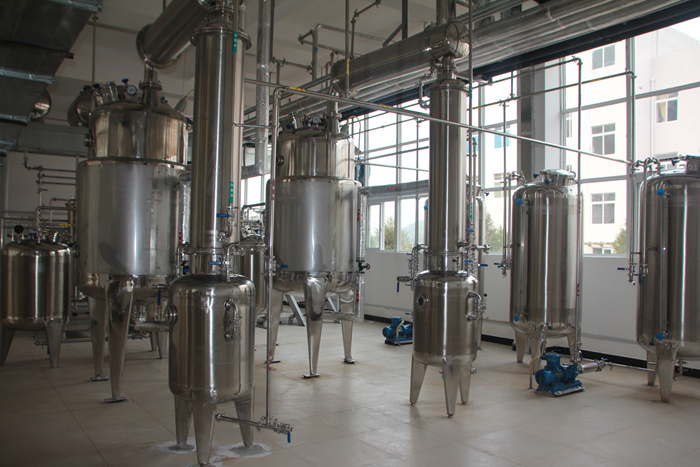
Concentrator cleaning plan summary
One-sentence conclusion: first fix material scaling characteristics and cleanliness level, then set the CIP sequence and cleaning-liquid parameters and cleaning-ball layout, and finally set manual cleaning frequency and verification.
Set the concentrator cleaning plan in five steps. First, analyse the material: identify scaling components (salts, organic scale or sticky solids) and decide the emphasis of caustic or acid wash. Second, set the CIP sequence: configure the five-stage parameters and durations. Third, arrange cleaning balls: quantity and position by tank height and coverage radius, and calculate cleaning flow. Fourth, set manual cleaning: reserve manhole and tool access for high-viscosity or heavily scaling materials and decide frequency. Fifth, set verification: routine conductivity and pH checks, plus residue and microbial tests for hygienic industries. Writing these five steps into the cleaning procedure guarantees stable concentrator operation.
Hyline Shengda produces stainless steel concentrators and concentration systems, supports CIP online cleaning configuration and complete-line design, matching cleaning balls, mixing tanks and manual cleaning access to material scaling characteristics. Before making a cleaning plan, we suggest fixing the scaling components, cleanliness level and tank structure first, and then discussing the cleaning method.
Related reading: - How to judge the concentration endpoint of a concentrator? Multi-parameter comparison of density, temperature and vacuum - How to select a TCM extraction concentrator? Matching extract characteristics with concentration methods
This article is compiled by Hyline Shengda Equipment Manufacturing Co., Ltd. (hyline.cn), mainly producing stainless steel reactors, mixing tanks, storage tanks, dispersers, concentrators and complete chemical lines, supporting non-standard customization.
Q&A from this article
Frequently asked questions and answers from this article
One-sentence conclusion: CIP circulates cleaning liquid inside the tank through spray, in …
Related Products
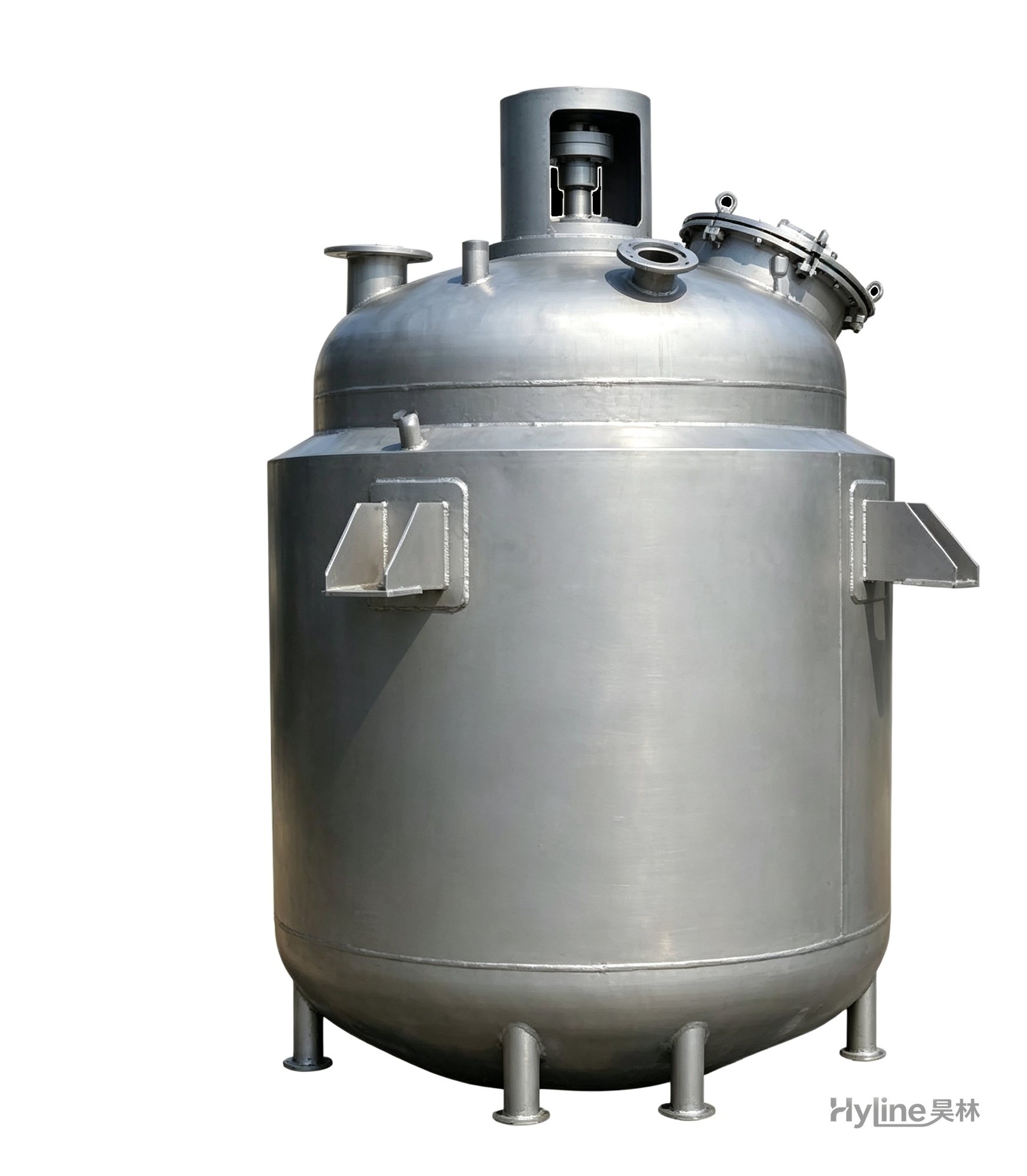
Jacketed Reactor
The typical main reaction vessel in chemical production. Mixing, heating and cooling disperse and mix materials for reaction and polymerization. The jacket circulates thermal oil/steam for heating or cooling water for temperature control.
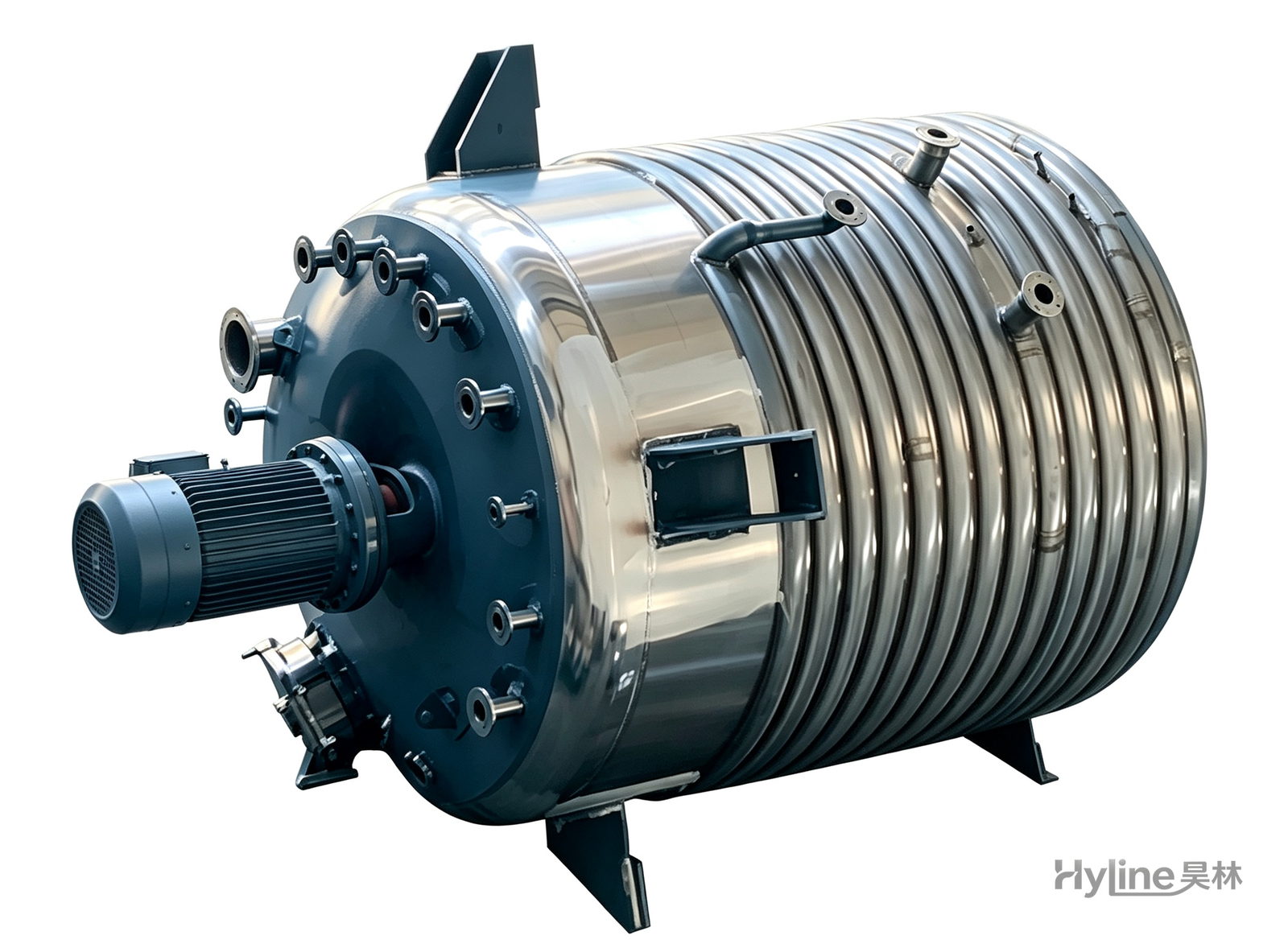
External Half-Coil Reactor
External half-pipe heating & cooling coils provide uniform, efficient heat exchange with zero material dead zones inside. Mirror-polished 304/316L stainless tank is clean and corrosion-resistant. For resin, new-energy slurry and pharmaceutical synthesis.
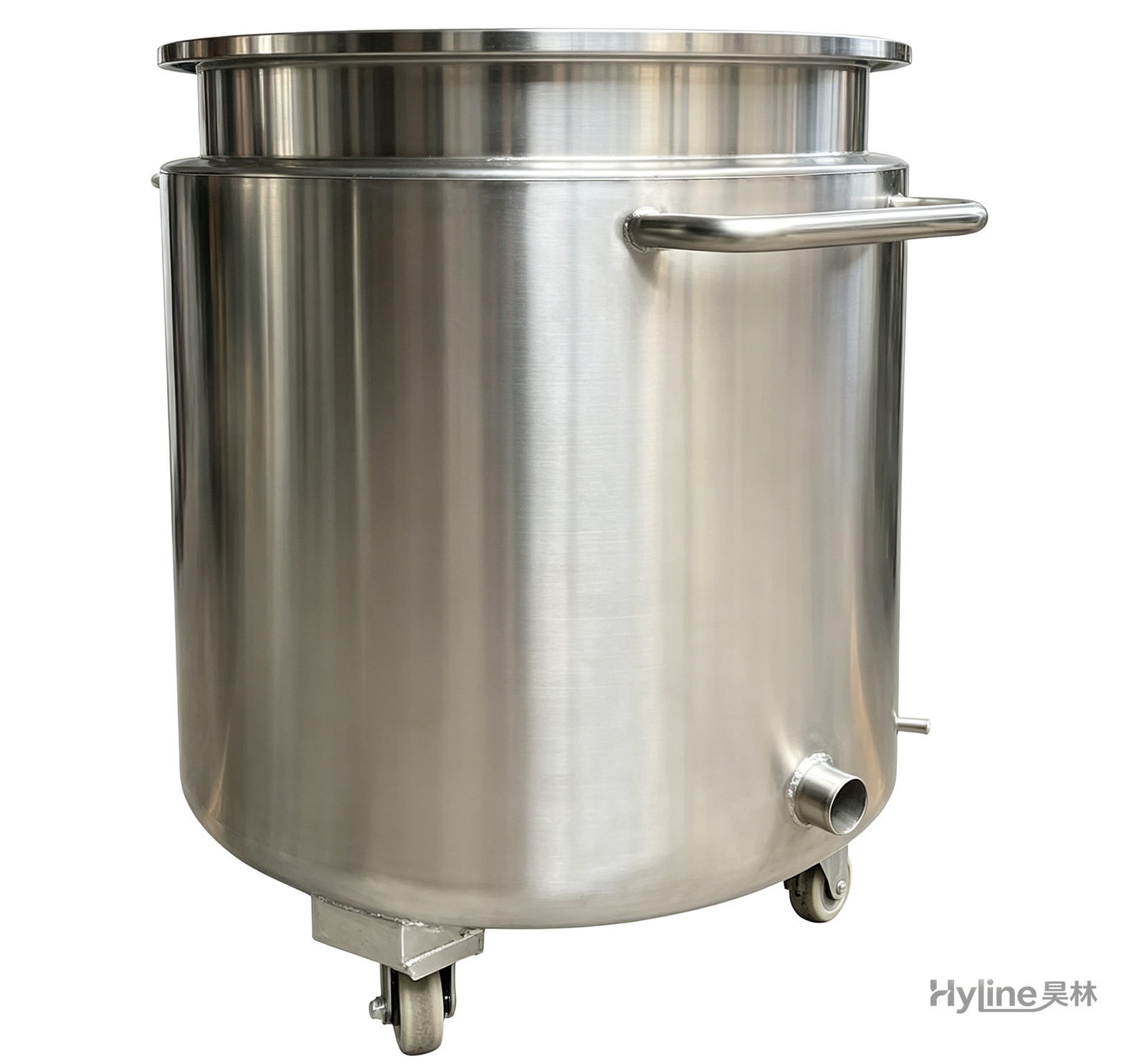
Stainless Steel Mixing Tank (Dispersion Drum)
Supporting vessel for dispersers and mixers in paints, coatings, adhesives, color slurries, inks and electronics. Available in 201/304 stainless with internal/external polishing and sloped bottom side discharge for complete draining.
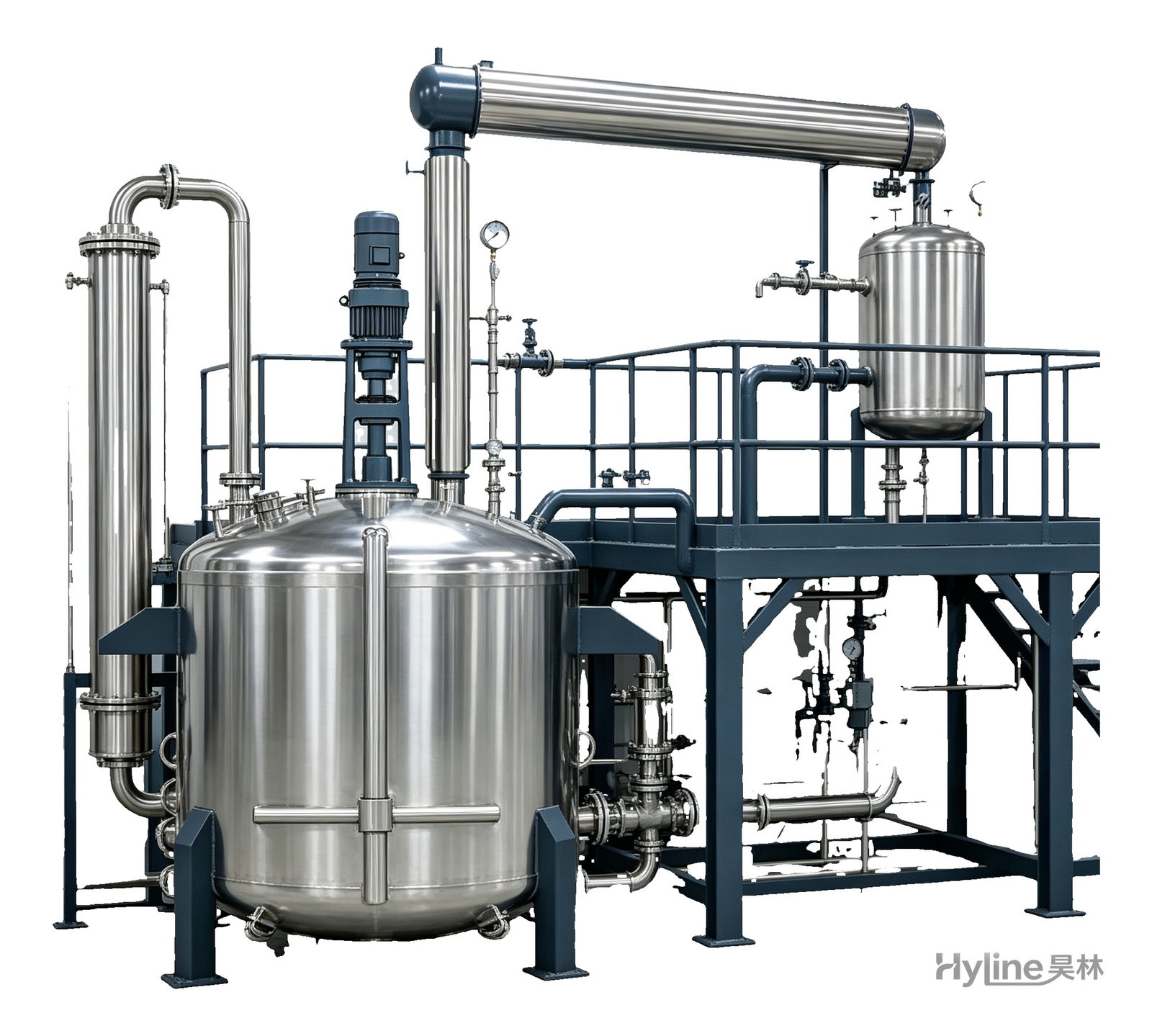
Complete Resin Production Equipment
Resin production packages built around the reactor, with vertical fractionating column, horizontal condenser and water separator for full synthesis, dehydration and reflux processes. Sizes from 300L to 30000L.
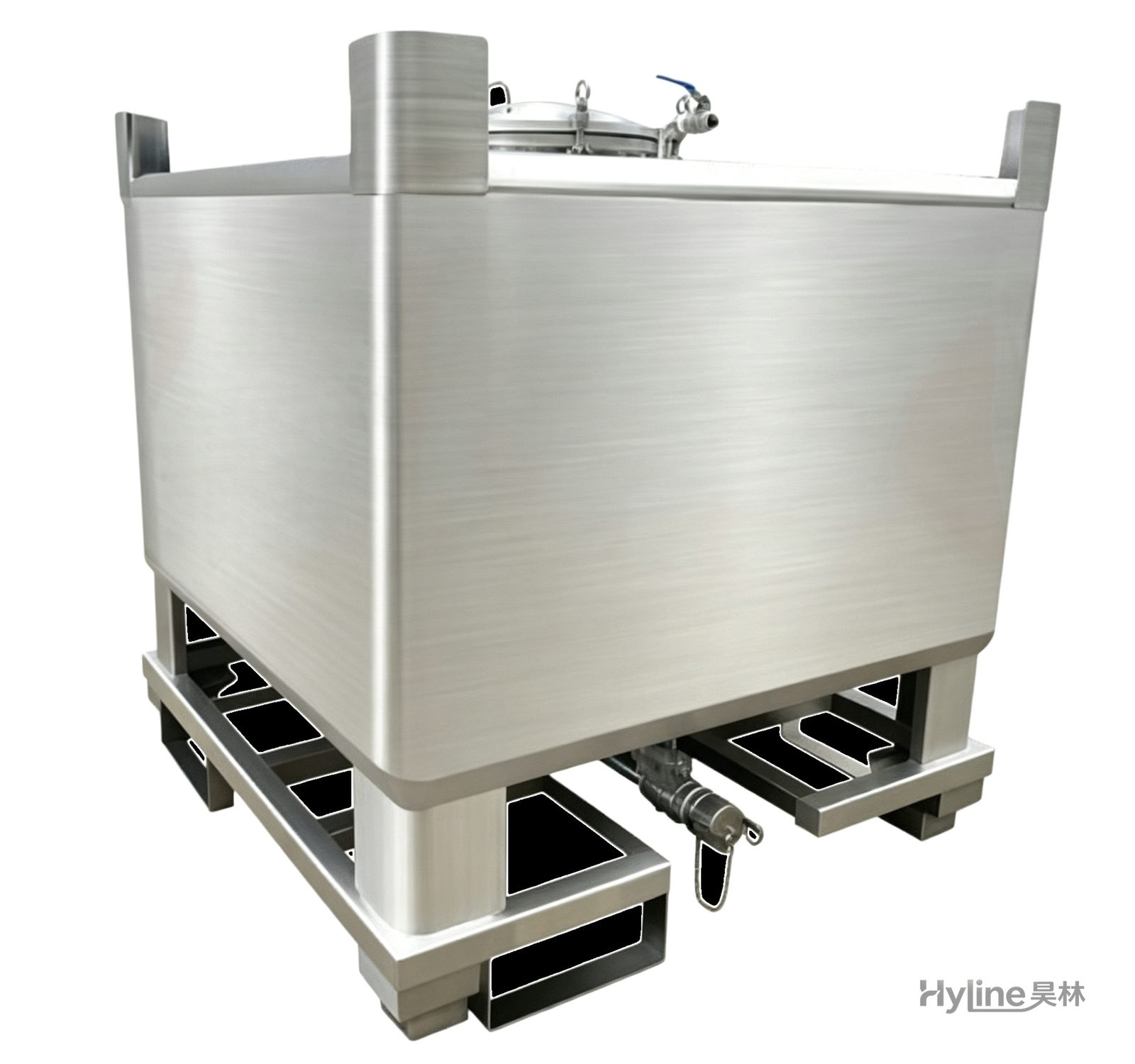
IBC Tank (Intermediate Bulk Container)
HDPE blow-molded liner with hot-dip galvanized steel frame - UV resistant, anti-aging, easy to clean, non-toxic. Four-way fork base for easy handling and stacking; ideal for liquid storage and transport.