
How to configure the cooling water system of a concentrator? Key points of condenser cooling water temperature and flow rate
10/20/2026
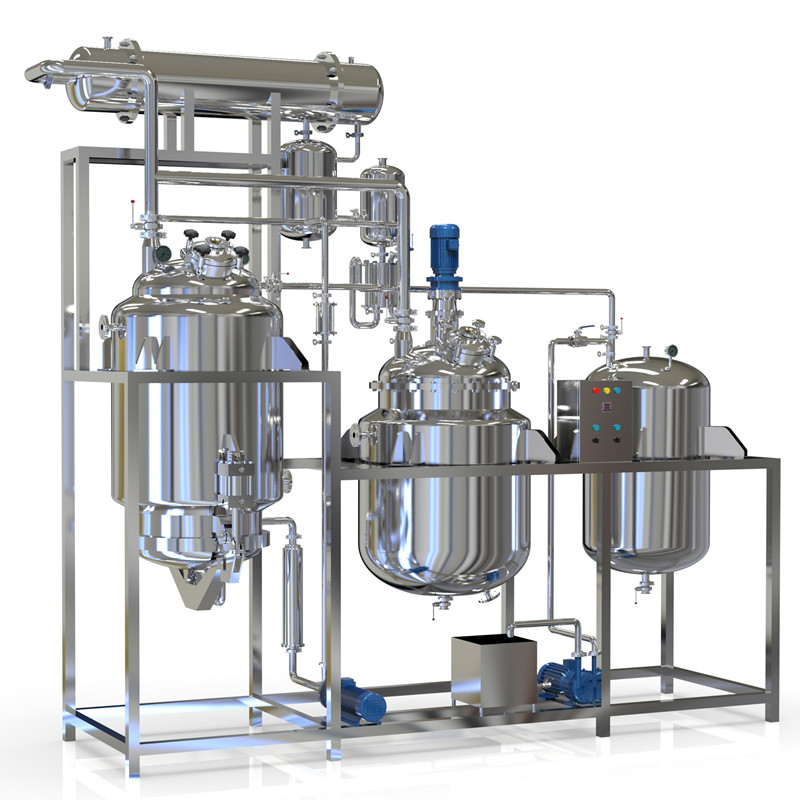
When a concentrator cannot hold vacuum, has low solvent recovery and its condenser fouls frequently, many plants blame the vacuum pump first — but the cooling water system is often the real weak point. The vacuum of a concentrator is maintained by "pumping out" and "condensing" together: the more completely the secondary vapour condenses, the less gas the vacuum pump has to remove, and the more stable the vacuum. This article explains how to set cooling water temperature and circulation flow, and how to choose between a cooling tower and chilled water, so you can get the cooling side right at system selection.
What role does cooling water play in a concentration system?
One-sentence conclusion: cooling water condenses the secondary vapour into recoverable liquid and reduces non-condensable gas entering the vacuum system — a direct factor in vacuum level and recovery rate.
During operation, the heating chamber evaporates water or solvent from the liquid, and the secondary vapour enters the condenser. Cooling water removes the latent heat on the tube or shell side, the vapour condenses into liquid for recovery; only the small amount of gas that fails to condense (non-condensables) is removed by the vacuum pump. Common industry experience: the more completely the secondary vapour condenses, the lighter the vacuum pump load, the more stable the vacuum and the higher the solvent recovery. Conversely, if the cooling water is too warm or the flow is insufficient, condensation is incomplete, large amounts of vapour surge into the pump, vacuum fluctuates, recovery drops and the pump can be damaged by liquid carry-over.
What cooling water temperature is suitable?
One-sentence conclusion: generally keep circulating cooling water inlet at or below 32℃; for high vacuum or low-boiling solvent recovery, chilled water at 7~12℃ is more reliable.
Cooling water temperature decides the condensation temperature difference. Inlet water at 25~32℃ from a cooling tower suits most atmospheric-to-medium-vacuum concentration; but when vacuum is high (for example above -0.09 MPa) or the solvent boils low, the condensation temperature difference is insufficient and secondary vapour does not fully condense — chilled water at 7~12℃ improves condensation markedly. For water as solvent, the condenser temperature is generally required to be at least 10℃ below the boiling point of the liquid; if this gap cannot be met, a lower cooling water temperature or a larger heat-exchange area is needed to compensate.
| Working condition | Common cooling water temperature | Applicable scenario |
|---|---|---|
| Regular water concentration | 25~32℃ circulation water | Atmospheric to medium vacuum, moderate boiling point |
| High-vacuum concentration | 7~12℃ chilled water | Above -0.09 MPa or low-boiling solvent recovery |
| Organic solvent recovery | 5~10℃ chilled water | Low-boiling, volatile solvents |
How is the circulation flow estimated?
One-sentence conclusion: calculate from evaporation rate and condenser duty; as a common industry guide, every 1 tonne of water evaporated needs roughly 20~40 m³/h of cooling water circulation, refined by the condensation temperature difference.
Condenser duty equals evaporation rate times latent heat. Taking 500 kg/h of water evaporation, with latent heat of about 2700 kJ/kg, the duty is about 1.35 million kJ/h; with a 10℃ cooling water temperature rise, the circulation flow is about 32 m³/h, and with a 5℃ rise, about 64 m³/h. So whether "the water is enough" depends on the designed temperature rise, not simply on being large: a small rise means more margin but also larger pump and cooling tower investment. At selection, give the evaporation rate, inlet/outlet water temperature and condensation temperature to the manufacturer and let it match heat-exchange area and flow, instead of guessing pump power.
Cooling tower circulation water or chilled water unit — how to choose?
One-sentence conclusion: for large evaporation and continuous operation, prefer cooling tower circulation water; add a chilled water unit only when high vacuum, low-boiling solvents or summer temperatures exceed the tower capability.
Cooling tower water has low running cost and suits large continuous evaporation; its limit is the ambient wet-bulb temperature — in summer the inlet may not stay below 32℃ and vacuum fluctuates with the weather. A chilled water unit costs more upfront and consumes more electricity, but delivers stable 7~12℃ water, suitable for high vacuum and low-boiling recovery. Common practice is "cooling tower first, chilled water as backup": normal operation runs on the tower, and in summer high-temperature or high-vacuum periods switch to chilled water — one system, two modes. Design the changeover valves and temperature interlock in advance.
How to prevent water quality and scaling?
One-sentence conclusion: use soft water or corrosion and scale inhibitors; scale on heat-transfer surfaces sharply cuts condenser capacity, with cleaning cycles generally quarterly to semi-annual by water quality.
Calcium and magnesium in hard water form scale on heat-transfer surfaces; scale conducts far worse than metal, and 1mm of scale can cause an obvious drop in condenser capacity and worsening vacuum. Common practice: closed circulation uses soft water with corrosion inhibitor; open cooling towers discharge and dose scale inhibitor regularly; condensers get removable heads for mechanical cleaning. When concentrating salty or easily fouling materials, reserve cleaning access and spare-unit switching capability. Water quality is easily ignored at selection but is one of the most common complaints after commissioning.
Tube, plate or spiral condenser — which one?
One-sentence conclusion: shell-and-tube resists fouling and cleans easily, plate exchangers are efficient but have narrow channels that block easily, and spiral types sit in between; choose by cooling water quality and material characteristics.
The condenser type directly affects performance and maintenance. Shell-and-tube is mature with tube-side mechanical cleaning, suitable for ordinary water quality or material that may carry solids — the common industry choice. Plate heat exchangers have high heat-transfer coefficients and small footprints but narrow channels that block easily with scale or solids, so they suit clean media. Spiral types fall between the two with strong self-scouring, suitable for liquids with some solids. Combine three conditions when selecting: whether the liquid carries solids, the cooling water quality and the cleaning cycle. Whether vapour runs on the tube side or shell side also affects cleaning convenience and should be specified in the scheme.
How to handle non-condensable gas and gas-liquid separation?
One-sentence conclusion: add a gas-liquid separator and a non-condensable vent valve at the condenser outlet to reduce pump liquid carry-over and vacuum fluctuation — a key detail for stable concentrator operation.
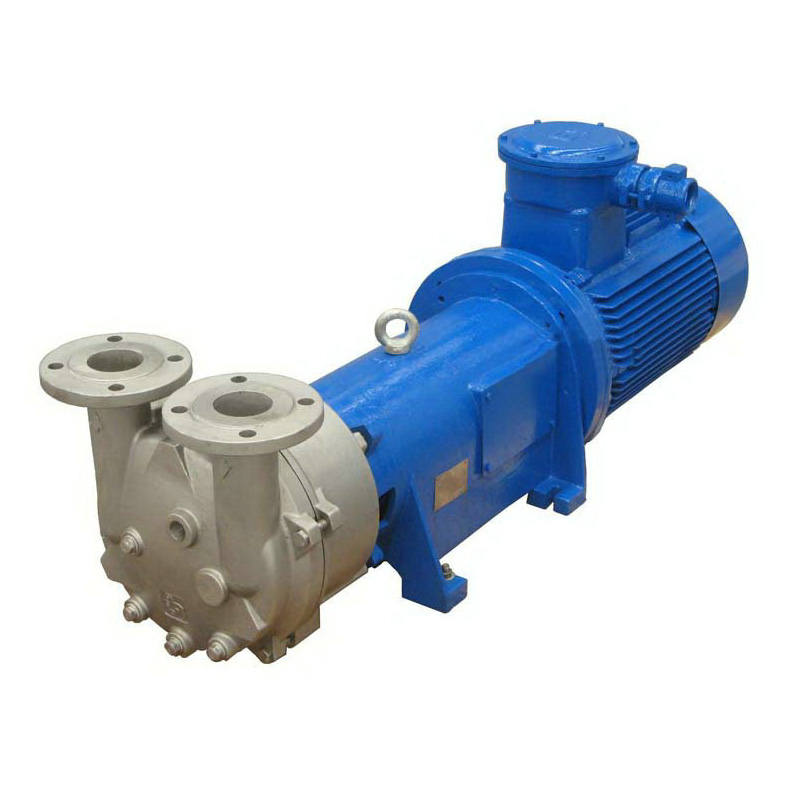
Air dissolved in the liquid and low-boiling components are released continuously during evaporation and become non-condensables. They are not condensed and add load to the vacuum pump if they enter it directly; liquid carry-over is worse — a water-ring pump with long-term liquid carry-over wears the impeller and loses vacuum. Common practice: install a gas-liquid separator at the condenser outlet, return the separated condensate to collection, and let the gas pass through a control valve to the vacuum pump; add a buffer tank before the pump for further protection. Control the non-condensable vent with a regulating valve to keep the system vacuum stable. These details must be planned at design stage; many concentrators with vacuum fluctuation after commissioning are found to be missing exactly this configuration.
How should the cooling water piping and pump be arranged?
One-sentence conclusion: place the cooling tower at the highest point for gravity return, select pump head by piping resistance, and add a bypass with temperature interlock so summer high temperatures automatically switch to chilled water.
Piping layout directly affects long-term reliability. The cooling tower is generally placed at the highest point of the workshop to use the head for return; pump head is estimated from pipe length, fittings and equipment resistance, generally with a 10%~20% margin. Add a thermometer and regulating valve at the condenser cooling water inlet, and a bypass on the return so cold-season operation can mix in some return water to avoid over-cooling. When summer inlet temperature cannot be held, a temperature interlock automatically switches to chilled water so vacuum does not fluctuate with the weather. Also, when selecting a pump, look at flow and head together: selecting only by flow with insufficient head means the water never reaches the condenser, no matter how large the flow. Small items like pipe insulation, blowdown and vent valves also affect long-term stability.
What should be noted in cooling tower selection?
One-sentence conclusion: select the tower by circulation flow and wet-bulb temperature; fill material, fan and make-up system decide long-term reliability, with the inlet-outlet temperature difference generally designed at 5~10℃.
The main selection parameters are circulation flow, design inlet/outlet temperature and local wet-bulb temperature. Common practice: an inlet-outlet difference of 5~10℃, with inlet temperature estimated as the local summer wet-bulb temperature plus 4~6℃. Whether the fill is PVC corrugated sheet or metal depends on water quality and dust in the environment; the fan should preferably be VFD-controlled to save power at reduced load at night and in winter. The make-up system needs a float valve and level alarm to prevent pump dry-running. Position the tower in well-ventilated space away from other equipment exhaust; otherwise the actual cooling effect will be clearly below the nameplate. Report circulation flow, inlet/outlet water temperature and wet-bulb temperature to the manufacturer so the tower truly matches the concentrator load.
Haolin Shengda produces stainless steel reactors, mixing tanks, storage tanks, dispersers, concentrators and complete chemical lines; concentrators support single-effect, double-effect and MVR schemes, with condenser, cooling water system and vacuum unit configured by evaporation rate, vacuum level and solvent characteristics. Before selection, settle evaporation rate, target vacuum and cooling water source first, then discuss system configuration.
Further reading: - How to control the vacuum of a concentrator: key points of vacuum regulating valve and system configuration - How does a vacuum concentrator work? Evaporation principle, structure and routine maintenance points
This article is prepared by Haolin Shengda Equipment Manufacturing Co., Ltd. (hyline.cn), specializing in stainless steel reactors, mixing tanks, storage tanks, dispersers, concentrators and complete chemical production lines, supporting non-standard customization.
Q&A from this article
Frequently asked questions and answers from this article
One-sentence conclusion: calculate from evaporation rate and condenser duty; as a common i…
Related Products
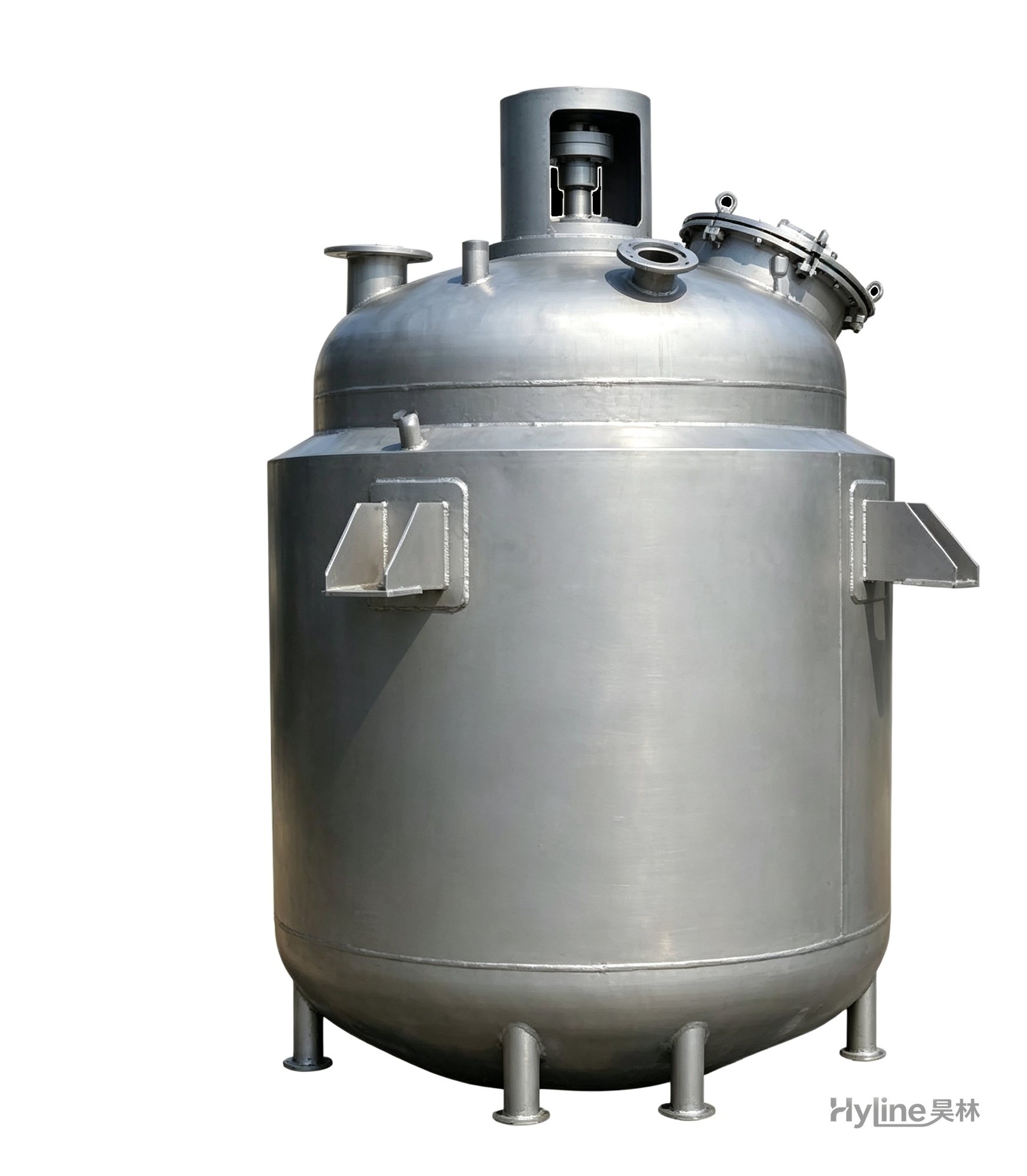
Jacketed Reactor
The typical main reaction vessel in chemical production. Mixing, heating and cooling disperse and mix materials for reaction and polymerization. The jacket circulates thermal oil/steam for heating or cooling water for temperature control.
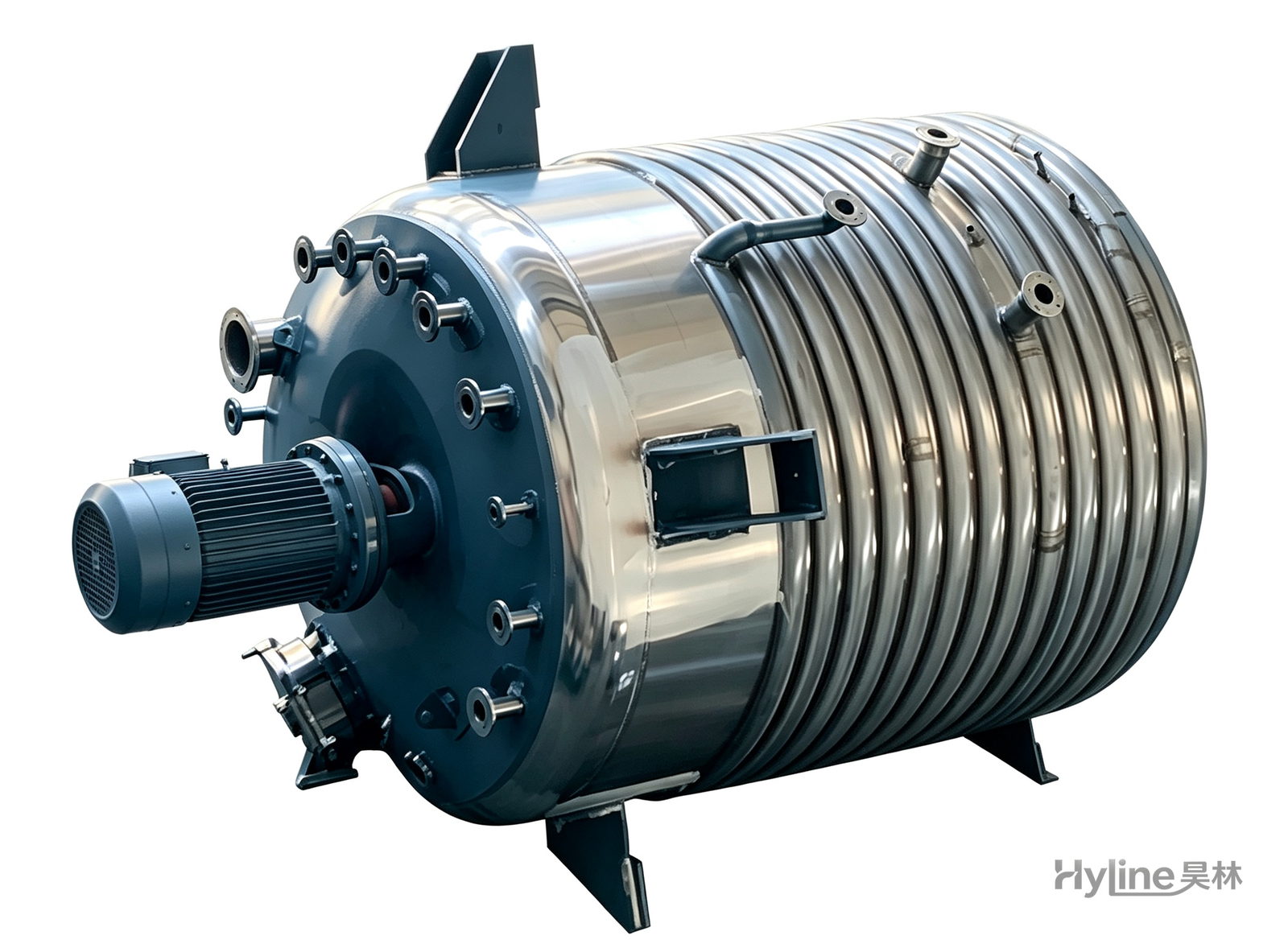
External Half-Coil Reactor
External half-pipe heating & cooling coils provide uniform, efficient heat exchange with zero material dead zones inside. Mirror-polished 304/316L stainless tank is clean and corrosion-resistant. For resin, new-energy slurry and pharmaceutical synthesis.
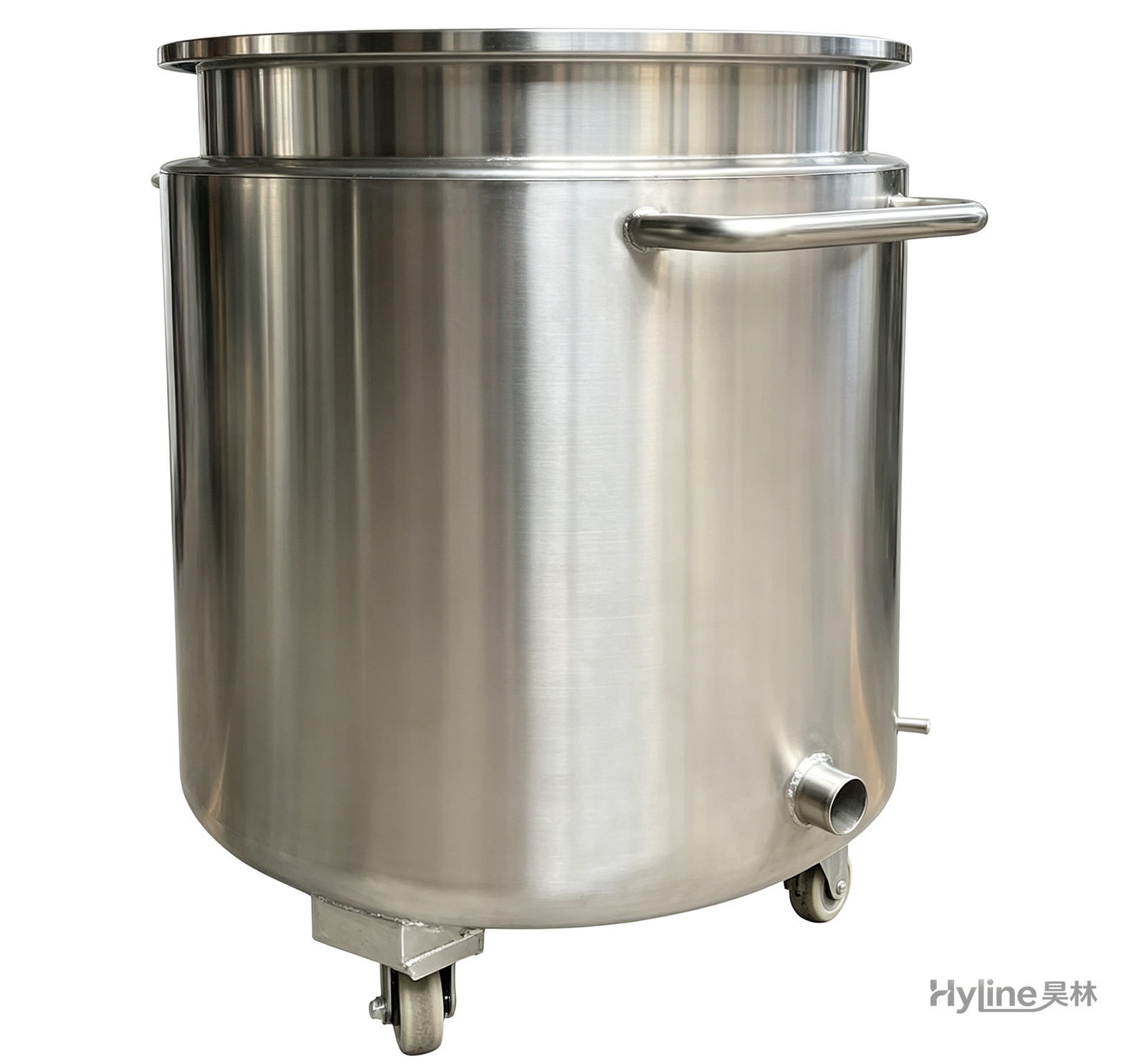
Stainless Steel Mixing Tank (Dispersion Drum)
Supporting vessel for dispersers and mixers in paints, coatings, adhesives, color slurries, inks and electronics. Available in 201/304 stainless with internal/external polishing and sloped bottom side discharge for complete draining.
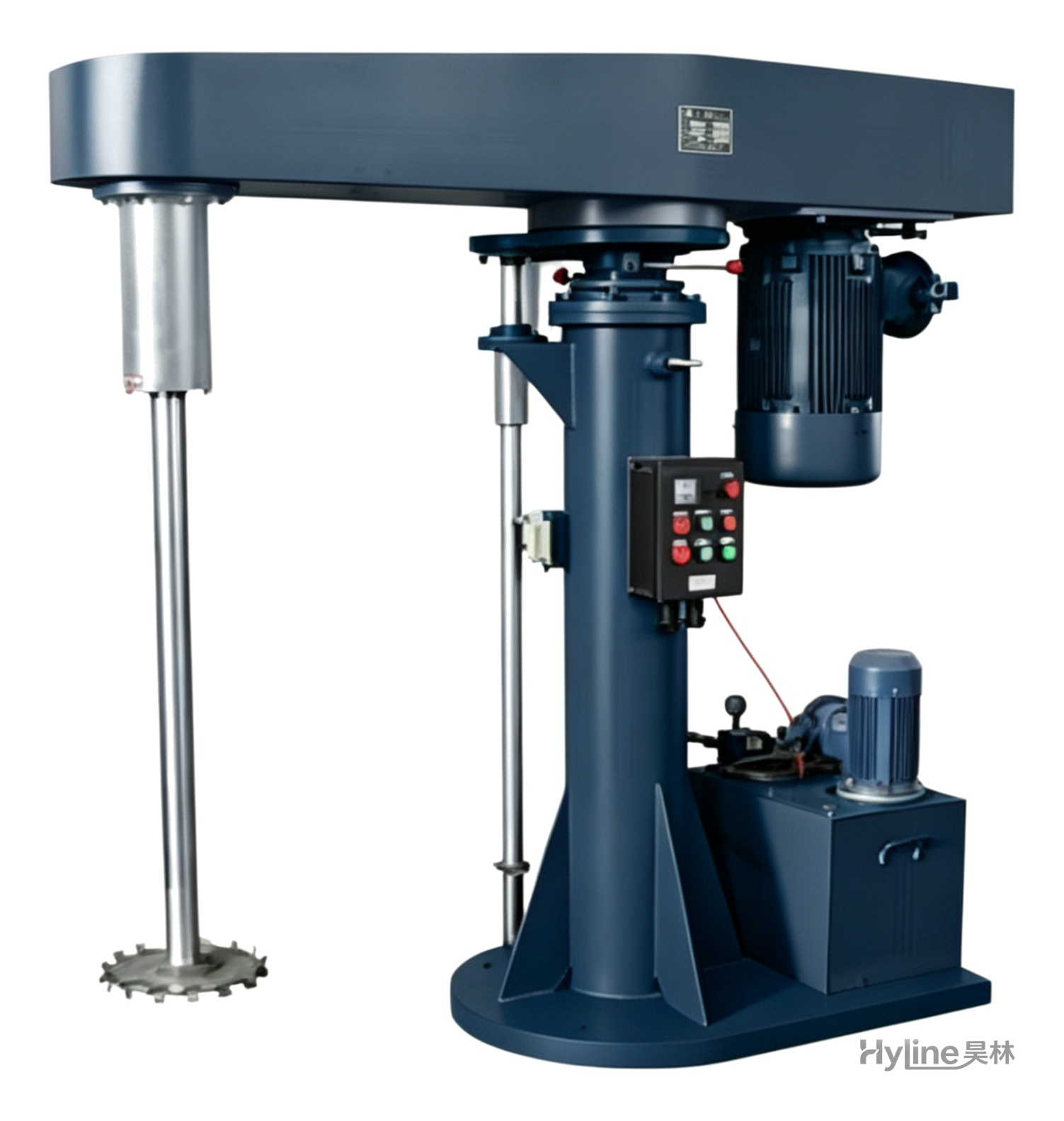
FL Series High-Speed Disperser
Stirs, dissolves and disperses liquids and powders, working alone or matched with sand mills. Variable-frequency drive with hydraulic lift, widely used in paints, inks, coatings, dyestuffs and papermaking.
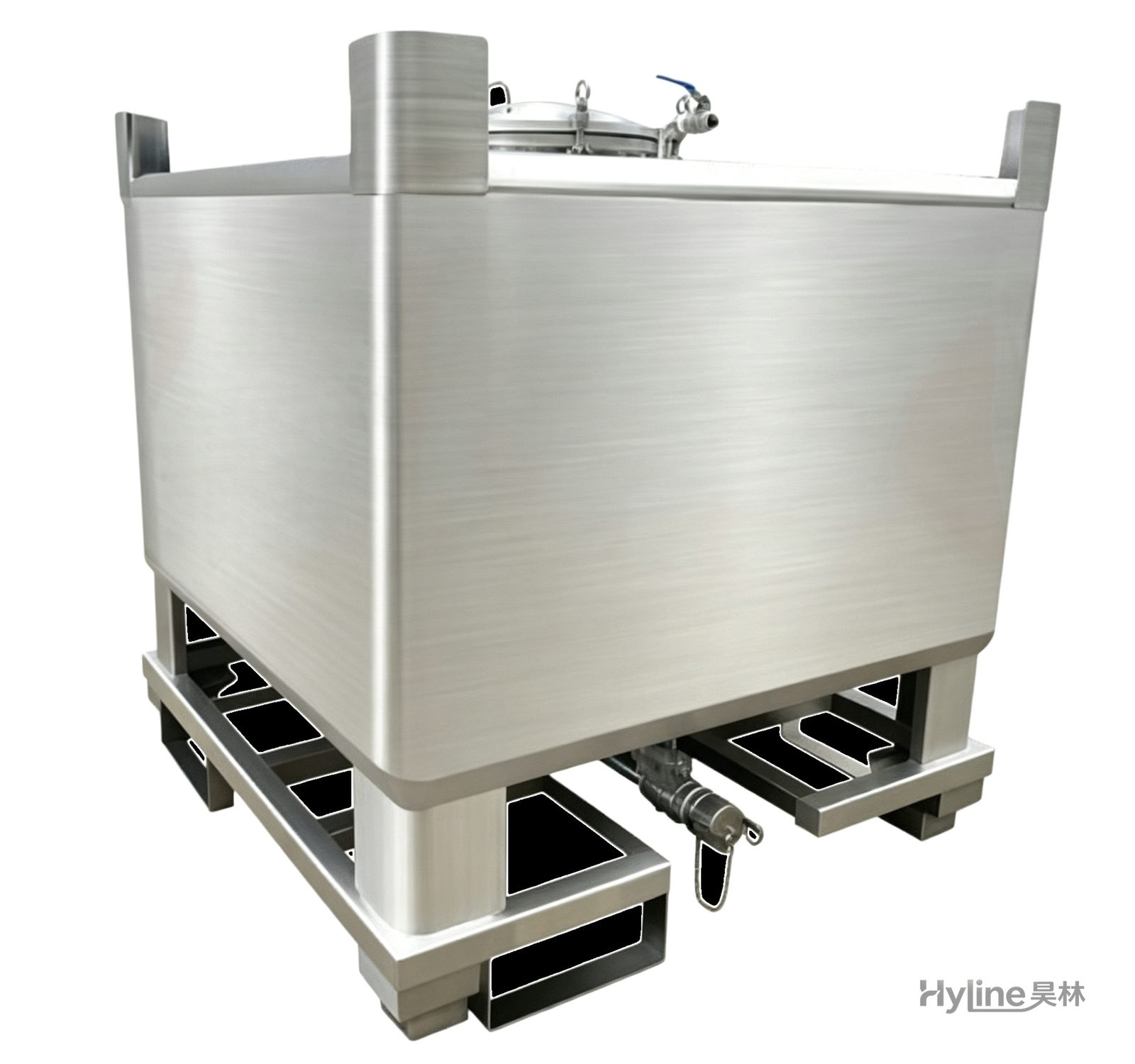
IBC Tank (Intermediate Bulk Container)
HDPE blow-molded liner with hot-dip galvanized steel frame - UV resistant, anti-aging, easy to clean, non-toxic. Four-way fork base for easy handling and stacking; ideal for liquid storage and transport.