
How Does Forced-Circulation Evaporation in a Concentrator Work? Circulation Pump, Heating Chamber and Anti-Scaling Essentials
10/28/2026
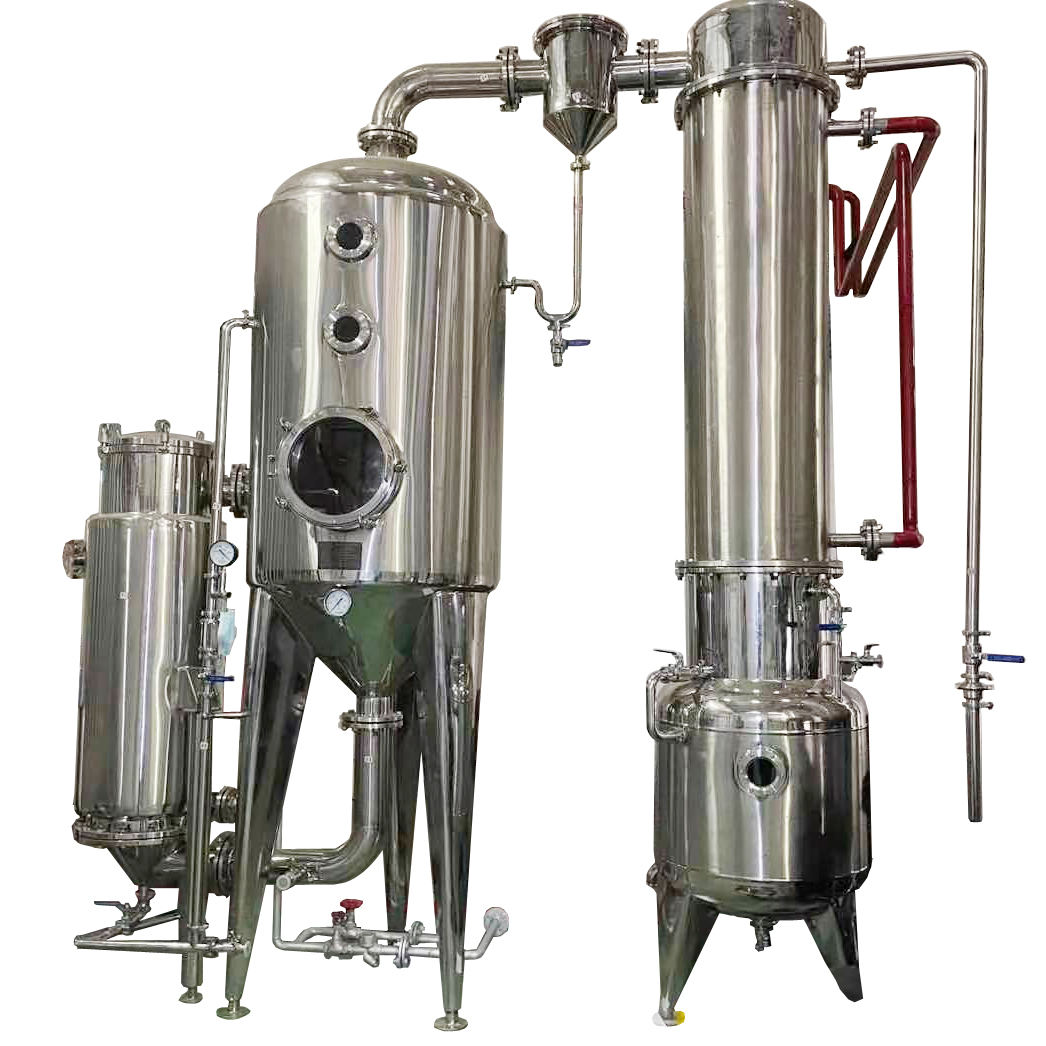
What Is the Difference Between Forced-Circulation, Natural-Circulation and Falling-Film Evaporation?
Bottom line: forced circulation uses a circulation pump to actively speed up the liquid; the velocity and heat-transfer coefficient inside the heating tubes are stable and controllable, which suits scaling-prone and higher-viscosity materials better than natural circulation.
There are three common forms of evaporative concentration. Natural circulation relies on the density difference created by heating to drive liquid flow; the velocity is low and fluctuates. Falling-film evaporation makes the liquid flow as a film on the inner wall of the tubes; the heat-transfer coefficient is high, but an unstable film can easily cause local dry-wall spots. Forced circulation adds a circulation pump before the heating chamber, forcing the liquid through the heating tubes at a relatively high velocity. In practice, the velocity inside forced-circulation heating tubes is generally controlled at 1.5 to 3 m/s; the Reynolds number in the tubes is high, the boundary layer is thin, the heat-transfer coefficient is stable, and the high-velocity sweeping suppresses scale deposition. The trade-off is one more circulation pump and associated piping, and energy consumption is somewhat higher than natural circulation, but reliability and stability are gained on scaling and viscosity issues.
How Does Forced-Circulation Evaporation Work?
Bottom line: the circulation pump sends liquid into the heating chamber to raise its temperature; liquid heated close to the boiling point enters the evaporation chamber and flashes off secondary vapor; the rest recirculates and the concentration gradually rises.
The whole flow can be divided into four steps. Step one: the circulation pump draws liquid from the bottom of the evaporation chamber and feeds it at a set flow rate into the heating chamber. Step two: in the heating chamber, steam or thermal oil transfers heat through the heat-exchange tubes; the liquid rises close to its boiling point, but because the pressure inside the heating tubes is higher, the liquid does not boil in the tubes. Step three: the heated liquid enters the evaporation chamber, the pressure drops sharply, and the superheated part immediately flashes off secondary vapor, which rises into the condensing system. Step four: the un-evaporated liquid falls back to the bottom of the evaporation chamber, mixes with fresh feed and enters the circulation again. Only a small fraction of the liquid evaporates in each pass; the concentration rises by repeated circulation. Forced-circulation evaporation is therefore characterized by a small single-pass evaporation, a large circulation rate and steady operation.
How Is the Circulation Pump Selected?
Bottom line: the circulation pump is selected by circulation rate and head; the circulation rate is generally 20 to 40 times the feed evaporation rate, the head mainly overcomes the resistance of the heating chamber and piping, and the material is chosen by medium corrosivity.
The circulation rate determines how many times the liquid passes through the heating tubes. In practice, the circulation multiple of forced-circulation evaporation is generally 20 to 40 times, i.e. the circulation flow is 20 to 40 times the evaporation rate per unit time. If the multiple is too low, the single-pass temperature rise is excessive and the liquid near the tube wall tends to scale; if too high, pump energy and pipe costs rise. The head is calculated from system resistance, including the tube-side resistance of the heating chamber, valves and bends; it generally does not need to be high but must cover the worst condition. The pump material is selected by medium corrosivity; food and pharmaceutical industries generally use 304 or 316L stainless steel, and a mechanical seal is preferred for the shaft seal; for media containing particles or with high viscosity, the pump type and flow-passage size should also be considered. The motor power and speed of the circulation pump matter equally: the shaft power is generally calculated from the flow rate and head, with 10% to 15% margin reserved in selection for viscosity fluctuation; the speed generally uses a four-pole or six-pole motor, and variable-frequency control can adjust the circulation rate to suit the resistance change at different concentration stages. The piping between the pump and the heating chamber should be as short and straight as possible; one fewer bend or valve means less system resistance, and the same motor power buys a higher circulation velocity.
Why Does the Heating Chamber Resist Scaling?
Bottom line: the high velocity thins the boundary layer at the tube wall so scale cannot attach easily; combined with a moderate temperature difference, the scale formation rate is far lower than in natural circulation.
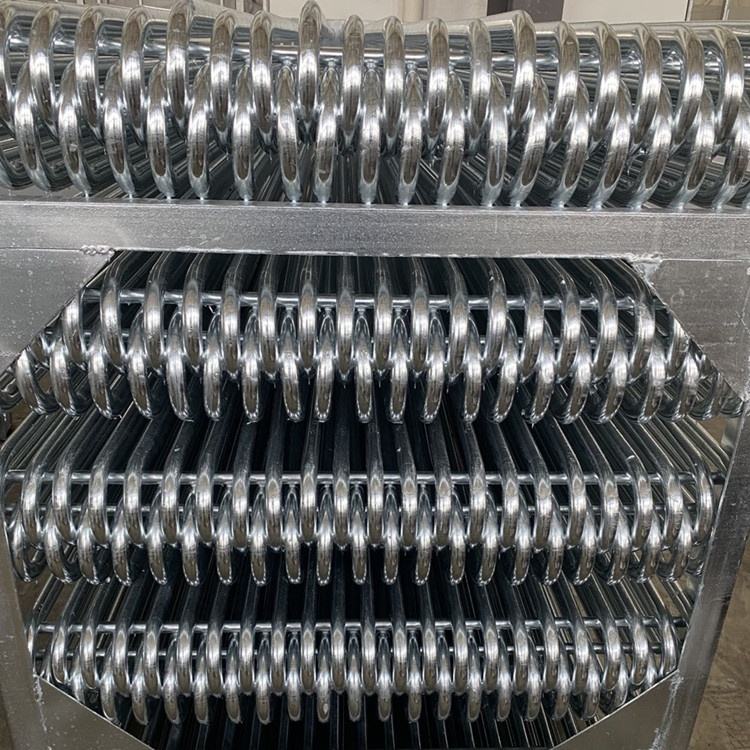
Scaling is essentially the liquid near the wall being overheated so that solutes precipitate and deposit on the wall. Forced circulation quickly carries away the liquid heated near the wall at high velocity, and the difference between the wall temperature and the bulk liquid temperature is kept small, weakening the driving force of precipitation. Industry experience: the velocity inside forced-circulation heating tubes is generally not lower than 1.5 m/s, and the heating temperature difference is generally kept in the range of 5 to 15℃. Together, these two items can visibly lengthen the running period of scaling-prone materials such as sugar solution, fruit juice, amino-acid liquor and soy sauce. Once scale forms, CIP caustic and acid washing can be applied per procedure; for heavy scale, the heat-exchange tubes can be pulled out and cleaned individually. If the tubes are designed as removable, maintenance does not require moving the whole unit.
How Are Evaporation Temperature and Vacuum Coordinated?
Bottom line: forced-circulation concentration is generally combined with vacuum operation; the vacuum determines the boiling point, and the lower the boiling point, the more suitable for heat-sensitive materials. The vacuum and heating temperature are set together with the maximum material temperature.
When the concentrator is evacuated, the boiling point of the liquid drops as the vacuum deepens. Heat-sensitive materials (fruit juice, protein liquor, Chinese-herb extract liquor, etc.) usually keep the evaporation temperature in the 60 to 80℃ range; the corresponding vacuum is generally about -0.06 to -0.09 MPa (gauge), with the exact value determined by the maximum temperature the material allows. When steam is used in the heating chamber, a reasonable temperature difference must be kept between the steam pressure and the liquid boiling point; too large a difference causes local overheating, too small a difference slows heat transfer. The secondary vapor condenses in the condenser, and non-condensable gas is discharged by the vacuum pump. In practice, the three numbers of evaporation temperature, vacuum and heating temperature are often written together on the process card; operators first stabilize the vacuum, then adjust the heating, to avoid a temperature spike that damages the material.
Which Materials and Duties Suit Forced Circulation?
Bottom line: scaling-prone, medium-viscosity and heat-sensitive materials suit forced circulation best; it is common in food, pharmaceutical, bio-fermentation and chemical concentration, with sugar liquor and extract liquor being the most typical scenarios.
From the material side there are three categories. The first is scaling-prone materials: sugar liquor, glucose syrup, fruit juice and some amino-acid liquors easily scale on the heating surface, and the high velocity of forced circulation is the most direct countermeasure. The second is medium-viscosity materials: systems with viscosity from several hundred to several thousand millipascal-seconds that natural circulation cannot drive well; forced circulation guarantees velocity and heat transfer. The third is heat-sensitive materials: combined with vacuum low-temperature evaporation, color change and loss of active components can be controlled. For pure water and very low-viscosity simple evaporation, natural circulation or falling-film evaporation saves more energy, so forced circulation is unnecessary. When selecting, provide the manufacturer with the viscosity curve, scaling tendency, maximum allowed temperature and capacity requirement, so that the circulation multiple, heating area and vacuum system match the actual duty.
How Does Forced Circulation Combine with Falling-Film and MVR?
Bottom line: forced circulation can serve as the first effect or combine with falling-film and MVR into a multi-effect system: falling film de-waters rapidly in the front section, while forced circulation handles the higher viscosity and scaling in the late concentration stage.
Actual lines often combine the forms: a falling-film evaporator handles most of the water evaporation in the front section; after the concentration rises and viscosity increases, the late stage switches to forced-circulation evaporation. Forced circulation can also be the circulation body of mechanical vapor recompression (MVR): the compressed secondary vapor serves as the heat source. The benefit of this combination is low front-end energy consumption and no scaling in the rear stage, balancing capacity and running period. The control of a combined system is more complex than a single effect: the circulation rate, vacuum and temperature are controlled effect by effect, generally designed uniformly by the line supplier; the user side mainly needs to reserve cleaning and maintenance windows.
How Is the Evaporation Intensity of Forced Circulation Measured?
Bottom line: evaporation intensity is generally expressed as the evaporated amount per unit heating area; in practice, forced circulation is often taken as 20 to 60 kg per square meter per hour, depending on the material and vacuum.
Evaporation intensity equals the water evaporated per hour divided by the heating area. The deeper the vacuum and the larger the temperature difference, the higher the intensity; but heat-sensitive materials require a lower temperature, so the intensity drops accordingly. In selection, first set the capacity (how much water evaporates per hour), then estimate the heating area by intensity, and finally match the circulation multiple and pump. When the three sets of numbers match, the equipment size and energy consumption are reasonable. In a combined system, the heating area of the forced-circulation effect generally accounts for a larger share of the rear stage, because viscosity and scaling risk are highest in the late concentration stage and more heat-exchange margin is needed.
What Are the Maintenance Points?
Bottom line: maintenance focuses on three places: the circulation-pump mechanical seal and bearings, heat-exchange-tube scaling, and the vacuum system. Regular cleaning and recording of operating parameters can significantly extend the continuous running period.
The circulation pump is the heart of forced circulation: mechanical-seal leakage should be handled first, and bearings greased per the maintenance schedule. For the heat-exchange tubes, focus on scaling: a smaller outlet temperature difference and lower circulation flow both indicate thickening scale, and CIP cleaning should be run per procedure. For the vacuum system, check the condenser and vacuum pump; abnormal non-condensable gas and cooling-water temperature directly drag down the vacuum. It is recommended to record four numbers every shift: circulation flow, heating temperature, evaporation temperature and vacuum; a drop in flow and a narrowing of the temperature difference are the earliest signs of scaling. For spare parts, keep one set each of the mechanical-seal stationary and rotating rings and pump bearings, a small number of spare heat-exchange tubes, and for heavy-scaling duties also cleaning agents and dedicated cleaning equipment, to avoid a whole-line shutdown in a failure.
Summary
Forced-circulation evaporation rests on three things: the circulation pump provides velocity, the heating chamber provides heat, and the evaporation chamber collects vapor; controlling velocity and temperature difference is the key to anti-scaling. Scaling-prone, high-viscosity and heat-sensitive materials are its best territory, and combining with falling-film and MVR balances energy consumption and stability. Our concentrators are customized by material properties for circulation multiple, heating area and vacuum system; selection for sugar-liquor, fruit-juice and extract-liquor projects is welcome for discussion.
Related reading: - How does an MVR vapor recompression concentrator save steam? - How to select a condenser for a concentrator?
This article is compiled by Hyline Stenda Equipment Manufacturing Co., Ltd. (hyline.cn), mainly supplying stainless steel reactors, mixing tanks, storage tanks, dispersers, concentrators and complete chemical line supporting equipment, with non-standard customization supported.
Q&A from this article
Frequently asked questions and answers from this article
Bottom line: the circulation pump is selected by circulation rate and head; the circulatio…
Related Products
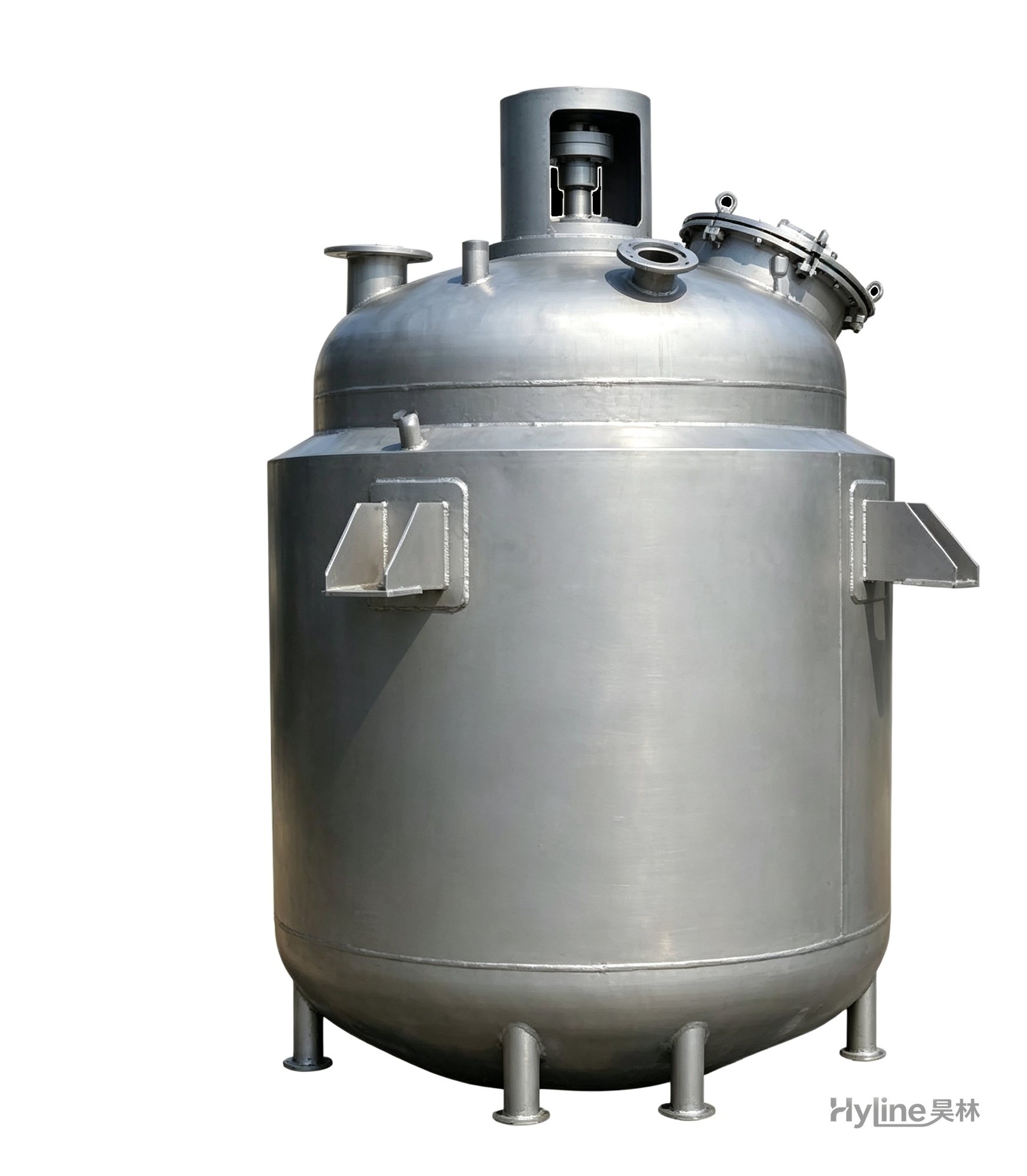
Jacketed Reactor
The typical main reaction vessel in chemical production. Mixing, heating and cooling disperse and mix materials for reaction and polymerization. The jacket circulates thermal oil/steam for heating or cooling water for temperature control.
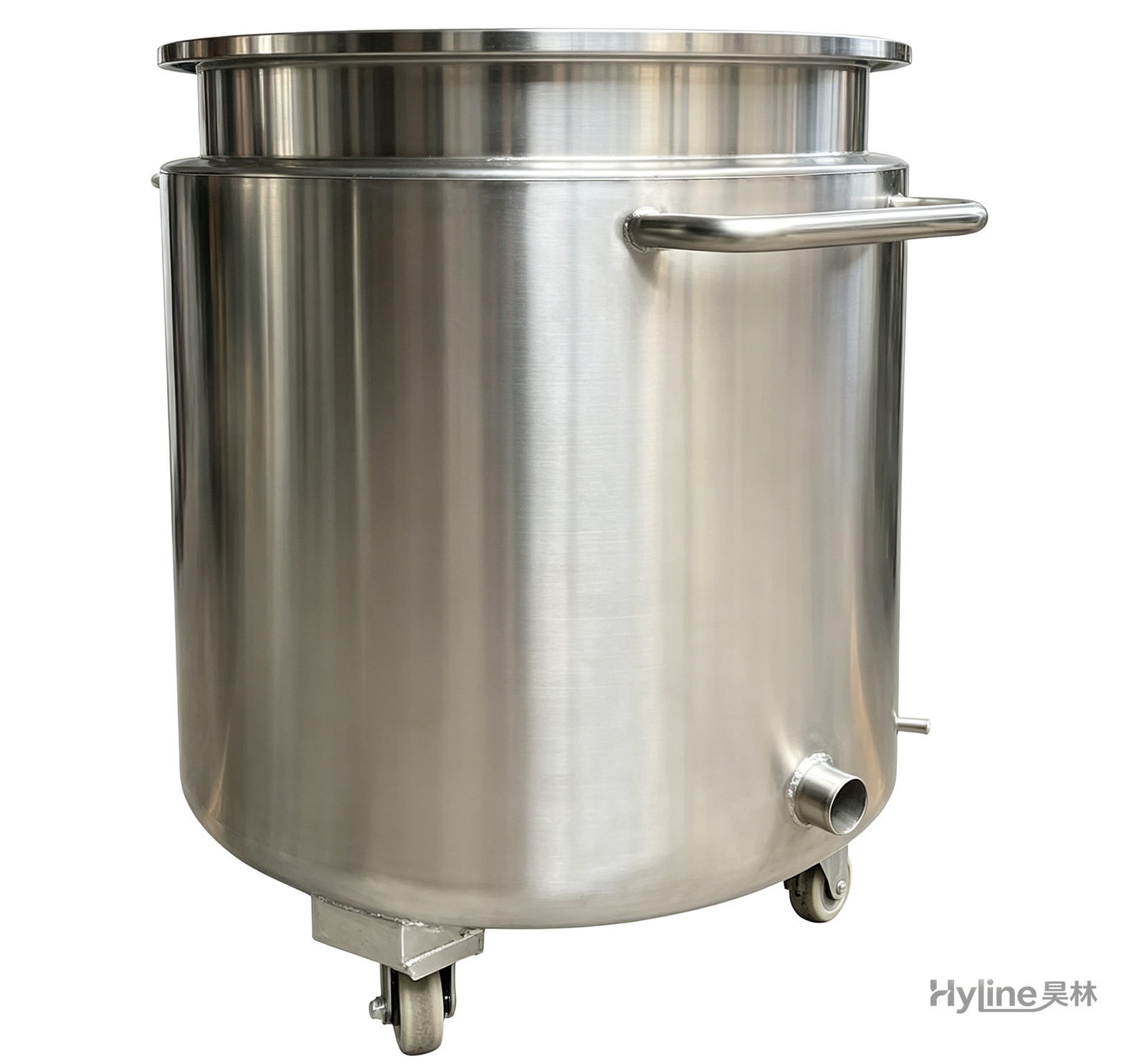
Stainless Steel Mixing Tank (Dispersion Drum)
Supporting vessel for dispersers and mixers in paints, coatings, adhesives, color slurries, inks and electronics. Available in 201/304 stainless with internal/external polishing and sloped bottom side discharge for complete draining.
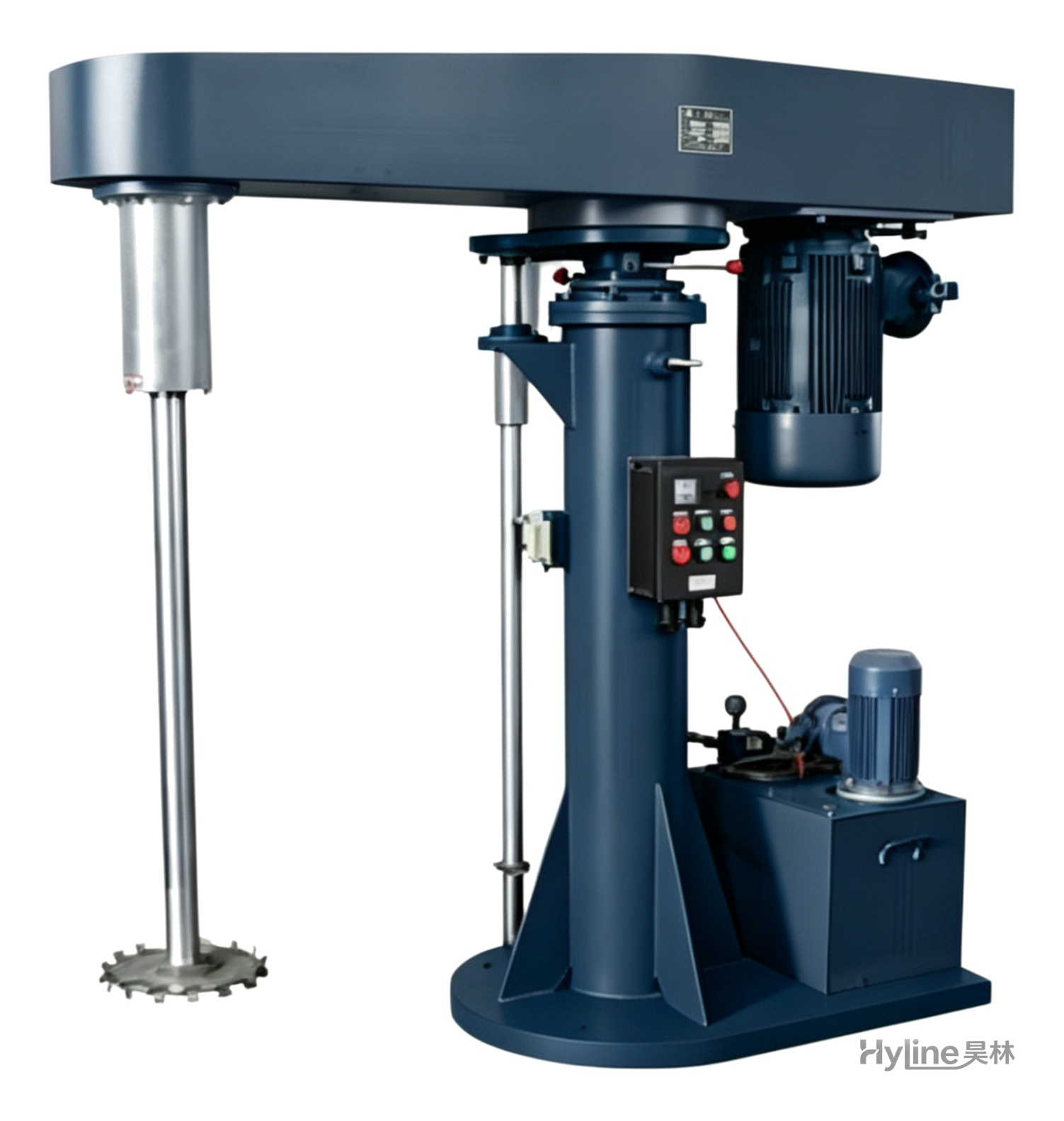
FL Series High-Speed Disperser
Stirs, dissolves and disperses liquids and powders, working alone or matched with sand mills. Variable-frequency drive with hydraulic lift, widely used in paints, inks, coatings, dyestuffs and papermaking.
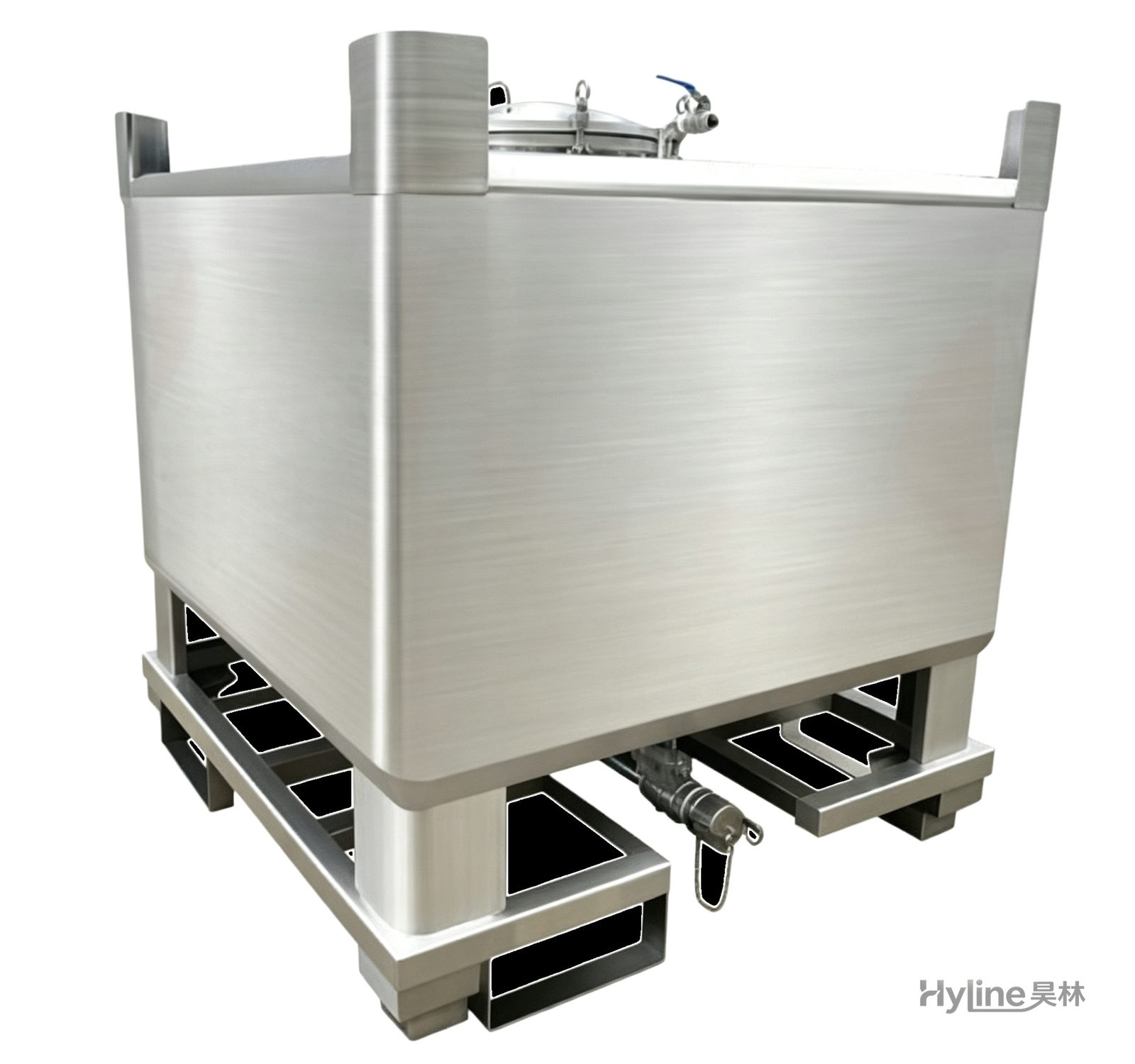
IBC Tank (Intermediate Bulk Container)
HDPE blow-molded liner with hot-dip galvanized steel frame - UV resistant, anti-aging, easy to clean, non-toxic. Four-way fork base for easy handling and stacking; ideal for liquid storage and transport.