
How to select mixing tanks for the electroplating and surface treatment industry? Corrosion-resistant configuration for plating baths, degreasing solutions and pre-treatment liquids
11/14/2026
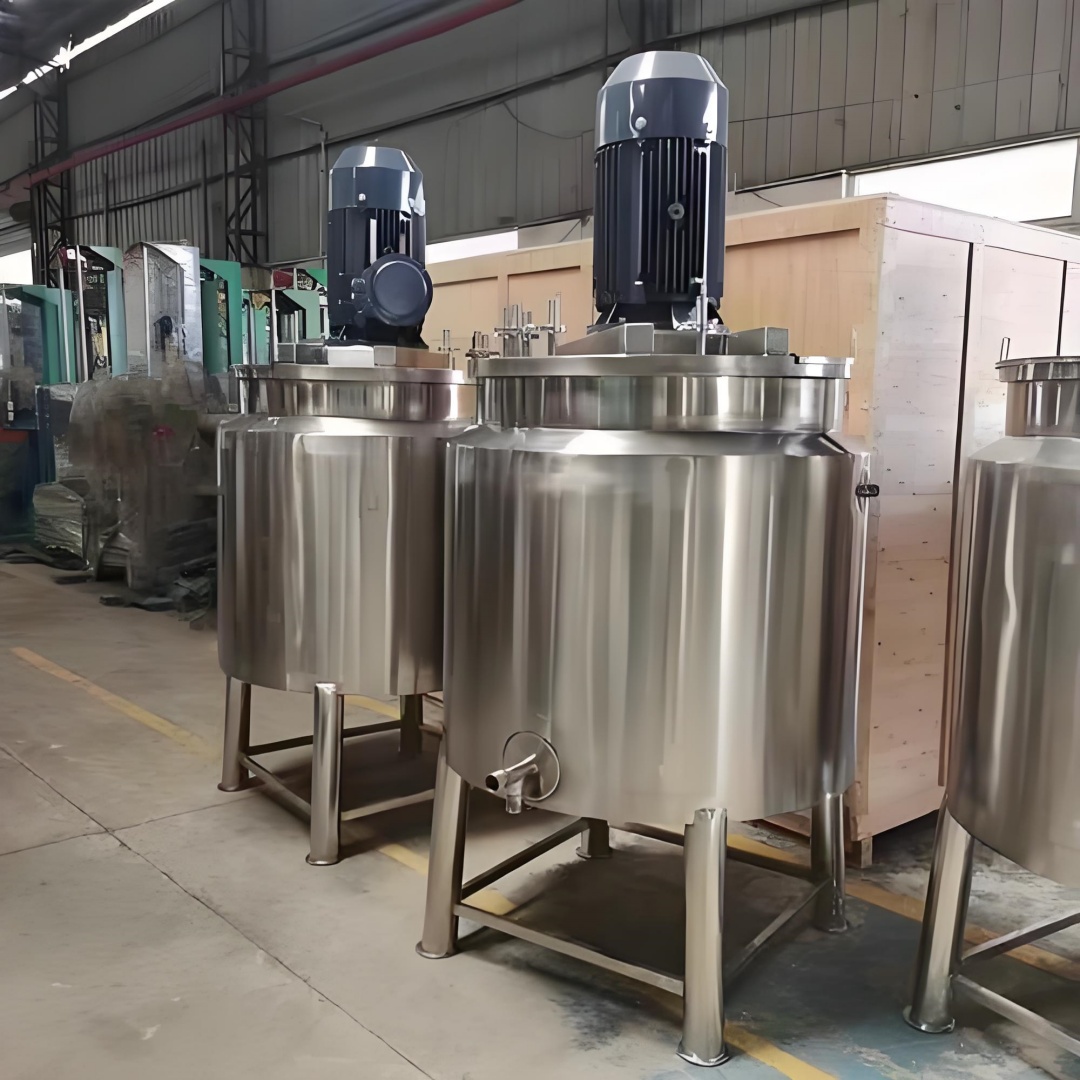
In a plating and surface treatment shop, besides the plating tanks themselves, a set of supporting equipment is needed for preparing, topping up, storing and transferring the solutions: tanks for dissolving the main salts, containers for concentrated acids and alkalis, dosing tanks that feed the plating lines, and tanks for preparing chemical degreasing and pickling solutions. These vessels look like simple make-up tanks, but the service is harsher than much of the main process: the media are strong acids and alkalis, often hot, carrying chlorides and metal ions typical of plating shops. If material, agitation and heating are compromised, the tank may corrode through in one or two years, or worse, the bath batch is lost and the line stops. This article explains the selection of stainless steel mixing tanks and other corrosion-resistant vessels for three typical media groups, as a reference for buyers in the surface treatment industry.
What makes each of the three media groups difficult?
One-line conclusion: plating baths are difficult because of chlorides and elevated temperature, alkaline degreasing because of hot strong alkali, and pickling because of strong acids and acid mist; the material requirements are completely different. Plating baths: nickel, zinc and copper electrolytes commonly contain chlorides, and chloride stress corrosion and pitting of austenitic stainless steel is a well-known problem in this industry; with high chloride content and bath temperatures around forty to fifty degrees, pitting perforation of ordinary stainless tanks is not rare. Chemical degreasing: sodium hydroxide from a few to more than ten percent, working temperatures of sixty to seventy degrees and above; strong alkali itself attacks steel slowly, but hot alkali attacks seals and ordinary coatings directly. Pickling: sulfuric, hydrochloric and hydrofluoric acid systems are all in use, from ambient to heated; the acid mist corrodes tank roof fittings and the workshop environment alike.
Separating the three groups and assigning material to each is the first rule of tank selection in the plating industry. Choosing one material for everything is the main cause of early tank failure.
How to choose the material by medium?
One-line conclusion: low-chloride baths may use stainless steel; high-chloride and strong acid systems prefer lined or titanium vessels; alkaline degreasing can use ordinary stainless steel, with seals and fittings matched accordingly.
| Medium type | Typical systems | Recommended vessel material | Fitting cautions |
|---|---|---|---|
| Nickel, zinc baths (low chloride) | Sulfate-based systems | Stainless steel tank | Evaluate if chloride exceeds limits |
| High-chloride baths, chloride systems | Nickel chloride, potassium chloride baths | PO/PVDF lined or titanium | Avoid direct contact with stainless steel |
| Chemical degreasing | Hot sodium hydroxide | Stainless steel tank | Alkali-resistant seals |
| Hydrochloric, sulfuric pickling | Ambient to heated | Lined or plastic tanks | Protect roof fittings and vents from acid mist |
| Hydrofluoric acid systems | Cold pickling | PTFE lined | No glass or ordinary ceramics |
The most common pitfall in this table is a stainless steel tank for a high-chloride bath. Many buyers assume stainless steel is universal, put a bath with considerable nickel chloride content into a stainless tank, and months later find dense pitting on the lower shell and weld zones. The judgment depends not on the medium name alone but on chloride concentration and temperature: the higher both are, the worse the suitability of stainless steel. Rather than gamble on material, send the medium composition sheet to the equipment supplier for a material assessment. For lined tanks, pay attention to lining workmanship and flange lap details; pinholes and lining separation at flange edges are the main leak points, and a spark test should be required at acceptance.
How to choose the agitation? Air agitation or mechanical agitation?
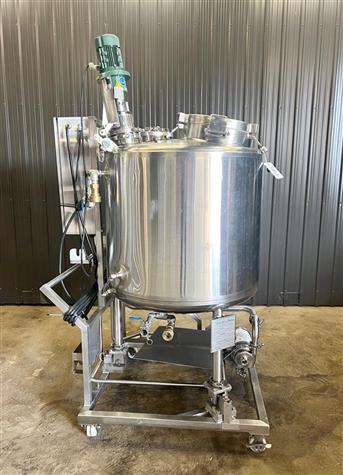
One-line conclusion: use mechanical agitation for dissolving and make-up duty; keep air agitation where the plating hall uses it, and for make-up tanks prefer low-speed mechanical agitation with corrosion-rated shafts and seals. For main salt dissolution, most salts dissolve readily in warm water and a low-speed paddle agitator with timer control is enough; poorly soluble additives and liquid agents needing longer dispersion require higher speed and a suitable impeller. Some transfer and topping tanks use compressed-air sparging, following the plating hall habit. Moving air agitation onto make-up tanks has two cautions: air carries carbon dioxide and dust into the bath, which precision baths do not welcome; and in acid systems, bubbling carries out acid mist, so the tank top needs a demister and extraction.
In corrosive media the critical parts of mechanical agitation are the shaft and the shaft seal. Shafts are graded by material: stainless shafts for low-chloride duty; for high-chloride systems and lined tanks, steel shafts with PTFE sleeving or titanium shafts, at a clearly higher price, to be weighed against medium concentration and expected life. For shaft seals, maintenance-free double mechanical seals or dry-running designs are preferred; ordinary packing in acid and alkali demands constant attention, and a ring of crystals around the tank base is usually leakage from the packing.
How to configure heating? Mind the temperature limits of lined tanks
One-line conclusion: stainless tanks can take jackets or internal heaters; lined tanks have limited heating options, so external circulation heat exchangers or fluoropolymer immersion heaters are preferred. Degreasing liquids must be heated to sixty-seventy degrees and above, and some pickling systems are heated too, so the heating method follows the tank material. For stainless tanks, a jacket with steam or electric heating is the routine solution. The problem with lined tanks is the limited service temperature of the lining: common lining materials are rated from several tens of degrees to just above one hundred, and overheating causes blisters and cracks. Therefore lined tanks are usually not heated through the wall; instead a pump circulates the medium through an external heat exchanger, or corrosion-resistant immersion elements are used. Heating power is sized by the required heat-up time; batch make-up and continuous top-up have different heat patterns, so do not guess from experience.
For temperature control, most plating baths tolerate moderate deviation, but degreasing and electroless systems decompose faster when overheated, so controllers with over-temperature cut-off are required. Steam systems need proper condensate drainage, and heater parts exposed to acid mist follow the medium in material selection; writing these details into the order saves rework after start-up.
How to plan filtration and handling together?
One-line conclusion: make-up tanks, bath circulation and bag filters form a continuous filtration loop, and solution transfer uses corrosion-rated IBCs; ordering the package together saves a lot of site integration work. Bath cleanliness directly affects deposit quality, so freshly made bath is filtered before transfer, and operating tanks are continuously circulated and filtered to catch mechanical impurities and fallen parts. Bag filter housings and bags follow the bath system: stainless housings for low-chloride duty, lined or plastic housings for high-chloride and pickling loops. When planning the make-up area, reserve the connections for filters and transfer pumps in the tank design, set nozzle heights and drain slopes once, and the piping will be far tidier than cutting holes on site later.
For solution and acid transfer, IBC tanks and filling equipment follow the medium in corrosion rating, and the acid handling area needs bunding and leak control. Zoning acid, alkali and bath tanks with ventilation and spill control in the overall layout keeps the shop environment corrosion down considerably.
How to finalize the anti-corrosion mixing tank plan?
One-line conclusion: provide the medium composition, concentration, temperature and duty honestly, set material by medium, agitation by material and heating by process, and write all three into the technical agreement. A single tank can be self-checked against the table in this article; for a whole make-up area, designing material grades, filtration loops and transfer containers together is more economical. Hyline Shengda Equipment Manufacturing Co., Ltd. (hyline.cn) has accumulated years of experience in corrosion-resistant agitation equipment: vessel, shaft and seals are verified against the medium composition, lined tanks leave the factory spark-tested, and heating and filtration connections are completed in one drawing set. Send us your bath system and concentration sheet, and the material and configuration plan will come with the equipment.
Further reading: - How to choose the material of a stainless steel reactor? 304, 316L and clad plate by medium corrosivity - How are pickling passivation and internal polishing done on stainless equipment? Key processes for corrosion protection and cleanliness
This article is prepared by Hyline Shengda Equipment Manufacturing Co., Ltd. (hyline.cn)
Q&A from this article
Frequently asked questions and answers from this article
One-line conclusion: low-chloride baths may use stainless steel; high-chloride and strong …
Related Products
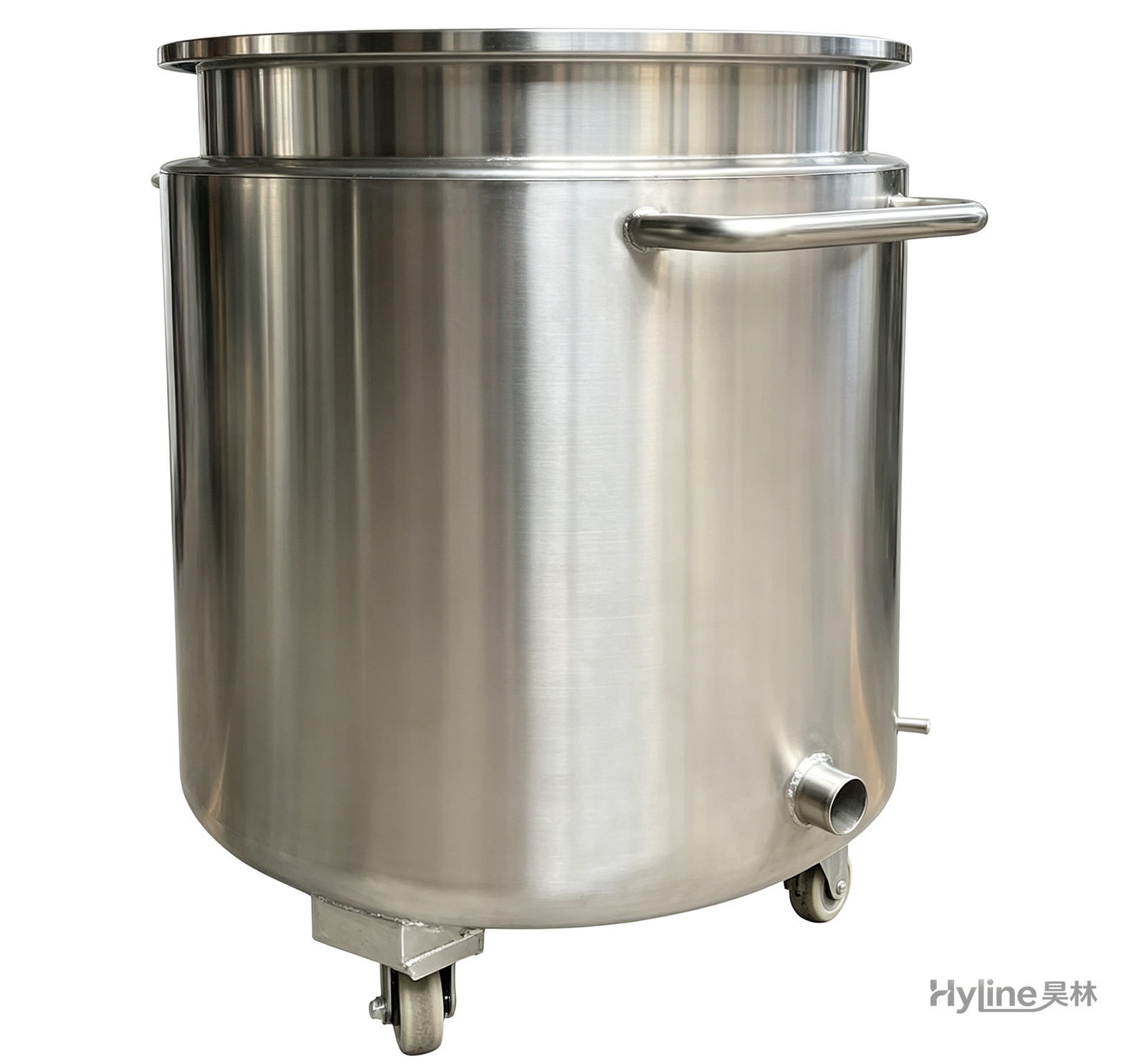
Stainless Steel Mixing Tank (Dispersion Drum)
Supporting vessel for dispersers and mixers in paints, coatings, adhesives, color slurries, inks and electronics. Available in 201/304 stainless with internal/external polishing and sloped bottom side discharge for complete draining.
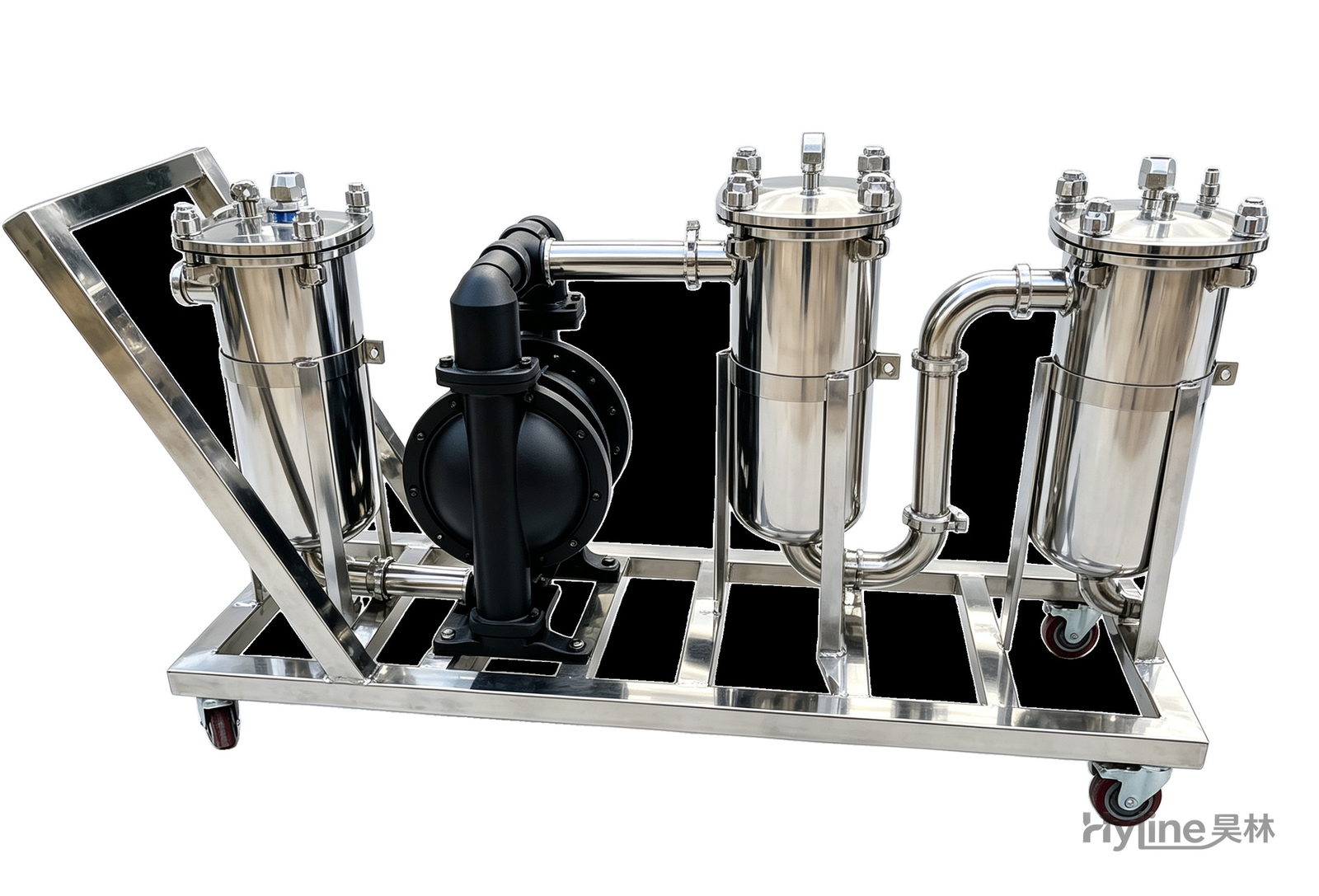
DL Series Bag Filter
A novel, compact, flexible and airtight multi-purpose filter widely used in chemicals, coatings, inks and food. Single and duplex models available, mountable on mobile carts with transfer pumps.
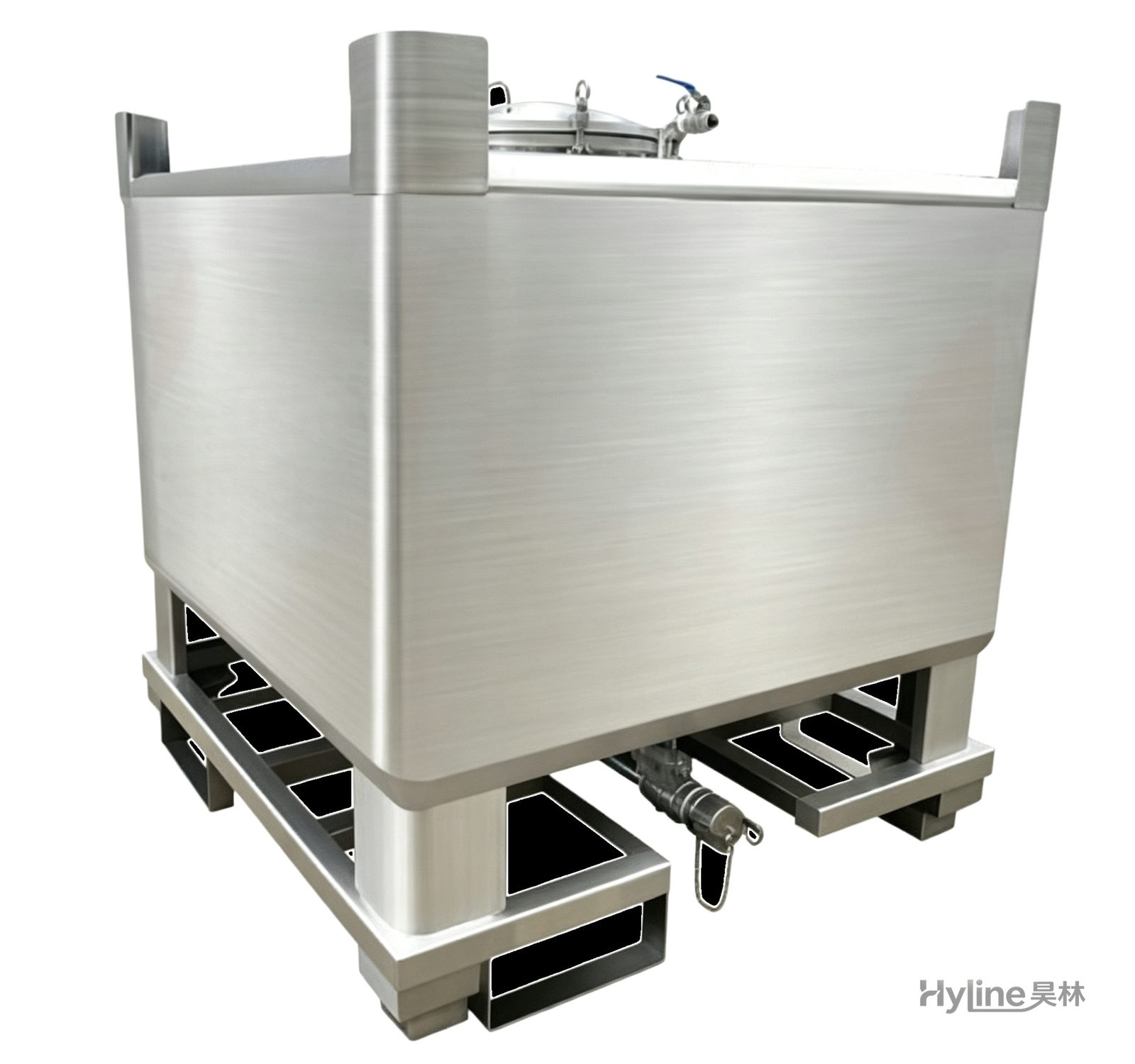
IBC Tank (Intermediate Bulk Container)
HDPE blow-molded liner with hot-dip galvanized steel frame - UV resistant, anti-aging, easy to clean, non-toxic. Four-way fork base for easy handling and stacking; ideal for liquid storage and transport.
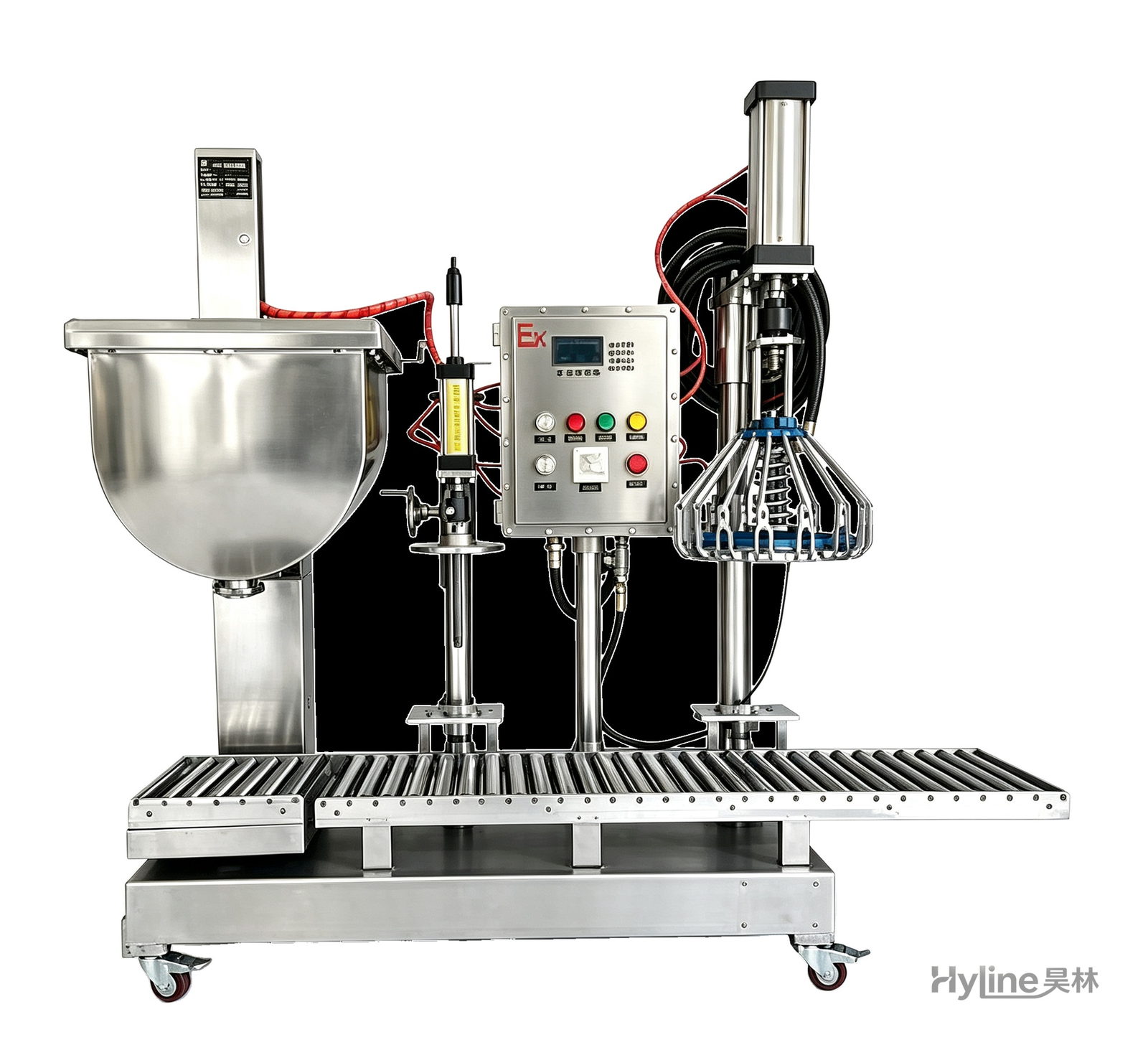
Weighing Semi-Automatic Filling Machine
Designed for frequent packaging changes with dual capping. European weighing technology with Siemens PLC: automatic feed speed adjustment and precision correction, triple protection (emergency stop/power-off/tank removal), explosion-proof fittings.