
How Do You Improve the Emulsification Fineness of an Emulsifying Tank? Matching the Homogenizing Head, Speed and Temperature
10/27/2026
Why does emulsification fineness always miss by a little?
Bottom line first: fineness is determined together by the shear capability of the homogenizing head, the rotation speed and the material temperature. Adjusting only one of them is usually not enough.
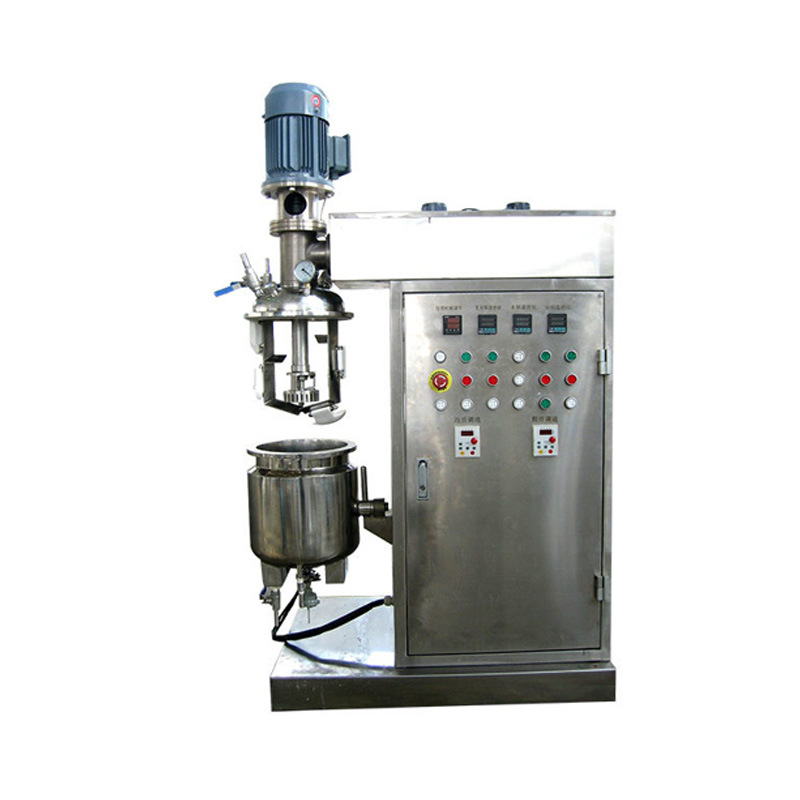
For emulsified products such as cosmetic creams and ointments, the most common acceptance indicator is fineness—the fineness gauge reading should stay within 10 micrometers, and premium creams usually require 5 micrometers or less. When fineness fails, the product feels poor, tends to separate, and rework costs are high. To understand where fineness comes from, start with the mechanism of an emulsifying tank: the main agitator first roughly mixes the oil and water phases, the material is drawn into the homogenizing head, and in the high-speed gap between the rotor and stator it is repeatedly sheared and impacted until oil droplets are broken down to the target size. Fineness therefore depends on three things: the shear capability of the homogenizing head, the actual peripheral speed, and the material viscosity (mainly set by temperature). When the three are matched, fineness is stable.
Common industry ranges: for cosmetic cream emulsification, the homogenizing head peripheral speed is usually 15–25 m/s and fineness can reach 1–5 micrometers; for ordinary emulsions, 10–30 micrometers is enough; pharmaceutical ointments are stricter and often need D90 verified by a particle size analyzer. If the peripheral speed is too low, fineness will not come up; if it is too high, over-shearing, breaking of the emulsion or temperature rise makes things worse.
How do you choose a homogenizing head that matches the fineness requirement?
Bottom line first: the smaller the rotor-stator gap, the stronger the shear, but too small a gap will clog with high-viscosity material. Choose the head type by viscosity and target fineness.
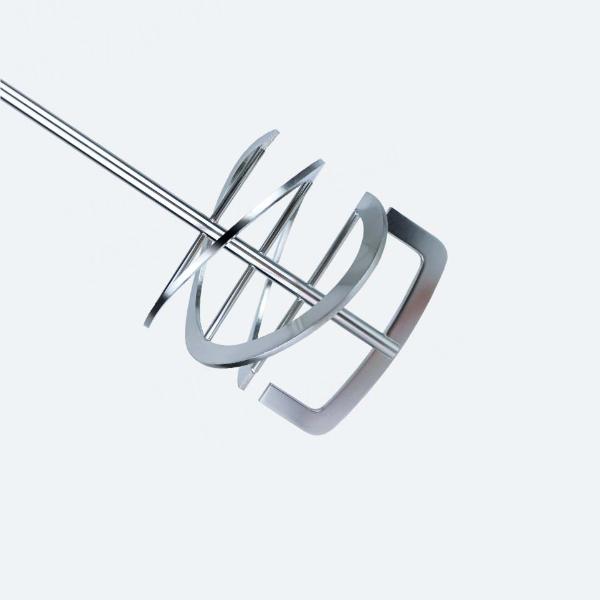
Common homogenizing heads fall into several types: the standard rotor-stator suits low-to-medium viscosity systems below 2000–8000 cP; the fine-tooth head has a smaller gap and more teeth, suiting creams with high fineness requirements; single-stage versus multi-stage in series affects throughput. A table helps you choose:
| Target fineness | System viscosity | Homogenizing head suggestion |
|---|---|---|
| Below 5 micrometers | 3000–5000 cP | Fine-tooth head, extend homogenizing time a little |
| Around 10 micrometers | Above 5000 cP | Standard-tooth head, with anchor scraper feeding |
| Ordinary emulsion 10–30 micrometers | Low to medium viscosity | Standard rotor-stator |
The rotor-stator gap is generally 0.2–0.5 mm. The smaller the gap, the more intense the shear, but material with more abrasive particles or crystals tends to clog, so weigh the material characteristics. In high-viscosity scraper systems, the homogenizing head also needs an anchor scraper agitator to keep feeding material to the head, otherwise shear is local and the batch is uneven. When selecting a head, give the manufacturer the three parameters—target fineness, viscosity and batch size—rather than a single fineness number; it is easier to match correctly.
How do you set the speed and peripheral speed?
Bottom line first: set the peripheral speed by the fineness requirement first, then derive the rotation speed from the head diameter. A variable-frequency drive leaves room for process adjustment.
Higher speed is not always better. Peripheral speed of the head equals pi times diameter times speed divided by 60; when the diameter is fixed, speed decides the peripheral speed. In practice: for the first batch, choose the peripheral speed by the target fineness, then calculate the rotation speed from the nominal diameter; for later fine-tuning, adjust speed first and watch the fineness curve. Find the turning point where "raising speed no longer improves fineness"—this means the current setting is at its limit, and going higher only adds heat and breaks the emulsion. To leave room, the emulsifying tank motor is usually fitted with a frequency converter, and the speed range is set to 70%–110% of the design peripheral speed. For large cream batches, also check the head throughput against batch time: homogenizing time per batch is generally 10–30 minutes; too short makes fineness unstable, too long cuts batch capacity. The larger the head diameter, the easier it is to reach the peripheral speed, but motor power also rises, so check installed power and energy consumption together during selection.
How do temperature and feeding order cooperate?
Bottom line first: set oil and water phase temperatures by the formula, and keep the system viscosity low during the emulsification stage, which helps shear the droplets fine.
Temperature affects viscosity, and viscosity affects shear. In cosmetics, the oil phase is usually heated to 60–80 degrees Celsius and the water phase is 5–10 degrees Celsius above the oil phase; during emulsification the temperature is maintained, the viscosity is low, and the shear efficiency of the head is highest. Feeding order matters too: add the oil phase first, then the water phase slowly while stirring, to avoid local over-concentration; after emulsification, stir slowly during cooling to prevent high-speed shear from destroying the droplets already formed. Temperature that is too high damages emulsifiers and active ingredients, so generally do not exceed the formula's tolerance temperature; the exact range follows the formula, and the equipment's job is simply to coordinate temperature control with the homogenizing sequence.
For high-viscosity cream systems, besides the anchor scraper, some formulas use a planetary mixer as the main agitator together with the head. Planetary revolution and self-rotation keep the material turning continuously, scraping and homogenizing work together, and fineness is more uniform.
How do you troubleshoot common fineness problems?
Bottom line first: when fineness turns coarser, check the head gap and speed first, then temperature and feeding order, and suspect the formula last. From equipment to process is the fastest order.
Follow this sequence on site. Step one, the head: has the rotor-stator gap grown due to wear, is the tooth face fouled or jammed? Head wear is the primary cause of fineness degradation; a head is usually assessed over 2000–5000 operating hours, and frequent emulsification of abrasive material shortens the inspection interval. Step two, speed: does the converter display match the setting, is the belt slipping, has the actual peripheral speed fallen below the lower limit? Step three, temperature: has the actual emulsification temperature reached the setting? Low temperature means high viscosity and poor shear. Step four, feeding order: do the order and rate of adding oil and water phases follow the process? Local over-concentration creates large droplets that are hard to break later. If equipment and process are ruled out and there is still no improvement, only then return to the formula and review the emulsifier dosage and ratio.
The basis for this order: equipment parameters can be adjusted the same day, while formula changes have a wide impact and a long cycle. Clear equipment and process causes with low-cost measures first, to avoid changing the formula blindly.
How do you balance homogenizing time and batch capacity?
Bottom line first: homogenizing time is not the longer the better. Find the shortest time that passes fineness, and that is the balance point between batch capacity and fineness.
In cream batch production, homogenizing time directly decides the batch hours: the same batch may fail fineness at 10 minutes but be qualified at 30 minutes—yet capacity drops by half. Run a time gradient test: with the same formula and parameters, sample at 10, 15, 20 and 30 minutes and measure fineness; draw the fineness decay curve over time, take the point where "extending time no longer clearly improves fineness" as the standard homogenizing time, and keep a 20% margin for batch-to-batch variation. Write the standard time into the process card, execute and record batch by batch, which steadies fineness and protects capacity. If the standard time still does not pass after 30 minutes, it is not a time problem—go back and check the head selection and speed matching.
How do vacuum deaeration and homogenizing cooperate?
Bottom line first: homogenize the material fine first, then deaerate under vacuum. Shearing first, degassing second; the reversed order re-entrains air.
The typical flow of a vacuum emulsifying tank is: pre-mixing with the main agitator, homogenizing to fine, vacuum deaeration, cooling and discharge. The head itself entrains air at high speed; if you pull vacuum first and then homogenize, the homogenizing step re-entrains air and the deaeration effect is largely lost. Homogenize first, then pull vacuum: bubbles expand and rise under vacuum and are drawn off, and both fineness and appearance stay stable. Vacuum is generally controlled at −0.06 to −0.09 MPa (gauge), adjusted by the foaming tendency of the formula; in high-viscosity creams bubbles rise slowly, so deaeration generally needs 5–15 minutes—watch through the sight glass until the surface stops bubbling. During deaeration, drop stirring to the main agitator setting to avoid drawing in new air. Once this sequence is written into the process card, batch-to-batch consistency of fineness and appearance improves noticeably.
How do you verify fineness and keep records?
Bottom line first: use a fineness gauge for quick acceptance, a particle size analyzer for batch spot checks, and record parameters and readings on the batch card.
After each batch, first read the fineness gauge by the standard method: drop the material into the groove, scrape with the scraper, and read the position where particles start to show. Release the batch only when the reading passes; for high-requirement products, check D90 with a laser particle size analyzer to avoid missing individual large particles. Note the sampling moment: right after shutdown the material is still hot and low in viscosity, and readings may differ from after cooling, so sample at a fixed temperature point for comparable batch-to-batch results. Record the homogenizing speed, temperature, time, vacuum and fineness readings on the batch record; after data accumulates, you can see at a glance which parameter has drifted as fineness changes. This is also the most valuable feedback data at the equipment selection stage.
Summary
Suggested order for improving emulsification fineness: set the target fineness first, then choose the homogenizing head and peripheral speed, next match temperature and feeding order, and finally verify and record with the fineness gauge. When the homogenizing head, speed and temperature are matched, fineness is stable and batch capacity is controllable; with vacuum deaeration coordinated with the homogenizing sequence, appearance and consistency also improve together. Our factory configures emulsifying tanks with homogenizing heads, anchor scrapers and vacuum systems by duty; feel free to share your formula and working conditions when selecting.
Further reading: - How do you accept emulsification fineness of an emulsifying tank? - How do you choose the homogenizing head of an emulsifying tank?
This article is compiled by Shenzhen Haolin Shengda Equipment Manufacturing Co., Ltd. (hyline.cn). We specialize in stainless steel reactors, mixing tanks, storage tanks, dispersers, concentrators and complete chemical production lines, and support non-standard customization.
Q&A from this article
Frequently asked questions and answers from this article
When emulsification fineness misses the target, it is usually because the homogenizing head, speed and temperature are not matched. This article explains how to set these parameters for typical cosmetic and ointment duties, so you can pass fineness the first time.
Related Products
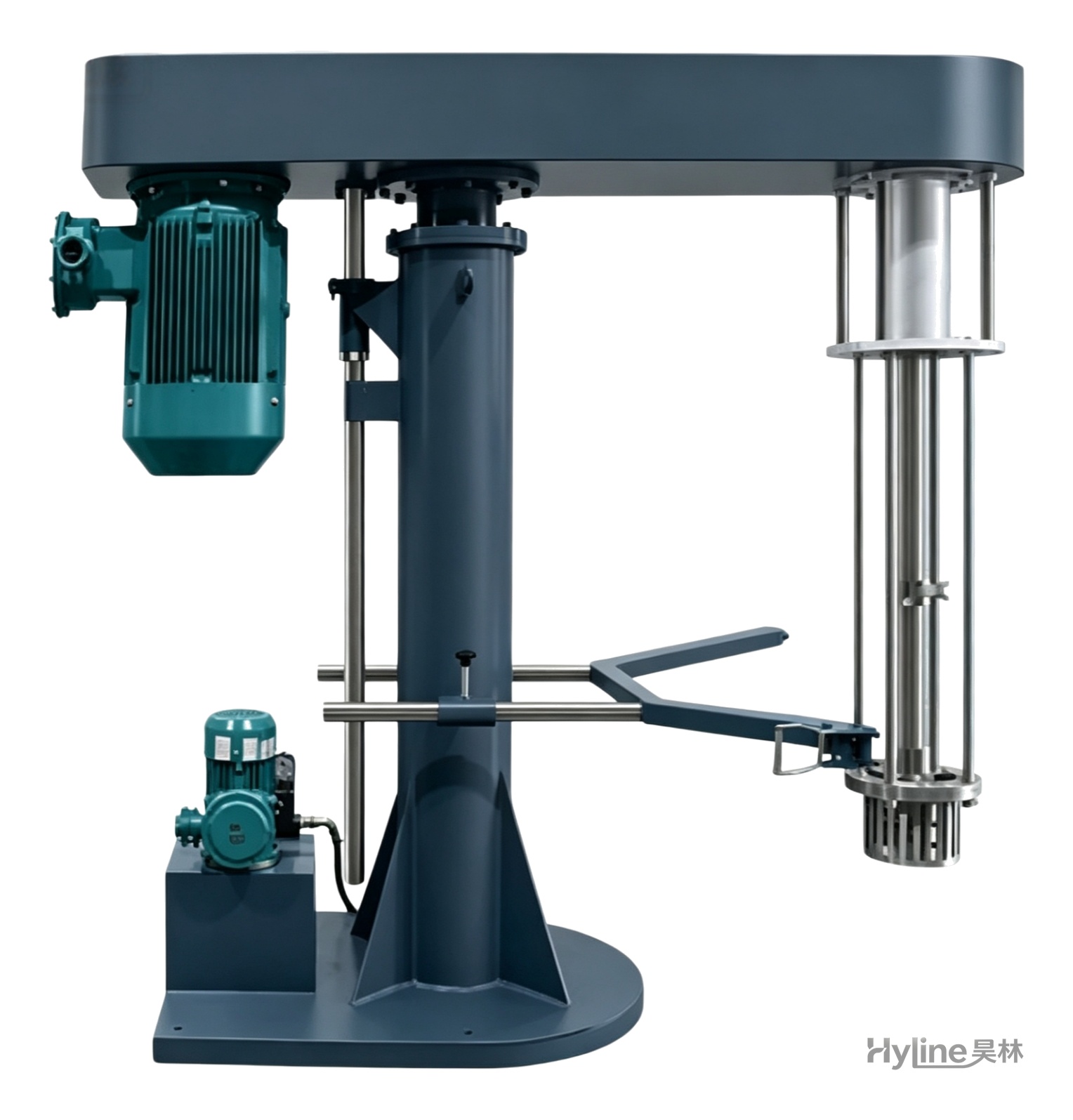
GJD Series Emulsifying Disperser
For emulsification, mixing and dispersion in coatings, inks, pesticides and papermaking. Powerful high-speed shear achieves required fineness and uniformity in a short time.

Stainless Steel Mixing Tank (Dispersion Drum)
Supporting vessel for dispersers and mixers in paints, coatings, adhesives, color slurries, inks and electronics. Available in 201/304 stainless with internal/external polishing and sloped bottom side discharge for complete draining.
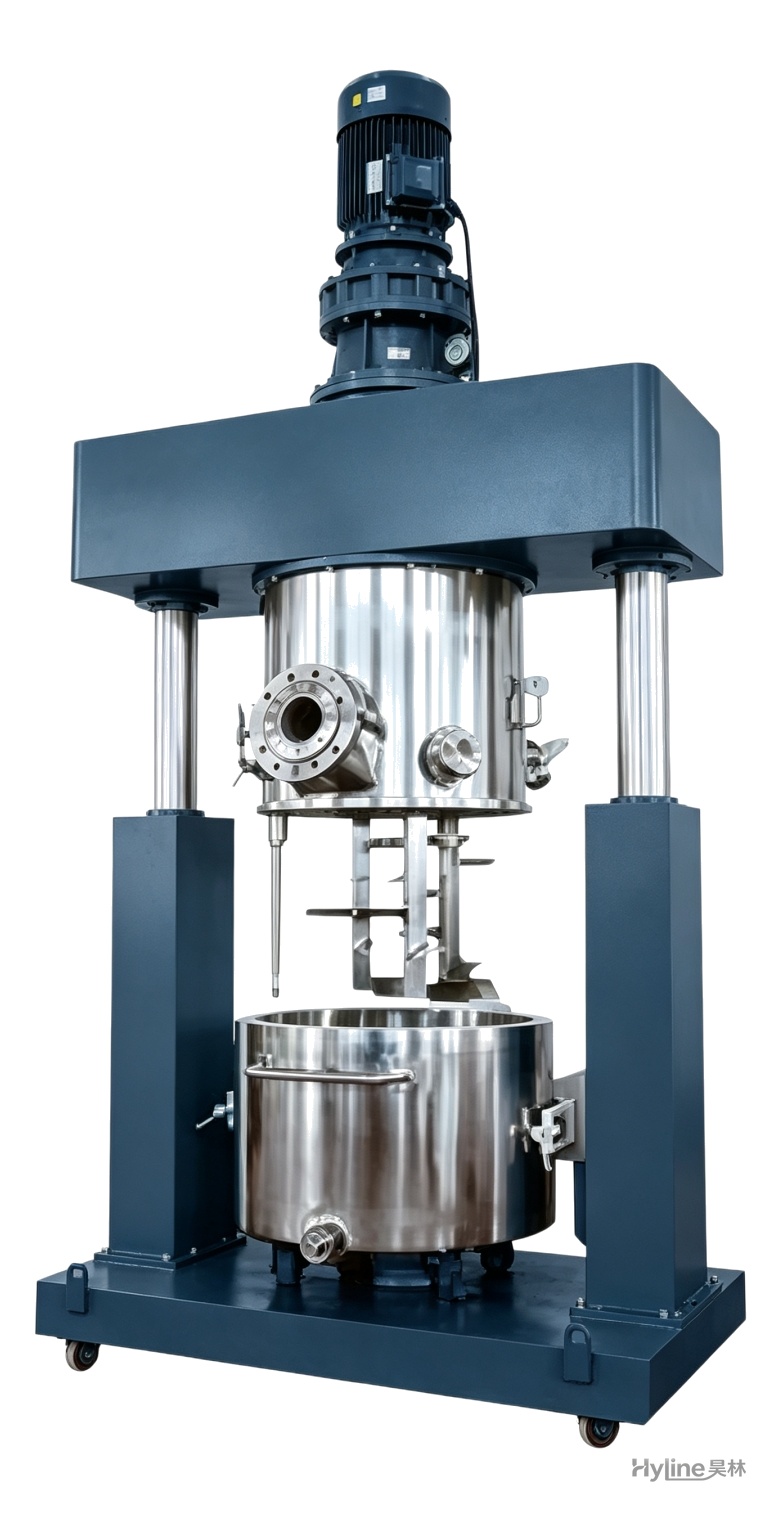
XJB Series Planetary Mixer
Planetary blades rotate and revolve simultaneously, creating complex material flow with no dead corners and easy discharge. Handles ultra-high-viscosity pastes of 10,000-8,000,000 cps for silicone, PU sealants, liquid silicone and electronic adhesives.
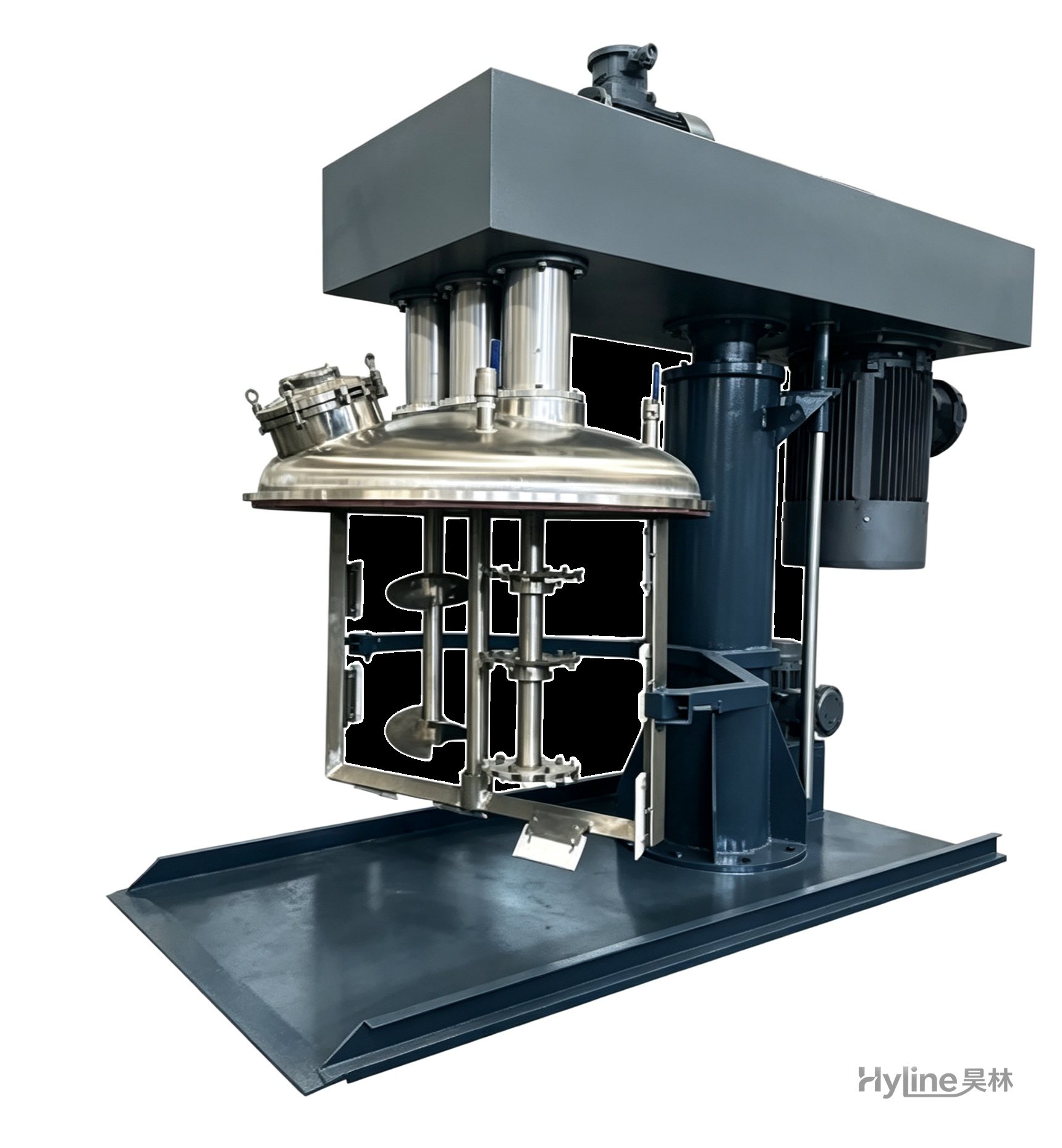
SJ Series Multi-Function Mixer
A new high-efficiency mixer for high-viscosity materials, rapidly dispersing, dissolving and homogenizing. Widely used in offset printing inks, putties and adhesives. Vacuum type customizable.