
How to Select the Homogenizing Head of an Emulsifying Tank: Rotor-Stator Structure and Process Matching Points
10/5/2026
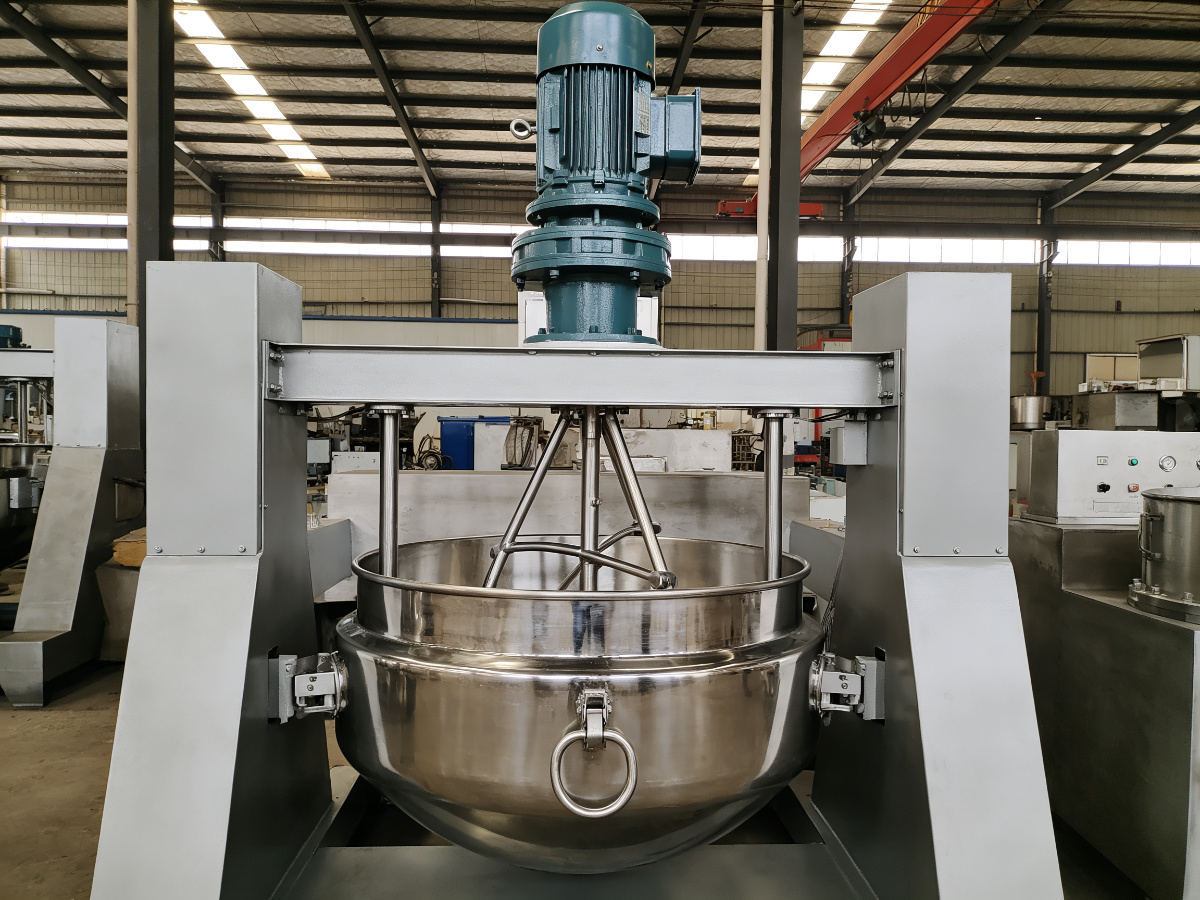
An emulsifying tank is used to make stable emulsions or pastes from immiscible liquids or solid-liquid materials under high-speed shearing, and the homogenizing head is the core component that realizes shearing, dispersing and emulsifying. The homogenizing head consists of a high-speed rotating rotor and a fixed stator. The material is repeatedly sheared, impacted and squeezed in the narrow gap between the rotor and the stator, so that droplets are continuously refined and finally form an emulsion system with fine and uniformly distributed particle size. The structure, clearance and speed of the homogenizing head directly determine the emulsification effect.
Structure of the homogenizing head and emulsification principle
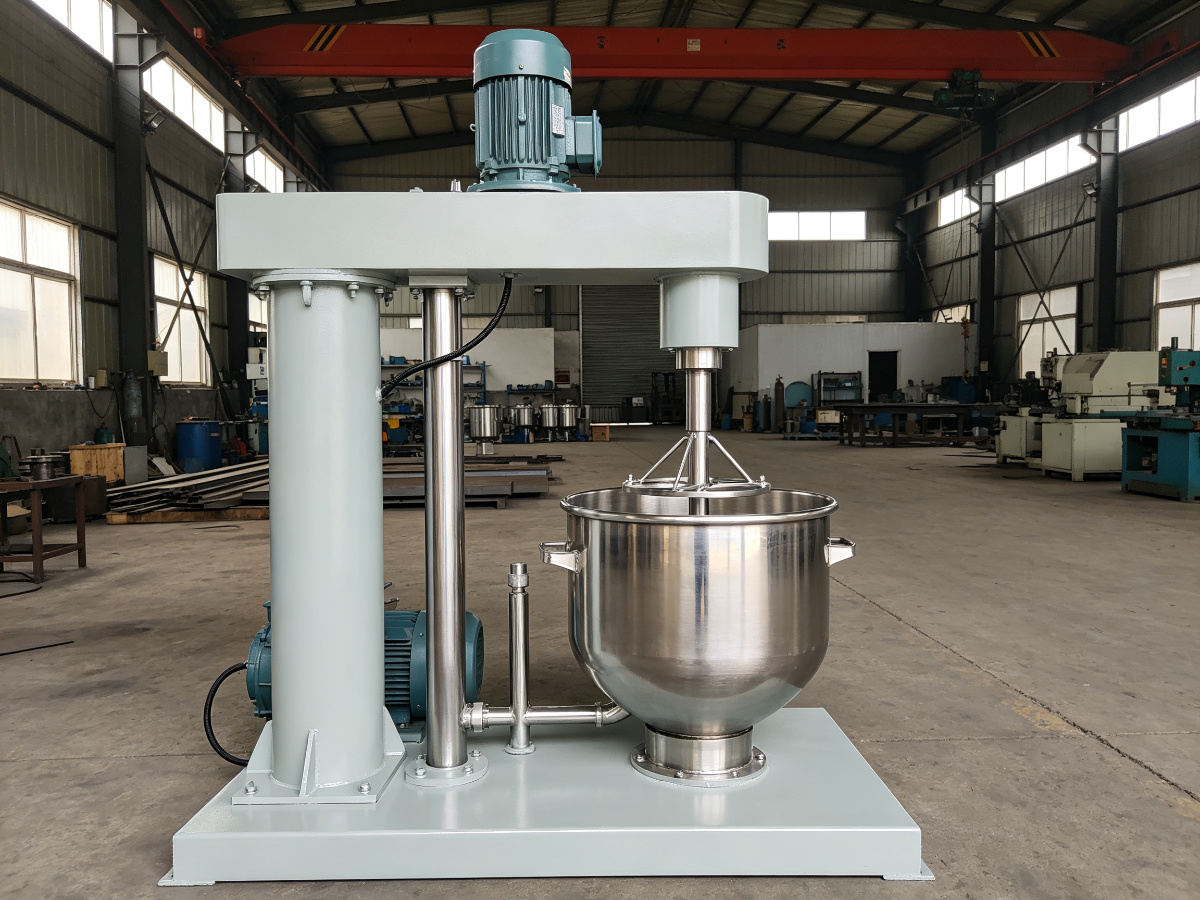
The homogenizing head consists of a rotor, a stator, a transmission shaft and a sealing assembly. The rotor is driven by the motor through the transmission shaft to rotate at high speed, while the stator is fixed on the tank body or bracket, and the annular clearance between the two is the shearing zone. Material is drawn in through the stator tooth slots, sheared at high speed by the rotor teeth, thrown out through the clearance, and repeatedly re-enters the shearing zone through circulation in the tank to realize droplet refinement and homogenization.

Rotor-stator structure forms and selection
| Structure form | Features | Suitable for |
|---|---|---|
| Single-layer rotor-stator | Simple structure, fewer shearing stages | Materials with low viscosity and general emulsification requirements |
| Multi-layer rotor-stator | Multi-stage shearing, sufficient emulsification | Systems requiring fine particle size and high stability |
| Special tooth profile | Fine teeth focus on shearing and refinement, large teeth focus on circulation and mixing | Match according to product particle size and throughput |
Rotor diameter and stator clearance determine the shearing intensity: at a given speed, the smaller the clearance, the greater the shearing force; however, if the clearance is too small, high-viscosity materials pass through with difficulty and are prone to blockage and heat generation, while if the clearance is too large, shearing is insufficient and the emulsion is not fine. Selection should balance shearing capacity with throughput capacity.
Matching with material viscosity
Material viscosity is the most important process parameter for homogenizing head selection.
- Low-viscosity materials: good fluidity; choose a homogenizing head with high speed and moderate clearance to rapidly refine droplets by high-speed shearing
- Medium-viscosity materials: greater shearing force and better circulation are required, and rotor torque must be sufficient
- High-viscosity pastes: the homogenizing head must not only shear but also have strong suction and conveying capacity to prevent material accumulation and dead zones
High-viscosity materials usually work with wall-scraping stirring: the homogenizing head is installed at the bottom or eccentrically, and a wall scraper is added inside the tank to scrape the material at the edge toward the center, where it is drawn in and sheared by the homogenizing head; the inlet of the homogenizing head adopts a conical or horn shape to facilitate suction; when viscosity fluctuates between batches, the motor power should be checked against the highest-viscosity working condition.
Linear speed and rotation speed
The emulsifying capacity of a homogenizing head mainly depends on the linear speed at the rotor tooth tips, which equals the rotation speed multiplied by the circumference length of the rotor diameter. The higher the linear speed, the greater the shearing intensity and the better the droplet refinement. In general, the linear speed for emulsions is on the order of ten meters per second; pastes and systems that are difficult to emulsify require higher linear speeds.
During selection, determine the required linear speed according to the target particle size and material properties, then derive the rotor diameter and motor speed accordingly. Higher speed is not always better: if it is too high, shearing heat increases, which is unfavorable to heat-sensitive materials, energy consumption rises and mechanical wear accelerates; if too low, shearing is insufficient. Many emulsifying tanks are equipped with frequency converters to adjust the speed by process stage: a higher speed in the early emulsification stage for rapid refinement, and a reduced speed later to reduce bubbles and temperature rise; the speed adjustment range should cover the minimum and maximum speeds required by the process.
Rotor-stator clearance control
Clearance is a key parameter affecting the shearing effect: the smaller the clearance, the stronger the shearing action. The clearance is generally set by shims or an adjusting mechanism. During selection, determine the initial clearance according to the particle size requirement and viscosity of the material, and fine-tune it during operation according to the emulsification effect; after adjustment, measure and confirm, and record the actual value. After long-term operation, the tooth surfaces of the rotor and stator wear and the clearance gradually increases: check the wear regularly, and replace the spare parts when the tooth surfaces are obviously worn or the clearance exceeds the allowable range; the rotor and stator are usually supplied as a set, and mixing different batches will cause uneven clearance; record the date of each replacement and the clearance data to build a usage file.
Materials and hygienic requirements
| Working condition | Material suggestion |
|---|---|
| General chemical materials | 304 stainless steel |
| Media containing chloride ions or acids/alkalis | 316L or higher grade |
| Food, cosmetics, pharmaceutical | Hygienic-grade stainless steel with polished surface |
For hygienic-grade homogenizing heads, surface roughness and structural design must also be considered: the lower the Ra value, the easier the cleaning and the less material residue; sharp angles and dead zones should be avoided, and the shapes of the rotor and stator should facilitate disassembly and cleaning; the pharmaceutical and food industries have strict cleaning validation requirements, so the homogenizing head must be quickly removable for cleaning and sterilization. Material and surface treatment should be determined once at the selection stage, because later replacement is costly.
Coordination with the emulsification process
- Feeding sequence: first mix the water phase and oil phase, then start the homogenizing head for high-speed shearing, and finally reduce speed for deaeration
- Homogenizing time: too long causes temperature rise and over-emulsification of the system, while too short leaves droplets insufficiently fine
- Vacuum coordination: vacuum removes bubbles generated during emulsification, making the paste surface finer
- Coordination of stirring, homogenizing and wall scraping: slow stirring is responsible for circulation and preliminary mixing, the homogenizing head is responsible for shearing and refinement, and the wall scraper is responsible for material on the tank wall
The overall configuration of an emulsifying tank also includes temperature control and a vacuum system: the jacket is supplied with steam or cooling water to control the material temperature, and excessive temperature easily damages the stability of the emulsion system; vacuum deaeration is turned on in the later stage of emulsification, and after removing the bubbles the paste surface is smoother. By sampling to test particle size and appearance, gradually optimize the speed, time and temperature parameters and form a standard process card to ensure batch consistency.
Emulsification points for common formulation systems
Different systems have different emulsification difficulties, and the use of the homogenizing head should be adjusted accordingly. Oil-in-water emulsions require fine and narrowly distributed particle size, and the control of homogenizing time and speed is more important than structural selection; water-in-oil pastes have higher viscosity, and the key is to ensure the suction capacity of the homogenizing head and coordination with the wall scraper; for suspension systems with high solids content, particles should be prevented from being broken up or accumulating during shearing, and a lower linear speed with a longer circulation time is appropriate. For systems containing heat-sensitive components, the temperature rise during homogenizing must be controlled, and jacket cooling should be used when necessary. In actual production, take particle size test and stability observation data as the basis and optimize parameters step by step.
Common problem troubleshooting
| Fault symptom | Common cause | Troubleshooting direction |
|---|---|---|
| Particles in the paste | Excessive clearance, insufficient speed, worn tooth surfaces | Check clearance and speed, replace rotor-stator |
| Water-oil separation | Insufficient emulsification time, inadequate pretreatment | Check feeding sequence and homogenizing time |
| Unstable batches | Process parameter drift, viscosity fluctuation | Standardize the process card, check motor power |
| Abnormal noise and vibration | Bearing wear, rotor-stator contact | Stop immediately for inspection |
| Rapid temperature rise | Clearance too small, viscosity too high, speed too high | Increase clearance, reduce speed |
Maintenance and spare parts
Clean the homogenizing head after each production run to prevent residual material from curing and affecting the next run; regularly disassemble, inspect and clean the rotor and stator tooth surfaces, and check the bearing clearance and seal ring condition; use lubricating grease that meets hygienic requirements. For spare parts management, it is recommended to stock a complete rotor-stator assembly and common seals, of the same model and batch, for quick replacement in case of failure; keep maintenance records, judge the service life cycle by comparing data, and arrange preventive replacement in advance.
Installation and acceptance of the homogenizing head: during installation, confirm that the rotor and stator are concentric and the clearance is uniform; after tightening, manually turn it to ensure there is no jamming; run a no-load trial to listen to the sound and measure vibration to confirm smooth transmission; for the first trial with material, start from a small batch, gradually scale up and sample for testing, and only include it in normal production after verifying that the emulsification effect meets the standard.
Selection process checklist
- Define product objectives: target particle size, stability requirements, batch scale
- Determine material properties: viscosity range, temperature sensitivity, solids content
- Determine the structure form: single-layer/multi-layer/tooth profile, matching shearing and circulation requirements
- Calculate linear speed and rotation speed: derive from target particle size, equip with variable frequency speed adjustment
- Set the clearance: determine the initial value according to particle size and viscosity, reserve adjustment capacity
- Select materials: determine according to medium and cleanliness requirements; hygienic grade with polishing treatment
- Check supporting items: motor power, seal type, coordination of wall scraper and vacuum system
Common Q&A
Q: How often should the homogenizing head clearance be checked? A: Generally, visually inspect the tooth surfaces during cleaning after each production run, and measure once per quarter with a feeler gauge or clearance gauge; replace when the tooth surfaces are obviously worn or the clearance exceeds the allowable range.
Q: Does worse emulsification always mean homogenizing head wear? A: Not necessarily. First check the speed, clearance and feeding sequence; after confirming that the homogenizing head itself is normal, then check process parameters and material pretreatment.
Q: Can a hygienic-grade homogenizing head be interchanged with an ordinary one? A: No. The hygienic grade requires a polished surface, no dead zones, and quick disassembly for cleaning and sterilization; it is not interchangeable with ordinary structures, and mixing affects cleanliness validation.
Q: Is variable frequency speed adjustment standard? A: It depends on the process requirements. For multi-stage emulsification or products sensitive to temperature rise, it is recommended, as it can significantly improve batch consistency and product quality.
Summary
Homogenizing head selection for an emulsifying tank is a comprehensive matching task: the structure form determines the shearing mode, material viscosity determines the torque and circulation capacity, linear speed determines the refinement effect, clearance determines the shearing intensity, and material determines cleanliness and service life. Combining these parameters with the emulsification process, and adding standardized maintenance and spare parts management, the emulsifying tank can stably produce qualified products with fine particle size and consistent batches over the long term.
Further reading:
- Selection of Mixing Equipment for High-Viscosity Materials: From High-Speed Dispersers to Planetary Mixers
- How to Arrange the Nozzles of a Mixing Tank: Key Points for Top Nozzles and Maintenance Space
---
This briefing is compiled by Shenzhen Hyline Equipment Manufacturing Co., Ltd. (hyline.cn); all information rights belong to the original authors. Main products: stainless steel reactors, mixing tanks, storage tanks, dispersers, concentration tanks and complete chemical process lines; custom (non-standard) manufacturing supported.
Q&A from this article
Frequently asked questions and answers from this article
The homogenizing head is the core component of an emulsifying tank; the rotor-stator structure, clearance, speed and material determine the emulsification result. This article provides a complete selection guide from structure and viscosity matching to linear speed and material selection.
Related Products
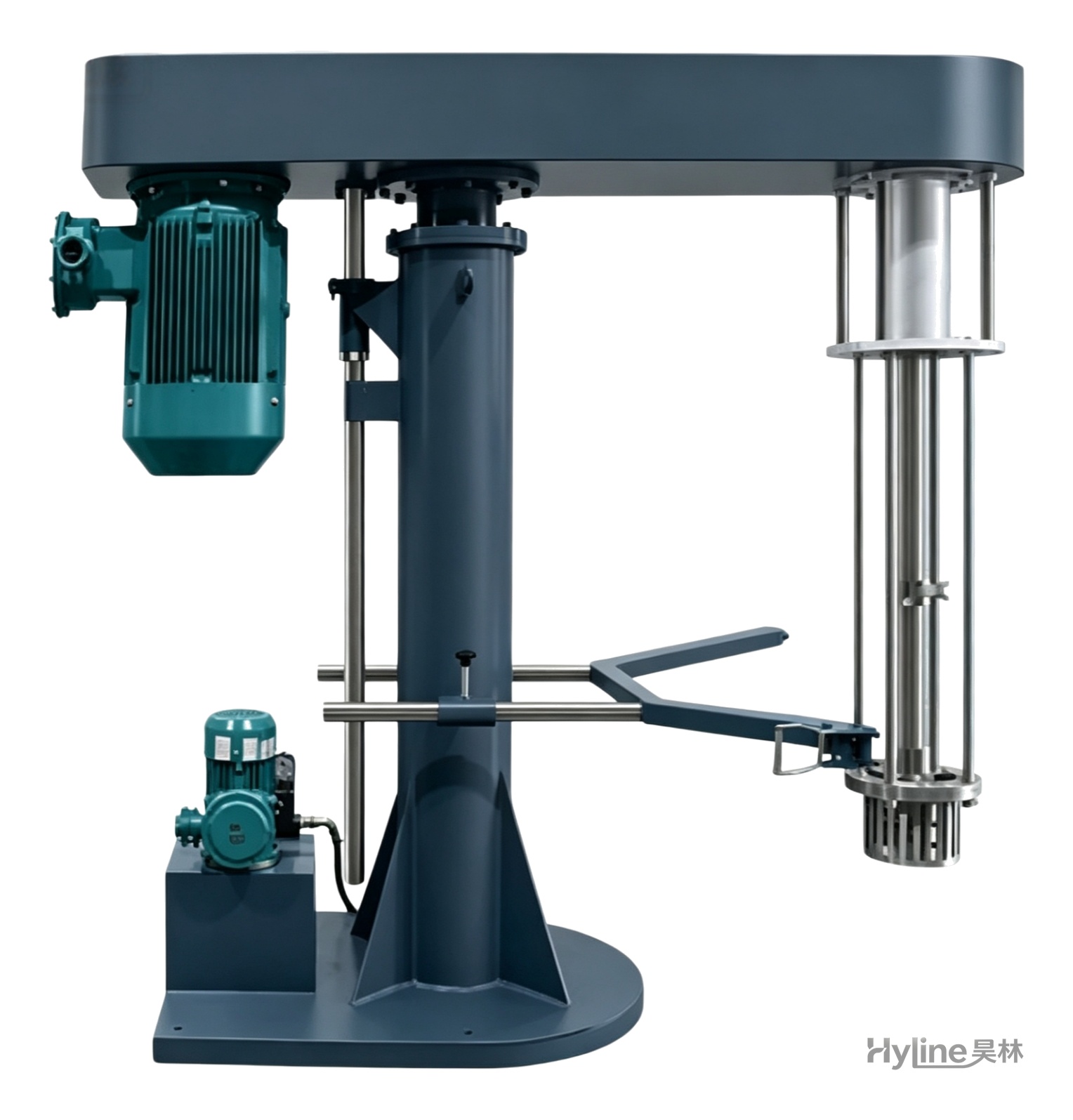
GJD Series Emulsifying Disperser
For emulsification, mixing and dispersion in coatings, inks, pesticides and papermaking. Powerful high-speed shear achieves required fineness and uniformity in a short time.
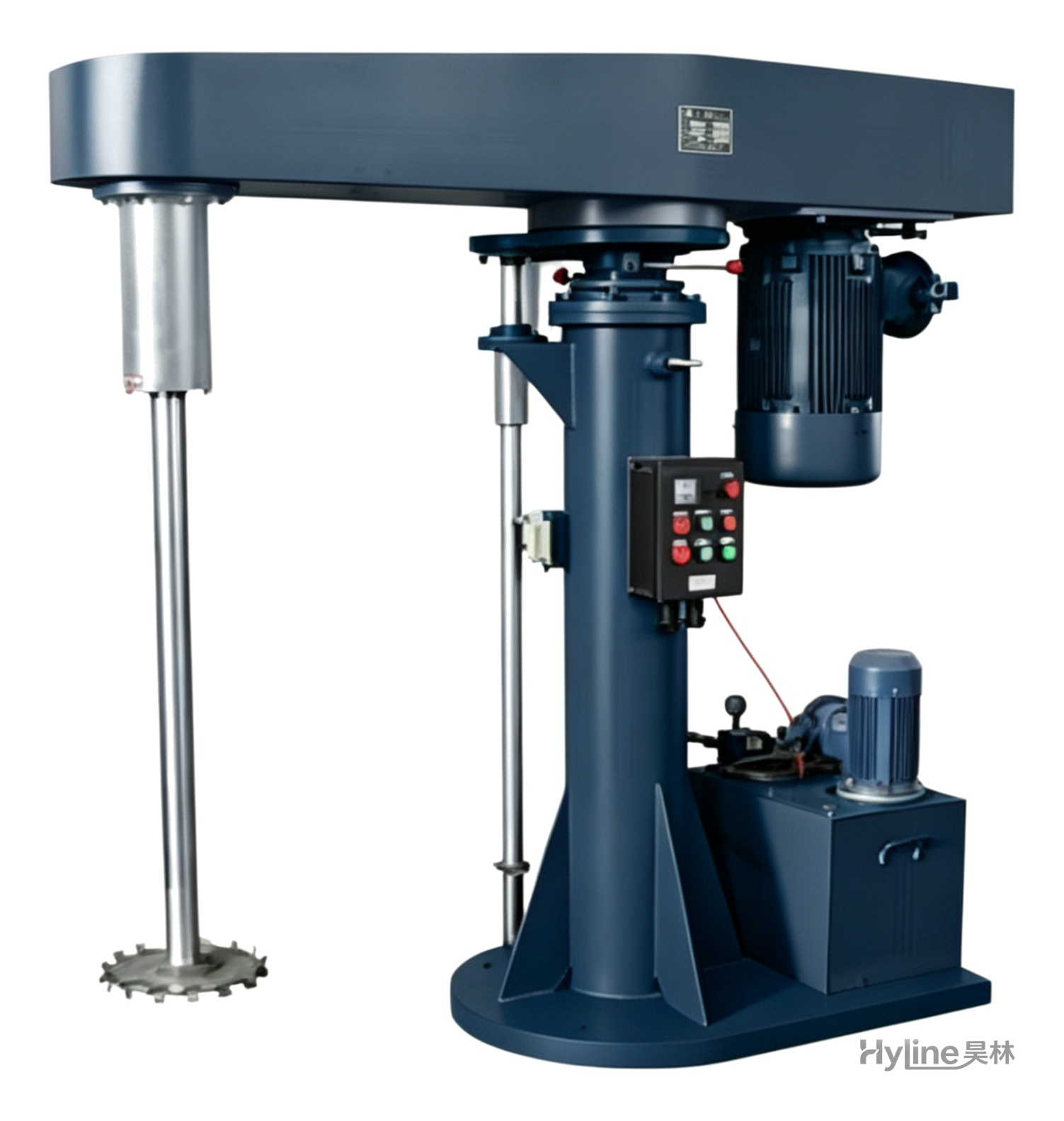
FL Series High-Speed Disperser
Stirs, dissolves and disperses liquids and powders, working alone or matched with sand mills. Variable-frequency drive with hydraulic lift, widely used in paints, inks, coatings, dyestuffs and papermaking.
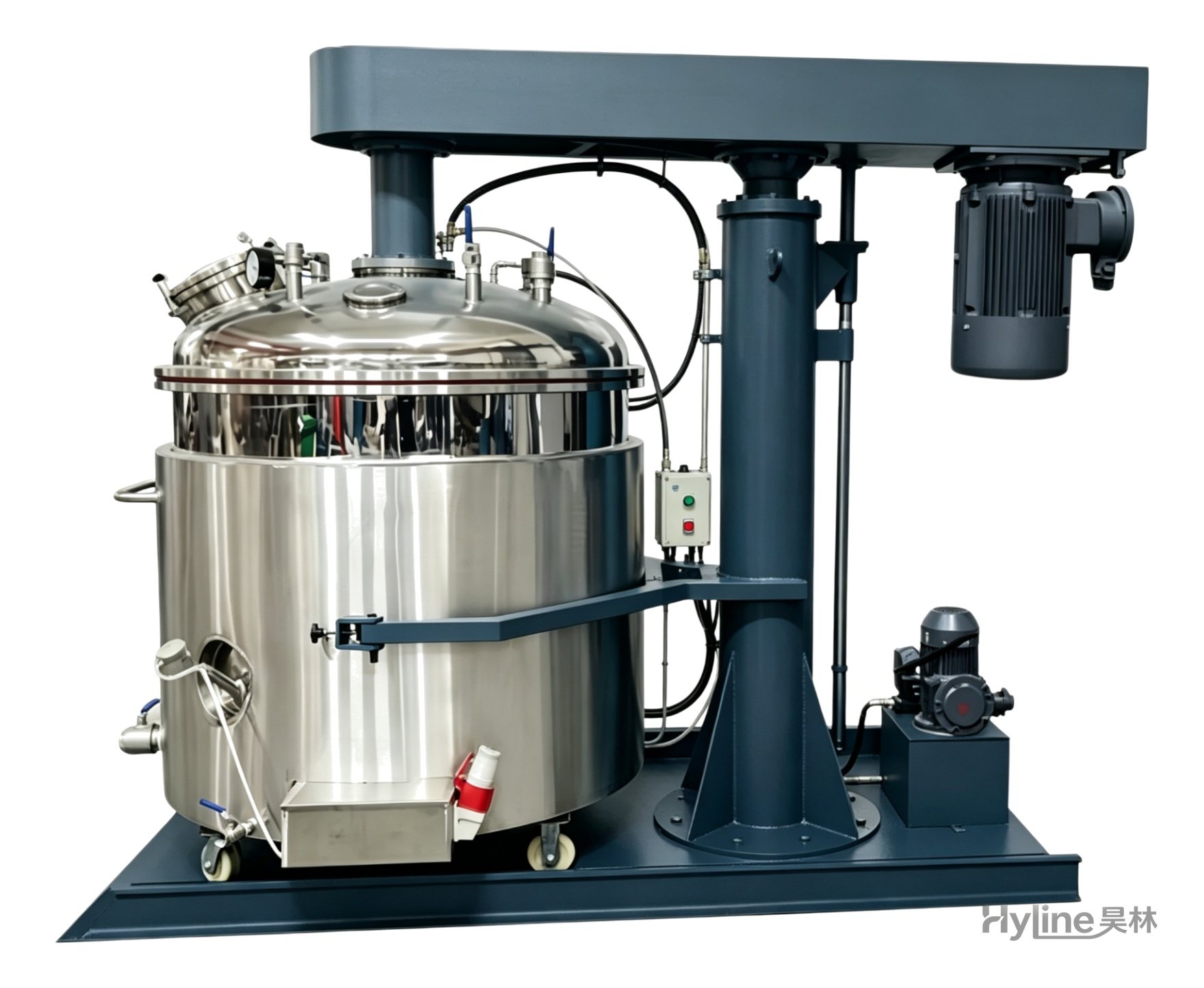
FL Series Vacuum Disperser
Designed for bubble-rich materials and volatile solvents. Vacuum dispersion reduces bubbles and solvent evaporation, accelerates fineness and rapidly defoams. Simple structure, high vacuum, easy operation.
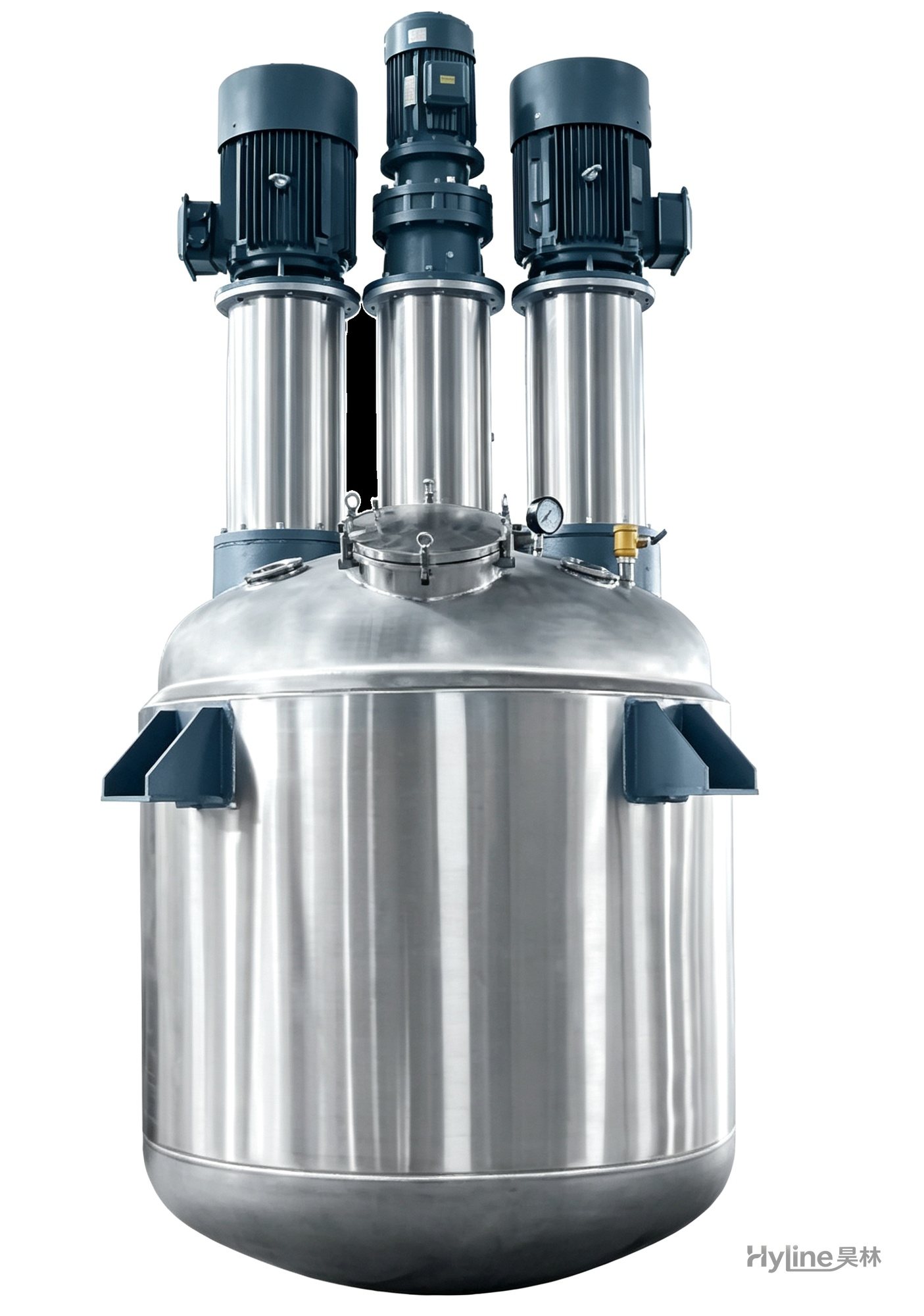
FS Series Multifunctional Dispersing Kettle
Integrates low-speed heavy-duty stirring with high-speed dispersion for medium/high-viscosity and thixotropic materials. Stirring and dispersion proceed simultaneously for ideal results in mixing, dissolving, dispersing and tinting.

Stainless Steel Mixing Tank (Dispersion Drum)
Supporting vessel for dispersers and mixers in paints, coatings, adhesives, color slurries, inks and electronics. Available in 201/304 stainless with internal/external polishing and sloped bottom side discharge for complete draining.
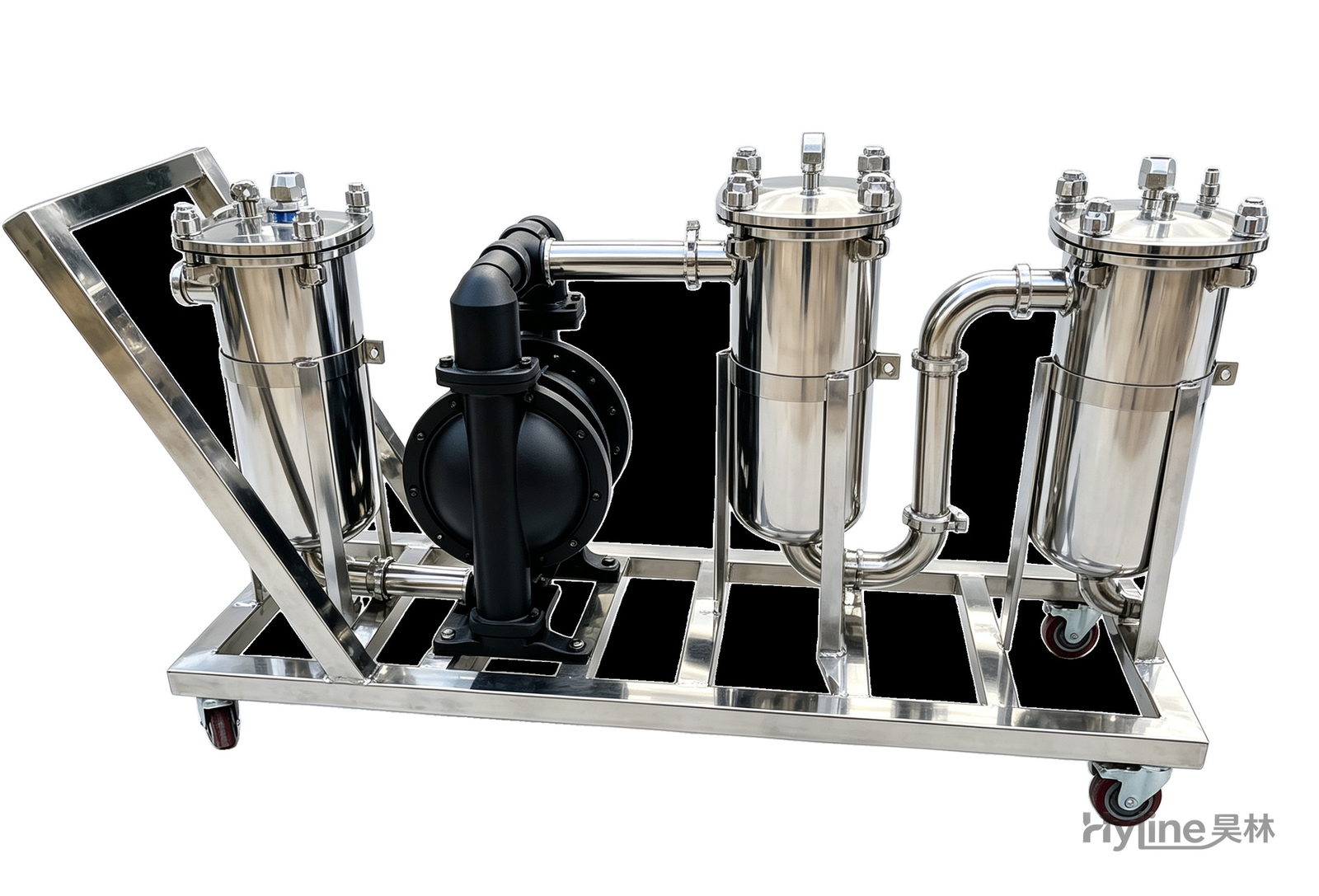
DL Series Bag Filter
A novel, compact, flexible and airtight multi-purpose filter widely used in chemicals, coatings, inks and food. Single and duplex models available, mountable on mobile carts with transfer pumps.