
How to select a concentrator for the food industry? Configuration essentials for evaporation and concentration of milk, fruit and vegetable juice and sugar liquid materials
10/25/2026
# How to select a concentrator for the food industry? Configuration essentials for evaporation and concentration of milk, fruit and vegetable juice and sugar liquid materials
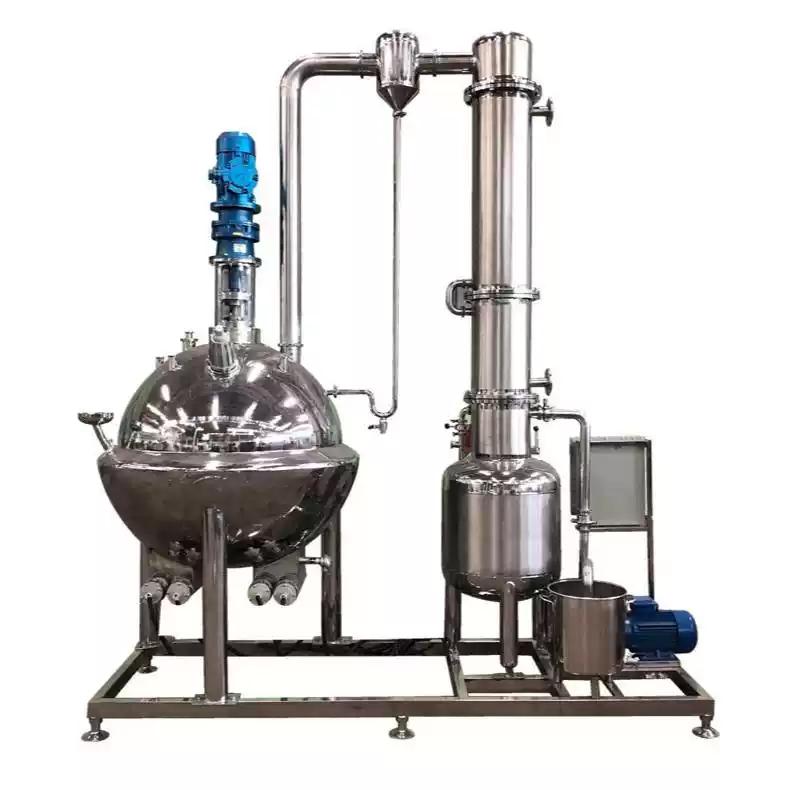
Food material concentration is fundamentally different from chemical concentration: milk, fruit and vegetable juice and sugar liquid are highly heat-sensitive - once the temperature rises, they brown, scorch and lose aroma; high sugar content causes foaming and fouling; and food hygiene requirements mean the contact material, welds and cleaning must all meet standards. Many food factories ask about capacity and price first when purchasing concentration equipment, and only discover at trial operation that the evaporation rate is slow, the outlet concentration cannot reach the target and cleaning is incomplete, forcing the line to stop. This article explains how to select a concentrator for the food industry from five aspects: material hygiene, evaporation mode, heating and vacuum, condensation and recovery, and cleaning and maintenance.
What typical materials and conditions does food concentration have?
One-sentence conclusion: the heat-resistant temperature, foaming tendency and concentration endpoint of milk, fruit and vegetable juice and sugar liquid differ; define the temperature limit and evaporation mode by material first when selecting.
Food concentration materials can be roughly divided into three types by characteristics. The boundary ranges are given according to common industry experience and should be confirmed by the actual product: milk and dairy products are sensitive to prolonged heating, and protein easily fouls; fruit and vegetable juice is sensitive to flavour and aroma - when the temperature rises, the aroma is lost first; sugar liquid and syrup have high sugar content, with foaming, scorching and high viscosity as the main risks. The heat-resistant temperature, concentration endpoint and evaporation mode of the three types differ; define the material first and then discuss configuration.
| Material | Typical heat-resistant temperature | Main risk | Concentration endpoint | Common evaporation mode |
|---|---|---|---|---|
| Milk/dairy products | Long time generally ≤70℃ | Protein fouling, browning | Dry matter by recipe | Vacuum falling film or circulation evaporation |
| Fruit and vegetable juice | Generally 50-60℃ for flavour | Aroma loss, browning | Sugar content by product | Vacuum low-temperature evaporation |
| Sugar liquid/syrup | Generally 60-80℃ | Foaming, scorching, high viscosity | Sugar content (Brix) | Vacuum forced circulation evaporation |
How to determine the material and hygiene requirements?
One-sentence conclusion: the medium contact side generally uses 304 or 316L stainless steel, with polished welds and clamp connections, and seals and gaskets meeting food grade requirements.
The contact material selection for food is somewhat looser than general chemical use: 304 is the mainstream, and fruit and vegetable juice systems with high salt or strong acidity can be upgraded to 316L. Hygiene requirements concentrate on three points: the inner wall and welds should be polished, generally requiring Ra≤0.8μm, to prevent material residue and microbial growth; connections use clamp quick-release fittings for easy disassembly and cleaning; seals and gaskets use food-grade materials resistant to temperature and cleaning agents. The inner surface of the equipment should in principle have no dead corners, and the structures of the discharge outlet, sight glass and temperature port should all drain and rinse clean.
How to choose the evaporation mode? Single effect, double effect or falling film?
One-sentence conclusion: heat-sensitive materials generally choose vacuum low-temperature evaporation; small evaporation volume chooses single effect; large volume with sensitive steam cost chooses double effect; falling film suits large evaporation volume with short residence time, and easily fouling materials choose forced circulation.
The evaporation mode is determined by three dimensions: evaporation volume, steam cost and material heat sensitivity. Materials with small evaporation volume and high heat sensitivity generally choose single-effect vacuum evaporation, with a simple system and easy temperature control; occasions with large evaporation volume and sensitive steam cost consider double or multiple effects, which can generally reduce steam consumption by about half compared with single effect, but the temperature gradient constrains heat-sensitive materials, and the evaporation temperature of the last effect should generally still be kept below the heat-resistance limit. Materials with short residence time prefer the falling film type, where the liquid forms a film and flows down the heating tube with short heating time; materials that easily foul or have high viscosity choose the forced circulation type, where the liquid circulates at high speed in the heater with a lower fouling tendency.
How to configure heating and vacuum?
One-sentence conclusion: heating generally uses steam or hot water; vacuum is calculated back from the material heat-resistant temperature; the heating area is estimated by the evaporation volume and heat transfer coefficient, with heating and evaporation temperature controlled in separate zones.
The heating medium for food concentration is selected by temperature requirement: low-temperature systems such as milk commonly use hot water or low-pressure steam, and medium-temperature systems such as sugar liquid use steam. The vacuum system presses the evaporation temperature below the material heat-resistance limit; generally the evaporation temperature should be 5-10℃ below the heat-resistance limit to leave margin, and the vacuum is calculated back from the evaporation temperature. The heating area is estimated by the hourly evaporation volume, the heat transfer temperature difference and the material heat transfer coefficient; foaming materials need space for gas-liquid separation to prevent the material from being carried out with the vapour. In actual operation, the steam system should be configured with a pressure reducing valve and steam trap to avoid pressure fluctuation affecting the evaporation temperature; the hot water system should be configured with a circulation pump and temperature regulating valve, which responds slower than steam but keeps the temperature more stable.
How to configure condensation and aroma recovery?
One-sentence conclusion: both water vapour and aroma should be condensed and recovered; aroma-sensitive materials configure staged condensation, and non-condensable gas is drawn off separately to maintain vacuum.
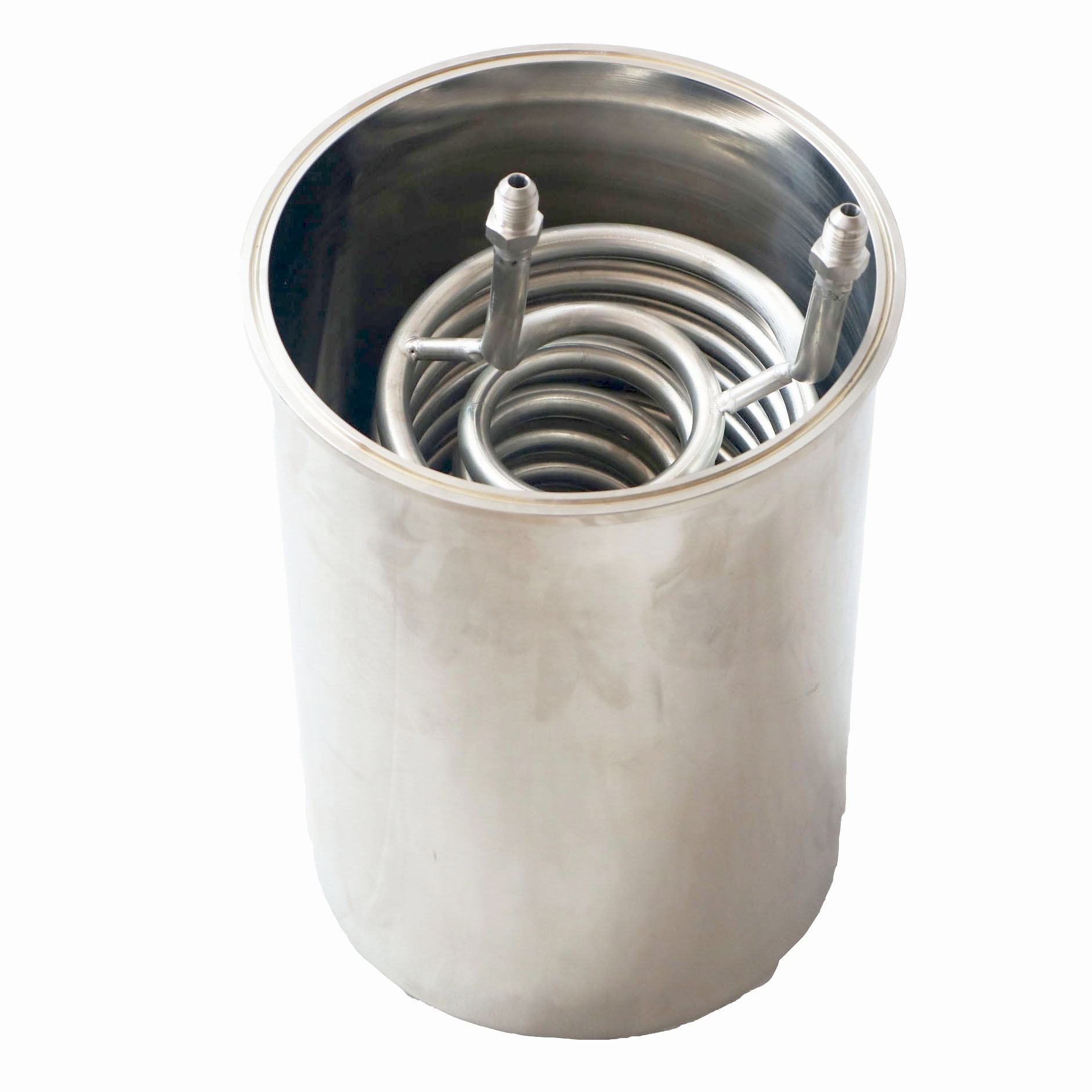
The condensation system of food concentration has two tasks: condense the water vapour evaporated out into condensate for recovery, and recover the aroma components carried with the vapour. Aroma-sensitive materials generally configure two stages of condensation: the first stage condenses most of the water vapour, and the second stage condenses at low temperature to recover aroma components; the condensate and aroma condensate are collected separately, and the aroma condensate can be mixed back into the concentrate. The vacuum pump draws off non-condensable gas; the condensation system bears the main load. The suction volume is calculated by the system leakage and non-condensable gas amount; the heat transfer area of the condenser is configured by the evaporation volume, and the vacuum drops if it is insufficient. The condensed condensate is generally clean distilled water and can be recovered for equipment cleaning or make-up water if needed; the aroma condensate is small in amount but high in value and should be collected through a separate pipeline to avoid dilution by mixing with the condensate. The cooling water and working water of the vacuum pump are supplied by separate routes to prevent contamination of the condensation system.
How to configure cleaning and maintenance?
One-sentence conclusion: food concentration equipment must be configured with CIP cleaning, no dead corners on contact surfaces, sight glass, sampling port and discharge outlet convenient for inspection, and the cleaning program matched with the product switching frequency.
Food equipment must be cleaned at the end of each day or batch, and CIP cleaning is a basic configuration: the cleaning liquid tank, pump and piping should be configured by the equipment capacity and pipe length; the cleaning program generally includes water rinse, alkali wash, acid wash and final rinse, with the cycle set by product switching frequency. The equipment structure should serve CIP: there must be no cleaning dead corners between the heating tubes and the tube sheet, elbows in the circulation piping should be minimized, sight glasses are used to observe the liquid level and fouling, and sampling ports are used to check the concentration effect. Long-term operation also requires checking the fouling condition of the vacuum pump and condenser; sugar liquid materials especially need regular inspection of the heating surface.
How to avoid common pitfalls in selection?
One-sentence conclusion: the evaporation volume is calculated by the feed amount and concentration difference, heat-sensitive materials hold the temperature limit, outlet concentration and cleaning effect are included in acceptance, and do not look only at the tank capacity.
First, capacity is not equal to evaporation volume: the productivity of a concentration unit is measured by the hourly evaporation volume, which is determined jointly by the heating area, vacuum and material characteristics; the inquiry should report the feed amount, feed concentration and target concentration so that the manufacturer calculates the evaporation area by these three items. A common symptom of insufficient evaporation area is that the vacuum cannot be held and the evaporation rate drops notably as the concentration rises; having the manufacturer verify by the worst-case condition at the quotation stage is more stable. Second, heat-sensitive materials must verify the evaporation temperature: generally the evaporation temperature of the material in the tank should be lower than its heat-resistance limit; milk generally does not exceed 70℃ under prolonged heating, and fruit and vegetable juice generally 50-60℃, which directly determines the vacuum requirement. Third, outlet concentration and cleaning effect should be written into the acceptance terms: the acceptance of food concentration equipment generally includes outlet concentration, evaporation rate and CIP cleaning effect; define the indicators before signing the contract. Fourth, reserve countermeasures for foaming and fouling materials: sugar liquid foaming needs a defoaming device or reserved gas-liquid separation space, and protein fouling needs online cleaning and regular sight glass inspection. Fifth, state the concentration ratio clearly: concentrating a feed of 10% to 50% is very different from concentrating to 30% in the requirements for heating area, vacuum and residence time; write the start and end concentrations clearly in the inquiry so that the manufacturer can calculate the evaporation area accurately.
Hyline Shengda produces concentration units, stainless steel mixing tanks and stainless steel storage tanks, filling machines and other supporting equipment for the food industry, and supports configuring evaporation, condensation and cleaning systems by material characteristics. Before making a food concentration scheme, it is suggested to settle the four parameters of material, feed concentration, target concentration and heat-sensitive temperature first, and then discuss the evaporation mode and tank structure.
Related reading: - How to match the evaporation temperature and vacuum of a concentrator? Determined by material heat sensitivity - How to select the CIP cleaning of a concentrator? Alkali wash, acid wash and cleaning frequency by product switching
This article is compiled by Hyline Shengda Equipment Manufacturing Co., Ltd. (hyline.cn), mainly producing stainless steel reactors, mixing tanks, storage tanks, dispersers, concentrators and complete chemical lines, supporting non-standard customization.
Q&A from this article
Frequently asked questions and answers from this article
One-sentence conclusion: heating generally uses steam or hot water; vacuum is calculated b…
Related Products
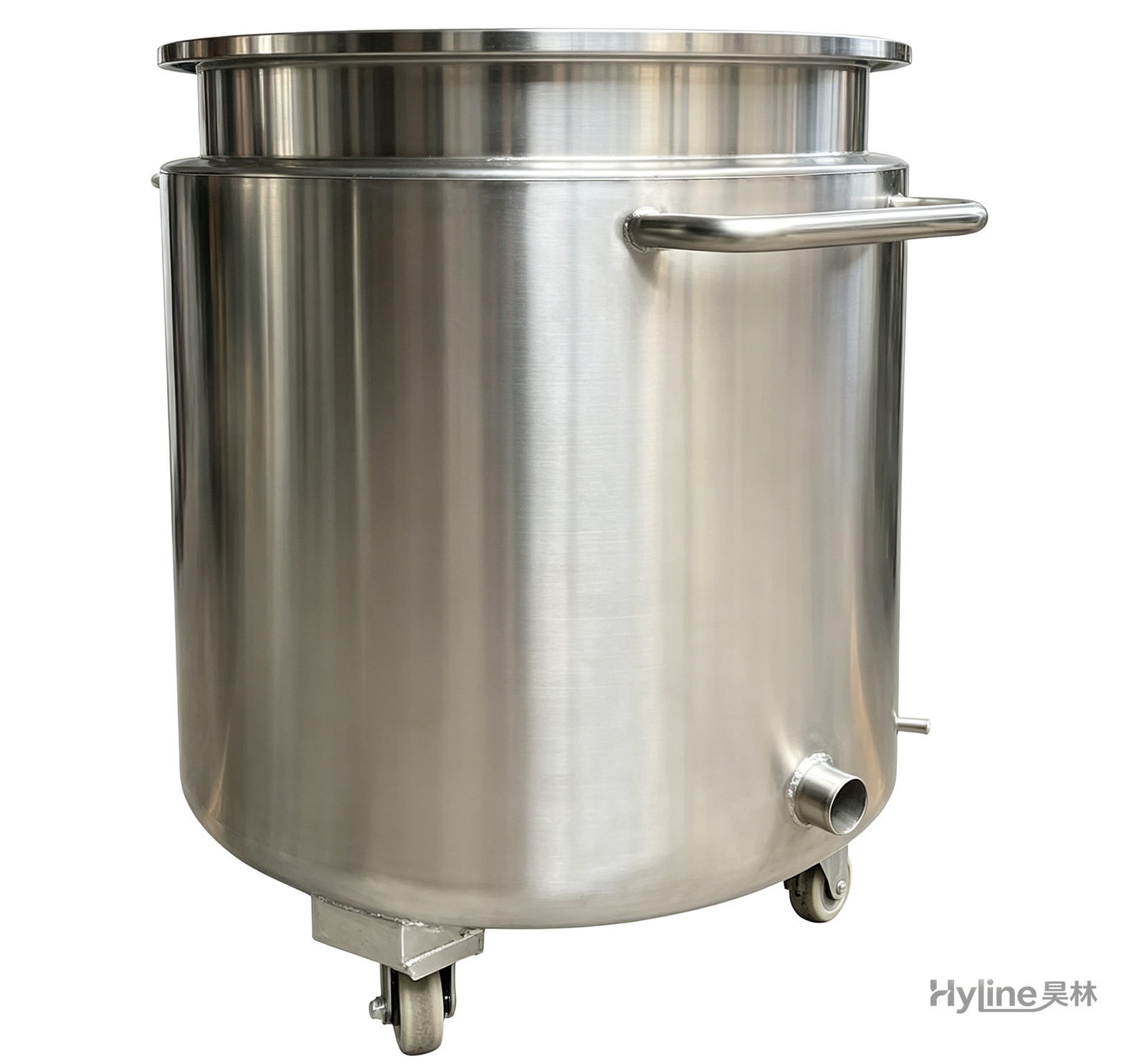
Stainless Steel Mixing Tank (Dispersion Drum)
Supporting vessel for dispersers and mixers in paints, coatings, adhesives, color slurries, inks and electronics. Available in 201/304 stainless with internal/external polishing and sloped bottom side discharge for complete draining.
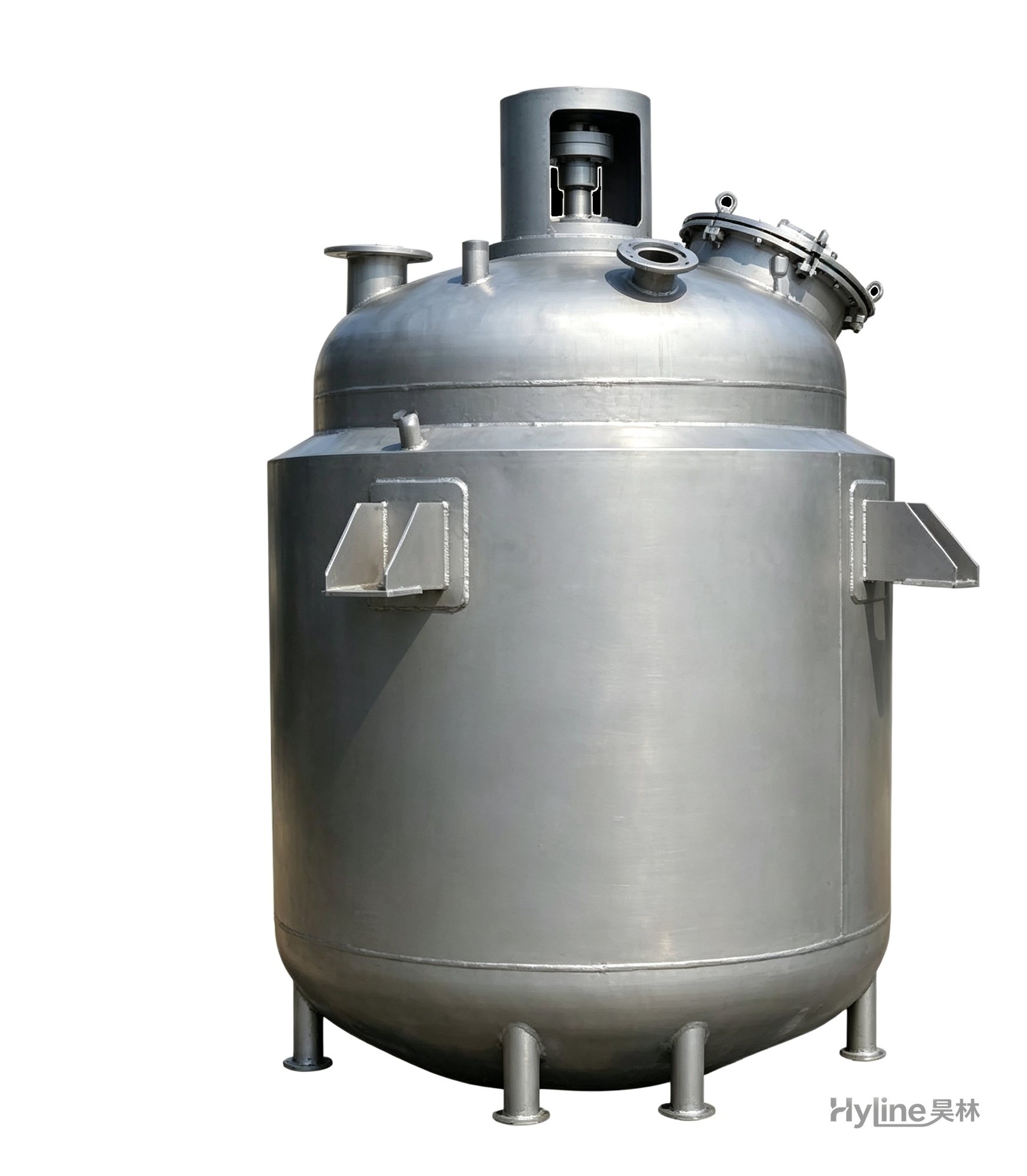
Jacketed Reactor
The typical main reaction vessel in chemical production. Mixing, heating and cooling disperse and mix materials for reaction and polymerization. The jacket circulates thermal oil/steam for heating or cooling water for temperature control.
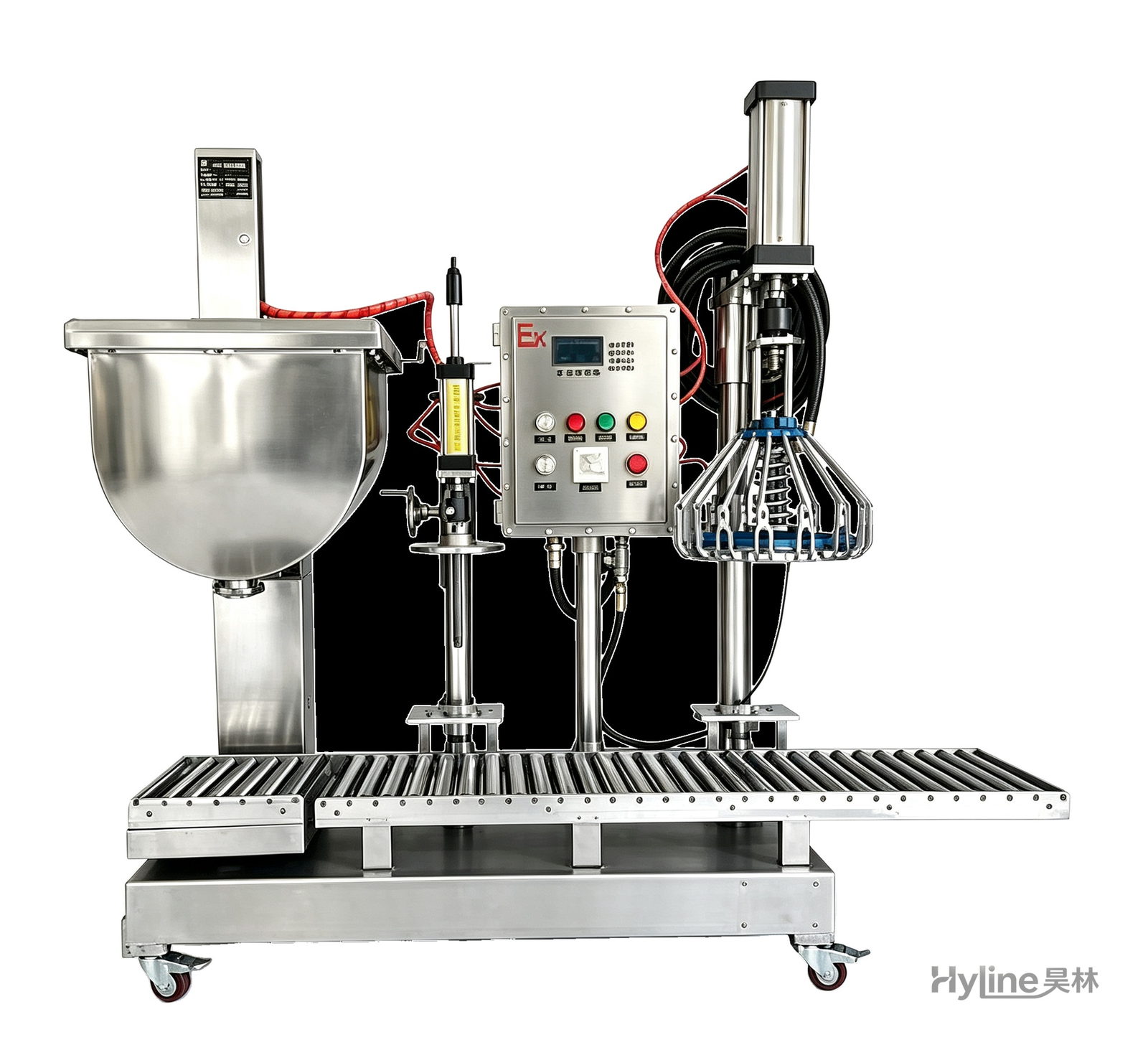
Weighing Semi-Automatic Filling Machine
Designed for frequent packaging changes with dual capping. European weighing technology with Siemens PLC: automatic feed speed adjustment and precision correction, triple protection (emergency stop/power-off/tank removal), explosion-proof fittings.
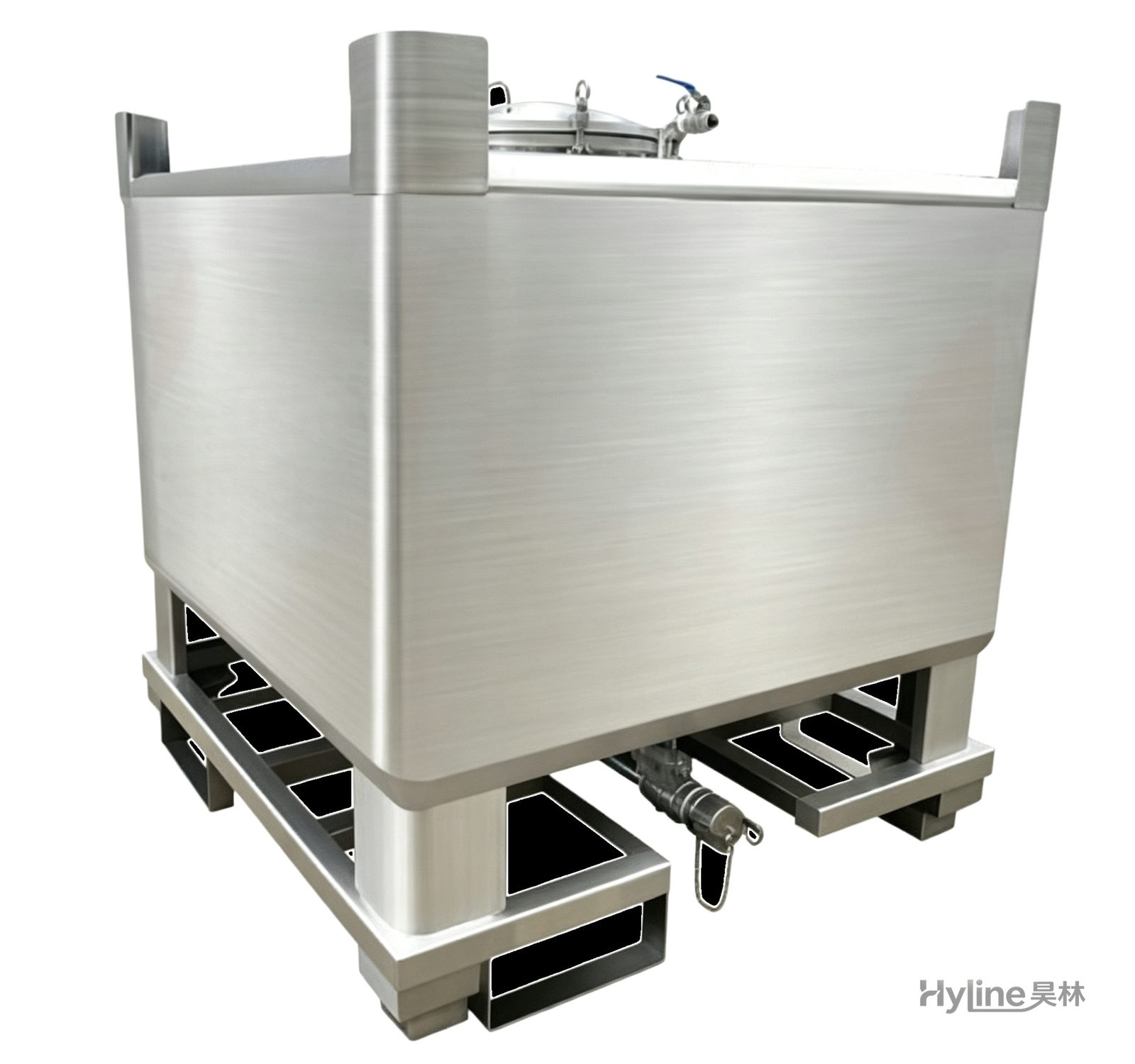
IBC Tank (Intermediate Bulk Container)
HDPE blow-molded liner with hot-dip galvanized steel frame - UV resistant, anti-aging, easy to clean, non-toxic. Four-way fork base for easy handling and stacking; ideal for liquid storage and transport.
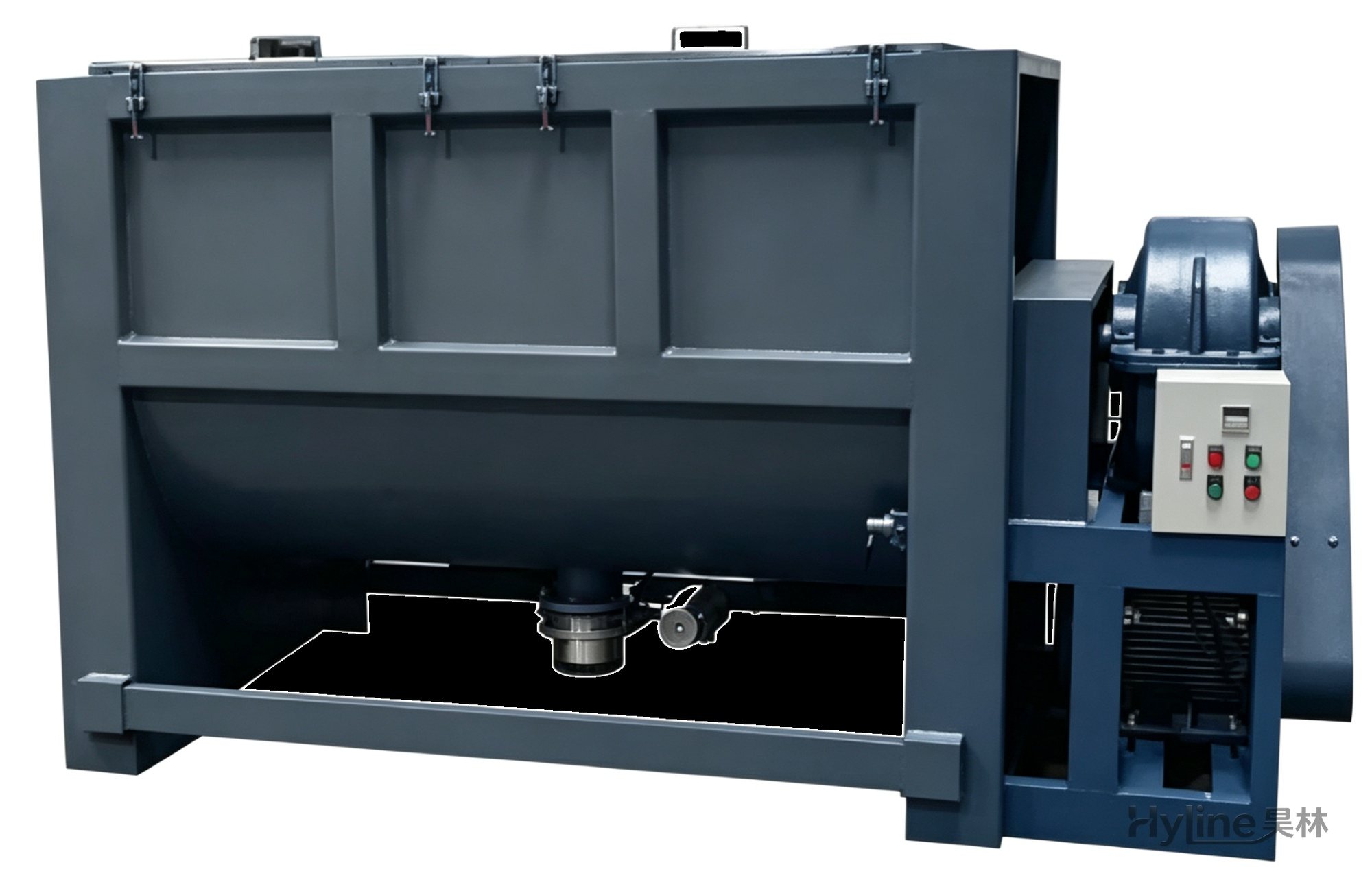
Horizontal Mixer
For color blending of plastic pellets, new/old materials and additives. Single-layer for mixing; double-layer with oil heating of 50-150℃ (custom up to 300℃). Ideal for PVC/PP/PE pellets and chemical powders such as calcium carbonate and titanium dioxide.