How does a high-speed disperser work? Principles of dispersion, structure, and key points of daily maintenance
10/8/2026
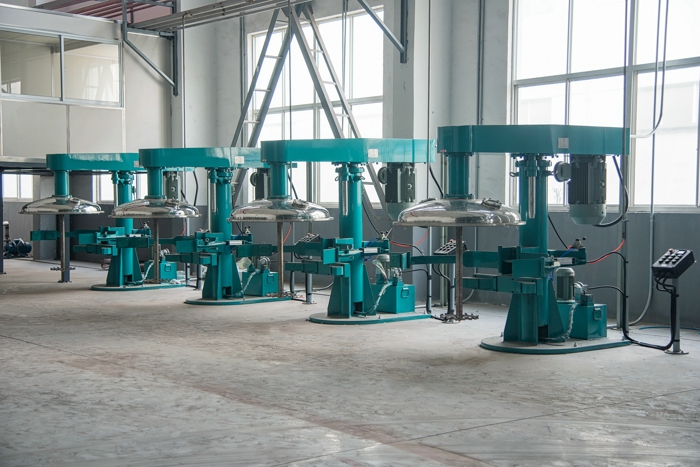
How does a high-speed disperser work? The paint factory prepares paint, the ink factory adjusts ink, the adhesive factory opens thinner, and there is a high-speed disperser in the workshop( https://hyline.cn/zh/products/fl-high-speed-disperser )But many people only use it as a "high-power blender" and don't care about setting the speed to maximum. One sentence conclusion: The core of a high-speed disperser is the shear force and cyclic effect generated by the high-speed rotation of the dispersing disk inside the tank. The combination of speed, dispersing disk form, and material level height results in the highest dispersing efficiency and longest equipment life. This article explains the principle of dispersion, structural composition, and key points of daily maintenance.
What is the dispersion principle of a high-speed disperser?
The essence of dispersion is to disperse and stabilize powder particles such as pigments and fillers in a liquid. The high-speed disperser drives the dispersing disk to rotate at high speed through the spindle, generating a high linear velocity at the edge of the dispersing disk, forming a strong shear zone around the disk: the agglomerated particles are repeatedly disassembled through the shear zone, while the dispersing disk forms a pumping cycle up and down, continuously bringing the material in the tank into the shear zone, achieving overall uniformity. This principle determines three key parameters: the rotational speed determines the shear strength, the diameter of the dispersing disk determines the size of the shear zone, and the material level determines whether the circulation is sufficient.
-Shear: The higher the linear velocity of the dispersing disk edge, the stronger the ability to disperse and aggregate-Circulation: The material is sucked up from the bottom of the tank and thrown out from the circumference of the disc, forming an up and down flip-Turbulence: Turbulence is formed inside the tank at high speeds to assist in particle dispersion
What are the components of a high-speed disperser?
A high-speed disperser usually consists of a frame, spindle, disperser disk, lifting mechanism, and electronic control system. The rack bears the weight and operational load of the entire machine; The main shaft is connected to the motor and dispersion disk through bearings and couplings; The dispersing disk is the core working component, and the edges of the commonly toothed dispersing disk are serrated, increasing the cutting points; The lifting mechanism allows the dispersing disk to move up and down inside the tank, facilitating adjustment of insertion depth and tank replacement; The electronic control system provides variable frequency speed regulation, and the speed can be set according to the process.
|Main components | Function | Maintenance focus|| --- | --- | --- ||Rack and column | Carrying the whole machine and maintaining stability | Checking the foundation bolts, welds, and deformations||Spindle and bearings | Transmitting power, supporting rotation | Bearing lubrication, axial movement||Dispersed disk | generates shear and circulation | wear, deformation, serrated defects||Lifting mechanism | Adjusting disc position, tank replacement operation | Hydraulic oil level, smooth lifting and lowering||Electric control and frequency conversion | Start stop and speed regulation | Electrical wiring, frequency converter heat dissipation|

What is the difference between dispersion and stirring?
Mixing aims to achieve uniform mixing, while dispersion aims to disperse particles. Ordinary mixers use large propeller blades to slowly flip materials, with low shear force, suitable for homogenization mixing; The high-speed disperser uses a dispersing disc with high rotation speed to provide strong shear, which can disperse pigment aggregates, but the circulation ability is relatively weak. So in practical processes, it is often used in combination: first, disperse and disperse the particles at high speed, and then mix them slowly in a mixing tank, or use a dispersing machine with a circulating pump to compensate for insufficient circulation. Determine which equipment to use for the process, and check if there are particles in the material that need to be "broken open" and agglomerated. If there are, disperse them, and if not, stir them.
How does the dispersion disk affect the dispersion effect?
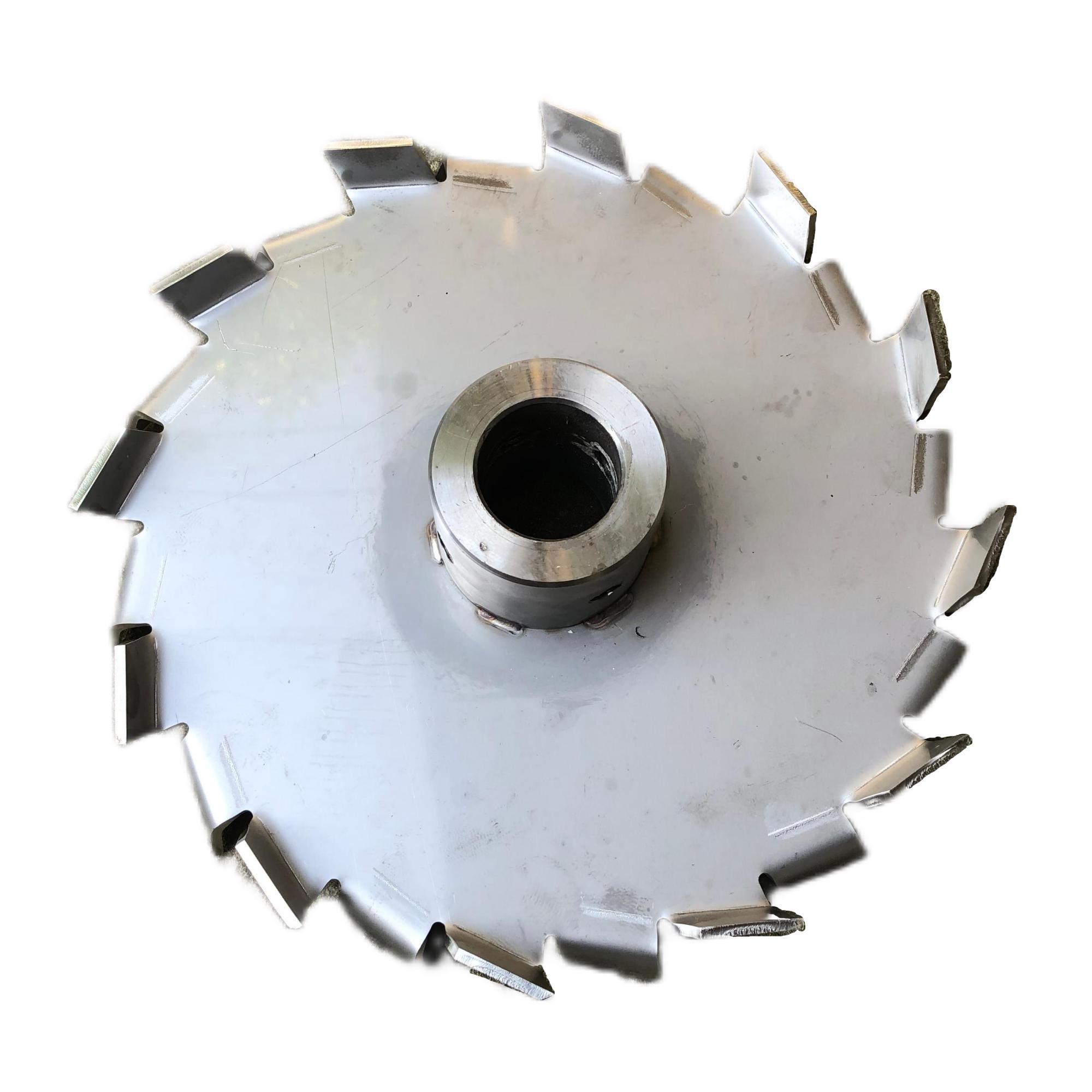
The dispersing disk is the "blade" of the dispersing machine, and its form and state directly determine the effect. The edge of the tooth shaped dispersing disc is serrated, forming high-frequency shear points between the teeth, suitable for dispersing conventional coatings and inks; Flat cutting is weak and has good circulation, suitable for materials that need to reduce cutting temperature rise; Large diameter discs are suitable for low-speed operation of large tanks, while small diameter discs are suitable for high-speed operation of small tanks. After the dispersion disk wears out or has sawtooth defects, the shear efficiency significantly decreases, manifested as longer dispersion time and inability to improve fineness. Generally, it is replaced periodically according to the wear condition, and the equipment cannot be operated with "defects".
How to determine the appropriate speed?
Rotational speed is the first parameter for dispersion effect. The speed of the dispersing disk line is generally controlled at 15 to 25 meters per second, and the coating and ink industry commonly uses around 20 meters per second as a benchmark: the line speed is too low, the shear is insufficient, and the fineness cannot be achieved; The line speed is too high, the temperature rise is fast, the energy consumption is high, and it is also easy to "knock back" the dispersed system. In terms of conversion, linear velocity equals rotational speed multiplied by the circumference of the dispersing disk. The larger the disk diameter, the lower the rotational speed required to achieve the same linear velocity. In practical use, first calculate the reference speed based on the linear velocity, then fine tune it according to the fineness test results, and fix it as the process value after stabilization. Do not adjust it based on feeling every time.
|Dispersion disk diameter | Reference speed (general) | Applicable scenarios|| --- | --- | --- ||200mm | 1450-1900 RPM | Small can experiment, low viscosity||300mm | 950-1300 revolutions per minute | Small and medium-sized can coating||400mm | 700-950 revolutions per minute | Medium tank ink, adhesive||500mm and above | 550-750 RPM | Large tank, high viscosity premix|
Why is the height of the material level important?
The disperser is very sensitive to the material level. The dispersed disk is inserted too deeply, and the material is pressed under the disk, causing poor circulation and preventing the upper material from flipping; The insertion is too shallow, and the cutting area is exposed on the liquid surface, resulting in a large amount of splashing and bubbles. Generally, the dispersion disk is located at one-quarter to one-third of the height of the material inside the tank, and the circulation effect is best when the ratio of tank diameter to disk diameter is about 2:1 to 3:1. The feeding amount should also correspond to the tank body: if there is too little material and the dispersion tray is exposed, if the material is too full and the circulation is blocked, feed according to the loading coefficient specified in the equipment instructions, usually 60% to 80% of the nominal volume.
How to do daily maintenance?
The maintenance focus of the disperser is on three aspects: spindle bearings, disperser disk, and lifting system. Add lubricating grease to the main shaft bearings according to the instructions on a regular basis. If any abnormal noise or high temperature rise is found, stop and check in a timely manner. Bearing wear can cause the main shaft to jump and disperse unevenly; Regularly inspect the wear and deformation of the dispersing disk, and replace any sawtooth defects in a timely manner; Check the oil level and seal of the hydraulic lifting system, and observe whether it is smooth and crawling during lifting. Check the heat dissipation and wiring of the frequency converter in the electrical control department, and pay attention to the sealing of the electrical box in the dust workshop. Establish a daily inspection checklist, check for abnormal noise, temperature rise, and oil leakage every shift, and check the status of fasteners and dispersing disks every month. Most faults can be detected in advance.
Common faults and troubleshooting
|Fault phenomenon | Possible causes (general) | Solution direction|| --- | --- | --- ||Dispersion fineness cannot be improved | Insufficient rotation speed, dispersion disc wear | Check line speed, replace dispersion disc||Spindle shaking, abnormal noise | Bearing wear, disc deformation | Parking inspection, bearing replacement||Serious material splashing | Shallow disc position, high rotation speed | Deepen disc position, reduce rotation speed||Poor circulation in the tank | Improper material level, mismatched disc diameter | Adjust material level, check disc diameter||Motor temperature rise is too high | Excessive load, poor heat dissipation | Check the load and clean the heat dissipation|
Key points for installation and debugging
The installation of the disperser should ensure that the rack is vertical and the foundation is fixed: tilting the rack will cause the spindle to be biased, and the shaking will increase during operation; Loose feet can cause the entire machine to shake, affecting the uniformity of dispersion. Debugging is divided into three steps: first, conduct a no-load test to confirm that the steering is correct, the lifting is flexible, and there is no abnormal noise; Conduct a low-speed feeding trial run and observe the coordination between the dispersing disk and the material level; Finally, set the process speed according to the line speed, feed and disperse the materials, and fix the process parameters after testing the fineness to be qualified. The habit of changing cans should be developed: first lower the plate in place before starting, and then lift the plate before moving the can after stopping to avoid collision and dispersion of the plates.
Typical applications of high-speed dispersers
###Coatings industry: pre dispersion of colorants
The preparation of coating pigments is a typical application of high-speed dispersers: pigment powder is added to a resin solution and first dispersed at high speed to disperse the aggregates to a certain extent, and then finely ground in a sand mill. The disperser plays the role of "coarse dispersion" in the process, determining the initial state before entering the sand mill. Adequate dispersion can significantly shorten the sand mill time. Paint factories generally use a combination of a lifting disperser and a paint mixing tank. The disperser disk is selected according to the tank diameter, and the speed is adjusted according to the type of pigment. Carbon black difficult to disperse pigments require higher shear strength.
###Ink and Adhesive Industry: Diluting and Ink Adjustment
High speed disperser is used for ink and adhesive production for thinning, ink adjustment, and viscosity reduction: the base material, solvent, and additives are mixed and dispersed at high speed in the dispersion tank, and the disperser is flexible in lifting and rotating with multiple tanks. This type of material has a medium viscosity, and the dispersion disk line speed is adjusted according to the formula. When the viscosity is low, prevent splashing, and when the viscosity is high, pay attention to the motor load. Some high viscosity pastes need to be mixed at low speed first and then dispersed at high speed to avoid excessive starting load.
###Chemical and cosmetics industry: dispersion and homogenization
The pre dispersion of chemical additives and cosmetic creams is also carried out using a high-speed disperser: the powder and pigment are dispersed into a liquid carrier and combined with an emulsifying disperser( https://hyline.cn/zh/products/gjd-emulsifying-disperser )Mixing tank( https://hyline.cn/zh/products/stainless-mixing-tank )Complete the entire production process. Cosmetics have high requirements for fineness and consistency, and dispersion parameters should be recorded by batch to stably reproduce process conditions. Chemical materials should pay attention to explosion-proof configuration: solvent based materials should be equipped with explosion-proof motors and anti-static grounding, and the configuration should be checked according to the explosion-proof level of the workshop.
FAQ
Q: Can a high-speed disperser be used as a mixer? Answer: Emergency response is possible, but long-term replacement is not recommended. The dispersing machine has weak circulation ability, low efficiency and high energy consumption during long-term low-speed operation. Mixing tanks are more suitable for uniform mixing processes, while dispersing machines are used for dispersing processes, with the highest efficiency in division of labor.
Q: To what extent should the dispersing disk be replaced due to wear and tear? Answer: Generally observing serrations: When the serrations become significantly dull, the edges curl, or the disc surface deforms, they should be replaced. The specific cycle depends on the material's abrasiveness, and materials with strong abrasiveness should be inspected more frequently.
Q: Why hasn't the fineness improved? Answer: First check if the rotational speed has reached the line speed benchmark, then check if the dispersing disk is worn, and then confirm if the material level and circulation are normal. Once these three items are eliminated, consider whether the material itself needs sanding assistance.
Q: Is it better to increase the speed of the disperser? Answer: No. When the linear speed exceeds 25 meters per second, the shear increment is limited, but the temperature rise is fast, energy consumption is high, and it may also damage the dispersed system. It should be set according to the material characteristics and fineness requirements, as long as it is sufficient.
Q: How to arrange multiple tanks for one machine to achieve the highest efficiency? Answer: According to the batch cycle arrangement: The disperser is responsible for dispersion, and after dispersion is completed, it is transferred to the mixing tank for mixing. The disperser continues to the next tank, forming a flow operation with the highest equipment utilization rate.
Summary
The value of high-speed dispersers lies in the strong shear dispersion of particle agglomeration. The principle is the shear and circulation generated by the high linear velocity of the dispersing disk, and the effect depends on the coordination of the speed, dispersing disk, and material level. Daily maintenance focuses on bearings, dispersing disks, and lifting systems. For fineness issues, check the line speed first and then the disk condition. Most faults can be prevented. In terms of selection and matching, [high-speed disperser]( https://hyline.cn/zh/products/fl-high-speed-disperser )Vacuum disperser( https://hyline.cn/zh/products/fl-vacuum-disperser )Together with the complete production line( https://hyline.cn/zh/solutions#turnkey -The connection of lines should be planned uniformly according to the process sequence, so that dispersed links do not drag down the entire line.
Extended reading:-[Selection of mixing equipment for high viscosity materials: from high-speed dispersers to planetary mixers]( https://hyline.cn/zh/technology/high-viscosity-mixing-equipment-selection )-[Sand Grinding Machine Selection Guide: How to Choose Disc, Rod Pin, Turbine, or Basket]( https://hyline.cn/zh/technology/sand-mill-selection-guide )
---
This article is organized by Haolin Shengda Equipment Manufacturing Co., Ltd. (HYLINE. cn), and the ownership of the information belongs to the original author. Our main products include stainless steel reaction vessels, mixing tanks, storage tanks, dispersers, concentration tanks, and chemical production line accessories, supporting non-standard customization.
Q&A from this article
Frequently asked questions and answers from this article
Rotational speed is the first parameter for dispersion effect. The speed of the dispersing…
Related Products
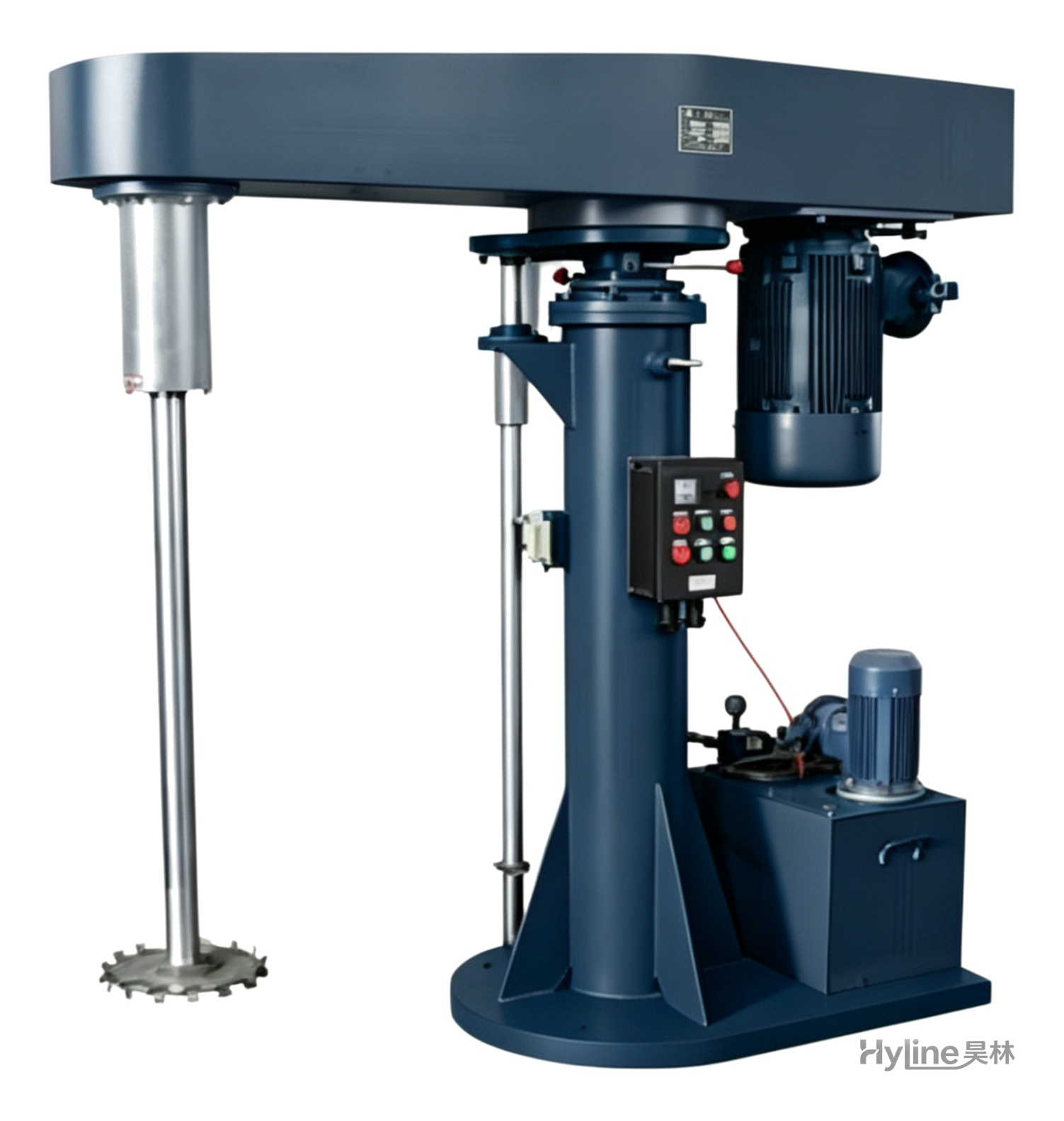
FL Series High-Speed Disperser
Stirs, dissolves and disperses liquids and powders, working alone or matched with sand mills. Variable-frequency drive with hydraulic lift, widely used in paints, inks, coatings, dyestuffs and papermaking.
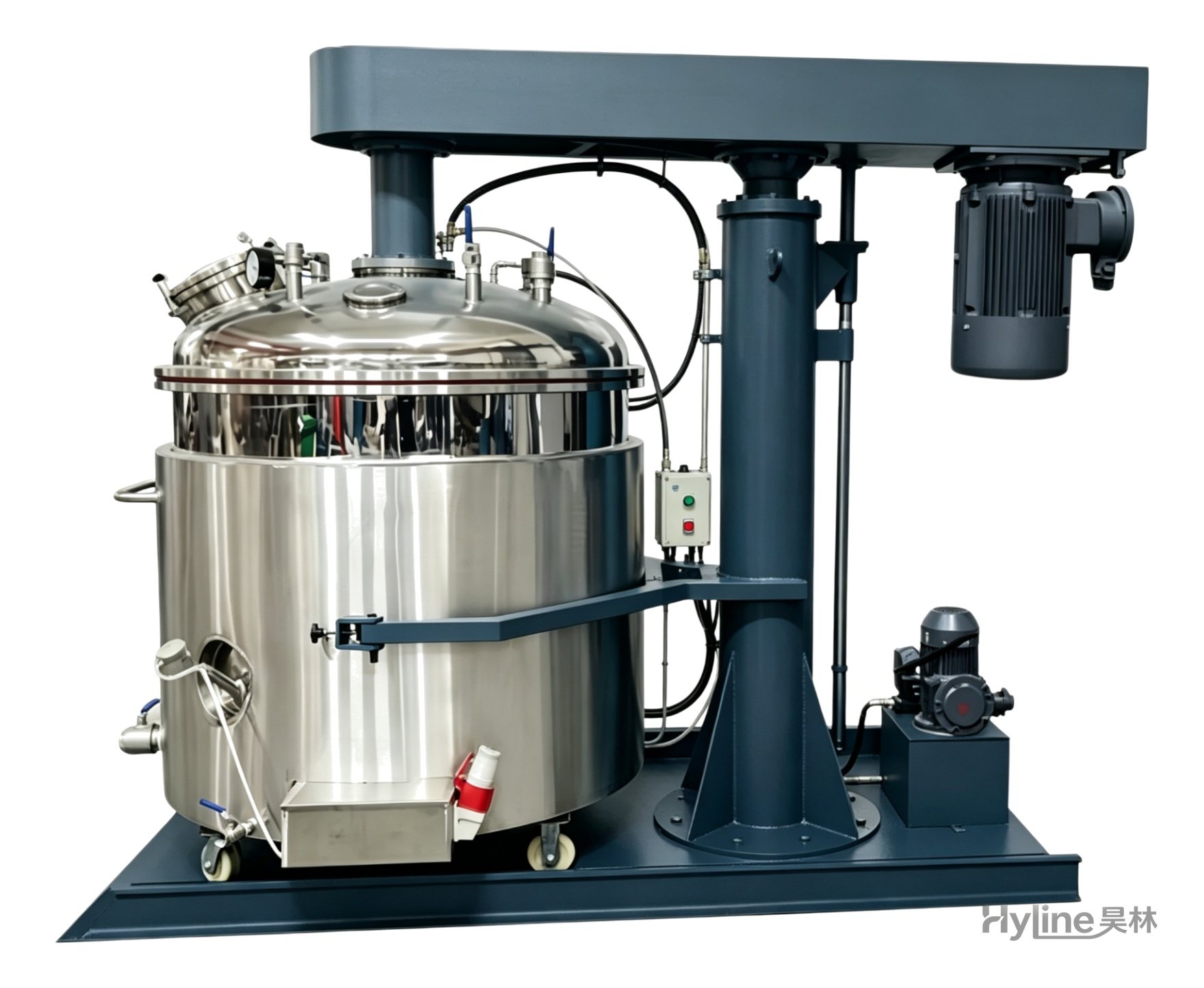
FL Series Vacuum Disperser
Designed for bubble-rich materials and volatile solvents. Vacuum dispersion reduces bubbles and solvent evaporation, accelerates fineness and rapidly defoams. Simple structure, high vacuum, easy operation.
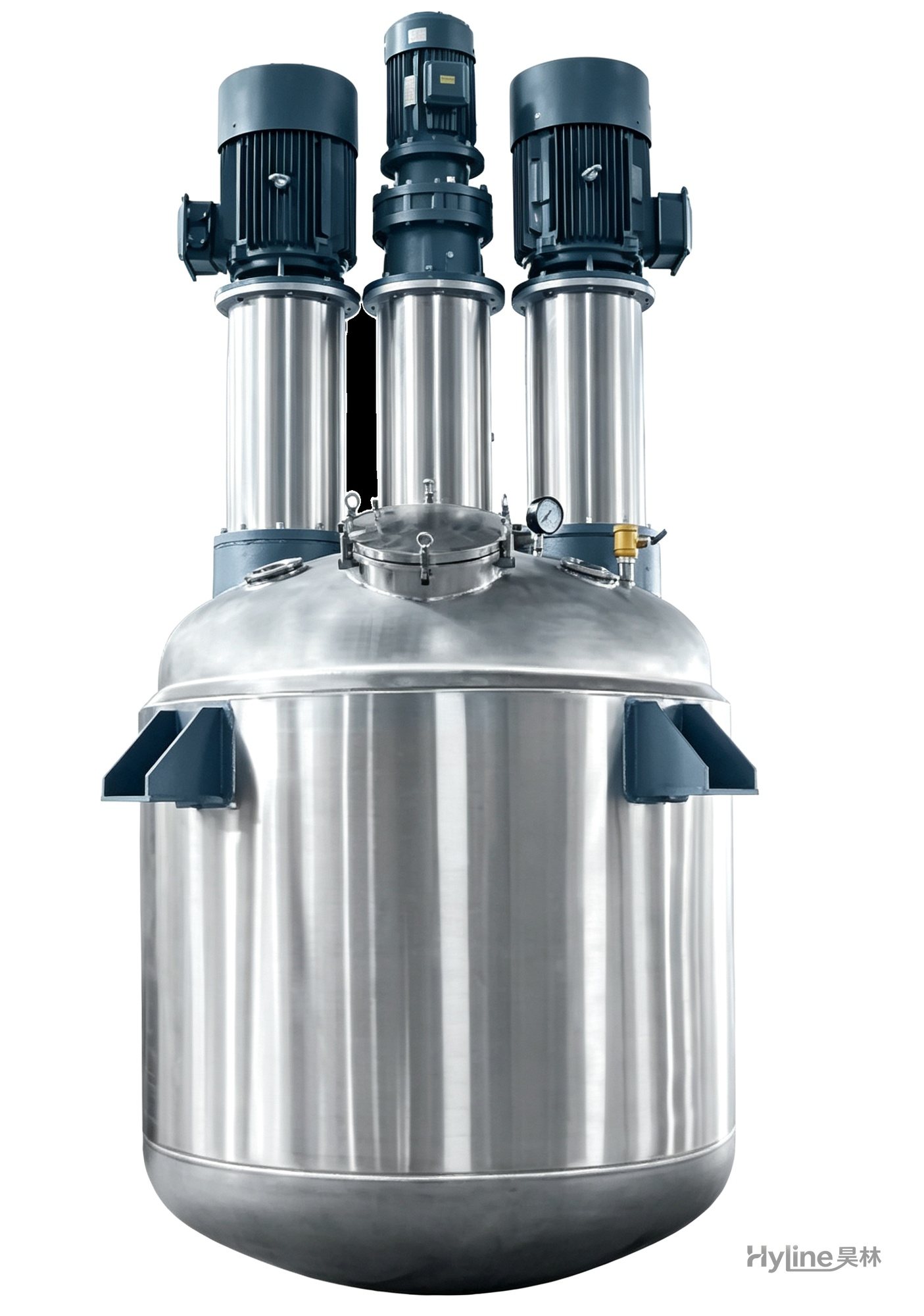
FS Series Multifunctional Dispersing Kettle
Integrates low-speed heavy-duty stirring with high-speed dispersion for medium/high-viscosity and thixotropic materials. Stirring and dispersion proceed simultaneously for ideal results in mixing, dissolving, dispersing and tinting.
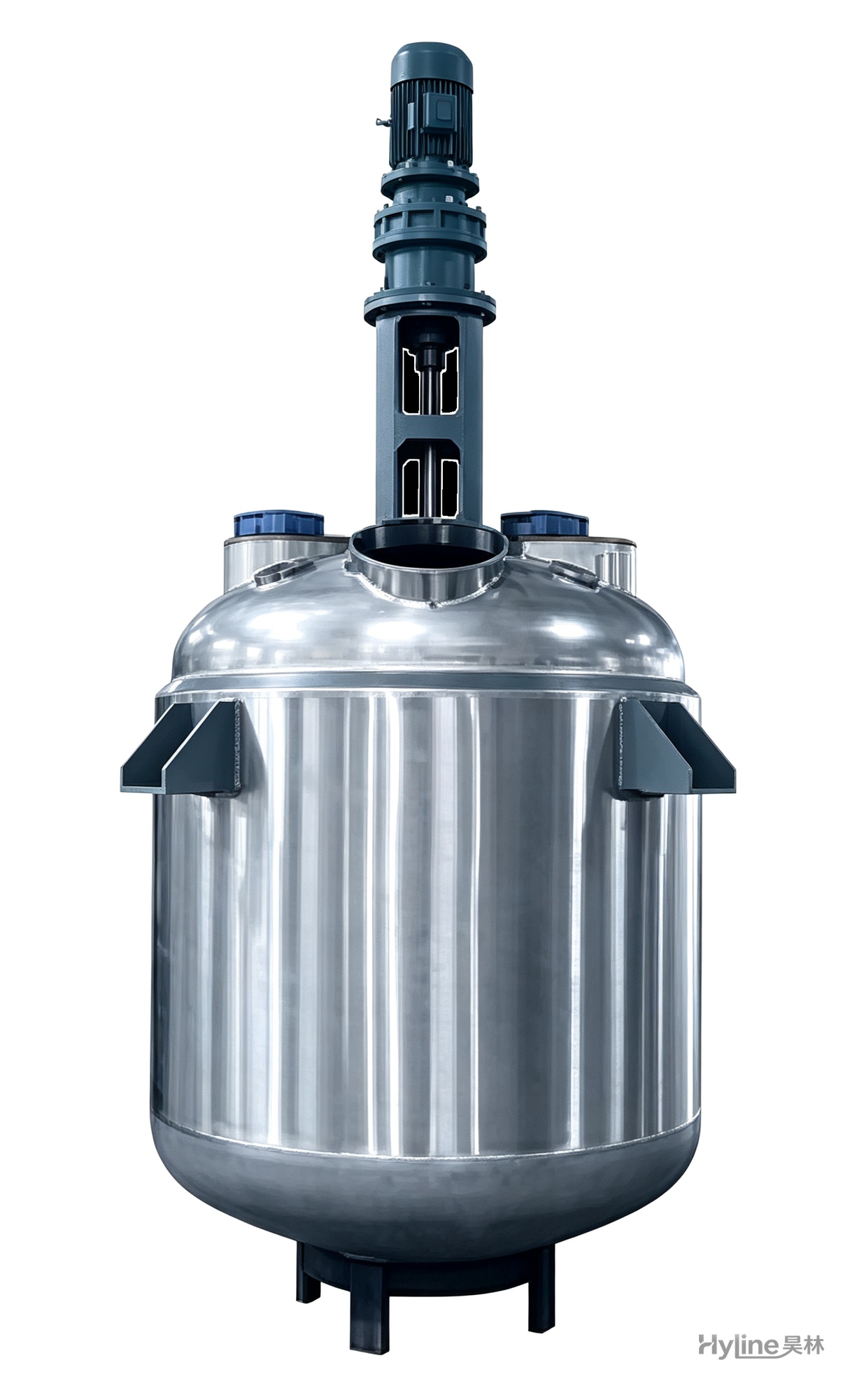
HS Series High-Speed Dispersing Vessel
Specially for dissolving, mixing and dispersing coating materials. The shear force and high speed of the dispersion disc deliver excellent solid-liquid dispersion and homogenization.
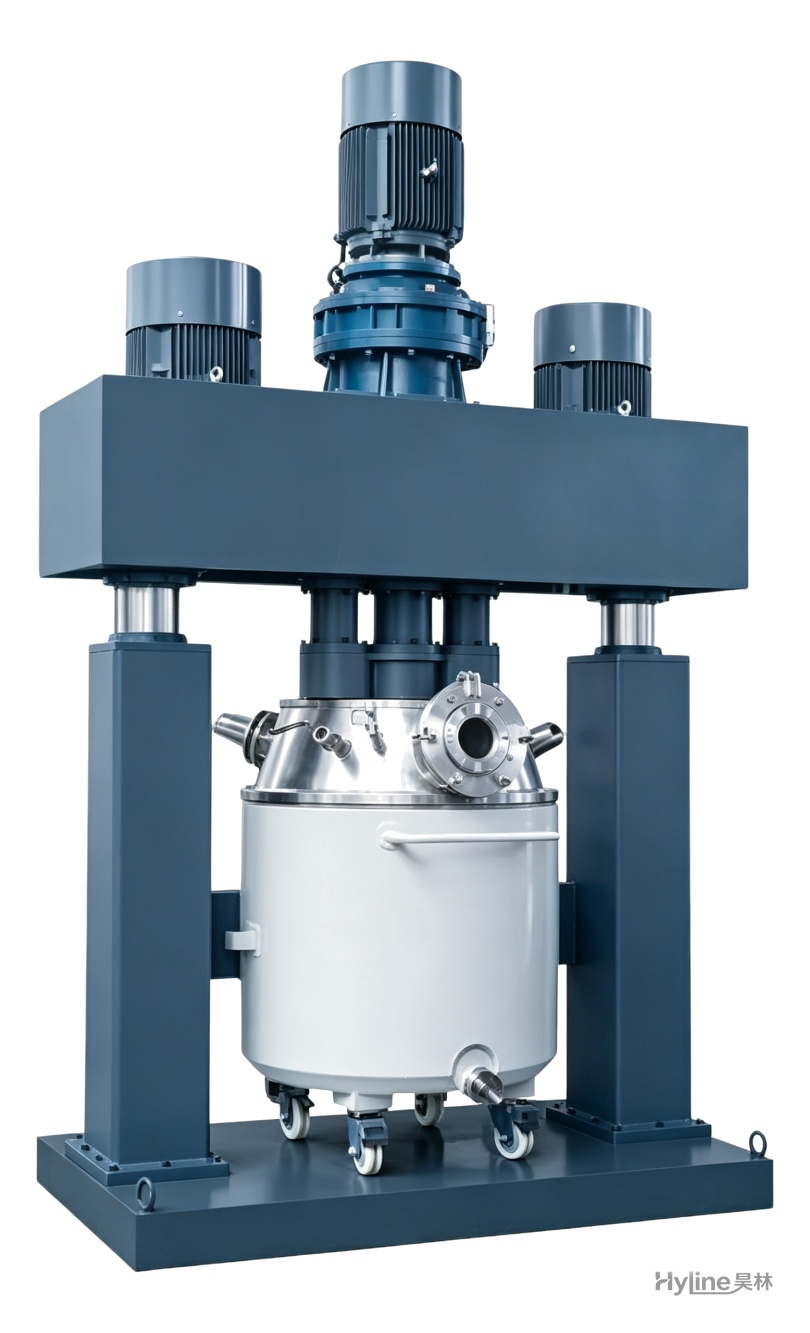
QLF Series Powerful Triple-Shaft Disperser
Two high-speed dispersers plus wall/bottom scraping create complex material flow for rapid dispersion and grinding. Handles high-viscosity pastes of 10,000-2,000,000 cps - widely used for silicone sealants, PU sealants, liquid silicone and electronic adhesives.