
How to select emulsifier tanks for metalworking fluids? Shear and temperature control for emulsified oil and semi-synthetic blending
11/12/2026
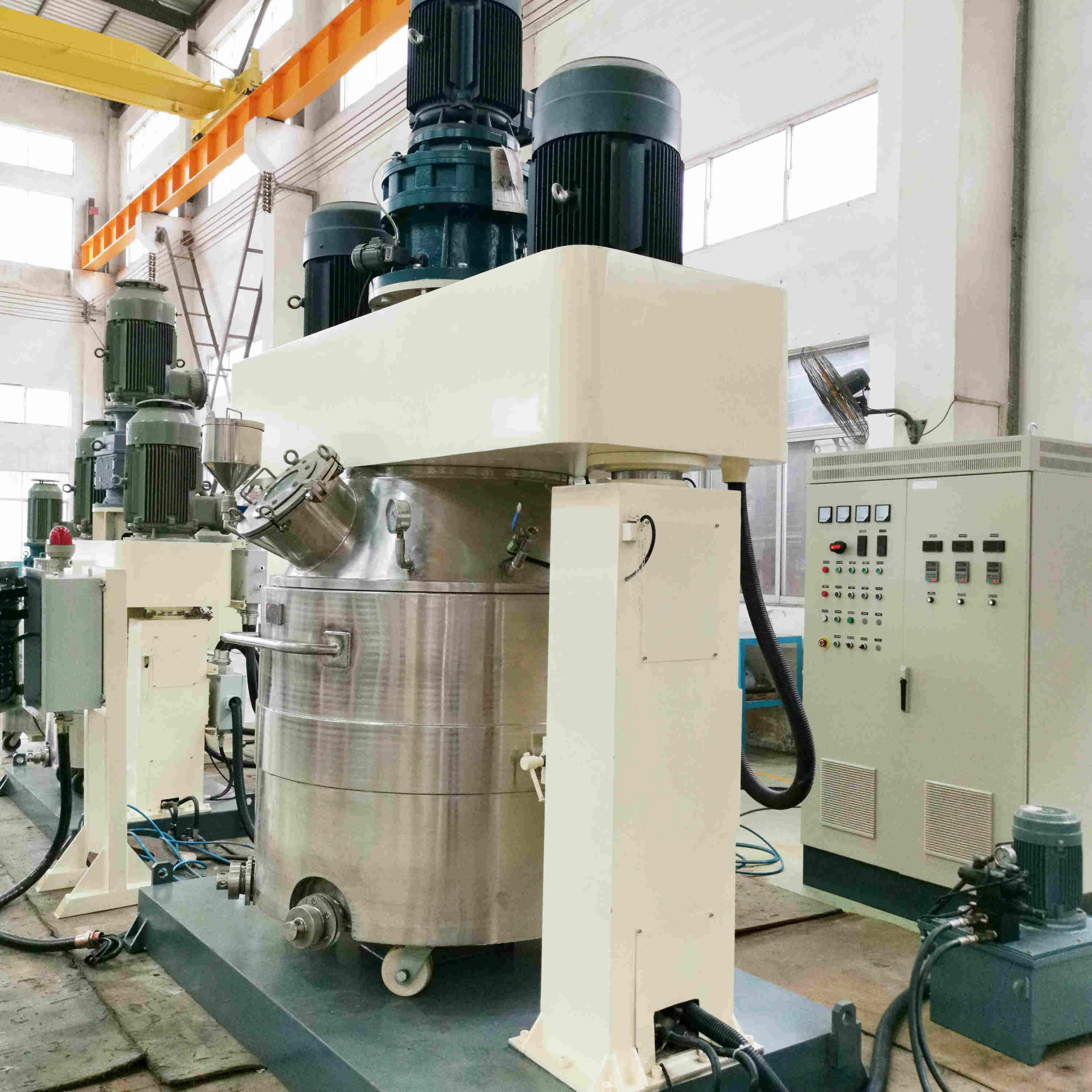
Metalworking fluid plants run year-round: cutting, grinding and stamping all depend on emulsified oils and semi-synthetics for cooling and lubrication, and whether the emulsifier tank behind these products is chosen well decides if the finished fluid separates, breaks or corrodes machines in the customer's shop. The formulation world here differs clearly from cosmetic or food emulsification: the oil phase is mineral oil and esters, the emulsifier package is an anionic/nonionic blend, and rust inhibitors, defoamers and biocides stack on top — so shear intensity, dosing temperature and changeover cleaning all need their own calculation. This article walks through process differences, shear configuration, temperature control and cleaning so buyers can check their own selection.
Why is metalworking fluid blending hard?
In one sentence: high oil fraction, a crowded emulsifier package, and a product that must survive heavy field dilution. Emulsified oil products carry sixty percent or more mineral oil and must dilute tens of times into a stable milky emulsion; semi-synthetics carry a low oil fraction and dilute to a semi-transparent state, which demands even finer droplets. If blending shear is insufficient, the oil phase never breaks into micron-size droplets; the batch looks uniform leaving the plant, but once the customer dilutes it the truth shows — separation, floating oil, emulsion breakage, and a returned batch that costs more than the raw materials.
The three most common root causes are insufficient shear, wrong dosing order and local overheating. Without enough shear the oil cannot be broken to a stable droplet size; with the wrong order the emulsifier never homogenizes into the oil or water phase, and the interfacial film lacks strength; local overheating deactivates part of the emulsifier package, and batch stability drifts. These three map directly onto the tank's homogenization, dosing and temperature-control configuration — check each one at selection time.
How do emulsified oil and semi-synthetic processes differ?
In one sentence: emulsified oil lives on oil-phase pre-mixing plus high-shear emulsification; semi-synthetics live on fine dispersion and batch-to-batch uniformity. A table makes the contrast clear:
| Item | Emulsified oil | Semi-synthetic |
|---|---|---|
| Oil fraction | 60%+, mostly mineral oil | 5–30%, oil plus water-soluble additives |
| Core process steps | Oil pre-mix → heat and dissolve → emulsify → cool and top-up | Water-phase dissolution → oil micro-emulsification → two-phase blending → homogenization |
| Shear requirement | High-shear head, droplets 1–5 µm | Higher homogenization intensity, semi-transparency needs finer droplets |
| Temperature focus | Pre-heat oil phase to 55–70 °C to cut viscosity | Mostly ambient; prevent local overheating that deactivates additives |
| Batch rhythm | 1–5 t per batch, moderate changeover | 0.5–2 t per batch, frequent multi-product changeovers |
The table shows the two lines do not demand the same equipment: the emulsified oil line leans on the heating configuration of the oil pre-mix and emulsifier tanks, the semi-synthetic line leans on homogenizer head fineness and changeover cleaning efficiency. One shared line is feasible, but the cleaning rhythm between batches must be planned, otherwise cross-contamination destabilizes the transparency of semi-synthetic batches.
How should shear intensity be set?
In one sentence: set homogenizer type by target droplet size, and head tip speed and circulation by batch volume. The common configuration for emulsified oil blending is a main agitator plus a rotor-stator head: the main agitator provides bulk circulation and anti-settling, the head breaks the oil to target size, with tip speed typically between eighteen and twenty-five meters per second — the finer the droplet target, the higher the speed. For semi-synthetics or products requiring transparency, when an in-tank head cannot reach fineness, add an external-circuit inline homogenizer; the product passes the rotor-stator gap repeatedly, narrowing the droplet distribution.
High-shear sizing can borrow logic from the disperser familiar in these workshops: a saw-tooth disc handles macro dispersion and powder wetting, a rotor-stator handles fine break-up, and the power split between them follows the powder-to-oil ratio in the formula. Where powder additives such as boric acid or rust-inhibiting salts are prominent, the main agitator's suspension ability needs its own check so additives do not cake on the tank bottom.
Why does temperature control deserve its own section?
In one sentence: heating is the means, overheating is the accident — the blending window is narrow. Emulsified oil blending pre-heats the oil phase to 55–70 °C to drop viscosity so the emulsifier dissolves fully; but above about eighty degrees part of the nonionic package passes its cloud point and loses emulsifying power, and amine components in rust inhibitors volatilize faster. Local overheating is sneakier than bulk overheating: heating rods hard against the shell or uneven steam distribution leave overheated material at the thermal wall, and that small fraction drags the whole batch's stability down.
Configuration-wise, three points matter: prefer jacket hot-water or thermal-oil circulation for a gentle, even thermal wall; put the thermowell in the flowing stream — readings against the shell run visibly low; verify heating and cooling rates against the formula, and after emulsification drop below forty-five degrees quickly before adding biocides and fragrance-type sensitive components. Each line occupies one row on the drawing; in the plant they decide whether batches stay stable.
How to set materials and cleaning?
In one sentence: 304 as the baseline for product contact, 316L where chlorides and amine packages appear, polish grade set by changeover frequency. Corrosion in metalworking fluids comes from two directions: stress-corrosion tendency of amines in rust inhibitors and emulsifier packages toward ordinary stainless, and chloride risk from chlorinated paraffins in some recipes. A standard emulsified oil line runs stably on 304; chloride-bearing systems and semi-synthetic lines should move straight to 316L, with welds pickled and passivated — the heat-affected zone is where chloride attack usually starts.
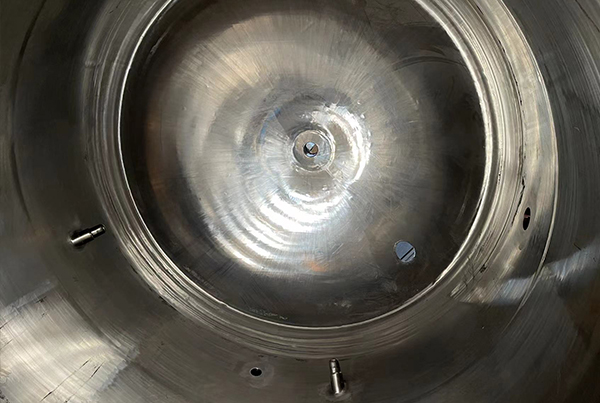
Cleaning and changeover is the most underrated part of this industry. Semi-synthetics are sensitive to cross-contamination: residue of the previous batch's rust inhibitor pushes the next batch's foam and appearance out of spec. Set cleaning by changeover frequency: frequent changeovers justify embedded CIP piping and spray balls; relaxed schedules can run manual cleaning on a mirror-polished interior. Polishing the inner wall below 0.4 µm Ra cuts residual film noticeably and shortens manual cleaning by nearly half. The photo below shows a polished tank interior; the gain in cleaning speed is visible to the eye.
How should volume and batch size be calculated?
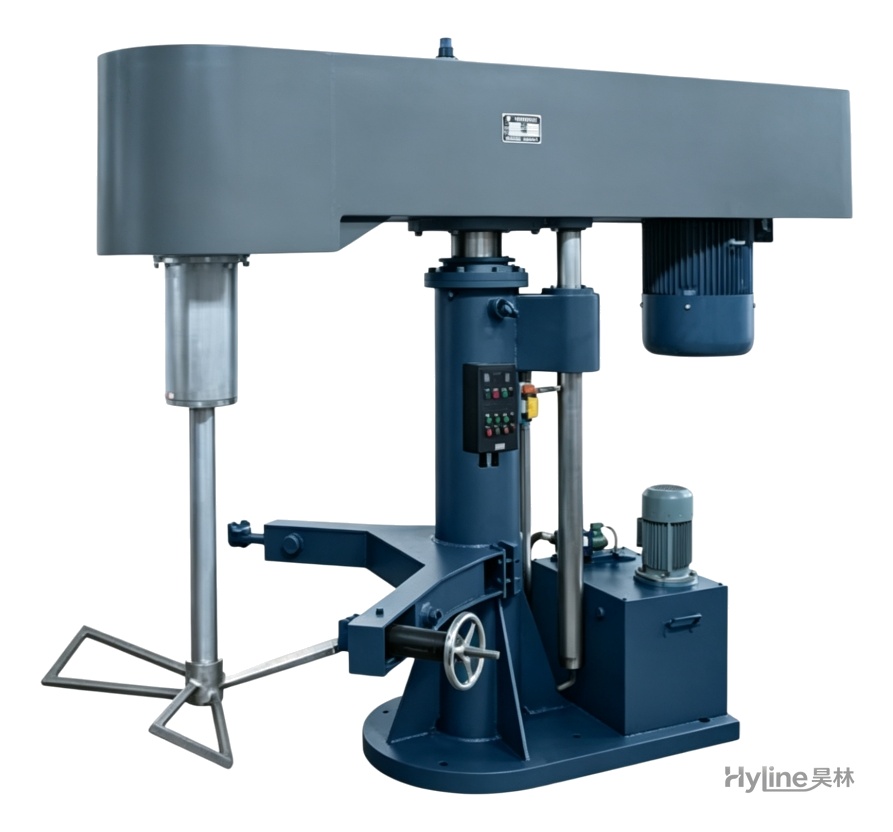
In one sentence: back-calculate tank volume from daily output and dilution plans, and make sure minimum agitation volume covers low-load batches. A metalworking fluid plant usually runs a few anchor products plus a tail of small ones; set effective volume by the anchor product's batch charge, because an oversized tank fails the minimum agitation volume on small batches — the homogenizer head loses submergence and emulsification quality drops with it. Small butterfly-type agitators can serve as a side line for small products, forming a high-low pairing with the main tank.
Semi-synthetics also need the dilution and transfer stage considered: concentrated product either goes straight to filling or first moves into a dilution mixing tank for finishing. The transfer tank only needs agitation matched to the finished concentration — no need to copy the blending tank's high-shear package; spend the shear budget where shear actually earns its keep, and the line investment holds its value.
What should be confirmed before purchasing?
Writing the answers to five questions into the purchase list visibly improves quotation accuracy: is the anchor product emulsified oil or semi-synthetic, and in what proportion; batch charge and batches per day; oil-phase pre-heat ceiling and dosing temperature of sensitive components; chloride present or not — 304 or 316L; changeover frequency and cleaning method. These five lock shear configuration, volume, temperature control, materials and cleaning respectively — the answers pick the configuration.
One more practice worth its own line: include field-dilution verification in factory acceptance. Ask the equipment maker to run a real blend with your raw materials before shipment, dilute the sample to field concentration, let it stand and observe — release the balance payment only after stability passes. This step costs little time and proves the shear configuration before the tank leaves the plant, far cheaper than rework after a customer complaint.
How to finalize the tank configuration?
Selecting an emulsifier tank for metalworking fluids is a combined problem of shear, temperature, materials and cleaning: the formula sets the homogenizer type, batches set volume, sensitive components set the temperature route, changeover frequency sets cleaning. Haolin Shengda Equipment Manufacturing Co., Ltd. (hyline.cn) brings multi-industry experience in emulsifying and dispersing equipment and non-standard tank customization: shear sized to target droplet size, temperature pre-controlled to the formula window, materials routed by media composition, cleaning matched to changeover rhythm. Send us your product type, batch charge and changeover frequency, and we will work out the tank scheme together with the line configuration and quotation.
Further reading: - How to configure the tank structure of an emulsifier? Main agitation, homogenizer head and wall scraping by process - How to set emulsification temperature and dosing order? Oil and water phase process points
This article is prepared by Hyline Shengda Equipment Manufacturing Co., Ltd. (hyline.cn)
Q&A from this article
Frequently asked questions and answers from this article
In one sentence: high oil fraction, a crowded emulsifier package, and a product that must …
Related Products
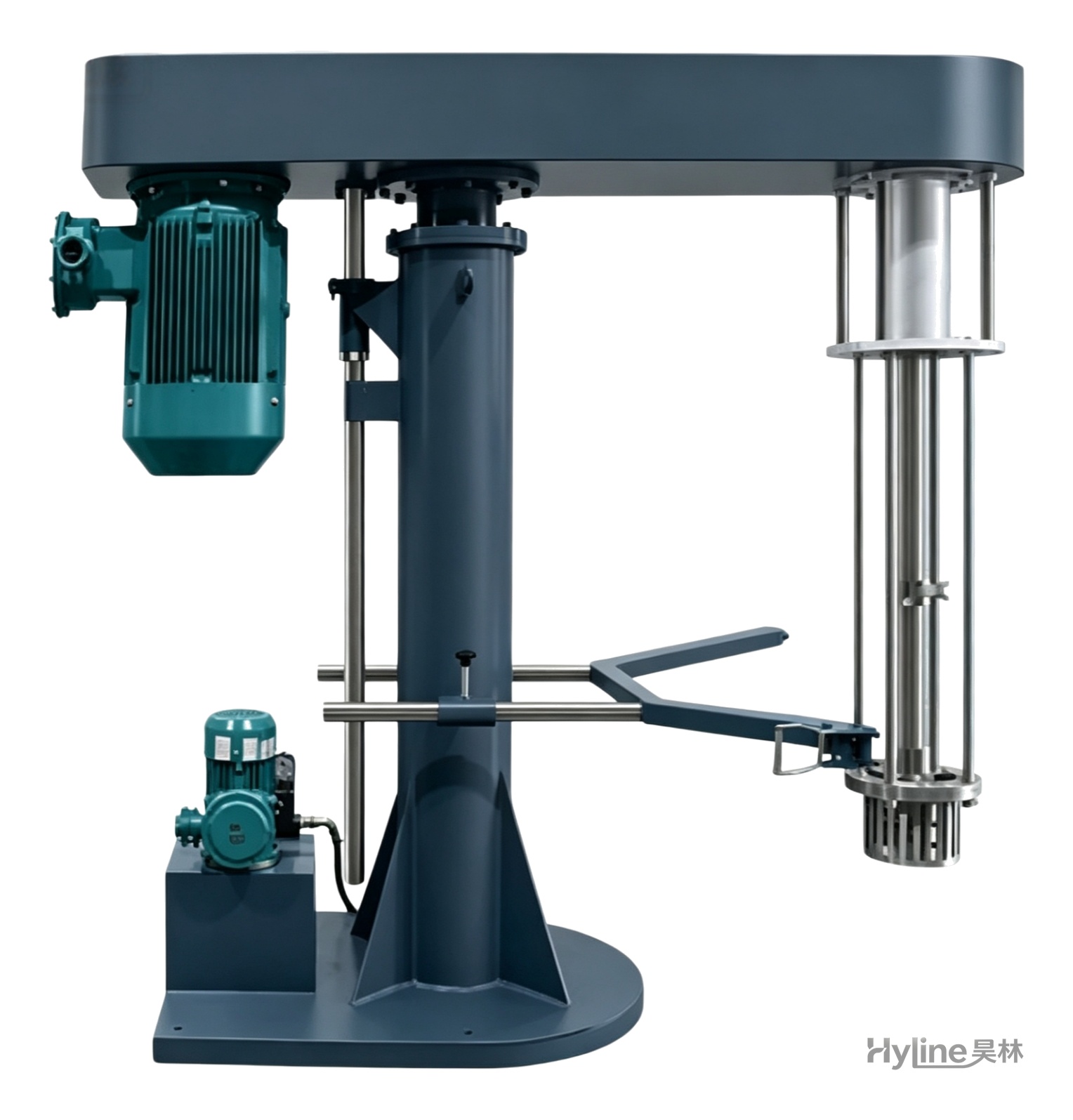
GJD Series Emulsifying Disperser
For emulsification, mixing and dispersion in coatings, inks, pesticides and papermaking. Powerful high-speed shear achieves required fineness and uniformity in a short time.
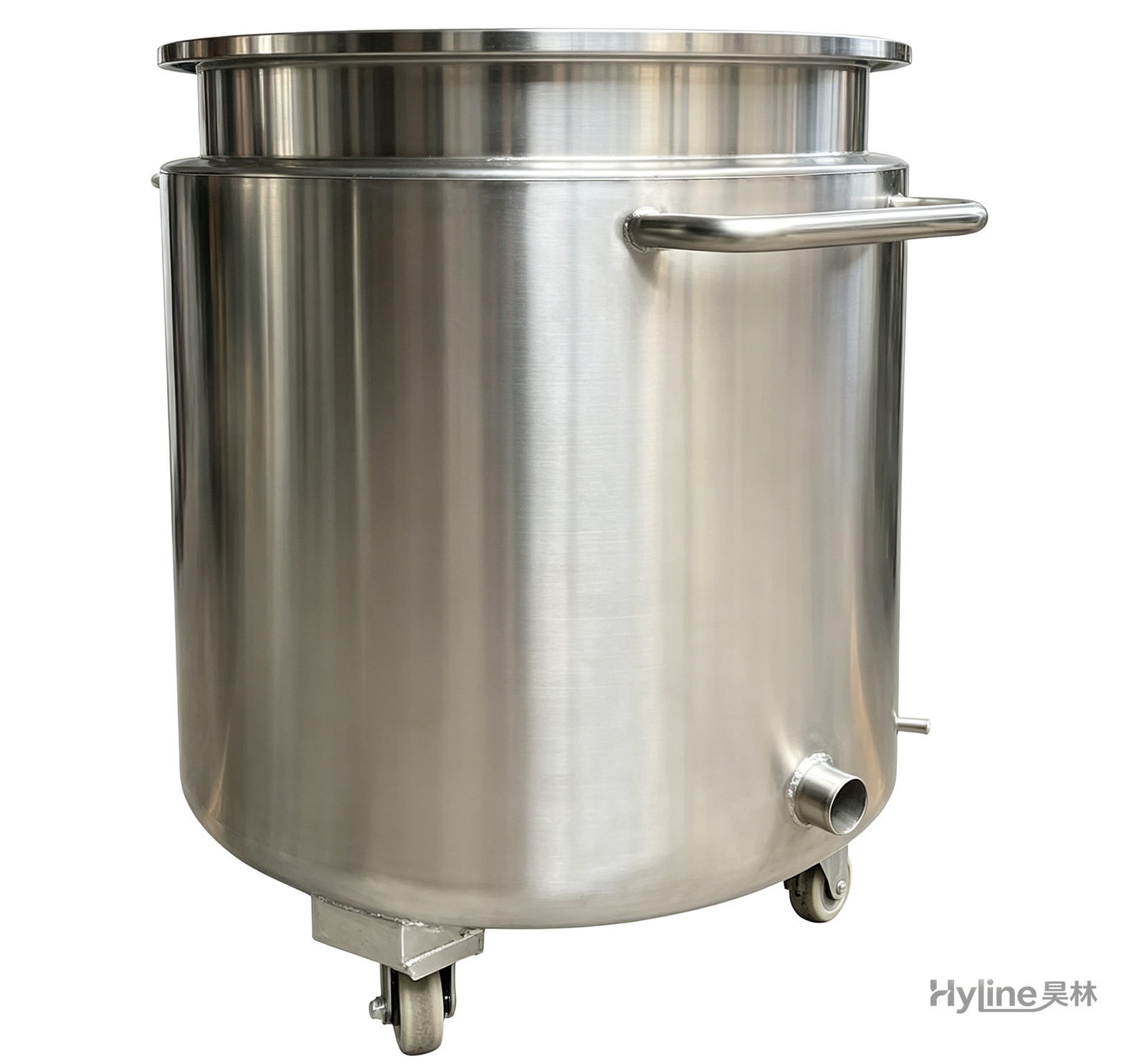
Stainless Steel Mixing Tank (Dispersion Drum)
Supporting vessel for dispersers and mixers in paints, coatings, adhesives, color slurries, inks and electronics. Available in 201/304 stainless with internal/external polishing and sloped bottom side discharge for complete draining.
DSJ Series Butterfly Mixer
High-efficiency mixer with three-blade butterfly impellers. Vacuum during mixing improves quality; simultaneous mixing and automatic lifting boost productivity. For high-viscosity putty, adhesives and offset inks.
Jacketed Reactor
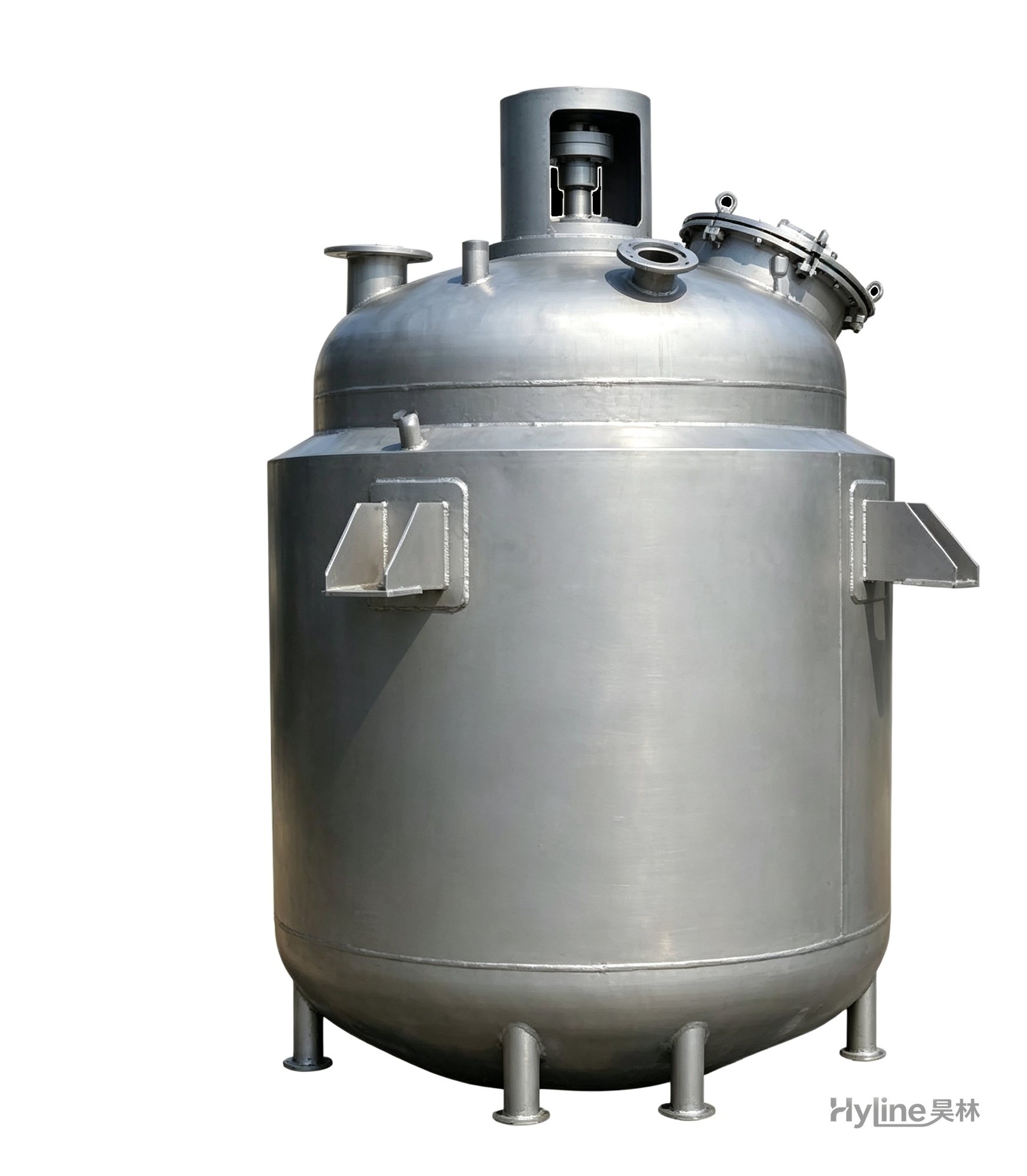
The typical main reaction vessel in chemical production. Mixing, heating and cooling disperse and mix materials for reaction and polymerization. The jacket circulates thermal oil/steam for heating or cooling water for temperature control.