
How to choose a high speed disperser for pesticide formulations: high-solids SC, water-based duty and milling train
11/8/2026
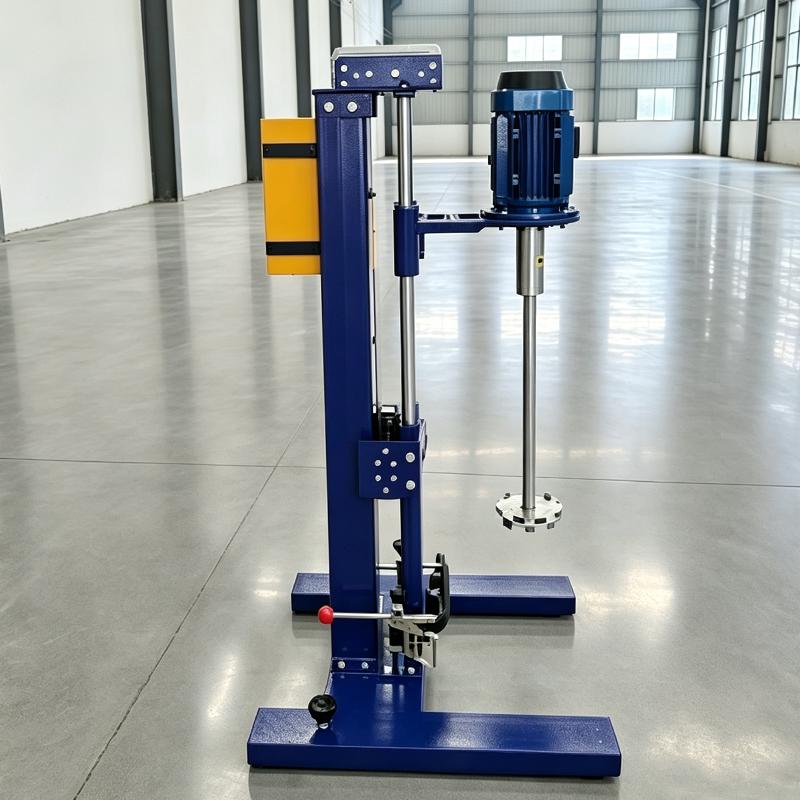
Water-based formulation is the strategic direction of the pesticide industry, and suspension concentrates (SC) are among its highest-volume formulations — where the first production bottleneck is dispersion. Formulation plants keep meeting the same puzzle: the same recipe disperses fast and fine at lab scale, but in the production tank it refuses to grind finer, the slurry cakes on the wall or settles out, and simply raising the speed only adds heat. The problem is usually not the formula but a disperser not configured for this duty. Starting from the suspension-concentrate duty, this article explains how to set the power, disc size, vacuum, explosion protection and milling train of a high speed disperser, so the configuration is right before you order.
A suspension concentrate is a thick slurry of water-insoluble technical material milled into fine particles and stabilized in water by wetting and dispersing agents, with solids commonly above 40 percent — high viscosity and strongly thixotropic. The duty challenges equipment in three ways: it must ingest a dense, high-solids slurry; it must break up agglomerates within a reasonable time; and the water-based system must control foaming and contamination. Disperser selection is built around exactly these three points.
What does the suspension-concentrate duty demand?
In one sentence: high solids, high viscosity and easy agglomeration mean the disperser must be strong enough and a milling stage must follow — one disperser alone never reaches the finished fineness.
Slurry solids of 40 to 60 percent behave like paste, and the first battle is "ingestion": a disc too small relative to the tank diameter lets material spin at the rim without entering the shear zone; insufficient power margin means the current tops out as soon as feeding starts, forcing low-speed grinding. The fineness expectation matters even more: finished SC particle size is controlled at the micron level, and the disperser's job is to wet and break the material down to a pre-dispersion of a few to a dozen microns; anything finer requires milling equipment to take over. Counting on one high speed disperser to reach the finished fineness in one step usually stalls the process and overheats the batch.
The right approach is "disperser for pre-treatment, mill for fine grinding", with the handover parameters (feed viscosity, solids, temperature) aligned at the selection stage rather than trial-and-error after installation.
How to match power and disc diameter?
In one sentence: estimate power from batch volume and solids first, then set disc diameter from tank diameter — typically about one third of the tank diameter, with disc tip speed in the conventional dispersion range.
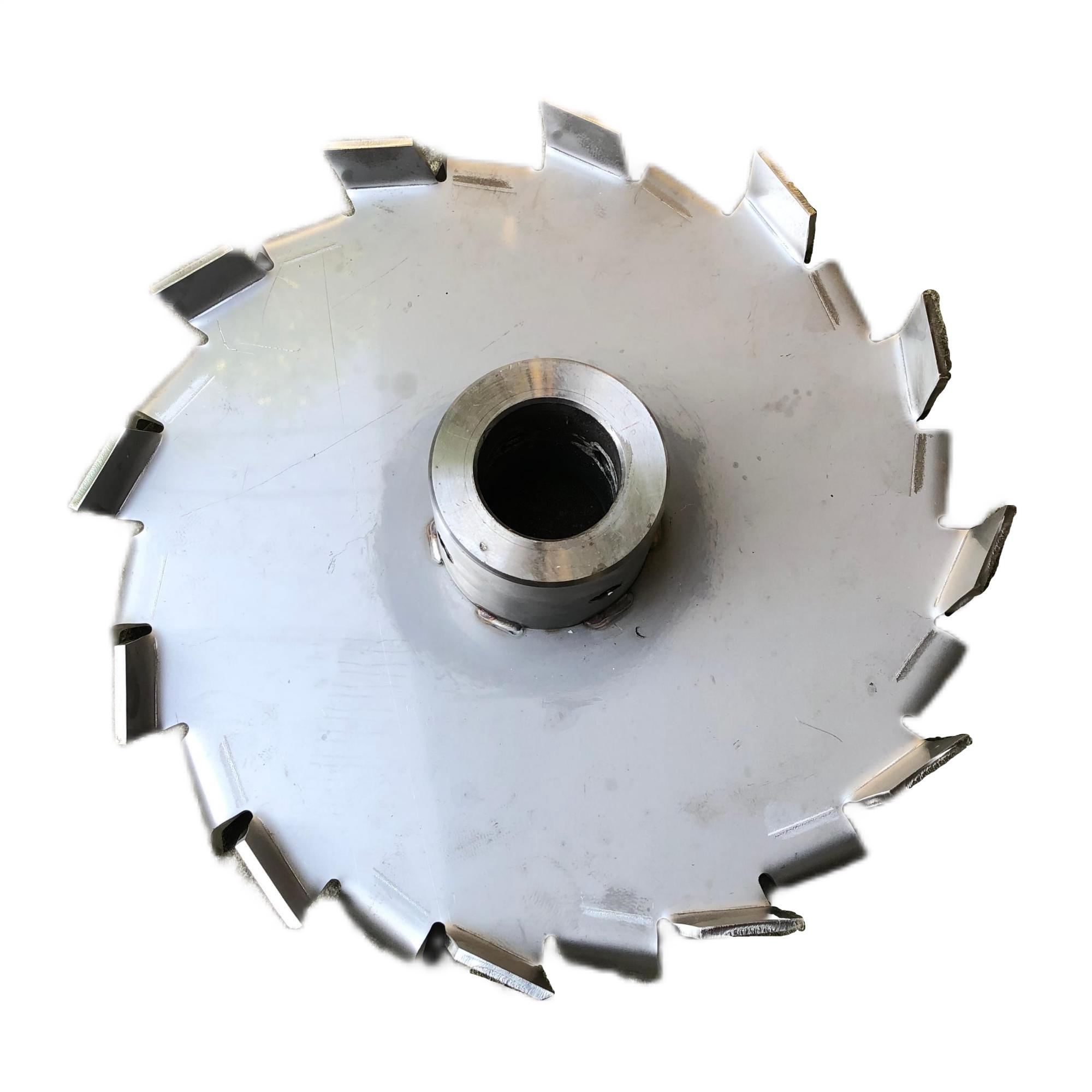
Industry references for kilowatts per unit volume are relatively mature for ordinary coatings, but SC is more viscous and demands a step up. The reliable route is to hand the equipment supplier the basic formulation data: batch volume, solids range, viscosity range and temperature-rise limits, and let them size from the machine's power curve — not just "a 2000-liter tank". The disc-to-tank ratio matters equally: a mismatched ratio leaves dead zones near the wall where material barely moves, stretching mixing time and making batch-to-batch variation unavoidable.
The table below summarizes the configuration logic for a pre-order check:
| Item | Logic | Consequence of deviation |
|---|---|---|
| Power | Up one step for solids and viscosity | Current tops out, forced to slow down |
| Disc diameter | About one third of tank diameter | Near-wall dead zone, uneven mixing |
| Lift stroke | Covers low and high level plus vessel change | Cannot reach material at high level |
| Speed range | Two stages: low-speed wetting, high-speed dispersion | Splashing during the wetting stage |
Hydraulic lift is recommended: SC slurry is viscous, and moving the machine head manually under load is laborious and unsafe — front-line feedback on this point is remarkably consistent.
Do you need vacuum?
In one sentence: for water-based SC, vacuum is recommended — not primarily for explosion protection, but to control air bubbles and solvent evaporation.
Thick SC slurry traps air during dispersion and the bubbles will not escape on their own; after filling, bubbles rise and the paste shrinks in the bottle — the "shrinking neck" on the shelf. Dispersing under vacuum markedly reduces entrained air and keeps appearance stable. For water-based emulsions (EW) and microemulsions containing organic solvents, vacuum also suppresses volatile odor and improves the workshop environment. Vacuum duty calls for a closed machine such as a vacuum disperser, where vessel sealing, shaft seal and vacuum piping come as one package; retrofitting an open machine for closed operation never matches a purpose-built closed machine on seal reliability.
Note that deeper vacuum is not better: dense slurry expands and surges under excessive vacuum. Stay within the common range down to near one atmosphere of negative pressure, with a buffer tank for stability.
How to configure explosion protection?
In one sentence: water-based SC itself is not a flammable system, but if the workshop also handles solvent-containing formulations such as EC or EW, ordering the disperser with explosion-proof configuration is the safer call.
Explosion protection covers motor, control cabinet, lighting and static grounding; the protection grade follows the plant's hazardous-area zoning. Write the workshop's zone requirement into the technical agreement at order time so commissioning matches the safety assessment. Static grounding is easily overlooked: dense slurry charges electrostatically under high-speed dispersion, so the equipment body must be reliably earthed and plastic transfer hoses replaced with anti-static ones. This is the costliest configuration to change later — get it right the first time.
One more reminder: explosion protection is not just swapping the motor. The control cabinet's ingress protection, sealed conduit routing and earth resistance must all be checked, and acceptance follows the technical agreement item by item. The boundary between the explosion-proof zone and non-rated equipment in the workshop must be drawn clearly, avoiding the awkward situation of "main machine rated, auxiliary equipment exposed".
How to control slurry temperature rise?
In one sentence: most of the dispersion power input turns into heat; set the temperature-rise limit at the selection stage and hold it with split-stage dispersion and a cooled dispersion vessel.
High-solids slurry heats up fast — a tank wall hot to the touch after ten-odd minutes is common. As temperature rises, wetting and dispersing agents lose effect and material re-agglomerates; some systems even show a sudden viscosity change. Three controls: split dispersion into two or three stages with pauses for heat dissipation; choose a jacketed dispersion vessel with cooling water so the wall works as a heat sink — ordinary open vessels have no cooling structure, so state it at ordering; and keep speed control in reserve — extend the time rather than grind hard at top speed. Set the temperature-rise limit from the formulation's stability requirement and tell the supplier the number plainly.
Why does milling follow dispersion?
In one sentence: dispersion "spreads", milling "grinds fine" — the finished fineness of SC is delivered by a [sand mill](https://hyline.cn/zh/products/tdb-nano-sand-mill) taking over from the disperser.
The pre-dispersed slurry enters the sand mill, which grinds the particles to the micron fineness the product requires, followed by let-down and anti-settling adjustment. Three handover items must align: feed pump linkage with the disperser discharge, grinding media compatibility with the slurry, and discharge temperature. SC is temperature-sensitive; prolonged heat can trigger crystallization or viscosity shifts, so every stage of the train must think about temperature. Closed piping beats open transfer between dispersion and milling — fewer bubbles, less contamination. The two stages must also be capacity-matched: coarse disperser output overloads the mill, an undersized mill drags the whole line — size the train backward from line output, not machine by machine.
How do filtration and filling connect?
In one sentence: milled slurry passes one filtration stage to remove impurities and agglomerates, then goes to dosing and filling — keep the chain closed as far as possible.
After milling, a bag filter provides terminal filtration; bag rating follows the product specification. Filtration catches impurities and also exposes under-milled batches early — heavy cake on the bag sends you back to check the milling stage. Filling follows by package size with a filling machine; SC clings to surfaces, so confirm anti-drip design at selection. The more closed the chain from dispersion, milling and filtration to filling, the lower the batch-to-batch contamination and skinning risk.
What parameters to state before ordering?
From our experience with pesticide formulation customers, these data points keep selection on track: target formulation type and solids range, batch volume and batches per day, whether the workshop has hazardous-area zoning, fineness target and existing milling equipment, plus the workshop's utilities and headroom. With parameters complete, power, disc size, seal type, explosion-proof grade and the downstream train are set in one pass, avoiding the "buy one and try" rework.
As the company behind hyline.cn, Hyline Shengda Equipment Manufacturing Co., Ltd. sizes the power curve of the high speed disperser against slurry viscosity, matches disc diameter and lift stroke to tank diameter, drafts explosion-proof and vacuum configuration from workshop conditions, and supplies the milling and filling train in one package — so customers never trial-and-error on equipment linkage. If you are equipping an SC line, send us the formulation parameters and workshop conditions and we will set the configuration together.
Further reading: - How to choose a high speed disperser for coatings and inks: disc and power by viscosity and tank diameter - Sand mill selection guide: disc, pin-type, turbine and basket mills
This article is compiled by Hyline Shengda Equipment Manufacturing Co., Ltd.
Q&A from this article
Frequently asked questions and answers from this article
In one sentence: estimate power from batch volume and solids first, then set disc diameter…
Related Products
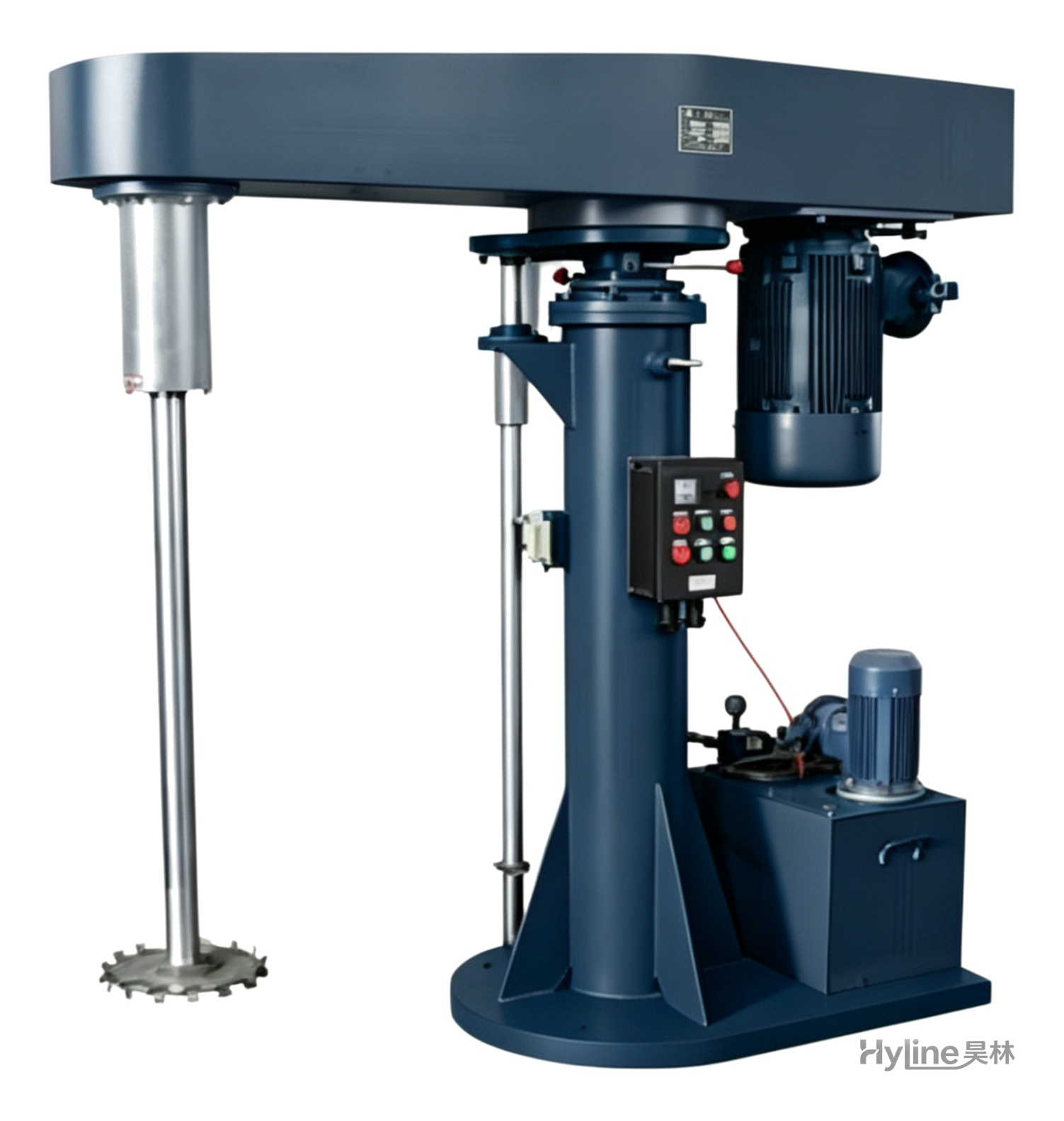
FL Series High-Speed Disperser
Stirs, dissolves and disperses liquids and powders, working alone or matched with sand mills. Variable-frequency drive with hydraulic lift, widely used in paints, inks, coatings, dyestuffs and papermaking.
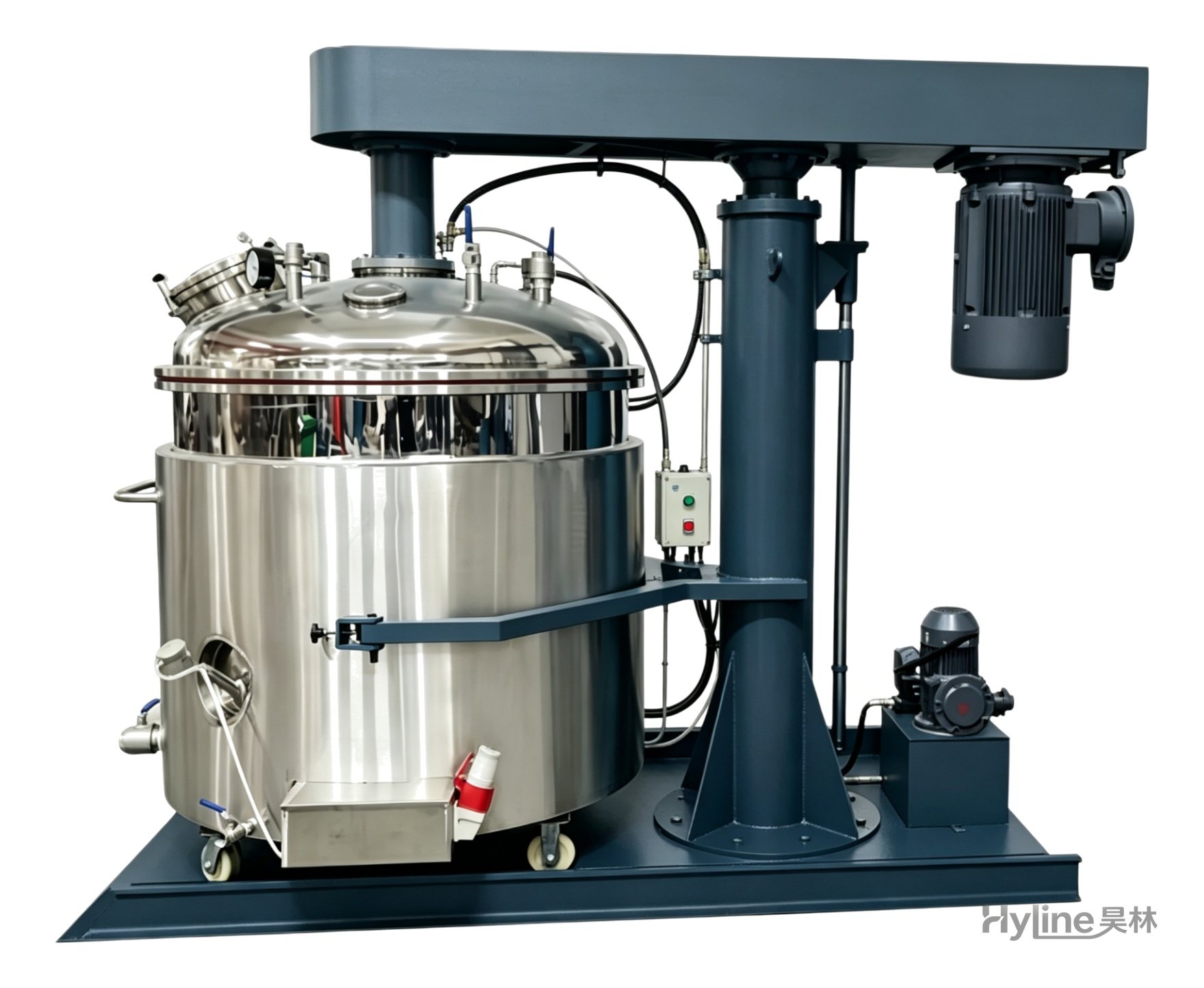
FL Series Vacuum Disperser
Designed for bubble-rich materials and volatile solvents. Vacuum dispersion reduces bubbles and solvent evaporation, accelerates fineness and rapidly defoams. Simple structure, high vacuum, easy operation.
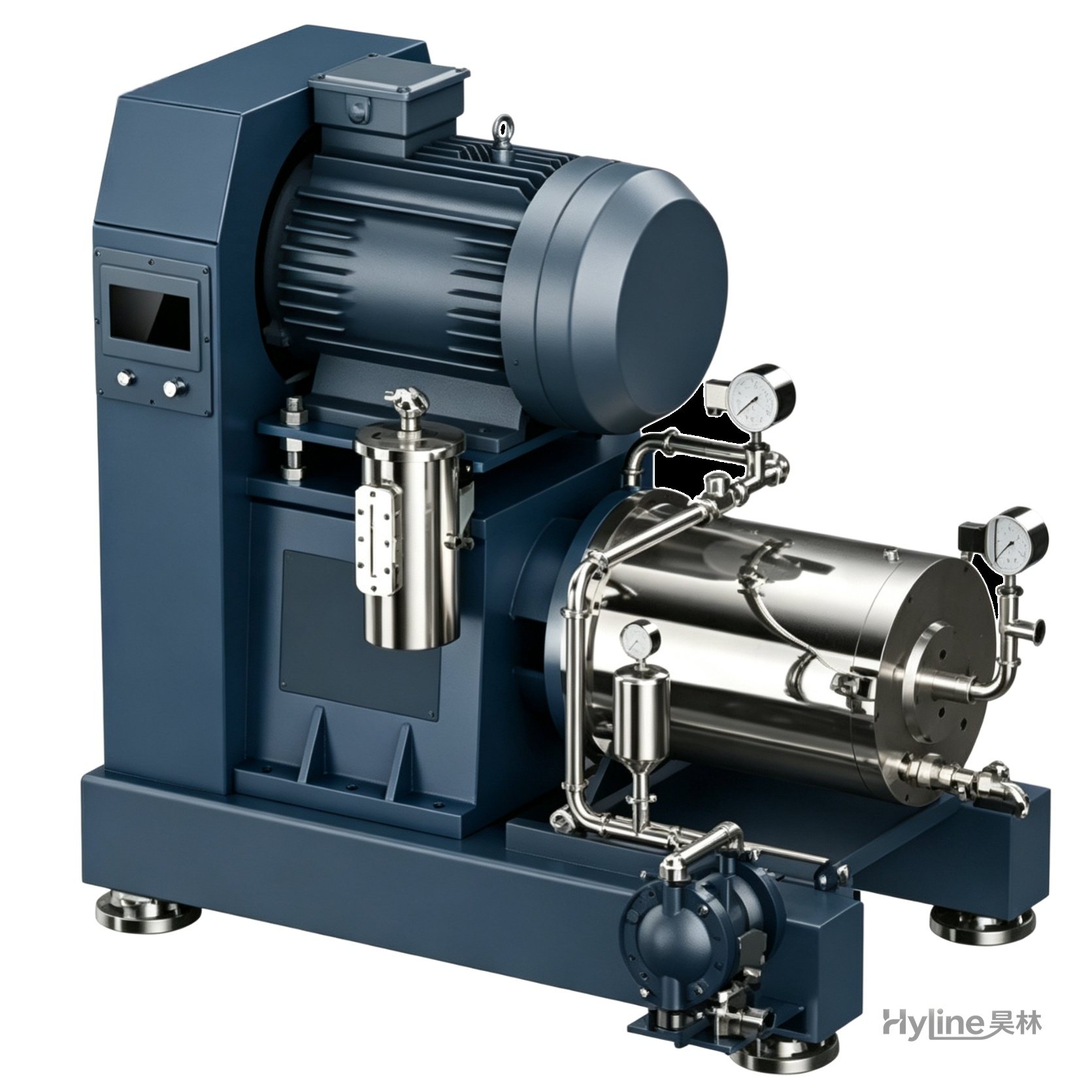
TDB Nano Sand Mill (Rod Pin Type)
Designed to advanced European standards with ample flow, excellent temperature control and high energy efficiency, achieving narrow particle size distribution at nano grade. Widely used in ceramics, inks, lithium battery materials, electronic slurries, nano pastes and pesticides.
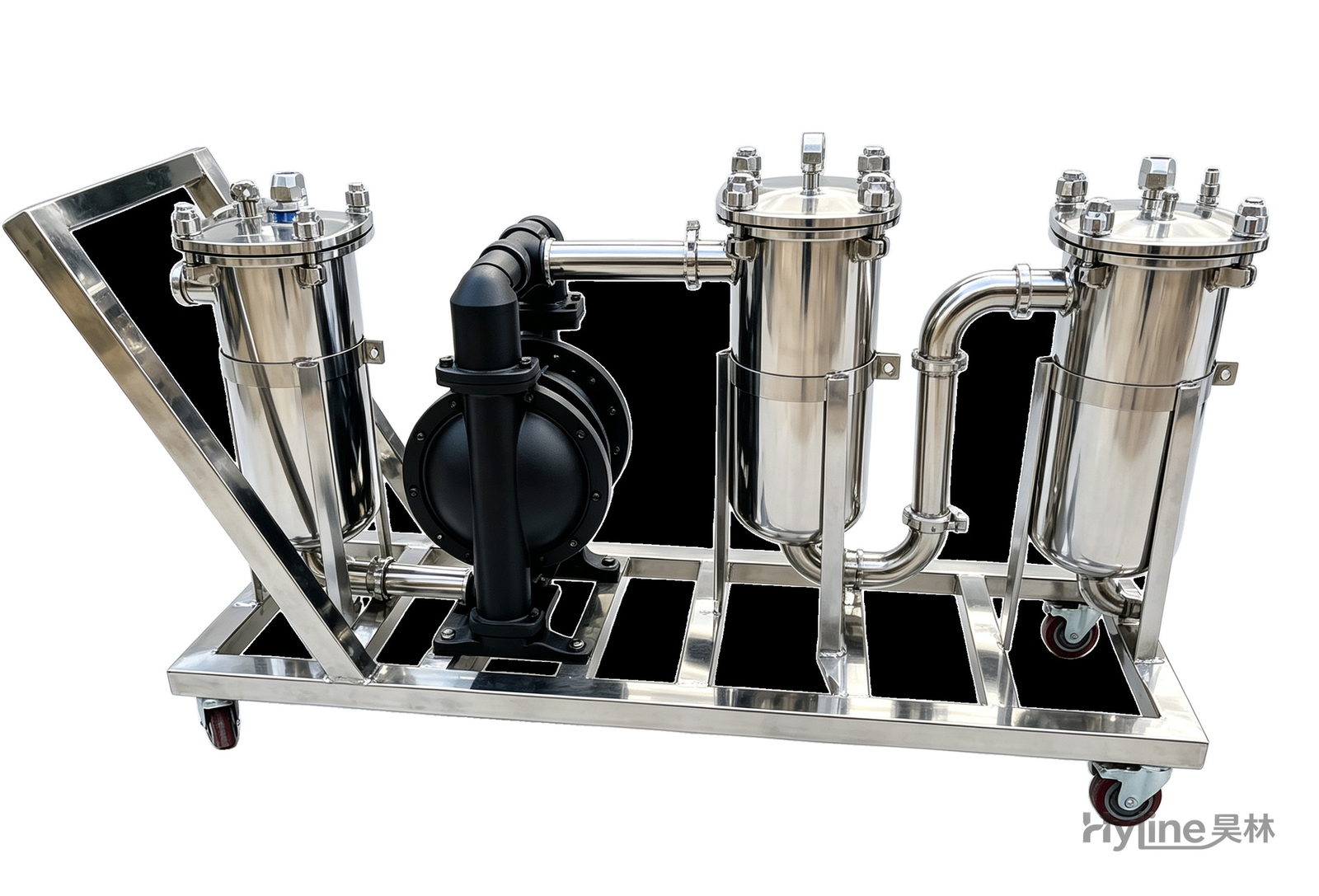
DL Series Bag Filter
A novel, compact, flexible and airtight multi-purpose filter widely used in chemicals, coatings, inks and food. Single and duplex models available, mountable on mobile carts with transfer pumps.
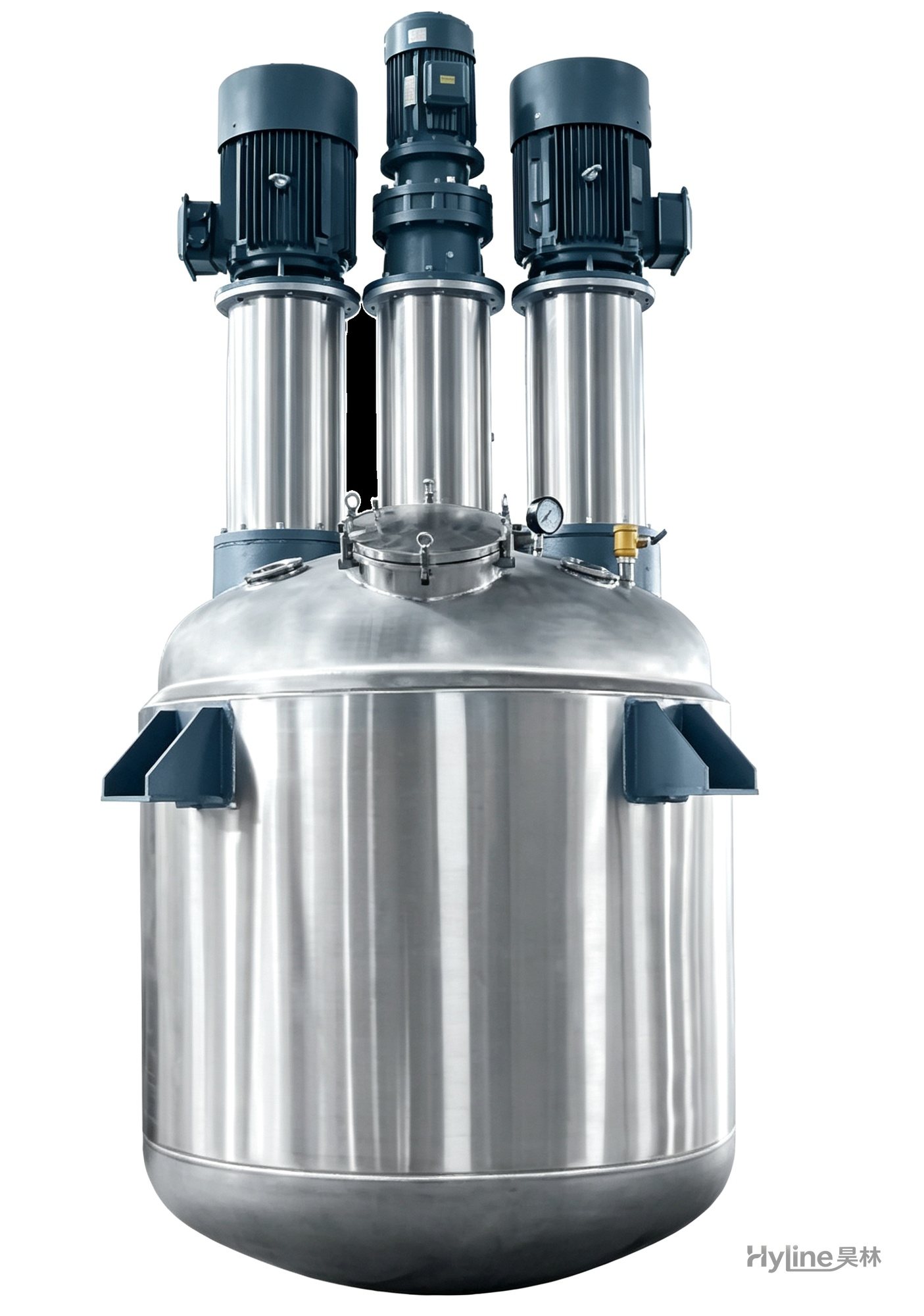
FS Series Multifunctional Dispersing Kettle
Integrates low-speed heavy-duty stirring with high-speed dispersion for medium/high-viscosity and thixotropic materials. Stirring and dispersion proceed simultaneously for ideal results in mixing, dissolving, dispersing and tinting.